Tag: Abhishek Malhotra

  • Court orders stay on music licensing societies from collecting royalties ahead of New Year

    Court orders stay on music licensing societies from collecting royalties ahead of New Year

    MUMBAI: It’s a judgment that has taken some time a-coming. For long Indian event organisers and agencies have been battling with the music licensing in various courts – the IPRS and PPL and Novex Communications – on their legal standing to collect royalties for music that is played out during ground events that the former organise. While the first two represent the interests of writers, authoris, composers and almost all Indian and international music labels, the latter collects royalties from event organisers for music from the YRF and Zee Music stable.

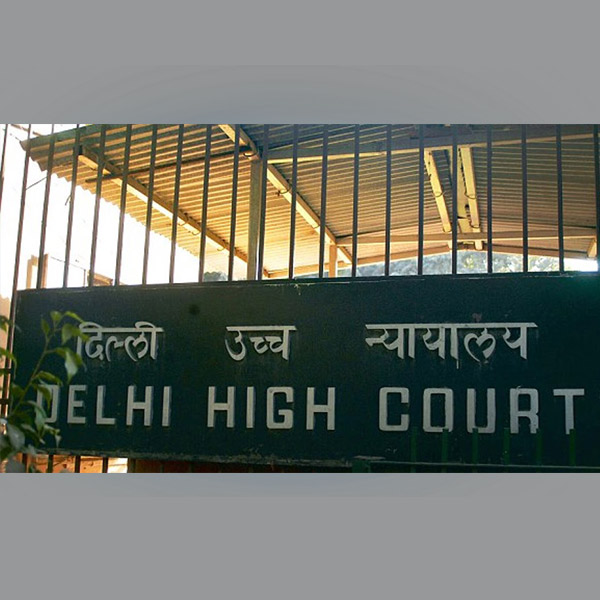
    With many parties and gigs planned by many event organisers planned for the new year – which is a plum time for these three bodies to collect revenues for live events and parties – the Event & Entertainment Management filed a petition with the Delhi high court on 21 December. It named the Indian government, the Copyright Off ice and PPL, IPRS, and Novex Communications as respondents to the case.

    The petition highlighted that despite the fact that currently neither of the bodies issuing ‘licenses’ are infact registered copyright societies – PPL / IPRS and Novex – however they still continue to grant licenses and continue to be in the business of granting licenses.”

    Two days later, on 23 December 2016, Justice Sanjeev Sachdeva issued an order which reads. “..the respondent Nos.3 (PPL) to 5 (IPRS and Novex Communications) are restrained from acting in contravention of Section 33 of the Act and the respondent Nos.1 and 2 (Union of India and Copyright Office respectively) are directed to take action in accordance with law for any breach of provisions of Section 33 by the respondent Nos.3 to 5.”

    According to the EEMA , this effectively means that the three bodies have been barred from collecting money for music licensing for events until the next hearing which is scheduled for 24 April 2017.

    “The Music Licensing lobby (PPL / IPRS / Novex) has been engaged in illegal issuance of licenses since over two years now and flouts all laws by openly threatening venues to stop events unless the license is procured,” says EEMA secretary (legal) Ankur Kalra: “Venues in turn pressurise event managers to do the same who despite knowing that it is wrong are forced to procure these licenses in order to safeguard their events. The music licensing ‘societies’ today are private limited companies operating purely for profit and very little or no money actually reaches the artists. It has become an organised syndicate and when we highlighted the same to the court we got an injunction almost immediately. We will take this battle forward and ensure that all event managers, venues and police departments are educated on this matter so that they are not part of the exploitation.”

    Adds EEMA legal counsel Abhishek Malhotra: “The music industry has been going through a flux. While the law clearly provides that issue and grant of licenses can be done only through a registered copyright society, these three entities have been effectively carrying on this business in violation of the clear legal provisions. This order as well as the government of India’s endorsement of the issues facing the users of music is therefore a welcome development. “

    We contacted several senior professionals from the music industry. Most were in the dark about the Delhi high court injunction order. However, the IRPS head Rakesh Nigam exclaimed that the order does not concern “the IPRS as it has been functioning under section 30 of the Copyright Act. The High Court’s verdict concerns bodies working under section 33 of the Act.”

    (courtesy http://www.radioandmusic.com/biz)
  • Court orders stay on music licensing societies from collecting royalties ahead of New Year

    Court orders stay on music licensing societies from collecting royalties ahead of New Year

    MUMBAI: It’s a judgment that has taken some time a-coming. For long Indian event organisers and agencies have been battling with the music licensing in various courts – the IPRS and PPL and Novex Communications – on their legal standing to collect royalties for music that is played out during ground events that the former organise. While the first two represent the interests of writers, authoris, composers and almost all Indian and international music labels, the latter collects royalties from event organisers for music from the YRF and Zee Music stable.

    With many parties and gigs planned by many event organisers planned for the new year – which is a plum time for these three bodies to collect revenues for live events and parties – the Event & Entertainment Management filed a petition with the Delhi high court on 21 December. It named the Indian government, the Copyright Off ice and PPL, IPRS, and Novex Communications as respondents to the case.

    The petition highlighted that despite the fact that currently neither of the bodies issuing ‘licenses’ are infact registered copyright societies – PPL / IPRS and Novex – however they still continue to grant licenses and continue to be in the business of granting licenses.”

    Two days later, on 23 December 2016, Justice Sanjeev Sachdeva issued an order which reads. “..the respondent Nos.3 (PPL) to 5 (IPRS and Novex Communications) are restrained from acting in contravention of Section 33 of the Act and the respondent Nos.1 and 2 (Union of India and Copyright Office respectively) are directed to take action in accordance with law for any breach of provisions of Section 33 by the respondent Nos.3 to 5.”

    According to the EEMA , this effectively means that the three bodies have been barred from collecting money for music licensing for events until the next hearing which is scheduled for 24 April 2017.

    “The Music Licensing lobby (PPL / IPRS / Novex) has been engaged in illegal issuance of licenses since over two years now and flouts all laws by openly threatening venues to stop events unless the license is procured,” says EEMA secretary (legal) Ankur Kalra: “Venues in turn pressurise event managers to do the same who despite knowing that it is wrong are forced to procure these licenses in order to safeguard their events. The music licensing ‘societies’ today are private limited companies operating purely for profit and very little or no money actually reaches the artists. It has become an organised syndicate and when we highlighted the same to the court we got an injunction almost immediately. We will take this battle forward and ensure that all event managers, venues and police departments are educated on this matter so that they are not part of the exploitation.”

    Adds EEMA legal counsel Abhishek Malhotra: “The music industry has been going through a flux. While the law clearly provides that issue and grant of licenses can be done only through a registered copyright society, these three entities have been effectively carrying on this business in violation of the clear legal provisions. This order as well as the government of India’s endorsement of the issues facing the users of music is therefore a welcome development. “

    We contacted several senior professionals from the music industry. Most were in the dark about the Delhi high court injunction order. However, the IRPS head Rakesh Nigam exclaimed that the order does not concern “the IPRS as it has been functioning under section 30 of the Copyright Act. The High Court’s verdict concerns bodies working under section 33 of the Act.”

    (courtesy http://www.radioandmusic.com/biz)
  • TDSAT directs Sun will continue signals to CK Cable but asks MSO to pay Rs 19.25 lakh

    TDSAT directs Sun will continue signals to CK Cable but asks MSO to pay Rs 19.25 lakh

    NEW DELHI: Even as it said that the protection granted regarding the supply of signals shall continue, the Telecom Disputes Settlement and Appellate Tribunal directed CK Cable Network Pvt Ltd to make an on account payment of Rs 19,25,000 to Sun Distribution Services Pvt. Ltd within a period of three weeks from the date of order.

    Member B B Srivastava said that in addition the MSO will continue to pay the monthly subscription fee at the rate of Rs 3 lakh per month against invoices raised by Sun Distribution on the basis of agreement for the month of August 2016 and onwards till the final disposal of the matter.

    Listing the matter for 28 September 2016, the Tribunal in its order of 12 August 2016 said these payments would be without prejudice to the rights and contention of either parties; and shall be subject to final decision of the Tribunal.

    The Tribunal also directed that the MSO would provide a list of operators who were with him till September 2015 as well as the list of operators who have left his network till date along with the dates when they left. Similarly, the reduction in the number of subscribers with regard to each operator shall also be indicated. This shall be furnished By CK Cable to Sun Distribution within three weeks from the date of order.

    On receipt of the list, Sun Distribution will immediately communicate the date and time for joint survey to the petitioner and the same would be concluded not later than three weeks from the date of receipt of the list.

    During arguments, Sun Distribution counsel Abhishek Malhotra claimed that the MSO owed Rs 38,47,855.21 but this was contested by CK Cable counsel V Deenadayalan who has that the amount payable was only Rs 5,44,390.68.

    The miscellaneous application had been filed by Sun Distribution on the ground that it had followed the earlier order of the Tribunal and continued to supply signals, the MSO had defaulted.

    Deenadayalan drew the attention of the Tribunal to the order dated 1 June 2016 whereby it was clearly directed that since the respondent had not agreed to the reduction in the number of connections shown in the tabular chart handed over by the petitioner and there was a need for joint survey, the two sides will carry out a joint survey on a date and time indicated by the respondent to the petitioner. It was also clarified that the responsibility to initiate and conclude the joint survey will rest solely with Sun Distribution.

  • TDSAT directs Sun will continue signals to CK Cable but asks MSO to pay Rs 19.25 lakh

    TDSAT directs Sun will continue signals to CK Cable but asks MSO to pay Rs 19.25 lakh

    NEW DELHI: Even as it said that the protection granted regarding the supply of signals shall continue, the Telecom Disputes Settlement and Appellate Tribunal directed CK Cable Network Pvt Ltd to make an on account payment of Rs 19,25,000 to Sun Distribution Services Pvt. Ltd within a period of three weeks from the date of order.

    Member B B Srivastava said that in addition the MSO will continue to pay the monthly subscription fee at the rate of Rs 3 lakh per month against invoices raised by Sun Distribution on the basis of agreement for the month of August 2016 and onwards till the final disposal of the matter.

    Listing the matter for 28 September 2016, the Tribunal in its order of 12 August 2016 said these payments would be without prejudice to the rights and contention of either parties; and shall be subject to final decision of the Tribunal.

    The Tribunal also directed that the MSO would provide a list of operators who were with him till September 2015 as well as the list of operators who have left his network till date along with the dates when they left. Similarly, the reduction in the number of subscribers with regard to each operator shall also be indicated. This shall be furnished By CK Cable to Sun Distribution within three weeks from the date of order.

    On receipt of the list, Sun Distribution will immediately communicate the date and time for joint survey to the petitioner and the same would be concluded not later than three weeks from the date of receipt of the list.

    During arguments, Sun Distribution counsel Abhishek Malhotra claimed that the MSO owed Rs 38,47,855.21 but this was contested by CK Cable counsel V Deenadayalan who has that the amount payable was only Rs 5,44,390.68.

    The miscellaneous application had been filed by Sun Distribution on the ground that it had followed the earlier order of the Tribunal and continued to supply signals, the MSO had defaulted.

    Deenadayalan drew the attention of the Tribunal to the order dated 1 June 2016 whereby it was clearly directed that since the respondent had not agreed to the reduction in the number of connections shown in the tabular chart handed over by the petitioner and there was a need for joint survey, the two sides will carry out a joint survey on a date and time indicated by the respondent to the petitioner. It was also clarified that the responsibility to initiate and conclude the joint survey will rest solely with Sun Distribution.

  • Sun-Balu dispute settled as broadcaster agrees to raise invoices based on SLRs of MSO before TDSAT

    Sun-Balu dispute settled as broadcaster agrees to raise invoices based on SLRs of MSO before TDSAT

    NEW DELH: The Telecom Disputes Settlement and Appellate Tribunal has directed Sun Networks Ltd to accept the SLRs provided by multi system operator Balu Cable Network as the broadcaster failed to carry out a joint survey as directed by the tribunal on 10 March.

    Sun Counsl Abhishek Malhotra told the tribunal that the broadcaster is willing to accept the SLR submitted by Balu Cable Network and raise invoices on the basis of its SLR for the following channels:- 

    1. Bouquet no.2

    2. Bouquet no.5

    3 Kushi TV

    4. Jemini Life

    5. Gemini Comedy.   

    The tribunal accordingly disposed of the petition after accepting the statement of Counsel.

    Earlier in November last year, Sun Network had been directed by the tribunal to enter into a provisional interconnect agreement with the MSO and commence supply of signals.

    The tribunal had then said that it felt that the order was proper and appropriate considering much time has already lapsed.

    The tribunal had said: “We note that this petition was filed on 28 May 2015 and it is lingering on, on some pretext or the other. The request on behalf of the respondent for making physical verification of the petitioner’s SLR cannot be disallowed.”

  • Sun-Balu dispute settled as broadcaster agrees to raise invoices based on SLRs of MSO before TDSAT

    Sun-Balu dispute settled as broadcaster agrees to raise invoices based on SLRs of MSO before TDSAT

    NEW DELH: The Telecom Disputes Settlement and Appellate Tribunal has directed Sun Networks Ltd to accept the SLRs provided by multi system operator Balu Cable Network as the broadcaster failed to carry out a joint survey as directed by the tribunal on 10 March.

    Sun Counsl Abhishek Malhotra told the tribunal that the broadcaster is willing to accept the SLR submitted by Balu Cable Network and raise invoices on the basis of its SLR for the following channels:- 

    1. Bouquet no.2

    2. Bouquet no.5

    3 Kushi TV

    4. Jemini Life

    5. Gemini Comedy.   

    The tribunal accordingly disposed of the petition after accepting the statement of Counsel.

    Earlier in November last year, Sun Network had been directed by the tribunal to enter into a provisional interconnect agreement with the MSO and commence supply of signals.

    The tribunal had then said that it felt that the order was proper and appropriate considering much time has already lapsed.

    The tribunal had said: “We note that this petition was filed on 28 May 2015 and it is lingering on, on some pretext or the other. The request on behalf of the respondent for making physical verification of the petitioner’s SLR cannot be disallowed.”

  • TDSAT dismisses LCO petition, asks TRAI why there is only one MSO in Malway in Punjab

    TDSAT dismisses LCO petition, asks TRAI why there is only one MSO in Malway in Punjab

    New Delhi: Even as it dismissed a petition by Malwa Cable Operators seeking cable TV signals, the Telecom Disputes Settlement and Appellate Tribunal asked the Telecom Regulatory Authority of India to ‘ponder over and address’ why there were no other multisystem operators in the area.

    It said the rejection of the petition by the Malwa Cable Operators Sangarsh Committee seeking signals from Fastway Transmission Pvt. Ltd was ‘not due to any lacuna in the law’.

    “It is because there is no one other than the respondent to whom these LCOs may go for supply of signals. How and why such a situation has arisen is a question for the regulator to ponder over and to address,” chairman Aftab Alam and members Kuldip Singh and B B Srivastava said in their judgment yesterday.

    They said: “On a careful consideration of the submissions made before us, we come to the conclusion that no reliefs can be granted to the petitioner by the Tribunal”.

    Apart from relying on its own previous judgments, the Tribunal noted that the MSO had made clear that it was not supplying signals in analogue mode to any LCO in the State of Punjab and that it was willing to supply signals to the petitioner LCOs “as per its rate card on the basis of which alone it is supplying signals to other LCOs in the state.”

    The Tribunal also took note of an earlier allegation by the LCOs that Fastway had set up a dummy operator which was supplying signals in the area of operation of the petitioner LCOs in analogue mode and on much cheaper rates.

    Referring to arguments raised by lawyers from both sides on the must provide and non-discrimination clauses, the Tribunal said: “In our view, the two principles of ‘must provide’ and ‘on-discrimination’ as the basis of interconnection cannot operate separately but are inseparable. All that those principles mean is that a distributor cannot refuse to supply signals to a LCO and it must supply signals to the LCO seeking signals from it in the same mode and on the same terms and at the same rate at which it might be giving its signals to another LCO, comparable to the one seeking the signals. As long as the distributor does not supply signals to anyone except in DAS mode, the principle of “must provide” cannot be invoked to compel it to supply signals to anyone in analogue mode”.

    Counsel Abhishek Malhotra had during arguments referred to clause 3 of the Telecommunication (Broadcasting and Cable Services) Interconnection Regulations 2004 and submitted that the scheme of interconnection envisaged by the regulations was based on the twin principles of ‘must provide’ and ‘non-discrimination’. He submitted that as one of the principles of interconnection was ‘must provide’ the respondent was obliged to supply signals to the petitioner LCOs and they would be free to retransmit the signals in their area of operation in analogue mode as that area was yet to come under the DAS regime.

    The Tribunal noted that it was on a consideration of the recommendations made by TRAI that the Central Government issued the notification dated 11 November 2011 (later amended on 11 September 2014) introducing digitisation of cable TV systems in four phases over a period of four and a half years. “As noted above, the language of the notification is such that it would be unlawful to make transmission in analogue mode in any part of the country that has come under the DAS regime as per the schedule given in the notification. But it is not unlawful to make transmission through digital addressable system in any part of the country that is yet to come under the DAS regime”, the Tribunal said.

    Referring to arguments by Fastway counsel Naveen Chawla, the Tribunal said there was nothing to show that Fastway had committed any breach of any regulations or tariff orders framed by TRAI in either making the packages of channels or in fixing the rates of those packages. Moreover, the language of the notification issued under Section 4A of the CTN(R) Act and the relevant provisions of TRAI regulation is quite plain and to give them any other meaning on the plea of hardship caused to the LCOs would be doing violence to the plain language of the notification and the regulations.

    LCO counsel Vineet Bhagat had submitted that the scheme of digitisation was a phased scheme and it would be unreasonable and unjust to thrust upon the poor LCOs the digital addressable system of transmission even before the date of its enforcement under the Government notification.

  • TDSAT dismisses LCO petition, asks TRAI why there is only one MSO in Malway in Punjab

    TDSAT dismisses LCO petition, asks TRAI why there is only one MSO in Malway in Punjab

    New Delhi: Even as it dismissed a petition by Malwa Cable Operators seeking cable TV signals, the Telecom Disputes Settlement and Appellate Tribunal asked the Telecom Regulatory Authority of India to ‘ponder over and address’ why there were no other multisystem operators in the area.

    It said the rejection of the petition by the Malwa Cable Operators Sangarsh Committee seeking signals from Fastway Transmission Pvt. Ltd was ‘not due to any lacuna in the law’.

    “It is because there is no one other than the respondent to whom these LCOs may go for supply of signals. How and why such a situation has arisen is a question for the regulator to ponder over and to address,” chairman Aftab Alam and members Kuldip Singh and B B Srivastava said in their judgment yesterday.

    They said: “On a careful consideration of the submissions made before us, we come to the conclusion that no reliefs can be granted to the petitioner by the Tribunal”.

    Apart from relying on its own previous judgments, the Tribunal noted that the MSO had made clear that it was not supplying signals in analogue mode to any LCO in the State of Punjab and that it was willing to supply signals to the petitioner LCOs “as per its rate card on the basis of which alone it is supplying signals to other LCOs in the state.”

    The Tribunal also took note of an earlier allegation by the LCOs that Fastway had set up a dummy operator which was supplying signals in the area of operation of the petitioner LCOs in analogue mode and on much cheaper rates.

    Referring to arguments raised by lawyers from both sides on the must provide and non-discrimination clauses, the Tribunal said: “In our view, the two principles of ‘must provide’ and ‘on-discrimination’ as the basis of interconnection cannot operate separately but are inseparable. All that those principles mean is that a distributor cannot refuse to supply signals to a LCO and it must supply signals to the LCO seeking signals from it in the same mode and on the same terms and at the same rate at which it might be giving its signals to another LCO, comparable to the one seeking the signals. As long as the distributor does not supply signals to anyone except in DAS mode, the principle of “must provide” cannot be invoked to compel it to supply signals to anyone in analogue mode”.

    Counsel Abhishek Malhotra had during arguments referred to clause 3 of the Telecommunication (Broadcasting and Cable Services) Interconnection Regulations 2004 and submitted that the scheme of interconnection envisaged by the regulations was based on the twin principles of ‘must provide’ and ‘non-discrimination’. He submitted that as one of the principles of interconnection was ‘must provide’ the respondent was obliged to supply signals to the petitioner LCOs and they would be free to retransmit the signals in their area of operation in analogue mode as that area was yet to come under the DAS regime.

    The Tribunal noted that it was on a consideration of the recommendations made by TRAI that the Central Government issued the notification dated 11 November 2011 (later amended on 11 September 2014) introducing digitisation of cable TV systems in four phases over a period of four and a half years. “As noted above, the language of the notification is such that it would be unlawful to make transmission in analogue mode in any part of the country that has come under the DAS regime as per the schedule given in the notification. But it is not unlawful to make transmission through digital addressable system in any part of the country that is yet to come under the DAS regime”, the Tribunal said.

    Referring to arguments by Fastway counsel Naveen Chawla, the Tribunal said there was nothing to show that Fastway had committed any breach of any regulations or tariff orders framed by TRAI in either making the packages of channels or in fixing the rates of those packages. Moreover, the language of the notification issued under Section 4A of the CTN(R) Act and the relevant provisions of TRAI regulation is quite plain and to give them any other meaning on the plea of hardship caused to the LCOs would be doing violence to the plain language of the notification and the regulations.

    LCO counsel Vineet Bhagat had submitted that the scheme of digitisation was a phased scheme and it would be unreasonable and unjust to thrust upon the poor LCOs the digital addressable system of transmission even before the date of its enforcement under the Government notification.

  • Delhi HC restrains 200+ websites from illegally showing Balaji’s ‘Kyaa Kool Hain Hum 3’

    Delhi HC restrains 200+ websites from illegally showing Balaji’s ‘Kyaa Kool Hain Hum 3’

    NEW DELHI: The Delhi High Court has restrained around 203 websites from streaming, broadcasting or providing online access to Balaji Motion Pictures’ recently released film Kyaa Kool Hain Hum 3.


    Passing the restraint order, the court said the production company Balaji Motion Pictures is “entitled to get protection under the Copyright Act.”


    Balaji Motion Pictures had approached the High Court contending that 203 websites, local cable operators and others should be restrained from making available or showing, uploading, downloading or exhibiting the movie in any manner without proper licence from the producers.


    Accepting the plea, Justice Vipin Sanghi issued notice to 300 defendants including websites and local cable operators and directed them to comply with the order restraining all of them from providing “online access in any manner.” The matter has been listed for 5 May.


    Besides restraining the websites from providing access to the film, the court also directed various Internet Service Providers (ISP), Department of Telecommunications and Department of Information Technology to ensure compliance by blocking access to all the 203 websites identified by the producers.


    In the Delhi High Court, Balaji counsel Abhishek Malhotra said the film cannot be viewed on any device or broadcast on any platform through Internet without their permission.


    He said the cause of action arose after he received information that the defendants and unknown persons were engaged in rampant piracy and abuse of copyright in respect of various other works including the film.


    “They are likely to indulge in unlicensed and unauthorised exploitation of the film merely a week ahead,” the counsel contended.


    Meanwhile, the Bombay High Court has issued notices to the producers, director and writers of the film and sought a response to a public interest litigation seeking a ban on it for allegedly vulgar content.


    The division bench of Justices N H Patil and G S Kulkarni said they will hear the petition next week but reprimanded the petitioner Zuber Khan for moving the court late as the film had already been released. The petition claimed the film is vulgar and against the culture and ethos of the country. “In the trailer, the film is said to be India’s first Porn comedy. The posters are vulgar with semi-nude photos,” it says. The court issued notices to the producers Ekta Kapoor and Shobha Kapoor, director Umesh Ghadge and writers Milap Zaveri and Mustaq Shaikh apart from the Censor Board and the Maharashtra government.


    Khan said he would amend the petition and also seek a ban on another such film, Mastizaadefeaturing Sunny Leone amongst others, which is scheduled to release next week.


    Released on 22 January, the film stars Tusshar Kapoor and Aftab Shivdasani in the lead along with Mandana Karimi, Gizele Thakral, Claudia Ciesla, Krishna Abhishek, Shakti Kapoor and Darshan Jariwala.

  • Delhi HC restrains 200+ websites from illegally showing Balaji’s ‘Kyaa Kool Hain Hum 3’

    Delhi HC restrains 200+ websites from illegally showing Balaji’s ‘Kyaa Kool Hain Hum 3’

    NEW DELHI: The Delhi High Court has restrained around 203 websites from streaming, broadcasting or providing online access to Balaji Motion Pictures’ recently released film Kyaa Kool Hain Hum 3.


    Passing the restraint order, the court said the production company Balaji Motion Pictures is “entitled to get protection under the Copyright Act.”


    Balaji Motion Pictures had approached the High Court contending that 203 websites, local cable operators and others should be restrained from making available or showing, uploading, downloading or exhibiting the movie in any manner without proper licence from the producers.


    Accepting the plea, Justice Vipin Sanghi issued notice to 300 defendants including websites and local cable operators and directed them to comply with the order restraining all of them from providing “online access in any manner.” The matter has been listed for 5 May.


    Besides restraining the websites from providing access to the film, the court also directed various Internet Service Providers (ISP), Department of Telecommunications and Department of Information Technology to ensure compliance by blocking access to all the 203 websites identified by the producers.


    In the Delhi High Court, Balaji counsel Abhishek Malhotra said the film cannot be viewed on any device or broadcast on any platform through Internet without their permission.


    He said the cause of action arose after he received information that the defendants and unknown persons were engaged in rampant piracy and abuse of copyright in respect of various other works including the film.


    “They are likely to indulge in unlicensed and unauthorised exploitation of the film merely a week ahead,” the counsel contended.


    Meanwhile, the Bombay High Court has issued notices to the producers, director and writers of the film and sought a response to a public interest litigation seeking a ban on it for allegedly vulgar content.


    The division bench of Justices N H Patil and G S Kulkarni said they will hear the petition next week but reprimanded the petitioner Zuber Khan for moving the court late as the film had already been released. The petition claimed the film is vulgar and against the culture and ethos of the country. “In the trailer, the film is said to be India’s first Porn comedy. The posters are vulgar with semi-nude photos,” it says. The court issued notices to the producers Ekta Kapoor and Shobha Kapoor, director Umesh Ghadge and writers Milap Zaveri and Mustaq Shaikh apart from the Censor Board and the Maharashtra government.


    Khan said he would amend the petition and also seek a ban on another such film, Mastizaadefeaturing Sunny Leone amongst others, which is scheduled to release next week.


    Released on 22 January, the film stars Tusshar Kapoor and Aftab Shivdasani in the lead along with Mandana Karimi, Gizele Thakral, Claudia Ciesla, Krishna Abhishek, Shakti Kapoor and Darshan Jariwala.