But, television viewer has only one option, to change the channel, if he/she doesn’t find the content interesting. Because TV viewers don’t have the option of skipping the news report and watching something else, as they might do with a newspaper. Therefore, at any given time television will have to put the best possible visuals on air. And it has been observed that if the viewer finds the story interesting, he stays on – else he shifts to another channel. So to stay in the rating game a TV channel has to give such content that makes the viewers stick with it.
Therefore, the point to be noted is that the content on TV is not being controlled by the content maker, i.e, the journalist, but someone else who has the remote control in his hand. Basically the channel surfers, today decides the content and not an avid news watcher.
Another observation is that news channels behaved like typical Bollywood producers in 2007. That is, if a certain formula was a hit, it was copied and you had a wave of that formula. Likewise in TV news, first came a wave of family drama, matrimonial discord, violence, divorce… People lapped it up. Once the novelty factor was gone, the audience got bored.
Then came, ghost stories. So one after another channels started showing horror stories. While this content was very short lived, it was also alleged that some of the news reports were concocted. There might be some truth in these allegations, too. Just as it was proved in the Uma Khurana case (where a school teacher from Delhi was made a victim of a fake sting operation). Stories such as these do dent the credibility of the media, but the damage is limited.
After ghost stories, came the Baba wave. Followed by amazing videos. This was a completely new phenomenon. In these videos, channels showed people doing crazy things. But finally this too seems to be nearing its end.
Hence I believe that classical news will perhaps never die. Because, it is truly “new”, everyday. It’s unique and touches society. So amazing videos, Baba syndrome, ghost stories are fading in comparison to real news.
This realisation is both internally generated and induced. Induced, as the government is considering a Broadcast Bill. Yet the handling of the bill raises many questions.
I have stated earlier – freedom of press comes with some responsibilities. This freedom is critical for nation building. But freedom does not mean anarchy. It is necessary to give deep thought to what impact certain news will have on society. Then why are we opposing the Broadcast Bill? Because when the draft bill was brought out, it became very clear that the government wanted to bring in such a mechanism which can gag the media.
Amazing videos, Baba syndrome, ghost stories are fading in comparison to real news
_____****_____ |
I strongly feel that self regulation is the need of the hour and to achieve this, we need a truly independent and free media body, with a transparent method of electing its members, which is funded by the media, runs its own independent office, and has some powers to deal with channels that flout guidelines. Currently this responsibility has been undertaken by the News Broadcasters Association, which has brought together editors of all news networks to work on the industry’s content code.
But one thing is clear. Government can’t gag the media and any ‘regulation mechanism’ which is in the hands of bureaucrats or any such body which is directly or indirectly controlled by the government in any way is not acceptable to us.
Coming to the issue of the media concentrating on the urban scenario and not doing ‘real’ stories – the rural stories… I do not think this will change vastly. Media will naturally give content that is relevant to the market it addresses. And it is that market which will assess its success or failure. Similarly, the channels will also modify their content as per the market’s needs and response, for instance, it would have been noticed that business content has vanished from most general news channels. While stock market has been hitting the roof, audiences prefer to watch business news channels for this news rather than general news channels. Hence most Hindi news networks did away with their business news bulletins.
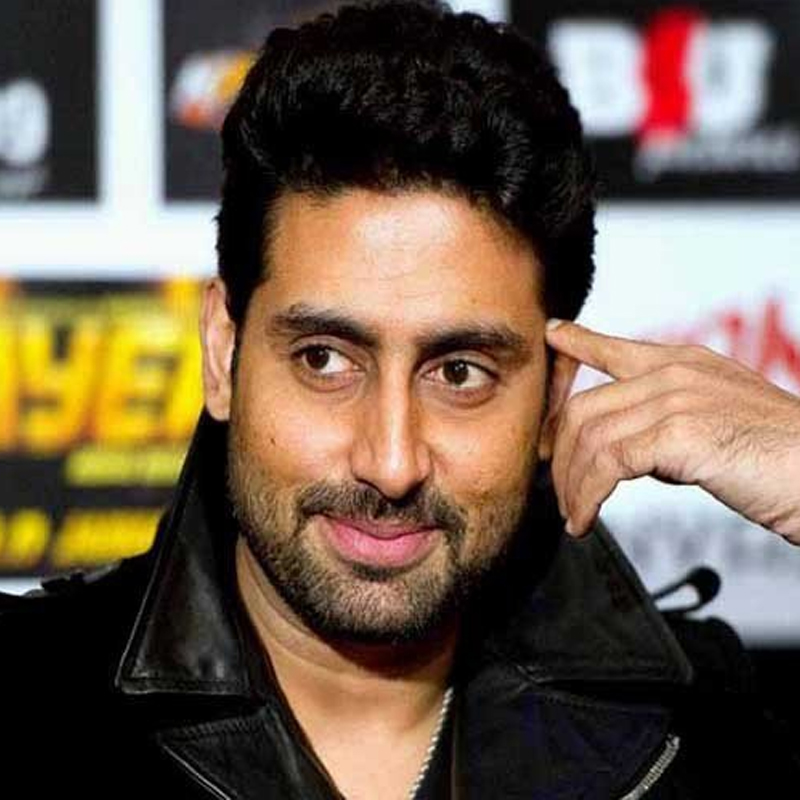
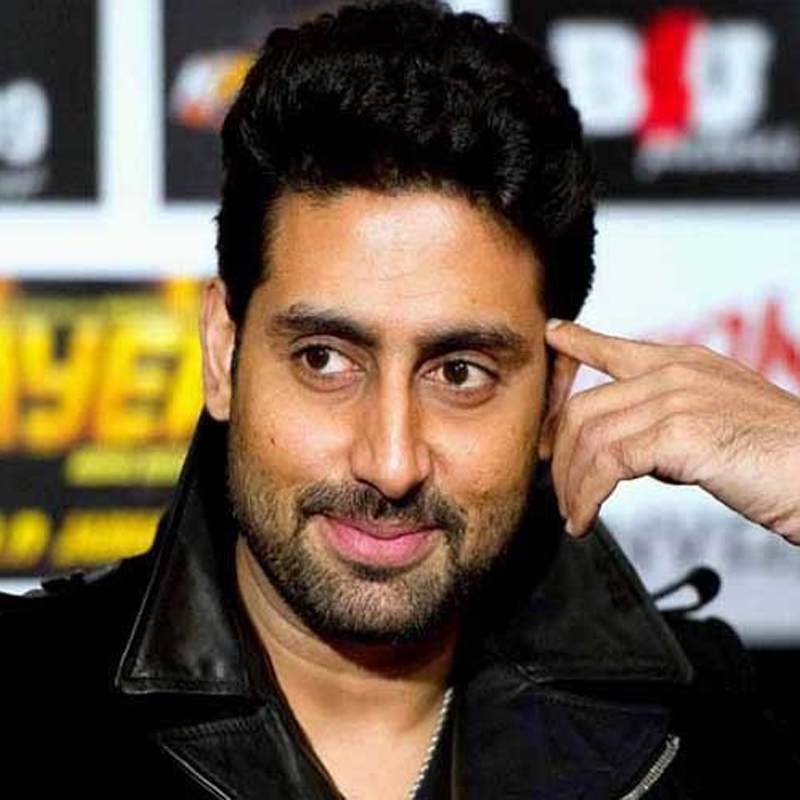
The changed economic reality has tremendously impacted the middle class psyche. Therefore the middle class does not relate to issues that they used to be concerned with a few years ago. So the content mix today cannot be the same as it was a decade ago. The viewer today is different. Plus, we have more than 50 per cent of our population below the age group of 25. Needless to say their taste and psyche is different and this changed reality today dictates the media’s content mix. We found this change quite apparent when Headlines Today showed the wedding of Aishwarya Rai and Abhishek Bachchan. Though it may be termed routine coverage, during these two or three hours, Headlines Today reigned supreme, all other English news channels paled in comparison.
This changed content mix has dominated Hindi news for a while and we should accept the fact that it is here to stay. Similar will be the scene among English language news channels also, with the growth in audience base. So now we have to cast a new dye for moulding this new content. In today’s world, both technology and market are driving content – just as mobile phones have changed telephony, and sms has changed English.
As for our channels, it is extremely satisfying that we have retained the number one position despite a virtual dogfight in the TV news market. We are proud to present balanced news content. Though this is a remarkable achievement for Aaj Tak, we are aware of the challenges ahead. A number of new channels coming in the fray and with a growing audience base, it will be our effort to retain our number one position – both in terms of content perfection and market share.