In today’s rapidly evolving e-commerce landscape, global brands must continuously innovate to foster and sustain customer loyalty. Maintaining a strong, loyal customer base is essential to long-term success with the proliferation of choices and increasing competition. In this article, we will explore strategies that global brands, especially in the luxury and premium sectors, can employ to enhance customer loyalty.
Understanding the value of personalisation
Personalisation is a key driver of customer loyalty in e-commerce. In an era where customers expect tailored experiences, global brands can leverage data to understand individual customer preferences and behaviors. Brands can enhance their customer journey by offering personalized product recommendations, curated content, and exclusive offers. For example, e-commerce platforms can suggest products based on browsing history or previous purchases, making the shopping experience more convenient and engaging.
In the luxury and premiumization space, this strategy becomes even more critical. High-end consumers are not just looking for products; they seek unique experiences that reflect their tastes and preferences. Offering personalized consultations, bespoke product customization options, or even early access to new collections can go a long way in building emotional connections with these customers. The deeper the connection, the more likely customers will return, fostering long-term loyalty.
Elevating customer service to a premium level
Exceptional customer service is fundamental to any successful e-commerce strategy, but for global brands operating in the luxury market, this service must go beyond the basics. Offering dedicated support teams, VIP customer service lines, and even personal shopping assistants can significantly enhance the customer experience. For instance, many premium brands in the luxury home fittings industry provide live chat features where customers can interact directly with brand representatives, ask questions, and receive prompt responses.
Incorporating seamless return policies and flexible payment options also fosters trust, reducing friction in the buying process. For premium brands, the idea is to offer a smooth, enjoyable experience from the moment a customer visits the website to when the product is delivered. Elevating these elements of service instills a sense of exclusivity and care, encouraging repeat purchases.
Emphasizing exclusivity and limited editions
Exclusivity is a hallmark of luxury and premium brands. Offering limited-edition products or early access to new collections can create a sense of urgency and desirability among customers. By introducing limited-time offers or exclusive online sales, global brands can make their customers feel valued and privileged. This approach not only drives immediate sales but also enhances brand loyalty by making customers feel part of an elite group.
For example, in the luxury home fittings industry, some brands offer exclusive premium kitchen and bathroom fittings or personalized design consultations for select customers. This sense of rarity and exclusivity fosters a deeper connection with customers, who are motivated to return for future unique offerings, whether it’s custom-made fixtures or high-end accessories that reflect their sophisticated taste and elevate the luxury of their homes.
Building emotional connections through storytelling
Storytelling is a powerful tool for building emotional connections with customers, especially in the luxury segment. Global brands can use their digital platforms to tell the stories behind their products, from the craftsmanship involved to the sustainability initiatives they support. By doing so, they create an emotional resonance that goes beyond the functional benefits of their products.
In the world of e-commerce, consumers often seek brands that align with their values and aspirations. For premium brands, weaving narratives around heritage, craftsmanship, or social responsibility can foster a stronger emotional bond with customers. This connection can turn first-time buyers into brand advocates who share their positive experiences with others, further enhancing customer loyalty.
Enhancing the e-commerce experience with technology
Technology plays a vital role in customer loyalty strategies, especially in the e-commerce space. For luxury brands, offering innovative technological experiences can set them apart from the competition. Augmented reality (AR) and virtual reality (VR) tools, for instance, allow customers to visualize products in their homes before making a purchase. This level of interaction creates a more immersive shopping experience, leading to higher customer satisfaction.
Global brands can also utilize AI-driven chatbots to provide 24/7 customer support or integrate AI-powered recommendation engines to offer tailored product suggestions. These technological innovations not only streamline the shopping process but also ensure that customers feel catered to and understood, boosting their overall loyalty to the brand.
Focusing on sustainability and corporate responsibility
Consumers are increasingly gravitating toward brands that demonstrate a commitment to sustainability and ethical practices. Global brands, particularly those in the luxury sector, must integrate sustainability into their business models to resonate with conscious consumers. By offering eco-friendly products, reducing packaging waste, or supporting fair trade practices, brands can attract and retain a loyal customer base that values responsible consumption.
In e-commerce, transparency is crucial. Global brands can use their platforms to showcase their sustainability efforts, whether it’s through detailed product descriptions or dedicated sections that explain their ethical sourcing and environmental initiatives. Customers who feel that their values align with those of the brand are more likely to remain loyal and advocate for the brand.
Conclusion
For global brands, particularly those operating in the luxury and premium sectors, customer loyalty in e-commerce is built on a foundation of personalized experiences, exceptional service, and emotional connections. By focusing on exclusivity, technology, and sustainability, brands can foster long-term relationships with their customers, ensuring repeat business and advocacy. In the sanitaryware industry, the focus on customization, innovation, and eco-friendly practices can set brands apart, creating a loyal customer base that values quality and responsibility.
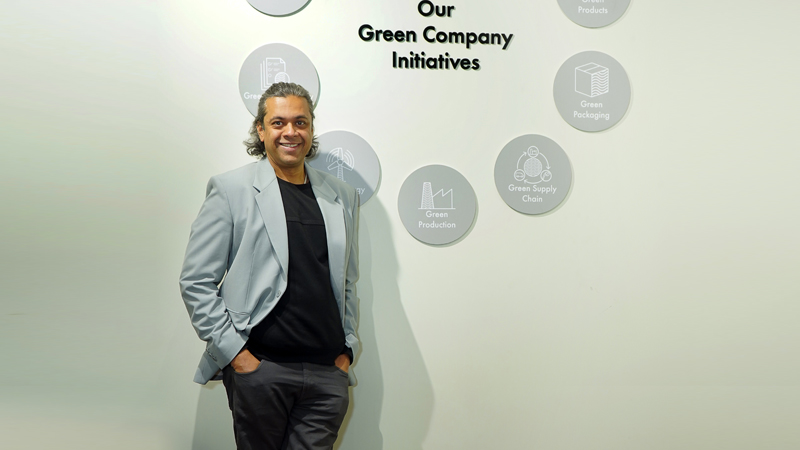
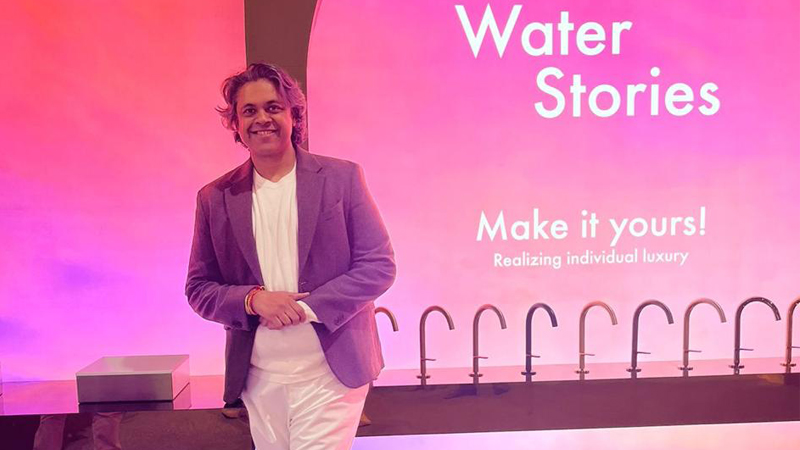
The article has been authored by hansgrohe India head of marketing Abhijeet Sonar.