Tag: Aadhaar

  • UIDAI to monitor social media, media coverage of Aadhaar

    UIDAI to monitor social media, media coverage of Aadhaar

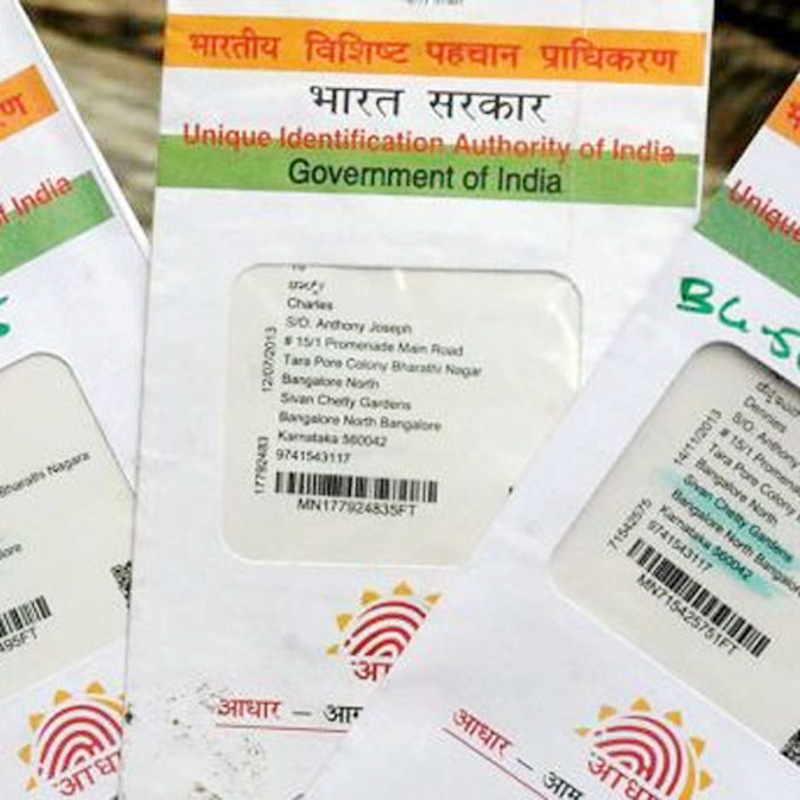
    MUMBAI: There have been endless controversies on social media, speculations on news media around Aadhaar’s relevance and constitutional validity. Now, the Unique Identification Authority of India (UIDAI) wants to monitor media coverage of Aadhaar as well as social media conversations, according to media reports. Based on the information, it will run campaigns to “neutralise” the “negative sentiments” on social media.

    UIDAI posted a bid on 18 July seeking to hire a social media agency that will employ “online reputation management” and “social listening” tools. Then another bid posted on 19 July was to hire a media monitoring agency to monitor Aadhaar-related post across print, electronic and digital media.

    The media monitoring agency shall conduct a comprehensive media search on daily basis and present an update report within prescribed time limits on appropriate news reports and content with regards to UIDAI, Aadhaar and other related issues as per the requirements of UIDAI, as per the proposal.

    On the other hand the social media agency has to segregate Aadhaar-related conversations into “problematic and non-problematic” categories and highlight the “incidences” that may have a “negative impact on the Aadhaar brand”.

    The agency will also provide weekly “online reputation management reports” to UIDAI, which will have details of “top detractors, top influencers and the net sentiment related to Aadhaar”.

    “This monitoring activity shall extend to social media platforms, websites (news and others), blogs/ forums, etc. so that issues related to Aadhaar can be understood,” the tender document states.

    “The tools shall be capable of doing a sentiment analysis of all such conversations and flag any discrepancy in sentiments’ trend. Additionally, the service provider will draft a plan to work out and neutralise negative sentiments,” it adds.

    However, the Supreme Court’s final verdict on the constitutional validity of Aadhaar is yet to come.

  • Zeta launches e-meal voucher on RuPay, tax benefits accessible in remote areas

    MUMBAI: Fintech start-up Zeta, which offers digital employee benefits for tax optimisation, has tied up with National Payments Corporation of India (NPCI) payment platform – RuPay. The partnership will widen Zeta’s payment network and push for a more inclusive adoption of digital payments in corporate India. This collaboration makes Zeta’s meal voucher solution the first ever such solution to run on Government of India endorsed RuPay platform.

    With RBL Bank as its banking partner, Zeta’s revolutionary pre-paid card called the Zeta Super Card will now also be available on the RuPay platform. The Zeta Super Card, includes robust anti-fraud security measures that lets users make payments across 12 lakh+ outlets across India as well as online stores.

    NPCI MD & CEO A. P. Hota said, “This strategic partnership between RBL Bank and Zeta will assist all individuals to spend their salary perquisites through digital means.”

    Zeta Co-founder and CTO Ramki Gaddipati said, “The combined offering of Zeta, RBL and RuPay is built with a sharp focus on enhancing user experience, and is aimed at accelerating the cashless movement using technologies made in India, for India. Joining the RuPay platform will further strengthen Zeta’s payment network and will also help us reach corporates as well as PSUs with employees based in remote areas.”

    RBL Bank executive director Rajeev Ahuja said, “RBL Bank has successfully built a strong digital platform business that delivers enhanced services in banking and other domains. We have identified many areas of the economy that, with these technologies, can be made more efficient and also help lower the cost of accessing these services for a larger number of consumers. We believe collaborating with the right partners is an important ingredient towards succeeding in the new era of digital businesses. In Zeta, we have a highly committed partner who is constantly looking to break new ground.”

    Taking forward its commitment towards the Digital India movement, the company will also launch payments via UPI, Bharat QR Code and Aadhaar Pay modes, which will be available to a larger section of the salaried population with or without access to smartphones and magnetic stripe card machines.

    With these payment modes, Zeta intends to remove the existing barriers to digital payments. Salaried employees across all sectors, including PSUs can now take advantage of receiving and spending tax benefits digitally even in remote locations.

    “When it comes to digitising employee benefits, it is essential to consider every employee in the organisation and provide solutions that work for everyone. Several of the PSUs have employees in locations that have limited card network reach,” Gaddipati added.

    “For many of the small merchants who deal in essentials like food and medicines, the card machines may be unaffordable. We can’t ignore those challenges. Therefore, we built Zeta using technologies made in India, made for India and envisaged for digital inclusion of all the people by the Government of India.”

    “The Zeta benefits platform is on Rupay uses Aadhaar for eKYC and authentication, supports regional languages and is UPI, Bharat QR Code and Aadhaar pay ready. We will start rolling out these options as we start working with PSUs across the country. By providing such inclusive options, Zeta can ensure that salary benefits reach every eligible employee, no matter their location, language and digital literacy level is,” Gaddipati further added.

    With RuPay’s reach of 12,20,763 enabled POS terminals, Zeta will now have a greater combined acceptance across the country, even while bringing small towns and remote areas into their net.

    With the RuPay tie up, Zeta Super Card users now can also get access to exclusive privileges like Zeta has been disrupting the meal voucher industry by leveraging technology to ease the process of issuing, receiving and spending the prepaid Instrument for meals. Recent steps proposed by the Reserve Bank of India are also beneficial for overall industry growth.

    With the recent RBI draft proposal on issuance of prepaid meal instruments that says meal vouchers in paper format will not be accepted beyond 31 December 2017, the company is busy helping both public and private sector companies make the move easily.

    Within a short span of one year, Zeta has accumulated a client base of over 650 corporates spread across India and has over 100,000 end users.

  • ‘New oil’ provider Jio open to partnerships

    MUMBAI: Reliance Jio, which has crossed 100-million customer milestone after its launch in September 2016, has an open mind for partnerships at this stage. Jio hopes to put India among the top 10 countries in terms of broadband access, from the 155th position in 2015.

    Reliance Industries chairman Mukesh Ambani, speaking at the Nasscom leadership forum in Mumbai, is betting big on data-driven telecom, emphasising that data was the “new oil”. Crediting the success of Jio to the Aadhaar-based verification, Ambani, who spent over Rs 1.2 trillion on Jio, said that the foundation of the fourth industrial revolution was connectivity and data, which was the new natural resource.

    Predicting that India would be a key player in this revolution, PTI reported Ambani as stating that India’s large talent base would have had a competitive advantage.

    The salient feature of this revolution is “convergence of the physical biological and digital sciences”, and “we are on the threshold of an exponential change,” he said. India’s 1.3 billion propulation, Ambani said, lends it a huge advantage and the data thus generated could be converted into intelligence.

    Ambani recommended looking at the larger picture of helping millions to resolve their problems with the adoption of digital technologies. Digitalisation would continue to face challenges in terms of security, privacy and data theft, but that they could find solutions to problems.

    Ambani advised adopting of next generation technologies. India would have to become the capital of real implementation of blockchain, he said, adding that they had the opportunity to adopt artificial intelligence and natural language processing, adopt drones in India’s own logistics as India could become one of the largest software markets.

    Ambani advised the industry to focus on the home market while describing the protectionist statements of the new US president Donald Trump as “a blessing in disguise” for the Indian IT sector. The US$ 155-billion Indian IT industry earns over 65 per cent of its revenues from the US.

    The IT industry meantime awaits clarity on Trump’s plans to double the salary for H1-B visa-holders and significantly curb visa issuance to techies.

    Also Read :

    http://www.indiantelevision.com/iworld/telecom/jio-may-use-us44bn-to-lay-ofc-expand-network-to-stifle-competition-170118

    http://www.indiantelevision.com/iworld/telecom/jio-becomes-top-isp-wireline-growthretards-overall-broadband-internet-subs-fall-in-nov-16-170202

    http://www.indiantelevision.com/iworld/telecom/q3-17-jio-affects-airtel-revenue-digital-tv-segment-numbers-up-170124

  • Ravi Shankar too hopes DTH will support Swayam

    Ravi Shankar too hopes DTH will support Swayam

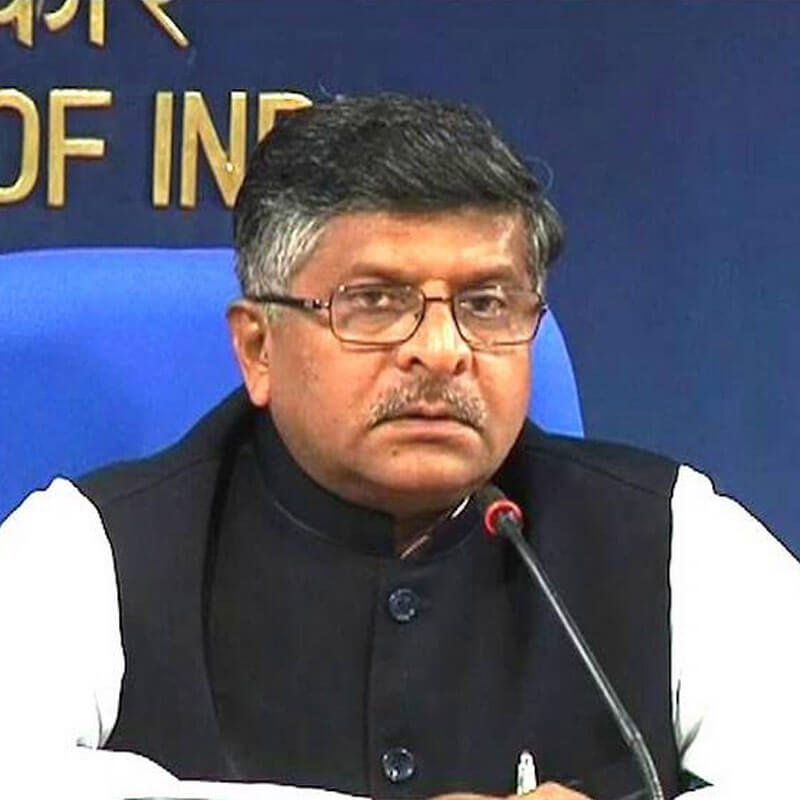
    NEW DELHI: Communications and Information Technology Minister Ravi Shankar Prasad has expressed the hope that said linkage with direct-to-home platforms will help the ready-to-be-launched Swayam platform with at least 350 online courses.

    This will leverage information technology and enable students to virtually attend the courses taught by the best of the faculties present in the country, access high quality reading resources, participate in discussion forums, take tests and earn academic grades.

    Prasad in a statement described the budget as “A Digital Friendly Budget aimed at accelerating India’s Transformation into a Digitally Empowered Society”.  

    He said the Digital India initiative of the government had transformed the digital profile of India significantly. Investments in electronic manufacturing which was just Rs 110 billion in June 2014 has increased to Rs 1278.8 billion.

    The production of indigenous LCD/LED TVs went up by 38 per cent to 12 million units in 2015-16 as compared to 8.7 million units in 2014-15.

    LED products made in the country earned Rs 35.9 billion in 2015-16, showing a growth of 65 per cent over 2014-15 when the earning was Rs 21.72 billion.

    Similarly, 110 milion Indian mobile handsets were produced in 2015-16, showing a rise of 83 per cent over the previos year 2014-15 when the production was 60 million units. With 72 new mobile handset and component manufacturing units set up in last two years, India has emerged as a mobile manufacturing hub. The growth in mobile handsets in value terms means a growth of 185 per cent, having risen to Rs 540 billion in 2015-16 as against Rs 189 billion in 2014-15.

    The number of telephone users in the country had grown from 950 million in June 2014 to 1080 million mobile phone users. He listed some of the other achievements of the Digital India programme:

    ·   Bharat Net: Optical Fibre Network to connect villages of India has seen rapid growth. In June, 2014 only 358 kms of optical fibre was laid. In January, 2017 1.72 lakh kms of optical fiber has been laid across more than 76, 000 Gram Panchayats.

    ·   MyGov: A new platform created for participative governance now has over 40 lakh registered users.

    ·   Aadhaar Holders: From 63 Crore Aadhaar holders in 2014, India today has 111 Crore Aadhaar holders.
    ·   Common Service Centers: To provide digital services to common people in villages the Common Services Centers were created. In June 2014, only 83,000 such centers were active across the country, which has now increased to 2.05 lakh centers.

    ·    Jeevan Pramaan Portal: A new initiative to provide convenience to pension holders was created which now has 56 lakh registered pensioners.

    ·    Digi Locker:  A new initiative to provide safe online document storage to citizen now has more 42 lakh users. More than 165 Crore digital documents have been issued by the Government in these lockers.
    ·   Scholarship Portal: Online scholarship was easily made available to the students. 1.4 Crore students have registered under this.

    ·   Online Hospital Appointment: Online appointment services in 60 major hospitals have been started. Total 47 lakh appointments have been taken online.

    ·   eNAM: Online National Agriculture Market was created so that farmers can get the best price for their produce. Today more than 8.5 lakh farmers have registered on this portal.

    ·   Growth in Digital Transactions: eTaal portal which measures the digital transactions of various eGovernance services has seen a rapid growth:
    ·   In 2013- 66.25 lakh transactions per day
    ·   In 2014- 96.9 lakh transactions per day
    ·   In 2015- 1.85 crore transactions per day
    ·   In 2016- 3 crore transactions per day

    ·  Computerization of Land Records: Land records have been computerized in 31 states and Union Territories. Record of Rights (RORs) made online for 22 States/UTs. Bhu-Naksha/ Map digitization done for 15 States/UTs.

    · Digi Dhan Abhiyaan: To promote digital payments across the country, Digi Dhan Abhiyaan was launched in December, 2016. Under this effort of the Ministry, more than 2 Crore people and 7.18 lakh shopkeepers were trained in digital payments across 5636 blocks of 640 districts.

    Speaking on the relevance of the Union Budget 2017-18 to Electronics and IT sector, Prasad said, “As India is now on the cusp of a massive digital revolution, promotion of a digital economy is an integral part of Government’s strategy to clean the system and weed out corruption and black money. It has a transformative impact in terms of greater formalisation of the economy and mainstreaming of financial savings into the banking system. This, in turn, is expected to energise private investment in the country through lower cost of credit.”

    “Digital Economy aims for speed, accountability and transparency. We are also creating an eco-system to make India a global hub for electronics manufacturing. Over 250 investment proposals for electronics manufacturing have been received in the last 2 years, totalling an investment of Rs 1260 billion. A number of global leaders and mobile manufacturers have set up production facilities in India. A shift to digital payments has huge benefits for the common man. The earlier initiative of our Government to promote financial inclusion and the JAM trinity were important precursors to our current push for digital transactions”, he added.

    Digital Inclusion remains of central concern to this Government. In order that people in rural areas are able to access quality services, the Government has announced that a DigiGaon initiative will be launched in order to provide tele-medicine, education and skills through use of digital technologies. For senior citizens an Aadhar based Smart Card containing health details will be introduced initially on a pilot basis in 15 districts in 2017-18. This week the Cabinet has approved a scheme for digital literacy for 6 crore rural households– Prime Minister Gram Digital Saksharta Abhiyaan PMGDISHA which will be strengthened through the network of the Common Service Centre. We expect that this will further open up opportunities for livelihood in digital arena in rural areas. It is to be noted that CSCs have generated employment opportunities for over five lakh youth in rural areas.

    He said the recently launched BHIM App by the Government will unleash the power of mobile phones for digital payments and financial inclusion. So far, over 140 lakh people have adopted the BHIM app. The Government will launch two new schemes to promote the usage of BHIM; viz., Referral Bonus Scheme for individuals and a Cashback Scheme for merchants

    Aadhar Pay, a merchant version of Aadhaar Enabled Payment System, will also be launched shortly.  This will be specifically beneficial for those who do not have debit cards, mobile wallets and mobile phones. A Mission will be set up with a target of 2,500 crore digital transactions for 2017-18 through UPI, USSD, Aadhaar Pay, IMPS and debit cards. Banks have targeted to introduce additional 10 lakh new PoS terminals by March 2017.  They will be encouraged to introduce 20 lakh Aadhaar based PoS by September 2017.  

    Keeping in view the need to promote cashless transactions, exemptionfrom BCD, Excise/CV duty and SAD on miniaturized POS card reader for m-POS, micro ATM standards version 1.5.1, Finger Print Readers/Scanners and Iris Scanners been brought down to nil. Simultaneously, exemption is also extended to parts and components for manufacture of such devices, so as to encourage domestic manufacturing of these devices. I am sure you will notice that there are a number of other measures that are aimed at improving the ease of doing business and also for encouraging start ups.

    The focus would be on rural and semi urban areas through Post Offices, Fair Price Shops and Banking Correspondents and cooperative sector. Support has been provided for NABARD for computerisation and integration of all 63,000 functional PACS with the Core Banking System of District Central Cooperative Banks. This will be done in 3 years at an estimated cost of Rs 1,900 crores, with financial participation from State Governments. This will ensure seamless flow of credit to small and marginal farmers. The coverage of National Agricultural Market (e-NAM) will be expanded from the current 250 markets to 585 APMCs. Steps would be taken to promote digital payments in petrol pumps, fertilizer depots, municipalities, Block offices, road transport offices, universities, colleges, hospitals and other institutions, such as using the recently launched BHIM App.  A proposal to mandate all Government receipts through digital means, beyond a prescribed limit, is under consideration.  Further, steps will be taken for linking of individual demat accounts with Aadhaar.

    The Government is planning to introduce a new and restructured Central scheme – Trade Infrastructure for Export Scheme (TIES) in 2017-18. The allocation for incentive schemes like M-SIPS and EDF exponentially increased to an all time high of Rs 7450 million in 2017-18. Duties have been rationalized which will provide boost to manufacturing of LED lights and solar cells and modules.

    Cyber Security being very critical for safeguarding the integrity and stability of the financial sector and one of the major factors behind the Digital drive, the government is setting up a Computer Emergency Response Team for the Financial Sector (CERT-Fin).  This entity will work in close coordination with all financial sector regulators and other stakeholders.

    Also Read:

    FM wants DTH to help Swayam, industry skeptical

    DTH channels being launched by September to impart education: Javadekar

    Only Dish TV carrying HRD ministry’s educational TV channels

  • TRAI recommends e-KYC for outstation customers

    TRAI recommends e-KYC for outstation customers

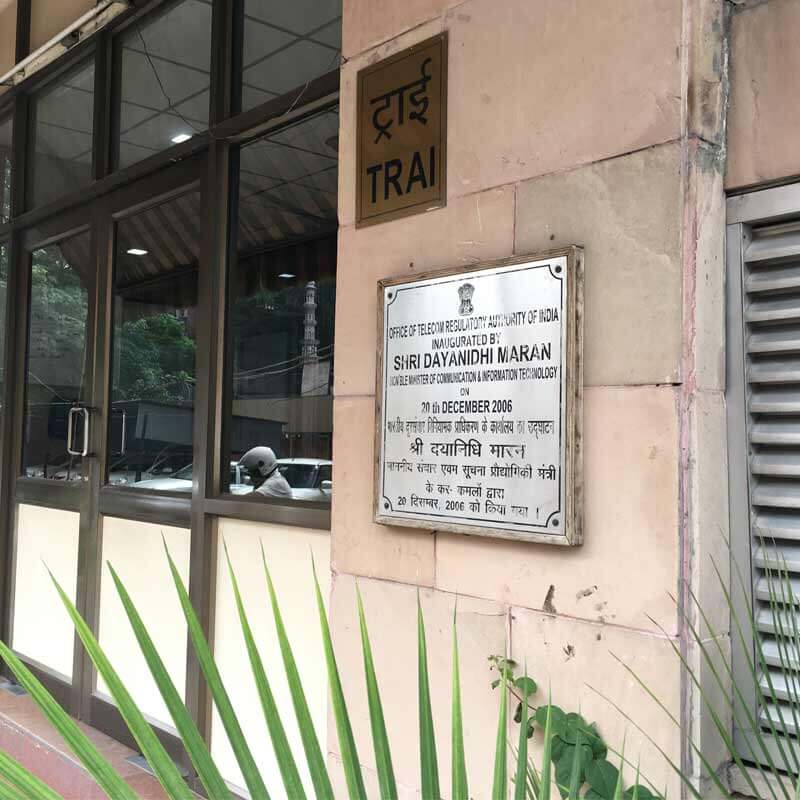
    MUMBAI: The Telecom Regulatory Authority of India (TRAI) has issued its Recommendations on
    (i) “Verification of existing mobile subscribers through Aadhaar based e-KYC services”
    and
    (ii) “Permitting outstation Aadhaar card holders for e-KYC of mobile subscribers.”

    2.Aadhaar linked e-KYC service provides a robust mechanism to verify the identity of the person electronically and instantaneously from the source itself, based on the biometrics of the person. Thus, it takes care of the issues relating to fake/forged identity proof, manual entry into the system etc.

    3. In this regard, TRAI on 6th January 2016 recommended acceptance and adoption of Aadhaar based e-KYC service alongwith Aadhaar based e-Sign as a valid alternative process. Subsequently, on 16 August 2016, DoT permitted the use of Aadhaar based e-KYC service of Unique Identity Authority of India (UIDAI) for issuing mobile connections to customers. These instructions are applicable only for issue of new SIM cards but excludes the huge existing mobile subscriber base from the ambit of e-KYC. Further, use of e-KYC process was not permitted for outstation customers by DoT.

    4. The existing paper-based KYC process is not robust enough and the possibility of significant number of working SIMs, which may have been acquired on fake/forged identity, cannot be fully ruled out. The owner of such fake identity would not even be aware that SIM(s) are working in his/ her name. The Authority has received several cases from State Police (crime branch) wherein it has been found that hundreds of SIM cards have been obtained on fake documents. The existence of such SIM cards poses a real security challenge. It is essential that not only the new subscribers are enrolled through e-KYC process, but the existing subscriber base should also be verified through e-KYC process in a phased manner within a defined timeframe. Further, barring the e-KYC process for outstation customers results in artificial restriction and avoidable inconvenience.

    5. To overcome these challenges, the Authority has submitted its recommendations to DoT and the same have also been placed on TRAI’s website www.trai.gov.in. The main recommendations are:

    (a) DoT may work with the TSPs, to evolve a framework to verify the existing mobile subscribers through Aadhaar based e-KYC services in a phased manner and within a defined timeframe. However, this process should be optional to the service providers as well as mobile subscribers. The subscribers may have to be given some sops in terms of free talk-time or data to encourage them to undergo the e-KYC process.

    (b) Aadhaar based e-KYC should be permitted for outstation customers also at any place within the service area.

  • TRAI recommends e-KYC for outstation customers

    TRAI recommends e-KYC for outstation customers

    MUMBAI: The Telecom Regulatory Authority of India (TRAI) has issued its Recommendations on
    (i) “Verification of existing mobile subscribers through Aadhaar based e-KYC services”
    and
    (ii) “Permitting outstation Aadhaar card holders for e-KYC of mobile subscribers.”

    2.Aadhaar linked e-KYC service provides a robust mechanism to verify the identity of the person electronically and instantaneously from the source itself, based on the biometrics of the person. Thus, it takes care of the issues relating to fake/forged identity proof, manual entry into the system etc.

    3. In this regard, TRAI on 6th January 2016 recommended acceptance and adoption of Aadhaar based e-KYC service alongwith Aadhaar based e-Sign as a valid alternative process. Subsequently, on 16 August 2016, DoT permitted the use of Aadhaar based e-KYC service of Unique Identity Authority of India (UIDAI) for issuing mobile connections to customers. These instructions are applicable only for issue of new SIM cards but excludes the huge existing mobile subscriber base from the ambit of e-KYC. Further, use of e-KYC process was not permitted for outstation customers by DoT.

    4. The existing paper-based KYC process is not robust enough and the possibility of significant number of working SIMs, which may have been acquired on fake/forged identity, cannot be fully ruled out. The owner of such fake identity would not even be aware that SIM(s) are working in his/ her name. The Authority has received several cases from State Police (crime branch) wherein it has been found that hundreds of SIM cards have been obtained on fake documents. The existence of such SIM cards poses a real security challenge. It is essential that not only the new subscribers are enrolled through e-KYC process, but the existing subscriber base should also be verified through e-KYC process in a phased manner within a defined timeframe. Further, barring the e-KYC process for outstation customers results in artificial restriction and avoidable inconvenience.

    5. To overcome these challenges, the Authority has submitted its recommendations to DoT and the same have also been placed on TRAI’s website www.trai.gov.in. The main recommendations are:

    (a) DoT may work with the TSPs, to evolve a framework to verify the existing mobile subscribers through Aadhaar based e-KYC services in a phased manner and within a defined timeframe. However, this process should be optional to the service providers as well as mobile subscribers. The subscribers may have to be given some sops in terms of free talk-time or data to encourage them to undergo the e-KYC process.

    (b) Aadhaar based e-KYC should be permitted for outstation customers also at any place within the service area.

  • TRAI: DAS-Bharatnet Digital India’s ‘Aadhaar’

    TRAI: DAS-Bharatnet Digital India’s ‘Aadhaar’

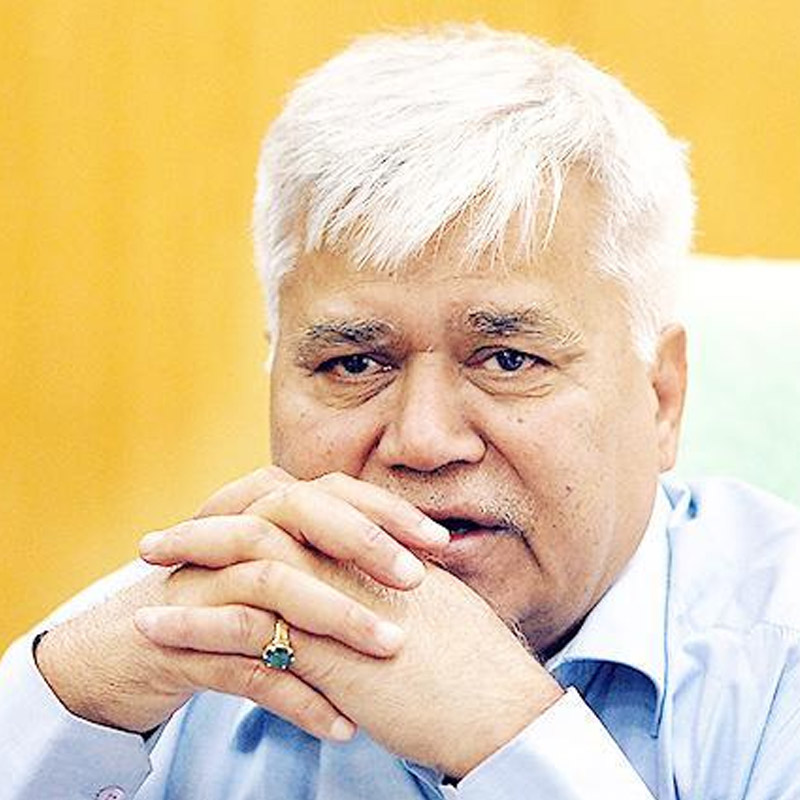
    NEW DELHI: Telecom Regulatory Authority of India chairman R S Sharma said that the country would gradually shift to a payment system using Aadhaar card instead of the various private pay systems or wallets.

    He also mentioned that the implementation of Bharatnet will be faster and effective with PPP model, and further combined with Digital Cable Television System, India will reach a new level of digital connectivity.

    At a seminar on “Demonetisation to Digital Remonetisation”, Sharma said that “Cost, Convenience, and Confidence are crucial factors for a successful Digital Payment System implementation in India.

    In the meet organzed by FICCI, he said 1.1 billion people already have Aadhaar cards and the number was going up everyday.

    Sharma said one of the nine pillars of TRAI in a report given early this year was to go cashless. This report which also refers to Unified Payment Interface (UPI) and Unstructured Supplementary Service Data (USSD) was already being implemented by banks.

    The regulator was now working on a system of Aadhaar KYC (Know Your Customer) whereby any consumer could directly be able to use his Aadhaar identification to make payments. Electronic KYC is also in place.

    He said that TRAI had given a paper about Aadhaar authentication system to UIDAI as early as October 2010 and said this is vital.

    This involved three elements: What I know (my finger print or Iris), what I have (Credit or Debit Cards) and What I am (Biometrics).

    Aadhaar interoperability was also suggested in 2010. Thus, the software for going cashless is in place but has to be implemented as both software and infrastructure are in place.

    It was important for the finance sector to get integrated into the telecom sector in this regard.

    Answering a question, he said that the systems have to be made simple so that everyone is able to understand and implement them.

    Sharma highlighted the pillars of Digital India and mentioned the need of an effective Digital Infrastructure, and how availability and affordability of digital solutions formulates the base of Digital Remonetisation. The TRAI chairman highlighted how JAM Trinity creates a robust system within India, which further creates a digital inclusion with Aadhaar users across India.

    Sharma recommended that in order to create a well operational and sustainable digital and cashless economy, it is vital to eliminate convenience charge by the banks. He firmly suggested that interoperable or interlinked digital wallets can additionally support the digital payment systems of India.

    The meet was part of an ICT policy dialogue with the agenda to discuss the challenges and opportunities that lie before the ICT sector, government and the regulators following the demonetisation move.

  • TRAI: DAS-Bharatnet Digital India’s ‘Aadhaar’

    TRAI: DAS-Bharatnet Digital India’s ‘Aadhaar’

    NEW DELHI: Telecom Regulatory Authority of India chairman R S Sharma said that the country would gradually shift to a payment system using Aadhaar card instead of the various private pay systems or wallets.

    He also mentioned that the implementation of Bharatnet will be faster and effective with PPP model, and further combined with Digital Cable Television System, India will reach a new level of digital connectivity.

    At a seminar on “Demonetisation to Digital Remonetisation”, Sharma said that “Cost, Convenience, and Confidence are crucial factors for a successful Digital Payment System implementation in India.

    In the meet organzed by FICCI, he said 1.1 billion people already have Aadhaar cards and the number was going up everyday.

    Sharma said one of the nine pillars of TRAI in a report given early this year was to go cashless. This report which also refers to Unified Payment Interface (UPI) and Unstructured Supplementary Service Data (USSD) was already being implemented by banks.

    The regulator was now working on a system of Aadhaar KYC (Know Your Customer) whereby any consumer could directly be able to use his Aadhaar identification to make payments. Electronic KYC is also in place.

    He said that TRAI had given a paper about Aadhaar authentication system to UIDAI as early as October 2010 and said this is vital.

    This involved three elements: What I know (my finger print or Iris), what I have (Credit or Debit Cards) and What I am (Biometrics).

    Aadhaar interoperability was also suggested in 2010. Thus, the software for going cashless is in place but has to be implemented as both software and infrastructure are in place.

    It was important for the finance sector to get integrated into the telecom sector in this regard.

    Answering a question, he said that the systems have to be made simple so that everyone is able to understand and implement them.

    Sharma highlighted the pillars of Digital India and mentioned the need of an effective Digital Infrastructure, and how availability and affordability of digital solutions formulates the base of Digital Remonetisation. The TRAI chairman highlighted how JAM Trinity creates a robust system within India, which further creates a digital inclusion with Aadhaar users across India.

    Sharma recommended that in order to create a well operational and sustainable digital and cashless economy, it is vital to eliminate convenience charge by the banks. He firmly suggested that interoperable or interlinked digital wallets can additionally support the digital payment systems of India.

    The meet was part of an ICT policy dialogue with the agenda to discuss the challenges and opportunities that lie before the ICT sector, government and the regulators following the demonetisation move.

  • TRAI: Give 100 MB a month free data to rural area subs

    TRAI: Give 100 MB a month free data to rural area subs

    NEW DELHI: India’s telecoms and broadcast carriage regulator Telecom Regulatory Authority of India (TRAI) has recommended to the government to provide limited free data to rural subscribers as part of efforts to boost e-payments and digital economy.

    “In order to bridge the affordability gap for the persons residing in rural areas and to support government’s efforts towards cashless economy by incentivising digital means, the Authority recommends that a scheme under which a reasonable amount of data, say 100 MB per month, may be made available to rural subscribers for free,” TRAI said in a set of recommendations on Monday on `Encouraging Data Usage in Rural Areas Through Provisioning of Free Data’.

    TRAI further stated that greater broadband access, particularly for large parts of the rural population can be the force to drive integration of the “unconnected and the underserved in economy”, thereby helping to enhance the overall value of the network.

    “Greater broadband access has the power to augment productivity of the agricultural sector as well as small enterprises, facilitate easier and more efficient participation of the rural population in governance, generate new employment opportunities and enable a host of services like e-commerce, e-learning, e-banking etc. As an increasing number of government services are also being electronically delivered, expanding rural Internet access has become a matter of urgency and is essential in fulfilling the vision of Digital India,” TRAI said.

    The regulator further suggested that the cost of implementation of the scheme may be met from the fund that telecom operators contribute to spread telecom connectivity in rural areas or known as USOF.

    TRAI also suggested that to increase participation of other entities for incentivizing free data, there is a need to introduce third party (aggregator) to facilitate schemes that are TSPs or telecom service provider agnostic and non-discriminatory in their implementation and that this scheme for free data must not involve any arrangement between the TSP and the aggregator/content provider and should not be designed to circumvent TRAI directives banning discriminatory tariffs for data.

    As part of the process, TRAI has suggested that the aggregators will need to register with Department of Telecoms (DoT); the registrant must be a company registered under Indian Companies Act, 1956; the validity of registration shall be for five years; the registrant shall not either directly or indirectly assign or transfer the registration in any manner whatsoever to a third party either in whole or in part.

  • TRAI: Give 100 MB a month free data to rural area subs

    TRAI: Give 100 MB a month free data to rural area subs

    NEW DELHI: India’s telecoms and broadcast carriage regulator Telecom Regulatory Authority of India (TRAI) has recommended to the government to provide limited free data to rural subscribers as part of efforts to boost e-payments and digital economy.

    “In order to bridge the affordability gap for the persons residing in rural areas and to support government’s efforts towards cashless economy by incentivising digital means, the Authority recommends that a scheme under which a reasonable amount of data, say 100 MB per month, may be made available to rural subscribers for free,” TRAI said in a set of recommendations on Monday on `Encouraging Data Usage in Rural Areas Through Provisioning of Free Data’.

    TRAI further stated that greater broadband access, particularly for large parts of the rural population can be the force to drive integration of the “unconnected and the underserved in economy”, thereby helping to enhance the overall value of the network.

    “Greater broadband access has the power to augment productivity of the agricultural sector as well as small enterprises, facilitate easier and more efficient participation of the rural population in governance, generate new employment opportunities and enable a host of services like e-commerce, e-learning, e-banking etc. As an increasing number of government services are also being electronically delivered, expanding rural Internet access has become a matter of urgency and is essential in fulfilling the vision of Digital India,” TRAI said.

    The regulator further suggested that the cost of implementation of the scheme may be met from the fund that telecom operators contribute to spread telecom connectivity in rural areas or known as USOF.

    TRAI also suggested that to increase participation of other entities for incentivizing free data, there is a need to introduce third party (aggregator) to facilitate schemes that are TSPs or telecom service provider agnostic and non-discriminatory in their implementation and that this scheme for free data must not involve any arrangement between the TSP and the aggregator/content provider and should not be designed to circumvent TRAI directives banning discriminatory tariffs for data.

    As part of the process, TRAI has suggested that the aggregators will need to register with Department of Telecoms (DoT); the registrant must be a company registered under Indian Companies Act, 1956; the validity of registration shall be for five years; the registrant shall not either directly or indirectly assign or transfer the registration in any manner whatsoever to a third party either in whole or in part.