Tag: 4K

  • Cinepolis opens first Imax location in Kochi; fifth in India

    Cinepolis opens first Imax location in Kochi; fifth in India

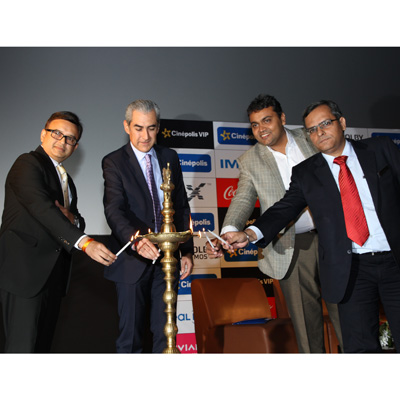
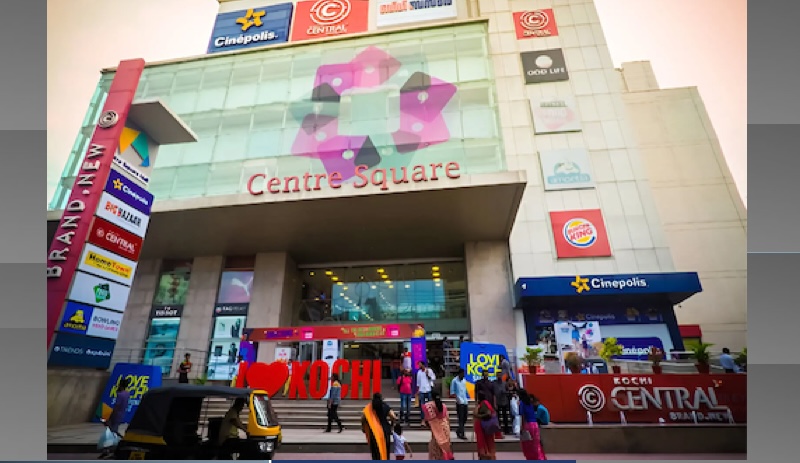
    MUMBAI: Kochi-ites can now enjoy the immersive experience that one can only get in an Imax theatre. Exhibitor  Cinépolis today announced the launch of the Queen of the Arabian Sea’s first Imax theatre at  Centre Square Mall. This is the ffth . This marks the fifth IMAX location for Cinépolis in India, following installations at Viviana Mall (Thane), Westend Mall (Pune), Nexus Shantiniketan (Bangalore), and Nexus Seawoods (Navi Mumbai).

    Equipped with the cutting-edge Imax with laser projection system, the new screen delivers 4K projection with unparalleled image quality and stunning visuals. With a seating capacity of 229 and a stadium-style layout, the auditorium ensures every guest enjoys an unobstructed view. Complementing the immersive visuals is Imax’s patented sound system, which delivers exceptional clarity and depth, evenly distributed to elevate every moment on screen.

    Said Cinépolis India managing director Devang Sampat: “Kochi is a city renowned for its love of cinema. With this launch, Cinépolis further demonstrates its commitment to technological leadership and innovation, offering audiences an elevated movie-watching experience. The addition of this premium format aligns with the evolving preferences of cinemagoers, who increasingly seek movies crafted for immersive technologies. As more filmmakers embrace these advanced formats, Imax  at Cinépolis Kochi is set to redefine how the city experiences blockbuster films.”

    Imax vice-president of theatre development Preetham Daniel added: “Audiences in the coastal city can soon experience the unparalleled clarity and immersive sound of Imax, just in time for our exceptional holiday film line-up and an exciting slate of Filmed For Imax  titles extending through 2025.”

    Centre Square Mall spokesperson Blisson Antony highlighted : “This partnership with Cinépolis elevates our positioning as the premier destination for entertainment and lifestyle in the city. We are confident that the new Imax  location will be a magnet for cinephiles, offering them an unparalleled venue to enjoy the best in global and Indian cinema.”

  • Is IPTV DASH mechanism the way forward for cable operators in India?

    Is IPTV DASH mechanism the way forward for cable operators in India?

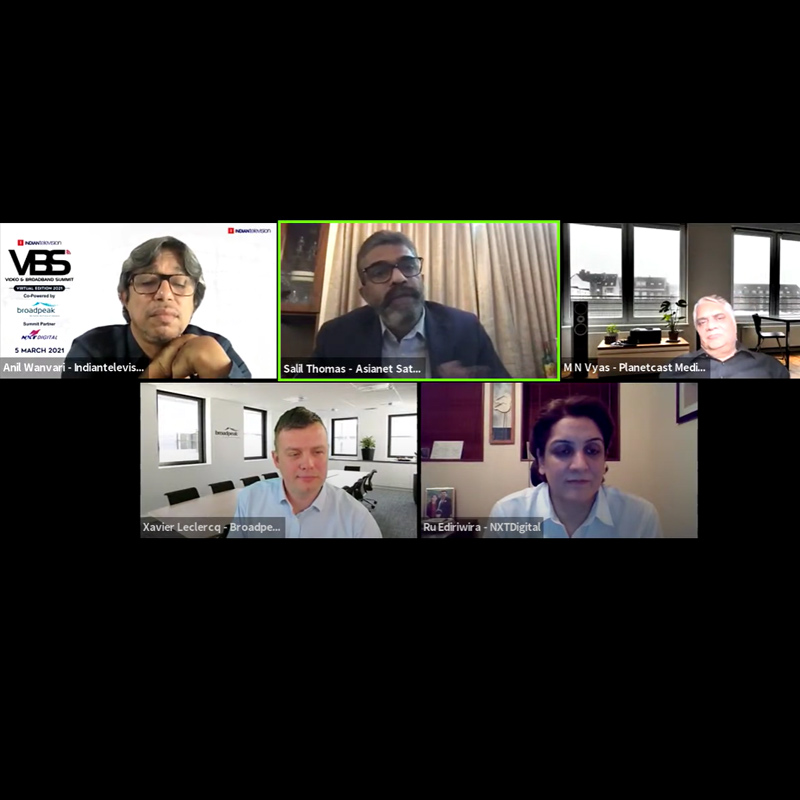
    KOLKATA: Cable television service, the biggest video service provider in India, now needs to look at new technologies for cutting down cost of operations as well as simpler content delivery. At a time when multi-system operators (MSOs) are extending their offerings to broadband services, IPTV network can be the way forward, experts opined at a session at the Video and Broadband Summit (VBS) 2021.

    The panel discussion, ‘Future proofing DPOs on video delivery solutions’ included NXTDigital group CTO Ru Ediriwira, Asianet Satellite Communications Ltd vice president & technology head Salil Thomas, Broadpeak Business Development vice president Xavier Leclercq, and Planetcast Media Services founder director MN Vyas and was moderated by Indiantelevision.com founder and CEO , editor-in-chief Anil Wanvari.

    Although 100 per cent future-proofing is hard to achieve, any organisation should be future-ready in terms of technology, Ediriwira said. “You don’t know what new technology will come around the corner and completely disrupt your industry, way of working. Look at social media, more kids watch YouTube than TV. You have to keep abreast of what is going on and how future generations are changing their content habits, viewing habits,” she added.

    Vyas agreed to the view that futureproof is something that is never possible. But the companies have to look at what is really needed at least in the next five years. According to him, a sea change is needed in the current distribution system. Broadcasters and DPOs have to realise that their role has to be minimal now and TV has to be more intelligent, he stated. The operators need to take an approach where they can take and leverage the existing resources along with adding new things.

    While looking at the future is important, working on the right technology at the right time is also crucial. Thomas explained that they launched a 4K Android TV set-top box three years ago but the boxes are still sitting in their inventory as consumers are not ready for that. Hence, catching up is important rather than jumping ahead of time, he explained.

    “There is a transition happening which is trying to focus more on new users, young audiences and having the ability to reach more screens. We are sort of moving away from the traditional broadcaster domain. This is an interesting turning point,” Leclercq noted.

    According to Ediriwira, the cable industry is seeing logical progression. However, while the industry is nine years into DAS, MPEG-2 slots are still around. While operators are making a push for MPEG-4 and HD boxes, they are a long way off from adopting 4K boxes. MSOs have the advantage, unlimited bandwidth to push 4K and 8K, but there is no content, she said. Moreover, if the industry is not able to sell a huge amount of HD boxes, take off of 8K or 4K boxes will not be possible either.

    “We are seeing people are moving to different devices like fire stick, Chromecast, plug it into TV and install an app and deliver to content. This is a relatively cheaper and cost-effective way of adding new devices and adding streaming applications. On top of it, the difficulty with this is some of the HD, 4K channels have trouble growing in ninjas. This is basically heavy for the networks, for each individual session coming from one of those set top boxes back to the network. You will basically load the network with unicast traffic,” Leclercq mentioned.

    Broadpeak has introduced a technology called MABR that can be used to push multi-screen ABR content (DASH, HLS) over an ISP network. That can be a cable MSO network for example, he added. This content can be pushed all the way to set top box and then it can be consumed by the end device. Operators are starting to build this multicast ABR proposition, he said.

    According to Thomas, IPTV DASH and multicast broadcast is a way forward. IPTV DASH replaces the traditional MPEG-2 TS video structure with a more flexible and adaptive technology. It essentially offers the best of both worlds – the greater flexibility offered by OTT combined with the scalability and low latency at stake with IPTV. It can reduce the huge cost of maintenance for cable networks.

    He added that the aging of cable networks is a big factor that should be considered. Rather than incurring high maintenance cost, it is better to go for fibre-based IP network which will cater to both cable and broadband services. It is better to move TV on the same platform, he stated. Vyas also agreed that someday the industry has to really get into IP deliveries.

    “It is a possibility and we most MSOs have now converted our network to fibre on which we are running both broadband as well as cable. The move to run a full IPTV network that is something any of us have not considered yet. It is very easy for us to drive everything as a broadcast mechanism on Radio Frequency box. But it is definitely worth considering as a potential future capability but at the moment most of us are focusing on trying to upgrade our networks to IP . We have to think about the last mile level also. That requires huge investment from each of the cable operators. We have to help them,” Ediriwira mentioned.

    She added that until that does not happen, the MSOs have to use current technologies. The operators are anyway upgrading their networks and moving to fibre. While she believes that operators should look at transitioning from cable broadcast mechanism to IP network mechanism, she is not certain how helpful it will be for rural areas.  

  • Travelxp trains focus on production

    Travelxp trains focus on production

    MUMBAI: Travelxp has made its first big international landing. Come 30 April, it will launch in the UK through the popular Freeview platform. This will be driven by Travelxp Europe MD Sumant Bahl who also leads Travelxp UK from its Greater London office. The network plans to strengthen its content capability by setting up its production houses first in the UK and subsequently in Eastern Europe and thereafter in the Americas. Travelxp CEO Prashant Chotani said that the UK production house would serve as the hub for western, central and eastern Europe within the next four to five months.

    The channel has gone free-to-air in the UK while in every other territory, including India, Travelxp is a pay-TV channel. The company claims to have sold 100 per cent of its ad inventory for its UK channel.

    Travelxp is relayed in local languages in countries such as the UK, Germany, Czech Republic, Slovenia, Serbia, Croatia and Bulgaria. The channel also has Hindi, Tamil and Bengali feeds in India. It will get into more Indian languages, including Marathi, Telugu, Malayalam and Kannada, soon. France, Switzerland, Spain, Portugal, Poland, Hungary and Austria are also in the pipeline for launch.

    The channel has made aggressive marketing plans targeting the large mainstream audience in the UK with TV campaigns on mainstream television and digital billboard screens across the UK on buses, the underground, and on social media, amongst other initiatives.

    The network, which owns the IP for its content, has a digital platform in the works and details will be out by the year end.

    “We are confident that our popular, premium travel-related entertainment and infotainment-driven content will connect with close to 16 million Freeview subscribers all over the UK. Every television manufactured in the UK after 2008 includes an inbuilt Freeview tuner that enables it to receive channels from Freeview, which is operated by DTV Services Ltd, a joint venture between the BBC, ITV, Channel 4, Sky and transmitter operator Arqiva,” Chotani said.

    With end-to-end in-house infrastructure of the latest technology and equipment, Travelxp’s lean crew teams produce programming in line with global standards. Only last week, it announced the launch of two new shows, Thali–The Great Indian Meal and City Breaks’ Uzbekistan series in seven global and three Indian languages.

    The UK content will include the channel’s six main categories of destination, lifestyle, food, culture, nature and heritage.

    Also Read :

    History TV18 focuses on relatable local content

    Cartoon Network HD+ adds Tamil, Telugu feeds

    Sony Yay banks on originals with a slew of fresh content

  • Travelxp’s Prashant Chothani’s 4K HDR TV global mission

    Travelxp’s Prashant Chothani’s 4K HDR TV global mission

    MUMBAI: Prashant Chothani is probably India’s most underrated TV professional and entrepreneur.  The 49-year-old founder of the infotainment channel Travelxp looks more like a typical Kutchi baniya businessman probably involved in the commodities trade. But, Chothani is actually a wiz at all things tech, all things high definition and all things Ultra HD.

    He has been beating a pioneering 4K or UHD HDR (ultra high definition – High Dynamic Range) trail globally. In the process, he’s been getting oodles of accolades worldwide — at almost every 4K gathering  – apart from his home country, India, where almost everyone scoffs at what they call a technology which is years away. Especially considering the rickety cable TV infrastructure that distributes television channels to more than 100 million homes. Chothani is the only Indian who has been co-opted on the Global Ultra HD Forum, which is the organisation responsible for setting standards for the format.

    Since a prophet is respected but in his own home, Chothani has been pushing his Travelxp 4K HDR channel globally. And he’s got a big supporter in the world’s top two satellite operators – SES and Eutelsat – who have been goading him to spread his tentacles even further. Says he: “SES and Eutelsat have been going all out to promote the 4K ecosystem. We have partnered with them for our launches.”

    Earlier this year, he rolled out Travelxp 4K – the world’s first 4K HDR travel channel – in the US with the help of the satellite company SES. The greatest potential is, of course, in Uncle Sam, where operators serving close to 30 million TV homes are currently testing 4K delivery.

    “Operators are hungry for 4K HDR channels. There’s a lot of demand, but limited supply. And, they are awaiting 4K boxes,” says Chothani. “Subscribers are already signing on, as we have signed distribution deals with three small to medium-sized operators.”

    On 1 October, Travelxp 4K HDR  was officially launched in Europe off Eutelsat’s Hotbird 13E.

    Says Chothani: “The majority of operators are planning to launch 4K services in the next six months, and they were waiting for a HDR channel. That is where we come in. The operators will now start testing and sampling it.”

    Hotbird’s market-leading penetration in cable and IPTV networks across Europe, the Middle East and North Africa, gives it a wide footprint to get Travelxp the widest coverage. There are plans to widen it even further by taking the channel to APAC and Latin America in the next few months.  To date, Chothani’s company Media WorldWide has a clutch of 10 channels under its belt. 

    At the time of writing Chothani was in Russia, exploring a distribution deal for Putin’s land, and he chatted with Indiantelevision.com over Whatsapp.

    Travelxp 4K has close to 50 hours of 4K HDR content –arguably the largest library globally. “It costs close to $500,000 to produce a good hour of 4K HDR content,” he says. “If you dig for gold, how much you spend to get it is your creativity. But, the market price is what you get when you sell the gold.”

    To get more value out of the content, Chothani has dubbed the Travelxp HD and 4K HDR content filmed all over the world with multicultural hosts in several languages. The programmes are currently available in English, Spanish, Italian, Polish, Serbian, Croatian, Czech and Dutch, and more languages are slated to follow suit.

    The channel has selected HEVC encoding with 10 bits of colour depth (one billion colours), at 50 frames per second. It broadcasts in 10 bits REC 2020 colour space using the new HDR (high dynamic range) standard developed by the BBC and NHK that creates richer and more dynamic images by increasing the contrast ratio between the lightest and darkest areas of the screen and expanding the volume of colours displayed. This standard uses HLG (hybrid log-gamma) technology, enabling legacy standard dynamic (SDR) displays to decode the HDR standard.

    While Chothani has a long way to go with Travelxp 4K HDR, his HD channel has travelled a lot, and is available in around 50 million homes globally.

    “There are other launches planned for the HD service,” he says with a gleam in his eyes. “Very soon. Very soon.  We will be in about 100 million homes in SD and HD worldwide by end-2018.”

    He adds: “We were amongst the first to launch HD programming in India. Now, we are amongst the first in 4K HDR in the world when HD is on its way down worldwide. A year down the line when UHD HDR will have taken root globally, Travelxp 4K will be in every 4K basic packs of most operators by virtue of it being the first mover and because of the quality of HDR content.”

    Chothani would like to make an appeal to the regulator and the TV industry in India.

    “The first round of digitisation of cable TV saw some plain vanilla set-top boxes being brought in to meet deadlines,” he says. “Now, planning for 4K HDR needs to be borne in mind when set-top box standards are drawn up. It requires very little extra investment in hardware and software. This will prevent regrets in the future. I would like Indians to enjoy the experience of 4K HDR from an Indian TV channel provider. ”

    Clearly, this is a man for whom 4K HDR is not just a business,  it is a passion. And, that is the first ingredient needed to achieve success.

    Also Read :

    Travelxp becomes first travel channel to launch in 4K on SES-1 satellite

    Travelxp’s Prashant Chothani’s 4K HDR TV global mission

    Travelxp to launch new Tamil channel; 4K feed before Feb  

    Lifestyle genre: Travel XP HD enters & NDTV Good Times exits Top 5 list in Wk 29

    July: 2 Viacom & 3 south channels among 9 permitted, far short of MIB’s March target

  • YouTube supports 4K live streaming

    YouTube supports 4K live streaming

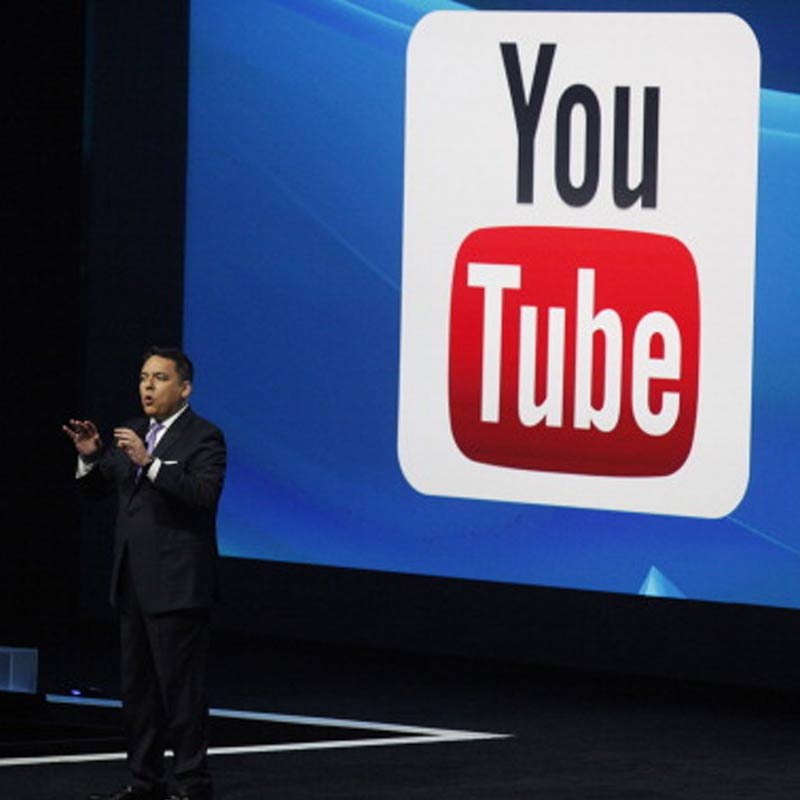
    MUMBAI: The next generation benchmark in television technology, 4K, is still a high-cost format, live or not. Becoming the first service to offer live video streaming at this resolution is the Google-owned video service, Youtube. Starting today, the platform is bringing 4K support to its live streams and 360-degree videos.

    According to YouTube, the first demonstration of 4K live streaming on its site will be The Game Awards 2016, which airs today at EST 9pm. The video game awards show will feature a live performance of iconic hip-hop duo Run the Jewels as well as premieres of a number of video games, including Mass Effect: Andromeda and The Legend of Zelda: Breath of the Wild.

    The image quality was mind-blowing on screens that support it, and in 360 degrees… the clarity could truly transport one, stated YouTube senior product manager Kurt Wilms in a blog post on Wednesday. YouTube first added support for 4K videos in 2010.

    Earlier this year, the video service added support for live 360-degree video broadcasts, and VR is one of the areas that could immediately benefit from the added resolution.

    Get ready for 360 concert and event streams that looked sharper, cleaner, and brighter than ever before, Wilms added.

  • YouTube supports 4K live streaming

    YouTube supports 4K live streaming

    MUMBAI: The next generation benchmark in television technology, 4K, is still a high-cost format, live or not. Becoming the first service to offer live video streaming at this resolution is the Google-owned video service, Youtube. Starting today, the platform is bringing 4K support to its live streams and 360-degree videos.

    According to YouTube, the first demonstration of 4K live streaming on its site will be The Game Awards 2016, which airs today at EST 9pm. The video game awards show will feature a live performance of iconic hip-hop duo Run the Jewels as well as premieres of a number of video games, including Mass Effect: Andromeda and The Legend of Zelda: Breath of the Wild.

    The image quality was mind-blowing on screens that support it, and in 360 degrees… the clarity could truly transport one, stated YouTube senior product manager Kurt Wilms in a blog post on Wednesday. YouTube first added support for 4K videos in 2010.

    Earlier this year, the video service added support for live 360-degree video broadcasts, and VR is one of the areas that could immediately benefit from the added resolution.

    Get ready for 360 concert and event streams that looked sharper, cleaner, and brighter than ever before, Wilms added.

  • “Our metric for National Geographic is different (from BARC)” :  Swati Mohan

    “Our metric for National Geographic is different (from BARC)” : Swati Mohan

    Maintaining the legacy of a top-ranking brand is not smooth. 2016 saw increased focus on localisation in the infotainment and lifestyle genre, both, in terms of local content and Indian language audio feeds. National Geographic began the year with a major announcement in February about its rebranding which came into effect on 14 November.

    At the helm of it is the National Geographic India and Fox Networks group business head Swati Mohan. It has just been a year for her at the company, and Mohan has already mapped several strategies for the channels she heads.

    With a refreshed National Geographic, Mohan and her team are all geared up to provide high-quality premium quality content to its viewers which will be a mix of both, local and global. In an interview with indiantelevision.com’s Megha Parmar, Mohan sheds light on the channel’s rebranding, its purpose and vision, local content, digitisation, 4K, the infotainment genre, BARC, the channel’s next big production, etc.

    Excerpts:

    Congratulations on National Geographic’s rebranding. What is your vision and strategy, going forward?

    The timing, the consolidation of assets and a new National Geographic channel – these are the three reasons for re-branding. I think it really brings out and underlines the brand purpose stronger than ever before. With ‘Further’ as the new philosophy, there are four things we have kept in mind. First, the look, feel, treatment, style, font and packaging of the channel has completely changed. Secondly, it is the depth of the content. For eg., Mars is a completely different format of blending Hollywood-stature scripted entertainment with world-class documentary style sequences and stunning visual effects.

    There will be a lot more delving into newer formats and scripted entertainment, which would really bring out cinematic experience.

    Underlining ‘Further’, our third strategy would be going ahead with the talent that we are bringing on the channel and with producers who are creating this content. A few weeks ago, we premiered Leonardo DiCaprio’s ‘Before the Flood’( which generated 12 per cent viewership in India for the channel),  Years of Living Dangerously, etc., this is just onscreen talent. If I look at the behind the scene talent, we have Mars, then we will have the likes of James Cameron, Martin Scorsese, Ridley Scott and many more Hollywood directors. All of them will be coming forward to make content for us, which is important.

    Lastly, the topic of content for the world, and especially India. Several conversations and activations will happen around the need to drive change. All this could be seen as content which may not resonate very well and might look international in nature. But, we have a data point where we can say this is testament to the fact that it will work in India. New content brings together scale, purpose, talent, which is a combination that is resonating well in India.  We will also have localised content which will tick off all these points. But, it’s not that the global content is not working. It’s equally important for us.

    When you talk about original/local content, who is providing this content? Is the production done in-house or outsourced? Which major production houses are involved?

    Yes, we are in talks with different film-makers, production houses, to really try and embrace not just the local need but also the global vision of the kind of scale and breadth of the content that we are looking at. We will talk about it in the next few months. National Geographic is not just a channel, it has never has been; it is an institution. People have experienced the brand’s magazine much before the channel was launched. It is important for us to provide them world-class high-quality, premium experience with everything that we do.

    It is important to balance our global content with local content which also needs to measure up to that high quality and premium stature of the way we have always done.

    What will be the percentage of acquired versus original content on Nat Geo, going forward?

    There is no particular percentage really. We are working with our global teams to have co-productions which will also focus on India.

    For us, it is irrespective of who is producing out of which market. India as a topic is important for us. We have David Letterman interviewing PM Narendra Modi. We are doing our own work with local production houses here and we are also working with the global team to see what we can do for the world, and India in particular.

    Fox Life has Kalki’s Great Escape, Twist of Taste — what are your plans going forward? Are you delving more into original content production? Who are your partnering with?

    Fox Life is something which attracts a lot of advertisers. We get a lot of demand for associations, integrations and, of course, the local content has done very well for us. That is why we do 4-5 series on the channel every year.

    What is the criteria for acquiring international content or creating original for the Indian audience?

    Well, I think the criteria will not change from what we have, which is access, never seen before content and world-class quality. And now, we will also drive this entire thing of purpose, change, higher scale and access to great talent who will associate while making the content.

    Though it has just been two days, how have the advertisers reacted to the channel’s rebranding?

    So far, we have got some astounding results on the new look, feel and proposition. Some very good results and buzz around Mars from across leading film-makers, industry leaders and the marketing head. Some feedback stated that this was the required leap and something that they were waiting for — which has taken them back to the roots of National Geographic. We are not here to create a new brand, we are here to bring together all the assets in one line and consolidate the mission on one term which can be followed.

    Heading nine channels is not an easy job. What are the key elements that you keep in mind to have differentiated content for each of the channels? What are the challenges that you face?

    The rebranding is only for the National Geographic channel and its assets. It will not have a bearing on other channels such as Baby TV or Fox Life. That is separate. I think they are still unique and global brands with differentiated content and purpose.

    What do you think about 4K? Are you looking at providing UHD feed on any of the channels?

    When it comes to categories with spectacular vision and stunning quality, we have a few genres, and infotainment is definitely up there. We are well placed when it comes to having 4K content. We are just waiting for a lot of technology to just make way for this to be received by the consumers. There are enough and more opportunities and challenges in the world of content distribution, and I think this will happen simultaneously and in parallel. We will not be left behind that curve as we have content that lends itself to that spectacular experience.

    With DAS IV to roll out soon in India, what traction are you expecting from rural India?’

    It depends. We are available in four languages and I can’t say that rural is not the focus for it. We are at an interesting place where we cut across all markets, demographics and age-groups, which we are proud of. I think we are getting at par with the info genre in terms of the traction that we see for rural. And, our languages just help us to cut across these various TGs. For us, the metric is way beyond what ratings may provide. It is the brand’s worth, and it helps us in getting partnerships from advertisers and platforms which has been reassuring for us in the past few years.

    Our position on digitisation is very clear, it is going to help the industry. Our partnership with Star really help us to distribute our channels. As a brand and with Star, we are ready to take on this new development.

    But, National Geographic is not the dominating channel in the genre going by BARC data. How important is BARC as a metric for the channel?

    Our metric for National Geographic is different. We just don’t measure metric. We have top of the genre shows, both local and global in many weeks. The growth of the brand is becoming stronger. It is also our performance on the social and digital platforms. It would not be fair to measure the power of a brand and conversations that it can drive.

    Is infotainment a profitable space in India? If yes, do we have space for more entrants?

    For us, we welcome more people making this content and getting into the genre. The more the merrier — is how we are seeing it. As long as they are driving a purposeful conversation, they are changing the face of the industry which is very important to do, we absolutely welcome them. It will just be a compliment to us. We see that as a positive thing with more players driving the agenda. The agenda is way more important than anything else. Our company gives 27 per cent of the profit back to the National Geographic Society which further fuels more exploration in the world of science. We are very proud of it and I don’t think many companies can say that.

    I think, if someone has a unique proposition, then there definitely is space. There are so many clever and strategic minds out there and I think everyone is looking forward to the changes in the industry, digital, affordable data and everything that it can offer for consumption of data. If there are people who can make a difference in the same space, we are in, its fine.

    You once stated that the network is in the process of developing new platforms and that will be the focus, going forward. Though you are available on Hotstar, what is this new platform all about? Are you looking at launching an OTT or VOD kind of a platform?

    Yes, there is something in the pipeline that we can talk early next year. It will be a global offering with a local connect as well. All our content including Mars is available on Hotstar.

    What are the marketing and promotion strategies for your channels?

    We are a platform with a high and wide reach. That is something which will drive the fact that the channel has changed, it has got a new tagline, entire assets will carry that and of course we are focussed on getting viewers to the channel through the premiere of Mars. We have got fantastic response for it from the industry. True to our style of having imagery and experience leading the way, we had a significant 360-degree marketing campaign in three cities across print, TV, on-ground activation, cinema halls, etc. Our on-ground campaign with virtual reality has been extremely successful and has told us how curious, and how the sense of awe and wonder that continues to remain in the people. The response for Mars has been outstanding.

    We have done a mix of all markets. Since we are across a lot of markets in terms of our priorities, we have chosen TV channels and the top six cities for print and cinema. Other than that, we have used high-reach platforms to make sure we reach the country far and wide. Our sister network, Star, has also helped us in the process.

    Which is the next big production (show) planned? Is it acquired or local content?

    The next big production that we have planned is a global show called Facing Icons. It’s a show which has the greatest two in a particular industry whether it is sports, movies, etc. It is a very interesting take in biography format, and has the top two opponents in any field who talk about what they are feeling when they were really facing the other opponent. The show goes on air by the end of this month, which is a global premiere.

    Our local production would sometime be in December which we can talk about after some time.

  • “Our metric for National Geographic is different (from BARC)” :  Swati Mohan

    “Our metric for National Geographic is different (from BARC)” : Swati Mohan

    Maintaining the legacy of a top-ranking brand is not smooth. 2016 saw increased focus on localisation in the infotainment and lifestyle genre, both, in terms of local content and Indian language audio feeds. National Geographic began the year with a major announcement in February about its rebranding which came into effect on 14 November.

    At the helm of it is the National Geographic India and Fox Networks group business head Swati Mohan. It has just been a year for her at the company, and Mohan has already mapped several strategies for the channels she heads.

    With a refreshed National Geographic, Mohan and her team are all geared up to provide high-quality premium quality content to its viewers which will be a mix of both, local and global. In an interview with indiantelevision.com’s Megha Parmar, Mohan sheds light on the channel’s rebranding, its purpose and vision, local content, digitisation, 4K, the infotainment genre, BARC, the channel’s next big production, etc.

    Excerpts:

    Congratulations on National Geographic’s rebranding. What is your vision and strategy, going forward?

    The timing, the consolidation of assets and a new National Geographic channel – these are the three reasons for re-branding. I think it really brings out and underlines the brand purpose stronger than ever before. With ‘Further’ as the new philosophy, there are four things we have kept in mind. First, the look, feel, treatment, style, font and packaging of the channel has completely changed. Secondly, it is the depth of the content. For eg., Mars is a completely different format of blending Hollywood-stature scripted entertainment with world-class documentary style sequences and stunning visual effects.

    There will be a lot more delving into newer formats and scripted entertainment, which would really bring out cinematic experience.

    Underlining ‘Further’, our third strategy would be going ahead with the talent that we are bringing on the channel and with producers who are creating this content. A few weeks ago, we premiered Leonardo DiCaprio’s ‘Before the Flood’( which generated 12 per cent viewership in India for the channel),  Years of Living Dangerously, etc., this is just onscreen talent. If I look at the behind the scene talent, we have Mars, then we will have the likes of James Cameron, Martin Scorsese, Ridley Scott and many more Hollywood directors. All of them will be coming forward to make content for us, which is important.

    Lastly, the topic of content for the world, and especially India. Several conversations and activations will happen around the need to drive change. All this could be seen as content which may not resonate very well and might look international in nature. But, we have a data point where we can say this is testament to the fact that it will work in India. New content brings together scale, purpose, talent, which is a combination that is resonating well in India.  We will also have localised content which will tick off all these points. But, it’s not that the global content is not working. It’s equally important for us.

    When you talk about original/local content, who is providing this content? Is the production done in-house or outsourced? Which major production houses are involved?

    Yes, we are in talks with different film-makers, production houses, to really try and embrace not just the local need but also the global vision of the kind of scale and breadth of the content that we are looking at. We will talk about it in the next few months. National Geographic is not just a channel, it has never has been; it is an institution. People have experienced the brand’s magazine much before the channel was launched. It is important for us to provide them world-class high-quality, premium experience with everything that we do.

    It is important to balance our global content with local content which also needs to measure up to that high quality and premium stature of the way we have always done.

    What will be the percentage of acquired versus original content on Nat Geo, going forward?

    There is no particular percentage really. We are working with our global teams to have co-productions which will also focus on India.

    For us, it is irrespective of who is producing out of which market. India as a topic is important for us. We have David Letterman interviewing PM Narendra Modi. We are doing our own work with local production houses here and we are also working with the global team to see what we can do for the world, and India in particular.

    Fox Life has Kalki’s Great Escape, Twist of Taste — what are your plans going forward? Are you delving more into original content production? Who are your partnering with?

    Fox Life is something which attracts a lot of advertisers. We get a lot of demand for associations, integrations and, of course, the local content has done very well for us. That is why we do 4-5 series on the channel every year.

    What is the criteria for acquiring international content or creating original for the Indian audience?

    Well, I think the criteria will not change from what we have, which is access, never seen before content and world-class quality. And now, we will also drive this entire thing of purpose, change, higher scale and access to great talent who will associate while making the content.

    Though it has just been two days, how have the advertisers reacted to the channel’s rebranding?

    So far, we have got some astounding results on the new look, feel and proposition. Some very good results and buzz around Mars from across leading film-makers, industry leaders and the marketing head. Some feedback stated that this was the required leap and something that they were waiting for — which has taken them back to the roots of National Geographic. We are not here to create a new brand, we are here to bring together all the assets in one line and consolidate the mission on one term which can be followed.

    Heading nine channels is not an easy job. What are the key elements that you keep in mind to have differentiated content for each of the channels? What are the challenges that you face?

    The rebranding is only for the National Geographic channel and its assets. It will not have a bearing on other channels such as Baby TV or Fox Life. That is separate. I think they are still unique and global brands with differentiated content and purpose.

    What do you think about 4K? Are you looking at providing UHD feed on any of the channels?

    When it comes to categories with spectacular vision and stunning quality, we have a few genres, and infotainment is definitely up there. We are well placed when it comes to having 4K content. We are just waiting for a lot of technology to just make way for this to be received by the consumers. There are enough and more opportunities and challenges in the world of content distribution, and I think this will happen simultaneously and in parallel. We will not be left behind that curve as we have content that lends itself to that spectacular experience.

    With DAS IV to roll out soon in India, what traction are you expecting from rural India?’

    It depends. We are available in four languages and I can’t say that rural is not the focus for it. We are at an interesting place where we cut across all markets, demographics and age-groups, which we are proud of. I think we are getting at par with the info genre in terms of the traction that we see for rural. And, our languages just help us to cut across these various TGs. For us, the metric is way beyond what ratings may provide. It is the brand’s worth, and it helps us in getting partnerships from advertisers and platforms which has been reassuring for us in the past few years.

    Our position on digitisation is very clear, it is going to help the industry. Our partnership with Star really help us to distribute our channels. As a brand and with Star, we are ready to take on this new development.

    But, National Geographic is not the dominating channel in the genre going by BARC data. How important is BARC as a metric for the channel?

    Our metric for National Geographic is different. We just don’t measure metric. We have top of the genre shows, both local and global in many weeks. The growth of the brand is becoming stronger. It is also our performance on the social and digital platforms. It would not be fair to measure the power of a brand and conversations that it can drive.

    Is infotainment a profitable space in India? If yes, do we have space for more entrants?

    For us, we welcome more people making this content and getting into the genre. The more the merrier — is how we are seeing it. As long as they are driving a purposeful conversation, they are changing the face of the industry which is very important to do, we absolutely welcome them. It will just be a compliment to us. We see that as a positive thing with more players driving the agenda. The agenda is way more important than anything else. Our company gives 27 per cent of the profit back to the National Geographic Society which further fuels more exploration in the world of science. We are very proud of it and I don’t think many companies can say that.

    I think, if someone has a unique proposition, then there definitely is space. There are so many clever and strategic minds out there and I think everyone is looking forward to the changes in the industry, digital, affordable data and everything that it can offer for consumption of data. If there are people who can make a difference in the same space, we are in, its fine.

    You once stated that the network is in the process of developing new platforms and that will be the focus, going forward. Though you are available on Hotstar, what is this new platform all about? Are you looking at launching an OTT or VOD kind of a platform?

    Yes, there is something in the pipeline that we can talk early next year. It will be a global offering with a local connect as well. All our content including Mars is available on Hotstar.

    What are the marketing and promotion strategies for your channels?

    We are a platform with a high and wide reach. That is something which will drive the fact that the channel has changed, it has got a new tagline, entire assets will carry that and of course we are focussed on getting viewers to the channel through the premiere of Mars. We have got fantastic response for it from the industry. True to our style of having imagery and experience leading the way, we had a significant 360-degree marketing campaign in three cities across print, TV, on-ground activation, cinema halls, etc. Our on-ground campaign with virtual reality has been extremely successful and has told us how curious, and how the sense of awe and wonder that continues to remain in the people. The response for Mars has been outstanding.

    We have done a mix of all markets. Since we are across a lot of markets in terms of our priorities, we have chosen TV channels and the top six cities for print and cinema. Other than that, we have used high-reach platforms to make sure we reach the country far and wide. Our sister network, Star, has also helped us in the process.

    Which is the next big production (show) planned? Is it acquired or local content?

    The next big production that we have planned is a global show called Facing Icons. It’s a show which has the greatest two in a particular industry whether it is sports, movies, etc. It is a very interesting take in biography format, and has the top two opponents in any field who talk about what they are feeling when they were really facing the other opponent. The show goes on air by the end of this month, which is a global premiere.

    Our local production would sometime be in December which we can talk about after some time.

  • India poised to emerge as lucrative market for UHD STBs

    India poised to emerge as lucrative market for UHD STBs

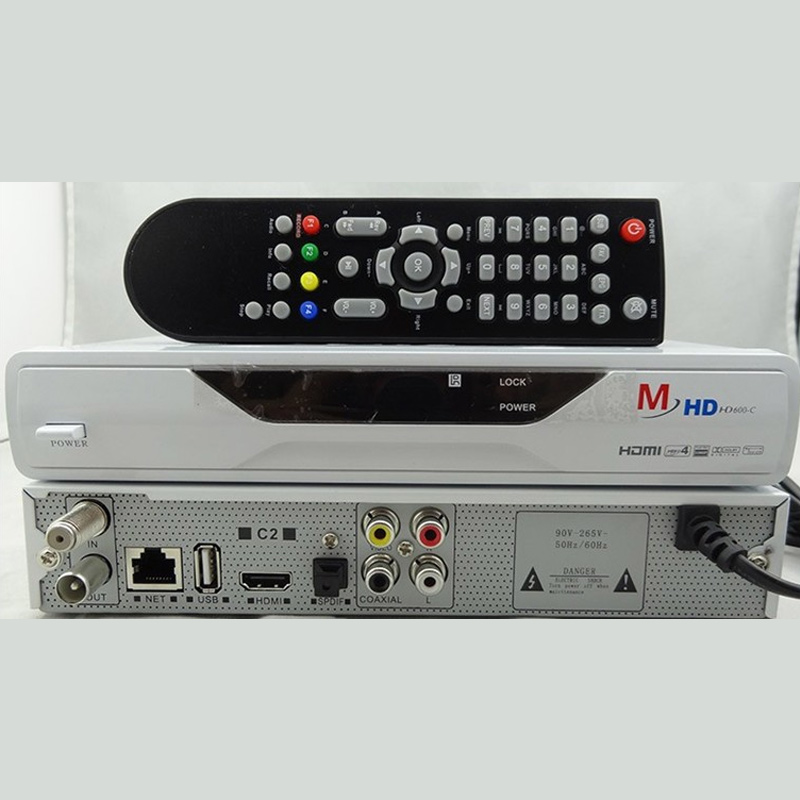
    MUMBAI: The growing inclination of people towards ultra-high definition video viewing can be attributed as a major reason for the 4K Set-Top Box’s (STB) market growth. According to a report by Grand View research, the global 4K STB market size is projected to reach US$7.18 billion by 2024.

    The demand for media-rich home entertainment services among consumers is increasing and is anticipated to fuel market growth. Improved standard of living owing to increased purchasing power is positively impacting the industry growth. The growth is further fostered by favorable government initiatives, large-scale digitization programs, and mandatory installation of set top boxes.

    Valued at at over US$ 50 million in 2015, the is projected to witness high growth over the next eight years, especially in countries such as Korea, Taiwan, and China.

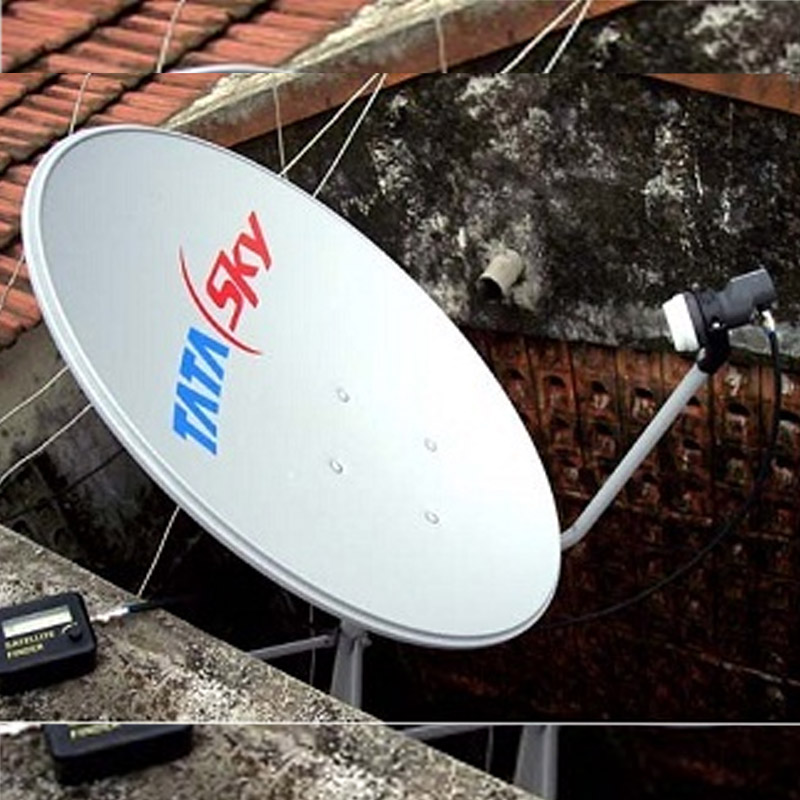
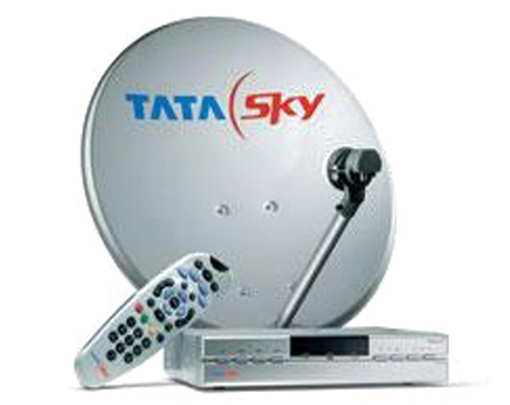
    India is poised to emerge as a lucrative market for UHD STBs with the country expected to witness a CAGR substantially higher than the regional average. DTH operators like Tata Sky, Videocon, Airtel, etc have launched UHD STBs and are attempting to achieve a higher rural penetration with affordable regional packages.

    The increasing penetration of 3D and 4K TVs and escalating demand for large screen displays are fueling the demand for Ultra High-Definition (UHD) STBs. Smart features such as STB operability through voice commands given by Remote Control Unit (RCU) is garnering high potential.

    Internet Protocol Television (IPTV) 4K STBs accounted for over 20 per cent of the market share in 2015 and are expected to witness considerable growth over the forecast period. Increasing broadband penetration can be attributed as the major reason for the rise in the market share of IPTV 4K Set-top Box devices. The IPTV set top box product segment is projected to gain traction owing to benefits such as integration of TV, PC, home phone, and wireless devices offering a high quality of viewing experience to the end-users.

    Key industry participants include ZTE Corporation, SAGEMCOM, Arion Technology, Roku Inc., and Infomir LLC. Manufacturers are emphasizing on UHD STBs incorporated with interactive 4K content to gain a competitive edge in the industry.

    Technology giants such as Apple Inc. have managed to make their mark in this competitive industry. The Apple TV device aids the streaming of OTT content and other videos over the internet. The launch of advanced OTT devices such as Google Inc.’s Chromecast media streaming device and Amazon’s Fire TV STBs have opened up new avenues in the industry.

  • India poised to emerge as lucrative market for UHD STBs

    India poised to emerge as lucrative market for UHD STBs

    MUMBAI: The growing inclination of people towards ultra-high definition video viewing can be attributed as a major reason for the 4K Set-Top Box’s (STB) market growth. According to a report by Grand View research, the global 4K STB market size is projected to reach US$7.18 billion by 2024.

    The demand for media-rich home entertainment services among consumers is increasing and is anticipated to fuel market growth. Improved standard of living owing to increased purchasing power is positively impacting the industry growth. The growth is further fostered by favorable government initiatives, large-scale digitization programs, and mandatory installation of set top boxes.

    Valued at at over US$ 50 million in 2015, the is projected to witness high growth over the next eight years, especially in countries such as Korea, Taiwan, and China.

    India is poised to emerge as a lucrative market for UHD STBs with the country expected to witness a CAGR substantially higher than the regional average. DTH operators like Tata Sky, Videocon, Airtel, etc have launched UHD STBs and are attempting to achieve a higher rural penetration with affordable regional packages.

    The increasing penetration of 3D and 4K TVs and escalating demand for large screen displays are fueling the demand for Ultra High-Definition (UHD) STBs. Smart features such as STB operability through voice commands given by Remote Control Unit (RCU) is garnering high potential.

    Internet Protocol Television (IPTV) 4K STBs accounted for over 20 per cent of the market share in 2015 and are expected to witness considerable growth over the forecast period. Increasing broadband penetration can be attributed as the major reason for the rise in the market share of IPTV 4K Set-top Box devices. The IPTV set top box product segment is projected to gain traction owing to benefits such as integration of TV, PC, home phone, and wireless devices offering a high quality of viewing experience to the end-users.

    Key industry participants include ZTE Corporation, SAGEMCOM, Arion Technology, Roku Inc., and Infomir LLC. Manufacturers are emphasizing on UHD STBs incorporated with interactive 4K content to gain a competitive edge in the industry.

    Technology giants such as Apple Inc. have managed to make their mark in this competitive industry. The Apple TV device aids the streaming of OTT content and other videos over the internet. The launch of advanced OTT devices such as Google Inc.’s Chromecast media streaming device and Amazon’s Fire TV STBs have opened up new avenues in the industry.