Tag: 2G spectrum

  • 2G spectrum case: CBI acquits all accused

    2G spectrum case: CBI acquits all accused

    Mumbai: A special CBI court today acquitted all accused in the three cases related to the 2G spectrum allocation. The case pertained to graft and money laundering charges against a former telecom minister, politicians, and business executives in the grant of spectrum licences

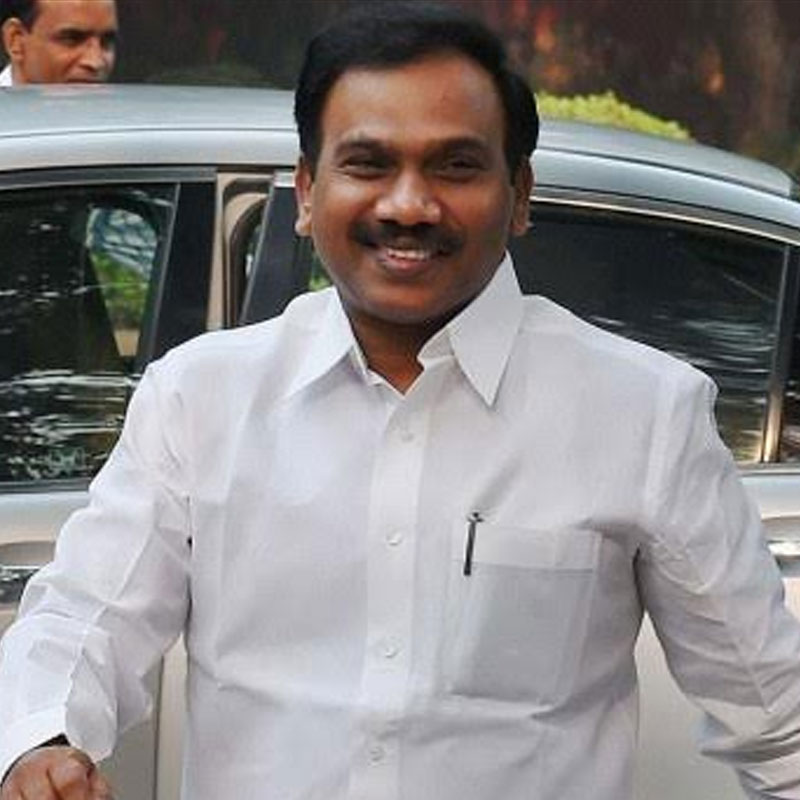
    Deciding the fate of all accused, including former telecom minister A Raja and DMK leader Kanimozhi Karunanithi, the court opined, “Absolutely no hesitation in holding that the prosecution has miserably failed to prove any charge against any of the accused, made in its well choreographed charge sheet.”

    The CBI had claimed that Raja had devised his own way of granting telecom licences, brushed aside the first-come-first-served principle, misled the (then) Prime Minister, disregarded the concerns of other ministries and ran a parallel office at home to grant licences to whosoever offered him gratification.

    The case relates to alleged below-market-price sale of lucrative telecom permits bundled with airwaves in 2008, which a federal auditor said may have cost the government as much as $28 billion in lost revenue.

    In 2012, the Supreme Court ordered 122 licenses held by eight operators to be revoked, declaring the licenses illegal and the process “wholly arbitrary, capricious and contrary to public interest.”

    Also read:

    TRAI wants spectrum cap revised to 35 per cent

    Spectrum payment limit eased, NTP to facilitate data and security 

  • Maxis in trouble as SC summons its chief

    Maxis in trouble as SC summons its chief

    MUMBAI: The Supreme Court of India has restrained the transfer of 2G licences from the Malaysian company Maxis which were allotted to Aircel originally. Chief Justice J S Khehar also proposed to restrain earning of any revenue by using the 2G spectrum licences. Maxis had allotted its licence to Aircel in 2006.

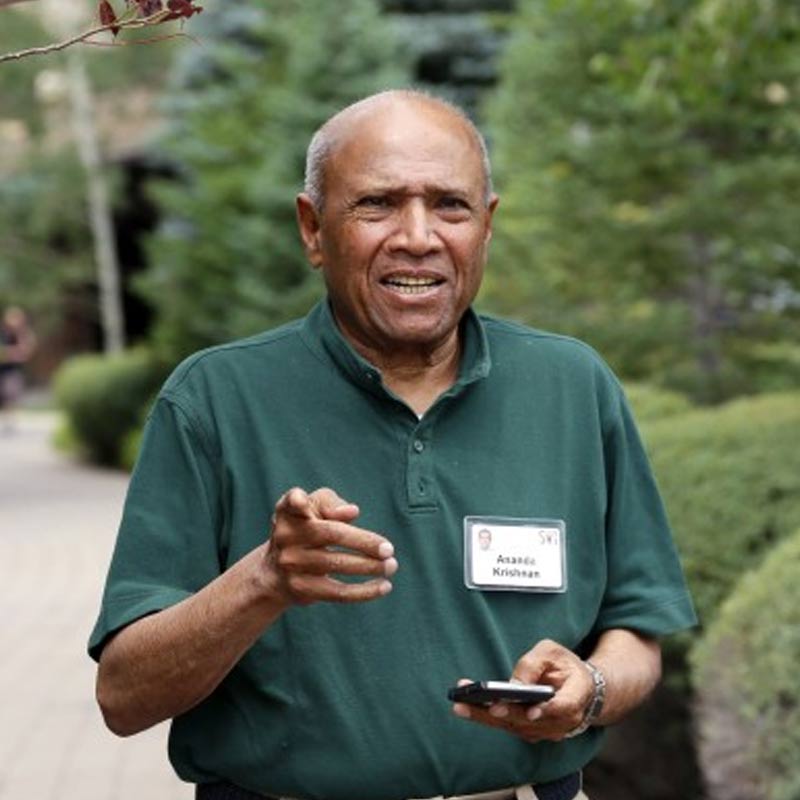
    The bench said that the instant order was issued to bring to the notice of Malaysian business T Ananda Krishnan – the owner of Maxis group and to ensure he makes his appearance in the apex court. The bench also comprised of Justices N V Ramana and D Y Chandrachud.

    The apex court also declared that the 2G licences shall be seized if Krishnan and another Maxis executive Ralph Marshall fail to appear on 27 January. The bench has also asked the telecom ministry to devise ways to prevent adverse impact which can take place if the 2G licences are provided to the other service providers and not Aircel.

    Krishnan added that they cannot tolerate a person using the national resource such as spectrum of India and not honouring the court notice. The court has also directed the government of India to publish the order instantly in two leading Malaysian newspapers. The court specified that, if the proposed order is passed, it would not be open to any of the accused to raise the issue of monetary losses.

    BJP leader Subramaniam Swamy had alleged that FIPB clearance to Aircel-Maxis was granted illegally. Special 2G prosecutor Anand Grover said that hearing on framing of charges in the trial court is scheduled for 9 January. The bench has also added that the material for further hearing on 27 January and other charges made by the BJP spokesperson will be dealt at a later stage.

    Also Read:    Aircel-Maxis case: 2G court seeks to speed trial against Marans

  • Maxis in trouble as SC summons its chief

    Maxis in trouble as SC summons its chief

    MUMBAI: The Supreme Court of India has restrained the transfer of 2G licences from the Malaysian company Maxis which were allotted to Aircel originally. Chief Justice J S Khehar also proposed to restrain earning of any revenue by using the 2G spectrum licences. Maxis had allotted its licence to Aircel in 2006.

    The bench said that the instant order was issued to bring to the notice of Malaysian business T Ananda Krishnan – the owner of Maxis group and to ensure he makes his appearance in the apex court. The bench also comprised of Justices N V Ramana and D Y Chandrachud.

    The apex court also declared that the 2G licences shall be seized if Krishnan and another Maxis executive Ralph Marshall fail to appear on 27 January. The bench has also asked the telecom ministry to devise ways to prevent adverse impact which can take place if the 2G licences are provided to the other service providers and not Aircel.

    Krishnan added that they cannot tolerate a person using the national resource such as spectrum of India and not honouring the court notice. The court has also directed the government of India to publish the order instantly in two leading Malaysian newspapers. The court specified that, if the proposed order is passed, it would not be open to any of the accused to raise the issue of monetary losses.

    BJP leader Subramaniam Swamy had alleged that FIPB clearance to Aircel-Maxis was granted illegally. Special 2G prosecutor Anand Grover said that hearing on framing of charges in the trial court is scheduled for 9 January. The bench has also added that the material for further hearing on 27 January and other charges made by the BJP spokesperson will be dealt at a later stage.

    Also Read:    Aircel-Maxis case: 2G court seeks to speed trial against Marans

  • Govt. to earn over Rs 61,600 crore from 2G Spectrum Auction

    Govt. to earn over Rs 61,600 crore from 2G Spectrum Auction

    NEW DELHI: The government is expected to earn about Rs 61,162 crore from the 2G spectrum auction that ended after 68 rounds of bidding over 10 days.


    Major telecom companies Airtel and Vodafone have bagged spectrum in the crucial 900 MHz band in important markets like Delhi, Mumbai and Kolkata.


    The government’s total revenue from the auction (which is provisional) is much higher than its initial estimate of about Rs 41,000 crore. The licences will be valid for a period of 20 years. The companies need to pay only a quarter to a third of the winning auction price upfront and the remainder by 2026.


    Telecom Secretary M F Farooqui said the government will get at least an estimated Rs 18,200 crore this fiscal, much higher than budget estimate of Rs 11,300 crore.


    With the government facing a huge budget deficit target for the current fiscal year ending in March amid a shortfall in tax collections and revenue receipts from divestment of stake in state companies, Finance Minister P Chidambaram will welcome the higher-than-expected revenues from the spectrum auction.


    Eight companies, including Bharti Airtel, Vodafone, and Reliance Industries, had applied to bid in the auction of 900 megahertz and 1800 megahertz band airwaves. The 900 megahertz band was auctioned only in three cities – Delhi, Mumbai and Kolkata.


    The stakes were especially high for Vodafone and Bharti which use 900 Mhz. They had to join the auction after the Supreme Court refused to extend their licences, which expire in November 2014. Idea too won spectrum in the 900 MHz band in Delhi.


    The Mukesh Ambani-backed Reliance Jio bagged 1800 MHz band in 14 circles out of the 22 on offer. This will help the company to not only offer data but also voice services in these regions. Reliance Jio had earlier won the rights to offer 4G broadband services across the country.


    In the 1800 MHz band, Airtel won in 15 circles, Vodafone in 10 and Idea in 11.


    Bidding for the 900 MHz band in Delhi, Mumbai and Kolkata was very aggressive, with Vodafone and Bharti Airtel forced to protect their turf. In Delhi, the winning bid was Rs 741 crore as against the reserve price of Rs 360 crore; in Mumbai, the winning bid was Rs 563 crore, while the reserve price was Rs 328 crore, and in Kolkata, the winning bid was Rs 195 crore vs a reserve price of Rs 125 crore.


    Bids for the 900 Mhz band run into higher sums as it is considered better quality spectrum which requires lower investment for telecom companies to set up infrastructure. In comparison, the 1800 Mhz band requires higher capital expenditure.


    The 2G spectrum had to be auctioned afresh after the Supreme Court ordered in 2012 the cancellation of 122 licences issued in 2008 by then Telecom Minister A Raja. The Supreme Court held that the process used by him to allot licences was “illegal” and ordered a new auction. Auctions in November 2012 and March 2013 flopped as most bidders stayed away from the sales, complaining that the floor bid prices were too high.


    The eight bidders applied to participate in the current auction after the government sharply cut auction reserve prices.

  • Media creating negative impressions in reportage: PM

    Media creating negative impressions in reportage: PM

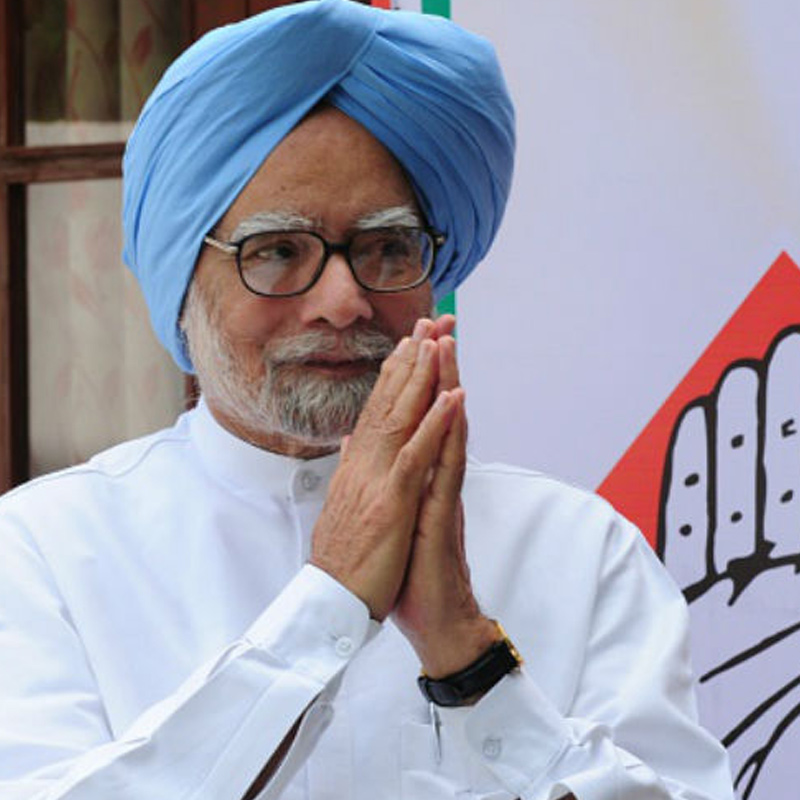
    NEW DELHI: Prime Minister Manmohan Singh today said the coverage of various scams by the electronic and print media in the past few months had unfortunately created an impression that ‘we are a scam-driven country and that nothing good is happening in our country.’

    Singh added that in the process, “I think we are weakening the self-confidence of the people of India. I do not think that it is in the interest of anybody in our country.”

    At the same time, he lauded the media for drawing the country’s attention to some aberrations whether in the form of allocation of 2G spectrum, the Commonwealth Games and more recently some developments in the Space organisation, and the Adarsh society affairs.

    “I think the media has played a very important role in drawing the country’s attention to these issues which require corrective action’. He also remarked about the media referring to him as a ‘lame duck Prime Minister.”

    Dr Singh was making opening remarks to editors from the electronic media in the capital. Later he answered questions relating to various issues including the scams and the economy.

    He said: “The media has an obligation, the Government has an obligation, the Opposition has an obligation that we work together in a spirit that India as a whole has to march forward.”

    He concluded: “So I would wish to mention to you that in reporting the affairs of our nation, we must not focus excessively on the negative features, important though it is that the government should deal with them, to take effective action and you have my assurance that wherever such corrective action is required, our government will take that action and will bring the wrong doers to book.”

    The media has, he said, a very important role to play in a functioning democracy that India is and “let us work together to revitalise the spirit of rejuvenation, spirit of self confidence that we have problems, but we also have credible mechanisms to overcome them.”