
Event Coverage
Is digital taking over print?

MUMBAI: With the growing number of avenues available for news consumption in India, viewers are often puzzled about which source to trust. The explosion of digital, television and print media has changed the way of news consumption.
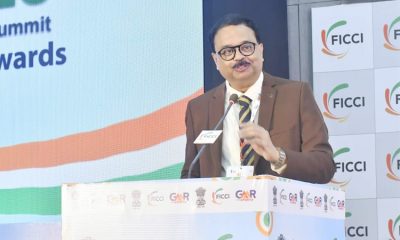
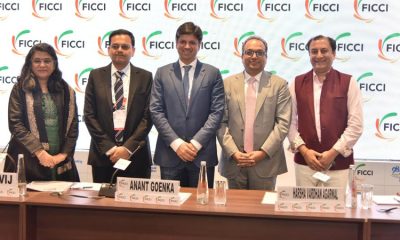
And discussing how news had moved avenues with changing time were Indian Express whole time director Anant Goenka, BBC World News television presenter Ros Atkins, Extentia Information Technology CEO Umeed Kothavala, Inshorts founder Azhar Iqubal, The Wire founding editor Siddharth Varadarajan, Zee Media Group CEO Bhaskar Das and CNN International chief New Delhi bureau Ravi Agarwal. Moderating the session was MxM India editor-in-chief Pradyuman Maheshwari.
Over the years, we have seen news moving from print to magazines to TV and now to digital platforms. Shedding some light, Zee Media’s Das said, “That the market is supposed to move, is a basic axiom. The problem that the majority of the houses are facing is that they are stuck to one business model. With digital, there are multiple ways of making money. Monetisation moves from format to format. In the end, it’s not about the medium. You can’t compare a conventional way of system with a realistic model. There are four monsters like Google, Facebook, Apple and Amazon. They make money. There will be monopolistic tendencies.”
Indian Express’s Anant added, “Digital has arrived. Our revenues have increased over four years and I see print is going to be there for a long time. I can say that Indian Express can survive digitally with the same reportage and structure. But I think in digital you can’t just stick to advertising. That will not be much. You will have to get audiences to pay for content.
“Every story is different, and depending on the story, we file digital first or print first. The best investigative story we like to give to print first; exclusivity is a one minute word. At the moment we find it is exclusive on the web only for a minute. Also if it is time critical to break the story, then we do break it on web”, he explained further.

Das said, “The audiences that consume newspapers today they were born before 1970 and are not post 1990 born. At the same time, most of the stars want to see their names in newspapers.
The Wire’s Varadarajan added, “With digital the ability to tell stories has enhanced due to the enhanced interactivity. The viewers can consume content according to their convenience on digital platforms. Every TV channel and newspaper today recognises digital as the future. But the old adage of dollars for print, dimes for digital and pennies for mobile still holds true for most organisations.”
Inshorts Azhar Iqbal when asked about how his news application was working and what was its future replied, “We are not making any money as of now. I don’t know how are we going to perform in the future. We are focused on ‘time is money’. As long as we can attract eyeballs, we will be able to monetize”.
Adding, Extentia Information Technology’s Umeed Kothavala said, “Digital and technology have changed the context of consumption. Along with monetization, organisations also need to keep track of the growing power of social media, citizen journalism and also the fact that there are many more options for people to get their news from”.
Anant took on Inshorts Azhar Iqubal, making his displeasure known at the latter copying news from Indian Express without the media group’s consent and rehashing it into a 60 word article for Inshorts’ usage.
On the entertainment front, Varadarajan commented how a majority of entertainment news in the print sector was paid for by artistes and hence they would always prefer their exclusive interviews to be printed in the print medium rather than digital.
CNN’s Agrawal said, ““Digital news is the present, not just the future. It is the present and is very important for us. CNN International looks at providing content globally. We don’t have a print medium. The news that we cover is from a global perspective and the information can be accessed by all the people irrespective of the geography. We as an organisation think of being the first to put out the news. We then decide on how news can be distributed across the various delivery platforms.”
BBC’s Atkins pointed out that if BBC didn’t provide relevant news to the audience, they would not come to it. “On my show BBC Outsource, if there is a credible story, say from CNN, I will show it to my audience. Given that social media is expanding and that news can be accessed through it, we have to provide credible content to the audience.”
The panellists also discussed the importance of maintaining the same level of credibility and gate-keeping standards on a digital platform as on traditional print or television platforms.
Voicing his opinion, Varadarajan said, “There are two things which are important – credibility and reliability. One should always try to achieve both these elements. If you can’t pick on one, than you should always give preference to credibility”.
“We get higher fee from most of our advertisers because the news that we are providing is credible and they know this”, added Das.
When television came in, the pundits said that it was the end of print. When roll out of the internet, they said that print and television would not be able to compete. All the mediums have so far been able to co-exist, and even grow. With so many upcoming digital avenues, what will be interesting to see is how print will retain for itself its space in the ecosystem and how digital will be a game changer that it is already has become.






Event Coverage
Anime India announces Amazon MX Player as co-presenting partner for Anime India Kolkata 2026
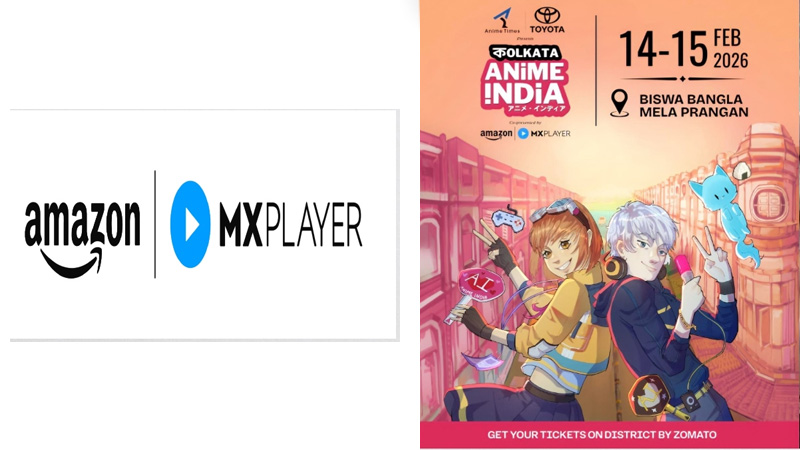
MUMBAI: Riding high on the success of its blockbuster Mumbai debut, Anime India is accelerating its nationwide expansion with the announcement of Amazon MX Player as the co-presenting partner for Anime India Kolkata. The partnership marks a significant step forward in the festival’s mission to deliver large-scale, accessible, and fan-first anime experiences across the country.
Scheduled for 14 and 15 February 2026 at the iconic Biswa Bangla Mela Prangan, Anime India Kolkata will launch the first regional chapter of what is set to be a year-long, multi-city tour. As the curtain-raiser for the 2026 circuit, the Kolkata edition aims to fuse the energy of global Japanese pop culture with India’s fast-growing community of anime, manga, and pop-culture fans.
A household name in digital entertainment, Amazon MX Player brings unmatched reach and cultural relevance to the Anime India platform. With its expanding focus on anime and youth-driven content, Amazon MX Player’s involvement as co-presenting partner reinforces Anime India’s vision of making anime culture more inclusive breaking barriers of language, geography, and accessibility to connect with fans nationwide.
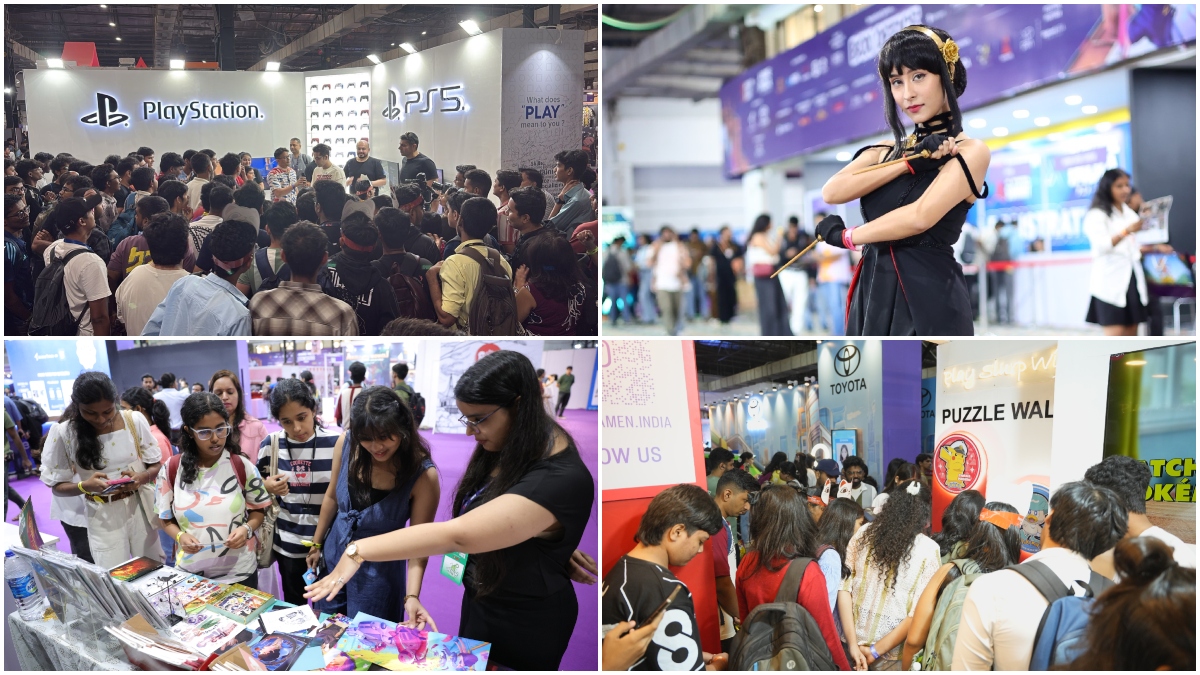
Anime India Kolkata 2026 will showcase cosplay competitions, interactive zones led by the Indian Gunpla Community, India-39 Vocaloid Community, The Japan Curry, and Adda-o-Otaku by The Otaku Guild. Fans can join tournaments across fighting games, Pokémon VGC, and more. Acclaimed Japanese director Susumu Mitsunaka (Haikyu!!) will attend as guest of honour, appearing in panels and live sessions. Positioned as an immersive celebration of fan culture and industry collaboration, the Kolkata edition marks the beginning of Anime India’s nationwide expansion.
Sharing their perspective on the partnership, Amazon MX Player director Aruna Daryanani expressed, “Anime in India has evolved from a niche interest into a mainstream cultural movement, driven by an increasingly engaged and passionate fanbase. At Amazon MX Player, our focus is on expanding access by bringing anime to audiences across the country for free and in multiple local languages. Our association with Anime India reflects our commitment to supporting the growth of anime in India and deepening connections with fans, while continuing to build Amazon MX Player as a trusted destination for free, high-quality entertainment.”
“Anime India Kolkata is a celebration of how anime has grown beyond entertainment into a powerful cultural and creative force. By bringing fans, creators, and industry leaders onto one shared platform, the festival is helping define the future of pop culture in India,” said Anime India co-founder and director Neha Mehta.
The debut edition of Anime India 2025 in Mumbai attracted over 29,000 fans, quickly cementing its status as a landmark celebration of anime and Japanese pop culture. Riding on this overwhelming response, the Kolkata chapter is projected to draw more than 40,000 visitors across two days, positioning it as one of the biggest anime conventions ever held in eastern India.
Anime India is focused on bringing together fans from across the country to create a truly pan-India celebration of anime, manga, cosplay, gaming, and Japanese culture. With plans to expand into four key metropolitan hubs in 2026—east (Kolkata), north (Delhi), west (Mumbai), and south (Hyderabad)—the festival seeks to deliver globally benchmarked experiences while supporting and uplifting creators, artists, and fan communities throughout India.
Event Coverage
Transcend Goa Day 2 closes with a vision for cross‑border storytelling and shared narratives
Day two of Transcend Goa 2026 built on the momentum of the opening day and offered a deeper dive into the possibilities of transmedia storytelling and IP creation. Through a mix of panel discussions, and visionary presentations, the second day highlighted both the challenges and opportunities of building story worlds that thrived across platforms, leaving participants inspired by the breadth of ideas and collaborations that were showcased.
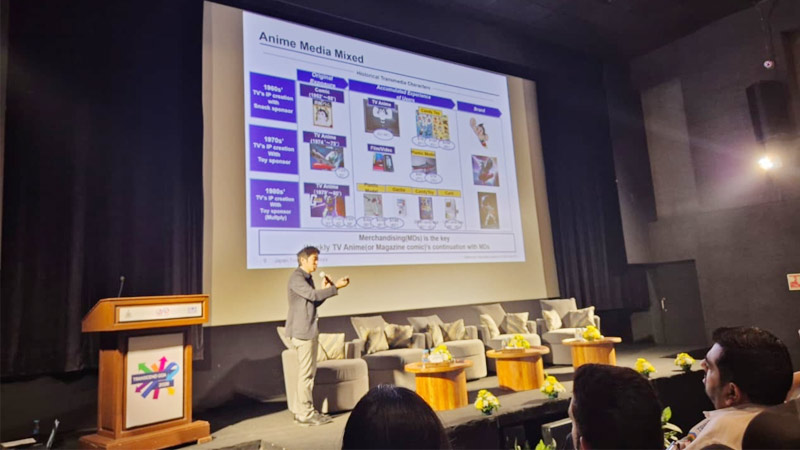
The second day began with the session Transmedia History of Japan Manga/Anime/Game IPs in the Partnership of East Asia. The session explored the evolution of Japanese manga, anime, and game IPs as transmedia ecosystems, shaped through long‑standing collaborations across East Asia. The speaker for the session was RE Entertainment CEO & president Atsuo Nakayama.
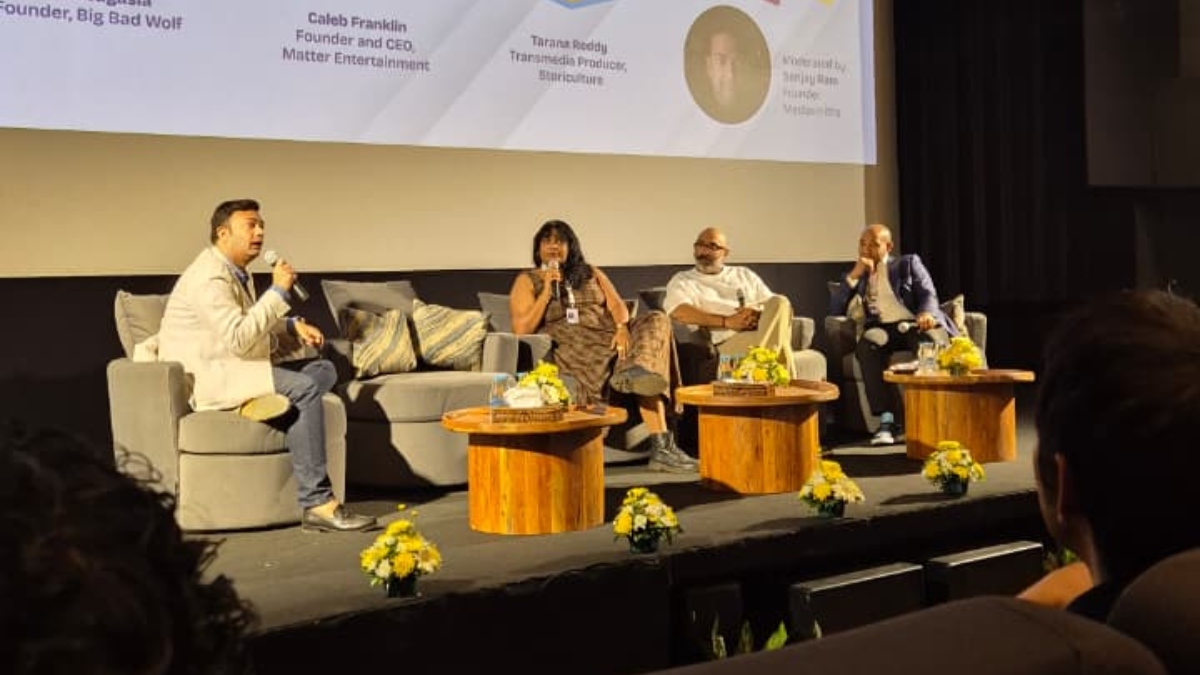
The session ahead was titled A World Where Narratives are Currency. It explored how powerful narratives function as both creative and commercial currency, shaping brands, fandoms, and franchises in the global media landscape. Speakers included Big Bad Wolf founder Dhruv Jagasia, Matter Entertainment founder & CEO Caleb Franklin, Storiculture transmedia producer Tarana Reddy, with the discussion moderated by writer Ankur Pathak.
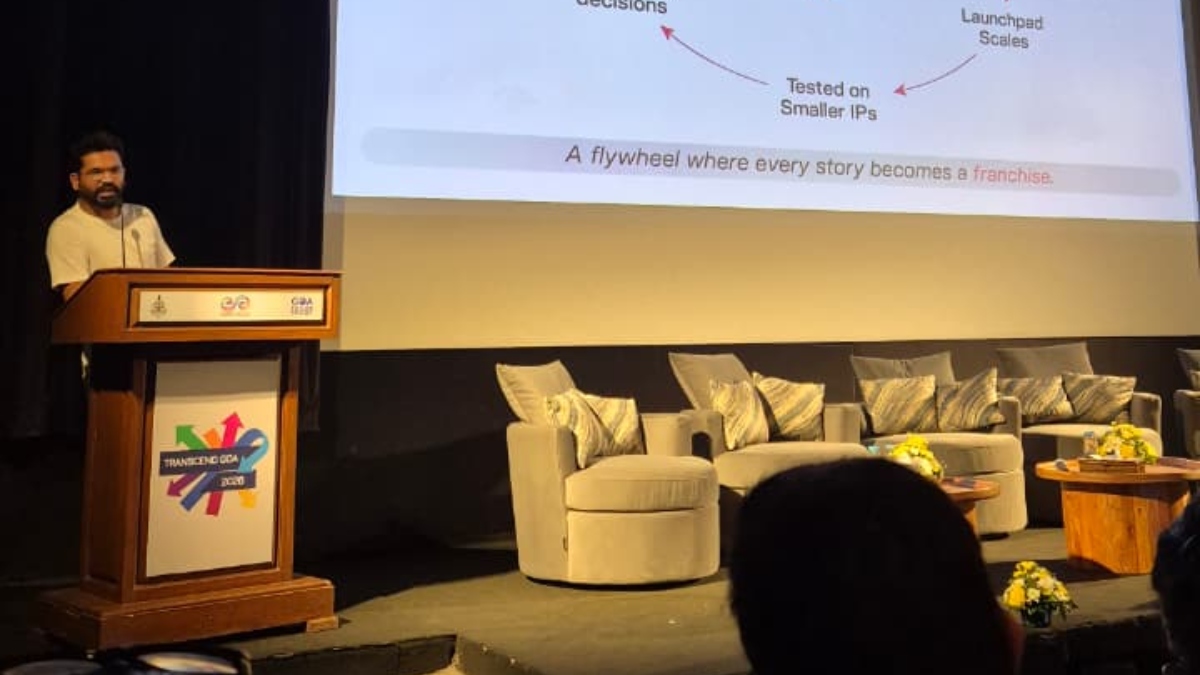
The next session post‑lunch was Building Mugafi into a Transmedia Giant. It took a deep dive into transforming Mugafi into a scalable, story‑driven ecosystem. The discussion explored how IP development, technology, and creator communities converge to build a transmedia platform that nurtures talent, expands narratives, and unlocks global opportunities. The speaker for this session was Mugafi founder Vipul Agrawal.
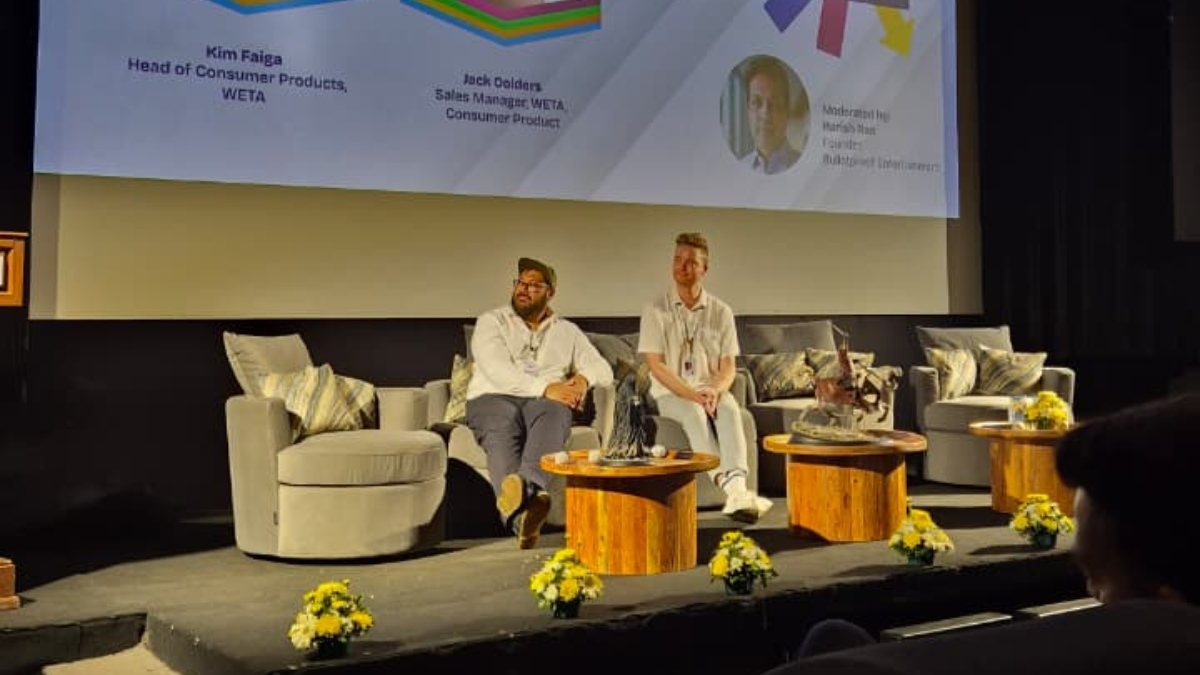
The session titled From Collectibles to Culture – Toys, Merchandising & Global Transmedia Value Chains focused on merchandising and consumer products. It examined how toys, collectibles, and licensing strategies can expand a story’s reach and create sustainable value chains across film, television, gaming, and more. Speakers included Weta head of consumer products Kim Faiga and Weta consumer products sales manager Jack Oolders, with the discussion moderated by Bulletproof Entertainment founder Harish Rao.
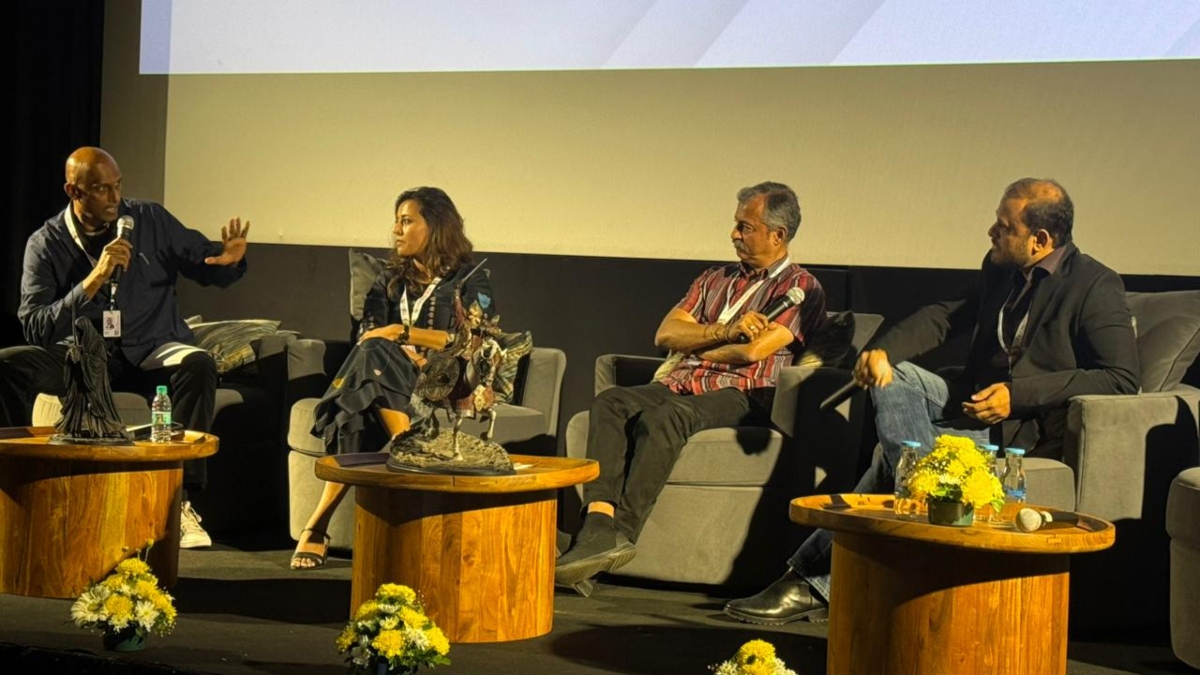
The last session for the day was titled The Next Wave of Global IP – Connecting India, Asia & the West. It spotlighted emerging intellectual properties that bridge continents and cultures, highlighting collaborative projects linking creators in India, Asia, and the West. By showcasing case studies on scaling IP across borders, the discussion underscored how co‑productions and shared narratives can reach audiences worldwide. Speakers included 88 Pictures founder & CEO Milind Shinde, CDL TV CEO Charuvi Agrawal, writer Binky Mendez, and Lakshya Digital CEO Manvendra Shukul, with the discussion moderated by Locomotive Global founder Sunder Aaron.
Transcend Goa 2026, concluded with closing remarks from Rao and representatives of the government of Goa, followed by a networking evening. The sessions across the event captured the spirit of collaboration and innovation, showcasing how transmedia storytelling and IP creation can transcend borders, formats, and industries. As the event drew to a close, participants left with renewed inspiration, strengthened connections, and a shared vision for the future of global media and entertainment.
Event Coverage
Transcend Goa 2026 Day 1 showcases India’s journey in storytelling, IP creation and transmedia content
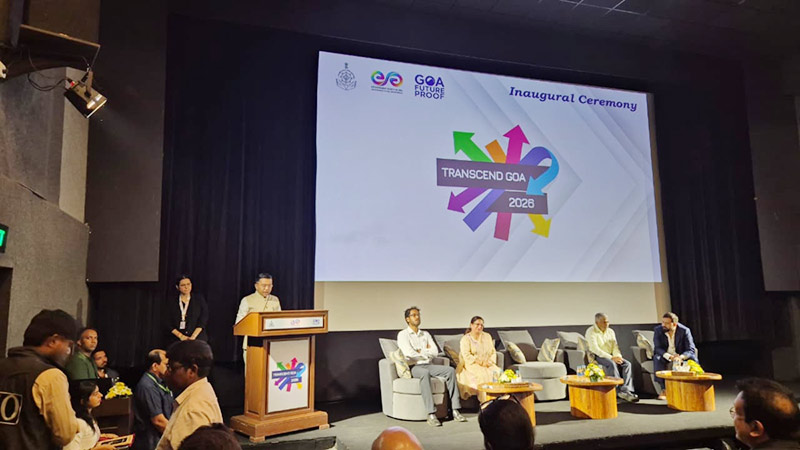
Day One of Transcend Goa 2026 marked a significant step for India’s creative industries, as the inaugural transmedia conclave unfolded at the Marquinez Palace in Panjim on 15 January. The summit brought together leading voices from cinema, publishing, gaming, animation and emerging technologies to discuss how stories can move fluidly across formats and reach audiences in new ways.
Conceived as a platform to showcase India’s growing strength in original IP and cross‑media innovation, the conclave set out to highlight the country’s transition from service‑driven work to globally recognised creative leadership. With the support of the Government of Goa, the Entertainment Society of Goa (ESG) and Goa Future Proof curated the event to spark dialogue on the future of storytelling and its impact on culture and commerce.

The day opened with an address by a Government of Goa representative and ESG chief executive officer Asvin Chandru. He said, “Goa has been envisioned as a future facing space where cinema, publishing, gaming, technology and artificial intelligence converge, reflecting the state’s ambition to emerge as a hub for creative, innovation and cultural exchange. Over the next two days, we hope this conclave inspires meaningful dialog, learning and collaboration across disciplines.”
Next, government of Goa chief secretary and planning secretary V Candavelou took the stage, setting the tone for the discussions ahead. He noted, “You all know that transmedia storytelling has undergone a transformational change. With the evolving of new technologies, this storytelling keeps on changing. The Transcend Goa summit is making this platform available to all the stakeholders to exhibit their talents. I hope that these two days spark meaningful conversation and ideas for the future.”

The event was graced by Goa’s chief minister Dr Pramod Sawant. “Transcend Goa is a simple idea to create a space where the culture meets technology, creates a space where the creativity connects with opportunity,” he said taking the stage. “The summit is also a pilot. It allows us to learn and understand how Goa can position itself as a large, creative and digital economy. Even small steps matter when we move in the right direction. If this discussion is of value to the creators’ businesses and the students, then these efforts will serve its purpose.”
He further said, “Goa always attracted the artist and thinkers. Today, it also has the students who code, design, animate, write and build the digital products. This summit gives them the exposure. This platform can open new doors and sparks new ideas. The government of Goa has extended support to Transcend Goa because we believe in the enabling of this platform. The Entertainment Society of Goa (ESG) has been entrusted and with the responsibility because it understands the culture landscape and has the capacity to execute such initiatives. We see the summit as a part of the larger efforts, our efforts to strengthen the Goa’s creative economy.”

The keynote was delivered by Creativeland Group chairman Sajan Raj Kurup, who underscored the importance of building narratives and transmedia content that resonate across platforms and markets.
The day opened with the session Beyond the Screen: Creating Stories that Travel, which examined how narratives moved across film, television, games, social media and immersive experiences. It considered strategies for designing stories that adapted and engaged audiences across formats. Speakers included Emmay Entertainment producer partner and CEO Monisha Advani, Zebu Animation co‑founder and creative director Veerendra Patil, TVF president Vijay Koshy and Creativeland Studios CEO Shobha Sant, with the discussion moderated by Mediasmiths founder Sanjay Ram.
The session The Evolution of India’s Media Ecosystem: Transitioning from Outsourcing to Transmedia IP Creation examined how India’s media sector moved from providing back‑end services to developing original intellectual property that attracted global investment. Speakers included Punnaryug Artvision founder Ashish Kulkarni, Brhat founder Raghav Krishna, with the discussion moderated by Bulletproof Entertainment founder Harish Rao.

Post lunch, the session India’s Original IP Powerhouse: The Raj/Alpha Comics Story presented a case study on how publishers such as Raj Comics and Alpha Comics developed Indian superhero stories into transmedia properties. Speakers included Raj Comics founder Sanjay Gupta, Raj Comics and Alpha Comics founder Vasu Gupta, with the discussion moderated by Animation Xpress India director Mishaal Wanvari.
The session The Art of Creating Multiplatform Narratives explored the craft of building cohesive story worlds that unfolded across film, television, games, social media and other formats. It considered approaches to creative planning, audience engagement and maintaining narrative consistency while using the strengths of each medium. Speakers included filmmaker Raja Krishna Menon, filmmaker Reema Maya and filmmaker Q, with the discussion moderated by Mediasmiths founder Ram.

The session AR Rahman’s Secret Mountain: Building a Transmedia Music Universe introduced the composer’s latest project, Secret Mountain. It highlighted India’s first Meta Band and explored its potential across music, digital platforms and immersive experiences. The presenter for this session was Secret Mountain cofounder Vignesh Raja.
The last session of the day, Animating Success: Green Gold Entertainment’s Journey, highlighted Green Gold Entertainment founder Rajiv Chilaka and his team’s work in building one of India’s leading original animation studios. It traced how Green Gold Entertainment created hit franchises such as Chhota Bheem, developed a merchandise and licensing strategy, and showed that Indian stories could find global resonance. The session featured Chilaka in conversation with Bulletproof Entertainment founder Harish Rao.
The day concluded with a lively networking evening, leaving participants energised and looking forward to the sessions on the second day.


Mukesh Ambani, Larry Fink come together for CNBC-TV18 exclusive

Nielsen launches co-viewing pilot to sharpen TV measurement

Netflix celebrates a decade in India with Shah Rukh Khan-narrated tribute film

Delhivery chairman Deepak Kapoor, independent director Saugata Gupta quit board

Meta appoints Anuvrat Rao as APAC head of commerce partnerships

Brnd.me enters Europe as haircare brands power global expansion

TechnoSport taps quick commerce with launch on Slikk’s 60-minute platform

These ’90s fashion trends are making a comeback in 2017
The final 6 ‘Game of Thrones’ episodes might feel like a full season
According to Dior Couture, this taboo fashion accessory is back
The old and New Edition cast comes together to perform
Phillies’ Aaron Altherr makes mind-boggling barehanded play
Uber and Lyft are finally available in all of New York State
Disney’s live-action Aladdin finally finds its stars
Mukesh Ambani, Larry Fink come together for CNBC-TV18 exclusive
Nielsen launches co-viewing pilot to sharpen TV measurement
Netflix celebrates a decade in India with Shah Rukh Khan-narrated tribute film
Delhivery chairman Deepak Kapoor, independent director Saugata Gupta quit board
Meta appoints Anuvrat Rao as APAC head of commerce partnerships
Brnd.me enters Europe as haircare brands power global expansion
TechnoSport taps quick commerce with launch on Slikk’s 60-minute platform
-
 News Broadcasting3 days ago
Mukesh Ambani, Larry Fink come together for CNBC-TV18 exclusive
-
 iWorld7 days ago
Netflix celebrates a decade in India with Shah Rukh Khan-narrated tribute film
-
 MAM3 months ago
HoABL soars high with dazzling Nagpur sebut
-
 MAM3 days ago
Nielsen launches co-viewing pilot to sharpen TV measurement
-
 iWorld12 months ago
BSNL rings in a revival with Rs 4,969 crore revenue
-
 I&B Ministry3 months ago
India steps up fight against digital piracy
-
 iWorld3 months ago
Tips Music turns up the heat with Tamil party anthem Mayangiren
-
 News Broadcasting3 months ago
CNN-News18 dominates Bihar election coverage with record viewership
