
Press Release
Wherever they go, Spy cams follow

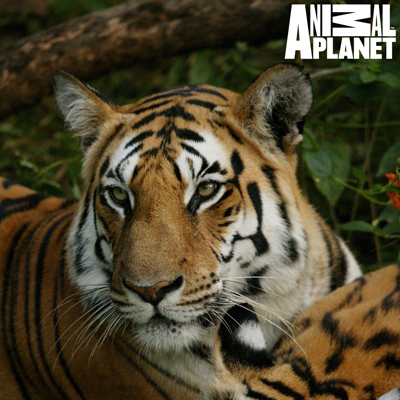
MUMBAI: Taking natural-world filmmaking to an unparalleled scale, Animal Planet’s new series SPY IN THE WILDbrings most engaging and secret stories of some of the most intriguing and charismatic animals present on this Earth. Award winning teams of directors and cameramen employ remote-controlled buggy-cameras, buried periscopes and state-of-the-art technologies to bring forth the lives of world’s famous animals.
Starting May 1st, every night at 10 pm on Animal Planet, SPY IN THE WILDgives a new perspective on the behaviour, emotions, intelligence and extreme survival tactics used by animals. Specially designed cameras and the latest technology allow the viewers to really get to know the species that include lions, elephants, polar bears, tigers and penguins.
For the first time, state of the art ‘SpyCreatures’ infiltrate the dolphins’ underwater world, often interacting and engaging the curiosity of the dolphins themselves, offering a unique glimpse of their intelligence and personalities. The sensational ‘Bouldercam’ takes viewers to within a whisker of the lion. The programme also introduces ‘Dungcam’ and applies the revolutionary brand of photography to perhaps the most popular of all animals – the African Elephant. Using the‘Tuskcams’ and ‘Trunkcams’, the crew uses intelligence and sensitivity of elephants and seeks support to carry the cameras on their tusks and trunks to film the tigers wherever they go, even on the move.With bouldercam’s revolutionary sound system, the television vibrates to the purrs, roars, yelps and barks of these highly vocal animals.The team also uses mini-cranes, buried cameras and tracking vehicles to grab the action.
Production Facts
1. For the three-part special Penguins – Spy in the Huddle, 1,000 hours of intimate behaviour were recorded – almost nothing that happened on the colony was missed. With emperor penguins, this proved to be the longest continuous shoot of emperors ever made – more than 330 consecutive days. The overwintering crew was totally isolated for 8 months, with no contact with the outside world beyond a satellite uplink, in temperatures as low as -60?C. There were only 10 days when they didn’t film.

2. Humboldt penguins are shy birds and have hardly ever been filmed. Spycams played a key role in the 165 days of filming.
3. For Dolphins – Spy in the Pod, 900 hours of intimate behaviour were recorded over the course of 1 year, in countries as diverse as Mozambique, Canada, Florida, South Carolina, Honduras, Costa Rica, Australia, South Africa and Argentina.
4. In the course of the filming period, they dived over 1500 times and spent nearly 3000 hours at sea filming with the Spy Creatures and dolphins in all weathers. Over half of the filming took place via free diving (as opposed to using scuba gear), in depths ranging from shallow coral reefs to nearly 70 feet deep!
Episode Details:
Tiger – Spy in the Jungle: The elephant camera crew reveals the incredible story of four cubs growing up in this previously unseen world. By following the tiger, the camera-carrying elephants uncover a wildlife world every bit as rich as that of Africa, encountering sloth bears – a rarely filmed bear with a unique character, famous for carrying its comical babies on its back – and leopards, the tiger’s major competitor. The episode also brings to light the extraordinary red dogs. These fearsome creatures race through the jungle in huge packs, striking fear into anything in their path.
Polar Bear – Spy on the Ice: Shot mainly using spy cameras, this episode gets closer than ever before to the world’s greatest land predator.Icebergcam, Blizzardcam and Snowballcam are a new generation of covert devices on a mission to explore the Arctic islands of Svalbard in Norway. Backed up by Snowcam and Driftcam, these state-of-the-art camouflaged cameras reveal the extraordinary curiosity and intelligence of the polar bear. The cameras also follow the bears as they hunt seals, raid bird colonies, dive for kelp and indulge in entertaining courtship rituals. Icebergcam even discovers their little-known social nature as seven bears share a washed-up whale carcass.
Elephants – Spy in the Herd: Elephants show many human similarities – life span, social structure, wisdom of age and emotional bonds – which allows this series to connect even more strongly with the audience. The cameras are disguised as elephant dung. These come in different versions and use different lenses. Shots are captured as the cameras are carried by the elephants or even kicked like a football. The intimacy of the ‘dungcams’ images reveal the subtleties of elephant life in a way that has never been seen before.
Dolphins – Spy in the Pod is a magical underwater adventure. Dolphins are one of the most social and playful animals on the planet. Using the trademark blend of extraordinary imagery,analysis of behaviour and moments of humour, the episode looks at thesecret lives of one of the world’s most popular and charismatic animals.
Lion – Spy in the Den makes us imagine sitting just a whisker away, watching lion cubs growing up learning to be lions themselves, and getting into all kinds of trouble. Out on the African plains, right under the lion’s nose, ‘bouldercam’ – a state-of-the-art mini camera and buggy with surround sound, all hidden in a ‘boulder’ – trundles along.
Penguins – Spy in the Huddle: The amazing technical wizardry of the penguincams allows them to blend into these penguin colonies, allowing a closer view of the creatures than ever before as they immerse themselves in the penguin world, both on land and at sea.Penguins – Spy in the Huddle spends nearly a year in their close company, deploying 50 spycams to capture as never before the true character of three very different, yet equally charismatic, birds







Bali is full of memorable moments, and some of them involve animals. Temple monkeys tug at bags, beach dogs nap near sunbeds, and cats wander into cafés like they own the place. Most interactions are harmless, but a bite or scratch can change the day quickly, because you may need immediate medical care and follow-up treatment. This is where Bali travel insurance becomes more than a box to tick.
In this article, you will explore whether animal bite treatment is insured, the exclusions, and the steps to claim easily in Bali.
Why Animal Bites in Bali Need Special Attention
Bites are not only about the visible wound. Insurers and doctors both treat them as medical events that can pose an infection risk, especially when the bite breaks the skin.
A scratch that looks small in the moment can still lead to:
● A doctor’s examination and wound cleaning
● Medicines and dressings
● Follow-up consultations if the doctor advises observation or further care
From an insurance perspective, this matters because claims are usually assessed on medical necessity and documentation, not on how dramatic the injury appears in a photo.
How International Travel Insurance Looks at an Animal Bite
Most travel policies are built around emergency medical expenses for unexpected illness or accidental injury abroad. A bite or scratch usually fits the accidental injury bucket, but coverage is rarely blanket.
In many plans, the following may be considered if a doctor prescribes them and bills and medical notes support them:
● Consultation and outpatient treatment
● Emergency care and procedures, such as wound dressing or stitches, if clinically required
● Prescribed medicines and investigations
● Hospitalisation if the treating doctor confirms it is needed
Common Reasons Claims Get Reduced or Rejected
This is the part travellers often miss. Insurers usually do not deny claims because an animal was involved. Claims become difficult when the event looks avoidable, the reporting is delayed, or the paperwork is weak.
Avoidable-Risk Situations Insurers Scrutinise
Policies commonly exclude or limit claims linked to unsafe conduct or preventable exposure. For animal bites, scrutiny may increase if the incident appears connected to:
● Provoking, feeding, or trying to handle wild animals
● Ignoring warning signs at tourist spots
● Being intoxicated at the time of the incident
● Activities that a policy lists as excluded or restricted
The takeaway is simple: if your own description sounds like a risky choice rather than a sudden accident, the insurer may challenge it.
Delays, Missing Papers, and Policy Conditions
Even when your incident is genuinely accidental, claims can still stall due to basics such as:
● Not informing the insurer or assistance partner within the required time
● Missing itemised bills, prescriptions, or clinical notes
● No proof of travel dates or passport entry details when requested
● Submitting only pharmacy slips without a doctor’s consultation record
International travel insurance is paperwork-driven. If you document it well, you reduce the chance of avoidable back-and-forth.
What to Do If You Are Bitten or Scratched in Bali
Your health comes first, always. But a few sensible steps can protect your recovery and keep your insurance file clean.
Medical Steps That Help You and Your Claim
Act fast, stay calm, and get proper care before worrying about bills.
● Clean the wound promptly and seek medical care, even if it seems minor
● Follow the doctor’s advice, including follow-ups if recommended
● Avoid self-medicating in place of a clinical assessment, because insurers often ask for a doctor’s report
Claim Notes and Documents to Collect
Keep these handy; they’ll save time and avoid follow-up questions later.
● Doctor’s notes that mention the nature of injury, treatment given, and advised next steps
● Prescriptions and pharmacy invoices
● Itemised hospital or clinic bills
● A brief written note of where and when it happened, while it is still fresh in your mind
Final Word
Animal bites in Bali are not rare, and they are not always dramatic, which is exactly why travellers underestimate them. Many travel policies can cover bite-related medical treatment when it is accidental and medically necessary, but the outcome depends on your policy terms and the quality of your documentation. If you buy cover thoughtfully, keep the assistance number handy, and respond sensibly if an incident happens, you give yourself the best chance of both good medical care and a smoother claim experience.
Environmental responsibility has become a critical concern for commercial vehicle operators in India, especially as regulations continue to tighten and public awareness grows. From fuel transportation to the movement of industrial goods, commercial vehicles are exposed to environmental risks that can lead to financial loss, legal action, and reputational damage.
Understanding these risks, along with the role of insurance and preventive practices, helps transporters manage their operations more responsibly and stay compliant with environmental standards.
Keep reading for detailed insight!
What are the Environmental Risks Caused by Commercial Vehicles?
Whether a truck is transporting fuel, chemicals, or routine consumer goods, any lapse can lead to environmental damage and regulatory action. Some of the key environmental risks linked to commercial vehicles include the following:
● Fuel Leaks and Spills
A leak of diesel or petrol following an accident may percolate through the soil and contaminate the surrounding waterways. It is expensive to clean up, and it usually leads to fines from the regulators.
● Hazardous Material Leakage
Vehicles carrying chemicals, industrial by-products, or toxic substances pose a higher risk. If containers are damaged or safety protocols fail, these materials can cause long-lasting harm to land, water, and public health.
● Improper Disposal of Waste
Incorrect disposal of industrial waste, expired chemicals, or contaminated materials can violate environmental laws. In India, such non-compliance can result in fines, licence issues, and legal proceedings.
● Polluted Stormwater Runoff
Rainwater may mix with oil drips, fuel residue, and grease at loading yards, depots, or even in parking areas. This contaminated runoff can enter drains, rivers, or lakes, impacting local ecosystems.
● Accidents in Sensitive Ecological Zones
Accidents along the river, in forests, wetlands, or on conservation land can have a disastrous environmental impact. Such accidents frequently result in government intervention, clean-up requirements, and huge financial responsibility to transport operators.
Does Commercial Vehicle Insurance Cover Environmental Damages?
No, a standard commercial vehicle insurance policy usually excludes coverage for environmental damage. Coverage for pollution-related losses requires separate environmental or pollution liability insurance for commercial vehicles, which helps pay for clean-up costs and third-party claims arising from fuel spills, hazardous cargo leaks, or contamination.
Basic motor policies may only address minor fuel leakage from the vehicle itself, not broader environmental damage.
Types of Environmental Liability Covers for Commercial Vehicles
A pollution liability for commercial vehicles can be structured to match the specific operational risks faced by contractors and transport operators in India. For businesses involved in commercial vehicle operations, the following forms of environmental liability insurance coverage are commonly relevant:
● Contractors’ Pollution Liability Insurance
This policy covers pollution-related claims arising from a contractor’s work. It usually includes third-party physical injury, property damage, emergency response costs, and environmental clean-up expenses.
● Premises Pollution Liability Insurance
Contractors who own or manage depots, warehouses, or operational sites may face environmental risks at fixed locations. This cover helps manage expenses related to pollution at such premises, including remediation costs, legal charges, and regulatory compliance requirements.
● Transportation Pollution Liability Insurance
Businesses involved in the movement of chemicals, fuel, or other hazardous materials often need this specialised protection. It covers losses resulting from accidental spills, leaks, or transit-related incidents and is particularly important for operators requiring hazardous goods vehicle insurance.
● Errors and Omissions Cover for Environmental Professionals
This is an insurance policy for contractors who offer environmental assessment, planning, or risk management services. Errors and omissions coverage includes protection against potential claims arising from professional mistakes, omissions, or advice given during environmental consultancy.
Ways to Reduce Environmental Risk & Strengthen Insurance Protection for Commercial Vehicles
Although insurance offers financial support, preventing environmental incidents remains essential for transport operators. Here are some effective measures to follow in this regard:
● Put Effective Spill Prevention Systems in Place
Reducing the chance of leaks and spills should be a top priority. Regular checks of fuel tanks, valves, and pipelines help identify issues early. Drivers should be trained in safe refuelling and secure cargo handling, while additional containment measures can be used for fuel and hazardous loads.
● Establish a Coherent Environmental Emergency Response Plan
A clear response plan enables a prompt and systematic response to an incident. This should outline reporting procedures, spill containment steps, and access to clean-up equipment. Coordination with local authorities and emergency response teams is also important.
● Train Drivers and Staff on Environmental Responsibilities
Continuous training minimises compliance risks. Drivers and ground personnel must be informed about the safe management of hazardous substances, the proper disposal of waste, and the reasons why incidents must be reported on time. Regular audits and mock drills reinforce good practices.
● Track Routes and Cargo Movement
GPS and fleet monitoring systems can be used to determine routes that are environmentally sensitive and hazardous areas. Real-time monitoring will ensure that approved routes are followed and allow a faster response in the event of an accident or spill.
● Adhere to Regulatory Guidelines and Environmental Laws
Just like timely renewing truck insurance is strictly followed by commercial transportation companies, it is also mandatory for them to adhere to the Indian environmental regulations.
They must comply with regulations about the movement of hazardous materials, reporting of spills, and clean-up requirements at the central and state levels. Failure to comply may result in fines, lawsuits and reputational damage.
The environmental risks associated with commercial vehicles are not only limited to accidental spills, but they can also have long-term ecological and regulatory effects. Although basic motor insurance provides minimal coverage, specialised pollution liability cover is critical for environmental risk management.
A combination of effective preventive strategies and the appropriate environmental risk coverage policy can help transport operators minimise their environmental impacts, safeguard their business interests, and work confidently in a highly regulated environment.

Families want strong health insurance for family, but nobody wants to overpay for a cover that sits unused. A smart way to balance cost and protection is a base policy plus a super top-up. The base plan pays for most hospitalisation needs, and the super top-up adds a cushion for expensive years.
Why This Combo Works For Families
Medical expenses can come in waves, sometimes for more than one member in the same year. Layered cover helps because it can offer:
● A higher overall cushion without buying a large base cover.
● Better support when multiple hospital bills happen in one policy year.
● Flexibility to increase protection later without replacing the core plan.
This is why many people shortlist this structure while comparing health insurance plans for family.
Base Cover: Choose It for Claim Usability
Your base policy is the first responder, so pick it for clear benefits and fewer restrictions. While reviewing health insurance plans, focus on:
● Cashless hospital access in your city.
● Room eligibility rules and expense caps.
● Pre- and post-hospitalisation coverage, as defined in the policy.
● Day care procedures and waiting periods.
If the base cover has tight limits, a super top-up cannot always fix the experience, because both policies follow their own terms.
Super Top-Up: What it is
A super top-up is an additional health insurance policy that starts paying after your medical costs cross a chosen threshold called the deductible. The key difference is that a super top-up usually looks at the total of eligible bills across the year, which is helpful in family health insurance when expenses are spread across multiple hospital events.
Top-Up vs Super Top-Up
A basic top-up may trigger only when a single bill crosses the deductible. A super top-up can trigger when the combined bills cross the deductible, even if each bill is not very large.
Who Benefits Most From a Base Plus Super Top-Up Setup
This combo can be especially relevant if:
● You want a larger cushion but prefer to keep the base premium moderate.
● Your family has a higher chance of multiple hospital events in a year, even if none are substantial.
● You rely on employer cover today, but want a personal safety net that still makes sense if you change jobs.
● You want health insurance for your family that can scale over time without a complete switch.
Choosing the Deductible Without Confusion
Keep the logic simple: Align the deductible to the protection you already have.
● If the base policy is your main cover, keep the deductible around what the base cover can reasonably handle.
● If you have employer cover, align the deductible to the combined cushion so the super top-up activates only when costs go beyond it.
Do not set it so high that you end up funding a stressful portion of the claim from your pocket.
How Claims Flow in Real Life
Think of it as a relay.
● The base cover pays first, up to its available cover.
● Once total eligible costs cross the deductible, the super top-up can cover the excess, as per its rules.
This structure can protect your savings when bills add up over the year, which is precisely what many buyers expect from health insurance plans for family.
Where Parents Fit
If parents are included, keep the structure clean. Many households prefer a separate parents’ health insurance policy because senior members are more likely to claim and can consume a shared floater quickly.
A separate plan also lets you choose age-suited terms without affecting your main family cover. If needed, you can pair a super top-up with the parents’ policy as well, but align the deductible carefully to their base protection.
Before You Buy, Avoid These Practical Traps
These small checks can prevent big surprises later:
● Confirm whether the deductible is applied across the policy year and not only to a single hospital bill.
● Read the room rules and sub-limits, since they can increase your out-of-pocket share.
● Ensure you understand exclusions and waiting periods, especially for existing conditions.
● Disclose medical history thoroughly and accurately.
Good health insurance is not only about how much cover you buy, but how smoothly it pays when you claim.
Final Thoughts
A base cover plus super top-up combo can be an efficient way to build health insurance for a family. Choose the base policy for usability, add the super top-up for extra headroom, and keep parents’ health insurance separate in most cases to protect your household cover. With the proper alignment, you get strong protection without paying for more than you need today.


MIB sets OTT accessibility rules, mandates captions and audio description

Boney Kapoor acquires remake rights of Tamil political satire Thalaivar Thambi Thalaimaiyil

Netflix India names Rekha Rane director of films and series marketing

Zabeen signs off from TV9 after shaping the network’s public voice

Dhawan steps up to bat for Delhi’s grassroots sports push

Orient Beverages pops the fizz with steady Q3 gains and rising profits

Cheekatilo shines in the dark with record debut on Prime Video

These ’90s fashion trends are making a comeback in 2017
The final 6 ‘Game of Thrones’ episodes might feel like a full season
According to Dior Couture, this taboo fashion accessory is back
The old and New Edition cast comes together to perform
Phillies’ Aaron Altherr makes mind-boggling barehanded play
Uber and Lyft are finally available in all of New York State
Disney’s live-action Aladdin finally finds its stars
MIB sets OTT accessibility rules, mandates captions and audio description
Boney Kapoor acquires remake rights of Tamil political satire Thalaivar Thambi Thalaimaiyil
Netflix India names Rekha Rane director of films and series marketing
Zabeen signs off from TV9 after shaping the network’s public voice
Dhawan steps up to bat for Delhi’s grassroots sports push
Orient Beverages pops the fizz with steady Q3 gains and rising profits
Cheekatilo shines in the dark with record debut on Prime Video
-

 News Broadcasting1 week ago
Mukesh Ambani, Larry Fink come together for CNBC-TV18 exclusive
-

 News Headline1 month ago
From selfies to big bucks, India’s influencer economy explodes in 2025
-
 iWorld5 months ago
Billions still offline despite mobile internet surge: GSMA
-

 Applications2 months ago
28 per cent of divorced daters in India are open to remarriage: Rebounce
-

 iWorld2 weeks ago
Netflix celebrates a decade in India with Shah Rukh Khan-narrated tribute film
-

 Hollywood6 days ago
The man who dubbed Harry Potter for the world is stunned by Mumbai traffic
-
 I&B Ministry3 months ago
India steps up fight against digital piracy
-
 MAM3 months ago
HoABL soars high with dazzling Nagpur sebut
