
Press Release
News18 Punjab launches ‘Voter Bolda Hai’ contest to capture pulse of voters

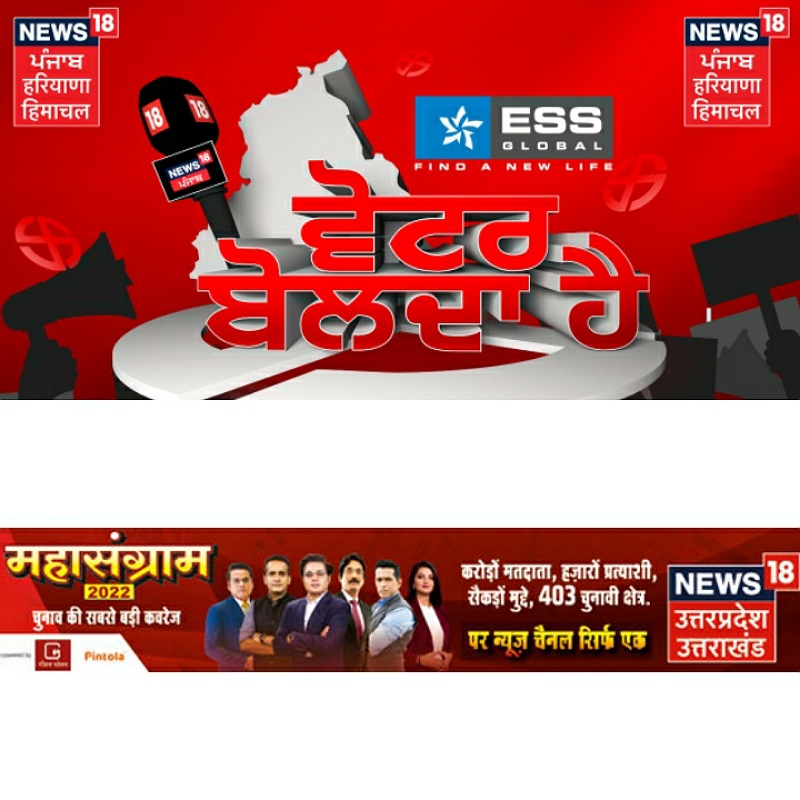
Mumbai: Elections are largely about people and it is thus important that the voice of people is heard. News18 Punjab has given the people of Punjab one of the most credible and powerful platforms to speak up their minds and issues during elections – ‘Voter Bolda Hai.’
The 15-day contest will ask viewers from different constituencies to raise their opinion by giving a missed call and selected viewers will then get a chance to feature on News18 Punjab to talk about the key issues that they think are most critical in these elections. The best entry every day will be gratified with a smartphone, said the channel in a statement.
To make it further impactful the campaign also has an election special vehicle that will travel across every nook and corner of Punjab asking honest opinions of voters and featuring ground-level issues that will determine their choice in the forthcoming elections.
The van also has a ‘Muddeyan Di Peti’ in which people can drop in the issues that matter to them to be put across. News18 Punjab strives to echo the voice of the people and uncover elections insights.
The contest will be Live till 19 February.






Environmental responsibility has become a critical concern for commercial vehicle operators in India, especially as regulations continue to tighten and public awareness grows. From fuel transportation to the movement of industrial goods, commercial vehicles are exposed to environmental risks that can lead to financial loss, legal action, and reputational damage.
Understanding these risks, along with the role of insurance and preventive practices, helps transporters manage their operations more responsibly and stay compliant with environmental standards.
Keep reading for detailed insight!
What are the Environmental Risks Caused by Commercial Vehicles?
Whether a truck is transporting fuel, chemicals, or routine consumer goods, any lapse can lead to environmental damage and regulatory action. Some of the key environmental risks linked to commercial vehicles include the following:
● Fuel Leaks and Spills
A leak of diesel or petrol following an accident may percolate through the soil and contaminate the surrounding waterways. It is expensive to clean up, and it usually leads to fines from the regulators.
● Hazardous Material Leakage
Vehicles carrying chemicals, industrial by-products, or toxic substances pose a higher risk. If containers are damaged or safety protocols fail, these materials can cause long-lasting harm to land, water, and public health.
● Improper Disposal of Waste
Incorrect disposal of industrial waste, expired chemicals, or contaminated materials can violate environmental laws. In India, such non-compliance can result in fines, licence issues, and legal proceedings.
● Polluted Stormwater Runoff
Rainwater may mix with oil drips, fuel residue, and grease at loading yards, depots, or even in parking areas. This contaminated runoff can enter drains, rivers, or lakes, impacting local ecosystems.
● Accidents in Sensitive Ecological Zones
Accidents along the river, in forests, wetlands, or on conservation land can have a disastrous environmental impact. Such accidents frequently result in government intervention, clean-up requirements, and huge financial responsibility to transport operators.
Does Commercial Vehicle Insurance Cover Environmental Damages?
No, a standard commercial vehicle insurance policy usually excludes coverage for environmental damage. Coverage for pollution-related losses requires separate environmental or pollution liability insurance for commercial vehicles, which helps pay for clean-up costs and third-party claims arising from fuel spills, hazardous cargo leaks, or contamination.
Basic motor policies may only address minor fuel leakage from the vehicle itself, not broader environmental damage.
Types of Environmental Liability Covers for Commercial Vehicles
A pollution liability for commercial vehicles can be structured to match the specific operational risks faced by contractors and transport operators in India. For businesses involved in commercial vehicle operations, the following forms of environmental liability insurance coverage are commonly relevant:
● Contractors’ Pollution Liability Insurance
This policy covers pollution-related claims arising from a contractor’s work. It usually includes third-party physical injury, property damage, emergency response costs, and environmental clean-up expenses.
● Premises Pollution Liability Insurance
Contractors who own or manage depots, warehouses, or operational sites may face environmental risks at fixed locations. This cover helps manage expenses related to pollution at such premises, including remediation costs, legal charges, and regulatory compliance requirements.
● Transportation Pollution Liability Insurance
Businesses involved in the movement of chemicals, fuel, or other hazardous materials often need this specialised protection. It covers losses resulting from accidental spills, leaks, or transit-related incidents and is particularly important for operators requiring hazardous goods vehicle insurance.
● Errors and Omissions Cover for Environmental Professionals
This is an insurance policy for contractors who offer environmental assessment, planning, or risk management services. Errors and omissions coverage includes protection against potential claims arising from professional mistakes, omissions, or advice given during environmental consultancy.
Ways to Reduce Environmental Risk & Strengthen Insurance Protection for Commercial Vehicles
Although insurance offers financial support, preventing environmental incidents remains essential for transport operators. Here are some effective measures to follow in this regard:
● Put Effective Spill Prevention Systems in Place
Reducing the chance of leaks and spills should be a top priority. Regular checks of fuel tanks, valves, and pipelines help identify issues early. Drivers should be trained in safe refuelling and secure cargo handling, while additional containment measures can be used for fuel and hazardous loads.
● Establish a Coherent Environmental Emergency Response Plan
A clear response plan enables a prompt and systematic response to an incident. This should outline reporting procedures, spill containment steps, and access to clean-up equipment. Coordination with local authorities and emergency response teams is also important.
● Train Drivers and Staff on Environmental Responsibilities
Continuous training minimises compliance risks. Drivers and ground personnel must be informed about the safe management of hazardous substances, the proper disposal of waste, and the reasons why incidents must be reported on time. Regular audits and mock drills reinforce good practices.
● Track Routes and Cargo Movement
GPS and fleet monitoring systems can be used to determine routes that are environmentally sensitive and hazardous areas. Real-time monitoring will ensure that approved routes are followed and allow a faster response in the event of an accident or spill.
● Adhere to Regulatory Guidelines and Environmental Laws
Just like timely renewing truck insurance is strictly followed by commercial transportation companies, it is also mandatory for them to adhere to the Indian environmental regulations.
They must comply with regulations about the movement of hazardous materials, reporting of spills, and clean-up requirements at the central and state levels. Failure to comply may result in fines, lawsuits and reputational damage.
The environmental risks associated with commercial vehicles are not only limited to accidental spills, but they can also have long-term ecological and regulatory effects. Although basic motor insurance provides minimal coverage, specialised pollution liability cover is critical for environmental risk management.
A combination of effective preventive strategies and the appropriate environmental risk coverage policy can help transport operators minimise their environmental impacts, safeguard their business interests, and work confidently in a highly regulated environment.

Families want strong health insurance for family, but nobody wants to overpay for a cover that sits unused. A smart way to balance cost and protection is a base policy plus a super top-up. The base plan pays for most hospitalisation needs, and the super top-up adds a cushion for expensive years.
Why This Combo Works For Families
Medical expenses can come in waves, sometimes for more than one member in the same year. Layered cover helps because it can offer:
● A higher overall cushion without buying a large base cover.
● Better support when multiple hospital bills happen in one policy year.
● Flexibility to increase protection later without replacing the core plan.
This is why many people shortlist this structure while comparing health insurance plans for family.
Base Cover: Choose It for Claim Usability
Your base policy is the first responder, so pick it for clear benefits and fewer restrictions. While reviewing health insurance plans, focus on:
● Cashless hospital access in your city.
● Room eligibility rules and expense caps.
● Pre- and post-hospitalisation coverage, as defined in the policy.
● Day care procedures and waiting periods.
If the base cover has tight limits, a super top-up cannot always fix the experience, because both policies follow their own terms.
Super Top-Up: What it is
A super top-up is an additional health insurance policy that starts paying after your medical costs cross a chosen threshold called the deductible. The key difference is that a super top-up usually looks at the total of eligible bills across the year, which is helpful in family health insurance when expenses are spread across multiple hospital events.
Top-Up vs Super Top-Up
A basic top-up may trigger only when a single bill crosses the deductible. A super top-up can trigger when the combined bills cross the deductible, even if each bill is not very large.
Who Benefits Most From a Base Plus Super Top-Up Setup
This combo can be especially relevant if:
● You want a larger cushion but prefer to keep the base premium moderate.
● Your family has a higher chance of multiple hospital events in a year, even if none are substantial.
● You rely on employer cover today, but want a personal safety net that still makes sense if you change jobs.
● You want health insurance for your family that can scale over time without a complete switch.
Choosing the Deductible Without Confusion
Keep the logic simple: Align the deductible to the protection you already have.
● If the base policy is your main cover, keep the deductible around what the base cover can reasonably handle.
● If you have employer cover, align the deductible to the combined cushion so the super top-up activates only when costs go beyond it.
Do not set it so high that you end up funding a stressful portion of the claim from your pocket.
How Claims Flow in Real Life
Think of it as a relay.
● The base cover pays first, up to its available cover.
● Once total eligible costs cross the deductible, the super top-up can cover the excess, as per its rules.
This structure can protect your savings when bills add up over the year, which is precisely what many buyers expect from health insurance plans for family.
Where Parents Fit
If parents are included, keep the structure clean. Many households prefer a separate parents’ health insurance policy because senior members are more likely to claim and can consume a shared floater quickly.
A separate plan also lets you choose age-suited terms without affecting your main family cover. If needed, you can pair a super top-up with the parents’ policy as well, but align the deductible carefully to their base protection.
Before You Buy, Avoid These Practical Traps
These small checks can prevent big surprises later:
● Confirm whether the deductible is applied across the policy year and not only to a single hospital bill.
● Read the room rules and sub-limits, since they can increase your out-of-pocket share.
● Ensure you understand exclusions and waiting periods, especially for existing conditions.
● Disclose medical history thoroughly and accurately.
Good health insurance is not only about how much cover you buy, but how smoothly it pays when you claim.
Final Thoughts
A base cover plus super top-up combo can be an efficient way to build health insurance for a family. Choose the base policy for usability, add the super top-up for extra headroom, and keep parents’ health insurance separate in most cases to protect your household cover. With the proper alignment, you get strong protection without paying for more than you need today.

Choosing between third-party car insurance and comprehensive cover can feel confusing because both sit under “motor insurance,” yet they are built for different kinds of risk.
If you’re planning a car insurance renewal, this is a good moment to match your cover to how you actually drive, park, and maintain your car, rather than renewing on autopilot.
This comparison is written for Indian drivers and uses everyday, on-road realities to explain where each option tends to help, where it may fall short, and what to look for before you pay.
Quick Difference At A Glance
At a high level, third-party cover is usually centred on your legal responsibility towards others, while comprehensive cover typically combines third-party protection with cover for your own car (subject to terms).
Here’s the simplest way to view it:
● Third party car insurance usually focuses on liability for injury, death, or damage caused to others
● Comprehensive cover usually includes third-party liability and may also cover damage to your own car and other risks, depending on the policy
What Third-Party Car Insurance Usually Covers
Third-party cover is generally structured around legal liability. It tends to respond when a third party suffers harm, and there is a legal obligation to compensate, subject to the policy wording and process.
Third-Party Injury Or Death Liability
If an accident involving your car leads to injury or death of another person, third-party cover typically addresses the liability that may arise through formal channels.
This is often linked to:
● Legal liability arising from bodily injury
● Legal liability arising from death
● Claim processes that rely on documentation and legal steps
Third-Party Property Damage
If your car damages someone else’s vehicle or property, third-party cover usually includes a property damage component, typically with conditions and limits mentioned in the policy documents.
It often relates to:
● Damage to another vehicle
● Damage to physical property, such as gates, walls, or roadside assets
Legal Defence And Claim Support
Many third-party policies are designed to support legal defence and claims handling, where applicable. How this works can depend on the policy conditions and the way the incident is reported and documented.
What Third-Party Car Insurance Usually Does Not Cover
This is where drivers feel the gap most clearly. Third-party car insurance is commonly not meant to pay for repairing your own car, because it is designed primarily for third-party liability.
Areas that are usually outside third-party cover include:
● Damage to your own car in an accident
● Theft of your car
● Fire-related damage to your car
● Damage from natural events affecting your car
● Claims linked to restricted usage, such as organised racing or speed testing, if excluded under policy terms
For your own vehicle damage, drivers often look at comprehensive cover or an own-damage arrangement, depending on what’s available and suitable.
What Comprehensive Cover Usually Adds
Comprehensive cover is often seen as “broader” because it typically goes beyond liability towards others. In many cases, it includes third-party protection and may also cover your own car against a range of risks, subject to inclusions, exclusions, and conditions.
Common areas comprehensive policies may include:
● Own-damage cover for accidental damage to your car
● Theft protection, based on defined conditions
● Fire-related losses, based on defined conditions
● Natural event-related damage, depending on wording and inclusions
● Optional add-ons, where available, that can tailor protection to your usage
The practical takeaway for car insurance renewal is this: comprehensive cover is often chosen when repair costs, theft risk, or daily driving exposure feel high enough that third-party-only protection feels too narrow.
Third-Party Vs Comprehensive: Side-By-Side Comparison
This table is meant to help you decide based on real driving needs, not just pricing talk.

How To Choose Based On Your Driving Pattern
The “right” cover often depends less on the car’s badge and more on how you use it every week. When you approach car insurance renewal, think about your exposure: where you drive, where you park, and what a bad day on the road could cost you.
Here are practical filters many drivers use:
● If your car is driven frequently in dense traffic, you may prefer coverage that includes your own damage risk
● If your car is parked on the street or in open lots often, you may lean towards broader protection for theft or damage risk
● If your car is used sparingly and repair costs feel manageable, third-party-only cover may feel adequate for your comfort level
● If you travel on highways regularly, you may value the extra cushion that comes with wider coverage
Car Insurance Renewal: What To Review Before You Pay
Renewal is not just about avoiding a lapse; it’s also your easiest opportunity to correct details and align cover with your current usage. A short review can prevent confusion later during documentation checks or claims.
Before you confirm car insurance renewal, it usually helps to look at:
● Whether you’re renewing third-party car insurance only or a comprehensive plan
● Your vehicle and personal details (registration, name spelling, and address)
● The “limitations as to use” section, so your usage matches the policy
● The exclusions list, especially those that commonly cause claim disputes
● Add-ons (if any) and whether you still need them
Conclusion
Third-party car insurance usually centres on liability towards others, while comprehensive cover typically expands protection to include your own car for covered events and conditions. The best choice often depends on your driving frequency, parking exposure, and comfort with repair risk. When car insurance renewal comes up, treat it as a short annual review: understand what your policy is designed to do, where it may not respond, and whether your current driving life still matches the cover you’re paying for.

Mukesh Ambani, Larry Fink come together for CNBC-TV18 exclusive

Nielsen launches co-viewing pilot to sharpen TV measurement

Netflix celebrates a decade in India with Shah Rukh Khan-narrated tribute film

Delhivery chairman Deepak Kapoor, independent director Saugata Gupta quit board

Meta appoints Anuvrat Rao as APAC head of commerce partnerships

Brnd.me enters Europe as haircare brands power global expansion

TechnoSport taps quick commerce with launch on Slikk’s 60-minute platform

These ’90s fashion trends are making a comeback in 2017
The final 6 ‘Game of Thrones’ episodes might feel like a full season
According to Dior Couture, this taboo fashion accessory is back
The old and New Edition cast comes together to perform
Phillies’ Aaron Altherr makes mind-boggling barehanded play
Uber and Lyft are finally available in all of New York State
Disney’s live-action Aladdin finally finds its stars
Mukesh Ambani, Larry Fink come together for CNBC-TV18 exclusive
Nielsen launches co-viewing pilot to sharpen TV measurement
Netflix celebrates a decade in India with Shah Rukh Khan-narrated tribute film
Delhivery chairman Deepak Kapoor, independent director Saugata Gupta quit board
Meta appoints Anuvrat Rao as APAC head of commerce partnerships
Brnd.me enters Europe as haircare brands power global expansion
TechnoSport taps quick commerce with launch on Slikk’s 60-minute platform
-
 iWorld4 days ago
Netflix celebrates a decade in India with Shah Rukh Khan-narrated tribute film
-
 I&B Ministry3 months ago
India steps up fight against digital piracy
-
 iWorld3 months ago
Tips Music turns up the heat with Tamil party anthem Mayangiren
-
 iWorld12 months ago
BSNL rings in a revival with Rs 4,969 crore revenue
-
 MAM3 months ago
HoABL soars high with dazzling Nagpur sebut
-
 News Broadcasting2 months ago
CNN-News18 dominates Bihar election coverage with record viewership
-
 News Broadcasting11 hours ago
Mukesh Ambani, Larry Fink come together for CNBC-TV18 exclusive
-

 MAM3 months ago
Kapil Sethi joins Network18 as head of technology