
Press Release
Can India score a perfect 10 GDP?”

MUMBAI: CNBC-TV18, India’s leading business medium and Confederation of Indian Industry (CII) have joined hands to promote the ‘India Economic Conclave 2006’ presented by the Bank of Rajasthan. The India Economic Conclave is an annual event hosted by CNBC-TV18, which brings the top thinkers in the corporate world on a common platform to brainstorm on issues plaguing India Inc and suggest an appropriate course of action. The theme for the Conclave this year was ‘ Breakthrough Ideas to Attain 10% GDP’
 The India Economic Conclave 2006 integrated two interactive panel discussions ‘AIMING FOR 10% GDP – What needs to be done: The Role of the Government, Industry and Consumer’ and ‘Out of the Box Ideas for Double Digit Growth’. Moderated by Senthil Chengalvarayan and Shereen Bhan, the conclave deliberated on innovative and revolutionary ideas that could propel India into the next paradigm of growth in the Infrastructure, Manufacturing, Agriculture and Services sectors.
Speakers at the two sessions included corporate and government leaders like Mr Jyotiraditya Scindia, Loksabha MP – Congress, Mr. Ajay S Shriram, Chairman and Senior Managing Director – DCM Shriram Consolidated Ltd., Dr. Surinder Kapur, Chairman and Managing Director – Sona Koyo Steering Systems Ltd, Mr. Banmali Agrawala, Managing Director – Wartsila India Ltd, Mr Tarun Tejpal, Editor-in-Chief – Tehelka, Mr. R Seshasayee, President – CII, Mr. Tapan Bhaumik, Chief economist – Reliance Industries, Mr. Santosh Desai, President – McCann Erickson and Mr. Raman Roy, Chairman & Managing Director – Quatrro.

Speaking at the conclave, a spokesperson for CNBC-TV18 said, “The ultimate aim of the conclave is to create and write a socio-economic blueprint that will help Heads of State, CEOs, and Policy Makers from India and across the world to understand and work with the vast opportunity that is India. The next milestone ahead of India is breaking through the 10% GDP barrier and one thing is loud and clear if the Indian economy has to grow by 10% then the consumers, government and the industry players will have to work in perfect symphony.”
Sustained economic growth presents different challenges to India – revitalization of the rural economy, improved delivery of necessary public services, enhanced management of urban areas, and facilitation of cost-effective investment in infrastructure were identified by the panelists.
The discussion revealed that for India to achieve a 10% GDP growth the immediate need is to increase infrastructure spend to GDP. The problem which arises here was Investment as China spends around 20% of its GDP on Infrastructure projects while India spends only 6%. Hence there is a strong case for raising this number.





Bali is full of memorable moments, and some of them involve animals. Temple monkeys tug at bags, beach dogs nap near sunbeds, and cats wander into cafés like they own the place. Most interactions are harmless, but a bite or scratch can change the day quickly, because you may need immediate medical care and follow-up treatment. This is where Bali travel insurance becomes more than a box to tick.
In this article, you will explore whether animal bite treatment is insured, the exclusions, and the steps to claim easily in Bali.
Why Animal Bites in Bali Need Special Attention
Bites are not only about the visible wound. Insurers and doctors both treat them as medical events that can pose an infection risk, especially when the bite breaks the skin.
A scratch that looks small in the moment can still lead to:
● A doctor’s examination and wound cleaning
● Medicines and dressings
● Follow-up consultations if the doctor advises observation or further care
From an insurance perspective, this matters because claims are usually assessed on medical necessity and documentation, not on how dramatic the injury appears in a photo.
How International Travel Insurance Looks at an Animal Bite
Most travel policies are built around emergency medical expenses for unexpected illness or accidental injury abroad. A bite or scratch usually fits the accidental injury bucket, but coverage is rarely blanket.
In many plans, the following may be considered if a doctor prescribes them and bills and medical notes support them:
● Consultation and outpatient treatment
● Emergency care and procedures, such as wound dressing or stitches, if clinically required
● Prescribed medicines and investigations
● Hospitalisation if the treating doctor confirms it is needed
Common Reasons Claims Get Reduced or Rejected
This is the part travellers often miss. Insurers usually do not deny claims because an animal was involved. Claims become difficult when the event looks avoidable, the reporting is delayed, or the paperwork is weak.
Avoidable-Risk Situations Insurers Scrutinise
Policies commonly exclude or limit claims linked to unsafe conduct or preventable exposure. For animal bites, scrutiny may increase if the incident appears connected to:
● Provoking, feeding, or trying to handle wild animals
● Ignoring warning signs at tourist spots
● Being intoxicated at the time of the incident
● Activities that a policy lists as excluded or restricted
The takeaway is simple: if your own description sounds like a risky choice rather than a sudden accident, the insurer may challenge it.
Delays, Missing Papers, and Policy Conditions
Even when your incident is genuinely accidental, claims can still stall due to basics such as:
● Not informing the insurer or assistance partner within the required time
● Missing itemised bills, prescriptions, or clinical notes
● No proof of travel dates or passport entry details when requested
● Submitting only pharmacy slips without a doctor’s consultation record
International travel insurance is paperwork-driven. If you document it well, you reduce the chance of avoidable back-and-forth.
What to Do If You Are Bitten or Scratched in Bali
Your health comes first, always. But a few sensible steps can protect your recovery and keep your insurance file clean.
Medical Steps That Help You and Your Claim
Act fast, stay calm, and get proper care before worrying about bills.
● Clean the wound promptly and seek medical care, even if it seems minor
● Follow the doctor’s advice, including follow-ups if recommended
● Avoid self-medicating in place of a clinical assessment, because insurers often ask for a doctor’s report
Claim Notes and Documents to Collect
Keep these handy; they’ll save time and avoid follow-up questions later.
● Doctor’s notes that mention the nature of injury, treatment given, and advised next steps
● Prescriptions and pharmacy invoices
● Itemised hospital or clinic bills
● A brief written note of where and when it happened, while it is still fresh in your mind
Final Word
Animal bites in Bali are not rare, and they are not always dramatic, which is exactly why travellers underestimate them. Many travel policies can cover bite-related medical treatment when it is accidental and medically necessary, but the outcome depends on your policy terms and the quality of your documentation. If you buy cover thoughtfully, keep the assistance number handy, and respond sensibly if an incident happens, you give yourself the best chance of both good medical care and a smoother claim experience.
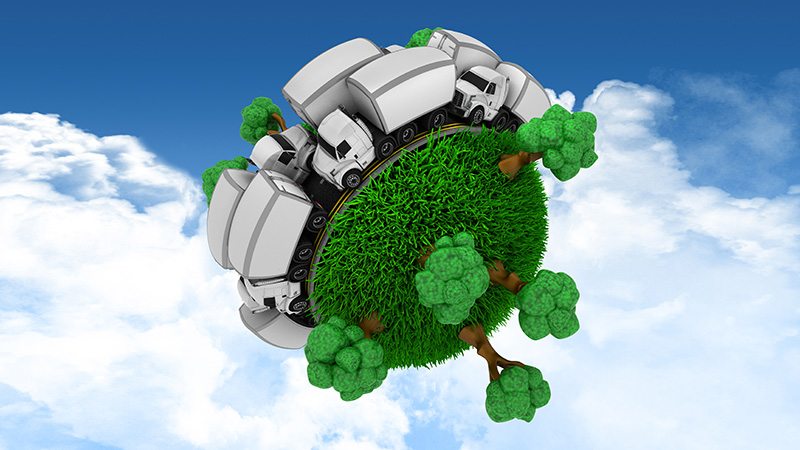
Environmental responsibility has become a critical concern for commercial vehicle operators in India, especially as regulations continue to tighten and public awareness grows. From fuel transportation to the movement of industrial goods, commercial vehicles are exposed to environmental risks that can lead to financial loss, legal action, and reputational damage.
Understanding these risks, along with the role of insurance and preventive practices, helps transporters manage their operations more responsibly and stay compliant with environmental standards.
Keep reading for detailed insight!
What are the Environmental Risks Caused by Commercial Vehicles?
Whether a truck is transporting fuel, chemicals, or routine consumer goods, any lapse can lead to environmental damage and regulatory action. Some of the key environmental risks linked to commercial vehicles include the following:
● Fuel Leaks and Spills
A leak of diesel or petrol following an accident may percolate through the soil and contaminate the surrounding waterways. It is expensive to clean up, and it usually leads to fines from the regulators.
● Hazardous Material Leakage
Vehicles carrying chemicals, industrial by-products, or toxic substances pose a higher risk. If containers are damaged or safety protocols fail, these materials can cause long-lasting harm to land, water, and public health.
● Improper Disposal of Waste
Incorrect disposal of industrial waste, expired chemicals, or contaminated materials can violate environmental laws. In India, such non-compliance can result in fines, licence issues, and legal proceedings.
● Polluted Stormwater Runoff
Rainwater may mix with oil drips, fuel residue, and grease at loading yards, depots, or even in parking areas. This contaminated runoff can enter drains, rivers, or lakes, impacting local ecosystems.
● Accidents in Sensitive Ecological Zones
Accidents along the river, in forests, wetlands, or on conservation land can have a disastrous environmental impact. Such accidents frequently result in government intervention, clean-up requirements, and huge financial responsibility to transport operators.
Does Commercial Vehicle Insurance Cover Environmental Damages?
No, a standard commercial vehicle insurance policy usually excludes coverage for environmental damage. Coverage for pollution-related losses requires separate environmental or pollution liability insurance for commercial vehicles, which helps pay for clean-up costs and third-party claims arising from fuel spills, hazardous cargo leaks, or contamination.
Basic motor policies may only address minor fuel leakage from the vehicle itself, not broader environmental damage.
Types of Environmental Liability Covers for Commercial Vehicles
A pollution liability for commercial vehicles can be structured to match the specific operational risks faced by contractors and transport operators in India. For businesses involved in commercial vehicle operations, the following forms of environmental liability insurance coverage are commonly relevant:
● Contractors’ Pollution Liability Insurance
This policy covers pollution-related claims arising from a contractor’s work. It usually includes third-party physical injury, property damage, emergency response costs, and environmental clean-up expenses.
● Premises Pollution Liability Insurance
Contractors who own or manage depots, warehouses, or operational sites may face environmental risks at fixed locations. This cover helps manage expenses related to pollution at such premises, including remediation costs, legal charges, and regulatory compliance requirements.
● Transportation Pollution Liability Insurance
Businesses involved in the movement of chemicals, fuel, or other hazardous materials often need this specialised protection. It covers losses resulting from accidental spills, leaks, or transit-related incidents and is particularly important for operators requiring hazardous goods vehicle insurance.
● Errors and Omissions Cover for Environmental Professionals
This is an insurance policy for contractors who offer environmental assessment, planning, or risk management services. Errors and omissions coverage includes protection against potential claims arising from professional mistakes, omissions, or advice given during environmental consultancy.
Ways to Reduce Environmental Risk & Strengthen Insurance Protection for Commercial Vehicles
Although insurance offers financial support, preventing environmental incidents remains essential for transport operators. Here are some effective measures to follow in this regard:
● Put Effective Spill Prevention Systems in Place
Reducing the chance of leaks and spills should be a top priority. Regular checks of fuel tanks, valves, and pipelines help identify issues early. Drivers should be trained in safe refuelling and secure cargo handling, while additional containment measures can be used for fuel and hazardous loads.
● Establish a Coherent Environmental Emergency Response Plan
A clear response plan enables a prompt and systematic response to an incident. This should outline reporting procedures, spill containment steps, and access to clean-up equipment. Coordination with local authorities and emergency response teams is also important.
● Train Drivers and Staff on Environmental Responsibilities
Continuous training minimises compliance risks. Drivers and ground personnel must be informed about the safe management of hazardous substances, the proper disposal of waste, and the reasons why incidents must be reported on time. Regular audits and mock drills reinforce good practices.
● Track Routes and Cargo Movement
GPS and fleet monitoring systems can be used to determine routes that are environmentally sensitive and hazardous areas. Real-time monitoring will ensure that approved routes are followed and allow a faster response in the event of an accident or spill.
● Adhere to Regulatory Guidelines and Environmental Laws
Just like timely renewing truck insurance is strictly followed by commercial transportation companies, it is also mandatory for them to adhere to the Indian environmental regulations.
They must comply with regulations about the movement of hazardous materials, reporting of spills, and clean-up requirements at the central and state levels. Failure to comply may result in fines, lawsuits and reputational damage.
The environmental risks associated with commercial vehicles are not only limited to accidental spills, but they can also have long-term ecological and regulatory effects. Although basic motor insurance provides minimal coverage, specialised pollution liability cover is critical for environmental risk management.
A combination of effective preventive strategies and the appropriate environmental risk coverage policy can help transport operators minimise their environmental impacts, safeguard their business interests, and work confidently in a highly regulated environment.

Families want strong health insurance for family, but nobody wants to overpay for a cover that sits unused. A smart way to balance cost and protection is a base policy plus a super top-up. The base plan pays for most hospitalisation needs, and the super top-up adds a cushion for expensive years.
Why This Combo Works For Families
Medical expenses can come in waves, sometimes for more than one member in the same year. Layered cover helps because it can offer:
● A higher overall cushion without buying a large base cover.
● Better support when multiple hospital bills happen in one policy year.
● Flexibility to increase protection later without replacing the core plan.
This is why many people shortlist this structure while comparing health insurance plans for family.
Base Cover: Choose It for Claim Usability
Your base policy is the first responder, so pick it for clear benefits and fewer restrictions. While reviewing health insurance plans, focus on:
● Cashless hospital access in your city.
● Room eligibility rules and expense caps.
● Pre- and post-hospitalisation coverage, as defined in the policy.
● Day care procedures and waiting periods.
If the base cover has tight limits, a super top-up cannot always fix the experience, because both policies follow their own terms.
Super Top-Up: What it is
A super top-up is an additional health insurance policy that starts paying after your medical costs cross a chosen threshold called the deductible. The key difference is that a super top-up usually looks at the total of eligible bills across the year, which is helpful in family health insurance when expenses are spread across multiple hospital events.
Top-Up vs Super Top-Up
A basic top-up may trigger only when a single bill crosses the deductible. A super top-up can trigger when the combined bills cross the deductible, even if each bill is not very large.
Who Benefits Most From a Base Plus Super Top-Up Setup
This combo can be especially relevant if:
● You want a larger cushion but prefer to keep the base premium moderate.
● Your family has a higher chance of multiple hospital events in a year, even if none are substantial.
● You rely on employer cover today, but want a personal safety net that still makes sense if you change jobs.
● You want health insurance for your family that can scale over time without a complete switch.
Choosing the Deductible Without Confusion
Keep the logic simple: Align the deductible to the protection you already have.
● If the base policy is your main cover, keep the deductible around what the base cover can reasonably handle.
● If you have employer cover, align the deductible to the combined cushion so the super top-up activates only when costs go beyond it.
Do not set it so high that you end up funding a stressful portion of the claim from your pocket.
How Claims Flow in Real Life
Think of it as a relay.
● The base cover pays first, up to its available cover.
● Once total eligible costs cross the deductible, the super top-up can cover the excess, as per its rules.
This structure can protect your savings when bills add up over the year, which is precisely what many buyers expect from health insurance plans for family.
Where Parents Fit
If parents are included, keep the structure clean. Many households prefer a separate parents’ health insurance policy because senior members are more likely to claim and can consume a shared floater quickly.
A separate plan also lets you choose age-suited terms without affecting your main family cover. If needed, you can pair a super top-up with the parents’ policy as well, but align the deductible carefully to their base protection.
Before You Buy, Avoid These Practical Traps
These small checks can prevent big surprises later:
● Confirm whether the deductible is applied across the policy year and not only to a single hospital bill.
● Read the room rules and sub-limits, since they can increase your out-of-pocket share.
● Ensure you understand exclusions and waiting periods, especially for existing conditions.
● Disclose medical history thoroughly and accurately.
Good health insurance is not only about how much cover you buy, but how smoothly it pays when you claim.
Final Thoughts
A base cover plus super top-up combo can be an efficient way to build health insurance for a family. Choose the base policy for usability, add the super top-up for extra headroom, and keep parents’ health insurance separate in most cases to protect your household cover. With the proper alignment, you get strong protection without paying for more than you need today.


Hamdard honours changemakers at Abdul Hameed awards

Why the Best Campaigns Today Start With Insights, Not Ideas

Ahmad Muneeb elevated to VP – HR centre of excellence at Zepto

Fans Take Centre Stage as Zee Cine Awards Turns the Spotlight Around

GUEST COLUMN: How content leaders decide what gets greenlit

The man who dubbed Lord of the Rings in 50 languages is stunned by Mumbai traffic

Dell names Aishwarya Sudhakar director of marketing intelligence

These ’90s fashion trends are making a comeback in 2017
The final 6 ‘Game of Thrones’ episodes might feel like a full season
According to Dior Couture, this taboo fashion accessory is back
The old and New Edition cast comes together to perform
Phillies’ Aaron Altherr makes mind-boggling barehanded play
Uber and Lyft are finally available in all of New York State
Disney’s live-action Aladdin finally finds its stars
Hamdard honours changemakers at Abdul Hameed awards
Why the Best Campaigns Today Start With Insights, Not Ideas
Ahmad Muneeb elevated to VP – HR centre of excellence at Zepto
Fans Take Centre Stage as Zee Cine Awards Turns the Spotlight Around
GUEST COLUMN: How content leaders decide what gets greenlit
The man who dubbed Lord of the Rings in 50 languages is stunned by Mumbai traffic
Dell names Aishwarya Sudhakar director of marketing intelligence
-

 News Broadcasting4 days ago
Mukesh Ambani, Larry Fink come together for CNBC-TV18 exclusive
-

 iWorld1 week ago
Netflix celebrates a decade in India with Shah Rukh Khan-narrated tribute film
-
 MAM3 months ago
HoABL soars high with dazzling Nagpur sebut
-

 MAM4 days ago
Nielsen launches co-viewing pilot to sharpen TV measurement
-
 iWorld12 months ago
BSNL rings in a revival with Rs 4,969 crore revenue
-
 I&B Ministry3 months ago
India steps up fight against digital piracy
-
 iWorld3 months ago
Tips Music turns up the heat with Tamil party anthem Mayangiren
-

 Film Production1 week ago
UFO Moviez rides high on strong Q3 earnings
