Blog

  • Asci calls time on opinion trading ads: dicey bets, dodgy claims under the scanner

    Asci calls time on opinion trading ads: dicey bets, dodgy claims under the scanner

    MUMBAI — The Advertising Standards Council of India (Asci) has fired a warning shot at the fast-growing world of opinion trading, releasing a hard-hitting whitepaper titled Examining Opinion Trading in India. With more than 50 million users and Rs 50,000 crore in annual transactions, the sector is booming—but flying in regulatory grey zones.

    Opinion trading platforms let users place monetary bets on binary outcomes of real-world events—from cricket matches to political polls. While they claim to be skill-based, Asci argues that many mirror gambling platforms and carry serious risks, particularly for young and financially vulnerable users.

    Globally, these markets are regulated either as financial instruments or as betting operations. In India, however, stock market watchdog Sebi has already washed its hands off, stating in its 29 April 2025 advisory that “opinion trading does not fall within Sebi’s regulatory purview… as what is traded is not a security.”

    Meanwhile, courts are mulling over public interest litigations, and the legal status remains fuzzy. Amid this uncertainty, Asci has flagged influencer-driven ads that sell these platforms as knowledge games—without any disclaimers or warnings.

    “Opinion trading platforms raise serious concerns as their structure and mechanics closely resemble betting in some instances, and can expose consumers to significant financial risk,” said Asci CEO & secretary general Manisha Kapoor. “The advertising that accompanies these platforms often heightens the risk, with exaggerated claims of easy winnings and false assurances of reliability.  No disclaimers cautioning consumers are provided. Asci’s whitepaper highlights these risks and urges urgent regulatory clarity so appropriate steps can be taken to protect consumers from potential harm.”

    Asci is now calling for one of two outcomes: either formalise opinion trading with tight advertising guidelines, or outlaw it and clamp down on rogue promotions. The whitepaper also dives into global approaches, existing Indian laws, and highlights how current ads may be skating on thin legal ice.

    Until then, it’s a gamble—one that consumers may be taking without knowing the odds. Read the whitepaper here.
  • Naos India names Sanjay Sahu area MD: a new chapter for Bioderma’s growth story

    Naos India names Sanjay Sahu area MD: a new chapter for Bioderma’s growth story

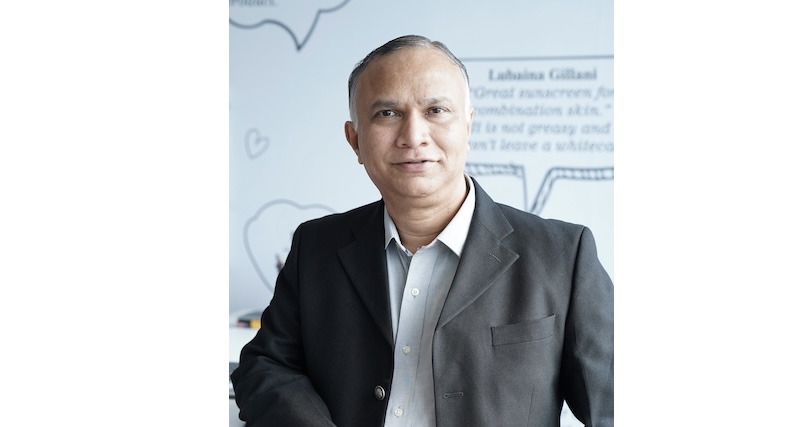
    MUMBAI: Naos India has announced the promotion of Sanjay Sahu to area managing director, Naos India (Bioderma), recognising his sharp strategic mind, dynamic leadership, and knack for driving stellar growth. With over two decades of industry experience, Sahu has been the force behind Bioderma’s impressive rise in India’s booming dermo-cosmetic market.

    Sahu’s promotion isn’t just a pat on the back—it’s a mandate to make waves across south Asia, including Nepal, Bangladesh, and Sri Lanka. His mission? To unlock new growth, expand market access, and supercharge Bioderma’s doctor-led and digital-first models.

    “I’m honoured to step into this role at such a transformative time,” Sahu said. “With our commitment to ecobiology and innovation, we’re set to redefine skincare for consumers while scaling accessibility and digital engagement.”

    Under Sahu’s watch, Bioderma has become a star performer for Naos India, recording strong sales growth and market share gains. His playbook? Smart strategy, disciplined execution, and a relentless focus on innovation. Now, with his eyes on south Asia, Sahu will tap into new markets while staying true to Bioderma’s roots in ecobiology—a science-meets-skincare philosophy that respects the skin’s natural balance.

    Naos, a pioneer in active cosmetics, is more than just a skincare brand. Founded in 1977 by pharmacist-biologist Jean-Noël Thorel, the company’s mantra—ecobiology—views skin as a living ecosystem, not a problem to be fixed. With its global footprint across 100 countries, including powerhouse brands Bioderma, Institut Esthederm, and Etat Pur, Naos continues to redefine skincare with science-backed solutions.

    For Sahu, the challenge now is clear—scale new heights while staying true to the brand’s roots. With his track record, the future looks bright for Bioderma in South Asia.

  • Fevicol sticks to fun with a new twist on glue-tube design

    Fevicol sticks to fun with a new twist on glue-tube design

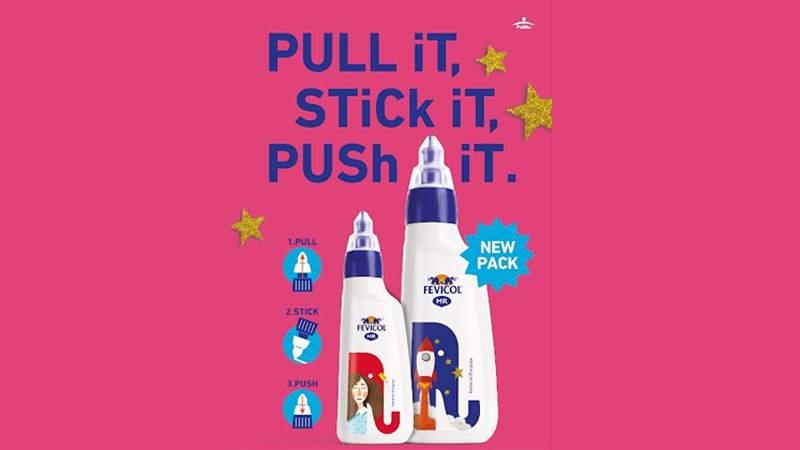
    MUMBAI: Stick it like a pro, play it like a kid. Fevicol MR, the glue that generations have grown up with, just got a spunky makeover and it’s sticking the landing in style. Pidilite Industries has rolled out an all-new packaging for its iconic craft adhesive, bringing pen-like precision and childlike joy into classrooms, craft corners, and stationery aisles across the country.

    The new design features a slick pull-push lock mechanism and a mess-free nozzle, goodbye dried caps and gooey disasters. Shaped like a pen for easy handling by tiny hands, the pack comes in six eye-popping designs, each armed with a QR code linking to craft tutorials for the little Da Vincis and Picassos of tomorrow.

    And it’s not just looks that are getting the upgrade. A bouncy new jingle “Pull Karo, Stick Karo, Push Karo” powers the TVC, turning the simple act of gluing into a toe-tapping, cap-twirling performance that’s hard to forget. The spot captures the sheer delight of a kid immersed in creation, reinforcing Fevicol’s role as a childhood essential.

    Speaking on the development, Pidilite Industries Ltd., senior vice president for consumer products Kashyap Gala stated, “The revamp of Fevicol MR’s packaging reaffirms our commitment to pioneering innovations that enhance the consumer experience. Consumers have widely appreciated the new packaging. The innovative design has resonated well, particularly with children and their parents, who find the new features both practical, useful, and enjoyable. The ease of use and the fun element introduced by the new designs have enhanced the overall crafting experience.”

    With vibrant in-store displays and fresh packaging now out at stationery stores nationwide, the 60-year-old adhesive proves it’s still got the glue game on lockdown. The makeover not only freshens up a classic, but also reinforces Fevicol MR’s promise to spark creativity, one crafty capless tube at a time.

  • Fanta fizzles with flavour: Coca-Cola India’s orange star rules the carbonated sof drinks scene

    Fanta fizzles with flavour: Coca-Cola India’s orange star rules the carbonated sof drinks scene

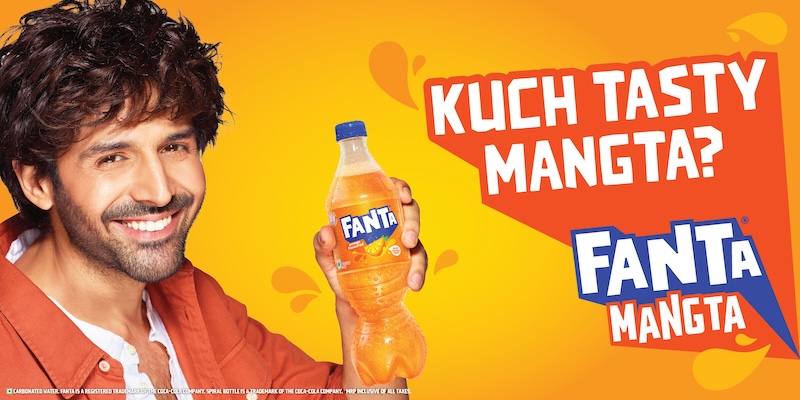
    MUMBAI: Fanta, Coca-Cola India’s iconic orange-flavoured fizz, has taken a big, bubbly lead in the carbonated soft drink (CSD) category, commanding over 50 per cent of the market. The brand’s playful spirit and tangy taste have made it a go-to thirst-quencher for young Indians, seamlessly mixing nostalgia with a digital twist.

    First sipped in 1940, Fanta has evolved into a cultural phenomenon across 180 markets worldwide, but it’s India where the brand has really popped. From Rs 10 for a 200ml pack to 2.25L family-sized bottles, Fanta is everywhere—across two million retail outlets nationwide.

    Coca-Cola India developing markets and southwest Asia vice-president, franchise operations  Vinay Nair said:  “Fanta’s success is a testament to our flavour-first strategy, portfolio agility, and ability to stay culturally relevant. We’ve tapped into the youth’s digital DNA with campaigns like Fanta Mangta, turning a simple phrase into a fun cultural cue.”

    The latest Fanta Mangta campaign, featuring youth icon Kartik Aaryan, has hit all the right notes. With high view-through rates, creator collaborations, and meme-worthy moments, it’s made Fanta a digital darling.

    Whether it’s adding a burst of joy to Holi celebrations or being the perfect sidekick for everyday cravings, Fanta has become more than a drink—it’s a pop of happiness. As India’s young and restless sip on Fanta, Coca-Cola India’s zesty star shows no signs of losing its sparkle.

  • Ray-Ban Meta AI smart glasses land in India: Titan Eye+ brings smart style into focus

    Ray-Ban Meta AI smart glasses land in India: Titan Eye+ brings smart style into focus

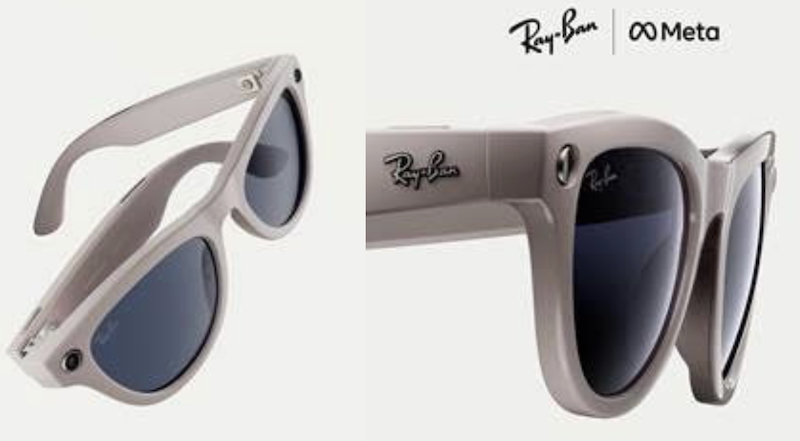
    MUMBAI: Titan Eye+ has dialled up the smart quotient with the launch of Ray-Ban Meta AI smart glasses, now available at 50+ select stores across India. This slick new eyewear, merging Meta’s artificial intelligence with Ray-Ban’s iconic style, puts hands-free functionality right in your frame.

    For those who love to stay connected without missing a beat, the Ray-Ban Meta AI glasses pack a punch—voice-activated Meta AI assistance, hands-free photo and video capture with a 12MP camera, open-ear speakers for immersive audio, and instant connectivity for calls, messages, music, and even live streaming. Style has officially gone high-tech.

    Titan Co Ltd eyecare division CEO NS Raghavan called the launch a game-changer. “We are thrilled to bring the Ray-Ban Meta AI smart glasses to India. As pioneers in smart eyewear, we aim to offer globally acclaimed brands that marry technology with fashion.”

    This launch bolsters Titan Eye+’s already-robust smart eyewear portfolio, which includes the feature-packed Titan EyeX and the trendy Fastrack Vibes. Available in-store and online at www.titaneyeplus.com, the Ray-Ban Meta AI glasses can also be snagged at a discount using Tata Neu reward points. Prices begin at Rs 29,900-odd for the basic model, and go up to Rs 35,700 for the transition AI glasses. 

    With India’s appetite for smart wearables on the rise, Titan Eye+ is putting the future of connected fashion right before your eyes.

  • Sesame Street’s new global playground: Netflix

    Sesame Street’s new global playground: Netflix

    MUMBAI: Netflix has tossed a lifeline to Sesame Street, bringing the beloved children’s show to its 300 million subscribers while keeping it on PBS in the US. The 56-year-old kids’ favourite will now stream new episodes on both Netflix and PBS on the same day, a rescue move after HBO dropped its funding.

    The deal is a double delight for Sesame Street fans—new episodes will be available worldwide on Netflix, while PBS viewers in the US will continue to get free access. But behind the cheerful puppets, it’s a story of survival.

    Sesame Workshop, the non-profit behind the iconic show, has been struggling financially after losing its lucrative HBO deal, which paid $30 million to $35 million a year. Warner Bros. Discovery, HBO’s parent, decided to drop the series as it shifts away from children’s content.

    To cope with the financial blow, Sesame Workshop laid off 20 per cent of its staff this year and warned that the Netflix deal will bring in significantly less revenue. But it’s not all doom and gloom. With Netflix’s global reach and PBS’s trusted brand, Sesame Street is now set to reach more kids than ever.

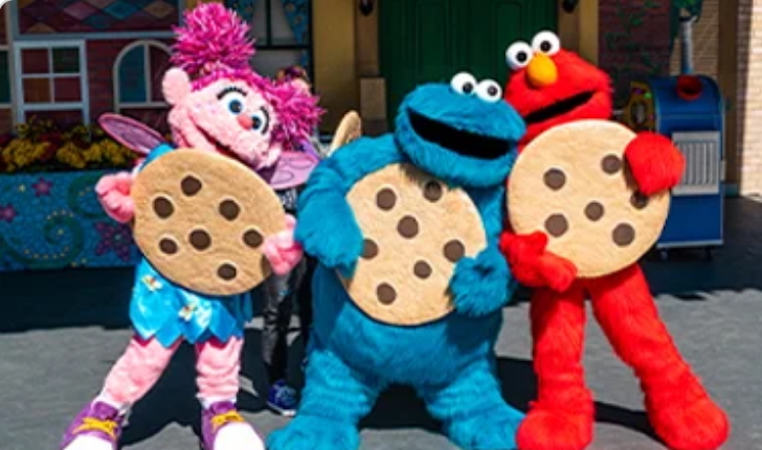
    In Season 56, the show will focus on character-driven stories, with each episode featuring an 11-minute tale packed with humour and heart. Classic characters like Elmo, Big Bird, and Cookie Monster will return, along with a peek inside the iconic 123 Sesame Street building.

    “This unique public-private partnership allows us to continue our mission of educating kids, now with Netflix’s global reach and PBS’s community trust,” said Sesame Workshop CEO Sherrie Rollins Westin.

    Sesame Street’s Netflix run will also include 90 hours of classic episodes, bringing the joy of learning to a new generation.

     For kids and parents, the message is clear: the street is still where the fun and learning meet.

  • TV news explodes as Operation Sindoor captures India’s attention

    TV news explodes as Operation Sindoor captures India’s attention

    MUMBAI: TV news viewership in India rocketed during the week of 3 to 9 May, driven by the high-octane drama of Operation Sindoor —a military blitz by Indian armed forces against terror hubs in Pakistan.

    Broadcast Audience Research Council (Barc) India reported a staggering 507 million viewers tuning into news content that week—the highest weekly total since 2022. Over the three critical days (7-9 May), news grabbed 16 per cent of total TV viewing, up from its usual 6 per cent slice.

    Hindi news channels led the charge, clocking 254 gross rating points (GRPs), smashing previous highs seen during the 2024 Lok Sabha election results and major state elections. Viewer engagement spiked, with the average time spent on Hindi news jumping to 60 minutes—a 67 per cent rise over pre-operation weeks.

    The frenzy peaked during ministry of external affairs (MEA) briefings on the operation. The first briefing on Wednesday sent viewership soaring by 509 per cent. Thursday and Friday briefings saw gains of 125 per cent and 242 per cent, respectively.

    Operation Sindoor also brought 65 million fresh eyes to Hindi news—viewers who hadn’t touched the genre in the previous month. Daily tune-ins nearly doubled, leaping from 73 million to 142 million.

    In the Hindi-speaking market (HSM 2+), the news genre’s share of TV content surged from three per cent to 13 per cent, with the 15+ age group soaring from four per cent to 15 per cent—outstripping the 2016 surgical strikes.

    Barc India said the data reaffirms television’s enduring role as the go-to medium for news during major national events, underscoring its unparalleled reach and influence.

  • Infosys breaks into BrandZ top 100 again, surges 34 per cent in value and earns U.S. trust badge

    Infosys breaks into BrandZ top 100 again, surges 34 per cent in value and earns U.S. trust badge

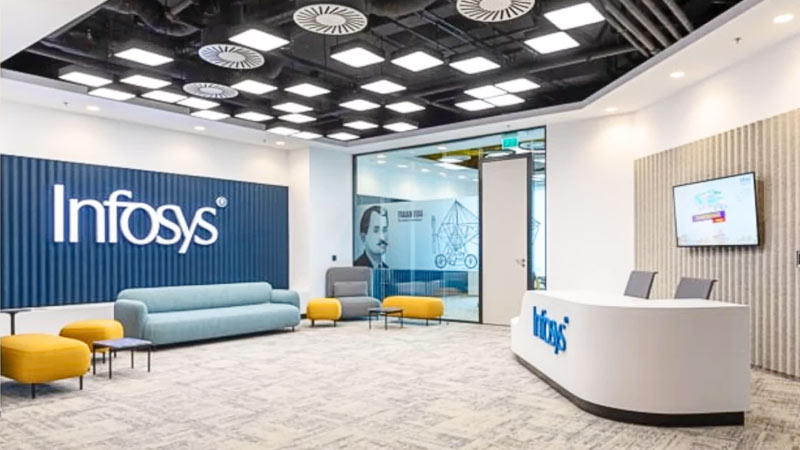
    MUMBAI: In a market that doesn’t blink twice before dethroning legacy players, Infosys has quietly secured its place at the high table. The Bengaluru-based IT giant has once again featured in Kantar’s BrandZ Top 100 Most Valuable Global Brands list for 2025, clocking a 34 per cent surge in brand value and securing the #73 spot globally.

    This marks Infosys’ fourth consecutive year on the list and its firm footing among the top five per cent of most trusted brands in the United States. The recognition, based on Kantar’s extensive marketing analytics, reinforces Infosys’ growing brand equity amidst a global tech shake-up led by AI, cloud and digital reinvention.

    “Our efforts are relentlessly focused on building Infosys into one of the most respected IT services brands in the world, differentiated by our expertise and innovation in helping our clients navigate an AI-first world. Even as we evolve to remain relevant to the changing needs of our stakeholders, our brand remains unchanging in its commitment to live our purpose – amplifying human potential and creating the next opportunity for all”, said Infosys GCMO Sumit Virmani.

    The company’s AI-driven growth narrative is spearheaded by its sub-brands: Infosys Topaz for enterprise AI, Infosys Cobalt for cloud services, and the newly introduced Infosys Aster for AI-fuelled marketing solutions. Earlier this year, Brand Finance ranked Infosys among the top three IT services brands globally and declared it the fastest-growing brand in the sector over a five-year period.

    “By drawing on the depth of BrandZ’s database over the last quarter of a century, our insights show that with the right level of investment and strategic focus, brands have huge potential to drive growth for their owners”, said Kantar BrandZ head Martin Guerrieria. “The growing demand for AI technologies puts Infosys in a prime position to capitalise on its brand value and the trust it has earned with its growing customer base”.

    Beyond balance sheets, Infosys has maintained its image as a responsible corporate citizen. Through Infosys Foundation, the company supports healthcare, education, sustainability and women empowerment. Its Springboard initiative has offered free digital learning to over 12 million people globally. Infosys continues to remain carbon neutral and was once again recognised in 2025 by Ethisphere as one of the world’s most ethical companies.

  • Mrityunjay Kumar’s Mashrise to monetise Railyatri and Intrcity Smartbus platforms across digital and physical touchpoints

    Mrityunjay Kumar’s Mashrise to monetise Railyatri and Intrcity Smartbus platforms across digital and physical touchpoints

    MUMBAI: Railyatri and Intrcity Smartbus, under Stelling Technologies, have onboarded digital marketing agency Mashrise as their official monetisation partner. The deal will see Mashrise spearhead integrated revenue strategies across the brands’ extensive digital and offline ecosystems, tapping into the fast-evolving intercity mobility segment.

    With this mandate, Mashrise will design and execute brand campaigns across mobile apps, in-app integrations, branded content, and transit media on Railyatri and Intrcity buses. Offline activations will include smart screens, on-ground events, and experiential zones inside premium buses operating across major Indian corridors.

    “We are excited to partner with Intrcity & Railyatri, who have modernised the Indian travel experience. With this mandate, our goal is to create innovative, high-impact monetisation solutions that not only unlock new revenue channels but also enhance the commuter experience for millions of users”, said Mashrise co-founder Mrityunjay Kumar.

    Railyatri and Intrcity have emerged as leading players in long-distance mobility, with Intrcity Smartbus offering features like onboard washrooms, AI-led fleet tracking, and real-time customer support. The partnership aims to blend these technology-led services with tailored brand experiences.

    “We take pride in deeply integrating with brands and providing them solutions that are both digital and on-ground. Our partnership with Mashrise, given their strong foothold in the media and advertising world, will elevate the brand solutions we offer”, said Railyatri & IntrCity founding member Dinesh Rathi.

    With Railyatri servicing millions of train travellers and Intrcity operating on key interstate routes, this tie-up is poised to generate high-ROI brand integrations, giving advertisers access to a highly engaged and mobile-first audience.

    The partnership signals Railyatri’s next growth leap as it sharpens its commercial focus and enhances its position as a key media asset in India’s travel-tech sector.

  • Stream snatchers busted in Rs 700 crore IPTV piracy crackdown

    Stream snatchers busted in Rs 700 crore IPTV piracy crackdown

    MUMBAI: The pirates of the stream just hit rough waters. In a bold strike against content theft, JioStar has spearheaded a sweeping crackdown on a sprawling digital piracy racket worth an estimated Rs 700 crore, targeting the illegal IPTV service BOS IPTV. Acting on a criminal complaint filed by JioStar, the Cyber Crime Police Station in Gandhinagar, Gujarat has initiated legal action that’s shaken the foundations of underground streaming operations.

    At the heart of the case is BOS IPTV’s illicit distribution of premium content, including from JioHotstar, Star India pay TV channels, and even banned Pakistani networks all bundled at the eye-popping price of Rs 400 for three months. The catch? Every frame was pirated.

    Investigators found the pirated streams were being pulled using hacked set-top boxes sourced from legitimate DTH providers, a chilling reminder of how piracy is now entangled with mainstream distribution systems.

    Following JioStar’s formal complaint, FIR No. 11201018250 was registered on 14 May 2025, invoking a string of charges under the Bharatiya Nyaya Sanhita (BNS), Indian Copyright Act, and Information Technology Act.

    Law enforcement acted swiftly making an arrest in Jalandhar, Punjab, and seizing three laptops and two mobile phones used in operating the pirated service. But the plot appears thicker than a set-top box manual, with authorities suspecting international links and a wider piracy syndicate behind the scenes.

    “This crackdown is a critical milestone in our ongoing fight against piracy,” said a spokesperson at JioStar. “We commend the swift and impactful action by the Cyber Police in Gandhinagar and other agencies involved. At JioStar, we remain steadfast in our commitment to protect our content, partners, and the interests of millions of lawful subscribers. We will not hesitate to take the strongest possible legal action against anyone found engaging in such unlawful activities.”

    The operation signals JioStar’s zero-tolerance stance on content theft and sends a warning shot to illegal streamers everywhere: stealing signals might land you behind bars, not behind screens. With more raids expected, this takedown isn’t the end, it’s only the buffer before the next play.