Blog

  • Future shock and awe as students go full Steam ahead at Innovation Day

    Future shock and awe as students go full Steam ahead at Innovation Day

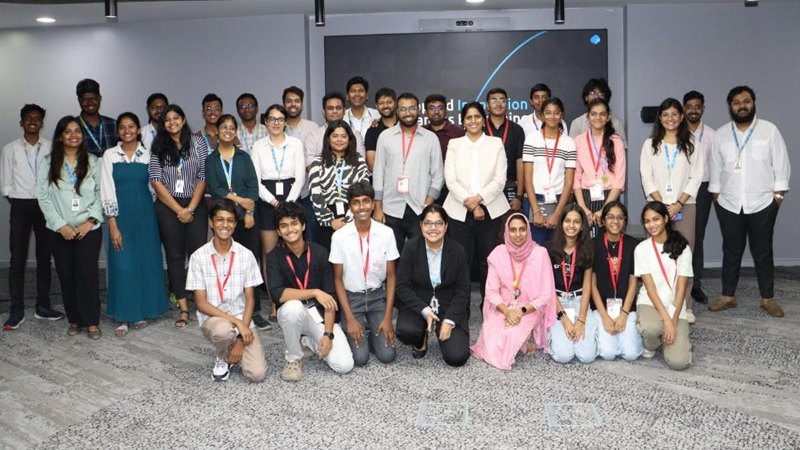
    MUMBAI: Who says teens only use tech to scroll? At Capgemini India’s Hyderabad innovation lab, students from Birla Open Minds International School proved otherwise flying drones, building robots, and pitching AI solutions to real-world problems at full throttle. Hosted in partnership with SkillShark EduTech, Innovation Day was the grand finale of a 14-day Certified Internship Program that introduced Grades 9–12 students to emerging fields like mechatronics, AI and sensor tech. Held at Capgemini’s Applied Innovation Exchange (AIE), the event blended brainpower with bold ideas and not a textbook in sight.

    Twelve standout students presented Proof of Concept (POC) projects ranging from a Disaster Response Drone and a Mental Health Monitoring Robot, to an AI-powered Time Companion App. These weren’t just science fair fluff each prototype showcased technical depth, social relevance, and a level of confidence that suggested India’s next generation of engineers may already be on the assembly line.

    “At Birla Open Minds, we believe students need real tools to build real futures,” said Hyderabad school Principal Syamali Chowdhury. “Innovation Day helps them connect the dots between concepts and creation.”

    For Skillshark Edutech, founder Ashhar Ahmad Shaikh the goal was simple, “Bridge the gap between education and industry. We want students to see themselves not just as learners, but as creators.”

    And it worked. “In school, we only get theory. Here, we used sensors, coded AI, and designed actual tech to solve real issues,” said Ishita Adlakha, a Grade 12 student. “It made me feel like I could actually build something that matters.”

    Apart from the tech wizardry, the programme also threw in lessons on mental wellness, personal finance, and mentorship reminding students that future-readiness isn’t just about algorithms, but also empathy.

    With curiosity sparked, confidence boosted, and creativity flowing, this Innovation Day proved that when students are handed the tools of tomorrow they’ll build something better than just a future. They’ll build one worth living in.
  • News18 India takes a jab at Aaj Tak with bold print campaign in The Economic Times

    News18 India takes a jab at Aaj Tak with bold print campaign in The Economic Times

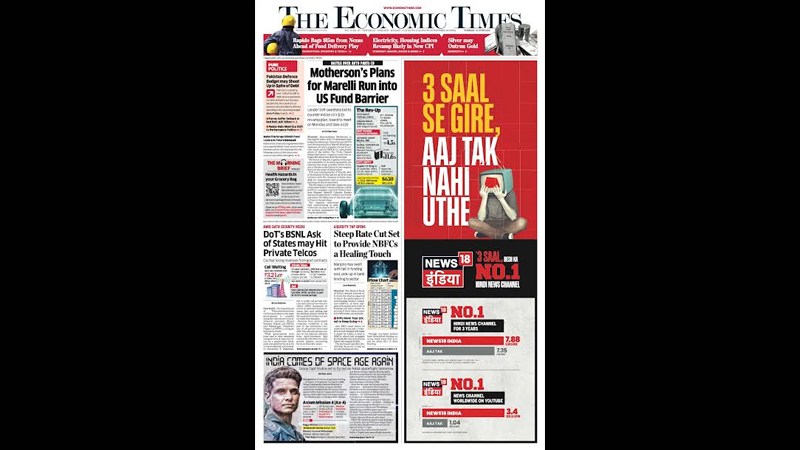
    MUMBAI: Three years is a long time to lie low, and News18 India isn’t letting its rival forget it. In a front-page ad that screams swagger, the channel took a not-so-subtle dig at competitor Aaj Tak with the line: “3 saal se gire, Aaj Tak nahi uthe”. Plastered across The Economic Times on
    10 June, the ad fired off a victory lap, underpinned by a bouquet of audience metrics.

    According to BARC (Wk 22’22–21’25, 24 hours, all days, HSM), News18 India clocked 7.88 crore average weekly AMA, decisively ahead of Aaj Tak’s 7.35 crore. The jab wasn’t just terrestrial. On YouTube, the network reported a massive 3.4 billion views, more than triple Aaj Tak’s 1.04 billion, as per May 2025 Playboard data.

    For three straight years, News18 India has claimed the top position in the Hindi news genre, especially during national events where real-time analysis and critical reportage often define trust.

    Its editorial firepower comes from a frontline of anchors including Kishore Ajwani, Amish Devgan, Rubika Liyaquat, Prateek Trivedi, and Aman Chopra. Backed by a nationwide web of reporters, the channel has kept its programming punchy, polarising when needed, but persistently on point.

    News18 India’s latest campaign doesn’t merely flaunt numbers—it sharpens them into weapons. As the digital and broadcast battlegrounds heat up, this move signals that News18 doesn’t just want to lead the race. It wants to win it with style.


  • Ferzad Palia takes charge of upGrad’s new D2C play to build mass skilling into a daily habit

    Ferzad Palia takes charge of upGrad’s new D2C play to build mass skilling into a daily habit

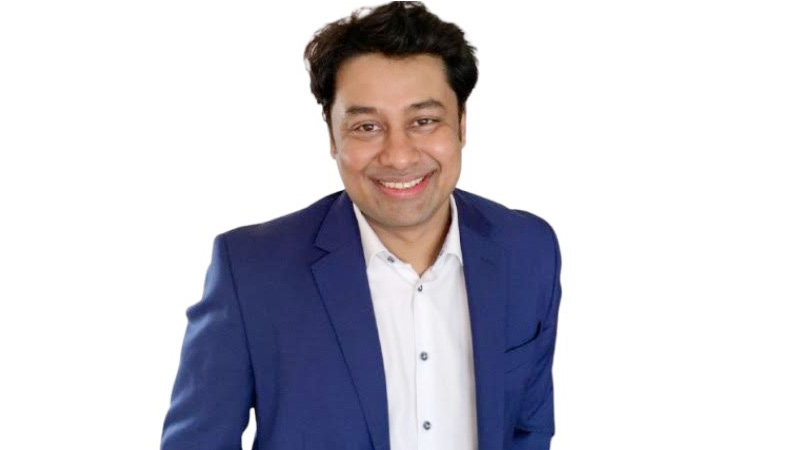
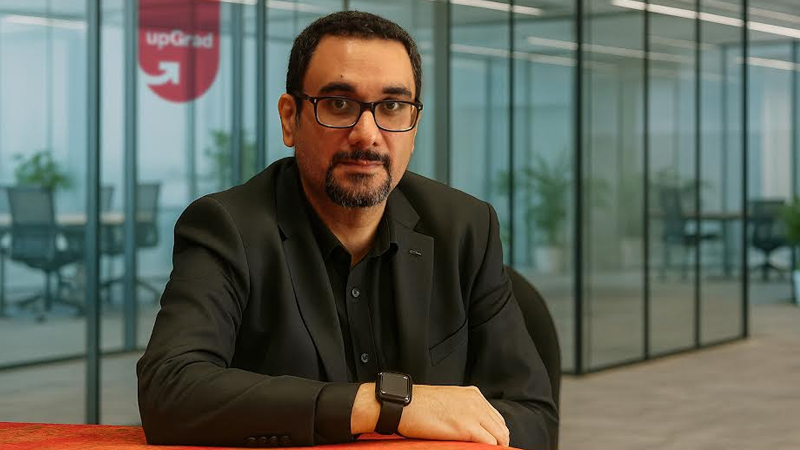
    MUMBAI: Skilling just got serious, and perhaps even a little snackable. Edtech major upGrad has roped in Ferzad Palia to lead its freshly minted direct-to-consumer (D2C) vertical as the company bets big on always-on learning to serve India’s digital-first, byte-sized learning generation.

    With a legacy in university-led programs, industry certifications and study abroad pathways, upGrad is now gearing up to make skilling a habit — not just a career intervention. The move signals the company’s next phase of growth: a high-octane, AI-fuelled ecosystem of micro-learning, personalisation, and scalable access.

    “It strengthens our mission to own the entire learning journey and turns skilling into a household habit, not just a job-switch trigger. Ferzad’s deep expertise in building high-scale, high-engagement content-driven platforms will help us unlock a wider segment – combined with tech that appeals to their fast-learning patterns”, said Upgrad co-founder & chairperson Ronnie Screwvala.

    In his new role, Palia will lead upGrad’s efforts to serve a new wave of learners seeking flexibility, speed and relevance. He brings more than 25 years of experience across consumer tech, media and advertising, most recently as senior EVP at JioStar (formerly Viacom18), where he played a pivotal role in scaling JioCinema. Before that, he spearheaded multiple divisions at Viacom18 including international distribution, youth media and the D2C business.

    Palia, who began his career at J Walter Thompson managing Unilever’s personal care portfolio, also had a stint at CNBC-TV18.

    “The opportunity to transform India’s upskilling and learning landscape at scale, is an exciting mandate. upGrad’s solid foundation and commitment to outcome-led learning provides the perfect springboard”, he said.

    With the new D2C push, upGrad is looking to turn binge-watching into binge-learning— minus the guilt, and with outcomes attached.

  • Reddit appoints first chief communications officer

    Reddit appoints first chief communications officer

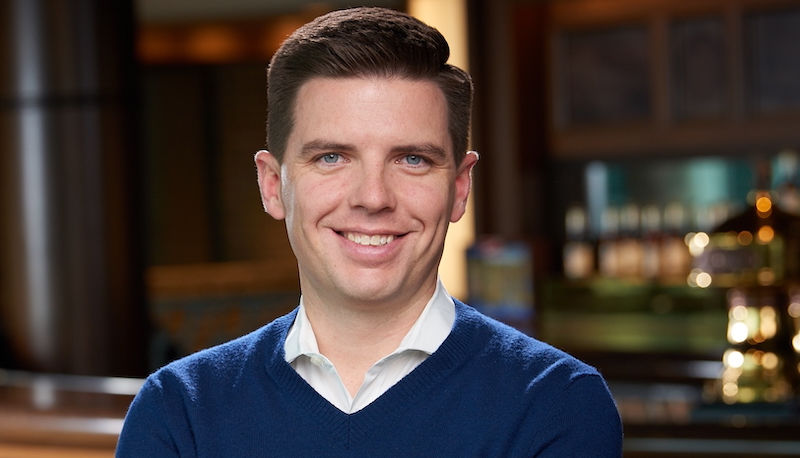
    MUMBAI: Reddit has announced the appointment of Adam Collins as its inaugural chief communications officer, a strategic move to sharpen the company’s narrative as it increasingly influences the AI landscape and serves a vast global community.

    Collins brings over two decades of communications experience to his new role, reporting directly to chief executive Steve Huffman. His mandate includes overseeing all internal and external communications, guiding senior leadership, and contributing to the company’s growth trajectory. “Reddit stands at the intersection of how people connect online today and how people will engage with the technology of tomorrow,” Collins stated, expressing his enthusiasm for helping the community expand.

    Before joining Reddit, Collins served as chief communications and corporate affairs officer at Molson Coors Beverage Co for more than six years, where he played a key role in shaping company strategy. His extensive background also includes nearly two decades in political communications, with notable stints as communications director for Chicago mayor Rahm Emanuel and the Chicago police department, and as press secretary for Wisconsin governor Jim Doyle.

    A political science graduate from the University of Louisville, Collins is a fan of subreddits such as r/nikerunclub, r/CHICubs, and r/Habs. Outside of his professional life, he enjoys his children’s sporting events, sailing, and cheering for the Chicago Cubs.

    This appointment follows the departure of Anna Soellner, who was instrumental in establishing Reddit’s communications team and served as one of the company’s longest-serving executives for nearly nine years. Soellner played a pivotal role in bolstering Reddit’s reputation and navigating its most transformative periods.

  • Blockbuster breakup as Warner Bros. Discovery plots a starry split

    Blockbuster breakup as Warner Bros. Discovery plots a starry split

    MUMBAI: When one studio door closes, another opens with a box-office bang. In a dramatic plot twist that rivals its biggest screen spectacles, Warner Bros. Discovery (WBD) is pressing play on a two-part sequel splitting into two publicly traded companies to give each unit its moment in the spotlight. Announced today, the tax-free separation will see WBD carve out Streaming & Studios home to HBO, DC Studios, Warner Bros. Pictures and Television, and HBO Max from Global Networks, which includes CNN, TNT Sports, Discovery, and Discovery+, as well as key linear and digital assets across 200 countries and 68 languages.

    David Zaslav, WBD’s current President and CEO, will lead Streaming & Studios, while Gunnar Wiedenfels, its CFO, will take charge of Global Networks. Both will retain their existing roles during the transition.

    “This move gives us the sharper focus and agility needed to thrive in today’s fast-evolving media universe,” Zaslav said, promising a future of creative excellence and strategic flexibility. Wiedenfels added that the split will allow “each company to leverage its strengths and financial profiles,” paving the way for innovation and shareholder value.

    Streaming & Studios will combine storytelling firepower and IP goldmines think Harry Potter, Game of Thrones, and Batman with global platform HBO Max, which currently operates in 77 markets and plans further expansion by 2026. WBD is aiming for 3 billion dollars in annual adjusted EBITDA from this division.

    Global Networks, meanwhile, commands a massive reach of 1.1 billion viewers, with an eye on live content growth, international opportunities, and monetising digital assets like B/R and CNN’s new streaming play. The unit boasts industry-leading margins and strong free cash flow.

    A crucial detail: Global Networks will retain up to 20 per cent stake in Streaming & Studios, planned to be monetised later for balance sheet de-leveraging.

    To support the split, WBD has secured a 17.5 billion dollars bridge facility from J.P. Morgan, which it expects to refinance before separation. Tender offers and consent solicitations have also been launched to optimise its debt structure.

    The full spin-off is targeted for mid-2026, pending board approvals, market conditions, and tax clearances from the IRS. J.P. Morgan and Evercore are advising, with Kirkland & Ellis as legal counsel.

    WBD Chair Samuel A. Di Piazza, Jr. framed the move as a win for shareholders: “This transaction is a great outcome, unlocking long-term value and strategic focus for two exceptional businesses.”

    The end credits may still be a year away, but WBD’s bold reboot is already setting the stage for a media double feature like no other. One company to power global fandoms, another to rule the airwaves all from the studio that gave us a century of storytelling magic.
     

  • Mihir Rale plugs into Cyril Amarchand Mangaldas, electrifying its digital practice

    Mihir Rale plugs into Cyril Amarchand Mangaldas, electrifying its digital practice

    MUMBAI: Mumbai’s legal landscape just got a jolt. Mihir Rale, a seasoned legal wire with over two decades of experience spanning technology, data, telecoms, and media, has plugged into Cyril Amarchand Mangaldas (CAM) as a partner and co-head of its shiny new digital+ practice.

    Based in the firm’s bustling Mumbai office, Rale’s arrival is set to amplify CAM’s capabilities in the ever-evolving digital ecosystem.

    Until 2024, Rale was the general counsel for Star and Disney India, completing a remarkable 15-year tenure that saw him tackle industry challenges where tech, regulation, competition, and intellectual property frequently short-circuited. He has also co-chaired the Ficci, Ipr committee and the CII digital media committee, clearly no stranger to policy and regulatory currents.

  • Kitkat gives genZ a break from decision-making with ‘Snap to Decide’ campaign

    Kitkat gives genZ a break from decision-making with ‘Snap to Decide’ campaign

    MUMBAI: A simple snap. That’s all it took to turn a viral trend into Kitkat’s next campaign.  In a recent internet trend, young users were seen making choices by snapping a Kitkat and letting the longer piece decide. Leveraging this trend, Nestlé Kitkat launched its latest quirky and relatable campaign, ‘Kitkat Snap to Decide’ with Jackie Shroff.

    While life continues to be all about choices, from trivial to significant – especially for the gen Z- this campaign transforms everyday dilemmas into light-hearted, ‘no-pressure’ moments. From choosing playlists to picking meals – even the smallest of choices can feel exhausting in today’s always-on world. With Snap to Decide, Kitkat offers a playful way to take a break from overthinking—just snap and go with the flow.

    Nestlé India head, confectionery business, Gopichandar Jagatheesan said, “We observed that today’s generation is constantly juggling choices—big and small. With ‘Snap to Decide’, we’ve taken a familiar brand ritual and turned it into a fun, relatable tool that gives them a much-needed break from decision-making.”

    The rollout continues with a range of digital creators who are bringing the idea to life: sometimes, the best way to decide is with the snap of a Kitkat.


    A post shared by KITKATINDIA (@kitkatindia)


  • Amazon MX Player drops trailer for esports dramedy ‘Gamerlog’

    Amazon MX Player drops trailer for esports dramedy ‘Gamerlog’

    MUMBAI: Amazon MX Player is leveling up its content game with Gamerlog, a slick new comedy-drama set in India’s turbo-charged esports universe. Produced by Abhinay Deo and Neeta Shah under RDP Pulp Fiction Entertainment and helmed by debutant director Arya Deo, the series is set to stream free from 12 June.

    The trailer introduces Raghu aka Maverick, a small-town genius with mad gaming chops who defies his parents to chase glory in Mumbai’s cutthroat gaming scene. What follows is a no-holds-barred adventure as he joins Team Gamerlog, a motley crew led by the feisty Joanna. Cue epic virtual battles, squad drama, and an emotional loot box of love, betrayal and brotherhood — all building to the grand prize: India’s biggest esports face-off, The Tournament of Champions.

    Frontlining the cast is Taare Zameen Par alumnus Darsheel Safary, flanked by Anjali Sivaraman, Chinmay Chandraunshuh, Kunal Bhan, Chetan Dhawan, Shubroy Chowdhury and Akash Menon.

    Reflecting on his character, Raghu, in the series, Safary shared, “Gamerlog is a world I could instantly relate to. While it’s rooted in gaming, the story goes much deeper, capturing the emotional highs and lows young people experience. It’s a show that’s fun, relatable, and something that not just avid gamers but families can enjoy together. It was an amazing experience to work with Abhinay, Neeta and the very talented debutant director Arya.”

    Deo added, “When my producing partner Neeta and I first heard this story, we were immediately struck by how compelling and layered the world of gaming could be. With Gamerlog, our goal was to tell a story that reflects the high-stakes world of E-sports while exploring the emotional realities young people face today. The show is fast paced, energetic and fun, but at its core, it’s about vulnerability, loyalty and grit. Arya, who assisted me for a long time and knows this world intimately, was the perfect choice to bring our vision to life. We are thrilled to collaborate with Amazon MX Player in bringing Gamerlog to life and can’t wait for audiences to meet these characters and step into their unpredictable world.”

    With Gamerlog, Amazon MX Player is clearly betting big on the joystick generation—and it might just be the underdog story we didn’t know we needed. Game on.

  • Health check for the future as DHN puts digital care on the diagnosis table

    Health check for the future as DHN puts digital care on the diagnosis table

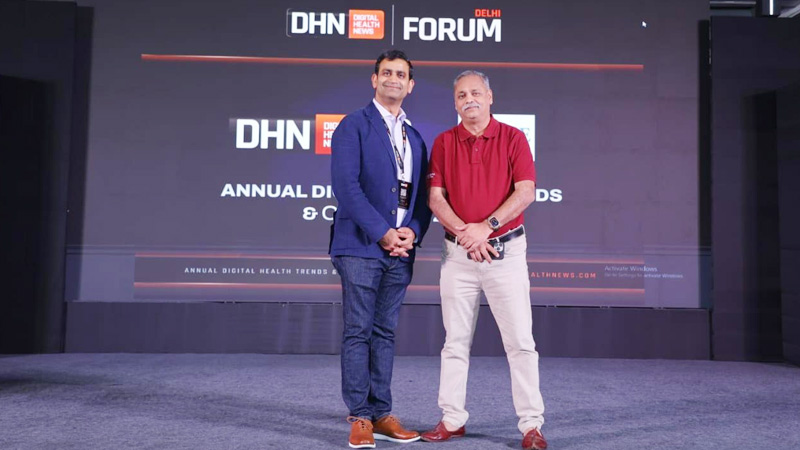
    MUMBAI: It wasn’t just another forum, it was a prescription for the future. The third edition of the DHN Forum wrapped up in Delhi with a potent dose of insight, intent, and innovation, positioning itself firmly as a vanguard of India’s digital healthcare transformation. From cutting-edge tech talk to policy powwows, the Forum proved there’s no better medicine than collaboration.

    Held in association with Chime India, the event saw the unveiling of the Annual Digital Health Trends and Outlook 2025, a landmark report offering the clearest diagnosis yet of the health tech pulse in India. Packed with survey inputs from healthcare IT decision-makers across regions and hierarchies, the report identified six symptoms (or should we say signals) defining the sector’s digital evolution.

    At the top of the chart: AI. A whopping 54 per cent of respondents picked artificial intelligence as the most transformative technology in healthcare for the next two to three years, with clinical decision support set to headline 2025. But while the tech prognosis looks strong, it’s not without complications 46 per cent cited budgets as the biggest barrier to adoption, while cybersecurity still faces growing pains despite better threat detection.

    Over 200 delegates from hospital CIOs and pharma heads to US-based strategy experts attended keynotes and policy roundtables under the theme “Empowering Health, Advancing Equity, Transforming Care.” Big names included Uma Nambiar (IISc Medical School Foundation), Divleen Jeji (Google Health), Feby Abraham (Memorial Hermann, Houston), and Alka Goel (Alkemi Growth Capital).

    Patient experience is the new pulse rate: over 51 per cent of respondents defined digital transformation by its impact on engagement. Meanwhile, nearly 60 per cent rated tech partnerships as more valuable than internal R&D, a clear sign that healthcare is teaming up for better health outcomes.

    “It’s not just a report, it’s a call to action,” said ScalehealthTech founder and CEO of DHN Vishnu Saxena. “From funding gaps to AI integration, this blueprint helps healthcare players plan better, innovate responsibly, and centre care around real people.”

    Chime India chairperson Girish Kulkarni echoed the sentiment, stressing the role of CIOs and chief digital officers in steering the healthcare ship. “Strategic foresight and bold thinking are no longer optional, they are critical,” he said.

    The Forum also celebrated the Top 10 Healthcare CIOs of the Year, selected from 70-plus nominations by a global jury, acknowledging leaders who’ve pushed boundaries in hospitals, insurance, and pharma.

    Looking ahead, DHN is doubling down on momentum. Its new Digital Health Marketplace (DHP) will act as a curated matchmaking platform for hospitals and startups, while partnerships with IIT Delhi, IIITs and AHPI aim to stitch research more tightly into practice. The upcoming HealthTech Innovation Challenge will also put promising solutions in front of VCs, policymakers, and institutional leaders.

    For a sector often tangled in red tape, DHN’s efforts are a breath of fresh (digital) air. With its latest report, cross-sector forums, and academic push, the platform isn’t just talking transformation, it’s prescribing it.

  • EY-AIDCF report: Indian cable TV faces dire times unless government and regulator step in with regulatory reforms

    EY-AIDCF report: Indian cable TV faces dire times unless government and regulator step in with regulatory reforms

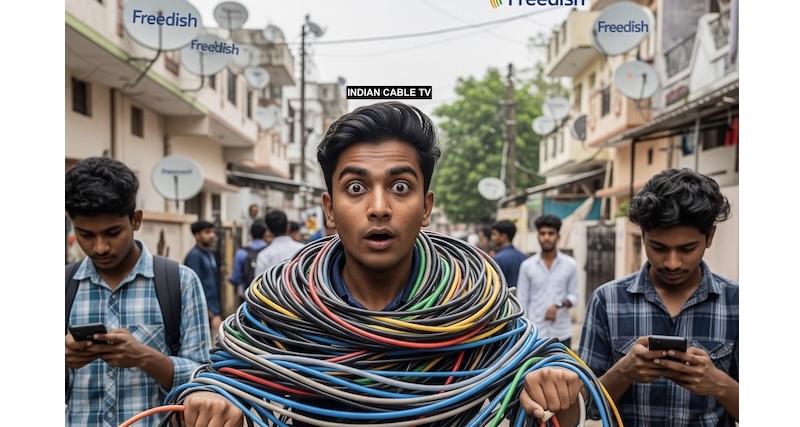
    NEW DELHI: India’s cable TV industry is on the ropes, reeling from a perfect storm of digital disruption, regulatory overkill, and changing viewer habits. A blistering new report by EY and the All India Digital Cable Federation (AIDCF) reveals a 40 million plunge in pay TV homes since 2018—down from 151 million to just 111 million in 2024—and warns that the bleeding isn’t over yet.

    By 2030, the figure could drop to as low as 71 million, as Indians flock to OTT, Free Dish, and smart TVs offering slicker content, better tech, and zero monthly bills. The fallout? A staggering 31 per cent collapse in employment across the Local Cable Operator (LCO) network, with up to 1.95 lakh jobs on the chopping block.
    The pay TV playbook, once defined by “kam daam, zyada samaan,” is now buckling under rising channel rates, bundling woes, and what LCOs call a “regulatory regime rigged for broadcasters.”

    A whopping 93 per cent of LCOs surveyed reported a drop in take-home income, with 79 per cent saying their earnings have nosedived by over 20 per cent since 2018.

    * Revenue for major distribution platform operators (DPOs) has shrunk by over 16 per cent since 2018, while EBITDA margins have plunged by 29 per cent.

    * Cable TV subscriptions have halved to 60 million, while smart TVs connected to the internet hit 50 million monthly active sets in 2024.
    * Pay TV now makes up just 58 per cent of the TV pie, down from 81 per cent in 2018, even as India’s TV household base touched 190 million.

    Despite being the backbone of India’s broadcast reach—physically connecting over 500 million people—LCOs remain the industry’s ignored foot soldiers, calling out a “top-heavy system” that allegedly favours deep-pocketed broadcasters and digital players.

    AIDCF proposes radical surgery: from activating over 20 million inactive set-top boxes and offering subsidies in “TV dark” zones, to limiting near-simultaneous OTT releases of pay TV content, and ensuring a level playing field between cable, OTT, Free TV and FAST channels.

    But with TRAI’s piecemeal tariff reforms (NTO 1.0 to 4.0) fuelling more legal duels than industry stability, stakeholders are demanding a full-blown reset. As OTT juggernauts steam ahead and content increasingly lives in the cloud, the cable industry’s survival may hinge not just on policy support but on reinventing itself as a digital services hub, not just a pipe.

    As the report bluntly puts it: without immediate intervention, the sun may set on the 30-year reign of India’s cable TV kings.