Blog

  • Kofluence report decodes India’s booming influence economy

    Kofluence report decodes India’s booming influence economy

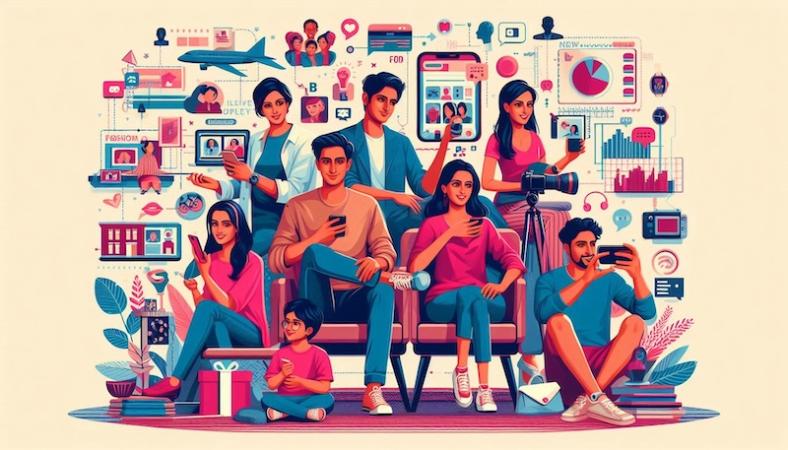
    MUMBAI: India’s influencer economy is hitting its stride—and going hyperlocal. Ad-tech platform Kofluence has dropped the 2025 edition of its flagship report Decoding Influence, unravelling how data, AI, and regional creators are reshaping digital advertising in the world’s fastest-growing content market.

    Based on insights from over 1,000 creators, marketers and industry leaders, the report paints a picture of a maturing ecosystem where brands are treating influencer partnerships not as vanity plays but as performance levers.

    “India’s influence economy has not only seen growth but also a decentralisation of influence. There is a dynamic shift with creators in Tier 2 and Tier 3 cities, often creating content in regional and vernacular languages, who are building strongly engaged communities through hyperlocal narratives,” observes Kofluence CEO & co-founder  Sreeram Reddy Vanga. “Amidst a trillion-dollar influencer advertising opportunity in India, we’re seeing brands approach influencer partnerships with far more intention and as a strategic marketing lever, driven by data, sustained by technology, and measured against business outcomes.”

    Key takeaways from Decoding Influence 2025:

    * Instagram leads the pack: With an estimated 1.8–2.3 million Indian creators, Instagram remains the top monetisation playground. Reels dominate revenue—charging anywhere from Rs 500–5,000 for creators under 10,000 followers, and crossing Rs 2 lakh for celebrity posts.

    * Big money flows: India’s influencer market is pegged at Rs 3,000–3,500 crore and climbing. E-commerce leads with 23 per cent of total influencer spends, followed by FMCG at 19 per cent. Over 25 per cent of brands ramp up influencer budgets during launches.

    * Small is powerful: Micro-influencers (10k–100k followers) are gaining traction. Some 52 per cent of marketers say they’re best suited for regional outreach. Diwali remains the hottest season, with brands kicking off campaign plans 2–4 weeks ahead.

    * AI and automation take hold: A full 61 per cent of brands are deploying tech platforms to manage influencer ops, with 18 per cent fully integrated. Generative AI is already used by 29 per cent of marketers—mostly to generate content ideas and assets.

    “With India crossing 900 million internet users, the creator economy is poised for continued expansion, fueled by government initiatives as well as significant technological advancements. Looking ahead, I believe we are moving towards the phase of integrated influence in which advertising mediums will increasingly converge together,” saYS co-founder Kofluence Ritesh Ujjwal.  “Decoding Influence 2025 is built on strong platform intelligence and first-party data, and will give marketers strategic insights on a rapidly evolving industry that is being transformed by AI, cookie deprecation and shifting creator-brand relationships. We hope you will find this report useful as you plan your next steps.”

    The Decoding Influence 2025 report leans heavily on first-party data and platform intelligence, offering an in-depth look at an industry evolving rapidly under the pressure of AI disruption, cookie phase-outs, and changing brand-creator dynamics.
  • Rahul Rajput takes the hot seat as VP–Investment at Dentsu India

    Rahul Rajput takes the hot seat as VP–Investment at Dentsu India

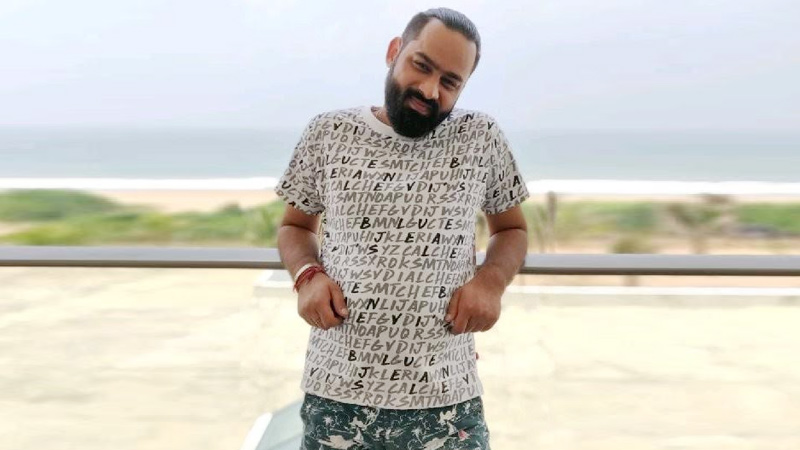
    MUMBAI: Dentsu India has elevated Rahul Rajput to vice president–investment, a move that cements his position as a key driver of the network’s media buying and planning muscle. The promotion comes after a one-year stint as associate vice president, during which Rajput steered the ship on high-stakes investment deals and cross-platform campaigns.

    Based in Gurugram, Rajput brings over a decade of experience to the role, including a six-year run at Dentsu Aegis Network as investment director and nearly three years at Mindshare, where he held the title of director–The Exchange. His career began at VivaKi and Havas Media, where he sharpened his chops as a media buyer.

    A self-described music enthusiast and natural networker, Rajput blends strategic thinking with people-first leadership. His mantra? “Everyone you meet has something to teach you.”

    With India’s digital and TV adex in flux, Dentsu’s bet on Rajput signals its intent to double down on smart, agile investment leadership in the months ahead.

  • Asian Paints taps Telugu TV glam for latest shade guide ‘Gruhashobha’

    Asian Paints taps Telugu TV glam for latest shade guide ‘Gruhashobha’

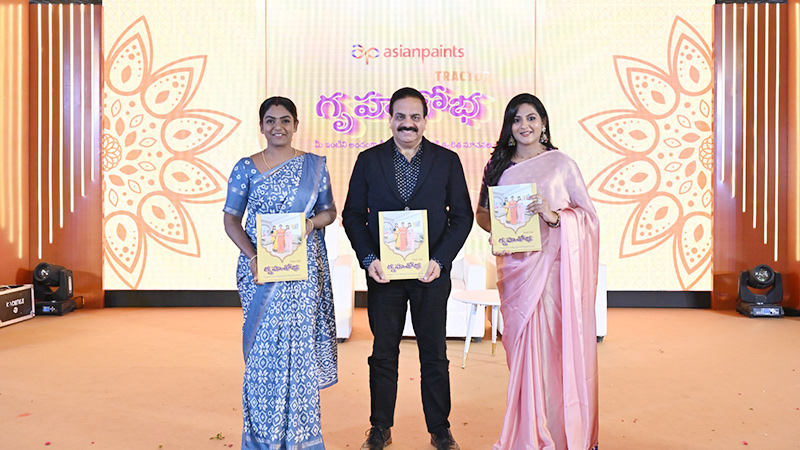
    MUMBAI: Asian Paints is adding a stroke of serial-style flair to your home with its latest launch, Tractor Emulsion Gruhashobha – a region-specific colour guide inspired by the vibrant sets of hit Telugu TV serials. In a bold crossover between décor and daily drama, the brand has teamed up with Star Maa to turn the look and feel of shows like Karthika Deepam 2, Gunde Ninda Gudi Gantalu, and Intinti Ramayanam into real-world inspiration for home interiors.

    With leading ladies Deepa, Meena and Avani as visual muses, played by fan favourites Premi Vishwanath, Amulya Gowda, and Pallavi Ramisetty. The guide taps into the cultural pulse of Andhra Pradesh and Telangana, where television isn’t just watched, it’s lived.

    The trio of serials already reaches 55 million viewers, covering 62 per cent of monthly audience reach across the Telugu-speaking belt via Star Maa and JioCinema. Riding that emotional connection, Gruhashobha transforms on-screen aesthetics into a curated guide of 65 colour combos, complete with room-specific stencils, styling tips, and visual mockups, all built around Asian Paints’ Tractor Emulsion.

    Known for its anti-fade finish, budget-friendly pricing, and four-year warranty, Tractor Emulsion is a go-to choice for middle-class households and now, it comes wrapped in serial-style stardust. From glossy staircases to pastel bedrooms seen on-screen, the colour guide lets consumers visualise the same in their own homes, adding a cinematic twist to everyday design.

    With over 2,000 shades, Tractor Emulsion already offers scale, but Gruhashobha turns that into something intimate, familiar, and hyperlocal. This launch is yet another masterstroke in Asian Paints’ eight-decade-long journey of blending consumer insight with cultural connection proving once again that India’s favourite colour palette often begins with what’s playing on screen.

  • TF1 picks up Korean formats Still Alive and The Penthouse Game for France

    TF1 picks up Korean formats Still Alive and The Penthouse Game for France

    MUMBNAI: From cryptic mansions to cash-fuelled elevators, two of Korea’s most bonkers reality shows are packing their passports and heading to France. Something Special, the Seoul-based format agency known for its boundary-pushing unscripted content, has struck a double-format deal with Studio TF1 via Flanagan Productions, licensing two of its hit Korean shows Still Alive and The Penthouse Game for French adaptation.

    It’s a spooky-meets-spendy combo: Still Alive is a clue-hunting, rule-breaking game show set in a mysterious mansion where contestants must stay sharp or face mysterious, instant elimination. With hidden rules, 24-hour gameplay, and comedic curveballs, the show blends suspense with laughs, and has already been picked up in 14 territories, including Germany, Italy, and across the Nordics.

    Meanwhile, The Penthouse Game trades ghosts for gold. In this high-stakes, hierarchy-driven format, financially struggling contestants fight for dominance both literal and metaphorical as they ascend (or descend) a vertical playing field controlled by a central elevator. With gold tokens, food rations, and three hosts acting as agents of power, it’s part Monopoly, part Squid Game, part social experiment.

    Both formats were snapped up by Flanagan Productions, one of Studio TF1’s flagship labels, known for adapting edgy international hits for prime-time French TV.

    “We’re thrilled to bring these high-concept Korean formats to France,” said Flanagan head Florence Boudaud. “They’re bold, unexpected, and packed with creative storytelling exactly what today’s audiences are craving.”

    For Something Special, co-founders Jin Woo Hwang and Insoon Kim see this as further proof that Korea’s wildly inventive reality concepts are more than just fleeting trends, they’re becoming global go-tos for fresh unscripted content.

    “Our motto is simple create and connect,” said Kim. “And that’s exactly what we’re doing with formats like Still Alive and The Penthouse Game.”

    With the global appetite for Korean storytelling at an all-time high, these two eccentric, high-drama formats are ready to give French audiences a taste of K-reality with a side of chaos.

  • Nom Nom goes full throttle in Mumbai with train wraps, jingles and autos in tow

    Nom Nom goes full throttle in Mumbai with train wraps, jingles and autos in tow

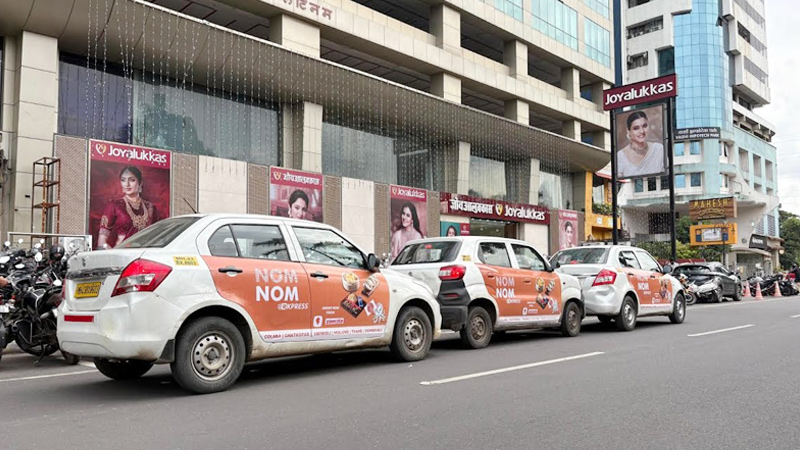
    MUMBAI: Nom Nom Express, the Pan-Asian quick service brand from Aspect Hospitality, is cooking up more than just noodles — it’s whipping up citywide visibility with a full-bodied marketing blitz as it eyes 51 outlets by July 2025. Already at 27 locations across Mumbai, Pune, and Hyderabad, the brand’s campaign signals a no-holds-barred push across Mumbai’s most trafficked arteries- rail, road, radio and reels.

    Starting 1 June, Mumbai has seen a delicious takeover. Three fully wrapped local trains on the Western, Central, and Harbour lines now double as rolling billboards, targeting the city’s busiest commuter corridors. Branded BEST and Thane buses now glide through South Mumbai, Western suburbs, Navi Mumbai, and Thane, while 750+ auto-rickshaws across Bandra, Thane, and Navi Mumbai bring street-level sizzle to the campaign.

    Meanwhile, a catchy Nom Nom jingle is hitting airwaves on Ishq FM, Red FM, and Magic FM, accompanied by seven daily RJ shoutouts per station, all during prime hours (8 AM–12 PM). Over on the digital dial, Spotify and JioSaavn ads have already hit 5 million impressions, helping the campaign strike a high-decibel note with urban snackers on the go.

    From office-bound commuters to radio-tuned road warriors, the message is clear: Nom Nom is on the move and it’s not just your lunchbox that’s getting an upgrade.

    Aspect Global Ventures executive chairperson Aksha Kamboj said, “Nom Nom Express reflects how we see the future of food — fast, fresh, flavourful, and deeply local in its relevance. Our goal has always been to build purposeful brands that don’t just exist digitally, but integrate seamlessly into the rhythm of everyday life. This campaign was crafted with that exact intent — to show up where our consumers are, in moments that matter, with a brand that feels familiar, aspirational, and rooted in culture.”

    Aspect Hospitality managing director Hitesh Keswani said, “Nom Nom Express is more than just a QSR — it’s a movement to bring comforting, high-quality Asian food to people where they actually live their lives: in traffic, on their commute, or at home. We’ve seen incredible momentum already, and this campaign is just the beginning. The early response has validated our thinking. And we’re just getting started.”  

    By weaving hyperlocal execution into a metro-wide rollout, Nom Nom Express isn’t just feeding appetites, it’s stirring up recall, one train wrap and one jingle at a time. The QSR brand is fast becoming a fixture in Mumbai’s culinary and commuter map, proving that when it comes to food-on-the-go, pan-Asian is having a moment and Nom Nom’s riding shotgun.

  • How to Choose the Right Family Term Insurance in Your 40s

    How to Choose the Right Family Term Insurance in Your 40s

    The best family term insurance plans help you and your loved ones in many ways. While it helps you plan your finances during your lifetime, it economically aids your family members after your demise. This is why everyone needs to invest in a good family term insurance policy. Thankfully, there are some excellent term insurance plans available in India from leading life insurance companies that allow you to realise your life insurance goals quite easily. Take a look at this article to know how you can structure your term insurance properly to have sufficient coverage for your family.

    Choosing the right term insurance plan in your 40s

    By the time you turn 40, you are married and have a family of young kids and, commonly, your elderly parents also depend on you financially. Hence, you need to have a good term protection, such as an INR 25 lakh term plan as a backup for your dependents, in case something were to happen to you. Here are some pointers to help you choose the best coverage:

    1. Assess your family’s financial needs in the long run

     First and foremost, you need to make a correct assessment of your family’s financial needs in the long run. You need to factor in your child’s education costs till he or she is about 21 years old. If you have multiple kids, then calculate accordingly. You also have to think about the household expenses after considering inflation. Next, you have to check your parents’ financial needs and how they would change with age. Once you have the figures with you, you can choose the right family term insurance for yourself.

    2. Calculate your debt liability

    Further, you have to calculate your debt liability. By the time you are 40, you must have bought a house, or taken a loan to buy a car, or opted for a business loan or personal loan. If you are still repaying the loans, you need to get term insurance that covers your debt. For example, if you have an outstanding home loan of about INR 25 lakhs, you should also get an INR 25 lakh term plan. If you die without repaying your debt, your family should be able to clear it with your term plan’s death benefit, without having to struggle financially.

    3. Your spouse’s or parents’ salary

    If you are the primary or only breadwinner of the family, your family term insurance plan should be big enough to substitute for your salary. However, if there are other sources of income in the family, such as your spouse’s income or the pension of your parents, you can adjust the term insurance proceeds accordingly. Also, you need to choose the correct payout method so that your family can benefit in a well-rounded manner. If you wish to give them a monthly income, opt for the staggered payout. If you want them to get all the money at once, go for the lump sum payout benefit.

    4. Medical needs

    Next, you need to keep the medical needs of your family members in mind. You can get a high coverage term insurance plan, such as an INR 25 lakh term plan, if your family members have special medical needs. You need to keep this in mind when choosing the best family term insurance plan. For example, if you have a family member who regularly needs to go for some special treatment for a specific health issue, you need to consider this cost in your calculation. After your demise, they should be able to pay for the medical bills without any hardships.

    5.  Other types of life insurance

    And finally, you need to factor in the other forms of life insurance you have. You may have a company-provided group term insurance cover. You may have a ULIP or a child plan. Keep the other life insurance products in your portfolio in mind when choosing a good family term insurance plan. This will help you to get the best and most effective term insurance cover, and you won’t end up overspending either. Hence, go over your financial portfolio, speak to your financial advisor and then choose the perfect family term insurance plan.

    To sum it up

    It is important to buy a family term insurance plan if you haven’t done it yet. In your 40s, you are at the peak of your familial responsibilities, and you must ensure your loved ones do not suffer after your death due to the loss of your income. This is why you need to get a large life insurance cover, such as an INR 25 lakh term plan. Keep all the points mentioned above in mind and choose a good plan from a good life insurance provider.

  • Pride of Cows campaign urges consumers to question their milk source

    Pride of Cows campaign urges consumers to question their milk source

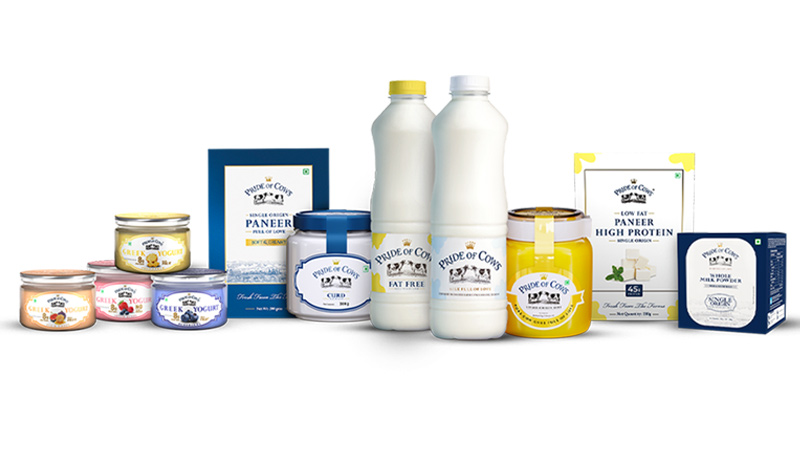
    MUMBAI: When was the last time you questioned what’s really in your morning glass of milk? Pride of Cows wants you to ask loudly, publicly, and with purpose. In a bold moo-ve to reshape how Indians think about their daily dairy, Pride of Cows has launched a high-impact phase of its campaign “What’s the Source of Your Milk?”, roping in Faye D’Souza, Jatin Sapru, and Kamiya Jani to stir the conversation.

    At a time when food labels are slicker than the supply chains behind them, the brand is doubling down on radical transparency. Unlike most dairy players that rely on fragmented third-party networks, Pride of Cows sources milk exclusively from its own state-of-the-art farm near Pune. Here, over 5,000 cows are raised with global best practices, and milk is extracted through a fully automated, contactless system then delivered straight to consumers via a direct cold-chain, ensuring zero human touch from udder to doorstep.

    To take this message of traceability to the mainstream, Pride of Cows has tapped credible and familiar voices across media. Faye D’Souza, known for her no-nonsense journalism, lends gravitas to the campaign’s call for consumer awareness. Jatin Sapru, the ever-affable face of Indian sports broadcasting, adds relatability for modern families. Meanwhile, Curly Tales’ Kamiya Jani amplifies the brand’s journey through snackable content that blends storytelling with behind-the-scenes glimpses of farm life.

    “Consumers today want to know more than just what’s in their milk, they want to know where it comes from,” said Parag Milk Foods Ltd executive director Akshali Shah. “This campaign is about restoring trust in a category that’s long been clouded in mystery.”

    Backed by a 360-degree media rollout including print, digital, influencer collaborations, and immersive content, the campaign cuts through the clutter with one bold question: Are you drinking milk, or just marketing?

    With over 20,000 plus testimonials, a loyal premium consumer base, and growing urban curiosity around clean eating, Pride of Cows isn’t just selling milk, it’s bottling a belief system.

    In a world obsessed with food trends, this is a back-to-basics call to clarity. Because sometimes, asking where your milk comes from might just be the most nourishing question of all.

  • Clickbait or click safe? McAfee warns of AI-fuelled scam storm this Prime Day

    Clickbait or click safe? McAfee warns of AI-fuelled scam storm this Prime Day

    MUMBAI: As India gears up to shop till it drops during Prime Day 2025, McAfee’s Global Prime Day Scams Study is throwing cold water on the online frenzy. With 96 per cent of Indians saying they’ll hit digital carts this year, scammers are salivating and they’ve got AI-powered cons in their arsenal.

    From over 36,000 fake Amazon websites to 75,000 scam texts impersonating delivery updates or refund alerts, McAfee Labs says cybercriminals are using deepfakes and urgency tactics to trick even the savviest shoppers.

    The report reveals a sobering stat: 71 per cent of Indians are more worried about AI-generated scams now than ever. And rightly so 80 per cent of scam victims reported losing over Rs 40,000, with young shoppers (18–24) being the most frequent targets, especially on social media.

    “Indian shoppers, who embrace online deals and social platforms, are increasingly falling prey to scams driven by urgency and persuasion,” said McAfee senior director of engineering, Pratim Mukherjee. “Prime Day is a time of excitement for Indian shoppers, but it has also become a prime target for scammers using AI to create hyper-personalized, convincing attacks that push people to click before they think. While many shoppers are taking precautions, the rise of AI-powered scams makes it more important than ever to stay vigilant.”

    Scammers are going high-tech, using deepfakes of influencers and celebrities, as well as flashy social media ads from dodgy “brands” offering too-good-to-be-true deals. One in five victims didn’t even report their losses, citing embarrassment and psychological distress, a stark reminder that online fraud cuts deeper than just wallets.

    And the fear is changing habits: 33 per cent of Indians say scam anxiety has made them abandon a purchase, and 27 per cent plan to shop less during Prime Day altogether.

    But there’s hope. Nearly half of all shoppers (49 per cent) said they’d consider using a scam detection tool to keep fraudsters at bay. As India barrels into an era of digital-first retail, the message is clear. Click with caution, and think before you tap.

  • Runwal turns Worli gallery into immersive showcase of art and architecture

    Runwal turns Worli gallery into immersive showcase of art and architecture

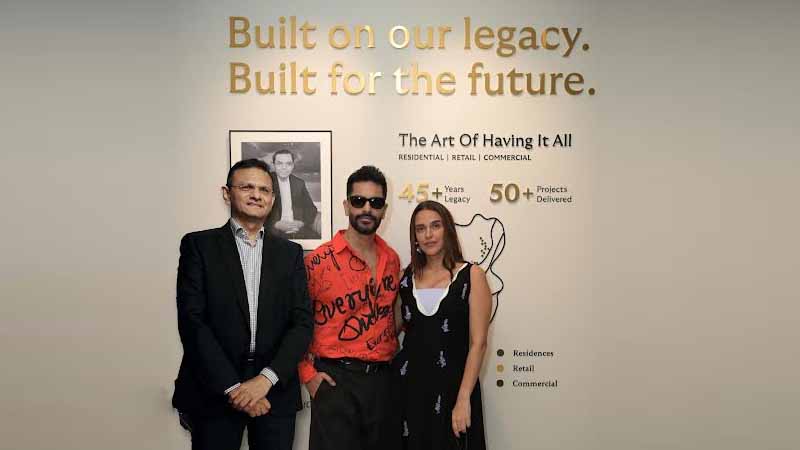
    MUMBAI: If home is where the art is, then Runwal Raaya in Worli just became Mumbai’s newest masterpiece in motion. In a stunning blend of real estate and artistic expression, Runwal Realty, in collaboration with Tao Art Gallery, hosted The Voracious Visual, a one-of-a-kind art showcase that transformed the sales gallery of Runwal Raaya into a living, breathing exhibition of creativity. Held at the brand’s landmark 4-acre development in Worli, the event celebrated the meeting point of timeless architecture and contemporary Indian art.

    Staying true to its philosophy of “Building for Generations to Come,” Runwal used the space not just to sell homes but to spark emotion. Curated by Urvi Kothari of Tao Art Gallery, the show featured thought-provoking works by artists such as Jaideep Mehrotra, Kalpana Shah, Viraj Khanna, Hitesh Gilder, and more all displayed in dialogue with the building’s striking spatial design.

    With each canvas thoughtfully placed to echo and contrast with the environment, the evening invited guests to experience more than just form and structure, it was about feeling and storytelling. From layered textures to bold strokes, the event blurred the boundaries between gallery and home, between lifestyle and legacy.

    Adding sparkle to the affair, actor and art enthusiast Neha Dhupia attended alongside her husband Angad Bedi, lending the evening a dash of star power and charm.

    “For us, great homes and great art serve the same purpose: to inspire, to endure, and to elevate,” said Runwal Realty managing director Sandeep Runwal. “This partnership was about showcasing how deeply design and emotion are interwoven.”

    Tao creative director Sanjana Shah echoed the sentiment: “Art in intimate spaces like homes isn’t just décor, it’s identity. Our aim is to make more people see that real estate and art aren’t separate worlds; they’re deeply intertwined.”

    The evening closed with artist interactions and design conversations, a rare convergence of stakeholders from real estate, fine art, and lifestyle, all aligned in a singular vision that homes should be more than built structures; they should be galleries of lived experience.

    In a city of square footage and skyline wars, The Voracious Visual offered something richer: a glimpse into what happens when heart, heritage, and high design come together under one roof.

  • Sadhana App crosses 1 million downloads with global spiritual appeal

    Sadhana App crosses 1 million downloads with global spiritual appeal

    MUMBAI: In a scroll-happy world chasing dopamine hits, one app is helping users pause and chant. The Sadhana App, a global frontrunner in the fast-growing Faith-Tech space, has quietly become the spiritual go-to for seekers across the world crossing 1 million downloads, boasting 1.7 lakh monthly active users, and racking up over 20,000 glowing reviews with an impressive 4.8-star global rating.

    Developed by the Vedic Sadhana Foundation, the app doesn’t just serve up spiritual content; it’s a full-fledged personal trainer for the soul, designed to make authentic Vedic practices accessible, interactive, and transformational. Think of it as Duolingo meets Dharma with a Sanskrit soundtrack.

    Unlike traditional apps that offer passive audio or sermon snippets, Sadhana empowers users to engage in guided mantras, rituals, and immersive spiritual tools. Users report everything from reduced stress and improved focus to a renewed connection with India’s Vedic heritage, all through the ancient discipline of daily sadhana.

    “This milestone is not just about numbers, it’s about a new kind of awakening,” said Vedic Sadhana Foundation CEO Priyanka Om Anand. “Today’s seekers aren’t content being preached to they want to participate, to experience, to transform. And that’s exactly what sadhana delivers.”

    And the journey isn’t slowing down. In April 2025, the Foundation launched the Tantra Sadhana App, a first-of-its-kind platform offering rare guided practices from the powerful Das Mahavidya tradition. With thousands already tuning in, it’s clear that the demand for esoteric yet authentic spiritual content is growing fast.

    Looking ahead, the Sadhana ecosystem is gearing up for further expansion with new features, offerings, and apps on the horizon, all designed to bring timeless Vedic wisdom into the pockets of today’s digitally connected souls.

    In a world of fleeting feeds and endless noise, Sadhana offers a pause button for the spirit, a daily ritual for anyone ready to swap mindless scrolling for mindful soul-searching.