Blog

  • Capping ticket prices could be the blockbuster move India needs

    Capping ticket prices could be the blockbuster move India needs

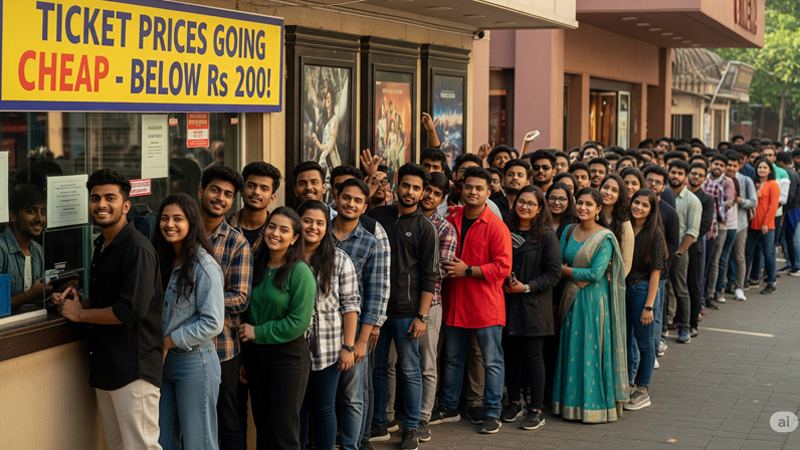
    MUMBAI: Lights, camera… exit? For many Indian cinemagoers, that’s the current script thanks to ticket prices that have crept from “reasonable” to “ridiculous.” With average Hindi movie tickets hovering around Rs 203, a family outing to the movies now rivals a restaurant bill. It’s no surprise then that India’s total cinema footfalls in 2023 dropped to 88.3 crore, down six per cent year-on-year despite record-breaking hits.

    Now compare that to states that have capped ticket prices. In Karnataka, a Rs 200 ceiling (inclusive of taxes) has been formally introduced across all formats, aiming to widen access and stabilise footfalls. Tamil Nadu continues to enforce an effective price limit of Rs 150 (excluding GST), especially for regional films. Andhra Pradesh has a structured pricing framework where regular seats are capped at Rs 177 and recliners at Rs 295, with special government permissions needed for hikes. Meanwhile, Telangana sets Rs 295 as the multiplex cap, but with a softer hand that allows occasional hikes.

    These capped states, many of which are strongholds for south Indian cinema actually offer a crucial insight. Despite lower average ticket prices (ATP- as low as Rs 94–Rs106 for Telugu and Tamil films), these industries continue to deliver some of India’s highest-grossing films. Pushpa, RRR, and Leo weren’t powered by premium pricing they were powered by massive turnout. Volume over margin, and accessibility over exclusivity, has been the winning formula.

    Now contrast that with the Hindi film industry’s ATP of Rs 203. While Bollywood does see big openings, the high price point restricts repeat viewing and deters casual audiences. When a movie ticket costs nearly as much as a one-month OTT subscription, families weigh their choices and increasingly choose the sofa.

    A nationwide cap  of Rs 150 for regular seats, Rs 200 for premium, across all languages wouldn’t just level the playing field, it could dramatically boost footfalls for Hindi films, which continue to rely heavily on urban, multiplex markets. Lowering the barrier to entry could reopen the gates to India’s vast middle-class audience. Let’s not forget: a single Rs 100 ticket sold to 1,000 people earns more than a Rs 300 ticket sold to 200.

    Even with a cap on ticket prices, theatres and multiplexes can continue to thrive by shifting focus from high-margin tickets to high-volume footfalls and diversified revenue streams. More affordable prices draw in larger crowds, especially families and repeat viewers, creating consistent occupancy rates across weekdays and not just weekends. Multiplexes can optimise profits through premium experiences charging modest surcharges for IMAX, recliner seats, or 4DX formats while also driving revenue through food and beverage sales, branded partnerships, and on-screen advertising.

    Additionally, bundled offers, loyalty programmes, and dynamic pricing during off-peak hours can further boost margins. With lower pricing unlocking access to wider audiences, the overall revenue pie can grow not shrink by getting more bums in more seats, more often.

    An excellent case in point is Saiyaara, the breakout romantic drama that is shattering expectations at the box office not by charging more, but by charging smart. Yash Raj Films rolled out discounted pricing strategies from day one, offering Buy 1 Get 1 free deals, Rs 99 weekday tickets, and up to 50 per cent off on early bookings, particularly targeting youth and family audiences. Far from cannibalising revenue, this pricing hack did the opposite Saiyaara earned over Rs 105 crore in just four days, with weekday occupancy soaring to 80 per cent in some centres, a rare feat for non-franchise films.

    The promotional pricing widened the film’s reach beyond urban cinephiles to first-time and return viewers alike. It proved that lower prices didn’t shrink earnings, they supercharged them. Instead of relying on premium ticket margins, Saiyaara leaned on volume, accessibility, and buzz making a powerful case for why affordable cinema might just be the industry’s best blockbuster strategy.

    Hindi films once thrived in single screens packed with cheering crowds. But rising costs and shifting consumption habits have turned cinema into a weekend indulgence rather than a weekly ritual. Reintroducing affordability could revive that mass magic, bringing back the audiences who made the movies matter.

    The numbers don’t lie: when tickets are cheaper, people come in droves. And that’s a happy ending the Indian film industry desperately needs.
  • Zee posts Rs 1,115 crore profit as legal heat with Star rises

    Zee posts Rs 1,115 crore profit as legal heat with Star rises

    MUMBAI: Just when you thought the drama was reserved for primetime, Zee Entertainment’s first quarter of FY26 delivered its own plot twist, a cocktail of climbing profits, flat revenues, and a billion-dollar legal cliffhanger.

    For the quarter ended 30 June 2025, Zee posted a standalone profit of Rs 1,115 million, up from Rs 469 million in Q4 FY25. Revenue from operations stood at Rs 16,839 million, a steep drop from Rs 20,042 million in the previous quarter and Rs 20,007 million a year ago. Yet, the bottom line perked up thanks to lower operational costs (Rs 9,574 million), subdued ad spends (Rs 2,531 million), and a positive fair value gain of Rs 185 million.

    Consolidated numbers tell a slightly flashier story: Zee clocked Rs 18,498 million in revenue and a net profit of Rs 1,437 million from continuing operations, despite a decline from Rs 22,203 million in the previous quarter. No surprises ad revenue dipped to Rs 7,585 million from Rs 8,375 million, while subscription revenue held steady at Rs 9,817 million.

    Zee managed to tame the finance cost dragon just Rs 77 million this quarter and depreciation remained under Rs 600 million. Tax outgo was Rs 535 million on a consolidated basis, including Rs 473 million current tax.

    What’s missing from this quarter? Exceptional items. After a Rs 2,024 million pre-tax profit in Q4, Zee reported no one-offs this time, a marked shift from the Rs 361 million in restructuring costs and write-offs reported in the same quarter last year.

    Still, the real cliffhanger lies in the 1,003 million dollars legal dispute with Star India. Star claims the termination of their Alliance Agreement was valid and now wants damages that have ballooned from 940 million dollars to over a billion dollars as of April 2025. Zee’s defence? A robust counterclaim and demand to recover 8 million dollars plus interest with arbitration hearings slated for November.

    Meanwhile, Zee has been busy spinning off new stories. It incorporated two new entities lbullet Enterprise Limited and Advance Media Distribution Limited in June 2025 to bolster distribution and vertical synergies.

    And for those keeping score on compliance subplots: the Securities Appellate Tribunal (SAT) overturned SEBI’s order against one of Zee’s KMPs last October, although investigations continue. For now, it’s one less legal plotline to follow.

    With the company’s consolidated EPS at Rs 1.50 and a market bracing for the November arbitration climax, Zee seems to be scripting a cautious yet intriguing comeback.

    Zee may be facing more than just viewer fatigue but for now, it’s dodged the ratings dip where it matters most: the bottom line.
     

  • TAM Adex: screens and scenes spark spend surge as adland switches on big in Q1 FY 26

    TAM Adex: screens and scenes spark spend surge as adland switches on big in Q1 FY 26

    MUMBAI: India’s advertising engines have revved up in Q1 2025, with the industry riding high on the back of buzzing TV sets, scroll-stopping digital spends and billboards getting their groove back. The latest TAM AdEx Quarterly Report shows that marketers didn’t just show up, they splashed out. TV made a grand re-entry into the spotlight with a 16 per cent year-on-year growth in ad volumes compared to Q1 2024. Hindi GEC (General Entertainment Channel) ruled the roost with a whopping 22 per cent share, followed closely by Regional GEC and News genres at 15 per cent and 14 per cent respectively.

    The big screen darling of Indian homes wasn’t just fluff and reruns either top advertisers like Hindustan Unilever, Reckitt, and Coca-cola kept the spots hot, with Coca-cola returning to the top 10 TV advertisers after a brief fizz out in 2024. Among categories, Toilet Soaps and Aerated Soft Drinks bubbled up, clocking a 29 per cent and 67 per cent growth in ad volumes respectively compared to Q1 last year.

    Digital advertising clocked in an impressive 18 per cent increase in ad insertions in Q1 2025 over the previous quarter. Notably, Programmatic advertising contributed a dominant 45 per cent share of digital spots, while Google Display and Facebook together accounted for over a third of digital insertions.

    Banking and financial services made big digital strides online investment platforms, personal loans, and insurance players were aggressive spenders. But the scene-stealer? Fantasy Sports, which surged ahead as Dream11 and My11Circle banked on cricketing fervour ahead of IPL 2025.

    Out of Home (OOH) advertising made a thunderous comeback, reporting a 32 per cent jump in ad volume over Q1 2024. Transit media think metro wraps, bus backs, and airport panels saw the sharpest uptick, up by 38 per cent. FMCG, e-commerce and OTT brands led the charge, with a special mention for Amazon Prime Video’s “Mirzapur 3” teaser plastering high-traffic junctions in metro cities.

    North India continued to dominate with 39 per cent of total OOH volumes, while Tier 2 towns witnessed an OOH growth spurt of 28 per cent, driven largely by regional retail players and upcoming D2C brands eager to build street cred.

    India’s ad sector lit up Q1 2025, with TV ad volumes up 16 per cent YoY, Digital ad insertions rising 18 per cent QoQ, and OOH jumping 32 per cent YoY. FMCG led with over 25 per cent of total ad volume, while Hindi-language ads drove over 50 per cent of TV and digital impressions.  

    With IPL in full swing and festive season preparations already in the works, Q2 is expected to outdo Q1. But beyond numbers, what stands out is how brands are blending mass and personalised media placing bets on both prime-time viewership and pocket-sized scrollable moments.

    From hoardings to handhelds, the message is loud and clear: India’s adland isn’t just recovering, it’s rewiring.
     

  • Nestlé Purina expands the Friskies range

    Nestlé Purina expands the Friskies range

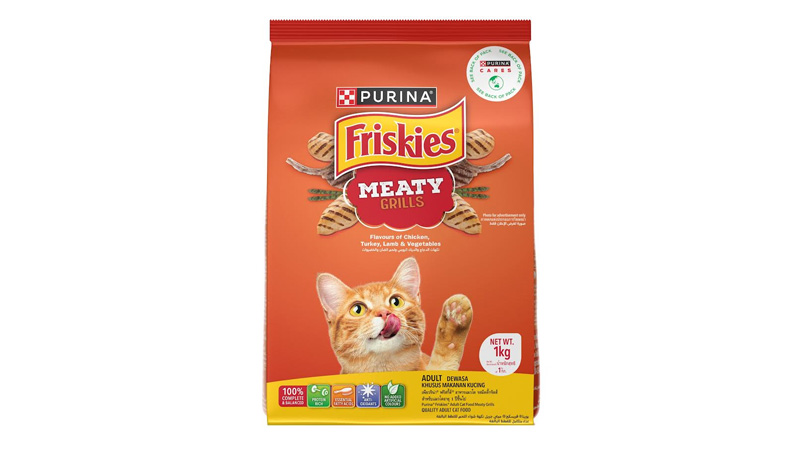
    MUMBAI: Nestlé Purina is expanding its popular Friskies range with two new dry cat food variants – Friskies Meaty Grills and Friskies Indoor Delights, designed to keep cats healthy and active. Friskies Meaty Grills combines the taste and nutrition of chicken, turkey, lamb and vegetables, while Friskies Indoor Delights packs the goodness of chicken, salmon, tuna and vegetables. Indoor Delights have the added benefit of helping reduce hairball formation and litter odour. Both recipes provide 100% complete and balanced nutrition.

    Nestlé Purina India business head, Pallavi Anand said, “At Nestlé Purina, we understand how important it is for pet parents to give the best nutrition to their pets.  Friskies is recogniSed globally for its wide range of products and flavours with a rich history, dating back to the 1930s. With the launch of the new range of Friskies cat food, we are excited to offer tasty and nutritious products that embody our expertise in pet nutrition.”

    ­­The new range will be currently available across all major cities in India through pet specialty stores, e-commerce and quick commerce platforms, making it convenient for pet parents to bring home the goodness of Friskies.

  • Atrangii gets Fast and furious on smart TVs with Amagi in the driver’s seat

    Atrangii gets Fast and furious on smart TVs with Amagi in the driver’s seat

    MUMBAI: Atrangii, the OTT maverick known for its edgy dramas and steamy thrillers, has fired the next salvo in the streaming wars by launching its Free Ad-supported Streaming TV (Fast) channels on LG and Xiaomi smart TVs. With cloud playout and distribution powered by Amagi’s broadcast stack, Atrangii has become the first Indian OTT platform to plug into LG’s Fast universe with a full-blown Hindi general entertainment channel.

    This move marks a turning point in Atrangii’s bid to dominate passive viewing, offering no-login, always-on Hindi content with a TV-like experience. It’s also a savvy pivot into the Fast lane, an ecosystem poised to rake in over $12bn globally by 2027, without shelling out for fresh production. Atrangii is playing it smart: recycling its spicy library of cult originals like NCR, KINK 2, Chitta Ve, and Sabse Bada Rupaiya, alongside devotional blockbusters like Jai Mahalakshmi and Shri Tirupati Balaji.

    Prashant Nigam, VP revenue for Atrangii said, “At Atrangii, our mission is to lead with innovation while remaining true to our storytelling roots. Collaborating with Amagi and launching on LG and Xiaomi is not just a technological upgrade, it’s a revolution in how our audience consumes content. Fast removes barriers like subscriptions and logins, delivering our deep content library directly to viewers in a way that feels intuitive and accessible. We’re excited to be at the forefront of the Hindi-language Fast revolution.”

    A spokesperson from LG added, “At LG, we’ve always believed in meaningful innovation that enriches customer experience. By bringing Atrangii’s dynamic and diverse content to LG Channels, we’re not only enriching our Fast offering but also giving our audience more ways to access quality Indian entertainment without the subscription barriers. This collaboration strengthens LG’s commitment to delivering compelling, accessible content to its users.”

    More platforms are revving up. TCL and Runn TV are next, with Yupp and CloudWalker under the hood in testing. The Fast channel also has its eyes set on the global diaspora, with international platform launches on the anvil.

    (If you are an Anime fan and love Anime like Demon Slayer, Spy X Family, Hunter X Hunter, Tokyo Revengers, Dan Da Dan and Slime, Buy your favourite Anime merchandise on AnimeOriginals.com.)

  • Prime Video announces its latest original, Two Much with Kajol and Twinkle

    Prime Video announces its latest original, Two Much with Kajol and Twinkle

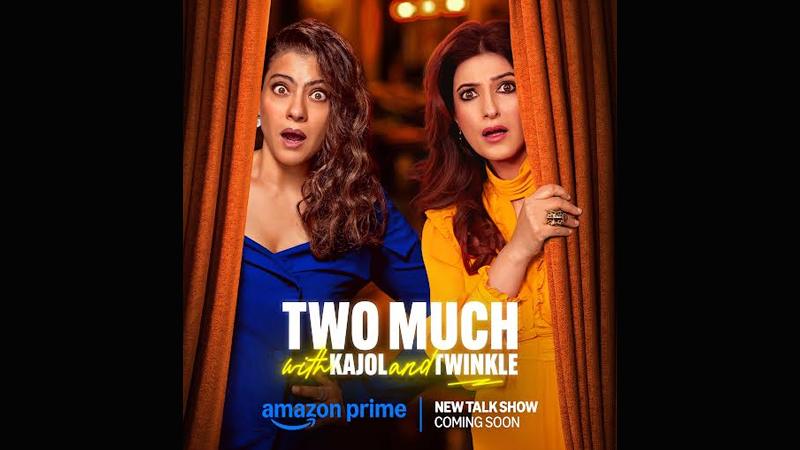
    MUMBAI: Prime Video has announced the start of production for its upcoming Original talk show—Two Much with Kajol and Twinkle, hosted and helmed by two enigmatic and powerhouse personalities, Kajol and the witty Twinkle Khanna. Premiering soon, the bold, fiery, and candid talk show is produced by Banijay Asia.

    Promising a guest list featuring the biggest names in Bollywood and the industry’s Who’s Who—outshining even the most glamorous red carpets, Two Much with Kajol and Twinkle is set to be a bold, brilliant, and unapologetically unfiltered talk show, delivering their hottest takes on the coolest topics, all fired up by the infectious energy of its vivacious hosts.

    “We are very thrilled to announce Two Much with Kajol and Twinkle—a first-of-its-kind talk show, hosted by two of the sharpest voices in Indian entertainment, who are set to reinvent the genre,” said Prime Video India director and head of originals, Nikhil Madhok. “With a mix of charismatic celebrities on the guest list, Kajol and Twinkle will bring their signature blend of wit, feistiness, and unparalleled insights to sparkling conversations that are humorous, unfiltered, and unapologetic. Joining forces with Banijay Asia, we are creating something truly bold, fresh, and unforgettable for our audiences.”

    Banijay Asia and Endemol Shine India Group Chief Development Officer, Mrinalini Jain said, “Two Much with Kajol and Twinkle is a bold blend of unfiltered honesty, sharp viewpoints, and unapologetic conversations with India’s biggest stars. At its heart, it celebrates the firebrand personalities of Kajol and Twinkle—distinct, fearless, and refreshingly real. Built on their camaraderie and lived experiences, the show is packed with insight, laughter, and relatable topics for everyone! At Banijay Asia, we’re committed to crafting original formats that keep audiences engaged, and with Two Much with Kajol and Twinkle, we couldn’t have asked for a better partner than Prime Video—a streaming service that continues to redefine unscripted content in India.”

    (If you are an Anime fan and love Anime like Demon Slayer, Spy X Family, Hunter X Hunter, Tokyo Revengers, Dan Da Dan and Slime, Buy your favourite Anime merchandise on AnimeOriginals.com.)

  • Nikita Aneja joins Netflix talent team

    Nikita Aneja joins Netflix talent team

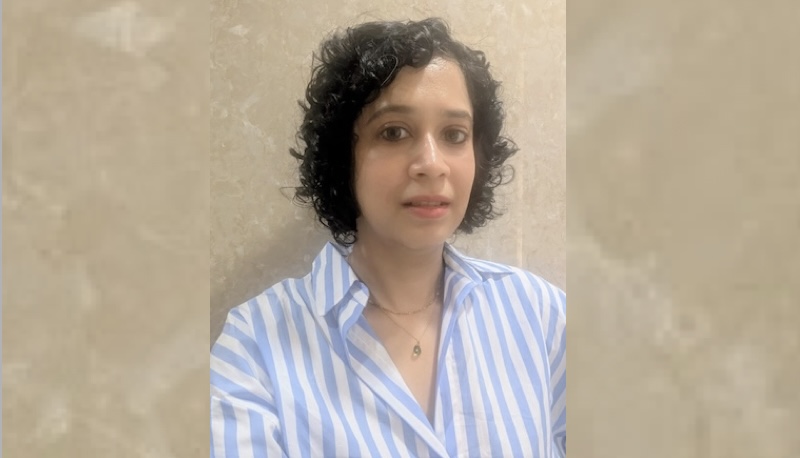
    MUMBAI:  Nikita Aneja has announced on Linkedin that she is joining Netflix’s talent team as an HR business partner, effective July 2025. Aneja shared her “excitement” about the move, noting her long-standing admiration for Netflix’s innovative approach to work culture.

    Prior to her move to the streaming behemoth,  Aneja served as lead – HR business partner for digital biz & sports monetisation at JioHotstar for nine months. Before that, she was the head of HR at Viacom18 Sports for three years.

    Her extensive career in human resources also includes a three-year, three-month stint as a senior human resources business partner at Disney Star. Aneja also spent over three years at Edelweiss Financial Services, where she held roles as a human resources business partner and manager for talent management, campus relations, and strategic HR. Her early career saw her as lead – campus recruitment & employer branding at Tata Motors and assistant manager, corporate HR at Godrej Industries Ltd.

    Aneja holds an MBA in human resources management from the Goa Institute of Management (GIM), a management development programme qualification from the Indian Institute of Management, Indore, and a bachelor of business administration from Jai Hind College Entrepreneurship Summit. Her appointment is set to bolster Netflix’s talent strategies in the region.

  • Shivam Ranjan takes the global brand head role at Motorola Mobility

    Shivam Ranjan takes the global brand head role at Motorola Mobility

    MUMBAI:  Motorola Mobility, a Lenovo company, has announced the appointment of Shivam Ranjan as its new global head of brand, Motorola. Ranjan, expressing “immense gratitude and humility,” will now oversee worldwide brand strategy and end-to-end marketing communications for all Motorola products, software, and services.

    This promotion follows Ranjan’s significant contributions to Motorola Mobility’s growth in the Asia Pacific region, where he most recently served as head of marketing for two and a half years. During this period, he was responsible for marketing across key markets including India, Australia, Japan, Korea, and Indonesia.

    Prior to that, he spent five years and eight months as head of marketing for Motorola India, where he managed all aspects of marketing, public relations, brand management, and alliances for smartphones, tablets, consumer appliances, home audio, and televisions. His tenure saw him lead product marketing, digital and ATL communication, media planning, and CRM for numerous launches and campaigns.

    Ranjan acknowledged the instrumental guidance of his mentor and manager, Prashanth Mani, whose leadership in APAC he credited with shaping his professional journey. He also extended “heartfelt thanks” to Ruben Castano and Sergio Buniac for entrusting him with this global responsibility.

    With over 15 years of diverse experience spanning marketing, brand management, corporate communication, strategy, business development, project management, and IT, Ranjan brings a wealth of expertise to his new role.

    Before his nearly six-year stint at Motorola Mobility, he held senior marketing and brand roles at Airtel Payments Bank and Samsung Electronics, where he spearheaded 360-degree communication strategies for product launches and managed significant marketing budgets. His earlier career also includes roles in business strategy and IT. An MBA from a top global B-school, Ranjan’s appointment signals Motorola’s commitment to further strengthening its global brand presence.

  • What Are Overseas Viewers Loving About Indian TV in 2025?

    What Are Overseas Viewers Loving About Indian TV in 2025?

    Indian TV is no longer just for Indian households. Viewers from the U.S., UK, Canada, and Australia are tuning in like never before. Shows from Mumbai, Delhi, and Hyderabad are building global fanbases. This isn’t just Bollywood spillover. People are watching daily soaps, thrillers, game shows, and reality series. And they’re sticking around.

    So what’s pulling international viewers in? What shows should they watch? This guide answers that. It breaks down the trends, the titles, and how to jump in.

    Why Is Indian TV Getting Global Attention?

    Streaming platforms made Indian TV easier to find. Netflix, Amazon Prime Video, and Hotstar now offer subtitles, better curation, and global access. Shows that were once stuck behind time zones and language barriers are now front and center.

    Viewers Want Emotion and Drama

    Western shows often focus on subtlety. Indian shows bring the opposite. Big drama. Strong emotions. Larger-than-life characters. That contrast is refreshing for new viewers.

    A UK college student said, “I started watching Anupamaa as a joke with my roommate. Three episodes in, we were crying and yelling at the screen.”

    Shows like Yeh Rishta Kya Kehlata Hai and Kundali Bhagya are slow-paced but heavy on relationships and emotion. For some, that’s the point. They want time with the characters.

    Stories Feel Personal

    Family tension. Cultural values. Sacrifice. Indian TV hits these themes hard. And it turns out, they’re universal. You don’t need to be Indian to connect with a mother trying to support her kids, or a couple fighting family pressure.

    A viewer in Toronto explained, “My mom is Egyptian, not Indian. But when we watched Ghum Hai Kisikey Pyaar Meiin, we both got it. The aunties. The guilt. The family drama. It felt like home.”

    What Genres Are Popular with International Viewers?

    Soap Operas and Dramas

    This is the big one. Indian daily soaps are still dominating. Viewers love the long arcs and family themes.

    Top choices in 2025:

    ●  Anupamaa (Hotstar)

    ●  Imlie (JioCinema)

    ●  Parineetii (Voot)

    These shows air nearly every day in India but are available with subtitles overseas. New fans binge through hundreds of episodes in weeks.

    Mythology and History

    Viewers want stories they haven’t seen before. Indian TV delivers with epics and historical tales. Shows like Mahabharat and Chakravartin Ashoka Samrat bring Indian legends to life with colorful costumes and massive sets.

    Netflix recently added a remastered version of Ramayan and saw a 40% spike in South Asian sign-ups in the UK that month.

    Crime and Thriller

    This is where Indian TV is gaining new fans fast. Indian police procedurals and crime thrillers are picking up steam. Series like Crime Patrol, Sacred Games, and Delhi Crime bring suspense, corruption, and high-stakes investigations.

    Even fictionalized stories like Asur and Rudra offer a mix of culture, mystery, and edge.

    One American fan posted, “Asur was way better than most crime shows on HBO. It’s weird, smart, and totally messed up in a good way.”

    Reality and Game Shows

    People outside India are discovering the chaos and charm of Indian reality TV. Whether it’s cooking, dancing, or singing, the emotion is always on full blast.

    Top picks:

    ●  Indian Idol

    ●  Dance Deewane

    ●  Kaun Banega Crorepati (India’s version of Who Wants to Be a Millionaire?)

    These shows often go viral on YouTube too. Full clips with subtitles bring in millions of views from outside India.

    What Makes Indian TV Different?

    Indian TV doesn’t hold back. Characters cry hard, love harder, and argue louder. The sets are colorful. The music is constant. The stakes feel huge even when the plot is small.

    New fans enjoy how immersive it is. Watching Naagin might feel like stepping into a whole other world of shape-shifting serpents and epic curses, but that’s exactly why people like it.

    Another key difference is the length. Indian series can run for years. Some have thousands of episodes. That’s a lot of screen time, but it also means you get attached.

    How Can Overseas Viewers Start Watching?

    Use Subtitled Streaming Platforms

    The best platforms for Indian TV in 2025:

    ●  Hotstar: Great for StarPlus and Star Bharat shows

    ●  Netflix India: Best for crime, thrillers, and originals

    ●  Amazon Prime Video: Wide mix of drama and comedy

    ●  ZEE5: Strong in regional content (Marathi, Bengali, etc.)

    ●  Sony LIV: Good for soaps and sports

    Most of these platforms offer subtitles in English. Some are adding French, Spanish, and Arabic too.

    Don’t Start in the Middle

    Some shows have long histories. Jumping in at episode 1472 won’t help. Find recap videos or start with new seasons. YouTube channels often post “story so far” clips.

    Explore Different Languages

    Indian TV isn’t just Hindi. Try Tamil, Telugu, Marathi, or Malayalam shows. Each brings a different style and pace.

    One Australian viewer shared, “I watched Koodevide (Malayalam) with subs. I don’t speak a word, but the acting pulled me in. Now I’m learning bits just to follow better.”

    What’s the Cultural Impact?

    As more people watch Indian TV globally, it’s shaping how India is seen. Not just Bollywood, but real India. Families, food, arguments, humor. This kind of media spreads soft power.

    It also boosts language interest. Duolingo reports that Hindi and Tamil enrollments from U.S. users rose 22% year-over-year in early 2025.

    And it builds community. Facebook groups, Reddit threads, and TikTok edits connect fans across borders. Some viewers even learn how to remove google search result pages to hide spoilers before watching new episodes.

    Final Thoughts

    Indian TV is loud, long, and full of life. That’s why global viewers love it. In 2025, it’s not just about watching from afar. It’s about joining the party.

    If you’re new, start with Anupamaa or Delhi Crime. Then try a regional language show. Explore genres. Share clips. Get hooked.

    Because once you’re in, you’re in. Indian TV doesn’t just tell stories. It pulls you into them. 
     

  • Madison Loop appoints Sudarshan Karandikar as vice president

    Madison Loop appoints Sudarshan Karandikar as vice president

    MUMBAI: Madison Media Loop, a unit of Madison World has announced the appointment of Sudarshan Karandikar as vice president to drive strategic innovation.

    Karandikar is a seasoned advertising and marketing professional with over two decades of experience across India’s leading agencies, including Ogilvy, McCann, FCB Interface, SSB & B Lintas, and Dentsu. Known for his sharp strategic thinking and cultural sensitivity, Sudarshan has led brand-building efforts across categories such as FMCG, BFSI, Automobile, Travel, and Entertainment. His portfolio features impactful campaigns for brands like Perfetti, Go Air, Saffola Masala Oats, ICICI Direct, ITC, Mahindra Tractors, and Nickelodeon.

    He, along with the creative team, played a key role in bringing to life one of India’s most internationally acclaimed social campaigns, ‘Mumbai Traffic Police’s Punishing Signal’, which won top honors at D&AD and The One Show for its innovation and cultural relevance. Sudarshan led the execution, ensuring the idea translated seamlessly from concept to impact.

    Beyond mainstream advertising, Sudarshan has consulted for a leading creative agency, a premium travel brand, and a global single malt entering the Indian market. He is also in the process of developing music and content IPs designed to resonate with emerging consumer mindsets and digital behaviors.

    “We’re pleased to welcome Sudarshan to the Madison family, his depth of experience across some of the most respected agencies and brands, combined with his strategic clarity, creative agility and the ability to create fun in the workplace, makes him a strong asset to Madison Loop. As we continue to expand our digital-first creative offerings, his leadership will play a key role in delivering impactful and culturally relevant solutions for our clients,” said Madison Media and OOH group CEO Vikram Sakhuja.

    Karandikar commented, “I’ve always believed that culture, creativity and technology are the three levers that can truly shift brand narratives, joining forces with Madison Loop is exciting because the team here shares that belief—and is actively building for the future. I’m looking forward to co-creating ideas that not only break through the noise but leave a lasting imprint.”

    (If you are an Anime fan and love Anime like Demon Slayer, Spy X Family, Hunter X Hunter, Tokyo Revengers, Dan Da Dan and Slime, Buy your favourite Anime merchandise on AnimeOriginals.com.)