MUMBAI : AI CERTs, the global provider of vendor-aligned, role-focused AI certifications, has kicked off ‘Mission AI-Saksham’—a no-fee initiative to arm India’s students with future-ready AI skills. The scheme will see tie-ups with universities and colleges across disciplines—engineering, management, arts, commerce, and more—to deliver industry-backed AI training straight to campus.
The urgency is stark. India’s AI sector is tipped to create 2.3m jobs by 2027, yet only 1.2m qualified professionals are likely to be in the market. AI CERTs wants to close this yawning gap with a potent mix of free certifications, workshops, and AI-first curricula.
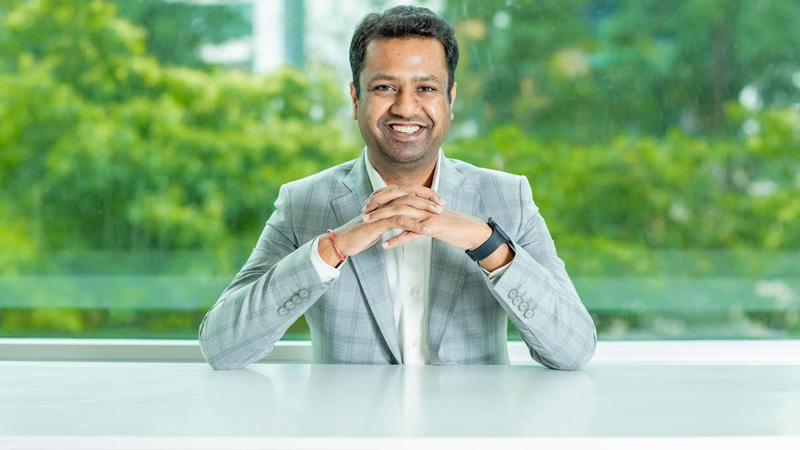
Speaking on the initiative, AI CERTs’ general manager Chintan Dave said, “As artificial intelligence reshapes global industries, the mismatch between academic curriculum and real-world job requirements has never been more evident. ‘Mission AI-Saksham’ is our response to this challenge. It’s an invitation for institutions and students alike to co-create a learning ecosystem that is agile, inclusive, and aligned with tomorrow’s demands.”
The company aims to certify one billion learners worldwide in AI and emerging tech. With ‘Mission AI-Saksham,’ that grand vision plants its flag in India, giving students the skills to code their own future, while turning a looming skills crisis into a classroom revolution.
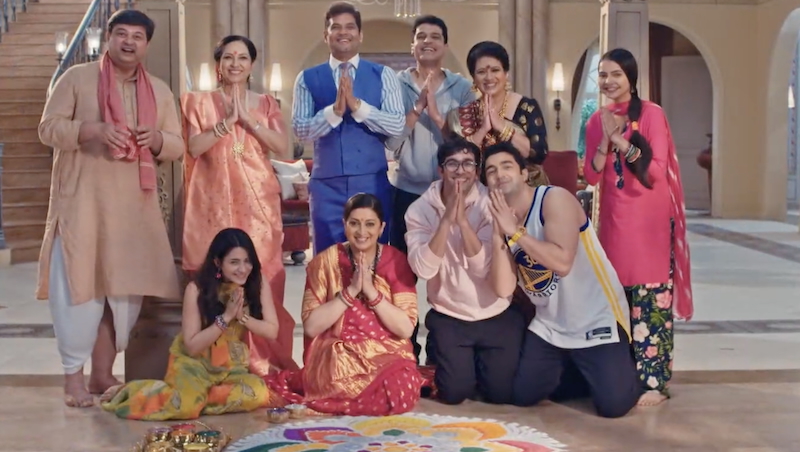
MUMBAI: It’s been 25 years since Tulsi Virani first walked into our living rooms, but the magic of Kyunki Saas Bhi Kabhi Bahu Thi hasn’t dimmed a bit. Ekta Kapoor and Balaji Telefilms’ magnum opus remains as endearing today as it was when it first aired — a reminder of the power of family ties in an increasingly fragmented modern India.
A Family Portrait in an Age of Isolation
For those of us who grew up in bustling joint families, watching the Viranis feels like coming home. Their laughter, their rituals, even their quarrels — all echo a world that’s slowly slipping away. Today, nuclear households dominate India’s urban landscape. Parents are often left in old-age homes, siblings are scattered across cities and time zones, and “quality time” has been replaced with curated Instagram reels. Yet, as the Viranis gather under the palatial roof of Shantiniketan, the series offers a bittersweet reminder of what we’ve lost — and why we still yearn for it.
Old Tropes, New Resonance
Yes, the show is steeped in traditional tropes: Mihir as the patriarch, Tulsi shouldering the emotional and domestic burdens. But there’s nuance beneath the surface. Mihir is not a dictator but a partner — one who values Tulsi’s opinions, especially on their daughter Pari’s life choices. Their partnership reflects a subtle but important evolution in how couple dynamics are portrayed: mutual respect in a traditional framework. A Gripping Opening
The revival wastes no time. From the very first episode, where preparations are underway for the Virani elders’ 38th wedding anniversary, viewers are swept back into the grand world of Shantiniketan. The writing is crisp, the camerawork fluid, the lighting lush, and the casting absolutely on point. Balaji’s signature flair for scale and detail is intact.
The Sacrifices of Tulsi
In the first two episodes, Tulsi remains the selfless heart of the household. She attends her anniversary party without a care for glamour, even giving away her saree to a relative. Midway through the celebration, she dashes to rescue her son Angad after a car accident, promising him she won’t tell Mihir. She returns to the festivities as though nothing happened, her own emotional turmoil buried under duty. These sacrifices define Tulsi — the glue of the Virani family.
Cracks Beneath the Perfect Surface
Of course, no Virani gathering is without its shadows. A jealous sister-in-law simmers in resentment, praying for Tulsi’s downfall. And in the third episode, a sensitive issue surfaces: Tulsi, older and heavier, worries about her fading youth next to Mihir’s enduring vitality. His tender reassurance — that she is the pillar on which Shantiniketan stands — transforms the moment into one of the show’s most moving exchanges.
A Timeless Winner
With just three episodes, it’s clear that Star Plus, Ekta Kapoor, and Balaji Telefilms have another winner on their hands. More than a television drama, Kyunki Saas Bhi Kabhi Bahu Thi is a cultural touchstone — a reminder that while lifestyles may change, our hunger for love, loyalty, and family never will.
As the Viranis sit down together under the glowing chandeliers of Shantiniketan, one thing is certain: some sagas don’t just entertain us — they become part of who we are.
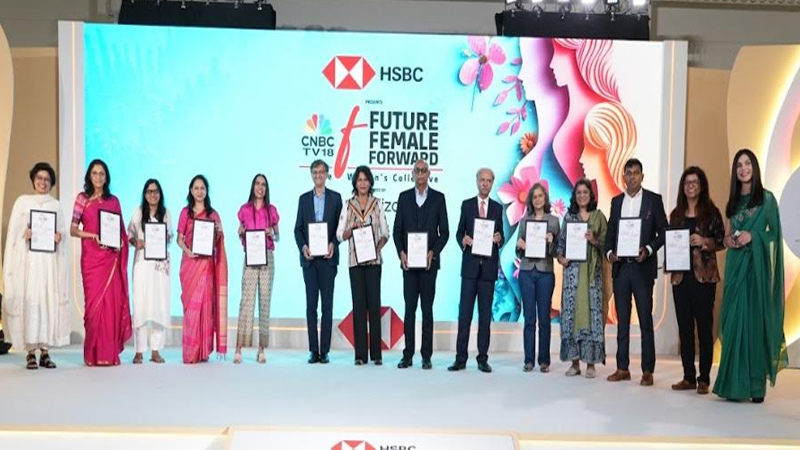
MUMBAI: CNBC-TV18 successfully hosted the Bengaluru edition of HSBC presents Future. Female. Forward. Season 3, co-presented by Cognizant India, to a packed house of policymakers, industry leaders, and DEI advocates. Following its impactful national launch in Mumbai, the Bengaluru chapter zeroed in on a critical, and often under discussed barrier to achieving gender parity: the ‘broken rung’ that can hold women back from progressing into leadership roles.
Opening the evening, CNBC-TV18 managing editor Shereen Bhan, delivered a compelling call to action that set the tone for the discussions ahead. “We created CNBC-TV18 Future. Female. Forward. —to build a space where women in full flow could speak, challenge, and lead. Today, women founders still receive only 2.3 per cent of total capital, globally under three per cent, and in India, just six per cent in H1 2025. That’s not a pipeline problem; that’s a design flaw. From AI to public infrastructure, this city sits at the edge of innovation, yet the blueprint remains exclusionary. Equity must be the earliest principle, not a late-stage correction. And that’s the conversation we’re committed to pushing forward—with facts, with courage, and with community.”
The evening began with HSBC India CEO Hitendra Dave reflecting on Embedding Equity: The HSBC India Inclusion Playbook. He emphasized the need for strong institutional frameworks and measurable outcomes to build truly inclusive cultures.
He said, “Over the last three years, we’ve started a conversation—one that challenges us to rethink how we approach inclusion, not as a multi-decadal aspiration, but as a series of deliberate, incremental actions. Each season, each dialogue, and each story reminds us that looking away is not an option and while the journey is complex and nuanced, what matters is that we are moving in the right direction. At HSBC, we take pride in playing a small but meaningful role in fostering these conversations that bring us closer to a future where equity is not just an ideal, but a reality.”
Taking the stage next, Shobana Kamineni, executive chairperson of Apollo HealthCo, delivered a compelling fireside chat titled Prescription for Disruption: The Kamineni Code.
She shared: “Women aren’t short on ideas, intelligence, or ambition, but they’re funded like they are. Globally, women-led businesses raised just $108 billion last year, and India accounted for a mere ₹25 crore. You can’t talk about scale without real capital. If we want more women in leadership, we need to back them not just with applause, but with board seats, and belief in their ability to lead mainstream, high-impact ventures, not just niche ones.”
The evening also featured a case‑led session by Pooja Sharma Goyal, founding CEO of The Udaiti Foundation, titled Leading with Purpose, Building with Equity. Drawing on lived experience, she outlined practical frameworks that turn inclusive‑growth theory into action.
A high-impact panel discussion titled Purpose, Parity & Performance brought together an esteemed lineup of leaders, including Bhawna Agarwal (SVP & MD, HPE India), Rajesh Varrier (President – global operations and chairman & managing director, Cognizant India), Jaya Jagadish (country head & SVP, AMD India), Meena Ganesh (co-founder & chairperson, Portea; Trustee, Bahaar Foundation), and Sunita Naik (SVP & country lead – India, State Street Investment Management).
During the panel discussion, Rajesh Varrier, president – global operations and chairman & managing director, Cognizant India, offered a large-enterprise perspective on building inclusive workforce strategies.“Inclusion isn’t just about hiring; it’s about building systems and structural interventions that support a woman’s entire career journey. That’s why we created Shakti —a unified framework of programs and policies designed to empower women from college to corporate leadership, enabling them to realise their full potential. Also, we know that progress is most powerful when supported by allies—those who advocate, amplify, and help open doors,” he noted.
From a global capital lens, Sunita Naik, senior managing director & India lead of State Street Investment Management, illustrated how inclusion is being hardwired into investment decisions and organizational culture, moving beyond token gestures to measurable accountability. Sunita said, “At State Street Investment Management, we didn’t just advocate for inclusion; we built it into our leadership. Our CEO is an Asian-American woman, our operating group is majority women, and our board is 50 per cent women. This isn’t about eliminating men; it’s about proving that diverse teams outperform. Real change happens when women lead at every level, not just entry level. From the iconic Fearless Girl to our own boardroom, we’re showing that inclusion drives performance, not just perception.”
The evening saw the signature “FFF ICONS” segment where a remarkable group of individuals whose contributions span sport, science, social change, and national service were honoured. Among the honorees were Shreyasi Joshi and Swarali Joshi – Skater Sisters; Alina Alam – Founder & CEO, Mitti Café; Sonal Holland – Founder & Director, SoHo Wines; Savithri H. S – Former Professor, Department of Biochemistry, Indian Institute of Science, Bengaluru; Lt Commander Roopa Alagirisamy and Lt Commander Dilna K – Indian Navy; India’s first all-women mine rescue unit, SMART-191, Singareni Mahila Active Rescue Team; Sandhya Puchalapalli – Founder & President, Aarti for Girls; Roshni Devi – National-Level Weightlifter; and Meena Ganesh – Co-founder & Chairperson, Portea, and Trustee, Bahaar Foundation.
Lt commander Dilna K, a commissioned officer in the Indian Navy, spoke about her life journey navigating a male-dominated force with resilience and clarity. Reflecting on her partnership with fellow officer Lt Commander Roopa Alagirisamy, she shared: “Roopa and I trained together, went through life and death situations, and spent more time at sea than on land. You get to know everything about the other person; there’s no space to be enemies. When I wasn’t okay, she was there to take over, and when she wasn’t, I stepped in. That teamwork was the real success of this journey.”
The evening closed with a clear message: fixing the broken rung isn’t a side issue, it’s central to building stronger institutions. From rethinking how promotions work to ensuring fairness in performance evaluations, the conversations throughout this pivotal event called on organizations to act with intent, not just awareness. Parity, the room agreed, must be designed into the system, not added as an afterthought.
MUMBAI: Planet Herbs Lifesciences (PHL), has launched a touching and evocative TVC for its flagship product, Synotiz Pain Relief Oil. The TVC highlights the product as more than just a pain-relief remedy— a timeless symbol of tradition and generational care.
Airing across Television channels, YouTube, Instagram, and other digital platforms, the new TVC is aptly titled “Gir ke uthne ko udaan kehte hain”. It features veteran actor Kanwaljeet Singh in the lead with the narrative unfolding as a gentle story, focusing on a grandfather and granddaughter’s quiet care as they take turns to comfort each other in painful circumstances. Soft visuals and evocative flashbacks create a moving parallel between past and present, highlighting how familial roles shift, but the bond remains timeless.
The new campaign positions Synotiz Oil as an essential in every Indian household—trusted by children, parents, and grandparents alike. Rooted in Ayurvedic wisdom yet attuned to modern-day needs, the film presents Synotiz as more of an emotional heirloom.
“This TVC isn’t just a campaign, it’s a reflection of my own story,” said Planet Herbs Lifesciences director Sargam Dhawan Bhayana. “The story draws inspiration from my own life experience, when I have always found comfort in the most painful days by my grandfather who is also the founder of Planet Herbs Mr VK Dhawan. He remained committed to ensuring I was safe and protected and now it’s my turn to make sure he’s fine. I continue to carry forward his values with the same integrity, compassion, and excellence towards our products and our company. Synotiz Pain Relief Oil has always stood for more than just relief. It represents the wisdom of Ayurveda, the care of family, and the trust built across generations. With this film, we hope to remind people that true healing is rooted not only in nature, but in the traditions we hold close.”
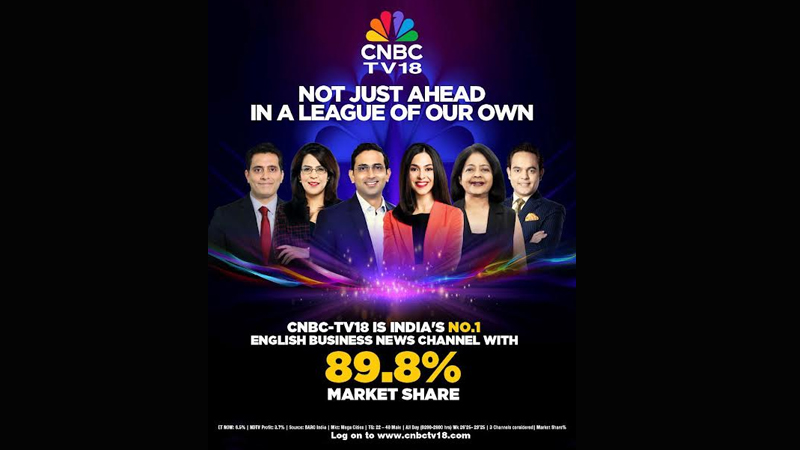
MUMBAI: When it comes to business news, CNBC-TV18 isn’t just reporting the market, it is the market. The channel has pulled in a staggering 89.8 per cent market share in the English Business News segment, according to the latest BARC India data (Week 26’25–29’25 | TG: 22–40 Male | Mega Cities | All Day). That means nearly 9 out of every 10 viewers tuned into English business news are watching CNBC-TV18 leaving its competitors fighting over scraps.
It’s a commanding lead in a genre the channel has owned for 25 years. From the dot-com bubble to the post-COVID recovery, CNBC-TV18 has kept its audience ahead of the curve, and the latest data reaffirms that legacy of dominance.
What’s fuelling this near-monopoly? It’s a steady mix of cutting-edge reportage, market-moving insights, and flagship shows like Bazaar Open Exchange, Bazaar Morning Call, Closing Bell, and India Business Hour. These programmes have become essential viewing for India’s business decision-makers whether they’re behind a Bloomberg terminal or a kirana counter eyeing the Sensex.
Anchored by a seasoned team of journalists and trusted by a who’s who of CEOs, policymakers, and retail investors, CNBC-TV18 is more than a channel, it’s where India’s business day begins and ends. Its influence stretches beyond viewership, shaping investment strategies, boardroom decisions, and the national business narrative.
Even as rivals scramble to differentiate themselves, CNBC-TV18 continues to expand its lead, showing week-on-week growth and innovation. The channel’s commitment to sharp analysis, uncluttered storytelling, and forward-looking coverage has made it the de facto nerve centre for business content in the country.
As India navigates an increasingly volatile economic landscape, CNBC-TV18 remains the one constant distilling complex numbers into actionable insight, with nearly 90 per cent of the business news audience voting with their remotes.
If business news were a stock, CNBC-TV18 would be the bluest of blue chips.
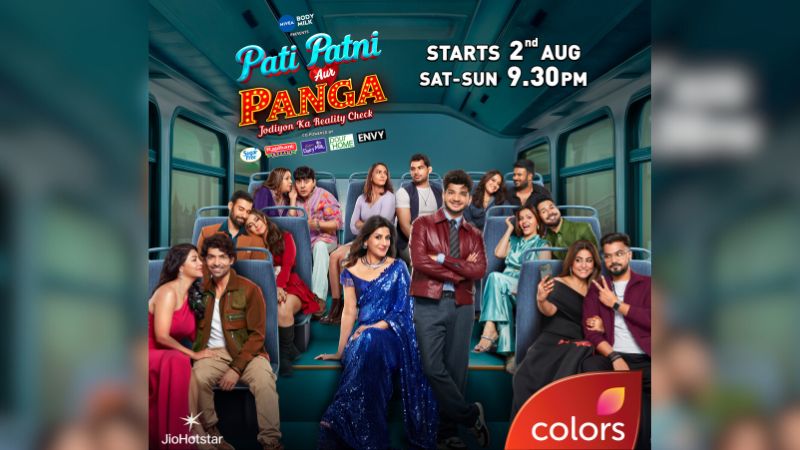
MUMBAI: Move over roses and violins Colors is gatecrashing dinner with a side of drama, as it unveils its first ever real-ationship reality show, Pati Patni Aur Panga – Jodiyon Ka Reality Check. Premiering on 2nd August, this shaadi-meets-showdown series will air every Saturday and Sunday at 9:30 pm, promising a generous dollop of laughter, love, and ludicrous household fights.
Fresh off the finale of Laughter Chefs, the channel has traded spoons for squabbles, roping in seven celebrity couples to bring their private quirks to primetime. These aren’t rehearsed roles, they’re raw, real, and ready to air their laundry (possibly quite literally) in front of the nation.
The show features a power-packed lineup of couples, Debinna Bonnerjee–Gurmeet Choudhary, Hina Khan–Rocky Jaiswal, Rubina Dilaik–Abhinav Shukla, Avika Gor–Milind Chandwani, Swara Bhasker–Fahad Ahmad, Geeta Phogat–Pawan Kumar, and Sudesh Lehri–Mamta Lehri. From love to laughter and every little panga in between, these jodis bring their quirks, chaos and chemistry to the screen.
The show’s glossy, high-energy finish owes much to the behind-the-scenes crew that stitched it all together. Director of photography Tribhuvan Babu lends a vibrant visual grammar to the episodes, while Swapnil Patole, Chief Colourist at the Independent Colourists Guild (ICG), ensures every frame carries emotional weight and tonal harmony. Technical finesse is handled by DI Technician Sachin More, Line Producer Sameer Shaikh, and DI Colour Assistant Kiran Gulgule, with Famous Studios Ltd leading post-production duties. Together, the team brings a cinematic sheen to the dinner-table chaos that unfolds in every episode.
On the brand front, the show has attracted a wide swathe of consumer-facing names as sponsors each with a strategic reason to align with a format rooted in everyday intimacy and relatability. Nivea, as presenting sponsor, ties in seamlessly with themes of care, comfort, and authenticity, reflecting the emotional subtext of the show. Sugar Free Green, Rajdhani Besan, Cadbury Dairy Milk, and Pour Home Air Fresheners are all brands woven into the domestic fabric of Indian households just like the show’s celebrity couples navigating real-life love and laundry. Supporting brands like Envy Perfumes, Vikram Tea, Colgate, and Catch Masale see the high-engagement, weekend primetime slot as a direct route to the hearts and kitchens of Indian families. For these partners, ROI isn’t just about impressions or TRPs; it’s about cultural salience, brand recall, and showing up where the emotion is most real right between a laugh, a fight, and a plate of hot pakoras.
Hosting this panga-packed party are Sonali Bendre, bringing poise and patience, and Munawar Faruqui, the designated “towel crime” police and chaos coordinator. Dubbed The Sonu-Monu Show by the crew, their repartee is already the stuff of reality-TV legend, a mix of zingers, comebacks, and cringe confessions.
Behind all the glam, the show peels back layers of public personas to reveal unfinished sentences, kitchen fails, love languages, and one-word replies that spark weeklong sulks. Viewers are invited to peek behind the velvet curtains of celebrity marriages from ridiculous pet names to strategic foot rubs and witness the delicate art of surviving, thriving and occasionally fighting in love.
To up the stakes, family members and housekeepers also chime in with their versions of truth bombs, making this not just a couples show but a full house of fun and friction.
Speaking about the channel’s pivot to deeper emotional territory, Alok Jain of JioStar said, “We’ve always led from the front in non-fiction formats, and Pati Patni Aur Panga is our next big bet. This isn’t just content, it’s connection, showing the real, raw parts of celeb relationships that mirror our own homes.”
Shweta Dalal, Marketing Director of Nivea India, added, “This show mirrors the same values we believe in care, trust, and authenticity. We’re thrilled to be part of a format that speaks so honestly to everyday companionship.”
Sonali Bendre, returning to TV in a more emotionally hands-on avatar, shared, “This is not just about tasks or points. It’s about catching those in-between moments the real stuff that makes or breaks a relationship. And Munawar brings the madness to my method!”
Munawar Faruqui, never one to hold back, quipped, “Main hoon yahan ka certified panga maker. I say what most husbands are thinking but are too scared to say out loud and I love every awkward second of it.”
So if you’re ready for a hearty laddu of shaadi reality, not just the goals, but the gaffes too mark your calendars. Pati Patni Aur Panga is not your average reality show; it’s reality in all its messy, mushy, magnificent glory. Premieres 2 August, Saturdays & Sundays at 9:30 pm only on Colors.
MUMBAI: Moloco, the AI performance advertising company, has rolled out its SDK on Google’s AdMob bidding and Ad Manager’s SDK bidding platforms, making the tool fully self-serve for publishers.
The move cements Moloco’s credentials with Google’s stringent performance and reliability standards, giving app developers fresh access to its global advertiser demand while preserving user experience. Publishers already plugged into Google can now tap Moloco’s ecosystem without extra effort.
“Moloco has consistently been recognised as a top-performing platform for ad monetisation, optimised to drive real business outcomes,” said Moloco supply head Yoni Markovizky He added that with Google onboard—alongside existing integrations with AppLovin’s Max and Unity’s LevelPlay—the company can fuel more publishers’ growth “with no margin fees, applying the cost savings directly to our partners.”
Nearly 500 publishers, including Voodoo, Crazy Maple and Audiomack, already use Moloco’s SDK. The platform’s AI ensures the right ad finds the right user, maximising revenue while allowing publishers to control how creative formats appear. Advertisers, too, gain sharper targeting and more control, boosting return on investment.
Moloco, founded in 2013 by ex-Google machine-learning engineers, now operates across the US, Europe and Asia. Its platform powers mobile app growth, retail media and streaming monetisation for businesses worldwide.
MUMBAI: The ratings are in, and News18 India has clearly won the prime-time war no breaking news ticker needed. According to the latest BARC data (Week 29, 2025), the channel has cemented its top spot in the Hindi news genre, outpacing Aaj Tak by a wide 17 per cent margin in Average Minute Audience (AMA). News18 India recorded a market share of 13.9 per cent with 75,225 AMA’000s, while Aaj Tak trailed with 11.9 per cent and 64,332 AMA’000s. (Source: BARC | Metric: Avg. Weekly AMA’000s | TG: NCCS All 15+ | Period: Wk 29’25, 24 Hrs, All Days | Market: HSM).
These figures reaffirm News18 India’s reign as the most-watched Hindi news channel in the country, a title it has held through a blend of editorial depth, impactful anchors, and an expansive national footprint.
Driving this dominance is a high-octane line-up of anchors including Kishore Ajwani, Amish Devgan, Rubika Liyaquat, Prateek Trivedi, and Aman Chopra. The channel’s programming, especially around major news events, is frequently backed by real-time field reports from its wide network of correspondents, keeping the pulse of the nation at its fingertips.
But it’s not just bodies in the field the backbone is strong in tech and storytelling. With an editorial engine bolstered by cutting-edge presentation and a viewer-first curation strategy, News18 India continues to innovate how news is consumed.
The channel forms the flagship of the News18 Network, India’s largest news network, which boasts 14 regional channels, reaches 26 states, and broadcasts in 15 languages, offering a footprint that few can rival.
In a fiercely competitive news market, News18 India’s latest numbers show that it’s not just breaking news, it’s breaking away from the pack.
MUMBAI: CoinSwitch has announced the launch of ‘Block by Block’, a national-level paper presentation competition focused on Virtual Digital Assets (VDAs). The initiative, launched in partnership with India’s leading law firm Trilegal, and The Centre for Technology, Entertainment and Sports Law at NUJS Kolkata, aims to engage law and public policy students in shaping India’s future regulatory landscape for VDAs.
The competition challenges students to develop innovative, practical policy proposals on the regulation of VDAs in India. Participants are invited to submit papers on the theme: “A Policy Approach for Regulation of Virtual Digital Assets/Crypto assets to Foster the Growth of a New Asset Class in India.”
“At CoinSwitch, we believe that responsible innovation requires collaboration between industry, academia, and policymakers. ‘Block by Block’ is our effort to create a platform where the next generation of legal and policy minds can contribute meaningfully to India’s growing ecosystem. As Web3 continues to evolve, it’s crucial that we build the ecosystem thoughtfully and we believe students have a big role to play in that journey,” said CoinSwitch co-founder Ashish Singhal.
The competition provides a rare opportunity for students to work on real-world policy challenges in collaboration with leading industry and legal experts. Unlike most academic competitions, ‘Block by Block’ is backed by active industry participation offering both credibility and visibility to participants.
“As a centre committed to the study of law and emerging technologies, we’re proud to collaborate on ‘Block by Block’ a platform that gives students the chance to work on real-world challenges related to digital asset regulation. Initiatives like this not only promote academic rigour but also prepare our students to become active contributors to the future of tech policy in India,” added Dr. Shameek Sen, Professor, The Centre for Technology, Entertainment and Sports Law at NUJS Kolkata.
“We believe in contributing to the development of progressive legal thought-leadership on emerging technologies including digital assets. We are excited to partner with CoinSwitch for this initiative that encourages future lawyers and policymakers to engage and help shape the legal discourse around this evolving asset class,” said Trilegal partner Jaideep Reddy.
The competition officially launched on July 25, 2025, with entries open for 6 weeks until September 10, 2025. Submissions, limited to a maximum of 5,000 words (excluding footnotes), will be evaluated on key parameters including originality and novelty, research and evidence, analytical rigor, clarity of structure, and adherence to formatting guidelines. The competition also allows for co-authorship, with up to two individuals permitted per entry.
MUMBAI: Humans of Bombay (HOB), the platform that’s touched millions with its poignant tales, is no longer just telling stories; it’s now poised to write its own, transforming into a full-stack digital media company. Having spun over 6,500 narratives and built a community of more than 7M, HOB is branching out to become a veritable media tree.
With a belief that real human stories can, in fact, change the world, HOB is now taking that power to the next level. Expect a bumper crop of original IPs, bold new partnerships, and immersive formats that aim not just to recount lives, but to shape the very culture of a New India. It’s a bit like turning a heart-warming anecdote into a blockbuster franchise.
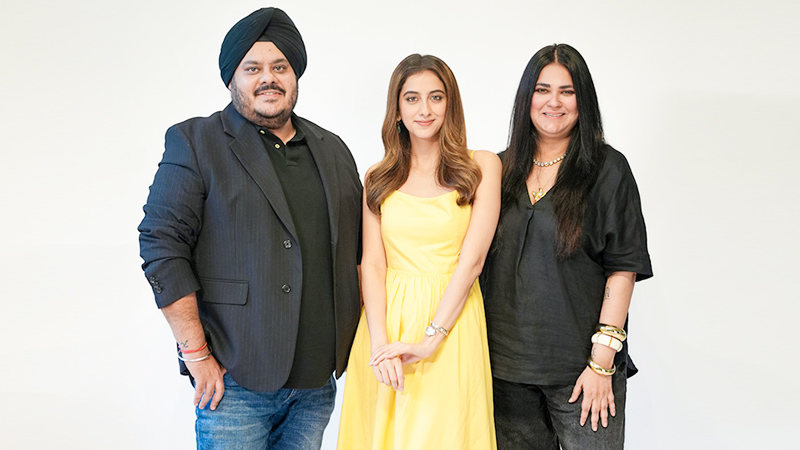
“Stories change people. And people change the world. We’re building storytelling ecosystems—formats and IPs designed to inspire, influence, and push India forward.” said Humans of Bombay founder & CEO, Karishma Mehta
Every grand transformation needs the right hands to steer the plough, and HOB is no exception. They’ve brought in some serious talent to cultivate this new growth.
Amit Sobti is joining HOB as its new president. With two decades of experience in building and scaling media companies, including a dozen years spent nurturing Fork Media into one of India’s leading digital media powerhouses—Sobti will be driving operations, revenue, and partnerships to new heights. He’s clearly got a knack for turning narratives into net profits.
“This move just felt right,” Humans of Bombay president, Amit Sobti. “I’ve spent years building brands and businesses, but HOB is different. It’s honest. It’s human. And in a world full of noise, that really matters. I’m excited to help shape what comes next—thoughtfully, and with purpose.”
And because creativity is the very soil in which HOB thrives, Jasleen Kaur Gupta is stepping in as vice president, creatives & delivery. Armed with a decade of experience in shaping content, marketing, and talent IPs at big names like Myntra, 120 Media Collective, and Fork Media, gupta will lead the creative vision, bringing bold, fresh storytelling formats to vivid life.
Much before joining HOB, I was a fan of their content. To now actually be here and have the opportunity to make an impact with life changing storytelling and creative experiments is a chance to do what I do best. Build. Bigger, better and be disruptive,” says Jasleen Kaur.
“At our core, we’ll always stand for real, empathy-driven stories. But the future we’re building is about going beyond content—into culture, influence, and impact at scale,” adds Karishma Mehta.