SEOUL: South Korea’s premium video-on-demand market hit $1.1 billion (€0.94 billion) in the first half of 2025, with paid SVoD subscriptions climbing to 24.5 million after 1.5 million net additions, according to data from ampd, the measurement arm of Media Partners Asia (MPA).
Growth was led by scale players and turbocharged by connected TV measurement, introduced in the second quarter. This added roughly 35 per cent more monthly active users per platform and nearly doubled measured viewing hours to 1.2 billion.
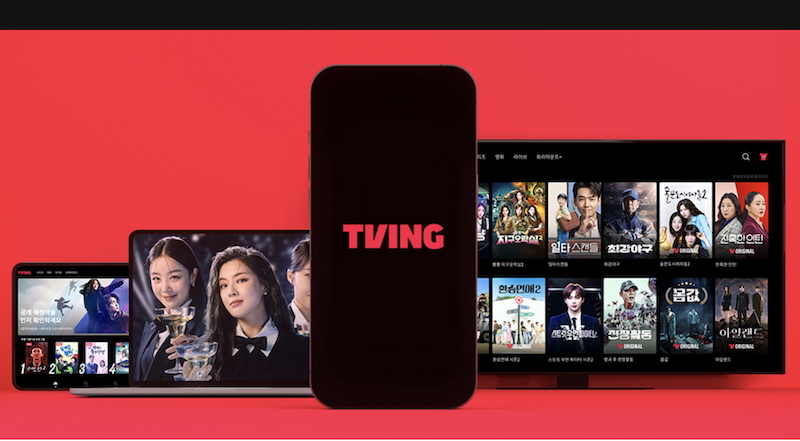
Netflix retained the crown with 8.2 million subscribers and 47 per cent of premium VoD viewership, fuelled by Squid Game season three, a steady pipeline of licensed films, and its Naver Plus tie-up offering the ad-supported standard plan free to members. TVing posted the biggest net gains thanks to a low-priced ad tier, drama and variety hits, and live sport. Coupang Play grew with a free ad-supported tier and its Sports Pass, while June’s TVING–Wavve merger sets up a 9.2 million-subscriber challenger to Netflix by year-end.
 “Korea’s premium VoD sector is consolidating around a handful of scaled leaders,” said MPA executive director Vivek Couto. “Local storytelling remains the foundation of engagement and monetisation, while CTV is unlocking new audiences and advertising opportunities.”
Local content dominated, accounting for 86 per cent of all viewing hours in Q2, led by dramas (48 per cent) and variety/reality shows (27 per cent). US films were the largest foreign category at just six per cent.
“K-dramas, comedy and variety shows drive cross-platform reach,” said MPA and ampd lead analyst Dhivya T. “Ad tiers are now central to subscriber growth, especially in urban and price-sensitive segments.”

 The share of international viewers who say they watch Korean series or films “sometimes” or “very often” rose from 22 per cent in early 2020 to 35 per cent in the first quarter of 2025. The supply of K-content on global streaming platforms grew 55 per cent between 2021 and 2024.
 Netflix is the outlier. It has kept commissioning volumes steady and accounts for 88 per cent of global SVoD announcements in South Korea this year. But even it has shifted emphasis from scripted to unscripted originals, part of a broader industry pivot towards acquisitions and cheaper formats.