Blog

  • Swiss army knife brand lands Unilever pro as marketing chief

    Swiss army knife brand lands Unilever pro as marketing chief

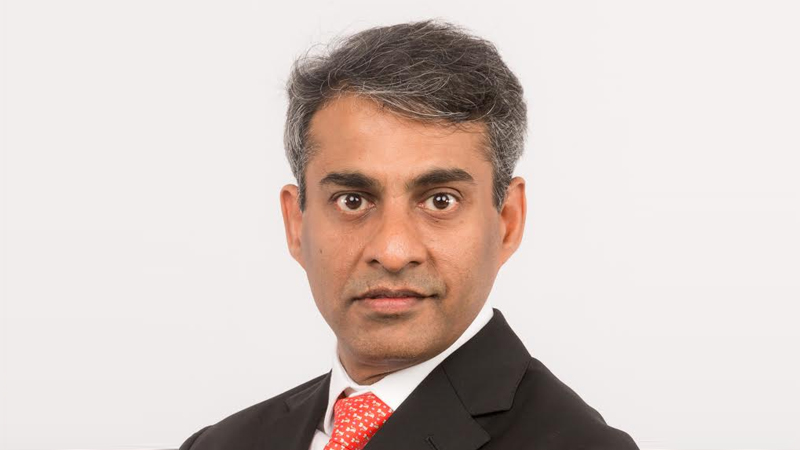
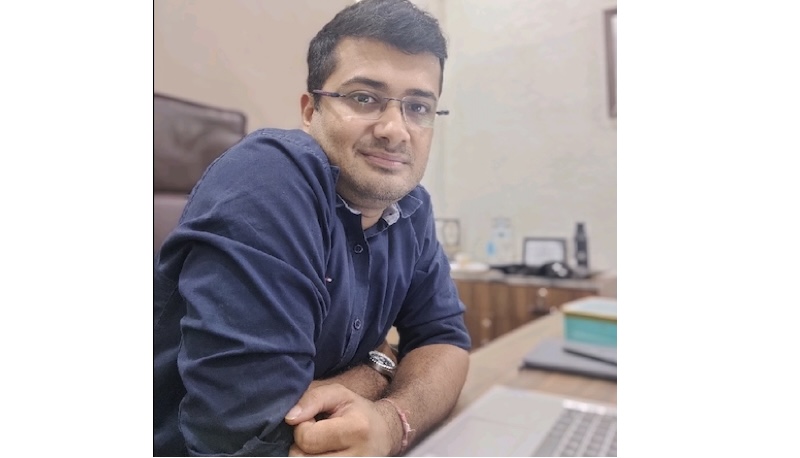
    MUMBAI: Victorinox India has recruited Avirup Mukhopadhyay as its head of marketing, hiring  the seasoned marketer from wellness brand True Elements where he spent over three years. The appointment signals the Swiss army knife maker’s intent to sharpen its marketing edge in the competitive Indian consumer market.

    Mukhopadhyay joins Victorinox this month after a stellar run at True Elements, where he rose from category lead to assistant vice-president of marketing. During his tenure at the Mumbai-based health food company, he orchestrated brand strategy across multiple geographies, managed profit-and-loss responsibilities, and crafted go-to-market strategies for both traditional and alternative channels.

    His most visible achievement at True Elements was the Black Pack Anthem campaign featuring cricket star Rohit Sharma, which positioned the brand around its “100 per cent real, nothing artificial” promise. The campaign exemplified his knack for marrying celebrity endorsements with authentic brand messaging.

    The 15-year marketing veteran brings impressive credentials from blue-chip companies. He spent nearly three years at Unilever, where he cut his teeth on the iconic Kissan brand, developing everything from penetration packs priced at Rs 15 to comprehensive brand-building strategies. His Unilever stint included roles spanning brand management, trade marketing for modern retail, and territory sales across Kolkata.

    Between his Unilever chapters, Mukhopadhyay had a brief but notable six-month tenure at Dr Reddy’s Laboratories, where he was tasked with building the Rebalanz energy drink brand across key Indian markets. The “27 per cent less sugar” positioning he developed demonstrated his ability to navigate the increasingly health-conscious consumer landscape.

    His career began in financial services at Bajaj Allianz before pivoting to FMCG, with early roles at HCL Infosystems. A summer internship at Unilever during his MBA studies proved fortuitous, eventually opening doors to his full-time role at the Anglo-Dutch giant.

    For Victorinox, known globally for its multi-tool expertise but still building brand awareness in India’s crowded lifestyle market, Mukhopadhyay’s track record of scaling brands across price points and channels could prove invaluable. His experience spans everything from mass-market detergents to premium wellness products—precisely the range needed to navigate India’s bifurcated consumer market.

    The appointment reflects a broader trend of heritage European brands investing heavily in Indian marketing talent as they seek to crack the subcontinent’s complex consumer preferences.

  • EGF levels up comms game with Gaurav Shangari as policy outreach lead

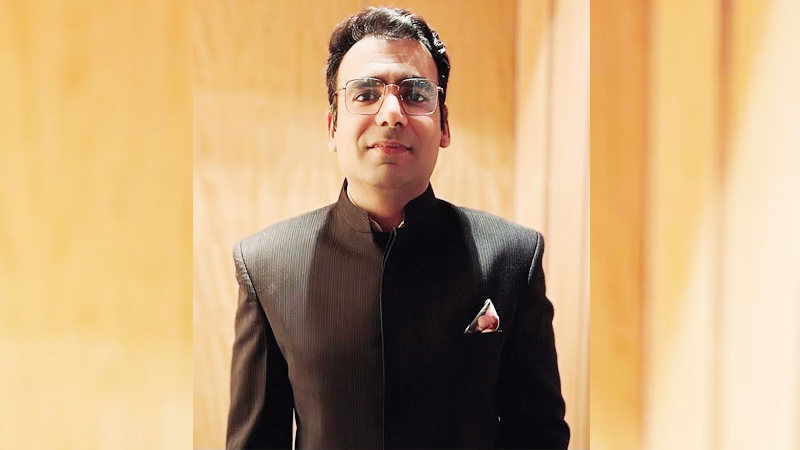
    EGF levels up comms game with Gaurav Shangari as policy outreach lead

    MUMBAI: In India’s fast-evolving gaming arena, the E-Gaming Federation (EGF) has just played a power move appointing Gaurav Shangari as its new director of policy Communication & Outreach. A seasoned communications strategist with over 15 years’ experience, Shangari steps into the role to spearhead EGF’s policy messaging, media relations, and ecosystem outreach at a time when the online skill gaming industry is battling regulatory headwinds while chasing explosive growth.

    Previously a Avian We group business director at Shangari led ESG, sustainability, and policy communication for big names like Pepsico India, Wadhwani Foundation, Godrej Enterprises group, and The Convergence Foundation.

    “With Gaurav, we’re strengthening our ability to shape a forward-looking narrative for gaming and engage more deeply with policymakers, media, and civil society,” said EGF CEO Anuraag Saxena. “His track record in driving impactful campaigns will be pivotal in advancing our mission of integrity and innovation in gaming.”

    For Shangari, this is more than a corporate posting, it’s personal. “This is a landmark era for India’s gaming landscape,” he said. “As both a gamer and a communications practitioner, I look forward to shaping gaming’s role as a driver of India’s digital economy, powered by creativity and skill.”

    Backed by Shangari’s storytelling playbook, EGF is doubling down on its quest to create a safe, trusted, and well-regulated online gaming ecosystem. And if the industry is gearing up for its next big leap, the Federation clearly wants the narrative to sound as sharp as the gameplay.
     

  • Flam turns up the volume with 80dB for its mixed reality storytelling

    Flam turns up the volume with 80dB for its mixed reality storytelling

    MUMBAI: When reality isn’t enough, Flam makes it mixed and now, it has found the perfect partner to shout it out loud. 80dB Communications, an integrated reputation management advisory, has bagged the communications mandate for Flam, the AI-powered mixed reality publishing platform that lets brands deliver immersive, app-free 3D experiences. The tie-up will see 80dB craft and drive Flam’s communications strategy, amplifying visibility, shaping corporate reputation, and championing its category-defining innovation in immersive advertising.

    “Mixed reality is rewriting the rules of brand engagement, and with 80dB on board, we’ll ensure our story resonates globally,” said Flam CMO Karthik K Raman noting the platform’s ambition to scale its immersive storytelling to more global brands. Flam head of marketing Nidhi Kohli Nandode added that the collaboration comes at a time when brands are increasingly seeking meaningful audience connections through new-age formats.

    From virtual product launches to interactive campaigns, Flam’s AI Twins–powered experiences are already reimagining how audiences interact with brands. Now, with 80dB’s expertise in startup storytelling and tech communications, the company aims to take these innovations mainstream.

    80dB co-founder & joint MD Kiran Ray Chaudhury summed it up: “Flam is democratising mixed reality for brands at scale. Our goal is to elevate their visibility, shape the conversation, and accelerate adoption of this powerful medium.”

    With immersive ads moving from buzzword to business, Flam and 80dB seem ready to turn up the heat and the decibels in brand storytelling.


  • Mindshare veteran Sonal Jadhav moves to lead Havas Media’s western operations

    Mindshare veteran Sonal Jadhav moves to lead Havas Media’s western operations

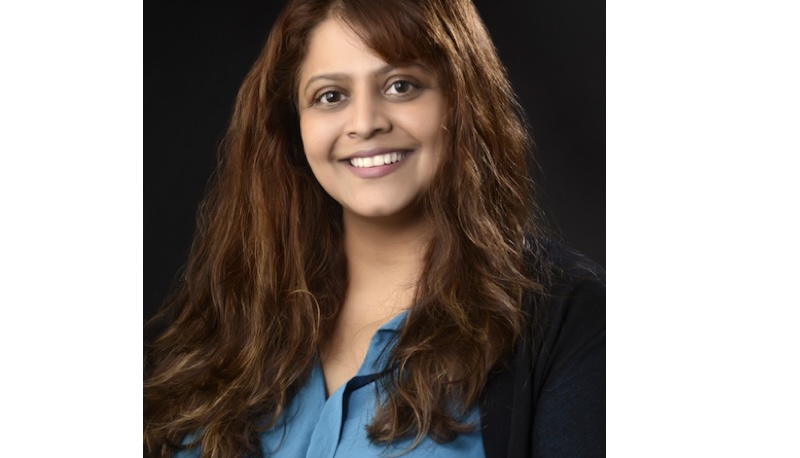
    MUMBAI: Sonal Jadhav has traded her corner office at Mindshare for the top job at Havas Media Network India, where she will serve as managing partner and west lead. The appointment marks a significant coup for Havas, which has poached one of the industry’s most seasoned media hands.

    Jadhav spent three years and seven months as principal partner at Mindshare, the GroupM-owned agency, before making the switch this month. Her departure represents a notable loss for Mindshare, where she had deep roots stretching back over a decade.

    The Mumbai-based executive brings formidable credentials to her new role. She cut her teeth during a marathon 10-year stint at Mindshare, rising through the ranks from client lead to senior cluster lead. In her most recent role there, she managed a portfolio of blue-chip accounts including Kellogg’s, ICICI, Rio Tinto and Onida, with full profit-and-loss responsibility.

    Her earlier Mindshare tenure was particularly notable for her stewardship of the Hindustan Unilever skincare portfolio, where she crafted media strategies for the conglomerate’s beauty brands from 2006 to 2013. The assignment cemented her reputation as a strategic thinker with a knack for marrying brand-building with performance metrics.

    Between her two Mindshare chapters, adhav spent four years as general manager at Wavemaker, another GroupM stable-mate, focusing on FMCG clients and honing her expertise across traditional and digital media channels.

    Her career began in print advertising, with early roles at Hindustan Times and Indian Express, where she learned the fundamentals of media sales and revenue optimisation.

    The appointment signals Havas Media’s ambitions to strengthen its presence in India’s fiercely competitive media landscape, where agencies are battling for a larger share of the country’s advertising spend. Ms Jadhav’s deep FMCG experience and client relationships make her a natural fit for a market where consumer goods companies remain among the biggest advertisers.

    At 15-plus years in the business, she represents the kind of seasoned leadership that agencies increasingly prize as they navigate the complexities of digital transformation and attribution-based media buying.

  • Big Fm turns up the volume with 9 new stations, now India’s No.1 network

    Big Fm turns up the volume with 9 new stations, now India’s No.1 network

    MUMBAI: Radio just got a little louder and a lot bigger. Big Fm, which has long been a household name for music and entertainment, has officially tuned itself into the country’s largest single-brand radio network with a whopping 67 stations. The milestone comes with the addition of nine new stations across Punjab, Haryana, Uttar Pradesh, and Uttarakhand, set to go live in the next 6–9 months.

    This expansion amplifies BIG’s dominance in the Hindi heartland, taking its tally to 34 stations across Northern and Central India, where it already enjoys market leadership and hyperlocal clout.

    Sapphire Media Limited chairman Sahil Mangla said the achievement is both a win and a weight: “Becoming India’s largest radio network is an achievement, but also a responsibility. With Big Live and Big Ooh already launched, we’re looking forward to shaping the future of audio entertainment with original content, tech and AI integration.”

    Echoing the sentiment, CEO Sunil Kumaran noted that Big’s philosophy of “Dhun Badal Ke Toh Dekho” continues to guide its growth. “With new stations, we’re not just expanding coverage but also building stronger teams, creating content that clicks with diverse communities, and opening fresh opportunities for advertisers,” he said.

    With radio listenership still strong across India’s metros and smaller towns, Big Fm’s expansion ensures it doesn’t just play the hits, it stays in tune with the cultural pulse of the nation.

  • India’s gaming giants face extinction as government prepares blanket ban

    India’s gaming giants face extinction as government prepares blanket ban

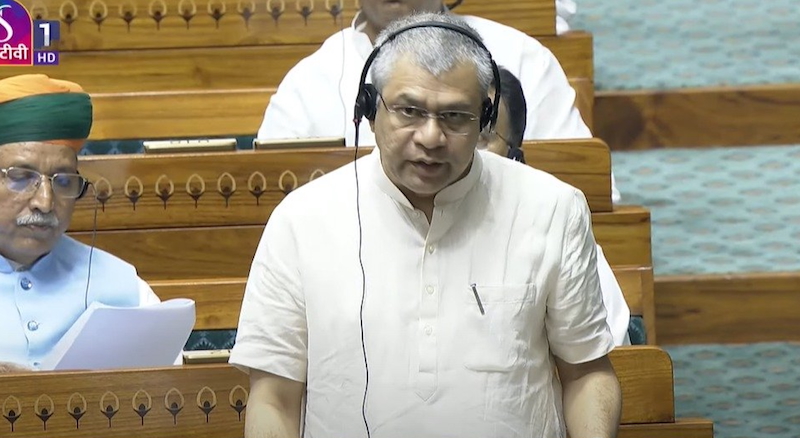
    MUMBAI: India’s booming online gaming sector is bracing for devastation after electronics and information technology minister Ashwini Vaishnaw introduced the Promotion and Regulation of Online Gaming Bill, 2025, in the Lok Sabha on Wednesday. The proposed legislation threatens to outlaw all real-money gaming platforms, regardless of whether they involve skill or chance—a move that could obliterate 86 per cent of the industry’s current revenue streams.

    The bill proposes harsh penalties for violators: up to three years imprisonment and fines of Rs 1 crore for operators, and two years jail plus Rs 50 lakh fines for advertisers. Banks and financial institutions facilitating transactions for money games face similar punishment. Repeat offenders could face between three and five years behind bars with higher fines.

    Market leaders including Dream11, Games24x7, Winzo, GamesKraft and My11Circle now face an existential crisis. India’s online gaming market, currently valued at $3.7 billion and projected to reach $9.1 billion by 2029, could see its financial lifeline severed overnight.

    The All India Gaming Federation, E-Gaming Federation and Federation of India Fantasy Sports have written jointly to home minister Amit Shah, warning that the legislation would “destroy over 200,000 jobs, result in over 400 companies shutting down, and weaken India’s position as a digital innovator.”

    The industry argues that legitimate platforms will be forced to close, pushing crores of users towards illegal matka networks, offshore gambling sites and unregulated operators. The sector has grown into a Rs 2 trillion industry, generating Rs 31,000 crore in annual revenue and over Rs 20,000 crore in taxes whilst expanding at 20 per cent compound annual growth rate.

    The bill defines an online money game as one where users pay fees or deposit money “in expectation of winning in return of money or other stake.” It explicitly excludes esports and online social games such as casual entertainment formats without monetary stakes. A proposed Online Gaming Authority would determine whether games qualify as money games and oversee the sector.

    MeitY secretary S Krishnan said the legislation aims to recognise the industry’s creative intent whilst restricting undesirable segments. The government cited instances of severe financial distress and suicides linked to online money gaming during cabinet deliberations, noting particular concerns about addiction among children and youth.

    The move represents a decisive shift from tax-and-regulate to prohibit-and-enforce. Authorities have already imposed a 28 per cent goods and services tax on gaming revenues since October 2023, followed by a 30 per cent tax on net winnings from FY 2024-25. Over 1,400 illegal betting and gambling sites have been blocked since 2022.

    Players themselves will not face criminalisation under the proposed law, being treated as victims rather than offenders. Free-to-play and subscription-based games where users pay fixed fees without wagering during gameplay will remain permissible.

    Industry insiders warn the legislation could violate constitutional principles whilst strengthening illegal offshore operators—described as “one of the biggest national security threats to the country today.” India’s gamer base has grown from 360 million in 2020 to over 500 million in 2024, with foreign direct investment in the sector crossing Rs 25,000 crore by June 2022.

    The Lok Sabha session was adjourned until 2pm shortly after the bill’s introduction amid opposition protests, leaving the industry’s fate hanging in the balance.

  • Mythik names Sid Kedia COO to drive its ‘Disney from the East’ vision

    Mythik names Sid Kedia COO to drive its ‘Disney from the East’ vision

    MUMBAI: From Marvel fan to myth-maker, Sidharth Kedia is now set to script his own epic. Entertainment start-up Mythik, which has declared its ambition to be the “Disney from the East,” has appointed the seasoned media and gaming leader as its new chief operating officer. Kedia isn’t just another boardroom name, his résumé reads like a saga of scaling. At Nodwin, South Asia’s largest esports company, he grew revenue 10x, expanded the business from 1 to 8 countries, raised 50 million dollars, and boosted valuation a staggering 28x. At Jiogames, he spearheaded the growth of Reliance’s gaming arm. As chief strategy officer at Viacom18, he helped expand regional TV and strengthened OTT play.

    His career highlights also include leading Mukesh Ambani’s project management office during Jio’s telecom launch, overseeing Network18’s integration into Reliance, and co-founding Ambit Pragma Ventures, where he raised 150 million dollars for media and entertainment investments.

    Armed with a Chartered Accountancy degree, a six sigma black belt from GE, and an MBA from NYU’s Stern School of Business, Kedia brings both precision and creative flair to the role.

    Mythik’s founder and CEO Jason Kothari, called Kedia a “rare combination of disruptive strategist and operator” with the breadth to reimagine how Eastern mythology can capture global audiences.

    For Kedia, the mission is personal. “Since childhood, I’ve been captivated by these stories my grandparents told me. As a Marvel fan, I’ve often wondered why our superheroes never got the global spotlight they deserve. We plan to change that at Mythik,” he said.

    With Kedia at the operational helm, Mythik isn’t just betting on myth, it’s gearing up to make Eastern legends the next big pop-culture phenomenon.

  • Tiger tackles Kabaddi fever as JioStar amps up Season 12 campaign

    Tiger tackles Kabaddi fever as JioStar amps up Season 12 campaign

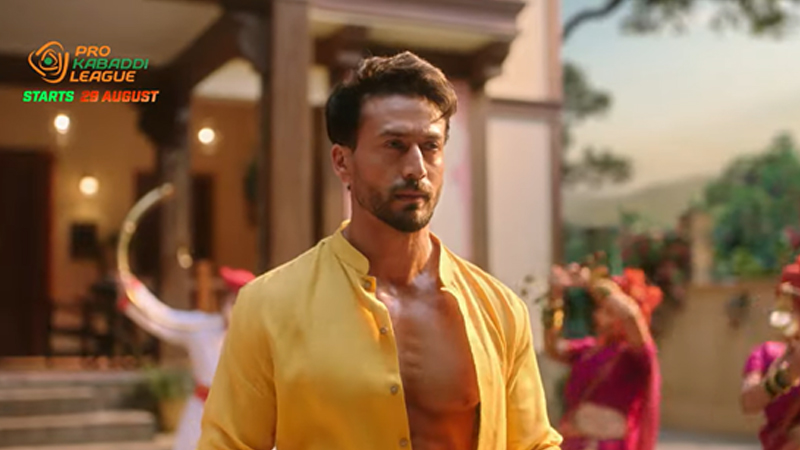
    MUMBAI: When Tiger Shroff says “Ghus Kar Maarenge,” you know things are about to get physical on screen and on the mat. JioStar has dropped the second film of its high-octane Pro Kabaddi League Season 12 campaign, and the action star brings all the grit and swagger that mirrors kabaddi’s raw intensity.

    Conceptualised by Zerofifty, the cinematic spot kicks off with Tiger facing down a mob of hostile neighbours at his gates. Instead of flinching, he walks out with a kabaddi player’s composure, serving up a line as fierce as a raid: “Ghus kar maarne ki baatein toh sab karte hain, par yahaan hum kar ke dikhate hain” (everyone talks of attacking, but here we do it and prove it).

    The campaign, titled “Ghus Kar Maarenge,” doubles down on the league’s promise of fearless aggression and edge-of-the-seat drama. Released in Hindi and Marathi, the film highlights that kabaddi is not about bravado, it’s about backing it up, move for move.

    “This is going to be the most exciting season of Pro Kabaddi League yet,” a JioStar spokesperson said, pointing to format changes and new rules designed to guarantee a result in every clash. “Tiger Shroff was the perfect face to embody this season’s intensity.”

    For Tiger, the campaign is personal: “Kabaddi is raw, real, and Indian to the core. It’s not just strength but fearless conviction, and I can’t wait to see India’s toughest athletes rise again.”

    Season 12 kicks off on 29 August 2025 with a southern derby between Telugu Titans and Tamil Thalaivas, broadcast live on JioHotstar and Star Sports Network. With a new format, guaranteed outcomes, and Tiger leading the war cry, the mat is set for kabaddi’s fiercest showdown yet.

  • Kalli Purie urges RSS to boost women’s role in leadership at book launch

    Kalli Purie urges RSS to boost women’s role in leadership at book launch

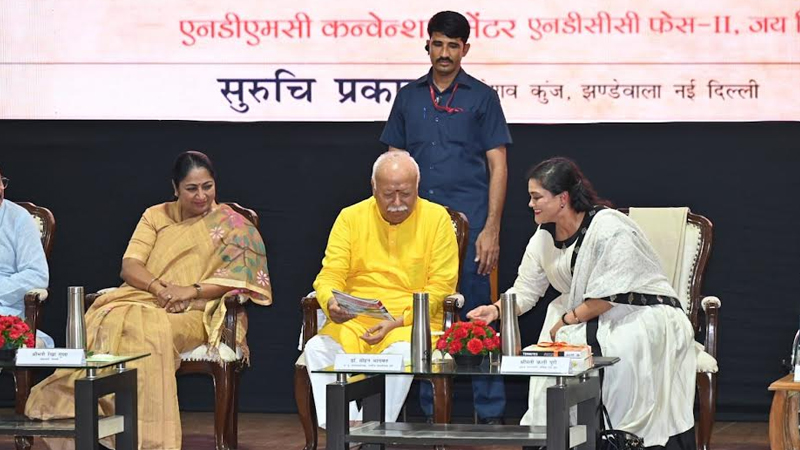
    MUMBAI: When Kalli Purie took the mic, she made sure the Sangh heard more than just polite applause. Speaking in the presence of RSS chief Mohan Bhagwat at the launch of Tan Samarpit, Man Samarpit, a biography of swayamsevak Ramesh Prakash India Today group vice chairperson called for women to find stronger footing in the Rashtriya Swayamsevak Sangh’s leadership structures.

    Purie praised the Sangh’s famed simplicity, discipline, and its unusual ability for century-long planning, referencing its centennial blueprint and Panch Parivartan vision. But she also pushed the envelope, noting that corruption must not be normalised as “a way of life”. She spotlighted India Today’s experiment with Gross Domestic Behaviour (GDB), a metric designed to gauge civic discipline, inclusivity, gender balance, and attitudes towards corruption.

    Her candour drew a direct response from the Sarsanghchalak himself. Bhagwat stressed that true social transformation cannot come from ideas alone: “Knowledge is not enough. Change comes only when it reflects in the swayamsevak’s life through discipline, example, and practice.”

    On the question of women’s representation, he pointed to the Rashtra Sevika Samiti, the women’s wing founded in 1936, which he described as running in parallel to the RSS. “Wherever there are swayamsevaks, women are alongside,” he said, adding that in many regions, women are invited into core meetings, their proposals are included, and their role in decision-making is expanding. “Fifty per cent of society cannot be kept outside,” he underlined, while noting that processes differ across states, which he framed as a mark of the Sangh’s evolving nature.

    Yet Bhagwat also added a note of balance: “Rashtra seva should never come at the cost of family duties. The two are complementary, not contradictory.”

    Between Purie’s call for parity and Bhagwat’s emphasis on gradual adaptation, the evening turned into more than just a book launch, it became a mirror to the Sangh’s ongoing conversation about gender, governance, and the path to social change.

  • Central government  drives Bind scheme with Rs 2,539 crore push

    Central government drives Bind scheme with Rs 2,539 crore push

    NEW DELHI: India’s public broadcasters are in the middle of their most ambitious revamp in decades. The government told Parliament this week that its Broadcasting Infrastructure and Network Development (Bind) scheme — approved for 2021–26 with an outlay of Rs 2,539.61 crore — is advancing on schedule, with close to Rs 981 crore already spent.

    The five-year programme is designed to modernise Doordarshan and Akashvani (All India Radio) with digital transmission, high-definition studios, new FM towers and a wider footprint in border, tribal and left-wing extremism–affected regions. The ministry said no major funds have lapsed, though procurement delays occasionally slowed spending, now being addressed through tighter monitoring.

    One of Bind’s biggest successes is the expansion of DD Free Dish, India’s only free-to-air DTH service. Channel count has surged from 104 in 2019 to 510 today, including 92 private broadcasters, 50 Doordarshan services and 320 educational channels. Popular Akashvani stations such as FM Gold, Rainbow and Vividh Bharati are also available on the platform, making free access to information and entertainment more widely available.

    Akashvani’s terrestrial coverage now spans 90 per cent of India’s geography and 98 per cent of its population. Alongside its traditional FM network, more than 260 AIR channels are now accessible through the NewsonAIR mobile app. To further strengthen reach, 59 new FM transmitters have been approved under the scheme.

    In parallel, Prasar Bharati has entered the OTT space with Waves, launched in 2024. The digital platform aggregates infotainment, news, education and cultural content, and integrates feeds from Doordarshan and AIR. Officials say Waves is helping extend public broadcasting to younger, mobile-first audiences and to Indians overseas.

    The Bind scheme, covering all states, represents an attempt to reposition public service broadcasting in a hyper-fragmented media market.

    For New Delhi, the strategy is as much about access as it is about influence — ensuring that public broadcasting reaches underserved communities while competing with private players on technology and content.