
Fiction
Universal Music buys 30% of Excel Entertainment


MUMBAI: Universal Music Group has stepped deeper into India’s entertainment business, acquiring a 30 per cent stake in Mumbai-based production house Excel Entertainment.
The deal, executed through Universal Music India, values Excel at Rs 2,400 crore, or about $290 million, and establishes a long-term strategic partnership spanning films, series and music. Universal becomes a significant minority shareholder, while Excel’s founders Ritesh Sidhwani and Farhan Akhtar retain creative control of the studio.
Music sits at the centre of the agreement. Universal will receive global distribution rights for all future original soundtracks from projects owned or controlled by Excel. The partnership also includes the launch of a dedicated Excel music label, to be distributed worldwide by Universal Music Group, along with an exclusive publishing tie-up with Universal Music Publishing Group.
In effect, Excel’s upcoming films and shows will now be designed with a global music audience in mind, connecting Indian screen storytelling to international streaming platforms and playlists.
Devraj Sanyal, chairman and CEO of Universal Music India and South Asia, will join Excel’s board as part of the transaction.
For Universal, the investment reflects confidence in India’s screen-led music economy. India is currently the world’s 15th-largest recorded music market, with growth driven by the close relationship between films, series and soundtracks. The country has more than 375 million OTT viewers and around 650 million smartphone users, making audio-visual content a powerful driver of music discovery.
Film music in India often enjoys a long afterlife, replayed well beyond theatrical or streaming runs. By partnering directly with a content studio, Universal gains early access to soundtracks with cultural staying power.
Morgan Stanley advised Excel on the transaction. Legal counsel was provided by AZB and Partners for Universal Music Group and Khaitan and Co for Excel, with Ernst and Young and KPMG acting as transaction advisers.
Founded in 1999, Excel Entertainment has shaped modern Hindi cinema with iconic films like Dil Chahta Hai, Zindagi Na Milegi Dobara and Gully Boy, which brought India’s hip-hop heartbeat to the big screen. On the digital front, the studio has redefined storytelling with series such as Inside Edge, Mirzapur, Made in Heaven, Dahaad and Netflix’s Dabba Cartel.
The two companies said that further details about the new music label and the first wave of soundtracks will be revealed in the months ahead, promising a blend of cinematic storytelling and chart-worthy melodies. With this partnership, Indian stories are set to travel far beyond their origins, finding their way into hearts, headphones, and screens across the globe, carrying with them the rhythm, energy, and soul of a vibrant entertainment landscape.












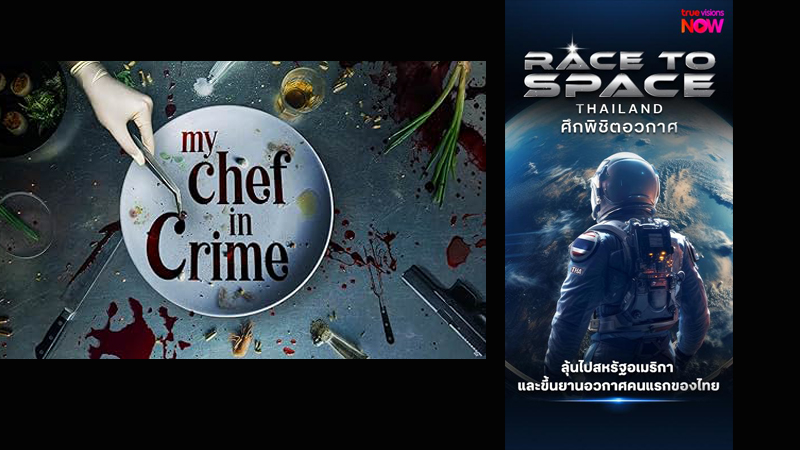
BANGKOK: CreAsia Studios is stretching the boundaries of Asian entertainment—from the crime lab to outer space.
At the True Visions Now event in Bangkok, the Banijay Asia–EndemolShine India-backed studio unveiled two sharply contrasting yet equally ambitious projects, signalling its intent to push format innovation across scripted and unscripted television.
The first, My Chef In Crime, is an original crime thriller that fuses forensic science with food. Set against the backdrop of diverse Asian culinary cultures, the series explores how culinary science intersects with crime-solving, offering a fresh spin on the well-worn investigative genre. Backed by a strong cast, the show promises high suspense, originality and a distinctly regional flavour rarely seen in crime drama.
The second reveal went even bigger. Race to Space – Thailand is a reality series with a literal mission: to find and send the first Thai citizen into space. Designed as both entertainment and national milestone, the show will see Thai participants compete for the chance to become astronauts, turning space travel from distant aspiration into televised reality. The project is being developed in collaboration with the Space Exploration and Research Agency.
Both shows have been in development for some time, and the Bangkok event marked the first public unveiling of images and teasers, offering an early glimpse into their scale and ambition.
Deepak Dhar, founder and group ceo of Banijay Asia and EndemolShine India, described the moment as a milestone for CreAsia Studios, pointing to the breadth of storytelling, from grounded, science-led crime to aspirational, future-facing reality—as a reflection of where Asian content is headed.

From dissecting crimes through cuisine to launching dreams into orbit, CreAsia’s message is clear: safe bets are out, bold formats are in—and the ambition is only getting bigger.
MUMBAI: Shemaroo Entertainment’s long-running pivot to digital is showing traction—but not nearly enough to stem the bleeding from its traditional media business.
The Mumbai-based media company reported consolidated revenue of Rs 1,607 million for the December quarter, down 2.25 per cent year-on-year, as a 13.8 per cent jump in digital media revenue failed to offset a 14.4 per cent slide in traditional segments. For the nine months ended December 2025, revenue slipped 7.75 per cent to Rs 4,436 million.
Losses, however, widened sharply. The company posted a consolidated net loss of Rs 554 million for the quarter, compared with a loss of Rs 364 million a year earlier. EBITDA plunged to a loss of Rs 674 million, pushing margins deeper into negative territory, with EBITDA margin deteriorating to minus 41.93 per cent.
For the nine-month period, net loss ballooned to Rs 1,465 million, while EBITDA losses swelled to Rs 1,776 million. Earnings per share for the period stood at minus Rs 53.60, underscoring the scale of the deterioration.
Costs told much of the story. Operational expenses climbed to Rs 1,501 crore in Q3, while employee benefit expenses rose to Rs 360 crore. Finance costs remained elevated at Rs 75 crore for the quarter and Rs 223 crore for the nine months, reflecting sustained balance-sheet stress. Loss before tax widened to Rs 756 crore in the December quarter.
Management attributed the weak performance to a bruising mix of industry headwinds: the return of major broadcasters to FreeDish, an overcrowded sports calendar and persistent softness in FMCG advertising, which hit traditional entertainment revenues hardest. While a recent GST rate cut is expected to stabilise advertising spends, margins are likely to remain under pressure in the near term.
Digital, however, continues to be the clear bright spot. Digital media contributed Rs 807 million in Q3 revenue, lifting its share of the business to 37 per cent, up from 20 per cent in the pre-2018 era. The company’s YouTube network clocked more than 9.5 billion views during the quarter, with Shemaroo FilmiGaane crossing 74 million subscribers and the flagship Shemaroo Entertainment channel topping 61 million.
On the content front, ShemarooMe released six new Gujarati titles across films, web series and plays, including world digital premieres such as Jai Mata Ji Let’s Rock, Auntypreneur, Shubhchintak and Vicki Ki Baraat, as it doubled down on regional and language-led storytelling.
Despite the red ink, the company maintained that much of the pain is accounting-driven. Inventory charge-offs linked to initiatives launched eight quarters ago, it said, have no bearing on content monetisation or free cash generation. The focus now is on shoring up the balance sheet, tightening operations and extracting long-term value from its digital assets.
Standalone numbers mirrored the pressure. Shemaroo Entertainment’s standalone net loss widened to Rs 557 crore in Q3, with nine-month losses touching Rs 1,489 crore, even as standalone revenue for the period reached Rs 4,166 crore.
Beyond the income statement, legal risks continued to loom. GST authorities have raised demands of over Rs 7,025 lakh, alongside penalties exceeding Rs 6,334 lakh, with additional penalties of Rs 133.61 crore each imposed on senior executives. While interim stays were granted by the Bombay high court, an appeal was disposed of in the department’s favour during the quarter. The company has since moved the Goods and Services Tax Appellate Tribunal and filed an updated writ petition, with hearings pending.
The unaudited results were reviewed by the audit committee and approved by the board at a meeting held on January 29, with statutory auditors Mukund M. Chitale & Co issuing a limited review and flagging no material misstatements.
Investors remain unconvinced. The stock closed December at Rs 108.70, well below its 52-week high of Rs 184, and has lagged the Sensex over the past year.
For Shemaroo, the verdict is stark: digital momentum is undeniable, but until legacy media, costs and legal overhangs are brought to heel, the recovery story remains unfinished.
Fiction
Fox Entertainment inks deal with Dhar Mann Studios for slate of 40 scripted vertical-video shows
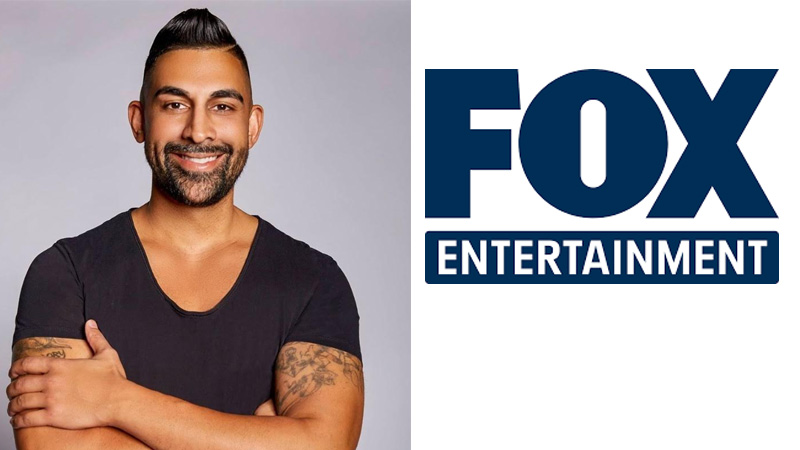
CALIFORNIA: Fox Entertainment is making its boldest play yet in the vertical-video boom, striking a multiyear global partnership with Dhar Mann Studios to produce a slate of 40 original scripted microdramas.
The agreement, announced on Tuesday, marks one of the largest deals ever signed with a creator-led studio. It will see Dhar Mann Studios develop and produce narrative-driven vertical shows exclusively for Holywater’s MyDrama app, with Fox Entertainment Global handling worldwide distribution after the initial release window. The first titles are expected to premiere this spring.
“This is one of the biggest deals in creator history,” Dhar Mann said in a LinkedIn post announcing the partnership. “This is the first time Fox Entertainment has partnered at this scale with a creator-led studio in the vertical space, the first slate partnership between Holywater and a creator studio, and the first time Dhar Mann Studios is opening our universe to a global distribution partner of this magnitude.”
Fox, which took an equity stake in Holywater last year, is positioning vertical storytelling as a core growth engine rather than an experiment. “Dhar Mann’s inspiring, undeniable storytelling excellence and passionate audience have made him one of the most powerful and consequential voices in entertainment today,” said Rob Wade, chief executive of Fox Entertainment. “We’re primed to expand Dhar Mann Studios’ reach by super-serving his new and existing fans everywhere with this all-new, original vertical content.”
Founded in 2018, Dhar Mann Studios has built a multigenerational audience of more than 163 million followers across platforms, generating an estimated 20 billion views. The studio operates a 125,000-square-foot, three-stage production facility in Burbank, California, and has become a force in short-form scripted storytelling built around moral drama and emotional payoff.
Despite Fox’s global reach, Dhar Mann will retain full ownership and creative independence. “Full creative ownership and independence—so our stories stay true to the heart of why people watch,” he said, outlining the deal’s structure.
Reflecting on the journey, Dhar Mann struck a personal note. “When I started making videos from my small living room, I never imagined that one day we’d be collaborating with one of the most iconic entertainment companies in the world. I just wanted to tell stories that helped people feel seen.”
The partnership also marks Dhar Mann Studios’ first formal entry into vertical-first production at scale. To lead the push, the studio recently appointed Erin McFarlane as head of vertical content. McFarlane previously oversaw creative development at vertical-video platform SaltyTV.
Sean Atkins, chief executive of Dhar Mann Studios, said in a joint statement with McFarlane that Fox and Holywater stood out as partners willing to back ambition. “Rob and his team are embracing innovation and investing in it, affording us an unprecedented level of creative autonomy and the resources needed to build something that has never been done before at this scale,” Atkins said.
Holywater’s co-founders and co-chief executives, Bogdan Nesvit and Anatolii Kasianov, called the deal a strategic inflection point. “This represents the first step in our broader strategy to attract global creators and top-tier talent to vertical storytelling at scale,” they said.
Momentum is accelerating. Earlier this month, Ukraine-based Holywater raised $22 million in its largest funding round to date. Fox Entertainment Studios is already producing around 200 original microdramas and vertical series for the platform, alongside projects with other studios and creators.
For Dhar Mann, the message is clear—and pointed at the industry. “Vertical video isn’t just the future,” he said. “It’s the present.”
The phone is now the screen. And Fox is betting that the next global studio will be built one swipe at a time.

Netflix celebrates a decade in India with Shah Rukh Khan-narrated tribute film

Delhivery chairman Deepak Kapoor, independent director Saugata Gupta quit board

Meta appoints Anuvrat Rao as APAC head of commerce partnerships

Brnd.me enters Europe as haircare brands power global expansion

TechnoSport taps quick commerce with launch on Slikk’s 60-minute platform

Jitendra Singh joins Reliance Industries as senior vice president, special projects

Tinder brings real-world dating experiences to North East India

These ’90s fashion trends are making a comeback in 2017
The final 6 ‘Game of Thrones’ episodes might feel like a full season
According to Dior Couture, this taboo fashion accessory is back
The old and New Edition cast comes together to perform
Phillies’ Aaron Altherr makes mind-boggling barehanded play
Uber and Lyft are finally available in all of New York State
Disney’s live-action Aladdin finally finds its stars
Netflix celebrates a decade in India with Shah Rukh Khan-narrated tribute film
Delhivery chairman Deepak Kapoor, independent director Saugata Gupta quit board
Meta appoints Anuvrat Rao as APAC head of commerce partnerships
Brnd.me enters Europe as haircare brands power global expansion
TechnoSport taps quick commerce with launch on Slikk’s 60-minute platform
Jitendra Singh joins Reliance Industries as senior vice president, special projects
Tinder brings real-world dating experiences to North East India
-
 iWorld3 months ago
Tips Music turns up the heat with Tamil party anthem Mayangiren
-
 iWorld12 months ago
BSNL rings in a revival with Rs 4,969 crore revenue
-
 I&B Ministry3 months ago
India steps up fight against digital piracy
-
 MAM3 months ago
HoABL soars high with dazzling Nagpur sebut
-
 iWorld2 days ago
Netflix celebrates a decade in India with Shah Rukh Khan-narrated tribute film
-
 News Broadcasting6 months ago
Wion marks Independence Day with global showcase of India’s spirit
-
 iWorld3 months ago
The Night Manager returns with new secrets, new spies and old scars
-

 I&B Ministry2 months ago
Centre drafts OTT rules to boost access for hearing disabled