
News Headline
The year India’s media industry got its teeth kicked in

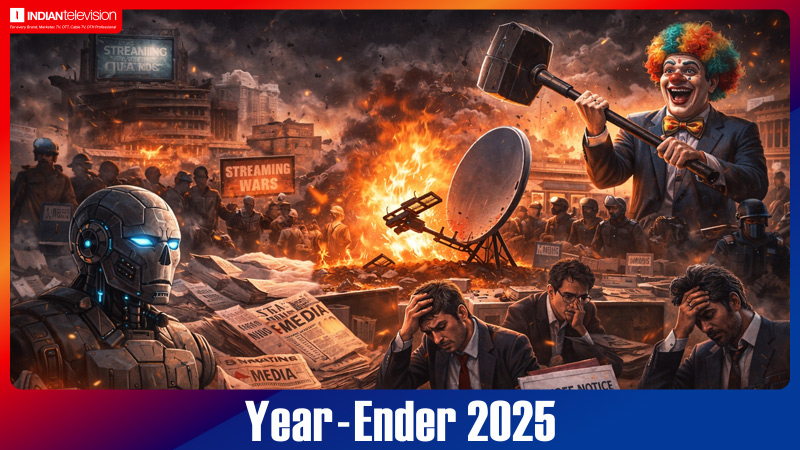
From mass sackings to AI anxiety, streaming wars to regulatory sledgehammers, 2025 was one of corporate pain—with the government playing enforcer, disruptor and occasional clown
MUMBAI: If 2024 was the year of “move fast and break things,” 2025 was the year India’s media and entertainment industry moved fast and broke itself—repeatedly, painfully, and often spectacularly.
This was the year of deep-rooted pain, the kind a rotting tooth delivers whilst stubbornly refusing treatment. Almost every vertical found itself buffeted by sharp-edged transformation that arrived in waves, each more intolerable than the last. The merger of two large broadcasters to form the bloated JioStar? It promptly jettisoned hundreds of employees thanks to duplicated roles. Generative AI? It sent shivers down spines as workers wondered whether their jobs would become redundant by next Tuesday. Streaming services surged across tier-two and tier-three towns, even as most streamers turned tight-fisted on fresh commissions and film acquisitions. The number of series signed up shrivelled like a raisin in the sun. Simultaneously, the pay TV ecosystem shrunk like a punctured balloon at a children’s party.
Then came Donald Trump, slapping high tariffs on Indian goods with the enthusiasm of a gameshow host. Ad budgets in the consumer packaged goods space got slashed. Real-money gaming ad spends—all Rs 7,000-odd crore of them—vanished overnight following a government ban. Broadcasters paid TV producers far less per episode than in the heyday when budgets bulged and everyone pretended the party would never end. All of this compounded into workforce loppings across the entire ecosystem. “Ouch!” everyone yelled in agony. The jobless hunted eagerly for work; many chose to move into other professions entirely, deciding that selling insurance was preferable to waiting for the next round of redundancies.

“2025 has been one of worst years as far back as I can remember for the industry,” says the former chief executive of a large broadcaster, a man who has seen his share of corporate bloodbaths. “Many predicted a rosy year when it started but the wars and Trump put paid to all those predictions. Advertising in India grew a paltry 4-5 per cent. Most of it was captured digitally. So, the likes of TV and radio had to resort to a correction in pricing which then bruised their bottom lines.”
Digital advertising performed strongly in 2025, capturing 44 per cent of the total market at Rs 49,000 crore and marking 20 per cent year-on-year growth. India’s total advertising spending in FY2025 (April 2024-March 2025) reached Rs1,11,000 crore, growing 11 per cent over the previous year. Digital overtook television last year and further extended its lead in 2025. Looking forward, digital ad spends are projected to grow 15 per cent to Rs56,400 crore in FY2026, expanding to 46 per cent of total market share.

The current advertising landscape shows digital dominating at 44 per cent, followed by television at 27 per cent (declining share), print at 18 per cent (declining), OTT at 5 per cent (now tracked as standalone category for first time), out-of-home at 3 per cent, radio at 2 per cent, and cinema at 1 per cent.
Several factors fuelled this growth. India added 56 million new internet users in 2025, taking the total base to 806 million (55.3 per cent penetration). Connected TV reached 40 million users and is projected to hit 50 million in 2026. Social media platforms, video content (especially short-form video), and e-commerce integration drove significant investment. FMCG and eCommerce together contributed 68 per cent of total digital advertising spends. Other strong sectors included finance, media, pharma, technology, gaming, and retail.
Digital out-of-home fared better than the overall industry, proving that people still occasionally venture outdoors and look at things. Print, however, shaved a few points as young India preferred tracking reels and reading news in shorts online, their attention spans now calibrated to Instagram reels time. In contrast to diving DTH and cable TV subscribers, Doordarshan’s free-to-air service FreeDish ballooned to 60 million-plus. It added channels too, the crores of rupees accreting to Doordarshan and Prasar Bharati’s coffers like barnacles on a ship nobody else wanted.
The shift to digital appears irreversible, with programmatic advertising, AI-driven personalisation, and regional language content continuing to reshape how brands reach Indian consumers.
If you wanted to know what slow-motion collapse looks like, you should have spent 2025 working at a television news channel. The year experienced decline and how: ad revenues nosedived, audiences scattered to YouTube and mobile apps like rats from a sinking ship, and the entire edifice of linear broadcasting began to resemble a very expensive museum piece that nobody particularly wants to visit.

Traditional television advertising revenues growth declined sharply in 2025, with overall broadcast ad volumes falling nearly 10 per cent in the first nine months of the year. Broadcasters such as Zee and Sony reported significant drops in ad income, reflecting budget cuts by FMCG clients and the ongoing stampede of ad spends to digital platforms. Within that broader TV ad slowdown, news channels—heavily reliant on ad slots and the goodwill of advertisers who increasingly questioned the return on investment—also faced pressure, with some leading networks seeing year-on-year revenue declines and tighter budgets as category advertisers went cold on the format.
The result? Lower ad yields squeezed profitability harder than a stressed finance director reviewing quarterly numbers. Smaller news channels with less diversified revenue streams were particularly vulnerable, left clutching at scraps whilst the big boys pivoted frantically to digital, hiring consultants and deploying buzzwords with the desperation of drowning men grasping at life rafts.
Recent industry data shows digital media—including news consumption online—overtook linear TV revenues as the largest segment of India’s media and entertainment industry, driven by growth in digital advertising, OTT consumption and social platforms. Whilst this trend was first recorded in 2024, it continued with brutal momentum into 2025, directly affecting linear TV’s share of news audience and advertiser focus. This wasn’t a gradual shift; it was a stampede.
TV news viewership remained significant in certain demographics—older viewers who still understand how remote controls work, regional audiences loyal to their local anchors—but overall attention shifted online to websites, apps, OTT news clips and YouTube channels with the inexorability of continental drift. News networks found themselves under pressure to reallocate resources towards digital platforms and rethink monetisation outside the traditional TV ad model. The problem? Most of them had spent decades perfecting a business model that suddenly looked as relevant as a fax machine at a startup or a telegraph operator at a tech conference.
Audience fragmentation became the new normal, the new reality that nobody particularly wanted but everyone had to accept. The growth of connected TVs, YouTube, mobile news, social platforms and OTT meant news consumption is no longer dominated by broadcast alone. Advertisers increasingly bought digital news video inventory and programmatic impressions, partially diverting traditional TV budgets away from linear news slots to digital and connected TV formats. Translation: the money followed the eyeballs, and the eyeballs had long since left the building, taking their attention spans and purchasing power with them.
Recognising that existing TV rating systems—dominated by BARC’s single measurement approach—were hopelessly outdated, especially in a multi-platform world where people consume news on phones whilst pretending to work, the Indian government moved to revamp viewership measurement. It invited multiple TRP agencies and modern technologies to better reflect cross-platform consumption, including streaming and mobile.
The move could potentially deliver more granular and accurate audience data, helping news broadcasters demonstrate reach and engagement to advertisers, especially amongst younger or digital-learning segments who consider linear television about as relevant as a rotary phone. However, transition pains and industry adoption lag remain formidable challenges. In other words: good idea, shame about the execution, typical government initiative.
Major news broadcasters invested in digital and content-management upgrades, recognising belatedly that digital production and multi-platform distribution are central to sustaining relevance and reducing costs over time. NDTV, for instance, modernised its media asset management system to better handle digital workflows and collaboration on streaming and digital news distribution.
These moves reflect a belated epiphany: adapt or die. The question is whether the investment came too late, whether legacy news organisations have the cultural flexibility to operate like digital natives rather than broadcast dinosaurs with a YouTube channel bolted on like a prosthetic limb, and whether anyone under 35 will ever watch them again.
In September 2025, the GST on larger TVs was cut from 28 per cent to 18 per cent, expected to accelerate adoption of connected and OTT screens—a potential positive for news brands with strong digital and connected TV strategies. The strategic implication? This might help news broadcasters reach audiences on bigger screens via digital platforms, even as linear viewing declines. It’s a lifeline, not a lifeboat, and everyone knows it.
The uncomfortable truth? Television news in India didn’t die in 2025. It just became painfully, publicly irrelevant to anyone under 50 with a smartphone and a data plan. The survivors will be those who realised that “TV news” is now a delivery mechanism, not a destination—and acted accordingly before the ad money ran out entirely.
India now has around 601.2 million OTT users, though the growth rate slowed to 10 per cent this year compared to 13-14 per cent in 2023-2024. The market is maturing as it scales. Total active paid OTT subscriptions reached 148.2 million, including subscriptions through telecom bundles and OTT aggregators. Subscribing households increased from 47 million in 2024 to a projected 65 million by 2027, with total paid subscriptions growing from 111 million to 144 million by 2027.
This was a pivotal year for the business model shift. AVOD (ad-supported) has emerged as the clear winner in India’s price-sensitive market, growing 21 per cent whilst SVOD remained stagnant. Only Netflix operates with a pure SVOD model in India now, whilst Amazon Prime Video introduced its AVOD model in India this year. The OTT video market is projected to reach $4.44 billion in 2025, with video streaming (SVOD) accounting for $2.30 billion. India is set to generate over $3 billion in AVOD revenue by 2029.
The hybrid model is becoming standard, with platforms offering both ad-supported free tiers and premium subscriptions.
Investment in content remained substantial. OTT platforms invested around Rs 55.21 billion, with Netflix, Amazon Prime Video, and Disney+ Hotstar (now JioHotstar) spending a total of Rs 31.55 billion. Some 2,986 hours of content were released by Indian OTT platforms in 2024. Content costs remain platforms’ biggest expense at 65-70 per cent of total spending, creating profitability challenges.
Regional language OTT titles accounted for 52 per cent in 2024, up from 47 per cent in 2022. Nearly 60 per cent of all OTT content consumed is now in regional languages beyond Hindi.
OTT as a standalone category now represents 5 per cent of India’s total advertising market at Rs 5,500 crore, tracked separately for the first time in FY2025. This marks OTT’s emergence as a significant advertising medium.
CTV was the breakout story of 2025. India’s CTV audience grew 85 per cent in just one year, from 69.7 million in 2024 to 129.2 million in 2025. CTV ad spending is projected to reach $395 million by 2027, growing at 47 per cent annually from $86 million in 2023. Delhi NCT, Karnataka, and Maharashtra lead in CTV penetration among their OTT populations. However, 67 per cent of India’s CTV audiences don’t have access to paid streaming content and use CTV devices to stream only free content.
The shift is driven by affordable smart TVs (starting at Rs15,000), better broadband in tier-two and tier-three cities, and the appeal of large-screen co-viewing experiences.
Despite CTV’s growth, mobile remains king. Some 97 per cent of OTT users consume content on smartphones. 81 per cent of Indian OTT audiences use only smartphones to watch online videos. Indian viewers spend around three hours a day streaming content across platforms. Daily time spent on OTT platforms is projected to reach 180 minutes per day in 2025.
The binge-watching culture is firmly established. Squid Game 2 became the most-watched international series with 19.6 million Indian viewers, shattering records. JioCinema’s Bigg Boss OTT Season 3 led with 17.8 million viewers, followed by Netflix’s The Great Indian Kapil Show at 15.7 million. Disney+ Hotstar’s Coldplay concert live stream attracted 8.3 million views with 165 million minutes of watch time.
Consumers increasingly prefer personalised content, with platforms investing heavily in AI-driven recommendations. The pandemic-era shift from 20-minute viewing sessions to hour-long binge sessions has become permanent behaviour.
Market challenges persist: subscription fatigue sees users increasingly cancel services after watching specific shows; profitability pressures mean most platforms remain unprofitable due to high content costs; piracy continues to undermine paid subscriptions; and market fragmentation means too many platforms are competing for attention.
The Indian OTT market in 2025 shows a maturing ecosystem where AVOD is winning the monetisation battle, CTV is revolutionising viewing experiences, regional content is driving engagement, and mobile remains the primary consumption device. The shift from pure SVOD to hybrid models reflects India’s unique, price-sensitive market dynamics.
The theatrical box office served up more flops than hits in absolute numbers. Yes, the hits broke records. So did the flops. But here’s the twist: India’s box office didn’t just recover in 2025; it swaggered back like a protagonist in the third act, flexing its muscles and demanding attention from an industry that had written it off.
The domestic box office earned Rs 5,723 crore in the first half of the year alone, about 14 per cent higher year-on-year. Seventeen films crossed the Rs 100 crore threshold in just six months—up from a mere ten in the same period in 2024. For an industry that spent years fretting about streaming cannibalisation and the death of cinema, this was vindication served with popcorn, butter, and a large dose of “told you so.”
Chhaava, a historical drama, became India’s highest-grossing film of 2025 so far, earning hundreds of crores and drawing such strong theatrical demand that cinemas resorted to extended 24-hour screenings, proving that Indians will queue at ungodly hours for stories that resonate. Dhurandhar arrived as a sleeper hit, gradually picking up pace as the weeks went by to become the biggest grosser of the year with Rs 800 crore at the box office—a reminder that word-of-mouth still matters in an algorithm-dominated world.
Other commercially successful films included Saiyaara and Mahavatar Narsimha, demonstrating that audiences were willing to pay for theatrical content with strong stories or mass appeal, especially when the alternative was another evening scrolling through Netflix’s increasingly threadbare catalogue of originals.
These figures signal that cinema-going remained robust and that quality theatrical content—especially films that became cultural moments, the kind people actually discuss at dinner parties—could still drive large box office numbers. The theatrical business wasn’t just surviving; it was growing, thriving, giving the finger to every analyst who predicted its demise.
Regional language films across South India and other states emerged as key drivers of box office success, outpacing Hindi films in several markets with the efficiency of a well-oiled machine. Films from Telugu, Malayalam, Gujarati, Marathi and other industries achieved significant commercial success, with some regional films collectively earning hundreds of crores domestically and internationally, proving that Bollywood’s stranglehold on Indian cinema had well and truly ended.
The pattern reinforced that audiences now seek diverse, authentic storytelling in languages closer to their culture and identity, rather than the homogenised Hindi-English hybrid that Bollywood has been churning out like sausages from a factory. Partnerships between Bollywood producers and regional industries also grew, signalling a new cross-pollination of production and talent that might—just might—result in better films.
2025 confirmed that India’s movie market is no longer dominated solely by Hindi cinema —regional cinemas are equally powerful and often drive national box office performance, a tectonic shift that has left Mumbai’s film industry nursing its wounded pride and scrambling to collaborate with the very regional industries it once ignored.
Some Hindi films posted big numbers and helped overall box office totals, but the broader trend proved decidedly mixed. Several big-budget Hindi films managed solid returns; others underperformed relative to expectations with the spectacular failure rate of a poorly planned rocket launch, indicating uneven appetite for mainstream Hindi content that too often felt like reheated leftovers.
Hindi film producers increasingly collaborated with regional industries or incorporated talent from different regions to widen appeal, finally recognising that India is not just Mumbai and Delhi. Hindi cinema remained a major component of Indian movies, but its share of the total market continued to adjust in the context of strong regional performance—a humbling experience for an industry that considered itself the centre of the universe.
After successful theatrical runs, many films secured digital rights and OTT premieres, illustrating a continuing but evolving theatrical-to-digital release model. Pawan Kalyan’s They Call Him OG moved to Netflix after theatre success, for instance. However, there was a renewed emphasis on theatrical revenue, as producers recognised that digital and satellite rights were not always compensating for production cost escalations, especially when streamers had tightened their purse strings tighter than a miser’s grip.
Theatrical windows regained ground in importance, even as OTT remained a key secondary distribution and audience discovery platform. The hierarchy had been re-established: theatres first, streaming later, and everyone seemed happier with this arrangement—except perhaps the streamers, who were quietly realising that buying everything in sight wasn’t actually a sustainable business model.
Hollywood releases expanded their footprint in India with the subtlety of a colonial power discovering a new market, with industry analysts expecting Hollywood’s share of the Indian box office to rise above 20 per cent in 2025, up from under 10 per cent previously. Blockbusters with popular franchises and dubbed releases fuelled this growth. Films like Avatar: Fire and Ash, Marvel titles and other Hollywood tentpoles performed well, drawing multiplex audiences and diversifying the types of films that Indians will pay to see on the big screen.
The Indian market became more global and competitive, with Hollywood leveraging local language releases and premium formats to drive box office traction. The message was clear: Indian audiences will watch anything—provided it’s good, well-marketed, and available in their language. Nationalism only extends so far when there’s a lightsaber involved.
Producers focused more on high-quality scripting, pan-Indian marketing and star packaging, finally realising that audiences aren’t idiots who’ll watch any old rubbish just because a famous face is attached. Experimentation with genre—historical epics, local storytelling—and mid-budget films that punched above their weight contributed to box office diversity. Investment and production models evolved, with a trend towards multi-language releases and simultaneous pan-Indian distribution.
The message from the box office is unambiguous: reports of cinema’s death were greatly exaggerated by people who should have known better. Whilst television news channels watched their audiences flee to mobile screens like passengers abandoning a sinking ship, cinema halls proved that nothing beats watching stories unfold on a screen the size of a building—especially when those stories speak your language and tell your tales. In 2025, the multiplex won. Now pass the samosas.
If the media ecosystem was having a bad year, New Delhi spent twelve months making it considerably worse—with a sledgehammer, a rulebook, and the zeal of a prohibitionist discovering a speakeasy. The government moved faster than anyone expected, fixing problems with the subtlety of a drunk uncle at a wedding who’s decided it’s time to share some “home truths.”
The year began with a bit of good cop, bad cop for the streaming giants. The good news: the government reaffirmed that the Central Board of Film Certification would keep its scissors away from the streaming world, at least for now. Netflix, Disney+ Hotstar and Amazon Prime remain under the jurisdiction of the IT Rules, 2021, rather than the dusty Cinematograph Act that governs theatrical releases.
The bad news? The ministry of information and broadcasting isn’t just watching; it’s blocking with the enthusiasm of an overzealous firewall. In a brisk spring cleaning, the ministry directed internet service providers to block over 40 platforms for “obscene and vulgar” content—terms so vague they could mean anything from actual pornography to a scene where someone’s ankle is visible. For the big players, the message was clear: you don’t need a censor’s certificate, but push the envelope too far and the envelope will be shredded, burned, and buried in an unmarked grave.
The real bloodbath occurred in August with the Promotion and Regulation of Online Gaming Act, 2025. In one fell swoop, Parliament effectively nuked the real-money gaming industry with the precision of a surgical strike and the collateral damage of a carpet bombing. Fantasy sports, rummy and poker platforms—the darlings of the venture capital world, the startups that raised billions and promised the moon—were told that “games of skill” involving cash are now about as legal as a three-card monte on a Mumbai pavement.

The winners: e-sports and educational games, finally getting a legal hug and their own regulatory authority, like the studious child who gets praised whilst the troublemaker gets grounded. The losers: Flutter Entertainment and its ilk, currently staring at massive writedowns and a “game over” screen on their Indian balance sheets that makes their shareholders want to cry into their quarterly reports.
The state’s digital reach extended further with the Sahyog platform, a centralised takedown mechanism that allows the government to yank content off the web faster than you can say “due process” or “freedom of expression.” Whilst the state calls it efficiency and a necessary tool for maintaining order, digital rights groups call it a chokehold, censorship by another name, and a worrying precedent for a democracy.
Meanwhile, the Digital Personal Data Protection Act, 2023, finally began to bite after years of being all bark and no bite. Newsrooms are twitching over exemptions that could turn the Right to Information into the Right to Ignorance, a transformation that would make Orwell nod approvingly. To cap it all off, the Right to Disconnect Bill is doing the rounds, threatening to give production assistants the unthinkable luxury of not answering their phones at 3am when their boss has a brilliant idea that definitely can’t wait until morning.
On the regulatory and legal front, enforcers went into overdrive with the enthusiasm of newly promoted traffic wardens. Dentsu blew the whistle on an alleged TV air time price-fixing racket involving certain media agencies and broadcasters, a scandal that sent shockwaves through an industry that thought such behaviour was just “business as usual.” That got the Competition Commission of India to raid several agencies’ and broadcasters’ offices—an investigation continuing to date, with participants nervously checking their legal bills and updating their CVs.
From the government’s perspective, its big play in 2025 was the Waves initiative—prime minister Narendra Modi’s toolkit to increase India’s soft power through entertainment globally, to make India the cultural superpower it believes it deserves to be. How did it turn out? About as well as most government initiatives that look brilliant on PowerPoint and mediocre in execution.
Whilst well-intentioned, and whilst the government crowed about its success as it flew down hundreds of foreign buyers to India’s shores, those who actually participated held a rather different opinion. A lack of proper organisation and an attempt to fit everything into Waves—from film screenings to panel discussions to networking events—made it a hotchpotch affair, a confused mess that nobody could quite navigate.
To top it all, there were no guides or signposts, leading to considerably more confusion as foreign buyers wandered around asking where things were and getting shrugs in response. In the process, it ended up being far less effective than it could have been, a missed opportunity that stings all the more because the potential was genuinely there. All in all, it resulted in some taxpayers’ money going down the toilet—not a fortune, but enough to make one wince. It also launched its Waves OTT platform and is investing in upgrading its infrastructure nationally wherever needed, initiatives that might bear fruit eventually.
The Indian advertising industry finally woke up in 2025 with a hangover of epic proportions, the kind that makes you question every life choice that led to this moment. After a decade-long bender on the cheap rotgut of “performance marketing” and “infinite scale,” the maths stopped mathing. Click-throughs became trickles, customer acquisition costs hit the stratosphere, and the much-hyped “digital transformation” began to look suspiciously like a very expensive treadmill that goes nowhere whilst burning money at an alarming rate.
It wasn’t a collapse; it was a cold-shower recalibration, a moment of clarity that arrives when the party ends and someone turns the lights on. The industry didn’t just lose its lunch; it lost its certainty, its swagger, its conviction that throwing money at Facebook ads would solve every problem from brand awareness to existential dread.
The year’s biggest headline was a global earthquake with a massive Indian aftershock. Omnicom swallowed Interpublic Group for a cool $13.5bn, a deal that turned the agency landscape into a game of Highlander—there can be only one, and everyone else gets their head chopped off. Historic mastheads like DDB, FCB and MullenLowe were unceremoniously put out to pasture, folded into the belly of the new beast like so many corporate acquisitions before them, their legacies reduced to footnotes in press releases.
In India, the fallout was swift and brutal. Headcount was “rationalised”—the industry’s favourite euphemism for the bin, for redundancy notices, for “we’re letting you go”—with an estimated 4,000 to 10,000 jobs axed globally. Locally, Ogilvy India trimmed its sails, shedding dozens of roles as the WPP mothership also felt the pinch of a market that had stopped growing and started questioning everything.
Even the taxman joined the party, because no crisis is complete without regulatory scrutiny: the Competition Commission spent the year raiding the likes of GroupM and Publicis, sniffing around for price collusion like a bloodhound on the scent. Being an adland boss in 2025 wasn’t a job; it was a high-stakes game of dodgeball played with lawsuits, redundancy packages, and the constant fear that the next quarter would be even worse.
The era of the “one-off reel” died a quiet, cringe-inducing death that nobody mourned. Brands realised that paying a gym-bro to hold a protein shake for 15 seconds whilst grinning inanely wasn’t “marketing”—it was a donation to someone’s mortgage fund, a waste of money that delivered precisely nothing in return.
The power shifted to creators who actually own their audiences, who’ve built communities through years of consistent content rather than one-off brand deals. These creators stopped being tactical add-ons—the sprinkles on the marketing cake—and became the distribution strategy itself, often bypassing agencies entirely to negotiate directly with brands who suddenly realised they didn’t need the middleman.
The pivot: influencer marketing matured into creator-led intellectual property, partnerships that actually meant something. The pain: agencies scrambled desperately to justify their 15 per cent cut when the creator and the brand manager were already in the DMs, cutting deals and planning campaigns without agency involvement. The traditional value chain had been disrupted, and nobody was quite sure how to put it back together.
Generative AI stopped being the “cool new thing” at conferences—the buzzword that got panels and keynote speeches—and became the invisible plumbing of the office, the tool everyone uses but nobody talks about. It didn’t replace the “mad men,” the creative geniuses who come up with campaigns that change culture. But it certainly murdered the “mediocre juniors,” the entry-level employees whose main skill was executing instructions competently but without flair.

By mid-2025, AI was handling the drudgery—copy variations, media simulations and rapid prototyping—at a fraction of the cost and twice the speed. Execution was commoditised; if your only skill was “making the logo bigger” or “writing 50 headlines that all sound vaguely the same,” the robots took your seat, your desk, and your future.
The most profound shift was psychological rather than technological. For years, the “ROAS dashboard”—return on ad spend, the holy grail of performance marketing—was the industry’s North Star, the metric that mattered above all others. But in 2025, marketers realised that efficiency alone doesn’t build a brand; it just optimises its decline, creating a race to the bottom where nobody wins.
Upper-funnel spending—the stuff that actually makes people feel something, that builds emotional connections rather than just driving clicks—made a tentative comeback on connected TV and streaming platforms. However, the “premium halo” of streaming evaporated faster than morning dew. Advertisers now demand hard-nosed accountability for every rupee spent on Netflix or JioHotstar, treating streaming inventory with the same scepticism they once reserved for banner ads.
Reports of print’s death have been greatly exaggerated—again. Whilst everyone was busy writing obituaries and planning the funeral, India’s newspaper industry spent 2025 doing something unexpected: surviving. Not thriving, mind you. Not swaggering about like it owns the place. But surviving with the grim determination of a cockroach that’s outlasted nuclear winter and decided it quite likes the post-apocalyptic landscape.
After years of decline, digital disruption, and breathless predictions that newspapers would vanish like morning mist, print advertising stabilised and even—brace yourself—grew modestly. According to TAM AdEx data, print ad space increased by approximately 3 per cent per publication in January to September 2025 compared with the same period in 2024, a marker of advertiser confidence returning to the medium like a prodigal son who’s finally realised home wasn’t so bad after all. Strong categories included education, automotive and services—sectors that apparently still believe in the quaint notion that people read newspapers.
GroupM forecasts for 2025 suggest print advertising spend was expected to grow around 4 per cent, maintaining a roughly 10 per cent share of total Indian ad expenditure—a meaningful base in a market dominated by digital platforms that measure everything in microseconds and impressions. For an industry that’s been declared dead more times than a horror movie villain, this counts as a win.
For some publishers, quarterly print ad revenues were volatile, a rollercoaster that made finance directors reach for the antacids. HT Media’s print ad revenue, for instance, dipped approximately 3 per cent in Q4 FY25 compared to the prior year, reflecting seasonal or cyclical pressures that nobody quite understands but everyone pretends to predict. The bottom line: after years of decline and digital disruption that felt like watching a slow-motion car crash, print ad growth in 2025 was positive though modest, indicating that advertisers still value the medium for certain campaigns and sectors where digital’s scattergun approach doesn’t cut it.
Whilst digital news consumption continues to attract eyeballs like moths to a particularly bright flame, print circulation didn’t collapse—a development that surprised absolutely everyone who’d been predicting its imminent demise since approximately 2010. Industry data suggests circulation trends were relatively stable and better than many had assumed, part of a broader media mix rather than a sunset medium limping towards obsolescence.
Some premium publications reported English circulation rising slightly, even as certain regional languages faced minor declines, highlighting uneven but overall stable print readership. The implication: readership erosion has slowed to a crawl; loyalty among core audiences remains meaningful, particularly amongst older demographics who still believe that news should come on paper and that screens are for watching cricket.
Print continues to be ad revenue dominant, often contributing approximately 68-70 per cent of total print income, with subscription and circulation making up a smaller slice—the runt of the revenue litter. Subscription revenue in some cases was under pressure, with slight declines in certain periods, a reminder that consumers still weigh the value of physical newspapers against free or low-cost digital alternatives that don’t require them to leave the house or interact with a newspaper wallah.
The challenge remains: convincing people to pay for content they can access for free requires either exceptional quality or a readership that hasn’t quite grasped how the internet works. Print publishers are banking on the former whilst quietly grateful for the latter.
In late 2025, the Government of India approved a roughly 26 per cent increase in the rates paid for government advertisements in print media, effective December 1, 2025. This was intended to bolster newspaper revenue amidst rising costs and digital competition—essentially a subsidy wrapped in bureaucratic language and delivered with the efficiency India’s government is famous for.
Why it matters: government advertising is often a significant revenue source for print—especially regional and local publications that depend on official notices, tender announcements, and the various proclamations that governments feel compelled to publish. Rate hikes can materially support financial viability, the difference between survival and closure for publications operating on margins thinner than newsprint itself.
According to industry commentators, 2025 was described as “the year that finally played to print’s strengths”—a statement that would have seemed laughable in 2020 when everyone was convinced newspapers would be extinct by mid-decade. Traditional scepticism about the medium’s decline softened as policy support, credible readership measurement and stable advertiser interest helped sustain the segment.
Despite digital media’s dominance—expected to take a 60 per cent-plus share of total ad spends, the lion devouring the ecosystem—print continued to carve out a reliable niche, especially in sectors that value deep engagement and precise demography. Education advertisers targeting parents who still read newspapers. Automotive companies reaching affluent households. Services targeting demographics that prefer paper to pixels.
Print found its role: not the star of the show, but a reliable character actor who shows up, does the job, and doesn’t demand top billing. It’s unglamorous, but it pays the bills.
Digital competition remains the elephant in the newsroom, the reality that nobody can ignore no matter how hard they try. Large advertisers continue shifting budgets to digital platforms where targeting and performance measurement are sharper, more precise, more data-driven than anything print can offer. This puts structural pressure on print’s share of total ad dollars, a slow bleed that can’t be stopped, only slowed.
Circulation decline among younger cohorts presents a long-term existential threat. Many younger readers gravitate towards mobile and social news, their attention spans calibrated to TikTok time and their news consumption habits formed entirely online. This causes long-term concerns about continued growth in print readership beyond traditional demographics—the uncomfortable truth that when today’s 60-year-old newspaper readers die, nobody’s replacing them.
Profitability pressures persist like a low-grade fever that won’t break. Rising newsprint and distribution costs, combined with slower subscription growth, mean publishers still need cost discipline and diversified revenue streams: events, digital subscriptions, branded content, anything that generates income without requiring trees to be pulverised into paper.
Some industry chatter—not fully substantiated in mainstream reporting yet but circulating like a particularly persistent virus—included talk of major restructuring at India’s largest newspaper groups. “Times of India split” rumours circulated on social platforms, tied to perceptions about print deterioration, but there’s no authoritative reporting confirming a major corporate split of the Times Group within 2025. In the absence of facts, speculation flourishes like weeds in an untended garden.
In 2025, Indian print media didn’t reverse decades of digital displacement—but it stabilised, found its footing, discovered a sustainable role that doesn’t require pretending it’s still 1995. With credible readership measurement returning, selective advertising growth in specific categories, and targeted policy support from a government that recognises newspapers still matter politically if not commercially, print carved a sustainable role in the media ecosystem rather than fading away into irrelevance.
Advertisers continued to shift big budgets to digital formats with the enthusiasm of gamblers who’ve found a new casino, but print’s value proposition—trusted context, affluent readership, local depth, the kind of engagement that can’t be measured in clicks—still matters to specific categories. Education institutions targeting parents who make enrollment decisions. Automotive companies reaching households that can afford new cars. Services targeting demographics with disposable income and the habit of actually reading advertisements.
Print is not dead—but it’s firmly a specialist medium, a niche player in an ecosystem it once dominated. The newspapers that survive understand this. They’ve stopped competing with digital on digital’s terms and started emphasising what they do well: credibility, depth, the physical presence that landing on a doorstep delivers. They’ve accepted their diminished role with something approaching grace.
The year 2025 taught the industry a valuable lesson: survival doesn’t require growth, dominance, or reclaiming lost glory. Sometimes survival just requires showing up, doing the job competently, and outlasting the predictions of your demise. Print media managed all three.
The message is clear: whilst television news channels imploded and digital platforms fragmented into oblivion, newspapers quietly persisted, sustained by government support, loyal older readers, and advertisers who still value tangible media. It’s not glamorous. It’s not exciting. But it’s sustainable, which in 2025 counted for rather a lot.
Print’s not dead. It just smells funny, looks tired, and operates on margins that would make a charity wince. But it’s here, it’s functioning, and it’s probably going to outlast several more rounds of “print is dead” predictions from digital evangelists who’ve never actually opened a newspaper. Long live print—or at least, long enough live print. Pass the classifieds.
As the year closes and people take stock, the Indian media and entertainment ecosystem is leaner, meaner and significantly more anxious than it was twelve months ago. The industry has plenty of tools—more data, more platforms, more technology than ever before—but a desperate shortage of trust. Trust in the business model, trust in the regulators, trust that next year won’t be even worse.
Regulation is sharper, wielded with increasing frequency by a government that’s decided it knows best. Attention is scarcer, fragmented across so many platforms that reaching anyone feels like shouting into a hurricane. And risk is the new four-letter word, the thing that keeps executives awake at night and makes lawyers very wealthy.
Economic headwinds—weaker FMCG budgets and broader shifts towards digital advertising—hit traditional TV ad revenues hard in 2025, including news channels that had grown fat and complacent. Structural change saw digital overtake TV across most revenue and audience metrics, forcing news broadcasters to evolve beyond linear schedules or face extinction. Reforms around TRP systems and investment in digital workflows suggest news networks are positioning for a future where multi-platform presence and data-driven monetisation matter most—assuming they survive long enough to see that future.
Cinema halls and live audiences reasserted their importance in 2025, proving that theatrical experiences still matter. Meaningful box office numbers returned, and producers increasingly structured releases to prioritise theatrical performance. Beyond big city multiplexes, local language films demonstrated broad appeal, reshaping release calendars and revenue expectations. Films succeeded with hybrid revenue models—theatrical first, then OTT and satellite—ensuring wide reach and monetisation.
2025 proved that you can automate a workflow, but you can’t automate a soul. You can optimise efficiency until the spreadsheet sings, but you can’t optimise meaning, connection, the thing that makes people actually care. The winners of 2026 won’t be the ones with the best algorithms or the biggest budgets, but the ones with the thickest skin and the clearest heads, the ones who understand that media is ultimately about humans connecting with humans.
Indian media hasn’t lost its spark; it’s just forgotten where it put the matches—and someone nicked the lighter fluid whilst everyone was checking their redundancy packages, updating their LinkedIn profiles, and wondering whether they should have chosen a different career. The fires will burn again. They always do. But first, someone needs to find those matches.
NOTE: The images in this article are AI-generated and are intended for representational purposes only.








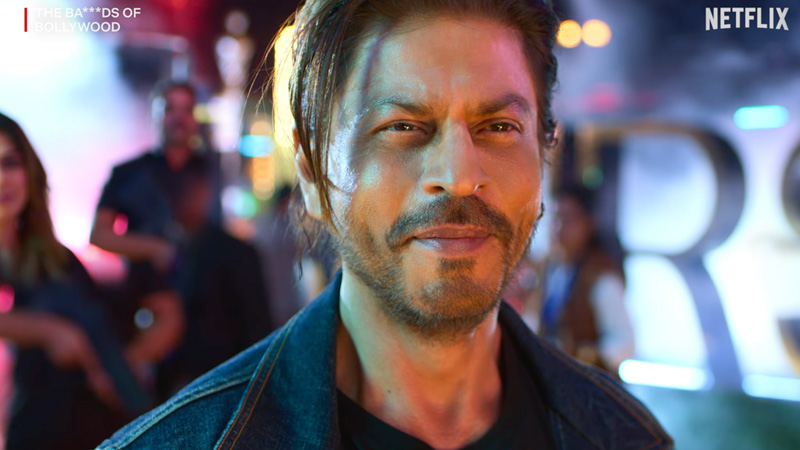
MUMBAI: Netflix is celebrating ten years in India with a slick anniversary film voiced by Shah Rukh Khan, a nostalgic sprint through a decade that rewired how the country watches stories. The campaign doubles as both tribute and reminder: streaming did not just enter Indian homes, it quietly rearranged them.
Roll back to 2016 and television still dictated schedules. Viewers waited weeks, sometimes months, for favourite films to appear on prime time. Family-friendly filters narrowed options further, and piracy often filled the gaps. Then Netflix arrived, softly but decisively, carrying a catalogue of international titles rarely seen in Indian theatres and placing them a click away. Old blockbusters and new releases suddenly coexisted on the same digital shelf.
The platform’s real inflection point came in 2018 with Sacred Games, a breakout series that refused to dilute India’s grit for global comfort. Audiences embraced its unvarnished tone, signalling readiness for stories that did not need box-office validation or censorship compromises. What followed was a steady procession of relatable narratives. Competitive-exam anxiety fuelled Kota Factory. College relationships unfolded in Mismatched. Everyday pressures, not grand spectacle, proved bankable.
Language barriers thinned as foreign series arrived with Hindi, Tamil and Telugu dubbing, expanding viewership beyond urban English-speaking pockets. Marketing mirrored the shift. For global releases such as Squid Game, Netflix leaned on regional creators and influencers to localise buzz and make international content feel native.
The library widened beyond fiction. Documentaries stepped out of festival circuits into living rooms. Stand-up comedians found scale. Established filmmakers, including Sanjay Leela Bhansali with Heeramandi, embraced the platform’s long-form canvas. Subscriber numbers swelled to 12.37 million in India, according to Demandsage, and behaviour followed suit. Late-night binges became routine. Friday release rituals loosened. Watch parties turned solitary screens into social events.
Economics demanded adjustment. Early subscription pricing carried a premium aura that deterred many households. Over time, Netflix recalibrated plans to align with Indian spending sensibilities, conceding that accessibility is as critical as content. To extend momentum around marquee titles, the platform also experimented with split-season releases, stretching anticipation and watch time.
The anniversary film, narrated by Shah Rukh Khan, captures the linguistic shift that mirrors the cultural one: from “Netflix pe kya dekha?” to “Netflix pe kya dekhein?” The question moved from recounting the past to planning the next binge. In ten years, Netflix morphed from foreign entrant to familiar fixture, exporting Indian stories abroad while importing global ones home. The remote no longer waits; it chooses, clicks and moves on. In the streaming age, patience is out, playlists are in, and the next episode is always one tap away.
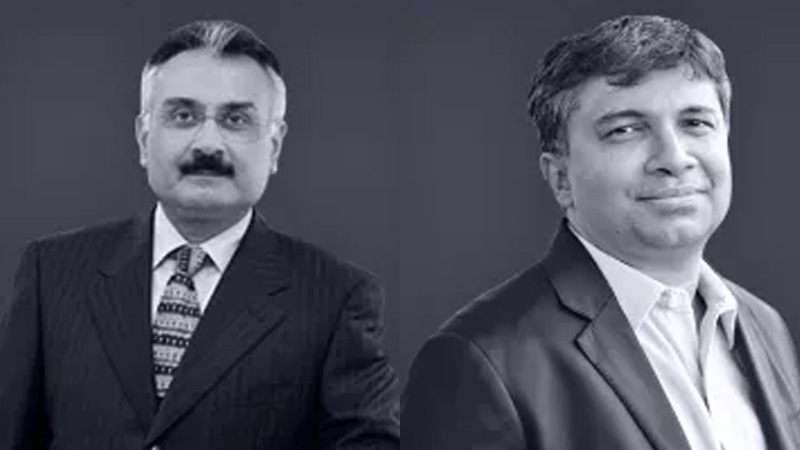
Gurugram: Delhivery’s boardroom is being reset. Deepak Kapoor, chairman and independent director, has resigned with effect from April 1 as part of a planned board reconstitution, the logistics company said in an exchange filing. Saugata Gupta, managing director and chief executive of FMCG major Marico and an independent director on Delhivery’s board, has also stepped down.
Kapoor exits after an eight-year stint that included steering the company through its 2022 stock-market debut, a period that saw Delhivery transform from a venture-backed upstart into one of India’s most visible logistics platforms. Gupta, who joined the board in 2021, departs alongside him, marking a simultaneous clearing of two senior independent seats.
“Deepak and Saugata have been instrumental in our process of recognising the need for and enabling the reconstitution of the board of directors in line with our ambitious next phase of growth,” said Sahil Barua, managing director and chief executive, Delhivery. The statement frames the exits less as departures and more as deliberate succession, a boardroom shuffle timed to the company’s evolving scale and strategy.
The resignations arrive amid broader governance recalibration. In 2025, Delhivery appointed Emcure Pharmaceuticals whole-time director Namita Thapar, PB Fintech founder and chairman Yashish Dahiya, and IIM Bangalore faculty member Padmini Srinivasan as independent directors, signalling a tilt towards consumer, fintech and academic expertise at the board level.
Kapoor’s tenure spanned Delhivery’s most defining years, rapid network expansion, public listing and the push towards profitability in a bruising logistics market. Gupta’s presence brought FMCG and brand-scale perspective during a period when ecommerce volumes and last-mile delivery economics were being rewritten.
The twin exits, effective from the new financial year, underscore a familiar corporate rhythm: founders consolidate, veterans rotate out, and fresh voices are ushered in to script the next chapter. In India’s hyper-competitive logistics race, even the boardroom does not stand still.
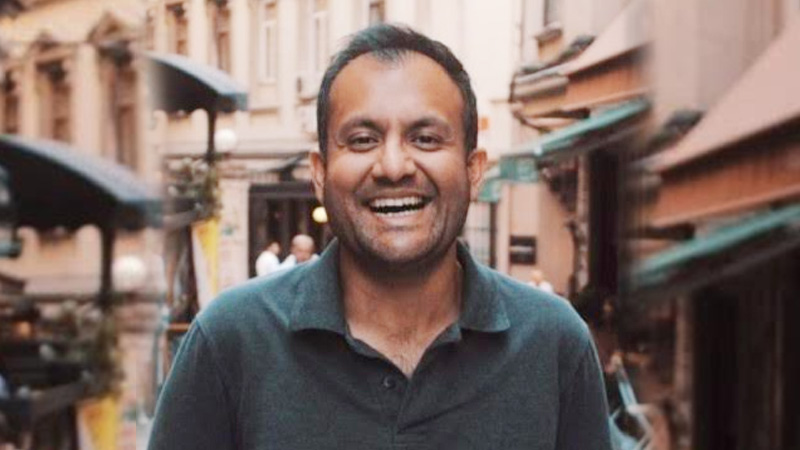
At Locofy.ai, Rao helped convert a three-year free beta into a paid engine, clocking 1,000 subscribers and 15 enterprise clients within ten days of launch in September 2024. The low-code startup, backed by Accel and top tech founders, is famed for turning designs into production-ready code using proprietary large design models.
Before that, Rao founded generative AI venture 1Bstories, which was acquired by creative AI platform Laetro in mid-2024, where he briefly served as managing director for APAC. Alongside operating roles, he has been an active investor and advisor since 2020, backing startups such as BotMD, Muxy, Creator plus, Intellect, Sealed and CricFlex through a creator-economy-led thesis.
Rao spent over eight years at Google, holding senior partnership roles across search, assistant, chrome, web and YouTube in APAC, and earlier cut his teeth in strategy consulting at OC&C in London and investment finance at W. P. Carey in Europe and the US.

Netflix celebrates a decade in India with Shah Rukh Khan-narrated tribute film

Delhivery chairman Deepak Kapoor, independent director Saugata Gupta quit board

Meta appoints Anuvrat Rao as APAC head of commerce partnerships

Brnd.me enters Europe as haircare brands power global expansion

TechnoSport taps quick commerce with launch on Slikk’s 60-minute platform

Jitendra Singh joins Reliance Industries as senior vice president, special projects

Tinder brings real-world dating experiences to North East India

These ’90s fashion trends are making a comeback in 2017
The final 6 ‘Game of Thrones’ episodes might feel like a full season
According to Dior Couture, this taboo fashion accessory is back
The old and New Edition cast comes together to perform
Phillies’ Aaron Altherr makes mind-boggling barehanded play
Uber and Lyft are finally available in all of New York State
Disney’s live-action Aladdin finally finds its stars
Netflix celebrates a decade in India with Shah Rukh Khan-narrated tribute film
Delhivery chairman Deepak Kapoor, independent director Saugata Gupta quit board
Meta appoints Anuvrat Rao as APAC head of commerce partnerships
Brnd.me enters Europe as haircare brands power global expansion
TechnoSport taps quick commerce with launch on Slikk’s 60-minute platform
Jitendra Singh joins Reliance Industries as senior vice president, special projects
Tinder brings real-world dating experiences to North East India
-
 iWorld3 months ago
Tips Music turns up the heat with Tamil party anthem Mayangiren
-
 iWorld12 months ago
BSNL rings in a revival with Rs 4,969 crore revenue
-
 I&B Ministry3 months ago
India steps up fight against digital piracy
-
 MAM3 months ago
HoABL soars high with dazzling Nagpur sebut
-
 News Broadcasting6 months ago
Wion marks Independence Day with global showcase of India’s spirit
-
 iWorld2 days ago
Netflix celebrates a decade in India with Shah Rukh Khan-narrated tribute film
-
 iWorld3 months ago
The Night Manager returns with new secrets, new spies and old scars
-

 iWorld2 weeks ago
Pocket FM brings Marvel heroes to Hindi audio series