
Content Hub
The Content Hub: Broadcasters are averse to experimenting with content

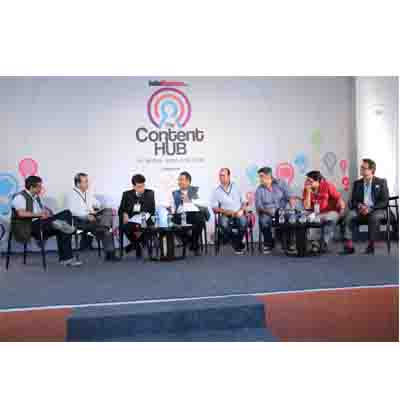
MUMBAI: The first edition of Indiantelevision.com’s The Content Hub saw a full panel of broadcasters, producers and writers discussing how to change the dynamics of TV content. Moderated by Bodhi Tree Multimedia director Sukesh Motwani, the panel consisted of Doordarshan ADG West Mukesh Sharma, Zee TV business head Pradeep Hejmadi, Cinevistaas producer Siddharth Malhotra, Shashi Sumeet Productions co founder Sumeet H Mittal, Satyamev Jayate director Satyajit Bhatkal, Viacom18 head of content regional network Sanjay Upadhyay and writer Purnendu Shekhar.
Motwani started off by asking whether the only model of monetising was through having daily soaps with the 23 minute per episode limitation? Upadhyay responded to this saying that some efforts have been made to break away tried to break away. “For instance, Viacom18, we have attempted to do this with our regional shows with one hour shows run twice a week,” he said. “What we found with this is that the audience’s addiction level isn’t as good as a daily because they are so used to dailies. At the same time, economics do play a big role.”
Motwani further queried if broadcasters could experiment with hour long episodes during weekdays while restricting certain genres to only weekend? Hejmadi pointed out that it isn’t easy to do dailies, as people generally think. “There is a need for change, yes. But the manner of migrating the audience is also needed. Some people have tried that but even then there is a thought process that broadcasters don’t encourage innovation,” he said.

On the other hand Malhotra said that when the 9pm-10 pm time band became successful, the economics improved and after that no one even tried to experiment with hour long episodes. Upadhyay clarified that though the broadcaster makes an effort, the pressure on them is heavy. Shekhar lamented that broadcasters are scared of losing loyal audiences by introducing short stories that conclude in four episodes from Monday to Thursday.
In most shows, the characters drive the shows and shows are scripted accordingly. Hejmadi pointed out that it takes to build characters and promote them amongst viewers to develop stickiness, hence having limited episode shows – like say which run from Monday to Friday does not really work, thanks to the attention deficit among Indian veiwers. even suggested that producers should comHee with their own research insights that they should show broadcasters.
Public broadcaster Doordarshan, on the other hand, tends to look at art, culture and of course literature for inspiration. Sharma said that this was mainly due to them having a different mandate. “For us the universe isn’t between 7pm to 11pm. We also do events such as every second Sunday is a ‘mothers’ day’ where we bring mothers and daughters to talk about them and this makes good money. But we don’t interfere with producer whether or not a show makes money.”
As to Motwani’s question of whether there can be different shows for ‘India’ and ‘Bharat’, Upadhyay said, “Honestly, we don’t try hard enough because we don’t have patience. We shift goal posts depending on hits.”
With a few shows having big names backing them such as Saraswatichandra and Everest, he also went on to say, “The noise that comes out of big shows may amortise costs in a shorter time.”
While format shows are slowly losing audiences in India, the TV community needs to look at other metrics than simple TVTs and TRPs, opined Satyemev Jayate director Bhatkal. “We chose the graveyard slot – Sunday morning – when no one is really watching television to do the show,”he said. “We wanted to reach those viewers who don’t generally watch television, we wanted to encourage appointment viewing. People who would take the trouble to switch on their sets at that early hour. And we apparently did, if we look at the buzz that SMJ generated online. And this is what sellers of channels also need to do, show the media buyers and planners the volumes of social media data. In six episodes, we had billions of impressions and we were trending worldwide,” he said.









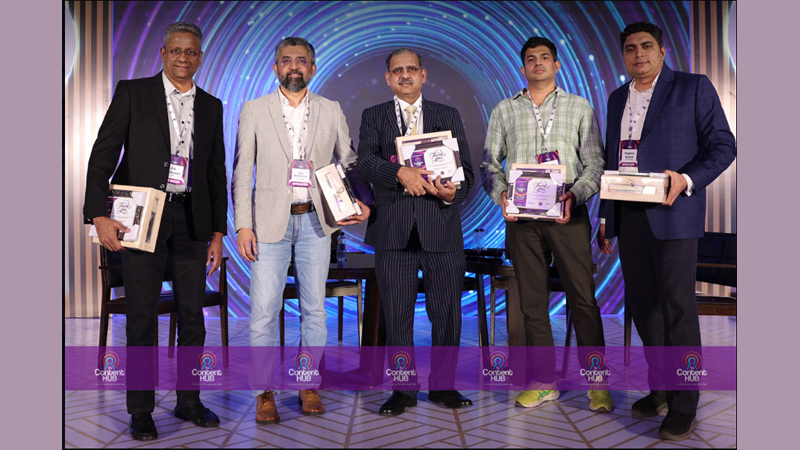
Mumbai: Exploring the shift from regional to national content, this synopsis delves into the trends and challenges. It navigates the transformation, analyzing industry dynamics, emerging trends, and the hurdles faced. From preserving regional variation to adapting to a broader audience, it examines the multifaceted journey of regional content evolving into a national narrative. In what ways do the emerging trends and challenges influence the dynamics of the entertainment industry during this transition? How can creators navigate these changes effectively? What strategic approaches can content creators adopt to strike a balance between maintaining regional identity and fostering a cohesive national narrative in their work? How can the transition from ‘regional’ to ‘national content’ impact cultural diversity within the entertainment industry, and what measures can be taken to ensure the preservation of regional variation?
In a rapidly evolving media landscape, seasoned industry professionals have offered valuable insights into the transformation of content consumption and production. The session was chaired by Ernst and Young partner Raghav Anand, MMTV chief executive officer P.R. Satheesh, Sony Marathi business head Ajay Bhalwankar, PTC Network chairman & MD Rabindra Narayan, Shemaroo Entertainment COO, Digital, Saurabh Srivastava esteemed voices in the field, have articulated their perspectives on the burgeoning shift towards globalised content.
Rabindra Narayan emphasised the dissolution of regional boundaries in content consumption, attributing it to the accessibility facilitated by global platforms and connectivity options. He predicts a future where language barriers will fade, citing the potential of technology to clone and adapt voices, thus enabling seamless localization across languages.
Saurabh highlighted the democratisation of content creation in the digital era, underscoring its empowerment and revenue potential, particularly in linguistically diverse markets like India. He emphasizes the value of culturally rooted storytelling in filling gaps in content supply, with technology enabling effective monetization, especially through OTT platforms.
Ajay Bhalwan sheds light on the evolving landscape of Hindi and regional language content, noting a significant shift where a substantial portion of content on Hindi film channels originates from regional languages. He accentuates the importance of language in enhancing authenticity and audience engagement, exemplified by the strong resonance of Marathi content in Maharashtra.
PR Satheesh underscored the paramount importance of content quality in driving viewership and transcending language barriers. Drawing parallels with the global popularity of Korean dramas, he advocates for leveraging technology, including AI and real-time translations, to enhance content creation and distribution.
These insightful perspectives collectively echoed the industry’s adaptation to a globalised content landscape, where technology catalyzes innovation and accessibility. As content continues to evolve, these experts offered valuable guidance on navigating the dynamic media landscape and maximizing the impact of storytelling in diverse markets worldwide.
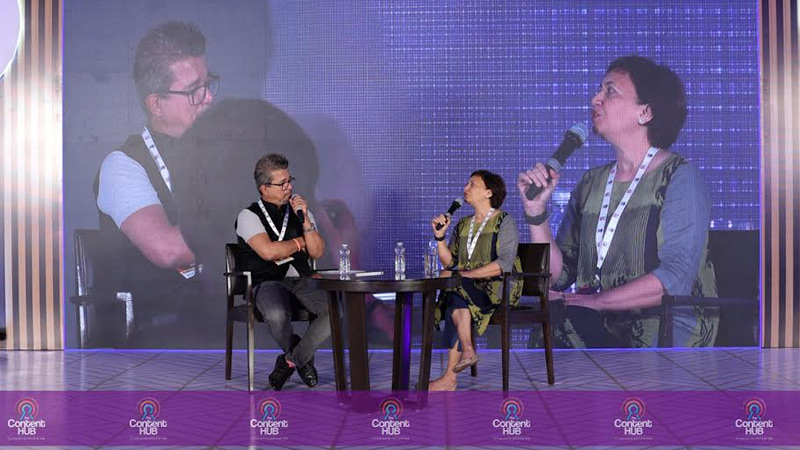
Mumbai: The eighth edition of The Content Hub Summit delves into the ever-changing world of content creation. With the consolidation of platforms, creators face new hurdles in gaining visibility, maximizing revenue, and maintaining creative freedom. The event also explored the remarkable theatrical success of Indian cinema and unraveled the secrets behind its unprecedented profits, with a critical eye towards its sustainability.
The fireside chat saw Indiantelevision.com group founder, chairman & editor-in-chief Anil NM Wanvari in conversation with India GreenSet CEO & co-founder Anupama Mandloi.
They discussed the critical importance of sustainability in content creation, especially in India, which leads in volume. They highlighted the industry’s potential for influence and the necessity to adapt to climate change. Mandloi emphasized the need for sustainable practices, citing examples like the Mumbai floods’ impact on business.
Wanvari proposed initiatives like eliminating single-use plastics at events and forming industry alliances for sustainable standards. They emphasized the shift toward sustainability as a cultural change, stressing the industry’s collective responsibility and the need for unity to overcome hurdles.
Mandloi suggested practical steps individuals can take, urging a bottom-up approach to drive the sustainability revolution.
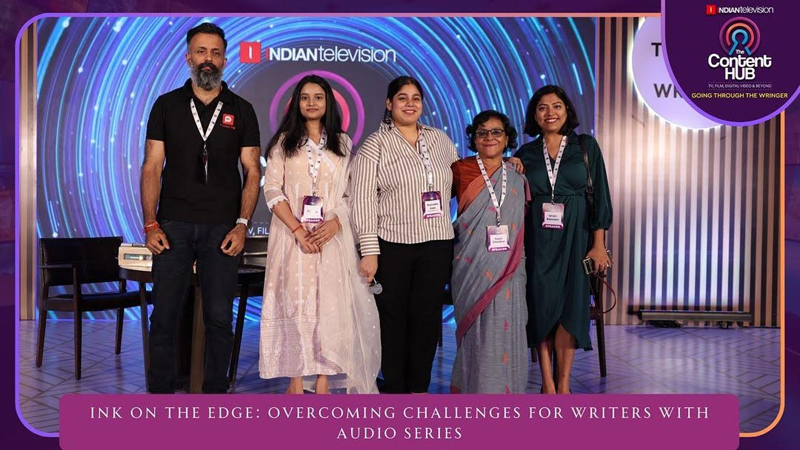
Mumbai: The eighth edition of The Content Hub Summit delved into the ever-changing world of content creation. With the consolidation of platforms, creators face new hurdles in gaining visibility, maximising revenue, and maintaining creative freedom. The event also explored the remarkable theatrical success of Indian cinema and unraveled the secrets behind its unprecedented profits, with a critical eye towards its sustainability.
The session was chaired by Radioandmusic.com editor Namrata Kale. It included the following panelists: writer & director Pubali Chaudhuri, screenwriter Ishani Banerjee, Majburi Main Bandha Ek Rishta writer Jigyasa and Pocket FM head – branding and communications Vineet Singh.
The panel discussion shed light on the challenges writers face in the audio, film, and OTT industries, stressing the need for recognition, fair contracts, and empowerment.
Pubali emphasized the need to acknowledge writers’ contributions and improve revenue sharing, while Ishani highlighted the significance of contracts, credits, and acknowledgment in empowering writers. Vineet outlined Pocket FM’s initiatives to empower writers globally with equitable revenue-sharing models, while Jigyasa shared her journey of discovering writing talent during the lockdown and finding success with Pocket FM.
In conclusion, the panel underscored the industry’s commitment to addressing the challenges faced by writers and providing platforms like Pocket FM to showcase diverse narratives.



MIB sets OTT accessibility rules, mandates captions and audio description

Boney Kapoor acquires remake rights of Tamil political satire Thalaivar Thambi Thalaimaiyil

Netflix India names Rekha Rane director of films and series marketing

Zabeen signs off from TV9 after shaping the network’s public voice

Dhawan steps up to bat for Delhi’s grassroots sports push

Orient Beverages pops the fizz with steady Q3 gains and rising profits

Cheekatilo shines in the dark with record debut on Prime Video

Swiggy Instamart’s GOV surges 103 per cent year on year to Rs 7,938 crore

These ’90s fashion trends are making a comeback in 2017
The final 6 ‘Game of Thrones’ episodes might feel like a full season
According to Dior Couture, this taboo fashion accessory is back
The old and New Edition cast comes together to perform
Phillies’ Aaron Altherr makes mind-boggling barehanded play

Kuku TV transforms India’s OTT space with vertical microdrama boom
MIB sets OTT accessibility rules, mandates captions and audio description
Boney Kapoor acquires remake rights of Tamil political satire Thalaivar Thambi Thalaimaiyil
Netflix India names Rekha Rane director of films and series marketing
Zabeen signs off from TV9 after shaping the network’s public voice
Dhawan steps up to bat for Delhi’s grassroots sports push
Orient Beverages pops the fizz with steady Q3 gains and rising profits
Cheekatilo shines in the dark with record debut on Prime Video
-
 e-commerce1 month ago
Swiggy Instamart’s GOV surges 103 per cent year on year to Rs 7,938 crore
-
iWorld1 year ago
Kuku TV transforms India’s OTT space with vertical microdrama boom
-
 News Headline1 year ago
TRAI puts a ‘stop’ to unsolicited calls and messages
-

 News Headline2 months ago
From selfies to big bucks, India’s influencer economy explodes in 2025
-
 Comedy2 years ago
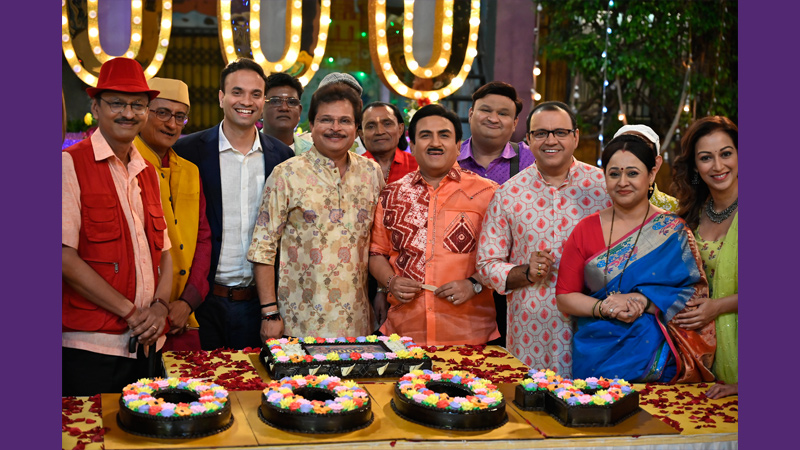
Taarak Mehta Ka Ooltah Chashmah celebrates 4,000 episodes
-
 MAM2 years ago
OpenAI joins C2PA steering committee
-
 News Headline1 year ago
Abhishek Bachchan joins as co-owner of European T20 Premier League
-
 News Headline2 years ago
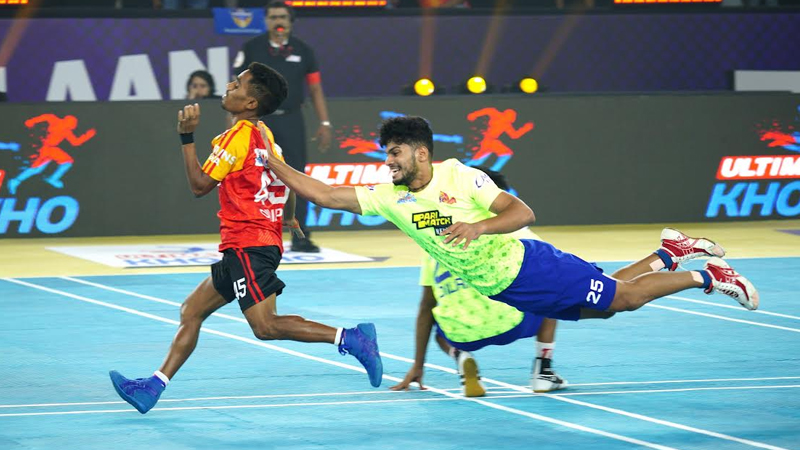
Odisha to host Ultimate Kho Kho Season 2 from December 24


