
Factual
Sony BBC Earth dominates factual entertainment space within a year

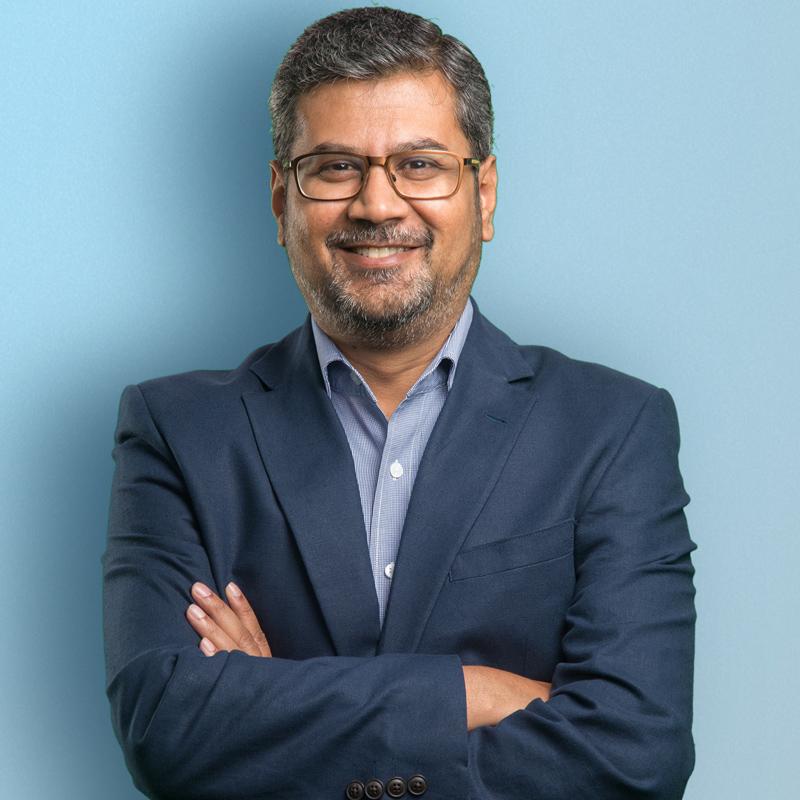
MUMBAI: People thought that the infotainment genre was saturated with enough players competing for a niche viewership. That was until Sony BBC Earth took up the challenge and launched in an already cluttered segment. Proving naysayers wrong, the channel scaled up its market share from 22 per cent to 26 per cent in the metro cities during the first quarter of FY18-19 itself.
A year down the line, Indiantelevision.com caught up with Sony Pictures Network English cluster business head Tushar Shah. He said that the genre had fallen into the trap of pandering to viewership by giving content without the basic requirements expected namely information and entertainment.
“We figured out through our research and discussions with our consumers that actually the main slot that was information and entertainment was needed and people were moving towards entertainment. So the main premise of the category itself was missing and that was the premise which we planned to fill and bring back the days of infotainment on TV,” he says.
From the initial 14-15 minutes of viewership, it now gets 27 minutes. Shah says that it was a challenge to dethrone a channel that was already ruling the market and jump from the eighth to the first position within a year.
“It is difficult to change the habit of what you are watching for 15-20 years and to break that is the biggest challenge that anyone could have. Our target is not just the viewers, it is also our trade partners, our distributors, our advertisers, we have to take them all along so that we are able to tell the story that we want to convey to the consumers,” he says.

The channel is not giving it a rest anytime soon. The goal is to create a bond with audiences that will last long. Shah is pretty confident about the growth of the whole infotainment genre in general. “If you look at the infotainment space, it is just as big as the English movie space, perhaps a little bigger also, depending on the week on week numbers. It is even bigger than the English general entertainment channels but the revenue is not commensurate with the size of the category and that is something I want to see growing,” he reveals.
The channel has been trying to overcome the various challenges. “One is to take it as the face value and the other is to put everything together and see what comes out of it. So mobilisation is your challenge and the second is, decoding the consumer and third is, once you have identified the positioning of the channel, meeting that promise is a big challenge,” says Shah.
Launched in March 2017, along with Hindi, Tamil, Telugu and English audio feeds being the primary language for the channel, the channel concentrated on three strong pillars that the channel religiously followed – visual effects, never seen before and positive insights to stories and staying true to its tagline ‘feel alive’ along with creating the emotional bond with the viewers that will make them remember it for lifelong.
Spy in the Wild, The Hunt, Attenborough’s Big Birds and Rick Stein’s India are some of the shows that are helping the channel to garner more eyeballs. If the channel can create ripples within just a year, it surely has more milestones to record in the coming years.



DUBLIN: Ireland is betting big on reality television. In a move that has Hollywood scouts scrambling for their passports, Dublin has unveiled Europe’s first tax credit dedicated solely to unscripted programming—think The Traitors rather than Game of Thrones.
The scheme offers producers a juicy 20 per cent rebate on qualifying expenditure, capped at €15 million ($17.5 million) per project. It’s a cultural credit with strings attached: programmes must pass a test proving they genuinely promote Irish and European culture. No word yet on whether Love Island derivatives need apply.
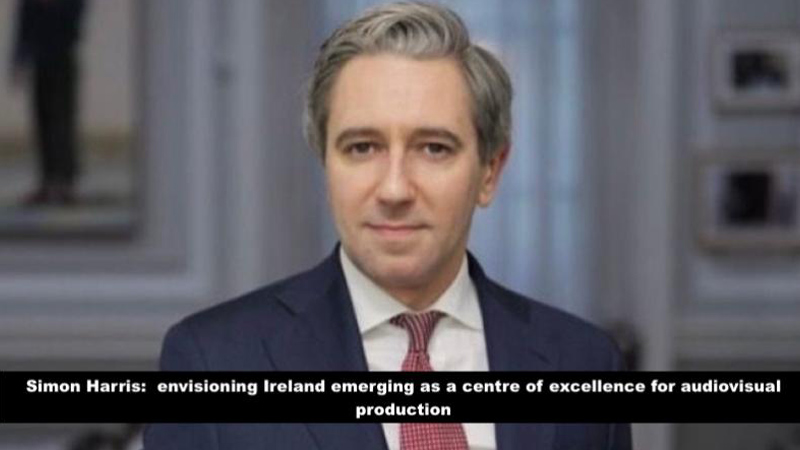
Ireland tánaiste and minister for finance Simon Harris says the incentive will cement Ireland’s reputation as a “centre of excellence” for audiovisual production. His colleague, minister for culture, communications and sport Patrick O’Donovan, insists Ireland has “the talent, creativity and production expertise to lead” in unscripted television. Bold claims for a nation that has spent decades exporting scripted drama.
The timing is canny. Unscripted production costs have soared globally, making Ireland’s existing infrastructure—and now its tax breaks—increasingly attractive. Fox Entertainment Studios already churns out shows like Beat Shazam and The Floor from Irish studios. Whether these American productions will pass the cultural test remains to be seen.
Producers must secure an interim cultural certificate before filming begins, allowing them to claim credits during production rather than waiting until wrap. A final certificate follows completion. The European Commission has blessed the scheme through December 2028.
Minimum thresholds apply: productions must cost at least €250,000, with eligible expenditure above €125,000. Only one season per project can claim relief in any 12-month period, though producers can juggle multiple projects.
Britain, take note. The UK industry has clamoured for similar support for 18 months, but Westminster has dithered. India’s ministry of information and broadcasting pay heed. Its incentive scheme for co-productions excludes unscripted television. To what end, no one knows! Ireland, meanwhile, is already rolling out the red carpet—or should that be green?
The message from Dublin is clear: when it comes to backing reality TV, Ireland isn’t messing about. Lights, camera, tax action.
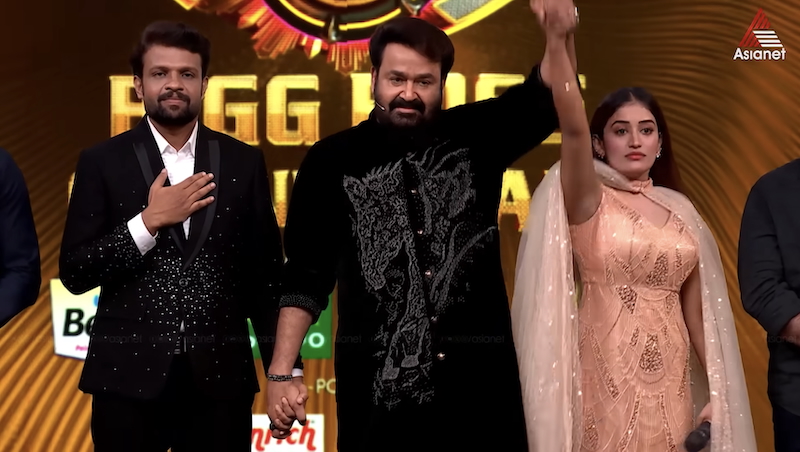
MUMBAI: Bigg Boss Malayalam has tightened its stranglehold on Kerala’s eyeballs. The seventh season of the reality juggernaut, which wrapped on 3 August 2025, emerged as the franchise’s most successful edition yet—doubling digital viewership, posting the highest-ever grand finale ratings, and reaching an estimated 84 per cent of the state’s population via television.
The numbers tell a story of appointment viewing at industrial scale. JioHotstar recorded video views nearly twice those of season six on finale day, whilst total watch time surged 137 per cent. Across the entire season, digital video views climbed 65 per cent and watch time rose 36 per cent compared to the previous edition. On Asianet, the show pulled in 7.37 million viewers, cementing its status as unmissable family entertainment.
Connected television viewing accounted for a quarter of total watch time—evidence that Kerala families are increasingly gathering around large screens to watch contestants squabble, strategise and occasionally weep. The shift suggests Bigg Boss Malayalam has become genuine communal viewing in a fragmented media landscape.
The franchise generated 6.2 billion social media interactions, whilst Mohanlal’s refreshed on-screen appearance sparked considerable online chatter.
Advertisers took notice. 17 national and regional brands—from Maruti to Swiggy to Patanjali—bought space across television and digital platforms, betting that Kerala’s Bigg Boss obsession translates into purchasing power.
The format’s staying power owes much to its populist appeal. This season featured a commoner as second runner-up, reinforcing the show’s everyman credentials. In a media market where audiences are splintering across platforms, Bigg Boss Malayalam has managed the rare trick of growing bigger. Kerala, it seems, cannot look away.

CANNES: As the global television industry gathered for Mipcom 2025, Zee made history as the first Indian broadcaster to take over one of the largest LED screens along the legendary Croisette. From sunrise to sunset and long after the massive display of Zee One lit up the promenade, stopping people in their tracks and sparking real excitement.
With over 10,600 visitors and delegates expected during Mipcom, it was the perfect moment to put Zee One, the company’s French-language Fast channel in the spotlight. The channel, available on Samsung TV Plus, LG Channels, and Rakuten TV, has quickly built a following in France for its vibrant mix of Bollywood films, heartfelt dramas, and colourful family entertainment.
For many passersbys, it was a surprise and a delight to see an Indian media brand taking over one of Cannes most visible spaces.
Zee has built its global presence by constantly trying what others haven’t and this Cannes moment is a reflection of that same spirit.
Standing tall among the biggest names in international entertainment, Zee One’s luminous display on the Croisette was more than just advertising, it was a statement of confidence, creativity, and cultural pride.
And as the lights shimmer over the French Riviera, one thing is clear: Zee knows how to make the world stop and look up.



MIB sets OTT accessibility rules, mandates captions and audio description

Boney Kapoor acquires remake rights of Tamil political satire Thalaivar Thambi Thalaimaiyil

Netflix India names Rekha Rane director of films and series marketing

Zabeen signs off from TV9 after shaping the network’s public voice

Dhawan steps up to bat for Delhi’s grassroots sports push

Orient Beverages pops the fizz with steady Q3 gains and rising profits

Cheekatilo shines in the dark with record debut on Prime Video

Swiggy Instamart’s GOV surges 103 per cent year on year to Rs 7,938 crore

These ’90s fashion trends are making a comeback in 2017
The final 6 ‘Game of Thrones’ episodes might feel like a full season
According to Dior Couture, this taboo fashion accessory is back
The old and New Edition cast comes together to perform
Phillies’ Aaron Altherr makes mind-boggling barehanded play

ATN International brings ATN Bangla to Canada
MIB sets OTT accessibility rules, mandates captions and audio description
Boney Kapoor acquires remake rights of Tamil political satire Thalaivar Thambi Thalaimaiyil
Netflix India names Rekha Rane director of films and series marketing
Zabeen signs off from TV9 after shaping the network’s public voice
Dhawan steps up to bat for Delhi’s grassroots sports push
Orient Beverages pops the fizz with steady Q3 gains and rising profits
Cheekatilo shines in the dark with record debut on Prime Video
-
 e-commerce1 month ago
Swiggy Instamart’s GOV surges 103 per cent year on year to Rs 7,938 crore
-
 iWorld1 year ago
Kuku TV transforms India’s OTT space with vertical microdrama boom
-
 News Headline1 year ago
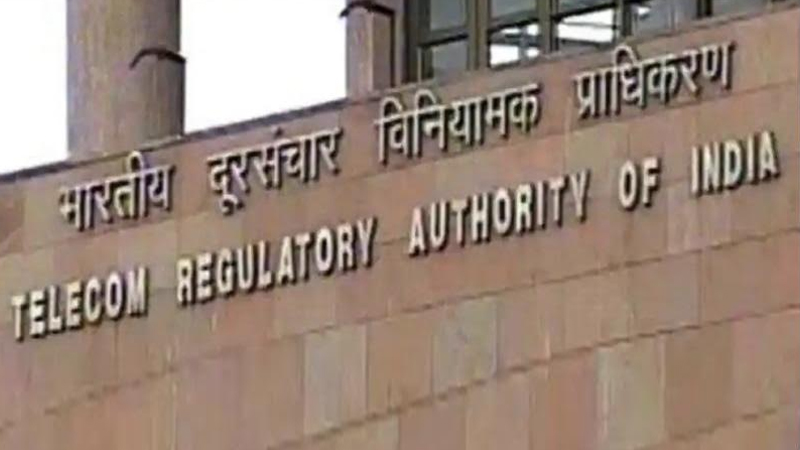
TRAI puts a ‘stop’ to unsolicited calls and messages
-

 News Headline2 months ago
From selfies to big bucks, India’s influencer economy explodes in 2025
-
 Comedy2 years ago
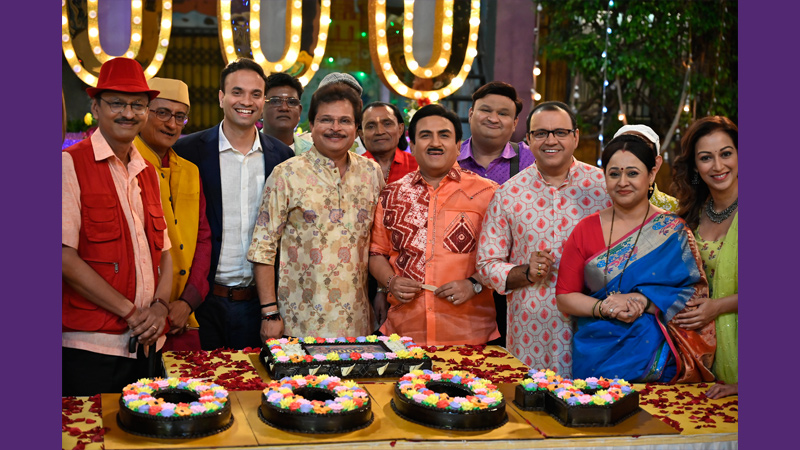
Taarak Mehta Ka Ooltah Chashmah celebrates 4,000 episodes
-
 MAM2 years ago
OpenAI joins C2PA steering committee
-
 News Headline2 years ago
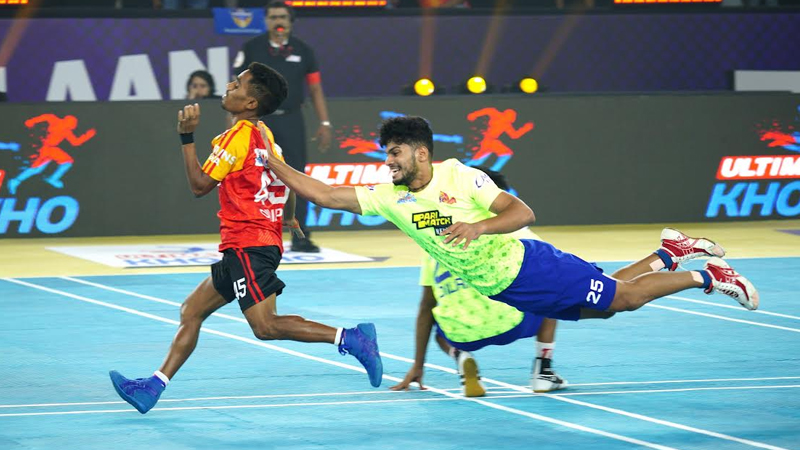
Odisha to host Ultimate Kho Kho Season 2 from December 24
-
 News Headline1 year ago
Abhishek Bachchan joins as co-owner of European T20 Premier League


