
Content Hub
OTT platforms need more passion projects, experimental content, original voices

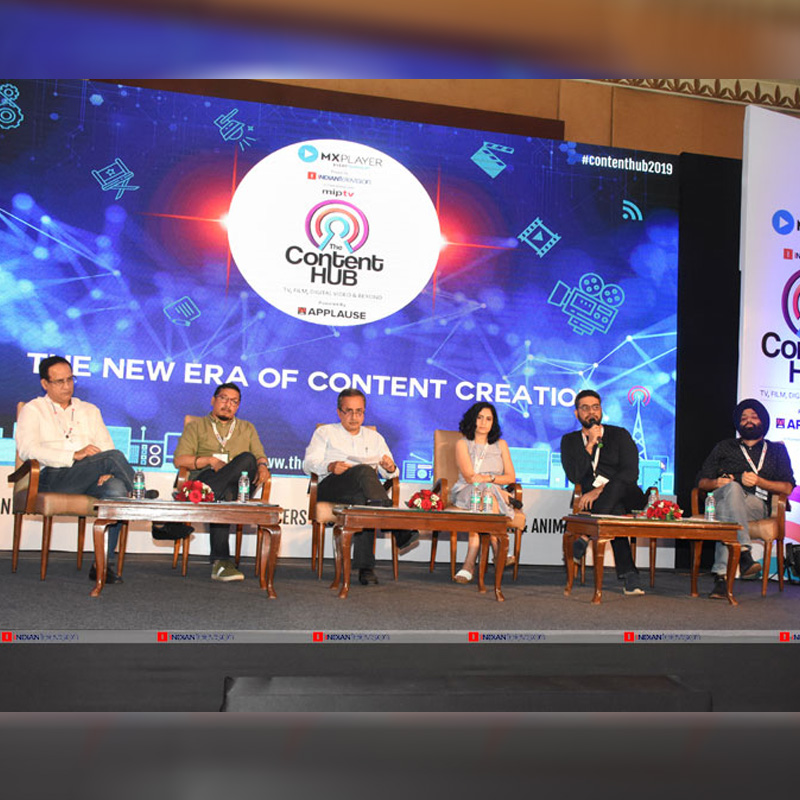
MUMBAI: 2018 saw various OTT players in India gain massive popularity. There are more than 30 sites serving hours and hours of original as well as syndicated content, in various languages, genres, and tastes. During the third edition of Indiantelevision.com’s The Content Hub, sponsored by MX Player, representatives from some of the top OTT platforms in the country the need of good and meaningful content and the kind of programs that can work in this dynamic world.
Part of the panel were Addatimes Pvt Ltd managing director Rajiv Mehra, The Viral Fever (TVF) global head of business and content Rahul Sarangi, Viacom 18 EVP and head content Monika Shergill, MX Player chief content officer Gautam Talwar and One Digital Entertainment COO and co-founder Gurpreet Singh. The panel was moderated by industry veteran and Hungama Digital Media Entertainment executive producer Sanjeev Lamba.
The panel unanimously agreed on the fact that the greatest need of time is to procure and create high-quality original content that resonates with the audience. They stated that all the logistics; be it production or budgets, come only after people who can create and write quality content.
Shergill said, “The competition to find good creators and partners to tell great stories is actually, by far, the single biggest challenge that we face because I feel that as a market, we kind of missed out on the golden age of content creation. While the world was producing a lot of mature content, we were leaning towards only soap opera kind of stories.”
Sarangi chipped in with some fine examples of the work that TVF has created, “To see what kind of content people watch, we pulled out a few episodes of ‘Yeh Meri Family’ from YouTube and then put it on Netflix. The show became the second-most trending content in India and has a completion rate of 70 per cent. Because the writing was so strong, people came and watched it again and again. Similarly, with ‘Pitchers’, it wasn’t a grand show shot on high production budgets like ‘Sacred Games’. But it became the highest rated show on IMDB, just because of good writing.”

He added, “I think the biggest thing we need to do right now is to invest in good writers. Also, we need to give them the time and pay them well. Groom the talent! Writers are going to be the prime thing that we need.”
Moderating the panel, Lamba put another pertinent question forward asking what sort of content OTT platforms are willing to back. To this, the panel hailed the need of bringing original voices to the paradigm that are not just fresh but can also add on to the type of content that is already working on the web.
Talwar mentioned that being the newest kid on the block, MX Player is currently trying to understand what the viewing pattern of the audience is. He said, “We have licenced quite a lot of content from people who have a high experience in actually creating successful web series, including TVF, Pocket Aces, and ALTBalaji. We have put this content online and now we are using a lot of data to understand what actually works in the space.”
He continued, “Essentially, we are looking for content that is going to appeal to 18-30-old males, largely from North India. But it is genre-agnostic because I believe, people today watch everything. We are looking out for authentic stories from heartland India as they work well with the metro audience as well.”
Mehra also agreed that the audience today loves watching all sort of content, be it long form or short form. He mentioned the need to experiment with the duration of the content and tell stories that the audience can connect to.
While Shergill vouched for the need for passion projects and experimental content, Sarangi shared that they are looking for stories that touch the hearts of people. He stated that TVF will not indulge in violence or sexually explicit content, at least for a few more years.
The panel also discussed the much-debated topic of IP rights. Shergill noted, “IP is something that is very important because this content is meant for posterity. You are believing in someone’s idea and paying to the last stream. So, the skin of the game for any platform is to have IP rights with them. But having said that, I also feel that when we know what kind of content creators we are speaking about, then there may be certain different models to work. But when you are working with teams of creators, and backing their idea, IP is the only asset you are creating and you should have the right to it.”
Sarangi mentioned that as a company they do not sell their IP rights despite having worked with several OTT platforms. He said, “The reason behind this is that it is not only about production cost. It is also because of the time and effort put in by the creative team. We thereby do mostly an output kind of a deal or a licencing avenue. Also, we can do this at this point in time because we can guarantee a hit rate.”
However, Singh shared a different angle and said, “IP has become a very crude word. Most people don’t even know what the value of an IP is. People are just fighting for it right now but they don’t even know what they are going to do of it after two or three years. So, I think if you are being compensated for the value, you must sell the rights to the platform.”






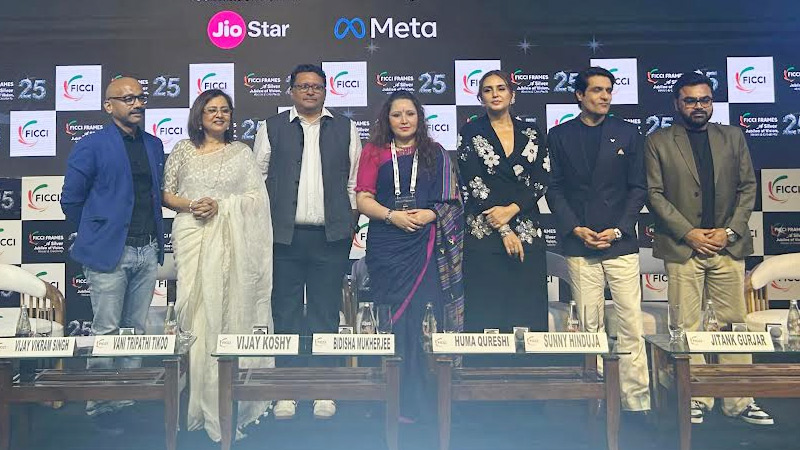
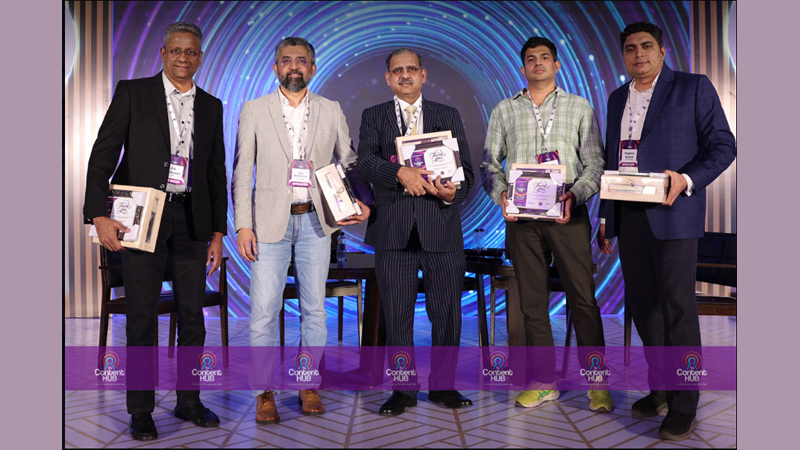
Mumbai: Exploring the shift from regional to national content, this synopsis delves into the trends and challenges. It navigates the transformation, analyzing industry dynamics, emerging trends, and the hurdles faced. From preserving regional variation to adapting to a broader audience, it examines the multifaceted journey of regional content evolving into a national narrative. In what ways do the emerging trends and challenges influence the dynamics of the entertainment industry during this transition? How can creators navigate these changes effectively? What strategic approaches can content creators adopt to strike a balance between maintaining regional identity and fostering a cohesive national narrative in their work? How can the transition from ‘regional’ to ‘national content’ impact cultural diversity within the entertainment industry, and what measures can be taken to ensure the preservation of regional variation?
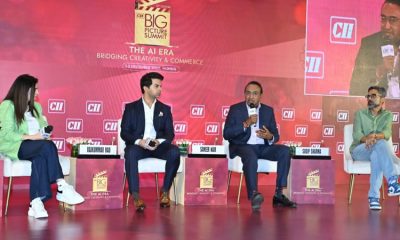
In a rapidly evolving media landscape, seasoned industry professionals have offered valuable insights into the transformation of content consumption and production. The session was chaired by Ernst and Young partner Raghav Anand, MMTV chief executive officer P.R. Satheesh, Sony Marathi business head Ajay Bhalwankar, PTC Network chairman & MD Rabindra Narayan, Shemaroo Entertainment COO, Digital, Saurabh Srivastava esteemed voices in the field, have articulated their perspectives on the burgeoning shift towards globalised content.
Rabindra Narayan emphasised the dissolution of regional boundaries in content consumption, attributing it to the accessibility facilitated by global platforms and connectivity options. He predicts a future where language barriers will fade, citing the potential of technology to clone and adapt voices, thus enabling seamless localization across languages.
Saurabh highlighted the democratisation of content creation in the digital era, underscoring its empowerment and revenue potential, particularly in linguistically diverse markets like India. He emphasizes the value of culturally rooted storytelling in filling gaps in content supply, with technology enabling effective monetization, especially through OTT platforms.
Ajay Bhalwan sheds light on the evolving landscape of Hindi and regional language content, noting a significant shift where a substantial portion of content on Hindi film channels originates from regional languages. He accentuates the importance of language in enhancing authenticity and audience engagement, exemplified by the strong resonance of Marathi content in Maharashtra.
PR Satheesh underscored the paramount importance of content quality in driving viewership and transcending language barriers. Drawing parallels with the global popularity of Korean dramas, he advocates for leveraging technology, including AI and real-time translations, to enhance content creation and distribution.
These insightful perspectives collectively echoed the industry’s adaptation to a globalised content landscape, where technology catalyzes innovation and accessibility. As content continues to evolve, these experts offered valuable guidance on navigating the dynamic media landscape and maximizing the impact of storytelling in diverse markets worldwide.
Mumbai: The eighth edition of The Content Hub Summit delves into the ever-changing world of content creation. With the consolidation of platforms, creators face new hurdles in gaining visibility, maximizing revenue, and maintaining creative freedom. The event also explored the remarkable theatrical success of Indian cinema and unraveled the secrets behind its unprecedented profits, with a critical eye towards its sustainability.
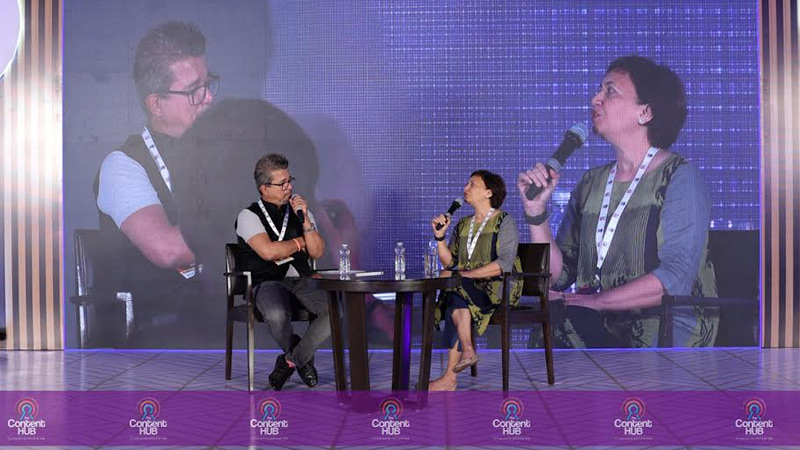
The fireside chat saw Indiantelevision.com group founder, chairman & editor-in-chief Anil NM Wanvari in conversation with India GreenSet CEO & co-founder Anupama Mandloi.
They discussed the critical importance of sustainability in content creation, especially in India, which leads in volume. They highlighted the industry’s potential for influence and the necessity to adapt to climate change. Mandloi emphasized the need for sustainable practices, citing examples like the Mumbai floods’ impact on business.
Wanvari proposed initiatives like eliminating single-use plastics at events and forming industry alliances for sustainable standards. They emphasized the shift toward sustainability as a cultural change, stressing the industry’s collective responsibility and the need for unity to overcome hurdles.
Mandloi suggested practical steps individuals can take, urging a bottom-up approach to drive the sustainability revolution.
Mumbai: The eighth edition of The Content Hub Summit delved into the ever-changing world of content creation. With the consolidation of platforms, creators face new hurdles in gaining visibility, maximising revenue, and maintaining creative freedom. The event also explored the remarkable theatrical success of Indian cinema and unraveled the secrets behind its unprecedented profits, with a critical eye towards its sustainability.
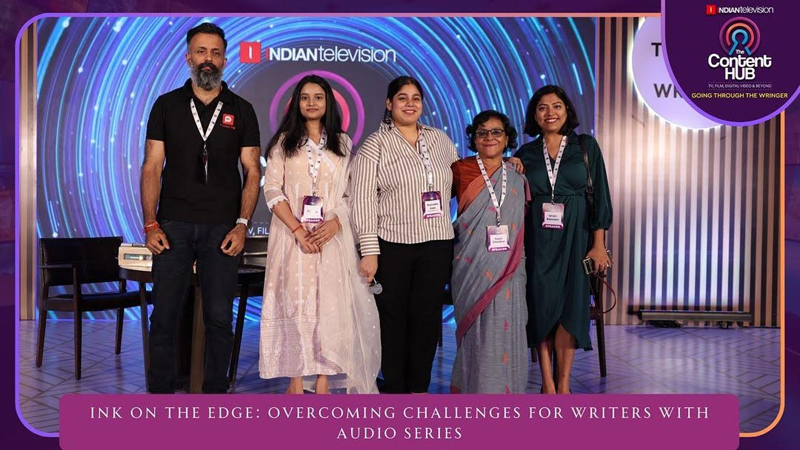
The session was chaired by Radioandmusic.com editor Namrata Kale. It included the following panelists: writer & director Pubali Chaudhuri, screenwriter Ishani Banerjee, Majburi Main Bandha Ek Rishta writer Jigyasa and Pocket FM head – branding and communications Vineet Singh.
The panel discussion shed light on the challenges writers face in the audio, film, and OTT industries, stressing the need for recognition, fair contracts, and empowerment.
Pubali emphasized the need to acknowledge writers’ contributions and improve revenue sharing, while Ishani highlighted the significance of contracts, credits, and acknowledgment in empowering writers. Vineet outlined Pocket FM’s initiatives to empower writers globally with equitable revenue-sharing models, while Jigyasa shared her journey of discovering writing talent during the lockdown and finding success with Pocket FM.
In conclusion, the panel underscored the industry’s commitment to addressing the challenges faced by writers and providing platforms like Pocket FM to showcase diverse narratives.


MIB sets OTT accessibility rules, mandates captions and audio description

Boney Kapoor acquires remake rights of Tamil political satire Thalaivar Thambi Thalaimaiyil

Netflix India names Rekha Rane director of films and series marketing

Zabeen signs off from TV9 after shaping the network’s public voice

Dhawan steps up to bat for Delhi’s grassroots sports push

Orient Beverages pops the fizz with steady Q3 gains and rising profits

Cheekatilo shines in the dark with record debut on Prime Video

These ’90s fashion trends are making a comeback in 2017
The final 6 ‘Game of Thrones’ episodes might feel like a full season
According to Dior Couture, this taboo fashion accessory is back
The old and New Edition cast comes together to perform
Phillies’ Aaron Altherr makes mind-boggling barehanded play
Uber and Lyft are finally available in all of New York State
Disney’s live-action Aladdin finally finds its stars
MIB sets OTT accessibility rules, mandates captions and audio description
Boney Kapoor acquires remake rights of Tamil political satire Thalaivar Thambi Thalaimaiyil
Netflix India names Rekha Rane director of films and series marketing
Zabeen signs off from TV9 after shaping the network’s public voice
Dhawan steps up to bat for Delhi’s grassroots sports push
Orient Beverages pops the fizz with steady Q3 gains and rising profits
Cheekatilo shines in the dark with record debut on Prime Video
-

 News Broadcasting2 weeks ago
Mukesh Ambani, Larry Fink come together for CNBC-TV18 exclusive
-

 News Headline1 month ago
From selfies to big bucks, India’s influencer economy explodes in 2025
-

 e-commerce3 weeks ago
Swiggy Instamart’s GOV surges 103 per cent year on year to Rs 7,938 crore
-
 iWorld5 months ago
Billions still offline despite mobile internet surge: GSMA
-

 Applications2 months ago
28 per cent of divorced daters in India are open to remarriage: Rebounce
-

 News Headline1 month ago
2025: The year Indian sports saw chaos, comebacks, and breakthroughs
-

 News Headline1 week ago
JioStar announces biggest ever talent line-up for an ICC event
-

 iWorld2 weeks ago
Netflix celebrates a decade in India with Shah Rukh Khan-narrated tribute film
