Mumbai: HGH India stands as India’s premier bi-annual trade show for home textiles, furniture, décor, houseware, and gifts, bridging the gap between Indian and international brands with retailers, importers, distributors, and designers in India’s flourishing market. Since its inception in 2012, the show has consistently delivered robust business outcomes, becoming an important event for anyone invested in India’s home products sector. The 15th edition of HGH India is ongoing from 2 to 5 July 2024, at the Bombay Exhibition Centre, Goregaon, Mumbai.
Tailored to facilitate meaningful connections between exhibitors and high-potential buyers in India, the trade show has earned a reputation as a world-class, essential trade show. Here, brands, manufacturers, importers, and distributors showcase their latest innovations and full product ranges to retail professionals, trade buyers, interior designers, and the gift trade.
HGH India provides swift access to India’s rapidly expanding home products market, which grows at 20 per cent annually. Recognised globally for its quality and focused business environment, HGH India influences product development and merchandising trends through its forecasts in design and fashion.
As India targets substantial economic growth, aiming to become a USD 5 trillion economy by 2025-26, it stands as the world’s fifth-largest economy with a population of 1.4 billion, presenting vast emerging market opportunities. The rising demand for home products, growing at 20 per cent annually.
Among the brands participating in this exhibition is thinKitchen, which adopts an omnichannel approach to serve the Indian market. The brand caters to offline trade, hospitality, institutional gifting, and major online platforms such as Amazon, Tata Cliq, Ajio.com, Nykaa, Myntra, Flipkart, Pepperfry, and its own platform. Offering an extensive selection of over 1,500 SKUs and more than 50,000 product choices, thinKitchen’s collection includes prepware, cookware, tableware, serveware, barware, and kids’ items. Partnering with 30 premium brands like Amefa, BarCraft, Brabantia, and others ensures a top-tier range that meets the discerning tastes of Indian consumers.
In terms of numbers, according to Kantar report, the Indian e-commerce market is projected to grow at a compounded annual growth rate of 19 per cent between 2022-2030, while the D2C share of e-commerce funding in India for the same period is estimated to be 49 per cent per cent. While these are still early days for D2C and while many traditional businesses have ventured into it, standalone D2C revenue remains modest at less than five per cent of overall e-commerce revenue for 50 per cent of the respondents. This outlines that the successful D2C businesses have got it right in areas such as the clarity of proposition, developing consumer insights through data enrichment and utilisation and analytics and reporting.
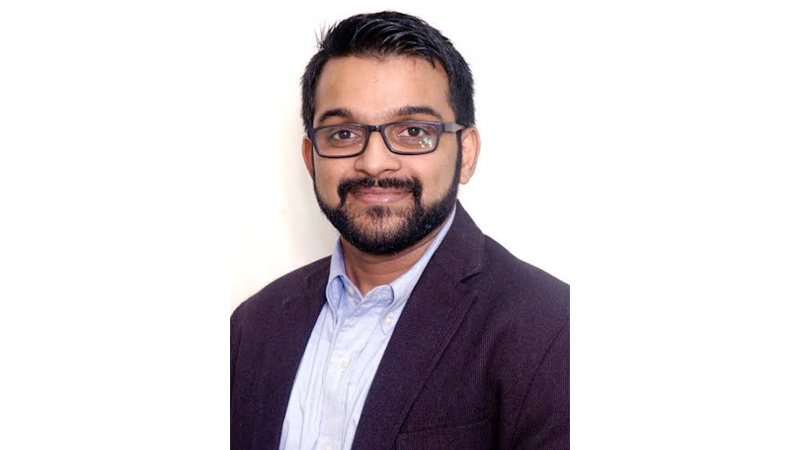
Indiantelevision.com at the sidelines of this show, caught up with thinKitchen CEO Anand Baldawa, where he discussed the brand’s omnichannel approach and their ideology. He further delved into Insights and trends in the kitchen and home space as well as expansion plans and much more..
Edited excerpts
On thinKitchen’s omnichannel approach
In India, every consumer is now multi-channel. With affordable data and widespread smartphone adoption, platforms like Amazon and Flipkart have thrived, offering access across channels. Consumers engage in omnichannel shopping, where online reviews play a crucial role—they provide insights not available in physical stores. Take my mother, for example; despite her age, she uses a smartphone to research online before visiting local stores to compare prices. This omnichannel approach is essential because consumers switch seamlessly between online and offline interactions. Google plays an important role in this journey, from initial research to final purchase, whether online or offline. This generational shift highlights the importance of being present across all channels to meet consumer needs effectively.
On the role of sustainability
Many of our products prioritise eco-friendliness. For instance, all are manufactured in socially compliant factories. Packaging incorporates recycled materials like plastic or paper whenever possible. Our warehouse operates solely on solar power, reflecting our commitment to environmental sustainability. Brands such as Amefa, Crystal, Dartington, Denby, and others actively recycle materials during manufacturing processes—clay and stone are reused, minimizing waste. Recycling initiatives extend through packaging and warehouse operations, ensuring efficiency and environmental responsibility across our business.
On MMA Global and Publicis’ Commerce report stating over 80 per cent of D2C ventures yet to achieve profitability
It’s an undeniable reality for any business, including D2C brands, achieving profitability takes time. Typically, there’s a three to five-year gestation period. This is why entrepreneurs need resilience, prepared to weather initial losses. As my father taught me, losses in the first year, break-even in the second or third, and profitability by the fourth year are common expectations. This holds true not just for D2C ventures but also for new manufacturing plants; expecting profitability in the first year is unrealistic. The key lies in understanding the stages of loss-making. If we’re only marginally unprofitable—where each unit sold contributes positively—it’s a matter of scaling up and building awareness. Eventually, fundamentally strong businesses, whether D2C or otherwise, can achieve profitability. In today’s market, some chase value, others prioritize cash flow; we lean towards a conservative approach to ensure long-term survival and success.
On some trends you are witnessing in the home space
The decision-making landscape is shifting—where once moms and mothers-in-law held sway, now daughters and daughters-in-law are increasingly taking charge. A significant change is the kitchen’s evolution from a secluded corner to the heart of the home. It used to be that what came out of the kitchen mattered more than what happened inside. Now, kitchens are open-plan, integrated into modern homes that often consist of nuclear families. The kitchen has become a central hub, blurring the lines between cooking and living spaces, with dining tables often bridging these areas. Despite challenges like Covid-19, which saw increased kitchen use during lockdowns, the kitchen remains a daily necessity, unlike guest rooms or living areas that may go unused for stretches. Influences from cooking shows like MasterChef have expanded kitchen aspirations. Alongside rising disposable incomes, people seek value and quality, willing to invest more in their culinary spaces.
On tier 2 & 3 cities receiving exponentially growth rate in terms of sales
Certainly, there is a rise among these cities where we’re seeing orders from. The majority of our orders come from metros and tier one cities. However, I believe the real potential lies in tier two and tier three cities. There’s substantial purchasing power there. Residents aspire to a lifestyle akin to tier one cities but often lack access. They have the means and the willingness to spend. I’ve personally spoken to people from Punjab, Rajasthan, who are eager to purchase extensively, often keeping us busy until early morning. There’s genuine purchasing power in these regions. While they may not surpass tier one cities, they are becoming increasingly significant as we expand. Currently, our distribution and delivery partners allow us to reach 90-95 per cent of zip codes within 72 hours, even in tier two and tier three cities. Online accessibility and smartphone penetration have made it easier for consumers to research and buy products with confidence. Our challenge lies in converting first-time customers, but once converted, they trust our genuine products, reliable packaging, and fair pricing, resulting in a high rate of repeat customers-up to 30-40 per cent.
On thinKitchen’s expansion plans in next four to five years
India’s vastness offers immense potential. With a population of 1.5 billion, my customer base here focuses on the top three per cent. According to reports, this segment comprises about 75 million people, projected to grow to 9-13 per cent by 2030. While we also serve hospitality sectors in neighboring countries like the Maldives, Bhutan, and occasionally Sri Lanka, our primary retail focus remains on India. Our goal is to consistently provide better brands, high-quality products, and competitive pricing to our valued customers.
Leave a Reply