NEW DELHI: NDTV, India’s three-decade-old news broadcaster, is striking out into uncharted territory with the launch of NDTV Good Times, a live entertainment venture that promises to bring marquee musical acts to iconic venues across the country.
The move marks a bold departure for the Delhi-based media house, which has built its reputation on hard news and current affairs. Now it is betting that India’s youthful demographics and growing disposable income will fuel demand for premium live experiences.
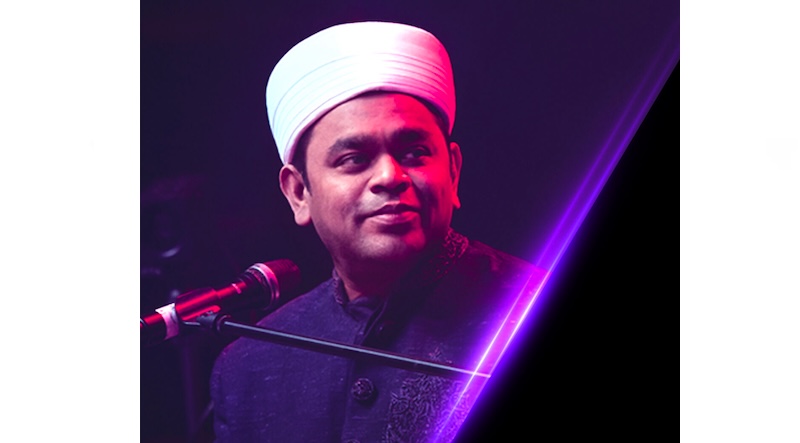
The inaugural lineup reads like a who’s who of Indian music. AR Rahman will perform at Varanasi’s sacred ghats along the Ganges, while Sonu Nigam plans a tribute to legendary playback singer Mohammed Rafi at Kashmir’s Dal Lake. The roster also includes composer trio Shankar-Ehsaan-Loy and popular singers Jubin Nautiyal and Neha Kakkar.
“NDTV has always stood at the intersection of storytelling and society,” said chief executive and editor-in-chief Rahul Kanwal. The company aims to “curate iconic performances that will not just entertain but also inspire, connect, and create lasting memories.”
The venture taps into a global trend where live entertainment has become a cultural force, particularly among younger audiences who prize authentic, shared experiences over passive consumption. India, with one of the world’s youngest populations, appears ripe for such offerings.
NDTV’s strategy leverages its existing broadcast and digital infrastructure to amplify these events beyond their physical venues. The company has partnered with ticketing platform District to handle bookings and logistics.
Rahul Shaw, the newly minted chief experiences officer, positions the initiative as “reimagining the heartbeat” of Indian culture by combining top-tier talent with extraordinary settings.
The move comes as traditional media companies worldwide grapple with changing consumption patterns and seek new revenue streams. Whether NDTV’s gamble on live entertainment pays off will depend on its ability to translate its storytelling credibility into successful event curation—and whether Indian audiences are ready to pay premium prices for the privilege.
Leave a Reply