
News Headline
GUEST COLUMN: How the digital marketing industry evolved in 2025

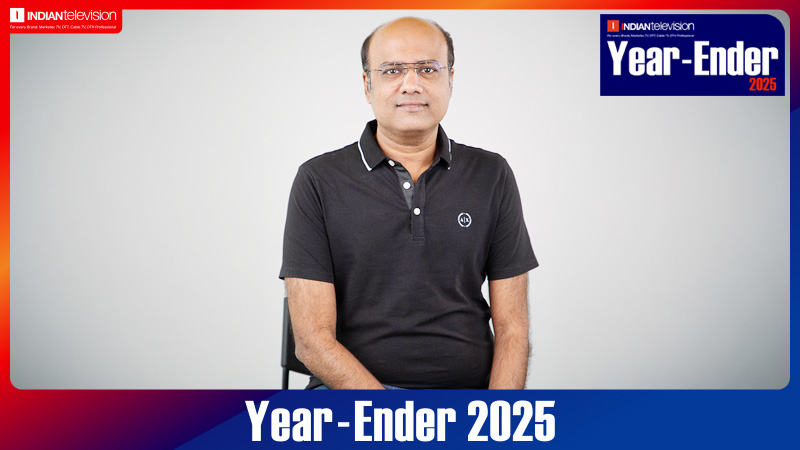
MUMBAI: At first glance, 2025 looked like just another year of steady growth for India’s digital marketing industry. Budgets rose, platforms expanded and campaigns kept coming. But beneath that apparent momentum, a deeper shift was underway. In this guest column, Bharat Subramaniam, founder & managing director of BigTrunk Communications, examines how 2025 quietly redefined the role of agencies, reshaped expectations around data, creativity and technology, and set the foundation for a far more complex and opportunity-rich 2026, one where strategic intelligence, not scale alone, will determine who leads the industry.
The digital marketing ecosystem in India moved through a defining inflection point in 2025. Agencies shifted from being campaign executors to becoming strategic partners as the market expanded rapidly and brands demanded deeper intelligence, sharper personalisation and integrated thinking. It became increasingly clear that scale alone would no longer be a competitive advantage. Strategic intelligence, data maturity and omnichannel fluency emerged as the true differentiators. With the market valued at USD 5.15 billion in 2024, and entering a decade of accelerated growth driven by rising digital adoption across smaller cities, agencies realised that a volume oriented approach was no longer enough. This transformation now sets the stage for a more complex and opportunity rich 2026.
Market Momentum Shift
Growth in 2025 reflected a broader shift in India’s digital behaviour. Digital advertising was projected to rise more than 20 percent to reach INR 59200 crore, overtaking traditional media for the first time. The government’s Digital India mission, public WiFi expansion and 5G rollout unlocked unprecedented reach in tier two and tier three regions. As digital consumption matured in these markets, agencies learned that the real opportunity was no longer only in reaching new audiences but in understanding their context, intent and cultural nuance. Many firms strengthened capabilities across mobile advertising, search, social and creative development to tap this rapidly evolving consumer base. With the market projected to grow at a compounded annual rate of more than 30 percent until 2034, scale and sophistication are now advancing together.
Strategic Realignment Needs
The rise of Web 3.0 conversations pushed agencies to rethink long term capability planning in 2025. Marketers increasingly sought partners who understood data pipelines, audience segmentation and content intelligence, and who could guide decision making rather than simply execute briefs. Agencies responded by blending performance marketing with stronger advisory roles, helping brands navigate a landscape where creativity, community and conversion must coexist. Social networks continued to lead brand discovery, driving agencies to deepen experience design and platform specific creativity. 2025 marked a shift where clients stopped asking for campaigns and started asking for clarity, with measurable impact expected from every digital intervention.
Influencer Ecosystem Growth
Influencer marketing evolved into a more structured and outcome driven discipline. The industry, expected to exceed INR 100 billion in value by 2027, became central to brand storytelling, particularly with micro influencers building trust and relevance in non-metro regions. Agencies refined authenticity metrics, strengthened co creation frameworks between creators and brand teams, and aligned campaigns more closely with performance measurement. Influencers were no longer simply amplifying awareness. They began driving discovery and commerce in equal measure, establishing new expectations from agencies operating in social and online reputation ecosystems.
Technology Integration Imperatives
The year highlighted a widening gap between agencies that embraced technology and those that stayed cautious. Martech adoption accelerated as brands demanded unified dashboards, predictive insights and automation led content delivery. The priority shifted from acquiring technology to operationalising it quickly and intelligently. Emerging conversations around AI driven personalisation, privacy centric targeting and cookieless advertising encouraged firms to experiment aggressively. Agencies strengthened analytics implementation, in app and website development and full funnel optimisation, with AI driven personalisation and privacy centric targeting gaining momentum. Creativity and technology are now inseparable, forming the foundation for a 2026 where AI led workflows are expected to become mainstream.
Challenges and Opportunities Ahead
Agencies look toward 2026 with both optimism and caution. The pace of transformation is exceeding talent readiness, making skilling one of the most urgent priorities. Platform fragmentation, content fatigue and rising costs of digital visibility are putting pressure on performance. Brands expect deeper insights, higher accountability and more agile collaboration. The year ahead will be shaped by AI assisted content creation, predictive media planning, retail media network expansion, regional language dominance and new forms of consumer discovery beyond traditional search. Opportunities are equally compelling as influencer commerce matures, immersive formats grow and automation becomes central to execution. The agencies that will define 2026 will be the ones that innovate at the speed of consumer behaviour rather than the speed of technology, combining creativity with data intelligence and MarTech fluency to deliver lasting transformation.
Note: The views expressed in this article are solely the author’s and do not necessarily reflect our own.









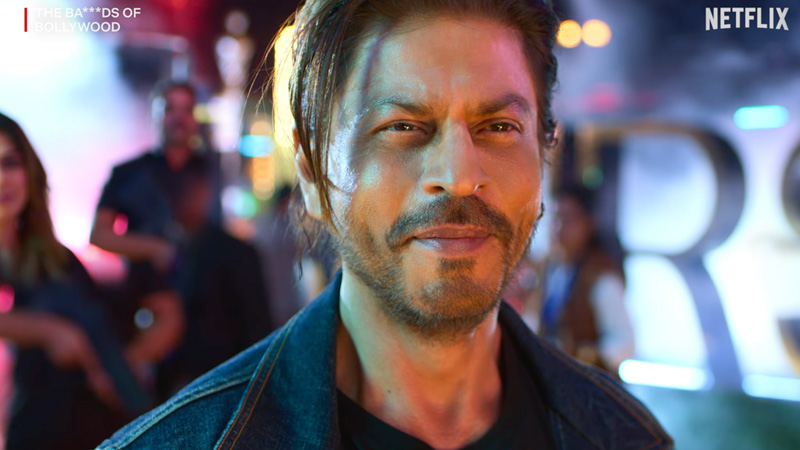
MUMBAI: Netflix is celebrating ten years in India with a slick anniversary film voiced by Shah Rukh Khan, a nostalgic sprint through a decade that rewired how the country watches stories. The campaign doubles as both tribute and reminder: streaming did not just enter Indian homes, it quietly rearranged them.
Roll back to 2016 and television still dictated schedules. Viewers waited weeks, sometimes months, for favourite films to appear on prime time. Family-friendly filters narrowed options further, and piracy often filled the gaps. Then Netflix arrived, softly but decisively, carrying a catalogue of international titles rarely seen in Indian theatres and placing them a click away. Old blockbusters and new releases suddenly coexisted on the same digital shelf.
The platform’s real inflection point came in 2018 with Sacred Games, a breakout series that refused to dilute India’s grit for global comfort. Audiences embraced its unvarnished tone, signalling readiness for stories that did not need box-office validation or censorship compromises. What followed was a steady procession of relatable narratives. Competitive-exam anxiety fuelled Kota Factory. College relationships unfolded in Mismatched. Everyday pressures, not grand spectacle, proved bankable.
Language barriers thinned as foreign series arrived with Hindi, Tamil and Telugu dubbing, expanding viewership beyond urban English-speaking pockets. Marketing mirrored the shift. For global releases such as Squid Game, Netflix leaned on regional creators and influencers to localise buzz and make international content feel native.
The library widened beyond fiction. Documentaries stepped out of festival circuits into living rooms. Stand-up comedians found scale. Established filmmakers, including Sanjay Leela Bhansali with Heeramandi, embraced the platform’s long-form canvas. Subscriber numbers swelled to 12.37 million in India, according to Demandsage, and behaviour followed suit. Late-night binges became routine. Friday release rituals loosened. Watch parties turned solitary screens into social events.
Economics demanded adjustment. Early subscription pricing carried a premium aura that deterred many households. Over time, Netflix recalibrated plans to align with Indian spending sensibilities, conceding that accessibility is as critical as content. To extend momentum around marquee titles, the platform also experimented with split-season releases, stretching anticipation and watch time.
The anniversary film, narrated by Shah Rukh Khan, captures the linguistic shift that mirrors the cultural one: from “Netflix pe kya dekha?” to “Netflix pe kya dekhein?” The question moved from recounting the past to planning the next binge. In ten years, Netflix morphed from foreign entrant to familiar fixture, exporting Indian stories abroad while importing global ones home. The remote no longer waits; it chooses, clicks and moves on. In the streaming age, patience is out, playlists are in, and the next episode is always one tap away.
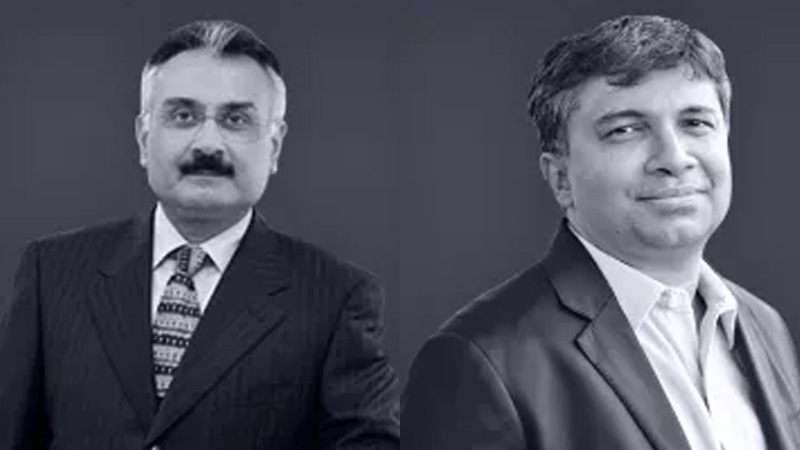
Gurugram: Delhivery’s boardroom is being reset. Deepak Kapoor, chairman and independent director, has resigned with effect from April 1 as part of a planned board reconstitution, the logistics company said in an exchange filing. Saugata Gupta, managing director and chief executive of FMCG major Marico and an independent director on Delhivery’s board, has also stepped down.
Kapoor exits after an eight-year stint that included steering the company through its 2022 stock-market debut, a period that saw Delhivery transform from a venture-backed upstart into one of India’s most visible logistics platforms. Gupta, who joined the board in 2021, departs alongside him, marking a simultaneous clearing of two senior independent seats.
“Deepak and Saugata have been instrumental in our process of recognising the need for and enabling the reconstitution of the board of directors in line with our ambitious next phase of growth,” said Sahil Barua, managing director and chief executive, Delhivery. The statement frames the exits less as departures and more as deliberate succession, a boardroom shuffle timed to the company’s evolving scale and strategy.
The resignations arrive amid broader governance recalibration. In 2025, Delhivery appointed Emcure Pharmaceuticals whole-time director Namita Thapar, PB Fintech founder and chairman Yashish Dahiya, and IIM Bangalore faculty member Padmini Srinivasan as independent directors, signalling a tilt towards consumer, fintech and academic expertise at the board level.
Kapoor’s tenure spanned Delhivery’s most defining years, rapid network expansion, public listing and the push towards profitability in a bruising logistics market. Gupta’s presence brought FMCG and brand-scale perspective during a period when ecommerce volumes and last-mile delivery economics were being rewritten.
The twin exits, effective from the new financial year, underscore a familiar corporate rhythm: founders consolidate, veterans rotate out, and fresh voices are ushered in to script the next chapter. In India’s hyper-competitive logistics race, even the boardroom does not stand still.
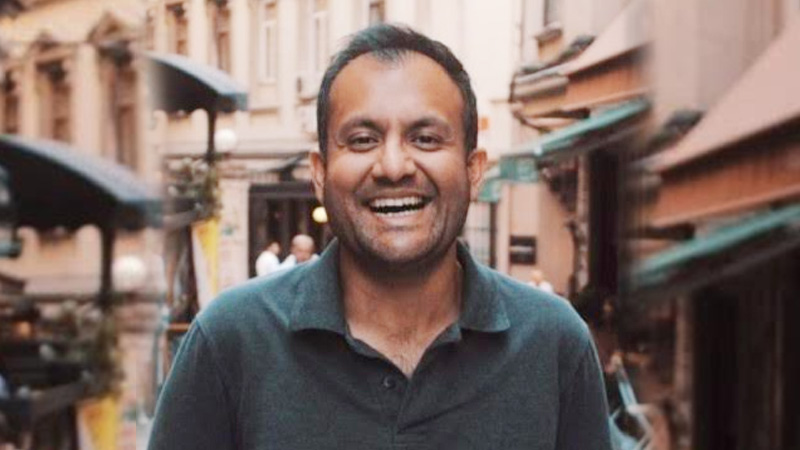
At Locofy.ai, Rao helped convert a three-year free beta into a paid engine, clocking 1,000 subscribers and 15 enterprise clients within ten days of launch in September 2024. The low-code startup, backed by Accel and top tech founders, is famed for turning designs into production-ready code using proprietary large design models.
Before that, Rao founded generative AI venture 1Bstories, which was acquired by creative AI platform Laetro in mid-2024, where he briefly served as managing director for APAC. Alongside operating roles, he has been an active investor and advisor since 2020, backing startups such as BotMD, Muxy, Creator plus, Intellect, Sealed and CricFlex through a creator-economy-led thesis.
Rao spent over eight years at Google, holding senior partnership roles across search, assistant, chrome, web and YouTube in APAC, and earlier cut his teeth in strategy consulting at OC&C in London and investment finance at W. P. Carey in Europe and the US.

Netflix celebrates a decade in India with Shah Rukh Khan-narrated tribute film

Delhivery chairman Deepak Kapoor, independent director Saugata Gupta quit board

Meta appoints Anuvrat Rao as APAC head of commerce partnerships

Brnd.me enters Europe as haircare brands power global expansion

TechnoSport taps quick commerce with launch on Slikk’s 60-minute platform

Jitendra Singh joins Reliance Industries as senior vice president, special projects

Tinder brings real-world dating experiences to North East India

These ’90s fashion trends are making a comeback in 2017
The final 6 ‘Game of Thrones’ episodes might feel like a full season
According to Dior Couture, this taboo fashion accessory is back
The old and New Edition cast comes together to perform
Phillies’ Aaron Altherr makes mind-boggling barehanded play
Uber and Lyft are finally available in all of New York State
Disney’s live-action Aladdin finally finds its stars
Netflix celebrates a decade in India with Shah Rukh Khan-narrated tribute film
Delhivery chairman Deepak Kapoor, independent director Saugata Gupta quit board
Meta appoints Anuvrat Rao as APAC head of commerce partnerships
Brnd.me enters Europe as haircare brands power global expansion
TechnoSport taps quick commerce with launch on Slikk’s 60-minute platform
Jitendra Singh joins Reliance Industries as senior vice president, special projects
Tinder brings real-world dating experiences to North East India
-
 iWorld3 months ago
Tips Music turns up the heat with Tamil party anthem Mayangiren
-
 iWorld12 months ago
BSNL rings in a revival with Rs 4,969 crore revenue
-
 I&B Ministry3 months ago
India steps up fight against digital piracy
-
 MAM3 months ago
HoABL soars high with dazzling Nagpur sebut
-
 iWorld2 days ago
Netflix celebrates a decade in India with Shah Rukh Khan-narrated tribute film
-
 News Broadcasting6 months ago
Wion marks Independence Day with global showcase of India’s spirit
-
 iWorld3 months ago
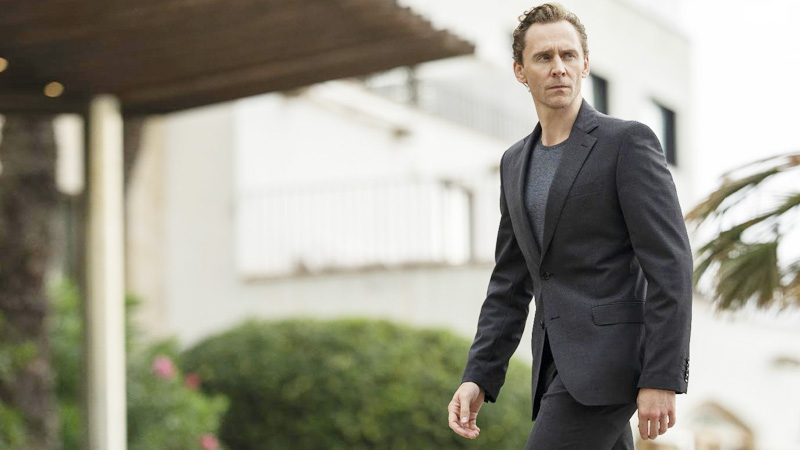
The Night Manager returns with new secrets, new spies and old scars
-

 I&B Ministry2 months ago
Centre drafts OTT rules to boost access for hearing disabled