
News Headline
From autofocus cranes to Emmy-winning AR tech: Stype Cajic’s journey to shaping the future of broadcast and media production

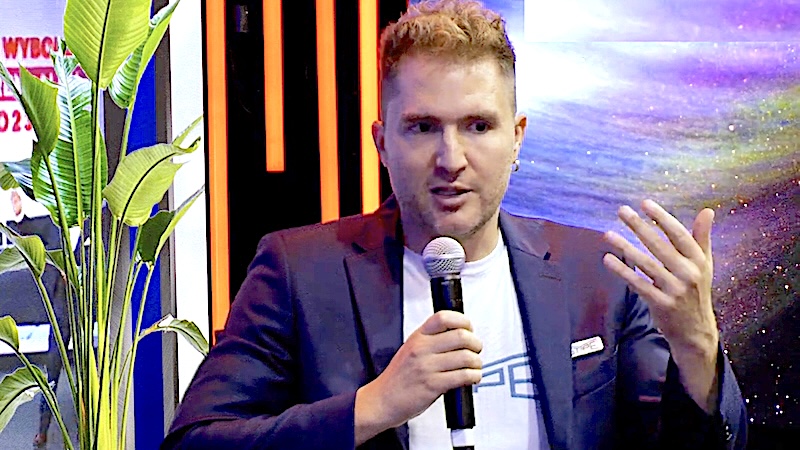
MUMBAI: Stype Cajic, the founder of Stype, is a 40-year-old trailblazer who has built a global media tech empire from the ground up. His journey began with a simple idea while still a student—developing autofocus technology for camera cranes. What started as a project in his parent’s house bedroom has now evolved into Stype, a company with a team of over 200 people.
Since its inception in 2011, Stype has made a name for itself by providing state-of-the-art tracking solutions for VR, AR and MR (mixed reality) productions, as well as movie previsualisations. From the optical camera tracking system RedSpy 2.0 Fiber, used by the world’s biggest broadcasters like BBC, Fox, and MTV, to the innovative StypeKit mechanical tracking solution for cranes and jibs, Stype’s products are now a staple in the industry. The company’s latest breakthrough, Follower, takes talent and object tracking to new heights, enabling real people to seamlessly interact with virtual elements in AR.
In this interview, Cajic shares his insights into the evolution of his company, the technological innovations that have shaped the company’s success, and his vision for the future of media tech. Excerpts:

What inspired you to develop Automatic aiming for camera cranes?
The idea came when a friend was building camera cranes and struggled with controlling the camera using a joystick. I thought, why not automate the process so the camera could track objects on its own? This led to the development of the first prototype, which proved the concept could work.
My background in shooting music videos against green screens also played a key role, as creating dynamic, realistic backgrounds was challenging with static shots. This led me to realise that the encoders used for automatic aiming could also track the camera’s position in 3D space, improving virtual backgrounds. Initially, we developed the system for my friend’s crane, naming it “Aim Crane,” but it took off when we adapted it into a universal kit that worked with popular cranes like the Stanton Jimmy Jib and Cammate.
How did you land your first major client?
Our big break came when we tested the system successfully in Lebanon – an AR project for a Ramadan TV show. This project helped me make necessary innovations in the software side of the workflow, particularly data conversion and lens calibration. The success of this project gave us a foothold in the industry.
Though we shared our work online, it didn’t initially lead to business until we received an unexpected email from Fox Sports Australia. They had ordered a Japanese tracking system for their AR-enhanced broadcast, but it wouldn’t arrive in time. After finding our online posts, they decided to try our system, even though it was much cheaper. We agreed to a trial, and I flew out to their studio. Despite some initial technical issues, I used a data logic analyser to tweak our system to work with theirs, and after a few adjustments, it worked perfectly. Fox Sports was impressed, especially with the auto-aiming feature, which solved problems they had with camera operators. The system not only improved their AR broadcasts but also enhanced the quality of their camera shots. The first unit we sold to them is still operational 13 years later.
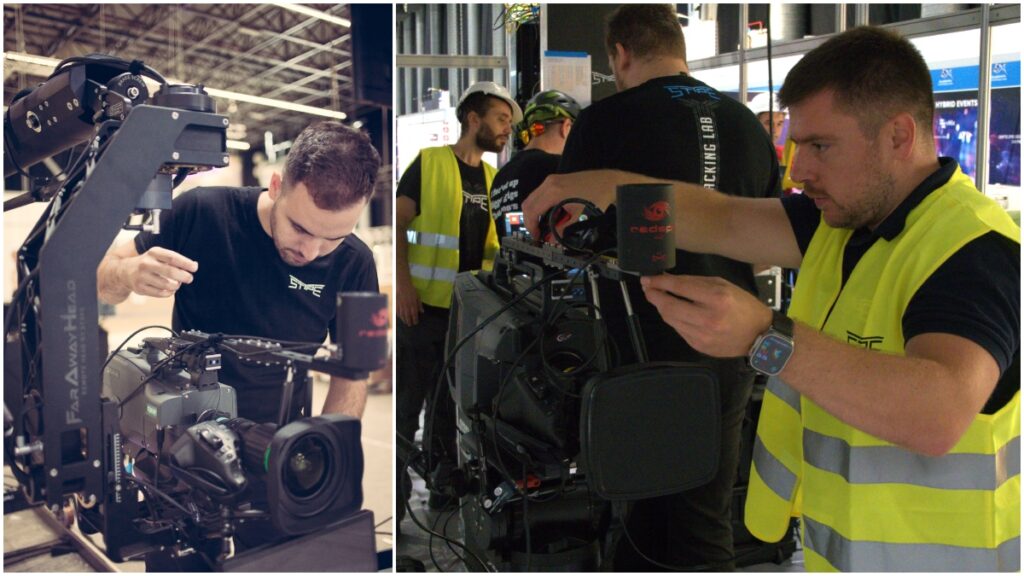
Stype’s RedSpy
What options were available on the market when you began developing an automatic aiming system for cranes?
When I started, I was studying electrical engineering and computing while also working as a video editor, mainly on music videos. It was a fun way to learn during my college days. A friend of mine, who ran a video company, began building camera cranes, but he and his team struggled to control the camera using a joystick—especially with a crane arm stretching five to six metres. It takes years of experience to master that kind of precision.
Drawing on my background in programming, I decided to create a device to automate the process, making crane operation easier, even for less experienced users. After some research, I realised there were no existing products like this on the market. Encouraged by my friend’s enthusiasm, I ordered components, incorporated the project into my college coursework, and eventually developed a prototype by the time I was around 22.
The first prototype worked brilliantly. For example, you could programme the crane to keep a flower perfectly centred in the frame while swinging the arm—producing smooth, professional shots that amazed everyone who saw them.
Interestingly, another benefit emerged from my experience shooting music videos against green screens. Back then—over 20 years ago—we’d rent films from video stores, find suitable backgrounds as inspirations, and painstakingly modify them in Photoshop to repurpose the scenes. However, these backgrounds were static, lacking the depth and dynamic feel of 3D environments. I wanted to move the camera and have the background shift perspective accordingly.
While developing the automated aiming system, I realised the same encoders used to track crane movements could output the camera’s 3D position. This “side feature” turned out to be transformative, opening up new creative possibilities—not just for us but potentially for others in video production. Eventually, this functionality became the core strength of the product, enhancing both camera control and visual effects.
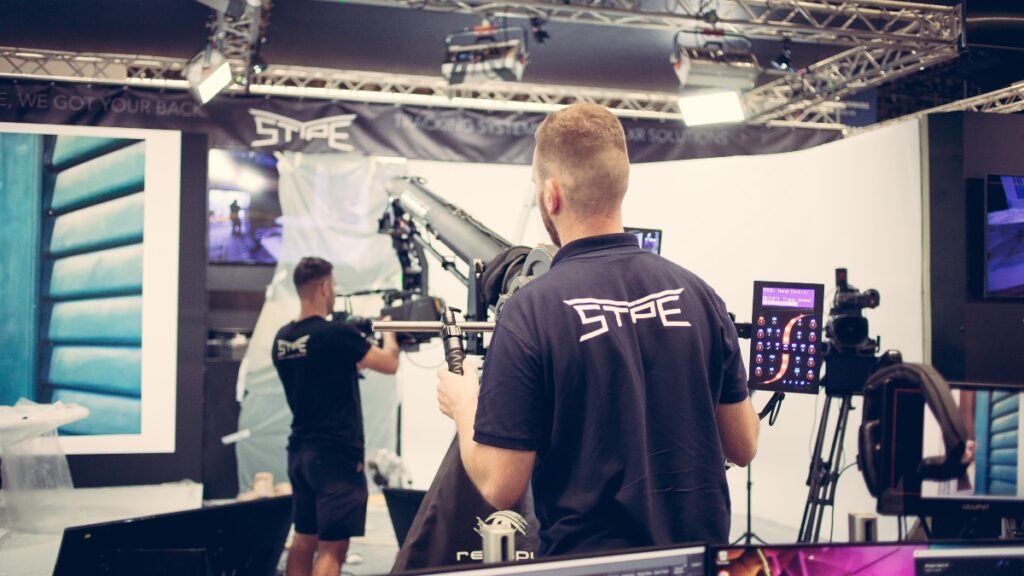
StypeKit and Human Crane setup
How do your camera tracking solutions differ for sports studios, music video production, and esports?
Our hardware solutions have been utilised across various production sectors, including sports, music video production, and esports. Initially, we started with mechanical tracking systems for cranes, such as the StypeKit, which provides auto-aiming and AR data output. Over time, we expanded into optical tracking products like RedSpy and Follower.
For OBs, concerts, arenas and sports, mechanical tracking systems are often preferred because they are reliable, self-sufficient, and don’t depend on external markers, making them ideal for large, dynamic environments like stadiums. In controlled studio spaces, RedSpy is the go-to solution, offering the most precise camera tracking available. Its infrared camera system uses retroreflective markers to ensure flawless tracking, with no drift or wobble, which is essential for high-quality virtual graphics. One key feature was its unobtrusiveness: the infrared LEDs blinked so briefly they were practically invisible, yet the tracking remained flawless. RedSpy’s reliability allows production teams to focus on the creative aspects of their shows instead of worrying about camera tracking performance. This is what has made it the world’s most popular camera tracking system.
StypeKit and RedSpy both have been honoured with an Emmy Award.
Follower, our newest addition, is another optical solution, goes beyond just tracking cameras. It’s similar to a motion capture system and can track people and objects in real-time. Follower is designed for interactive 3D elements, allowing real-time tracking of objects, people, or even props, making it ideal for interactive broadcasts or performances. Unlike other motion capture systems, Follower can handle the complex demands of high-quality AR and virtual content in live environments. It’s also used in LED volume environments, where traditional tracking systems might struggle with precise tracking when complex foreground graphics are involved.
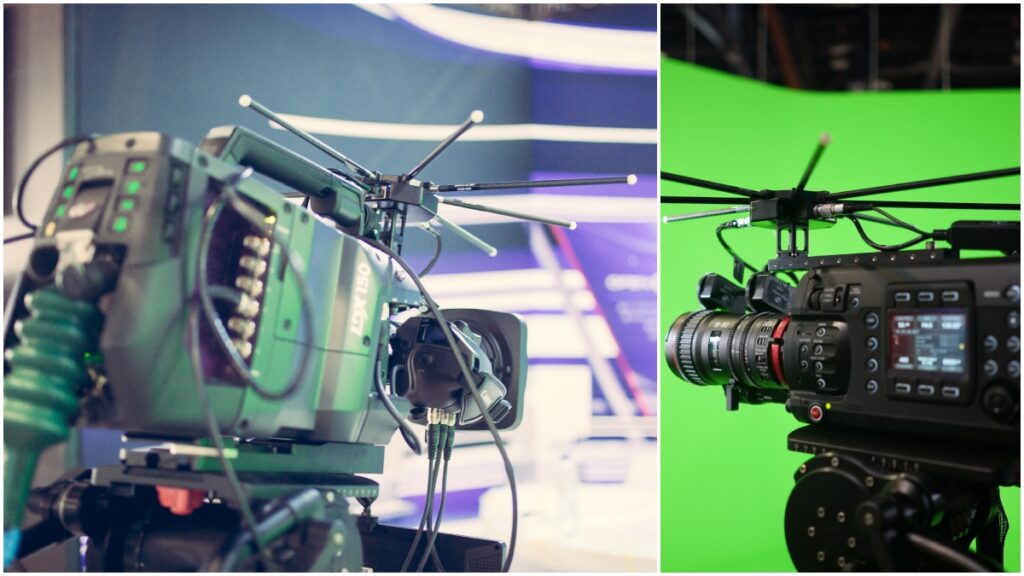 Follower Spyder
What innovations have you introduced in your software solutions?
On the software side, we have consistently pushed the envelope. After recognising the need for advanced chroma keying, we developed StypeLand, a software tool for Unreal Engine that includes a 3D difference-based chroma keyer called GreenKiller. This keyer surpasses others on the market by refining edges, enhancing shadows, and even keying through transparent objects—features that earned us an Emmy Award.
We also lead in XR solutions, offering photorealistic XR sets with LED volumes and set extensions. Our system ensures seamless transitions between virtual and real environments by automatically adjusting colour shifts across LED panels. This innovation, which is the only one of its kind on the market, earned us another Emmy, recognising our work in XR technology for Fox Sports in Los Angeles.
In total, we’ve won multiple Emmys, both for our technical contributions and for our cutting-edge software solutions. These accolades reinforce our commitment to delivering the most precise and the most reliable technology to the media production industry.
Are your solutions compatible with other suppliers, or do clients need to use your complete end-to-end system?
Our solutions are designed to integrate with other systems. Our hardware camera tracking portfolio is fully compatible with any software manufacturer that requires high-quality camera tracking. We’ve ensured that integration is straightforward, making it easy for clients to incorporate our technology into their existing workflows.
On the software side, we operate almost like a standalone company, which means our virtual graphics and XR solutions can support any other camera tracking system on the market. Compatibility has always been a focus for us, ensuring flexibility for broadcasters and studios with diverse setups.
While some clients prefer the simplicity of having a single point of contact for their entire studio solution, we also work with those who already have existing camera tracking or software in place. They don’t need to replace their current systems—whether they require just camera tracking or software integration, our solutions are fully compatible with others.
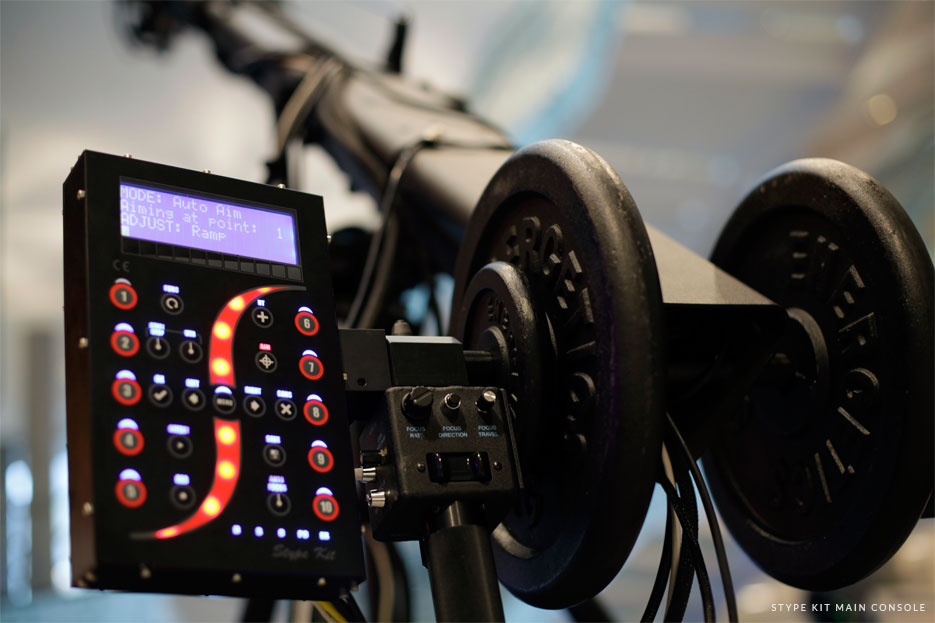
StypeKit main console
How does your technology compare to Zero Density’s solutions?
Our hardware product line is fully compatible with Zero Density, ensuring seamless integration for users. However, when it comes to software, we believe our solutions not only meet but exceed the performance of Zero Density’s offerings.
While Zero Density initially gained more installations by being the first to introduce an Unreal-based workflow, the landscape is shifting. During the period they advanced their software, we concentrated on perfecting our RedSpy camera tracking technology. Now, with both hardware and software offerings, we’re setting new industry standards.
Although software wasn’t our original focus, once we entered the market, we were determined to deliver the best possible solutions. A prime example is our chroma keyer, GreenKiller. When compared to Zero Density’s keyer, GreenKiller consistently delivers superior results—a fact many of our clients have attested to.
How is the Indian market responding to your products? Have you done many installations, and do you see India evolving into a global virtual production hub like Korea or the US?
The Indian market is one of our largest, with over 40 installations across the country. Our biggest client in India is Network18, but we’ve also worked with major broadcasters like Star Sports, Sony, Times Now, India News, and many others. In addition to broadcast and news networks, we’ve collaborated with several film studios and cinema production houses across the country.
While India’s market is vibrant and full of creative potential, it comes with unique challenges, particularly around budget constraints. Unlike regions like the US or Korea, where large-scale LED volume installations are more common, India leans heavily towards AR and green screen setups, which are more cost-effective. However, this hasn’t limited the ambition or creativity we see from Indian clients—they are eager to explore new technologies and make the most of what’s available.
Interest in our products grew significantly after our success with projects in Australia, and it has continued to expand ever since. Even for products like StypeLand, there’s considerable demand in India. Despite budget limitations, the market remains dynamic, with broadcasters and studios pushing the boundaries of virtual production in innovative ways.

With generative AI products like Sora becoming increasingly lifelike, how do you see AI impacting the AR products you deliver? Are you also using AI and machine learning within your company to improve your products?
Generative AI, like Sora from OpenAI, opens up tremendous possibilities for the AR space. When creating virtual shows, hardware and software are just part of the equation. One of the biggest investments often lies in designing virtual environments, which requires extensive work from virtual architects and designers. AI can significantly reduce these costs by automating the creation of intricate details within virtual environments—something that would typically take an enormous amount of time. This will accelerate the adoption of virtual production by making content creation more efficient and accessible.
Within our company, we’re actively exploring AI and machine learning to enhance our products. For example, in our StypeLand product, we’re experimenting with AI to optimise certain features. Looking ahead, AI will play an even more prominent role in the next generation of our products, as we continue to explore how it can enhance both performance and efficiency.
Where do you see Stype going from here?
Looking ahead, Stype is focused on expanding its portfolio with several new camera tracking products. As you’ve likely noticed, we’re continually enhancing our camera tracking solutions. We’re also diving deeper into the robotics space, similar to how we developed the StypeKit.
StypeLand has become a major growth driver for us, and its improvements are ongoing. We’re constantly refining it, adding new features that help us stay ahead of the competition. One of the latest advancements we introduced is a playlist-based system for StypeLand, which integrates with newsroom control systems using multiple protocols. This update fills in some of the gaps that were missing before.
What’s especially exciting is how StypeLand has evolved from being a tool for AR and green screens to a full-fledged solution that TV stations are now using as a central part of their workflow. It’s become more than just a piece of software—it’s now an essential tool for broadcasters.
Our aim is to continue offering a comprehensive suite of solutions that meet the needs of modern TV stations, and that’s the direction we’re taking Stype in.


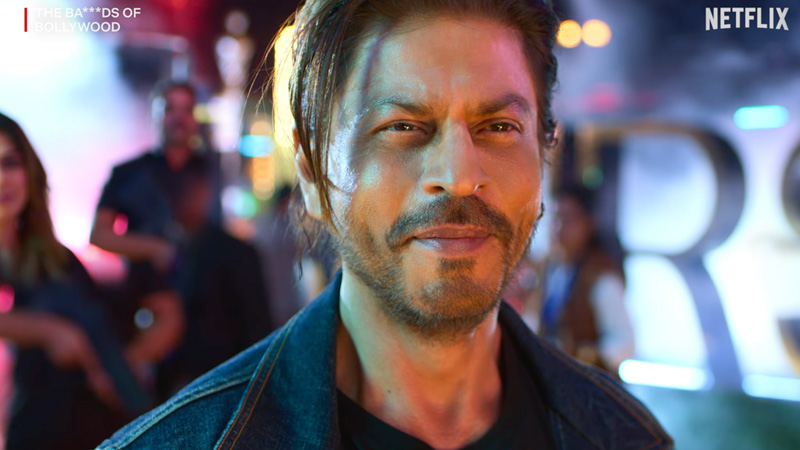
MUMBAI: Netflix is celebrating ten years in India with a slick anniversary film voiced by Shah Rukh Khan, a nostalgic sprint through a decade that rewired how the country watches stories. The campaign doubles as both tribute and reminder: streaming did not just enter Indian homes, it quietly rearranged them.
Roll back to 2016 and television still dictated schedules. Viewers waited weeks, sometimes months, for favourite films to appear on prime time. Family-friendly filters narrowed options further, and piracy often filled the gaps. Then Netflix arrived, softly but decisively, carrying a catalogue of international titles rarely seen in Indian theatres and placing them a click away. Old blockbusters and new releases suddenly coexisted on the same digital shelf.
The platform’s real inflection point came in 2018 with Sacred Games, a breakout series that refused to dilute India’s grit for global comfort. Audiences embraced its unvarnished tone, signalling readiness for stories that did not need box-office validation or censorship compromises. What followed was a steady procession of relatable narratives. Competitive-exam anxiety fuelled Kota Factory. College relationships unfolded in Mismatched. Everyday pressures, not grand spectacle, proved bankable.
Language barriers thinned as foreign series arrived with Hindi, Tamil and Telugu dubbing, expanding viewership beyond urban English-speaking pockets. Marketing mirrored the shift. For global releases such as Squid Game, Netflix leaned on regional creators and influencers to localise buzz and make international content feel native.
The library widened beyond fiction. Documentaries stepped out of festival circuits into living rooms. Stand-up comedians found scale. Established filmmakers, including Sanjay Leela Bhansali with Heeramandi, embraced the platform’s long-form canvas. Subscriber numbers swelled to 12.37 million in India, according to Demandsage, and behaviour followed suit. Late-night binges became routine. Friday release rituals loosened. Watch parties turned solitary screens into social events.
Economics demanded adjustment. Early subscription pricing carried a premium aura that deterred many households. Over time, Netflix recalibrated plans to align with Indian spending sensibilities, conceding that accessibility is as critical as content. To extend momentum around marquee titles, the platform also experimented with split-season releases, stretching anticipation and watch time.
The anniversary film, narrated by Shah Rukh Khan, captures the linguistic shift that mirrors the cultural one: from “Netflix pe kya dekha?” to “Netflix pe kya dekhein?” The question moved from recounting the past to planning the next binge. In ten years, Netflix morphed from foreign entrant to familiar fixture, exporting Indian stories abroad while importing global ones home. The remote no longer waits; it chooses, clicks and moves on. In the streaming age, patience is out, playlists are in, and the next episode is always one tap away.

Gurugram: Delhivery’s boardroom is being reset. Deepak Kapoor, chairman and independent director, has resigned with effect from April 1 as part of a planned board reconstitution, the logistics company said in an exchange filing. Saugata Gupta, managing director and chief executive of FMCG major Marico and an independent director on Delhivery’s board, has also stepped down.
Kapoor exits after an eight-year stint that included steering the company through its 2022 stock-market debut, a period that saw Delhivery transform from a venture-backed upstart into one of India’s most visible logistics platforms. Gupta, who joined the board in 2021, departs alongside him, marking a simultaneous clearing of two senior independent seats.
“Deepak and Saugata have been instrumental in our process of recognising the need for and enabling the reconstitution of the board of directors in line with our ambitious next phase of growth,” said Sahil Barua, managing director and chief executive, Delhivery. The statement frames the exits less as departures and more as deliberate succession, a boardroom shuffle timed to the company’s evolving scale and strategy.
The resignations arrive amid broader governance recalibration. In 2025, Delhivery appointed Emcure Pharmaceuticals whole-time director Namita Thapar, PB Fintech founder and chairman Yashish Dahiya, and IIM Bangalore faculty member Padmini Srinivasan as independent directors, signalling a tilt towards consumer, fintech and academic expertise at the board level.
Kapoor’s tenure spanned Delhivery’s most defining years, rapid network expansion, public listing and the push towards profitability in a bruising logistics market. Gupta’s presence brought FMCG and brand-scale perspective during a period when ecommerce volumes and last-mile delivery economics were being rewritten.
The twin exits, effective from the new financial year, underscore a familiar corporate rhythm: founders consolidate, veterans rotate out, and fresh voices are ushered in to script the next chapter. In India’s hyper-competitive logistics race, even the boardroom does not stand still.
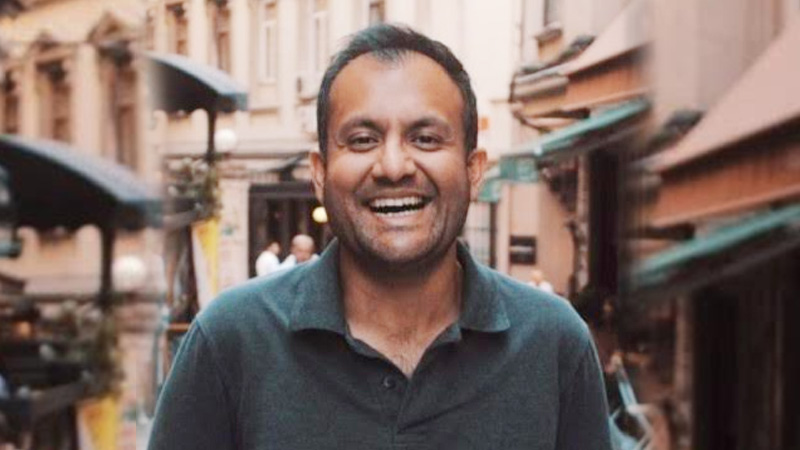
At Locofy.ai, Rao helped convert a three-year free beta into a paid engine, clocking 1,000 subscribers and 15 enterprise clients within ten days of launch in September 2024. The low-code startup, backed by Accel and top tech founders, is famed for turning designs into production-ready code using proprietary large design models.
Before that, Rao founded generative AI venture 1Bstories, which was acquired by creative AI platform Laetro in mid-2024, where he briefly served as managing director for APAC. Alongside operating roles, he has been an active investor and advisor since 2020, backing startups such as BotMD, Muxy, Creator plus, Intellect, Sealed and CricFlex through a creator-economy-led thesis.
Rao spent over eight years at Google, holding senior partnership roles across search, assistant, chrome, web and YouTube in APAC, and earlier cut his teeth in strategy consulting at OC&C in London and investment finance at W. P. Carey in Europe and the US.

Mukesh Ambani, Larry Fink come together for CNBC-TV18 exclusive

Nielsen launches co-viewing pilot to sharpen TV measurement

Netflix celebrates a decade in India with Shah Rukh Khan-narrated tribute film

Delhivery chairman Deepak Kapoor, independent director Saugata Gupta quit board

Meta appoints Anuvrat Rao as APAC head of commerce partnerships

Brnd.me enters Europe as haircare brands power global expansion

TechnoSport taps quick commerce with launch on Slikk’s 60-minute platform

These ’90s fashion trends are making a comeback in 2017
The final 6 ‘Game of Thrones’ episodes might feel like a full season
According to Dior Couture, this taboo fashion accessory is back
The old and New Edition cast comes together to perform
Phillies’ Aaron Altherr makes mind-boggling barehanded play
Uber and Lyft are finally available in all of New York State
Disney’s live-action Aladdin finally finds its stars
Mukesh Ambani, Larry Fink come together for CNBC-TV18 exclusive
Nielsen launches co-viewing pilot to sharpen TV measurement
Netflix celebrates a decade in India with Shah Rukh Khan-narrated tribute film
Delhivery chairman Deepak Kapoor, independent director Saugata Gupta quit board
Meta appoints Anuvrat Rao as APAC head of commerce partnerships
Brnd.me enters Europe as haircare brands power global expansion
TechnoSport taps quick commerce with launch on Slikk’s 60-minute platform
-
 News Broadcasting1 day ago
Mukesh Ambani, Larry Fink come together for CNBC-TV18 exclusive
-
 iWorld5 days ago
Netflix celebrates a decade in India with Shah Rukh Khan-narrated tribute film
-
 I&B Ministry3 months ago
India steps up fight against digital piracy
-
 iWorld3 months ago
Tips Music turns up the heat with Tamil party anthem Mayangiren
-
 MAM1 day ago
Nielsen launches co-viewing pilot to sharpen TV measurement
-
 iWorld12 months ago
BSNL rings in a revival with Rs 4,969 crore revenue
-
 MAM3 months ago
HoABL soars high with dazzling Nagpur sebut
-

 News Broadcasting2 months ago
CNN-News18 dominates Bihar election coverage with record viewership