
Gaming
Exploring trends in casual gaming and digital content distribution

The landscape of casual gaming and digital content distribution has evolved dramatically over the past decade. Technological advancements and shifting consumer behaviours have fostered a vibrant ecosystem where innovation thrives. India boasts a colossal gaming audience – a whopping 550 million, projected to reach 650 million by 2027. This optimistic outlook is driven by several key factors, including innovation in monetisation techniques and increasing consumer demands.
At Gamezop, a leading casual gaming platform, we are witnessing this growth firsthand. Over 20 per cent of our 45 million monthly active users are first-time gamers, highlighting the democratizing power of casual gaming. This explosion in casual gaming translates to a thriving industry. In FY23, India’s gaming market raked in a cool $3.1 billion, marking a significant 19 per cent jump from the previous year.
Let’s explore the current trends in the casual gaming industry:
Growth of HTML5
HTML5 is acting as a game-changer, paving the way for seamless cross-platform gaming. Gone are the days of downloading separate apps for each game. HTML5 empowers players to jump into the action using any device with a web browser, be it a smartphone, tablet, or PC.

This not only expands the player base but fosters vibrant gaming communities. Players from various devices can connect and play together, boosting engagement and retention. Additionally, HTML5 streamlines the development process, potentially reducing costs and accelerating game launches.
Rise of Mobile Gaming
One of the most significant trends in casual gaming is the rise of mobile gaming. The global gaming industry has a market size of $185 billion, with mobile projected to be the dominant platform. This underlines the need for a mobile-first approach for game developers and publishers.
Mobile gaming’s success can be attributed to several factors, including the convenience of gaming on-the-go, the proliferation of free-to-play models, and the ease of playing HTML5 games. Furthermore, improved graphics, faster processors, and longer battery life, have enhanced the gaming experience, making mobile devices a preferred platform for casual gamers.
Marketing dollars vhasing casual gamers
Gaming platforms are becoming a prime target for advertisers, as casual gamers are the most diverse online demographic – over three billion strong globally! This allows for hyper-targeting that reaches specific audiences based on interests, behaviours, and demographics. This level of precision is unmatched. Whether advertisers aim for brand awareness or sales, including gaming platforms in their media mix is crucial for reaching target audiences effectively.
Gaming also offers unique interactive advantages in engagement and brand storytelling. This creates a conducive environment for advertising messages to resonate and drive results. Additionally, games allow for non-intrusive placements through formats like rewarded ads, which incentivise players to watch ads in exchange for in-game rewards. This fosters a more positive brand perception compared to traditional advertising methods.
Game adoption in non-gaming products
The integration of casual games into non-gaming products is set to rise. Notable digital platforms such as Samsung Internet, Sony News Suite, Tata Play, ixigo, Paytm, and Business Insider now feature dedicated sections for HTML5 games. Utilising games can significantly boost user engagement, exemplified by increasing transactions through the unlocking of exclusive coupons as rewards for in-game achievements.
Other offerings also built on HTML5 – such as quiz, astrology, and cricket content – enrich digital platforms worldwide. Adding products like Quizzop, Astrozop, and Criczop empower apps and websites to seamlessly integrate diverse and captivating content, thereby boosting user engagement and advertising revenue by 15-40 per cent.
A look ahead: charting the course for casual gaming
The future of casual gaming in India is brimming with exciting possibilities. Here are some key trends to watch:
1 Hyper-casual evolution: The hyper-casual market, known for its fast-paced, addictive games, is expected to mature. Look for deeper gameplay mechanics and a shift towards user retention strategies.
2 Monetization mix: Hybrid monetization models that combine advertising, in-app purchases, and subscriptions are likely to gain traction, catering to diverse player preferences.
3 Emerging market boom: Regions like India, Southeast Asia, and MENA are expected to experience explosive growth due to increasing smartphone penetration and affordable data plans.
A final thought
Casual gaming in India is more than just a leisure activity; it’s a booming industry with the potential to revolutionise entertainment and reshape advertising strategies. As this dynamic market evolves, developers and platforms that embrace innovation and cater to the diverse needs of gamers will be the ones who truly level up.
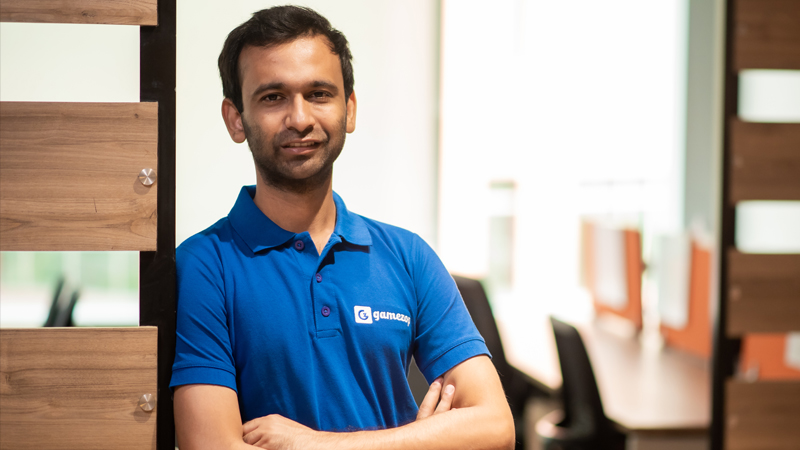
The article has been authored by Gamezop co-founder Gaurav Agarwal.






Gaming
Checkmate Goes Digital as Chess Joins Esports Nations Cup 2026
From boards to bytes, chess readies for a nation-first showdown in Riyadh.
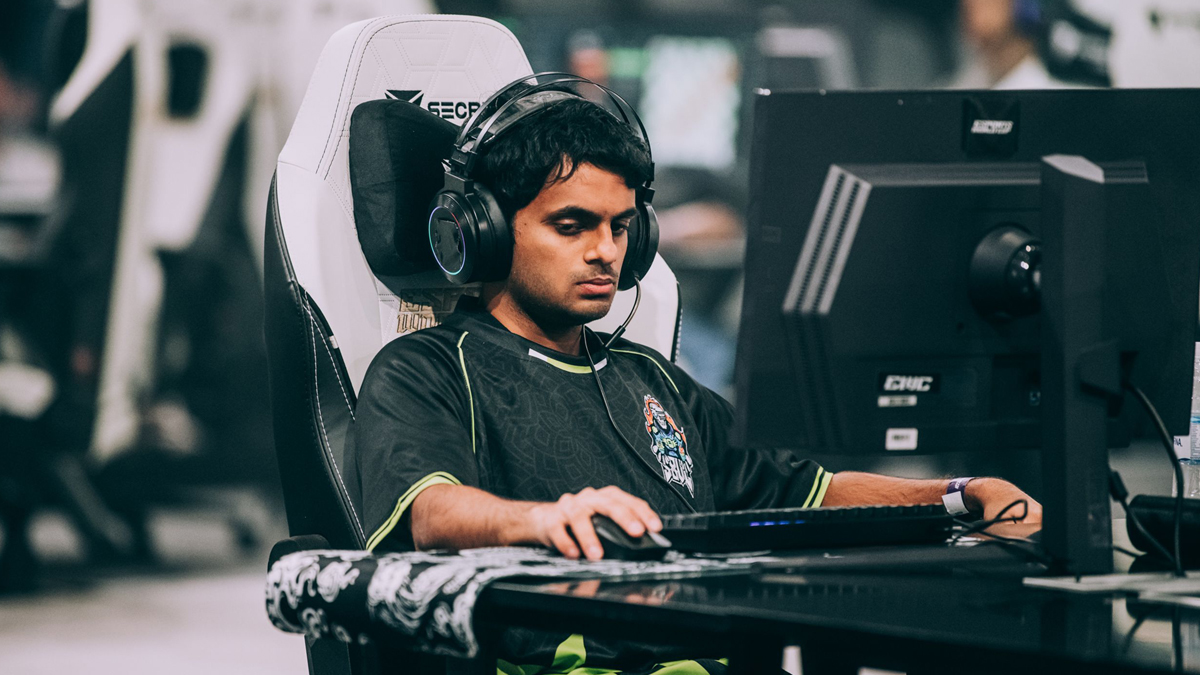
MUMBAI: When pawns meet power plays, the game changes. Chess, the world’s oldest mind sport, is officially stepping deeper into the digital arena after the Esports World Cup Foundation confirmed it as one of 16 titles at the inaugural Esports Nations Cup 2026, set to unfold in Riyadh from 2 to 29 November.
For a game synonymous with quiet halls and ticking clocks, this is a bold move. Chess at ENC 2026 promises scale, spectacle and serious competition, fielding an unprecedented 128 players and opening the board to fresh talent and underrepresented nations as the sport’s esports evolution gathers pace.
The chess competition will run from November 2 to November 8, culminating in a playoff final. The opening phase features 128 players split into 16 round-robin groups of eight, with the top four from each group advancing.
That leaves 64 players battling it out in a single-elimination playoff bracket. Early rounds will be best-of-two, while the quarterfinals onward step up to best-of-four encounters. Deadlocks will be settled via Armageddon tie-breakers, and all matches will be played in a Rapid 10+0 format, designed for speed, tension and drama.
National pride is front and centre. Of the 128 slots, 64 players will receive direct invitations based on Champions Chess Tour rankings, limited to one per nation. Another 56 players will qualify through regional online qualifiers, while eight wildcard spots round out the field.
Qualifiers will be hosted by Chess.com across seven regions, including Middle East + India + Central Asia, with two qualifier windows in June 2026. Each country can field a maximum of two players, ensuring both depth and diversity across the draw.
Chess already tasted esports stardom at the 2025 Esports World Cup, where 20 nations were represented and the intensity surprised even purists. The event ended with Magnus Carlsen lifting the title for Team Liquid, sealing chess’s credentials as a natural fit for high-stakes digital competition.
India’s top-ranked player Arjun Erigaisi called the experience “unlike any chess tournament I’ve played before”, adding that the energy of the esports stage is drawing new audiences into the game.
For commentators and fans alike, the shift to a nation-based format raises the stakes. Chessbase India co-founder Sagar Shah likened the moment to the excitement of the Chess Olympiad, while grandmaster and broadcaster Tania Sachdev said the national format adds “pride, pressure and passion” that pulls viewers in deeper.
From silent calculation to roaring crowds, chess at the Esports Nations Cup 2026 is less about moving pieces and more about moving perceptions. Checkmate, it seems, has gone fully digital.
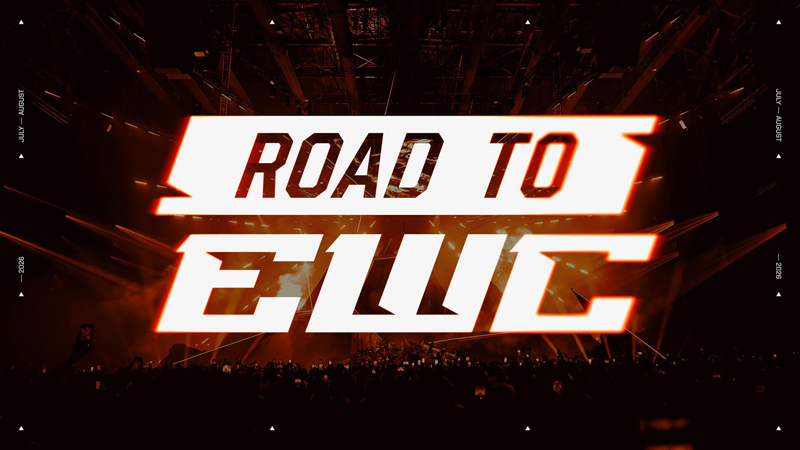
RIYADH: The Esports World Cup Foundation has launched Road to EWC, a worldwide qualification programme for the Esports World Cup 2026, stitching together more than 230 tournaments across major esports regions into a single global competitive season.
Running from grassroots qualifiers to elite international leagues, the initiative creates a unified pathway for players and clubs to reach the Esports World Cup finals in Riyadh from 6 July to 23 August, 2026. The season integrates publisher-led ecosystems and major circuits into one calendar, offering year-round visibility for fans and structured progression for competitors.
“Road to EWC brings together the journeys that shape competitive esports,” said Esports World Cup Foundation chief product officer Faisal Bin Homran. “It gives players, clubs, publishers and fans a defined season to plan around, building a sustainable and global competitive ecosystem.”
The qualification network spans leading events including the Apex Legends Global Series, Capcom Cup, Chess.com Global Championship, EVO, Free Fire World Series, EA Sports FC Pro, Pubg Global Series, Rocket League Championship Series, Overwatch Champions Series, Tekken World Tour Finals, and official circuits for Call of Duty, League of Legends, Fortnite, Rainbow Six Siege, Trackmania and Valorant.
Open online qualifiers will also run for titles such as Dota 2, Teamfight Tactics, Call of Duty: Warzone and Chess, widening access for emerging talent.
In 2025, more than 2,500 players from over 100 countries qualified through the Road to EWC programme. Highlights included 15-year-old Free Fire player Rasyah Rasyid becoming the youngest champion in event history, EA FC star Manuel Bachoore claiming gold, and Street Fighter icon Zeng “Xiao Hai” Zhuojun securing another major title. Team Falcons captured their second club championship following a dramatic Overwatch 2 victory.
A dedicated Road to EWC hub will track qualification events, schedules and viewing options throughout the season. Ticket sales for the Esports World Cup 2026 are now live, with international partners across the US, Europe, Middle East, India and China.
The Esports World Cup returns to Riyadh next summer, bringing together the world’s top clubs across multiple game titles to compete for the largest prize pool in esports history.
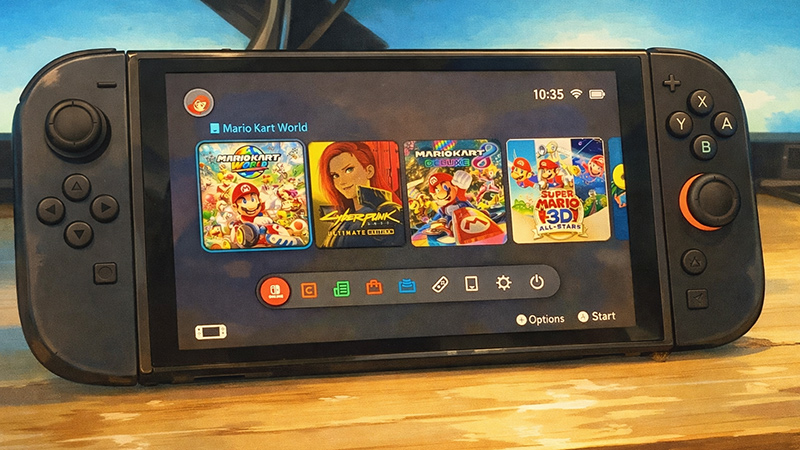
KYOTO: Nintendo shares slid more than 10 per cent on Wednesday, a day after the gaming giant missed market forecasts for quarterly revenue and warned of mounting pressure from a global memory chip shortage, as per media reports.
The company beat profit expectations, posting a 24 per cent year-on-year rise, driven by strong sales of the Nintendo Switch franchise. Revenue surged 86 per cent, with the original Switch now the firm’s best-selling console since its launch in 2017.
Yet rising component costs are weighing on investor sentiment. Nintendo relies heavily on dynamic random access memory (DRAM), a segment grappling with acute shortages as artificial intelligence and data centre demand soak up supply.
Ortus Advisors head of Japanese equity strategy Andrew Jackson, said markets remain uneasy about the impact of higher memory prices on Nintendo’s margins.
President Shuntaro Furukawa acknowledged that while soaring memory costs have not yet dented results for the current financial year, prolonged price pressures could squeeze profitability.
TrendForce estimates that contract prices for conventional Dram chips in the first quarter could jump between 90 and 95 per cent from the previous quarter. A senior semiconductor industry executive recently told CNBC the shortage may last until 2027.
Kantan Games chief executive of consultancy Serkan Toto, said sustained cost inflation could force Nintendo to raise console prices: a risky move for its largely casual user base.
The company’s newest device, Switch 2, launched in June last year and already dominates its console sales mix. But analysts warn that momentum in the first year is critical for any new platform.
Concerns persist over whether Switch 2 can match the runaway success of its predecessor, despite Nintendo holding firm on its full-year sales forecast.
The outlook hinges on upcoming blockbuster releases, including Mario Tennis Fever in February and Pokémon Pokopia in March. Nintendo is also banking on The Super Mario Galaxy Movie, due in April, to replicate the sales boost sparked by its 2023 hit film.
Omdia senior analyst James McWhirter, said 2026 would be a “make-or-break” year as Nintendo seeks broader mass-market appeal for Switch 2.
Nintendo shares are down more than 15 per cent so far this year.



MIB sets OTT accessibility rules, mandates captions and audio description

Boney Kapoor acquires remake rights of Tamil political satire Thalaivar Thambi Thalaimaiyil

Netflix India names Rekha Rane director of films and series marketing

Zabeen signs off from TV9 after shaping the network’s public voice

Dhawan steps up to bat for Delhi’s grassroots sports push

Orient Beverages pops the fizz with steady Q3 gains and rising profits

Cheekatilo shines in the dark with record debut on Prime Video

These ’90s fashion trends are making a comeback in 2017

Swiggy Instamart’s GOV surges 103 per cent year on year to Rs 7,938 crore
The final 6 ‘Game of Thrones’ episodes might feel like a full season
According to Dior Couture, this taboo fashion accessory is back
The old and New Edition cast comes together to perform
Phillies’ Aaron Altherr makes mind-boggling barehanded play
Uber and Lyft are finally available in all of New York State
MIB sets OTT accessibility rules, mandates captions and audio description
Boney Kapoor acquires remake rights of Tamil political satire Thalaivar Thambi Thalaimaiyil
Netflix India names Rekha Rane director of films and series marketing
Zabeen signs off from TV9 after shaping the network’s public voice
Dhawan steps up to bat for Delhi’s grassroots sports push
Orient Beverages pops the fizz with steady Q3 gains and rising profits
Cheekatilo shines in the dark with record debut on Prime Video
-
 e-commerce4 weeks ago
Swiggy Instamart’s GOV surges 103 per cent year on year to Rs 7,938 crore
-
 iWorld1 year ago
Kuku TV transforms India’s OTT space with vertical microdrama boom
-

 News Headline2 months ago
From selfies to big bucks, India’s influencer economy explodes in 2025
-
 News Headline2 years ago
Odisha to host Ultimate Kho Kho Season 2 from December 24
-
 News Headline1 year ago
Abhishek Bachchan joins as co-owner of European T20 Premier League
-

 News Headline2 months ago
2025: The year Indian sports saw chaos, comebacks, and breakthroughs
-

 News Headline2 months ago
Game on again as 2025 powers up a record year and sets the stage for 2030
-
 News Headline1 year ago
TRAI puts a ‘stop’ to unsolicited calls and messages


