
Hindi
Dharmendra Singh Deol: Hindi cinema’s eternal Hero bows out

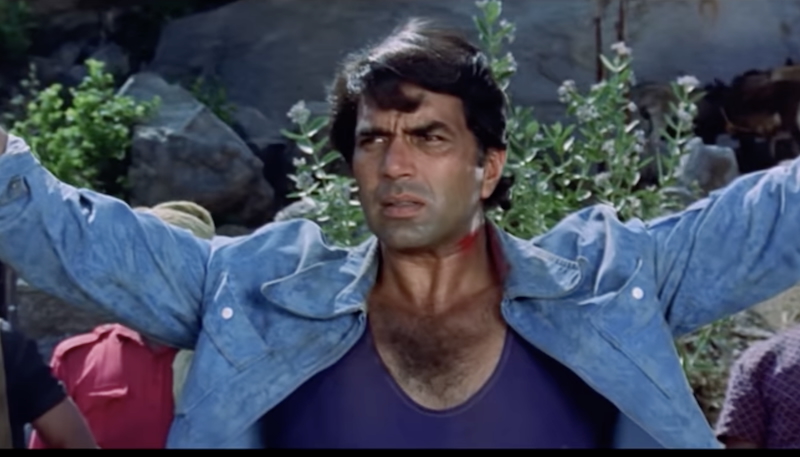
MUMBAI: The guns blazed, the villains flew, and somewhere in the dust cloud stood Dharmendra—jaw set, shirt torn, still immaculate. In six decades on screen, he built a mythology around himself: the last of Hindi cinema’s homegrown he-men, a matinee idol who could charm mothers, daughters and box-office accountants with equal ease. He died in Mumbai on 24 November, aged 89, leaving behind a filmography bursting with action, romance, comedy, and sheer, unembarrassed star power.
Born in 1935 in Sahnewal, a small Punjab village, Dharmendra Kewal Krishan Deol grew up far from the glamour he would eventually embody. His father was a schoolteacher; his mother ran the home. Cinema arrived in his life through single-screen theatres in Phagwara, where he studied. He watched Hollywood westerns, Bollywood tearjerkers, anything he could afford. He dreamt of celluloid long before he understood the harsh arithmetic of fame.
Bombay—gritty, smoggy, merciless—tested him. After winning a Filmfare talent contest at 23, he waited for the promised debut that never materialised. Instead, he spent days knocking on producers’ doors and nights rehearsing expressions in the mirror of a cramped paying guest room. His portfolio photographs frayed from overuse. The hunger was literal as well as metaphorical.

When success finally arrived, it came in a rush. Phool Aur Patthar in 1966 catapulted him from near-obscurity to stardom. He played the outlaw with a wounded heart—tough enough to intimidate, tender enough to adore. Audiences queued for hours; producers queued longer. He repeated the formula in dozens of films, from Anupama to Yaadon Ki Baaraat, carving out a niche between the romantic heroes of the 1960s and the angry young men of the 1970s. Dharmendra managed to be both: a lover with broad shoulders and a fighter with soft eyes.
But 1975 sealed his legend. In Chupke Chupke, he swapped guns for gags, proving he could deliver dry wit with professorial charm. Months later came Sholay, the film that would define a generation and cement his place in the cinematic pantheon. As Veeru, he jumped off water towers, cracked jokes, flirted with Hema Malini and shot down dacoits—often all at once. Off-screen, he fell for Malini, courting controversy and reshaping his personal life. India watched with equal parts fascination and judgement; he soldiered on.
His superstardom stretched across the 1980s, fuelled by relentless work. Some films were hits, others forgettable, but his appeal endured. The 1990s brought a shift as the Khans dominated Bollywood. Dharmendra stepped back without bitterness, turning producer and helping Sunny and Bobby carve out their own space. In Apne (2007), the three generations of Deols punched and wept together, reminding audiences why they adored the family in the first place. Awards eventually followed: the Filmfare Lifetime Achievement in 1997, the Padma Bhushan in 2012. Still, he wore them lightly. Praise flustered him; adoration embarrassed him. Politics, which he reluctantly dabbled in between 2004 and 2009, bored him. Stardom never did.
Age crept in—back trouble, frailty, hospital stays. Yet he continued to act, still chasing the lights that once chased him. Even in his last notable appearance, in 2024’s Teri Baaton Mein Aisa Uljha Jiya, the spark was intact. Another film, Ikkis, will now release without him to promote it.
At his beloved Lonavala farmhouse, he planted trees, fed cattle, and took long walks—“the village boy inside me,” he’d say. Fame had not hardened him. He remained sentimental, occasionally grumbly, mostly grateful. When he lamented in 2023 that Bollywood had overlooked the Deols’ contribution, it was unusual precisely because he so rarely complained.
Dharmendra leaves behind a complicated, sprawling legacy: three generations of stars, a treasury of films, and millions of fans who believed—truly believed—that their hero could never be knocked down for good.
But even he could not fight time. And so the eternal hero exits, leaving behind the echo of punches, laughter, and that impossibly charming smile. India will miss him. Indian cinema will miss him. Screens will miss him.
A nation raised on his movies will remember one thing above all: he made heroism look easy.




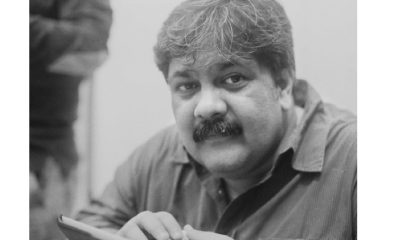





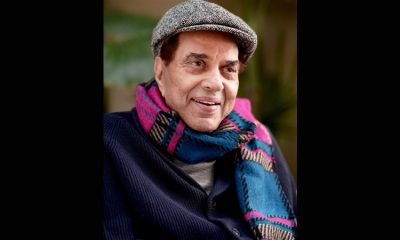


MUMBAI: Prime Video has found its next feel-good original, and it comes with a healthy dose of heart, humour and youthful chaos. The streaming platform has announced Don’t Be Shy, a coming-of-age romantic comedy produced by Alia Bhatt and Shaheen Bhatt under their banner, Eternal Sunshine Productions.
Written and directed by Sreeti Mukerji, the film follows Shyamili ‘Shy’ Das, a 20-year-old who believes her life is neatly mapped out until it suddenly is not. What follows is a relatable tumble through friendship, love and the awkward art of growing up, when plans unravel and certainty gives way to self-discovery.
The project is co-produced by Grishma Shah and Vikesh Bhutani, with music composed by Ram Sampath, adding to the film’s promise of warmth and energy. Prime Video describes the story as light-hearted yet emotionally grounded, with a strong female-led narrative at its core.
Prime Video India director and head of originals Nikhil Madhok, said the platform was delighted to collaborate with Eternal Sunshine on a story that blends sincerity with humour. He noted that the film’s fresh writing, earnest characters and infectious music make it an easy, engaging watch for audiences well beyond its young adult setting.
For Alia Bhatt, Don’t Be Shy reflects the kind of storytelling Eternal Sunshine set out to champion. She said the film stood out for its honesty, its coming-of-age perspective and Mukerji’s passion, which she felt was deeply woven into the narrative. Bhatt also praised Prime Video for supporting distinctive voices and bold creative choices.
With its breezy tone and familiar emotional beats, Don’t Be Shy aims to charm viewers whether they are rom-com regulars or simply in the mood for a warm, unpretentious story about life refusing to stick to the plan.

MUMBAI: Tips Films struggled to find its rhythm in the final quarter of 2025, as a spike in production costs and a new regulatory burden pushed the Mumbai-based outfit deeper into the red. According to results released on Tuesday, January 27, 2026, the company posted a net loss of Rs 286.87 lakh for the quarter ended 31 December, despite a modest bump in total income to Rs 456.29 lakh.
The bottom line was hit by the introduction of India’s New Labour Codes, which forced a Rs 37.37 lakh catch-up payment for employee benefits. Production costs also proved a heavy lift, gobbling up Rs 318.48 lakh during the period. On a nine-month basis, the picture looks even bleaker; the company has racked up losses of Rs 1,237.61 lakh, a sharp reversal from the Rs 1,269.17 lakh profit it managed in the same period last year.
Investors will be looking for a script change as the company enters the final stretch of the financial year, with basic earnings per share now languishing at minus Rs 6.64. For now, Tips Films remains a single-segment player, pinning its hopes entirely on the volatile world of film production and distribution.
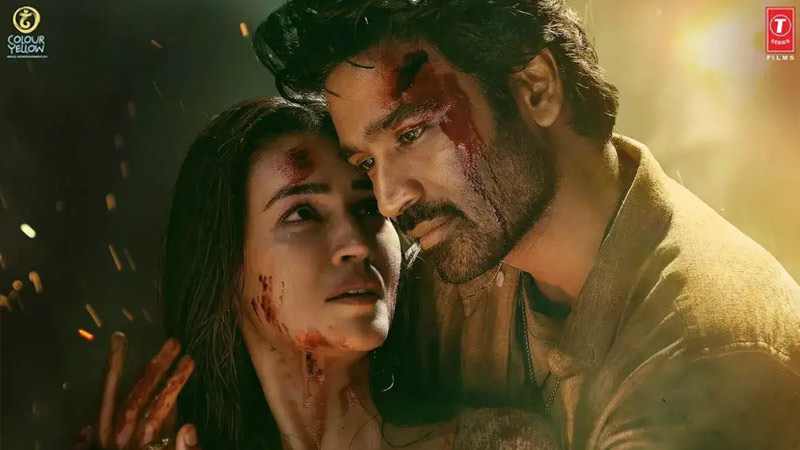
MUMBAI: Eros International Media Ltd has moved the Bombay high court against filmmaker Aanand L Rai and his production banner Colour Yellow Media Entertainment LLP, alleging unauthorised exploitation of the intellectual property of its 2013 blockbuster Raanjhanaa in the promotion and release of the 2025 film Tere Ishk Mein.
The studio is seeking damages of Rs 84 crore, claiming losses arising from what it describes as unlawful capitalisation on Raanjhanaa’s goodwill. According to a report in The Times of India, Eros has filed a commercial intellectual property suit along with an interim application, alleging trademark infringement, copyright infringement and passing off.
Eros contends that Tere Ishk Mein was deliberately marketed as a “spiritual sequel” to Raanjhanaa without authorisation. The suit names Aanand L Rai, Colour Yellow Media Entertainment LLP and Colour Yellow Productions, along with Super Cassettes Industries (T-Series), writer Himanshu Sharma and Netflix Entertainment Services India LLP, turning the dispute into a multi-party legal battle.
In its filing, Eros asserts that it is the producer and exclusive owner of all intellectual property rights in Raanjhanaa, including copyright, registered trademark rights, character rights in Kundan Shankar and Murari, and remake, prequel and sequel rights. The company alleges these rights were exploited while promoting Tere Ishk Mein, which released theatrically on November 28, 2025.
The legal action was triggered by a teaser released online in July 2025, which Eros claims used phrases such as “From the world of Raanjhanaa” and hashtags including #WorldOfRaanjhanaa. The interim application further alleges unauthorised use of footage, background score and music from Raanjhanaa, despite Eros no longer holding the film’s music rights.
Directed by Aanand L Rai, Tere Ishk Mein stars Dhanush, Kriti Sanon, Priyanshu Painyuli, Prakash Raj and Tota Roy Chowdhury. Neither Eros nor the defendants have issued an official statement so far.

Netflix celebrates a decade in India with Shah Rukh Khan-narrated tribute film

Delhivery chairman Deepak Kapoor, independent director Saugata Gupta quit board

Meta appoints Anuvrat Rao as APAC head of commerce partnerships

Brnd.me enters Europe as haircare brands power global expansion

TechnoSport taps quick commerce with launch on Slikk’s 60-minute platform

Jitendra Singh joins Reliance Industries as senior vice president, special projects

Tinder brings real-world dating experiences to North East India

These ’90s fashion trends are making a comeback in 2017
The final 6 ‘Game of Thrones’ episodes might feel like a full season
According to Dior Couture, this taboo fashion accessory is back
The old and New Edition cast comes together to perform
Phillies’ Aaron Altherr makes mind-boggling barehanded play
Uber and Lyft are finally available in all of New York State
Disney’s live-action Aladdin finally finds its stars
Netflix celebrates a decade in India with Shah Rukh Khan-narrated tribute film
Delhivery chairman Deepak Kapoor, independent director Saugata Gupta quit board
Meta appoints Anuvrat Rao as APAC head of commerce partnerships
Brnd.me enters Europe as haircare brands power global expansion
TechnoSport taps quick commerce with launch on Slikk’s 60-minute platform
Jitendra Singh joins Reliance Industries as senior vice president, special projects
Tinder brings real-world dating experiences to North East India
-
 iWorld3 months ago
Tips Music turns up the heat with Tamil party anthem Mayangiren
-
 iWorld12 months ago
BSNL rings in a revival with Rs 4,969 crore revenue
-
 I&B Ministry3 months ago
India steps up fight against digital piracy
-
 MAM3 months ago
HoABL soars high with dazzling Nagpur sebut
-

 News Headline4 weeks ago
Preeti Sahni set to join TV9 Network in senior leadership role
-

 News Broadcasting5 days ago
Palki Sharma leaves Firstpost: Reports
-
 iWorld3 days ago
Netflix celebrates a decade in India with Shah Rukh Khan-narrated tribute film
-
 News Broadcasting6 months ago
Wion marks Independence Day with global showcase of India’s spirit