
Insurance
Consumers shift gears in motor insurance choices in 2025

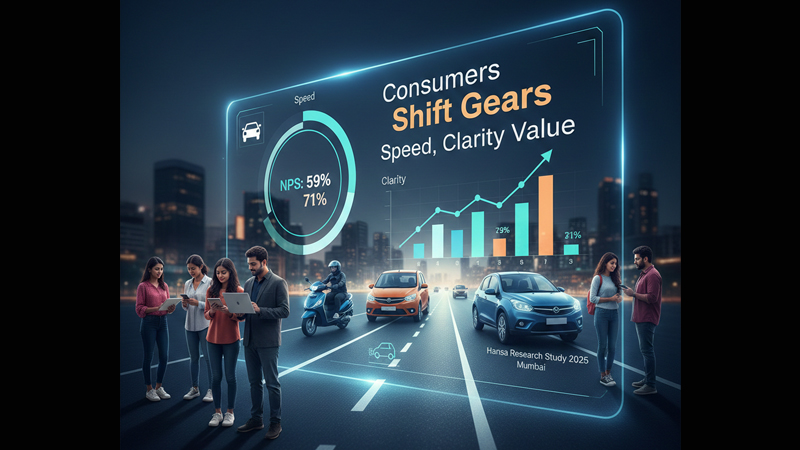
MUMBAI: Hansa Research has taken a fresh drive through India’s motor insurance landscape, unveiling how drivers today pick, trust and switch their policies. Its new nationwide Motor Insurance CuES 2025 study, based on feedback from more than 3,700 customers across 12 major brands, shows a market that is more informed, more demanding and far less patient than before.
After deep dives into life and health insurance, the insights firm has now turned its spotlight to the world of two-wheelers and four-wheelers. The findings sketch a clear picture of what modern policyholders expect and what insurers must fix.
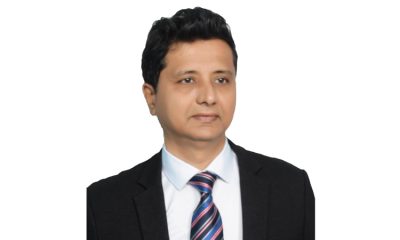
CEO Praveen Nijhara said the Motor Insurance CuES aims to help insurers close experience gaps as customers place growing value on transparent pricing, personalised service and frictionless processes.
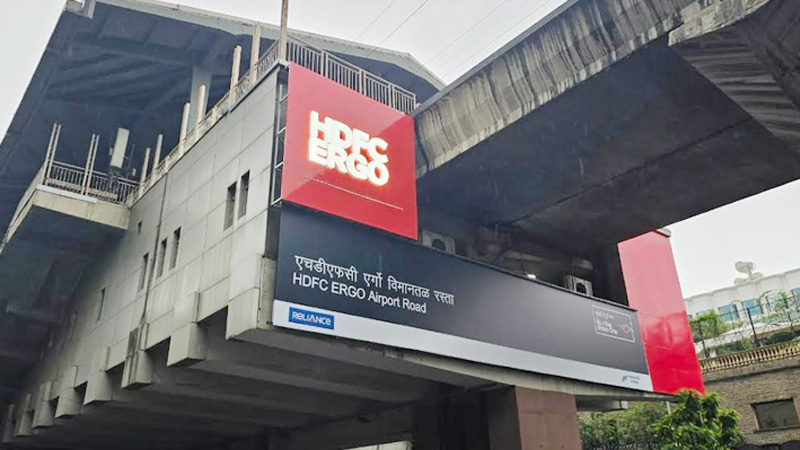
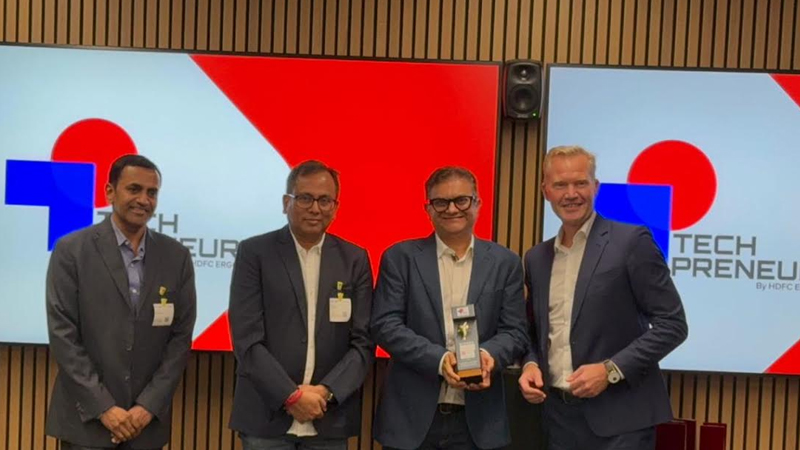
One of the strongest indicators of customer satisfaction is the Net Promoter Score. The motor insurance category holds an overall NPS of 59 per cent, with the four-wheeler segment ahead at 61 per cent and the two-wheeler segment at 55 per cent. Private insurers dominate the rankings. HDFC Ergo leads the pack with an impressive NPS of 71 per cent, followed by Acko General, Tata AIG and Royal Sundaram. Public sector insurers trail far behind, signalling service and experience gaps that customers are no longer willing to overlook.
The study reveals that buyers lean heavily on reputation and trust when narrowing options, but competitive pricing and transparency remain decisive. A strong 24 by 7 support system is now a key differentiator as consumers expect quick answers and faster resolutions. The claim process continues to make or break loyalty, with hassle-free settlements ranking among the most valued features.
Younger millennials stand out as a restless segment. They want speed, proactive updates and always-on service, but show lower loyalty and a readiness to switch after a single poor interaction. Their behaviour points to a market where service slip-ups come with real consequences.
The report highlights how claim experiences also shape future buying behaviour. Consumers who have filed claims are more likely to opt for add-ons, a sign that risk awareness grows once they have been through the process.
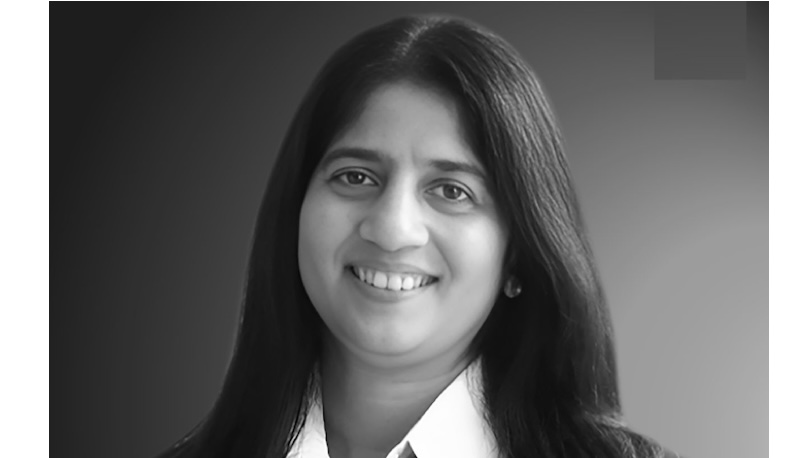
Hansa Research CX executive vice president Piyali Chatterjee, said policyholders are reevaluating their choices at renewal time and looking more closely at competitive offerings and service consistency.
The study also spotlights five major trends shaping the sector in 2025. Digital adoption is rising fastest among metro residents and younger consumers who prefer buying, renewing and tracking claims online with minimal intermediary involvement. Switching behaviour is more common among four-wheeler owners, younger millennials and metro consumers who are highly aware of alternatives. Price sensitivity remains intense, with even small differences influencing decisions. Cashless claim solutions are gaining traction, although network gaps still push many customers into non-cashless claims. And add-ons like zero depreciation, roadside assistance, engine protect and NCB protection remain top favourites, especially among four-wheeler owners seeking convenience and peace of mind.
Together, the findings reflect an industry in motion. Consumers today expect clearer communication, faster service and better value, and insurers that fail to keep up risk being left behind in the next renewal cycle.


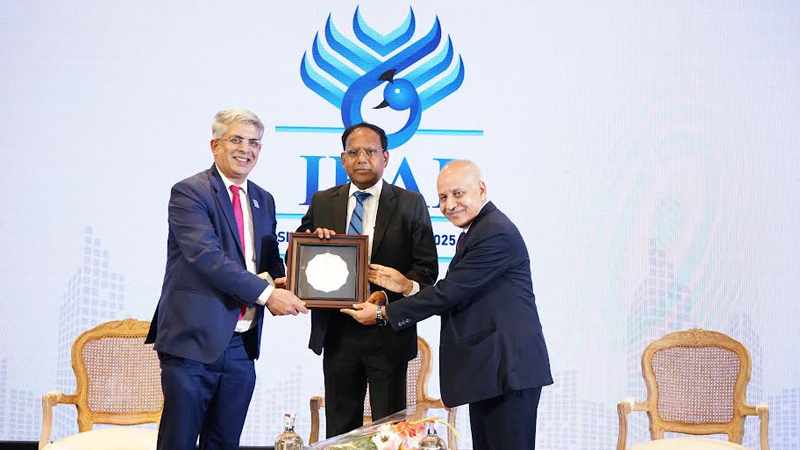
MUMBAI: The Insurance Brokers Association of India (IBAI) kicked off its silver jubilee year with a bold vision and bolder numbers. At its 24th Foundation Day celebration in Mumbai, the association unveiled its flagship report – ‘Leading the Path to Insurance for All: Broker of the Future’ – developed in collaboration with knowledge partner McKinsey & Company. The report, launched by Shri C.P. Radhakrishnan, Governor of Maharashtra, paints a bullish picture: India’s insurance sector could more than double from Rs 11 lakh crore in 2024 to Rs 25 lakh crore by 2030.
Marking the occasion, Mr. M Nagaraju, IAS, secretary, Department of Financial Services, urged brokers to move beyond metros and into Bharat – Tier 2, Tier 3 towns, SMEs, and agri sectors. “IBAI must partner with public institutions and state governments to ensure truly democratic access to insurance,” he said.
The McKinsey report doesn’t pull punches. India’s 91 per cent protection gap is among the highest globally. Just 1 in 2 Indians has life insurance; 2 in 5 have health cover. Strip away government schemes, and that number drops to 1 in 4. Rural India contributes 45 per cent of GDP, yet only 2 per cent of insurance branches exist in these areas.
Retail and SME segments are projected to be the twin engines of growth. The retail market alone could swell to Rs 21 lakh crore, driven by mass-market demand. On the institutional side, non-life premiums could nearly triple to Rs 2.8 lakh crore, largely fuelled by health and property insurance.
Speaking at the event, M Nagaraju, IAS, Secretary, DFS, MoF said, “I congratulate IBAI on embarking on its silver jubilee year and commend its efforts through initiatives like the Brokers Voice survey, I Broker Magazine, and the Claims Handbook. As India moves towards the goal of ‘Insurance for All by 2047’, the role of insurance brokers becomes increasingly vital. IBAI has emerged not just as a trade body but as a responsible stakeholder and thought leader in the insurance value chain. I urge brokers across the country to actively contribute to this national mission—especially in Tier 2 and Tier 3 cities, among small businesses, and in the agriculture sector. IBAI must work closely with the government and public institutions to build awareness, simplify products, and enhance capacity, ensuring truly democratic access to insurance. I also encourage brokers to actively participate in state-level insurance programs.”
Insurance Brokers Association of India president Narendra Bharindwal said, “India’s insurance sector is entering a new era of opportunity, with the potential to more than double by 2030. The growth, however, needs to be secured by fast focus on bridging the massive 91% protection gap that exists in the country. At this moment, brokers have a strategic inflection point. Moving away from merely intermediaries, brokers are becoming trusted advisors that will translate awareness into action and build trust in underserved markets. Regulations permitting, with access to growth capital and investments in digital capabilities, brokers would be able to scale, drive inclusion, and form the bedrock of India’s journey toward ‘Insurance for All’ by 2047. This empowerment must begin now.”
McKinsey & Company senior partner Peeyush Dalmia said, “The Indian insurance industry is at an inflection point. Despite significant growth in premiums, the sector continues to face challenges such as a protection gap and low coverage. Transforming Indian insurance requires innovation and collaboration from all stakeholders, including insurers, brokers, industry bodies, and regulators. Brokers are situated at the intersection of demand and supply, could potentially lead the journey towards the aspiration of ‘Insurance for All by 2047’.”
The report, based on surveys of 2,500 retail customers and 100 institutional clients, uncovered a startling insight: while awareness is rising, intent to buy remains low. Among affluent individuals and HNIs, 60 per cent believe their life insurance should be 10× their salary, but only 30 per cent actually have that cover. Trust is key as 70 per cent of HNIs rely on advisors, while mass-market consumers trust friends and family.
On claims, the story is grimmer. Half of HNIs and over 55 per cent of SMEs report dissatisfaction with claims handling, citing delays, paperwork, and poor support.
India has 735 licensed insurance brokers, but the top 36 control 85 per cent of revenues. Capital access is limited. Regulatory support and digital investment, the report suggests, could transform brokers into true financial allies — especially in mass and SME markets.
The study outlines four strategic interventions to become the Broker of the Future:
● Drive demand through segment-specific, omnichannel engagement
● Unlock access in underinsured markets
● Partner on product innovation
● Create transparent, hassle-free claims and after-sales experiences
(If you are an Anime fan and love Anime like Demon Slayer, Spy X Family, Hunter X Hunter, Tokyo Revengers, Dan Da Dan and Slime, Buy your favourite Anime merchandise on AnimeOriginals.com.)

Netflix celebrates a decade in India with Shah Rukh Khan-narrated tribute film

Delhivery chairman Deepak Kapoor, independent director Saugata Gupta quit board

Meta appoints Anuvrat Rao as APAC head of commerce partnerships

Brnd.me enters Europe as haircare brands power global expansion

TechnoSport taps quick commerce with launch on Slikk’s 60-minute platform

Jitendra Singh joins Reliance Industries as senior vice president, special projects

Tinder brings real-world dating experiences to North East India

These ’90s fashion trends are making a comeback in 2017
The final 6 ‘Game of Thrones’ episodes might feel like a full season
According to Dior Couture, this taboo fashion accessory is back
The old and New Edition cast comes together to perform
Phillies’ Aaron Altherr makes mind-boggling barehanded play
Uber and Lyft are finally available in all of New York State
Disney’s live-action Aladdin finally finds its stars
Netflix celebrates a decade in India with Shah Rukh Khan-narrated tribute film
Delhivery chairman Deepak Kapoor, independent director Saugata Gupta quit board
Meta appoints Anuvrat Rao as APAC head of commerce partnerships
Brnd.me enters Europe as haircare brands power global expansion
TechnoSport taps quick commerce with launch on Slikk’s 60-minute platform
Jitendra Singh joins Reliance Industries as senior vice president, special projects
Tinder brings real-world dating experiences to North East India
-
 iWorld3 months ago
Tips Music turns up the heat with Tamil party anthem Mayangiren
-
 iWorld12 months ago
BSNL rings in a revival with Rs 4,969 crore revenue
-
 I&B Ministry3 months ago
India steps up fight against digital piracy
-
 MAM3 months ago
HoABL soars high with dazzling Nagpur sebut
-

 News Headline4 weeks ago
Preeti Sahni set to join TV9 Network in senior leadership role
-

 News Broadcasting5 days ago
Palki Sharma leaves Firstpost: Reports
-
 iWorld3 days ago
Netflix celebrates a decade in India with Shah Rukh Khan-narrated tribute film
-
 News Broadcasting6 months ago
Wion marks Independence Day with global showcase of India’s spirit