Mumbai: In the era of connectivity and digital communication, the synergy between social media and Corporate Social Responsibility (CSR) has proven to be transformative. No longer confined to traditional methods, CSR initiatives are now amplified and dynamically shaped by the power of social media. Beyond the simplicity of hashtags, these platforms are becoming dynamic agents of change, fostering meaningful connections, driving engagement, and shaping the very essence of corporate responsibility.
The Evolution of CSR Narratives
In the past, CSR initiatives were often limited to corporate reports and annual statements. However, the advent of social media has redefined how companies tell their CSR stories. Platforms like Twitter, with its concise yet impactful format, provide a stage for companies to share real-time updates, success stories, and the impact of their initiatives. Short, punchy tweets are turning CSR narratives into dynamic, ongoing conversations with a global audience.
Engagement Beyond Clicks and Shares
While the use of hashtags can help create awareness, the true power of social media lies in fostering deeper engagement. Platforms like Instagram and Facebook have become visual storytelling mediums, allowing companies to showcase the human side of their CSR efforts. Compelling images, immersive videos, and personal anecdotes create a connection that goes beyond a mere click or share. Audiences are invited to be a part of the journey, fostering a sense of shared responsibility.
LinkedIn: A Hub for Professional Impact
LinkedIn, often viewed as a platform for professional networking, has emerged as a powerful hub for CSR initiatives. Companies can share detailed articles, thought leadership pieces, and updates on sustainable practices, building credibility within professional circles. The platform serves as a space where businesses not only showcase their CSR achievements but also collaborate with like-minded organizations, creating a collective impact on a global scale.
YouTube: Visual Narratives for Lasting Impact
The impact of CSR initiatives is often best captured through storytelling, and YouTube has become the digital stage for such narratives. Companies now produce documentaries, interviews, and visual testimonials that provide a comprehensive view of their CSR journey. The visual appeal of YouTube content not only educates but also inspires, encouraging viewers to actively engage with and support the causes championed by the company.
Snapchat Stories: Ephemeral Content, Lasting Impact
The transient nature of Snapchat stories may seem counterintuitive for CSR, but companies are finding creative ways to utilize this platform for short-term campaigns. Quick, impactful snapshots and videos, often featuring behind-the-scenes looks at CSR projects, create a sense of urgency and excitement. Snapchat’s younger demographic ensures that CSR initiatives are communicated to a new generation with a unique and dynamic approach.
Twitter Chats and Reddit Discussions: Community-Driven Impact
Moving beyond mere broadcast, companies are now engaging in Twitter chats and Reddit discussions to foster community-driven CSR initiatives. These platforms provide spaces for real-time conversations, enabling businesses to gather valuable feedback, address concerns, and involve the audience directly in the decision-making process.
In conclusion, the dynamic role of social media in shaping Corporate Social Responsibility extends far beyond the use of hashtags. It’s about creating a narrative that resonates with audiences on a personal level, fostering engagement that goes beyond a simple share or like. Social media has become the conduit for companies to showcase the humanity behind their CSR efforts, encouraging a collective commitment to positive change. As businesses continue to leverage the dynamic features of these platforms, the impact of CSR will only grow more profound, influencing not just the corporate landscape but also the societal mindset towards responsibility and sustainable practices.
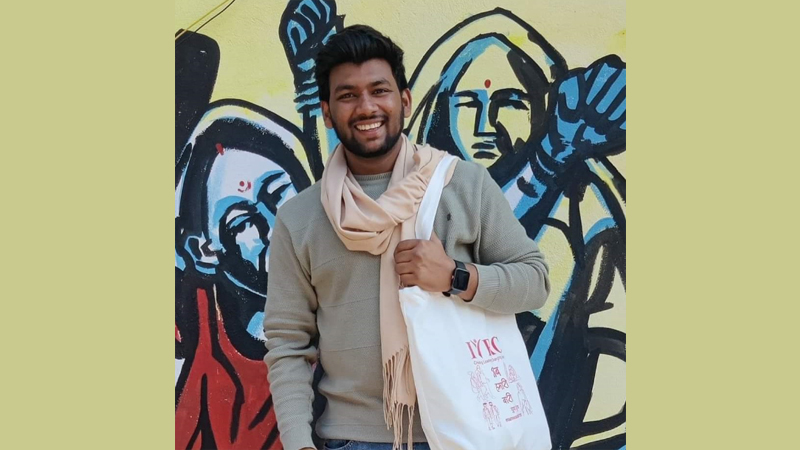
The following article is attributed to IYRC founder & director Suraj Kant.
Leave a Reply