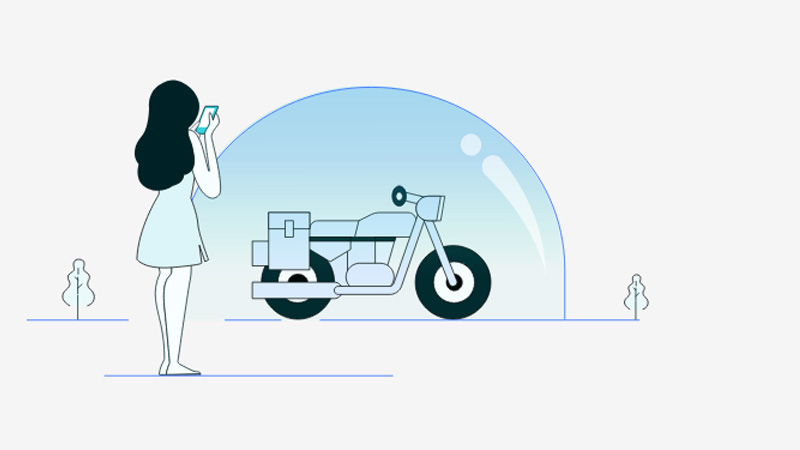
Owning a bike in India means more than just enjoying the convenience of zipping through traffic—it also comes with legal responsibilities. A two-wheeler insurance policy acts as a protective financial shield, offering cover for potential losses, damages, or liabilities arising due to road mishaps. These policies are available in different forms to meet diverse needs, with third-party and comprehensive coverage being the most common types.
What Does Third-Party Bike Insurance Include?
Third party bike insurance is the most basic form of two-wheeler insurance mandated by Indian law under the Motor Vehicles Act. This type of policy protects the rider from legal and financial liabilities caused to another individual, vehicle, or property. If an accident involving your bike causes injury or property damage to a third party, this insurance covers the compensation.
The coverage generally includes expenses related to bodily injuries, disabilities, or death of third parties. It also pays for legal assistance in case the matter escalates to court. Property damage coverage is typically available up to a certain limit, which helps minimise the financial strain after an accident.
Key Features and Benefits of Third-Party Policies
Opting for a third-party plan ensures compliance with the law, helping you avoid hefty fines that range from ₹2,000 to ₹4,000. It offers several benefits beyond just legal protection. These policies are cost-effective and are priced based on the engine or battery capacity of the vehicle, offering affordability to a wide range of bike owners.
Another advantage is the ease of online policy purchase and renewal. Insurers now provide digital platforms that simplify the buying process, making it more convenient to manage your cover from anywhere. Additionally, policies often include a built-in personal accident cover for the owner-driver, offering medical support in case of injury.
How the Premium is Determined
Premiums for third-party insurance are regulated by the IRDAI and based on fixed criteria. The two main factors influencing the premium rates are the engine cubic capacity (for fuel-based bikes) and battery capacity (for electric bikes). Higher capacity usually leads to higher premiums due to the increased risk involved. For example, a fuel-based bike with an engine above 350 CC will have a significantly higher premium compared to one under 75 CC.
Electric bike owners benefit from separate premium slabs. The lowest premiums apply to bikes with up to 3 KW battery capacity, while those with over 16 KW are charged the highest. These clearly defined tiers bring transparency and predictability for policyholders.
Long-Term Plans for New Bike Owners
New bike owners are required to opt for long-term third-party plans, typically spanning five years. This ensures consistent protection for the initial period without the hassle of annual renewals. Long-term plans also offer cost efficiency when compared to renewing a one-year policy every year.
The pricing for these long-term plans varies based on the same engine or battery specifications. These rates are standardised and published annually by the IRDAI, allowing new bike buyers to plan their insurance costs upfront at the time of purchase.
What’s Covered and What’s Not
Third-party bike policies cover legal liabilities arising from accidents that result in injuries or death of a third party or damage to their property. Some policies also include personal accident cover for the insured, which offers compensation for disabilities or fatal injuries resulting from an accident.
However, it’s important to note what is not covered. These policies do not pay for damage to the insured’s own bike. For example, if your two-wheeler is damaged due to fire, theft, or natural calamities like floods or earthquakes, you won’t receive compensation under a third-party plan. Additionally, accidents occurring outside India’s borders, or caused while riding without a valid licence or under intoxication, are excluded from cover.
Exploring the Scope of Two-Wheeler Insurance Beyond Basic Liability
While third-party policies fulfil legal requirements, many bike owners prefer broader protection through full bike insuranceplans. These provide cover for damage, theft, natural disasters, and more. In case of total loss—where the bike is beyond repair or stolen—the insurer reimburses the Insured Declared Value (IDV), which is the vehicle’s market value.
A comprehensive policy also extends to include add-on covers such as zero depreciation, engine protection, roadside assistance, and daily allowance during repairs. These extras are particularly useful for those who use their bikes regularly or have high-value two-wheelers.
Choosing the Right Policy Type for Your Needs
The decision to opt for basic or extended cover depends on multiple factors like the age and value of the bike, usage frequency, location, and personal financial preferences. For example, older bikes that are seldom used may only need third party bike insurance, whereas newer or high-end models may benefit more from a broader policy that includes own damage and additional features.
Daily commuters or individuals riding in traffic-heavy cities are exposed to more risks, making comprehensive plans a better option for them. Conversely, occasional riders or those in low-risk areas might find a third-party plan sufficient for their needs.
The Process of Buying a Policy Online
Getting your two-wheeler insured is simpler than ever with digital platforms. Most insurers now allow you to get quotes, compare coverages, and purchase policies directly through their websites. All you need to do is fill in the bike’s registration details, engine capacity or battery size, and select the duration of the plan. After payment, the policy document is issued instantly.
Renewal is equally hassle-free and usually involves a reminder before expiry, letting you renew your cover with just a few clicks. This level of convenience ensures that policyholders stay compliant and protected without any interruptions in coverage.
Final Thoughts
Two-wheeler insurance, particularly third-party coverage, is more than a legal formality—it’s a financial safeguard for both the rider and the public. Whether you choose a basic or comprehensive plan, having active cover helps manage risks, legal complications, and financial burdens that may arise on the road. It’s essential to evaluate your usage, budget, and risks to choose the right type of policy that aligns with your needs and ensures a safer ride every day.
Leave a Reply