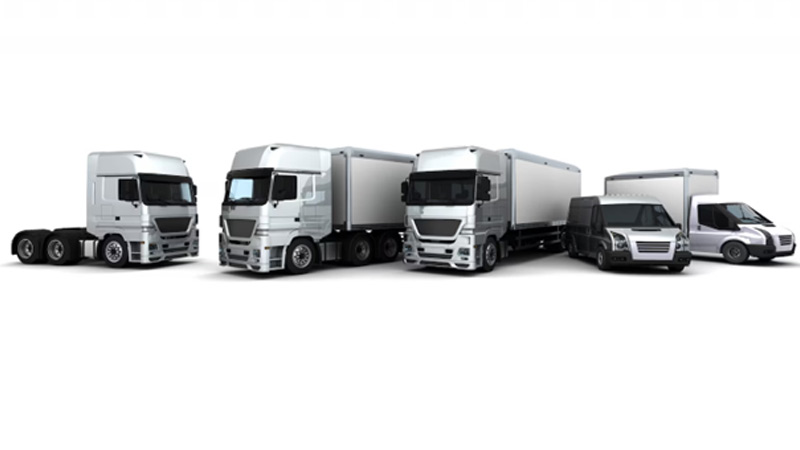
Commercial vehicle insurance is a kind of policy designed to protect businesses and individuals who use vehicles for commercial purposes. Unlike private vehicle insurance, it offers coverage against accidents, damages, third-party liabilities, and other risks.
Whichever kind of commercial vehicle you own, having the right insurance ensures financial security and compliance with legal requirements in India.
Read on to explore the various types of commercial vehicle insurance available and choose the one that best suits your needs.
What are the Types of Commercial Vehicle Insurance?
Choosing the right commercial vehicle insurance is crucial for protecting your business against financial risks. Here are the main types of commercial vehicle insurance available in India:
Third-party Liability Insurance
This is a mandatory insurance policy under the Motor Vehicles Act, 1988. It covers damages or injuries suffered by a third party, including property damage and medical expenses. However, it does not cover any damage to the insured vehicle.
Comprehensive Commercial Vehicle Insurance
This policy provides extensive coverage, including damages to your vehicle due to accidents, theft, fire, natural calamities, and vandalism. It also includes third-party liability, ensuring complete financial protection for vehicle owners.
Types of Commercial Vehicles Covered
Commercial vehicle insurance in India provides coverage for a wide array of vehicles used for business. Here are the key categories of commercial vehicles that can be insured:
. Passenger-carrying Vehicles: This includes buses, taxis, auto-rickshaws, e-rickshaws, and other vehicles used for transporting passengers. Insurance for these vehicles covers damages, liabilities, and accidents to ensure passenger safety and financial security.
. Goods-carrying Vehicles: Trucks, lorries, tempos, trailers, and other transport vehicles that carry goods fall under this category. A commercial truck insurance policy covers damages to the vehicle and goods in transit, as well as third-party liabilities.
. Light Commercial Vehicles (LCVs): Small cargo carriers, pickup trucks, mini trucks, and delivery vans used for business operations are covered under LCV insurance. This is ideal for businesses involved in local transportation and logistics.
. Two-wheeler Commercial Vehicles: This category includes motorcycles and scooters used for delivery services, such as food delivery and courier services. Insurance protects against accidental theft, damages, and third-party liabilities.
. Miscellaneous Vehicles: Special-purpose vehicles like ambulances, cranes, tractors, excavators, and construction vehicles are also covered under insurance. These policies are tailored to provide protection based on the vehicle’s specific use.
Benefits of Commercial Vehicle Insurance
Commercial vehicle insurance provides essential financial protection for businesses that depend on vehicles for operations. Here are the key benefits:
. Financial Protection Against Damages: The policy covers repair and replacement costs if the insured vehicle is damaged due to accidents, fire, natural calamities, or vandalism.
. Third-party Liability Coverage: It provides compensation for damages or injuries caused to third parties, including property damage, medical expenses, and legal liabilities.
. Protection Against Theft and Loss: If the commercial vehicle is stolen or irreparably damaged, the insurance policy helps recover the financial loss, minimising business disruptions.
. Employee and Passenger Safety: Insurance policies often include personal accident cover for the driver and passengers, ensuring financial security in case of injury or loss of life.
. Business Continuity: With insurance covering damages, theft, and liabilities, businesses can continue operations without major financial setbacks.
. Coverage for Goods in Transit: Goods-carrying commercial vehicles can opt for additional coverage to protect the transported goods from damages or loss.
. Legal Compliance: Having a valid commercial vehicle insurance plan ensures adherence to Indian motor laws, preventing penalties and legal complications.
. Customisable Add-on Covers: Businesses can enhance their insurance with add-ons such as roadside assistance, zero depreciation, and engine protection for comprehensive security.
Inclusions, Exclusions and Add-on Covers
Understanding the coverage scope of commercial vehicle insurance is essential for making an informed decision. Here’s what is included, excluded, and available as additional protection.
Commercial Vehicle Insurance Inclusions
Commercial vehicle insurance provides coverage for the following:
. Accidental Damage: Covers repair or replacement costs if the insured vehicle is damaged due to an accident.
. Theft or Total Loss: Provides compensation if the vehicle is stolen or suffers irreparable damage.
. Fire and Natural Calamities: Protects against losses due to fire, floods, earthquakes, cyclones, and other natural disasters.
. Third-party Liability: Covers injury, death, or property damage caused to a third party by the insured vehicle.
. Personal Accident Cover: Offers financial assistance for medical treatment, disability, or death of the owner-driver.
Commercial Vehicle Insurance Exclusions
The insurance plans do not cover:
. Wear and Tear: Damages due to normal aging or depreciation of the vehicle.
. Drunk Driving or Illegal Use: Accidents occurring under the influence of alcohol/drugs or during unlawful activities.
. Mechanical or Electrical Breakdown: Repairs for mechanical failures or manufacturing defects are not covered.
. Driving Without a Valid License: If the driver does not have a valid license at the time of the accident, the claim is not honored.
. War or Nuclear Risks: Damages caused by war, nuclear hazards, or terrorist activities.
Commercial Vehicle Insurance: Add-ons
You can enhance your coverage with optional add-ons, including:
. Zero Depreciation Cover: Offers full claim settlement without deducting depreciation on vehicle parts.
. Roadside Assistance: Provides emergency services like towing, fuel delivery, and minor repairs.
. Engine Protection Cover: Covers engine damage due to water ingress or oil leakage.
. Loss of Revenue Cover: Compensates for financial loss if the insured vehicle is under repair and out of service.
. Personal Belongings Cover: Provides compensation for loss or damage to personal items kept in the vehicle.
Factors Affecting Commercial Vehicle Insurance Premiums
The premium for these insurance plans is determined by several factors. Understanding these factors can help business owners and vehicle operators make informed decisions while purchasing or renewing their policies.
. Type of Vehicle: The make, model, and category of the commercial vehicle—whether it is a truck, bus, taxi, or auto-rickshaw—impact the premium. Larger and high-value vehicles typically have higher premiums.
. Vehicle Age and Condition: Newer vehicles have higher premiums due to their higher market value, while older vehicles may have lower premiums but higher depreciation. Well-maintained vehicles may also attract better premium rates.
. Usage and Purpose: The nature of usage affects the risk factor. Vehicles used for transporting hazardous goods or covering long distances regularly tend to have higher premiums compared to those used for limited local transport.
. Insured Declared Value (IDV): IDV represents the vehicle’s current market value, which directly influences the premium. A higher IDV means a higher premium, while a lower IDV reduces the premium but may lead to lower claim payouts.
. No Claim Bonus (NCB): If the policyholder has not made any claims in the previous policy term, they can avail of a discount on the renewal premium through the No Claim Bonus, which can go up to 50% for consecutive claim-free years.
. Location and Operating Area: Vehicles operating in high-risk areas, such as urban locations with heavy traffic or regions prone to theft and accidents, may have higher premiums compared to those in low-risk rural areas.
. Coverage Type and Add-ons: Comprehensive policies with extensive coverage cost more than third-party liability insurance. Additional coverage like zero depreciation, engine protection, and roadside assistance further increase the premium.
. Driver’s Profile and Experience: The driving history, experience, and claims record of the driver play a crucial role in determining the premium. A driver with a history of accidents or traffic violations may result in higher premiums.
. Fuel Type: Diesel vehicles usually have higher insurance premiums than petrol or CNG vehicles due to maintenance and repair costs. Electric vehicles may also have different premium structures.
. Modifications and Accessories: Any modifications to enhance vehicle performance or aesthetics, such as engine upgrades or custom bodywork, can increase the premium due to the added replacement or repair costs.
Commercial vehicle insurance is an important safeguard for businesses that depend on vehicles for transportation, logistics, or passenger services. It not only offers financial protection against theft, damages, and third-party liabilities but also complies with legal requirements.
Choosing the right kind of insurance-whether comprehensive, third-party, or with add-on covers—can help businesses mitigate risks effectively. Investing in a suitable commercial vehicle insurance plan ensures smooth business functioning and long-term financial security.
Leave a Reply