
Brands
Three out of four D2C brands now use creators to drive sales, says new report

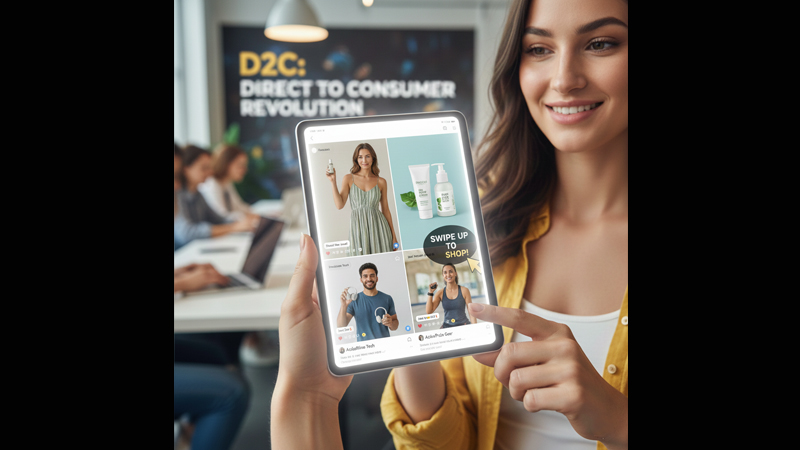
MUMBAI: India’s direct-to-consumer sector enters 2026 not with a bang but with a balance sheet and a to-do list. The Zero to Rs 100 crore playbook, a practitioner-built compendium from DSG consumer partners, Meta and ViralMint, reads like an audit and a manual rolled into one: the growth levers that propelled brands to scale in the last five years still work, but only if founders fix the operating engines beneath them.
DSG Consumer Partners vice president Pooja Shirali said, “This Playbook offers the operational compass every founder needs to scale confidently and sustainably. It makes it clear that the real drivers of scale have less to do with viral moments, and everything to do with the long-term fundamentals that make milestones like the first Rs 100 Cr predictable, not accidental.”
The blunt headlines first. Three in four D2C brands now rely on creators for acquisition and sales. More than 70 per cent call Meta their primary acquisition channel. Sixty-two per cent cite creative fatigue as their biggest constraint, and 55 per cent admit they under-invest in CRM and retention.
The ecosystem expanded at breakneck pace after 2020, helped by cheap digital inventory and a flood of creator supply. India is now among the world’s top five e-commerce markets by store count, with more than half of surveyed brands founded in the past five years. Yet operational maturity has lagged: half of these firms run on teams of 15 or fewer, often stitching together fragile stacks of agencies, tools and hustles. The consequences show up in weak repeat rates, rudimentary attribution and uneven margin discipline.
Two truths anchor the playbook. First, marketing in India is Meta-first. Brands that master catalogue ads, creator integrations and Advantage plus formats gain disproportionate efficiency. But dependence on one platform leaves firms exposed to rising costs and algorithmic shifts unless they broaden their channel mix and firm up product fundamentals.
“Digital discovery in India is today driven by new formats like Reels, creator-led influence and shifting consumer behaviour. In this environment, brands that build creative velocity and iterate quickly are the ones that continue to move efficiently,” said Meta agency and vc partnerships director Gaurav Jeet Singh.
Second, creators have become infrastructure. Some 54 per cent of brands now devote 10–25 per cent of their marketing budgets to influencers. Nano and micro creators generate engagement rates five- to six-times higher than larger talent. The best-performing brands treat creators as a system: always-on, measurable pipelines that fuel UGC, performance and retention, rather than tactical spends.
Execution, however, remains the soft underbelly. Creative fatigue erodes performance long before fundamentals are corrected. Attribution is primitive: 43.8 per cent of brands still rely on last click, masking true unit economics and encouraging flawed bidding strategies. Few use multi-touch or data-driven attribution, leaving growth brittle and overly dependent on one or two metrics.
Retention remains the most neglected lever. Although 41.3 per cent of brands track lifetime value (LTV), more than half concede they under-invest in CRM. The playbook argues that systematised retention, cohorts and contribution margin two (CM2) offer the clearest path to durable profitability. Brands that consistently track CM2 outperform peers by roughly 2.3 times.
“With DSGCP and Meta, we created this Playbook to give every founder a definitive operating system for scale: how to validate PMF with conviction, build creative engines that never slow down, strengthen retention early, and scale with profitability as a core principle,” explained ViralMint founder Rohan Dighe.
Operational weaknesses persist in the background: shallow supply chains, high returns in fashion, talent shortages and working-capital strain. Pricing errors and discounting have, by founders’ own admission, caused more long-term harm than frugal marketing budgets.
The report closes with a sober prescription for 2026: treat creators as infrastructure; master Meta but diversify channels; fix attribution; build retention engines early; institutionalise creative velocity; and harden operations. The formula is not glamorous, but it is clear.










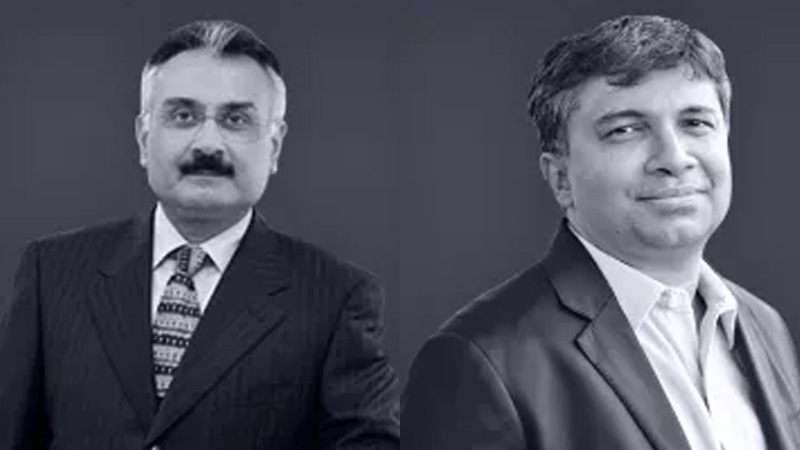
Gurugram: Delhivery’s boardroom is being reset. Deepak Kapoor, chairman and independent director, has resigned with effect from April 1 as part of a planned board reconstitution, the logistics company said in an exchange filing. Saugata Gupta, managing director and chief executive of FMCG major Marico and an independent director on Delhivery’s board, has also stepped down.
Kapoor exits after an eight-year stint that included steering the company through its 2022 stock-market debut, a period that saw Delhivery transform from a venture-backed upstart into one of India’s most visible logistics platforms. Gupta, who joined the board in 2021, departs alongside him, marking a simultaneous clearing of two senior independent seats.
“Deepak and Saugata have been instrumental in our process of recognising the need for and enabling the reconstitution of the board of directors in line with our ambitious next phase of growth,” said Sahil Barua, managing director and chief executive, Delhivery. The statement frames the exits less as departures and more as deliberate succession, a boardroom shuffle timed to the company’s evolving scale and strategy.
The resignations arrive amid broader governance recalibration. In 2025, Delhivery appointed Emcure Pharmaceuticals whole-time director Namita Thapar, PB Fintech founder and chairman Yashish Dahiya, and IIM Bangalore faculty member Padmini Srinivasan as independent directors, signalling a tilt towards consumer, fintech and academic expertise at the board level.
Kapoor’s tenure spanned Delhivery’s most defining years, rapid network expansion, public listing and the push towards profitability in a bruising logistics market. Gupta’s presence brought FMCG and brand-scale perspective during a period when ecommerce volumes and last-mile delivery economics were being rewritten.
The twin exits, effective from the new financial year, underscore a familiar corporate rhythm: founders consolidate, veterans rotate out, and fresh voices are ushered in to script the next chapter. In India’s hyper-competitive logistics race, even the boardroom does not stand still.
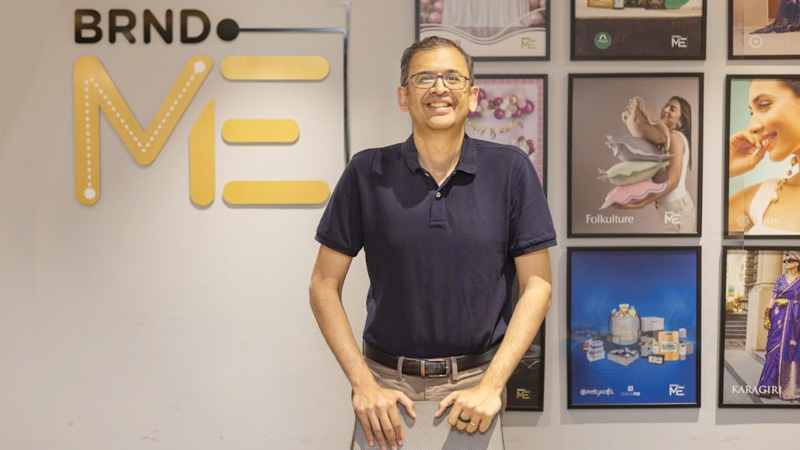
Bengaluru: Brnd.me, the global consumer brands company formerly known as Mensa Brands, has entered the European market following strong momentum across the Middle East, the United States and Canada.
The company has launched across the UK, Germany, France and Spain, with plans to expand into Italy, the Netherlands and Poland over the next year. The push is being led by its haircare and aromatherapy brands, Botanic Hearth and Majestic Pure, marking Brnd.me’s first structured expansion into Europe.
The European beauty market represents a total addressable opportunity of over $4 billion across haircare and aromatherapy, supported by high digital adoption and demand for accessible, performance-led products.
Brnd.me’s hair care and aromatherapy business currently operates at an annual run rate of around $6 million, with Botanic Hearth and Majestic Pure delivering roughly 10 per cent month-on-month growth, driven by expansion and rising repeat demand.
To support regional growth, the company has appointed a general manager based in Germany and is evaluating investments in warehousing and local team expansion.
Early traction has been strong. Within weeks of launch, Botanic Hearth’s rosemary hair oil ranked among the top five hair oils in Germany, signalling strong consumer pull in a competitive market.
Brnd.me founder and chief executive officer Ananth Narayanan, said Europe represents the next phase of the company’s international strategy. He added that the European business is expected to scale to a $10 million annual run rate by the end of 2026, with long-term ambitions to reach $60 million over the next six years.
The company’s Europe strategy centres on digital-first distribution, repeat demand and TikTok-led discovery, alongside direct-to-consumer expansion to strengthen brand equity and margins.
The move also aligns with growing EU–India trade engagement, supporting long-term sourcing and cross-border supply chains.
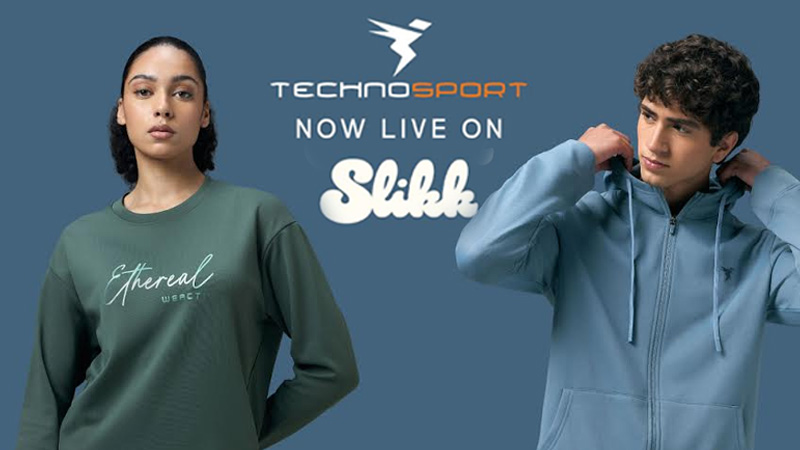
NATIONAL: TechnoSport has launched on Slikk, the ultra-fast fashion app offering 60-minute delivery, as the activewear brand accelerates its push into quick commerce to capture Gen Z and young millennial shoppers.
The debut brings more than 150 high-performance styles to Slikk’s platform, with an average selling price of Rs 450, expanding TechnoSport’s reach across over 80 pin codes.
The partnership follows strong momentum for TechnoSport across Q-commerce channels, where the brand has recorded around 60 per cent volume growth over the past six months. The company expects quick commerce to contribute nearly 20 per cent of its revenue in the coming years as hyperlocal delivery gains scale.
Slikk, which recently raised $3.2 million in seed funding led by Lightspeed, has rapidly gained popularity among youth consumers seeking speed, trend relevance and impulse-led shopping experiences.
Activewear remains one of Slikk’s fastest-growing categories, driven by shoppers increasingly treating fitness-led fashion as an everyday essential. The platform has reported a 30-fold year-on-year increase in items sold, reflecting rising demand for performance wear that blends comfort with style.
TechnoSport chief executive officer Puspen Maity, said the collaboration would help the brand engage more closely with young consumers whose fashion choices are shaped by instant needs and lifestyle aspirations. He added that rapid delivery bridges the gap between intent and purchase, allowing shoppers to access activewear exactly when they want it.

Netflix celebrates a decade in India with Shah Rukh Khan-narrated tribute film

Delhivery chairman Deepak Kapoor, independent director Saugata Gupta quit board

Meta appoints Anuvrat Rao as APAC head of commerce partnerships

Brnd.me enters Europe as haircare brands power global expansion

TechnoSport taps quick commerce with launch on Slikk’s 60-minute platform

Jitendra Singh joins Reliance Industries as senior vice president, special projects

Tinder brings real-world dating experiences to North East India

These ’90s fashion trends are making a comeback in 2017
The final 6 ‘Game of Thrones’ episodes might feel like a full season
According to Dior Couture, this taboo fashion accessory is back
The old and New Edition cast comes together to perform
Phillies’ Aaron Altherr makes mind-boggling barehanded play
Uber and Lyft are finally available in all of New York State
Disney’s live-action Aladdin finally finds its stars
Netflix celebrates a decade in India with Shah Rukh Khan-narrated tribute film
Delhivery chairman Deepak Kapoor, independent director Saugata Gupta quit board
Meta appoints Anuvrat Rao as APAC head of commerce partnerships
Brnd.me enters Europe as haircare brands power global expansion
TechnoSport taps quick commerce with launch on Slikk’s 60-minute platform
Jitendra Singh joins Reliance Industries as senior vice president, special projects
Tinder brings real-world dating experiences to North East India
-
 iWorld3 months ago
Tips Music turns up the heat with Tamil party anthem Mayangiren
-
 iWorld12 months ago
BSNL rings in a revival with Rs 4,969 crore revenue
-
 I&B Ministry3 months ago
India steps up fight against digital piracy
-
 MAM3 months ago
HoABL soars high with dazzling Nagpur sebut
-

 MAM2 months ago
Best Lightweight Sunscreens for Daily Use in India
-

 AD Agencies1 month ago
Divya Parkhi steps into client lead role at WPP Media
-

 Brands3 months ago
Casio times it right for modern love this wedding season
-

 Brands3 months ago
TCS unveils Team SDG Universe for young learners