
Ad Campaigns
Paper boat: Navigating successfully in the beverages market

MUMBAI: It’s not about commercial success; it’s about telling a story. It’s not about spending plenty, but it’s about innocently connecting one to nostalgia.
A brand from nowhere penetrated the Indian beverage market with a few never-heard-about drinks and in never-before-seen packaging and in no time emerged as a trend setter for others to follow. When it entered not many prophesised success, but as they progressed and hit a home run, they definitely piqued brand mavens’ interest.
Backed by Sequoia Capital start-up Hector Beverages’s Paperboat with a few million happy consumers has made a major mark in the $5.18 billion beverage market.
“956 happy people is the size of our company,” says Hector beverages CEO Neeraj Kakkar which somehow depicts the ethos the company follows.
There are three active plants in which both R&D and production takes place. The company raised about $30 million last year and pumped it into increasing manufacturing capacity.

“At this stage we are producing 420 bottles per minute. By June we will have our new plant in Mysore operating, that will spur up our production to 900 bottles per minute,” informs Kakkar.
Though Hector Beverages would like to grow further but at this stage the management is not looking to raise any further funds.
“There is no end to growth and we would like to grow further, but we have the money for now and we are not looking to raise more funds rather our focus is to launch new recipes,” says Kakkar.
Besides happy people and quality infrastructure, Hector Beverages also has 14 recipes, which previously never featured in the catalogue of traditional beverage brands. Drinks, which only grandmothers used to prepare in the Indian kitchen, were introduced in innovative packages for consumers. Be it Kokam, Aam Panna or recently launched chili guava the drinks successfully managed to take us down nostalgia lane.
Products are tested and gestated in the lab for up to three years before making it to shop shelves. “As we speak now we have more than 35 projects which we are working on. Khanji is a drink we started working on two years back and still we are not anywhere close to launching it. Recipe, research, raw material, commercialization, rollout is the broad structure that we follow,” the CEO educates.
Chilli Guava and the sweet concoction of jaggery Pannakam are the two drinks the beverage company has already launched this year and going forward the plan is to launch 10 more.
The $100 million company has secured triple digit growth last year and plans to match that number this year too. “We are poor at numbers,” says Kakkar with a wide smile “and hence will not put any number target, but as I mentioned the target is to keep the recipe alive,” he adds.
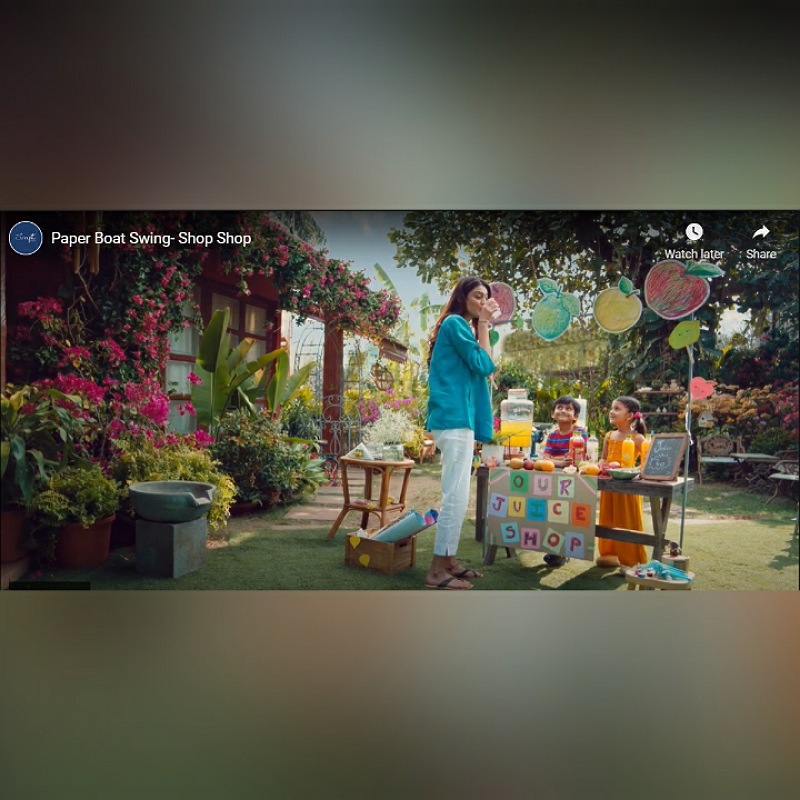
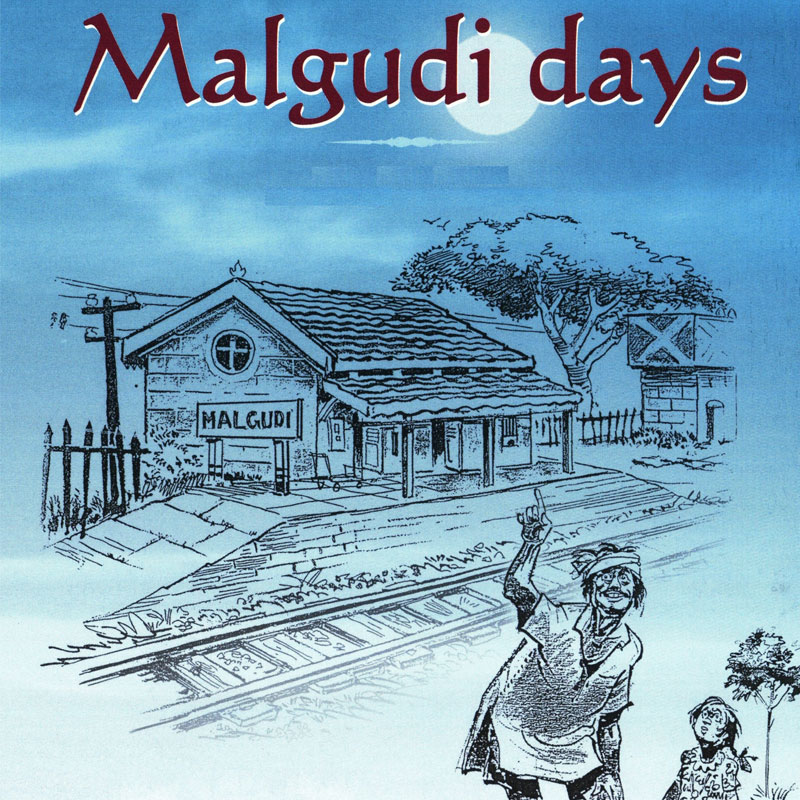
The recipes when clubbed with the TVCs Hector Beverages has been creating in association with Lowe Lintas, manage to take one to a paper boat ride down memory lane. The Malgudi Days tune paired with Gulzar’s poem and recitation are indeed an alluring hypnotic lead in to the mouth-watering fruit beverages in the TVCs. And behind all the marketing initiatives the man responsible is the company’s marketing head Parvesh Debuka.
He believes innocence is the key and that is all the brand wants to communicate. Recently the company reprinted The Jungle Book and offered it free to consumers purchasing six standi-pouches at a time. The bundle was released at a time when India was screening The Jungle Book in theatres.

“It is a co-incidence,” says Debuka, “We have been planning the reprint since a year now. That time we had no idea about when the movie will be in the theatres. This is a part of our plan to create a PaperBoat library and we reprinted Three Men in a Boat by Jerome K Jerome last year and next year too we will reprint one and give it for free to the consumers.”
The Indian ethnic drinks manufacturer targets anyone who consumes fruit beverages without any demographic segmentation. But its key target is the 20 to mid-30-yers and it’s communication is also addressed towards them.
“Digital is where we pay serious attention for its interactive nature but in terms of spend TV continues to be the focus and the return on TV is more,” says Kakkar. “This year value wise our marketing spend will go up as it will be certain per cent of the sales which has gone up significantly, but the percentile would be less than last year as last year our emphasis was on getting more awareness.”
Consumer insights play a vital role in orchestrating the road map when it comes to marketing as well as packaging, “We got feedback after we changed the cap of our packet. Someone wrote to us sharing his difficulty in opening the new package and then we immediately changed it to the butterfly one. We also use feedback to strengthen our recipes and hence they are always precious,” adds Debuka.
Paper Boat’s journey so far has shown others a new way to sail in to the beverage market and there are many now following them.
Hajmola launched Yoodley with similar packaging and identical flavours, “Competition only makes the ecosystem better, there is nothing for us to worry about. In fact I am happy that there are other players coming in, it will broaden the size of the market,” concludes Kakkar.
Spoken like a true sailor!

NATIONAL: Amazon Ads has laid out a sharply tech-led vision for the advertising industry in 2026, arguing that artificial intelligence, streaming TV and creator partnerships will combine to turn brand building into a more precise, performance-driven business.
At the heart of the shift, the company says, is the fusion of AI with Amazon’s vast trove of shopping, browsing and streaming signals, allowing advertisers to move beyond blunt reach metrics to campaigns designed around real customer behaviour.
“The future of advertising is not about reaching more people, but the right people with messages that resonate,” said Amazon Ads India head and vice president Girish Prabhu. “By combining AI with deep customer insights, we help brands move from broadcasting campaigns to having meaningful conversations wherever audiences spend their time.”
One of the biggest changes, according to Amazon Ads, will be the collapse of the wall between media planning and creative development. Retail media, powered by first-party data, is increasingly shaping everything from brand discovery to final purchase, pushing marketers to design campaigns around audience insight rather than internal instinct.
AI is also moving from a support tool to a creative engine. Agentic AI, which automates and accelerates production, is expected to make high-quality creative accessible even to small businesses, compressing weeks of work into hours and giving challengers the ability to compete with larger brands on speed and scale.
Behind the scenes, AI-driven analytics will take on a bigger role in campaign optimisation, identifying patterns, spotting opportunities and recommending actions that would previously have required teams of analysts.
Streaming TV is another big battleground. With India’s video streaming audience now above 600 million and connected TV users at 129.2 million in 2025, advertisers are set to treat streaming not just as a branding channel but as a performance engine, measured increasingly by sales, sign-ups and bookings rather than just reach.
Finally, Amazon Ads sees creators and contextual advertising reshaping how brands tell stories. Creators will act less like influencers and more like long-term partners, while scene-aware ads on streaming platforms will allow brands to insert hyper-relevant offers into the flow of what viewers are watching.
Taken together, Amazon Ads argues, these shifts mark a move towards advertising that is both more human and more measurable, where AI handles the complexity, and creativity does the persuading.
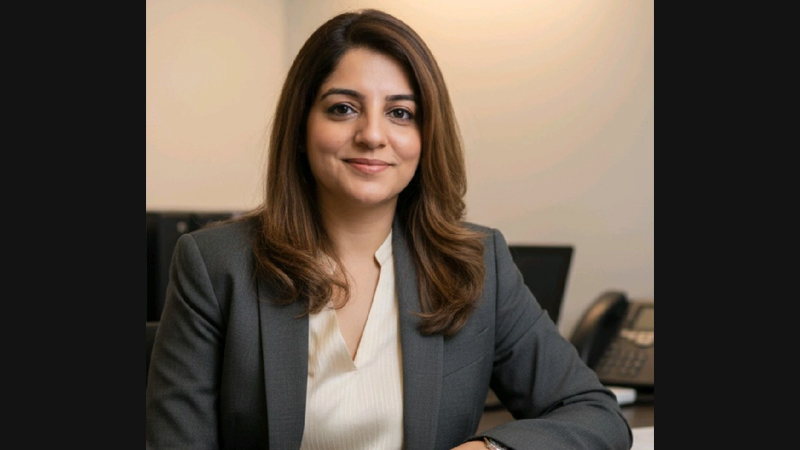
MUMBAI: Publicis Groupe India has appointed Sonal Verma as managing director of Arc Worldwide India, handing the reins of its experiential and shopper marketing business to a leader steeped in live brands and real world storytelling.
Arc Worldwide, the Groupe’s specialist arm focused on experiences that nudge consumers from curiosity to checkout, sits at the intersection of creativity, commerce and culture. Verma’s mandate is to sharpen that edge as brands grapple with shorter attention spans and more complicated buying journeys.
Verma joins from Cheil India, where she spent nearly five years building and leading the brand experience practice, most recently as senior vice president and head of brand experience. Her career reads like a tour of India’s experiential landscape, with leadership roles at Momentum Worldwide, Percept D Mark, Blockkbuster Events and Showtime Events.
She has also held senior activation roles at Radio City and The Times of India, giving her a rare mix of agency, media and on-ground execution experience. The common thread has been simple: turning big ideas into moments people remember and talk about.
At Arc Worldwide India, Verma will focus on expanding the agency’s experiential and shopper capabilities, strengthening client partnerships and keeping the work firmly rooted in consumer behaviour rather than buzzwords.
With Verma at the helm, Arc Worldwide is expected to double down on ideas that live beyond screens and closer to everyday life. For an industry obsessed with clicks and scrolls, this is a reminder that sometimes the strongest connections still happen face to face.
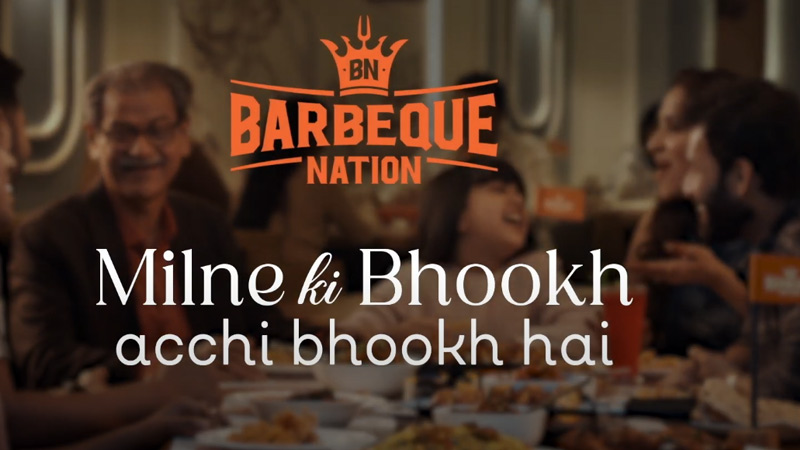
BENGALURU: Barbeque Nation is ringing in the new year with a reminder that some cravings cannot be ordered online. The casual dining chain has rolled out a new film campaign, milne ki bhookh, pitching its restaurants as places to meet, reconnect and linger over food.
Set against a world of constant messages and missed meet-ups, the campaign leans into a simple truth: dining out remains one of the few rituals that still brings people together. Barbeque Nation positions itself as the excuse and the setting for real conversations, shared plates and unhurried moments.
Nakul Gupta, cmo at Barbeque Nation, says the brand has long been about shared celebrations. As the year turns, milne ki bhookh captures what he calls a growing hunger to meet, connect and spend time together, with food at the centre of that experience.
Created by Makani Creatives, the campaign comprises three films built around Barbeque Nation’s signature grills and desserts. The storytelling is deliberately sensorial, designed to spark cravings while nudging diners to step out and meet in person.
Pavan Punjabi, chief integration officer at Makani Creatives, says the idea stems from a familiar contradiction. People are constantly connected, yet meetings with loved ones are endlessly postponed. Milne ki bhookh, he says, is a gentle push to make time for real-life catch-ups, using food as the reason to come together, share a meal and create memories.
The campaign breaks on December 25 with the grilled prawns film and will run for two months, amplified across digital platforms. As the new year begins, Barbeque Nation is betting that the strongest appetite of all is not for food alone, but for each other.


MIB sets OTT accessibility rules, mandates captions and audio description

Boney Kapoor acquires remake rights of Tamil political satire Thalaivar Thambi Thalaimaiyil

Netflix India names Rekha Rane director of films and series marketing

Zabeen signs off from TV9 after shaping the network’s public voice

Dhawan steps up to bat for Delhi’s grassroots sports push

Orient Beverages pops the fizz with steady Q3 gains and rising profits

Cheekatilo shines in the dark with record debut on Prime Video

These ’90s fashion trends are making a comeback in 2017
The final 6 ‘Game of Thrones’ episodes might feel like a full season
According to Dior Couture, this taboo fashion accessory is back
The old and New Edition cast comes together to perform
Phillies’ Aaron Altherr makes mind-boggling barehanded play
Uber and Lyft are finally available in all of New York State
Disney’s live-action Aladdin finally finds its stars
MIB sets OTT accessibility rules, mandates captions and audio description
Boney Kapoor acquires remake rights of Tamil political satire Thalaivar Thambi Thalaimaiyil
Netflix India names Rekha Rane director of films and series marketing
Zabeen signs off from TV9 after shaping the network’s public voice
Dhawan steps up to bat for Delhi’s grassroots sports push
Orient Beverages pops the fizz with steady Q3 gains and rising profits
Cheekatilo shines in the dark with record debut on Prime Video
-
 e-commerce3 weeks ago
Swiggy Instamart’s GOV surges 103 per cent year on year to Rs 7,938 crore
-
 News Headline1 month ago
From selfies to big bucks, India’s influencer economy explodes in 2025
-

 News Broadcasting2 weeks ago
Mukesh Ambani, Larry Fink come together for CNBC-TV18 exclusive
-
 iWorld5 months ago
Billions still offline despite mobile internet surge: GSMA
-

 News Headline2 months ago
2025: The year Indian sports saw chaos, comebacks, and breakthroughs
-
 MAM2 years ago
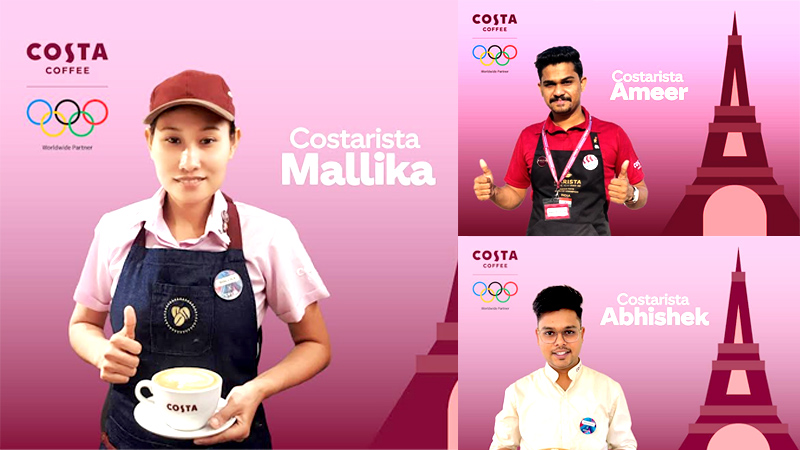
Costa Coffee becomes official coffee partner of Olympic Games Paris 2024
-

 Applications2 months ago
28 per cent of divorced daters in India are open to remarriage: Rebounce
-

 News Headline2 months ago
Game on again as 2025 powers up a record year and sets the stage for 2030
