
Brands
“Our localisation mindset helps us compete effectively even in saturated markets”: Bergner’s Umesh Guptaa

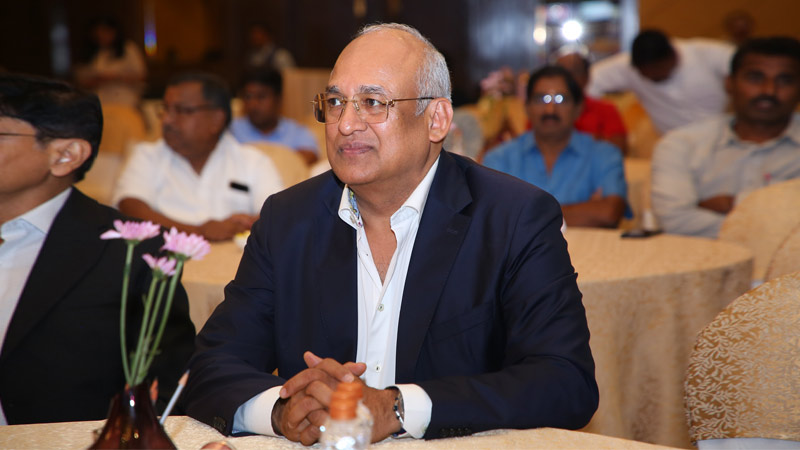
MUMBAI: In a market brimming with tradition and price-led buying, cookware brand Bergner is rewriting the playbook with a fresh blend of material innovation, regional relevance, and data-led storytelling. From launching India’s first Tri-Ply non-stick range tailored to south Indian cuisine to pioneering Bergcast, a health-focused podcast, the brand is forging deep emotional and cultural connections with consumers, one pan at a time. In this detailed conversation, Bergner’s leadership breaks down how regional insight, creative risk-taking, and agile marketing are helping the company stir up brand love, trust, and category growth across India’s diverse kitchens. In an email conversation with Indiantelevision.com, Umesh Guptaa, Managing Director of Bergner India, shares insights on the brand’s regional growth strategy, innovation playbook, and the future of Indian kitchens. Excerpts from the interview:
On how Bergner gained a strong foothold in north and western India.
A pivotal move that strengthened our presence in north and west India was shifting the narrative from price-driven marketing to awareness-driven storytelling. Instead of pushing discounts, we focused on educating consumers about why cookware material matters emphasising the health and performance advantages of switching from aluminium to Tri-Ply.
We leveraged influencer partnerships, digital storytelling, and chef collaborations to highlight the benefits in a relatable, everyday context. At the same time, we introduced affordable Tri-Ply ranges, making premium cookware more accessible without compromising on quality.
This two-pronged approach education and accessibility not only differentiated us in a competitive market but also built stronger brand preference and trust across these regions.

On what has gone in to Argent Samsara range to allow it to capture the diverse southern Indian market.
South India’s rich culinary traditions are deeply tied to specific cookware shapes and techniques. From crispy dosas to fluffy appams and simmered curries, the right cookware is key to getting it right. With Argent Samsara, we set out to create a range that respects these traditions while bringing modern innovation to the Indian kitchen.
Our research revealed a major gap, traditional cookware like paniyarakkal and appachetty were largely available only in aluminium or basic non-stick. These materials lacked durability and raised health concerns. There was no premium, high-performance alternative that retained the traditional form while delivering modern efficiency.
That’s how Argent Samsara became India’s first Tri-Ply non-stick cookware range designed especially for south Indian cuisine, featuring thoughtfully crafted pieces like Paniyarakkal, Appachetty, traditional-shaped Handi, Roti Tawa, Square Multi Tawa, and Round Grill Pan. It wasn’t easy, Tri-Ply is usually flat-based and western in design—but we pushed boundaries to retain traditional shapes while offering Tri-Ply’s even heat distribution and durability.
To make cooking easier and healthier, we also added a Quantaniumnon-stick coating across most of the range (except the handi), giving users the best of both worlds heritage and hassle-free functionality. What makes this range even more relevant is the growing love for south Indian food across India. From dosas to sambar, these dishes are now staples in households nationwide, appreciated for their flavour, comfort, and nutrition. With families preparing these meals at least once a week, Argent Samsara brings them cookware that’s rooted in culture, yet built for today’s kitchens.
On how Bergner use regional consumer data to predict and adapt to nuanced preferences, particularly when entering highly competitive markets.
At Bergner, consumer insight drives product innovation. We analyse a mix of sales trends, platform search behaviour, feedback from retail partners, and on-ground conversations during store visits, roadshows, and cooking events. This helps us uncover patterns that go beyond national averages, like cookware preferences by region, meal prep styles, or cookware material awareness.
For example, our deep dive into southern markets revealed a high frequency of traditional dishes like dosa, appam, and paniyaram, yet no premium cookware existed for them in safer materials like Tri-Ply. That led to the development of Argent Samsara, a first-of-its-kind Tri-Ply range designed specifically for South Indian cuisine. Ultimately, our approach is not just about reading data—it’s about listening to kitchens across India and responding with products that feel familiar yet elevated. This localisation mindset helps us compete effectively even in saturated markets.
On how Bergner innovated communication wise around the Tri-Ply technology
As the first brand to introduce Tri-Ply cookware in India, Bergner faced the challenge of not just launching a new product, but reshaping consumer perception. Most Indian households were still using low-grade stainless steel or non-coated aluminium cookware often unaware of the health risks and poor heat performance. The bigger hurdle was education: helping consumers understand why cookware quality matters, and how Tri-Ply offers a safer, more efficient, and longer-lasting alternative. It was a shift from price-led decisions to value-driven choices—a transition that needed more than just advertising. To overcome this, we moved beyond traditional product marketing and launched Bergcast—India’s first branded podcast in the cookware space. Instead of focusing on specs, Bergcast sparked conversations around nutrition, cookware safety, and cooking methods, featuring trusted voices like chefs, nutritionists, and health experts. It helped consumers understand why the choice of cookware matters just as much as the ingredients, especially when it comes to preserving health.
This innovative, education-first approach made Tri-Ply relatable for everyday users—turning what seemed like a high-end product into a smart, health-conscious upgrade for Indian kitchens. It helped build lasting trust and significantly improved Tri-Ply adoption across urban and semi-urban markets.
On the challenges that the company faced while expanding in south India.
One of the biggest challenges we encountered in south India was navigating the strong reliance on traditional cookware formats, often dominated by unbranded or aluminium products. While Bergner has strong recall in the premium cookware space, there was still a trust gap when it came to region-specific cooking needs especially for dishes like dosa, appam, or paniyaram.
We tackled this by spending time on-ground listening to consumers, retailers, and chefs—to understand the cookware expectations rooted in local traditions. These insights helped us design products that catered specifically to south Indian kitchens, while staying true to our core of performance and health.
To build awareness, we focused on regional storytelling, in-store promotions, and local influencer collaborations helping consumers relate to our products while showcasing their performance. Making these ranges easily accessible in retail stores across south India helped close the loop between interest and purchase.
On how Bergner measures RoI.
At Bergner, we measure RoI not just by reach, but by how effectively it drives engagement, conversions, and brand lift. For digital, we track metrics like click-throughs, sales, and repeat visits. In traditional media, we focus on recall, retail footfall, and partner interest.
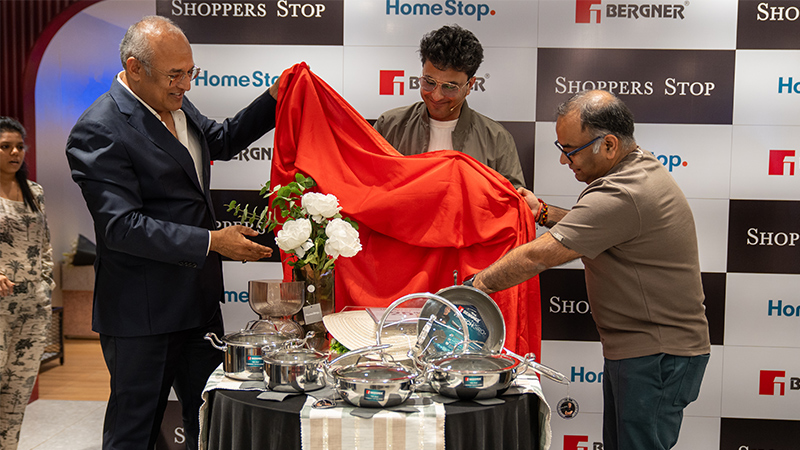
A strong example is the launch of our Argent Samsara range, India’s first Tri-Ply Non-Stick cookware designed for south Indian cuisine. Through a mix of digital storytelling, Bergcast podcast episodes, and roadshows with Chef Vikas Khanna, we saw a notable increase in product awareness and store-level promotions across South India. The integrated campaign proved how combining data-led digital efforts with culturally relevant offline activations can deliver both impact and measurable RoI.
On how the company evaluates and maintains its creative edge in its partnerships with external marketing agencies.
At Bergner, we view our agency partners as strategic collaborators, not just service providers. We evaluate creative partnerships based on three key pillars: alignment with brand vision, agility in execution, and the ability to bring fresh consumer-centric insights to the table. Regular brainstorming sessions, performance reviews, and creative workshops ensure that the ideas stay relevant, bold, and differentiated.
A standout example would be the development of our branded podcast, Bergcast, a concept that emerged through an open creative sprint with our content agency. Instead of launching another product-centric campaign, we decided to shift the narrative toward education, health, and storytelling, positioning Bergner as a thought leader in the cookware space. This not only set us apart in a crowded market but also opened up a new content format that deepened consumer trust and engagement.
On how Bergner splits its ad budget between TV, digital, print, and OOH.
Bergner’s advertising budget is primarily digital-first, given its precision, agility, and measurable RoI. Approximately 60–70 per cent of our spends are directed towards digital platforms—ranging from performance marketing and social media to influencer collaborations and video content. The remainder is strategically allocated across OOH, print, and select cinema or TV placements during high-impact campaigns.
A great example is the Argent Samsara launch. We shifted a significant portion of our traditional media budget towards OTT platforms and cinema advertising, with a strong focus on storytelling through our brand film featuring Chef Vikas Khanna. This move led to a noticeable spike in digital engagement, website traffic, dealer interest and most importantly, a marked increase in brand mind share among health-conscious, premium cookware buyers. It reaffirmed that meaningful storytelling on relevant platforms delivers far greater impact than broad-based visibility alone.
On a risky marketing initiative that paid off in terms of consumer adoption
One of our boldest initiatives was launching Bergcast, India’s first branded podcast in the cookware space. Instead of focusing on product promotion, we shifted the conversation to cookware safety, nutrition, and health—areas often overlooked by consumers. It was a risk to invest in long-form content in a category traditionally driven by price and promotions.
However, by collaborating with chefs, nutritionists, and health experts, we were able to educate listeners about the dangers of non-coated aluminium cookware and highlight safer alternatives like Tri-Ply. The podcast received strong organic traction and sparked meaningful conversations across social media, retail counters, and influencer communities—ultimately driving deeper trust and awareness around healthy cooking.
On how the company tweaks messaging for maximum impact in different tier 1, tier 2, and tier 3 towns and cities.
At Bergner, we tailor our marketing to meet the awareness, aspirations, and access levels of each market tier.
In tier 1 cities, consumers are more informed and actively seek products that align with their lifestyle and health goals. Here, we focus on premium storytelling, highlighting innovation, design, and wellness. Platforms like Instagram, YouTube, OTT ads, and podcasts like Bergcast allow us to connect with this audience on a deeper level.
In tier 2 cities, the audience is curious but still cost-conscious. Our messaging strikes a balance, educating about the long-term health and value benefits of better cookware while keeping communication rooted in everyday relevance. Regional influencers, digital explainers, and in-store visibility are key here.
In tier 3 cities, awareness is still developing, so we prioritise basic education around cookware safety, the drawbacks of traditional materials like non-coated aluminium, and the importance of quality. Trust-building through dealer relationships, retail activations, and vernacular communication is critical. Across all tiers, we adjust the tone, platform, and focus, but the core message remains: good cookware leads to better health and better living.

On the unique consumer touchpoints or brand experiences that Bergner deploys to distinctly position itself in the minds of the consumers.
Bergner stands out by creating meaningful consumer experiences that go beyond just selling cookware. Our innovation-first approach—like pioneering Tri-Ply cookware in India has helped us lead conversations around healthier, performance-driven cooking.
We engage consumers through a strong digital presence, including product-led storytelling, influencer collaborations, and targeted video campaigns across OTT, YouTube, and social media. On-ground initiatives like Indian Cooking Club, live demos, and roadshows with Chef Vikas Khanna build real-world trust and community.
Combined, these touchpoints create a distinct, emotionally resonant brand experience one that positions Bergner not just as a cookware brand, but as a partner in everyday cooking.
On an example where applying global quality standards to an Indian cooking practice give an unexpected but highly beneficial market response.
One of the most impactful adaptations we’ve made was applying global Tri-Ply standards to traditional Indian cookware shapes like the handi, paniyarakkal, appachetty, and tadka pan. These shapes are deeply rooted in India’s culinary heritage, especially in regional cuisines, but were mostly available in basic aluminium or conventional non-stick variants often compromising on durability, heat efficiency, and safety.
We took these beloved shapes and re-engineered them with Tri-Ply construction—something rarely seen before in this category. This upgrade not only improved performance through even heat distribution but also addressed key consumer concerns around health, safety, and longevity of cookware.
The response exceeded our expectations. Consumers especially those who cook regional dishes regularly appreciated the thoughtful balance between traditional functionality and modern technology. It validated our belief that cookware innovation must start by respecting local culinary habits, while raising the bar with world-class quality.

On how Bergner’s forward-looking vision in terms of disruptive product innovations or market expansions will significantly reshape the cookware market landscape in India.
At Bergner, we believe the future of cookware lies in bridging health, heritage, and smart functionality. Our vision is to continuously challenge the status quo by introducing products that solve real problems in Indian kitchens whether it’s healthier cooking, better material science, or adapting traditional forms to modern needs.
We were the first to introduce Tri-Ply cookware in India, and now we’re making it more accessible across segments democratising premium technology for every home. We’re also investing in data-led product development, using insights to identify gaps and bring forth innovations in form factor, coating technology, and compatibility with modern cooking appliances like induction and air fryers.
Looking ahead, we are exploring cookware tailored to emerging dietary trends, multi-functionality, and material innovation that blends sustainability with performance. Market expansion into tier 2 and tier 3 cities remains a strong focus, supported by both retail partnerships and hyper-local digital strategies.
The goal is simple: reshape how India cooks smarter, safer, and more joyfully while preserving the emotional connection we all share with food and tradition.

On the KPIs that Bergner monitors closely, and how dynamically does it adapt its strategies in response to real-time feedback and evolving market insights.
At Bergner, we follow a layered KPI framework that blends performance metrics with long-term brand impact. For product launches, we closely monitor sell-through rates, category growth, channel-specific conversions, and repeat purchase behaviour. On the marketing front, we track a mix of reach, engagement, assisted conversions, sentiment analysis, and content performance across platforms.
Real-time consumer feedback plays a central role in shaping our next steps. If we observe content underperforming or receive feedback indicating confusion around a product, we quickly adapt—whether it’s refining the message, optimising creatives, or shifting media strategy. This agile and insight-driven approach ensures we remain relevant, responsive, and rooted in consumer expectations.


Brands
Netflix India names Rekha Rane director of films and series marketing
Streaming giant bets on a seasoned marketer who helped build Amazon and Netflix into household names
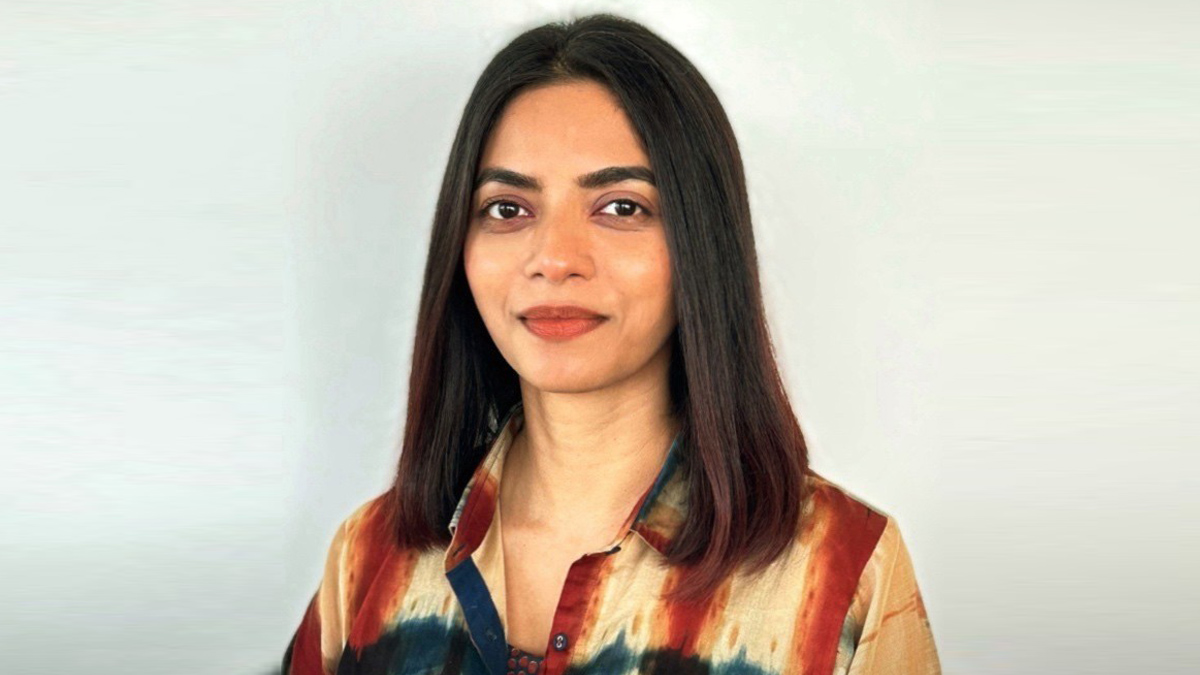
MUMBAI: Netflix has put a proven brand builder at the helm of its films and series marketing in India, naming Rekha Rane as director in a move that signals sharper focus on audience growth and cultural cut-through in one of its most hotly contested markets.
Rane steps into the role after seven years at Netflix, where she has quietly shaped how the platform sells stories to India. Her latest promotion, effective February 2026, crowns a run that spans brand, slate and product marketing across originals, licensed content and new verticals such as games.
A strategic marketing and communications professional with roughly 15 years’ experience, Rane has spent much of her career building technology-led consumer businesses and new categories, notably e-commerce and subscription video on demand. She was part of the early push that introduced Amazon.in, Prime Video and Netflix to Indian homes, then helped turn them into everyday brands.
At Netflix, she most recently served as head of brand and slate marketing for India from March 2024 to February 2026, leading teams across media and marketing for global and local content portfolios. Before that, as manager for original films and series marketing, she led IP creation and go-to-market strategy for titles including Guns and Gulaabs, Kaala Paani, The Railway Men* and The Great Indian Kapil Show, spanning both binge and weekly-release formats.
Her earlier Netflix roles covered product discovery and promotion in India and integrated campaign strategy to drive conversations around the content slate, product awareness and brand-equity metrics.
Before Netflix, Rane logged more than three years at Amazon in brand marketing roles in Bengaluru. There she handled national and regional campaigns for Amazon.in, worked on customer assistance programmes in growth geographies and contributed to the go-to-market strategy for the launch of Prime Video India.
Her career began well away from streaming. At Reliance Brands in Mumbai, she worked on retail marketing for Diesel and Superdry. A stint at Leo Burnett saw her work on primary research for P&G Tide, mapping Indian shoppers’ paths to purchase. Earlier still, at Orange in the United Kingdom, she rose from sales assistant to store manager, running a team and owning monthly P&L for a retail outlet.
The arc is telling. As global streamers fight for attention in a crowded Indian market, executives who understand both mass retail behaviour and digital habit-building are prized. Rane’s career sits at that intersection.
For Netflix, the bet is simple: in a market spoilt for choice, sharp marketing can still tilt the screen. And with Rane now leading the charge, the streamer is signalling it wants not just viewers, but fandom.
Brands
Orient Beverages pops the fizz with steady Q3 gains and rising profits
Kolkata-based beverage maker reports stronger revenues and profits for December quarter.
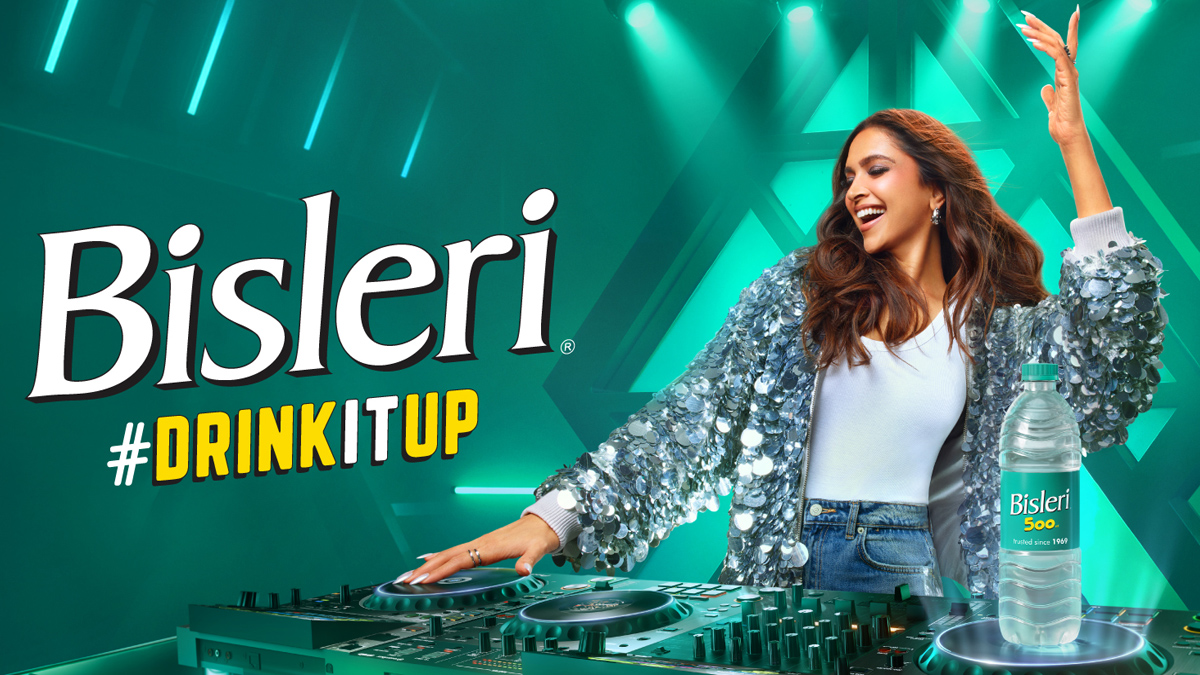
MUMBAI: A fizzy quarter with a steady aftertaste that’s how Orient Beverages Limited, the company that manufactures and distributes packaged drinking water under the brand name Bisleri closed the December 2025 period, as the Kolkata-based drinks maker reported improved revenues and a healthy rise in profits, signalling operational stability in a competitive beverage market.
For the quarter ended December 31, 2025, Orient Beverages posted standalone revenue from operations of Rs 39.98 crore, up from Rs 36.42 crore in the previous quarter and Rs 33.53 crore in the same quarter last year. Total income for the quarter stood at Rs 42.24 crore, reflecting consistent demand and stable pricing across its beverage portfolio.
Profit before tax for the quarter came in at Rs 3.47 crore, a sharp improvement from Rs 1.31 crore in the September quarter and Rs 0.39 crore a year ago. After accounting for tax expenses of Rs 0.79 crore, the company reported a net profit of Rs 2.68 crore, nearly three times the Rs 0.99 crore recorded in the preceding quarter.
On a nine-month basis, the momentum remained intact. Revenue from operations for the period ended December 31, 2025 rose to Rs 117.66 crore, compared with Rs 106.95 crore in the corresponding period last year. Net profit for the nine months climbed to Rs 5.51 crore, more than double the Rs 2.18 crore reported in the same period of the previous financial year.
The consolidated numbers told a similar story. For the December quarter, consolidated revenue from operations stood at Rs 45.06 crore, while profit after tax came in at Rs 2.06 crore. For the nine-month period, consolidated revenue touched Rs 133.57 crore, with net profit of Rs 4.49 crore, underscoring the group’s improving profitability trajectory.
Operating expenses remained largely controlled, with cost of materials, employee benefits and other expenses broadly aligned with revenue growth. The company continued to operate within a single reportable segment beverages simplifying its cost structure and reporting framework.
The unaudited financial results were reviewed by the Audit Committee and approved by the Board of Directors at its meeting held on 7 February 2026. Statutory auditors carried out a limited review and reported no material misstatements in the results.
In a market where margins are often squeezed by input costs and competition, Orient Beverages’ latest numbers suggest the company has found a reliable rhythm not explosive, but steady enough to keep the fizz alive.
Brands
BCCL profit jumps 53 per cent in FY25 as tax bill shrinks
Revenue rises 4.3 per cent to Rs 10,209.33 crore while deferred tax gain lifts bottom line sharply
NEW DELHI: Bennett, Coleman and Company (BCCL) has posted a sparkling set of financial results for the year ended 31 March 2025, proving that there is still plenty of ink and gold left in the ledger.
Revenue from operations climbed a steady 4.3 per cent, reaching Rs 10,209.33 crore compared to Rs 9,786.44 crore the previous year. When you sprinkle in other income, which rose 8.9 per cent to Rs 949.36 crore, the total income for the media behemoth hit a healthy Rs 11,158.69 crore.
While the income grew at a modest pace, the bottom line tells a far more dramatic story. The real headline is the 53 per cent surge in annual profit. How did they pull off such a feat? While Profit Before Tax (PBT) saw a gentle nudge upward of 2.7 per cent to Rs 1,610.00 crore, it was a vanishing act by the taxman that really did the trick.
Total tax expenses plummeted by 32.4 per cent, dropping from Rs 468.76 crore down to Rs 316.97 crore. This was largely thanks to a swing in deferred tax, moving from an expense of Rs 156.02 crore in FY24 to a benefit of Rs 39.44 crore this year.
Total income rose from Rs 10,658.55 crore in FY24 to Rs 11,158.69 crore in FY25, marking a 4.7 per cent increase. Total expenses grew at a slower pace, up 3.0 per cent from Rs 9,306.06 crore to Rs 9,581.45 crore. Profit before tax inched up 2.7 per cent, moving from Rs 1,567.02 crore to Rs 1,610.00 crore. However, the standout figure was net profit, which jumped sharply by 53.0 per cent, climbing from Rs 1,042.03 crore in FY24 to Rs 1,594.73 crore in FY25.
Despite the rising costs of doing business across the globe, BCCL kept a tight grip on the purse strings. Total expenses rose by just 3.0 per cent to Rs 9,581.45 crore. By keeping costs lower than the rate of income growth, the company ensured that the final figure, a net profit of Rs 1,594.73 crore, was nothing short of a front-page sensation.
In a world of shifting digital tides, it seems the BCCL ship is not just steady, but sailing into significantly wealthier waters.



MIB sets OTT accessibility rules, mandates captions and audio description

Boney Kapoor acquires remake rights of Tamil political satire Thalaivar Thambi Thalaimaiyil

Netflix India names Rekha Rane director of films and series marketing

Zabeen signs off from TV9 after shaping the network’s public voice

Dhawan steps up to bat for Delhi’s grassroots sports push

Orient Beverages pops the fizz with steady Q3 gains and rising profits

Cheekatilo shines in the dark with record debut on Prime Video

Swiggy Instamart’s GOV surges 103 per cent year on year to Rs 7,938 crore

These ’90s fashion trends are making a comeback in 2017
The final 6 ‘Game of Thrones’ episodes might feel like a full season
According to Dior Couture, this taboo fashion accessory is back
The old and New Edition cast comes together to perform
Phillies’ Aaron Altherr makes mind-boggling barehanded play

ATN International brings ATN Bangla to Canada
MIB sets OTT accessibility rules, mandates captions and audio description
Boney Kapoor acquires remake rights of Tamil political satire Thalaivar Thambi Thalaimaiyil
Netflix India names Rekha Rane director of films and series marketing
Zabeen signs off from TV9 after shaping the network’s public voice
Dhawan steps up to bat for Delhi’s grassroots sports push
Orient Beverages pops the fizz with steady Q3 gains and rising profits
Cheekatilo shines in the dark with record debut on Prime Video
-
 e-commerce1 month ago
Swiggy Instamart’s GOV surges 103 per cent year on year to Rs 7,938 crore
-
 iWorld1 year ago
Kuku TV transforms India’s OTT space with vertical microdrama boom
-
 News Headline1 year ago
TRAI puts a ‘stop’ to unsolicited calls and messages
-

 News Headline2 months ago
From selfies to big bucks, India’s influencer economy explodes in 2025
-
 Comedy2 years ago
Taarak Mehta Ka Ooltah Chashmah celebrates 4,000 episodes
-
 MAM2 years ago
OpenAI joins C2PA steering committee
-
 News Headline2 years ago
Odisha to host Ultimate Kho Kho Season 2 from December 24
-
 News Headline1 year ago
Abhishek Bachchan joins as co-owner of European T20 Premier League


