
Brands
National Startup Day 2026: founders call for scale, trust and staying power

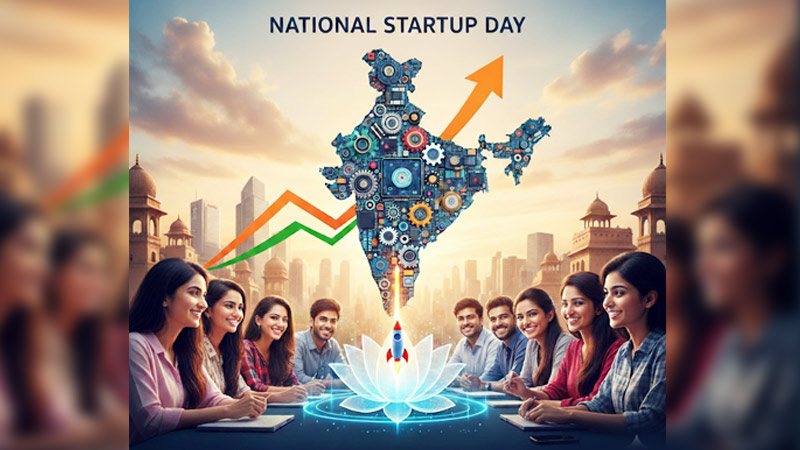
NATIONAL: India’s startup story is entering a more demanding phase, as founders, policymakers and investors signal a shift from rapid scale to durable value creation on National Startup Day 2026.
Prime minister Narendra Modi described the Startup India mission as a revolution, saying an ecosystem that began with just four startups in 2014 has expanded to more than two lakh ventures, including over 125 active unicorns. India is now the world’s third-largest startup hub, he said, with founders launching IPOs, creating jobs and normalising risk-taking once seen as fringe. Nearly 45 per cent of startups now have at least one woman director or partner, while entrepreneurs from tier-2, tier-3 and rural India are increasingly building companies beyond traditional comfort zones.
Union minister Jitendra Singh echoed that view, calling the rise in entrepreneurship transformational. Speaking at a startup camp in Jammu, he said India’s growth from a few hundred startups to more than two lakh reflected not a sudden surge in talent, but the creation of channels to nurture it. The country’s challenge, he said, had always been direction rather than ability.
Founders across sectors are striking a common note: the next chapter of the country’s startup story must be defined less by speed and valuation, and more by scale, trust and lasting impact.
EV charging platform Kazam co-founder and CEO Akshay Shekhar, said India’s ecosystem is at a pivotal stage where founders are no longer just building companies but shaping entire markets. In sectors still taking form, he argued, endurance will come from operational rigour, rapid learning and the ability to execute at scale while earning trust as unit economics evolve. For electric mobility, Shekhar said infrastructure alone is not enough. EV adoption will accelerate only when charging is predictable and friction-free, backed by deep collaboration across OEMs, charging networks, battery players and utilities to create interoperable, resilient systems.
A similar emphasis on purpose and fundamentals is emerging in healthcare and wellness. Awshad co-founder and CMO Richa Jaggi, said India’s startup ecosystem has evolved from a tech-led wave into a purpose-driven movement tackling everyday problems. She pointed to rising consumer awareness around wellness, preventive healthcare and science-backed alternatives as a sign of a maturing market. The future, she said, belongs to startups that prioritise sustainability, transparency and long-term impact over rapid expansion.
Rocket Health CEO & founder Abhineet Kumar echoed that view, warning against chasing short-lived trends. As the ecosystem matures, he said, founders must focus on building organisations that last, grounded in strong fundamentals and meaningful problem-solving. The next phase of growth, Kumar argued, lies in creating foundational infrastructure across sectors such as healthcare, education, climate, manufacturing and deep technology, with patient execution and teams aligned to long-term outcomes.
From the fintech world, crypto exchange platform WazirX founder Nischal Shetty, framed startups as instruments of nation-building. He said entrepreneurial conviction can be turned into economic momentum as India works towards becoming a $5 trillion economy. In emerging areas such as crypto, Shetty said the responsibility is greater still, with founders building cutting-edge technology that expands access, trust and opportunity at scale.
According to CNBC’s Inside India newsletter which was released in October 2025, India’s startup boom is increasingly being driven by founders outside the country’s largest cities, as entrepreneurship spreads rapidly across tier-2 and tier-3 urban centres.
The newsletter highlighted how smaller cities are emerging as powerful startup hubs, supported by lower operating costs, improving digital infrastructure and stronger access to national and global markets through e-commerce. Founders in these regions are building consumer brands rooted in local manufacturing strengths: from textiles and handicrafts to skincare and apparel, while selling directly to customers online.
CNBC noted that the pandemic years marked a decisive inflection point for Indian startups. Online shopping surged, venture funding hit record levels and entrepreneurship entered the mainstream. In 2021 alone, Indian startups raised a record $42 billion, the same year Shark Tank India debuted, helping make startup culture a household conversation across the country.
As of February 2025, the newsletter said, the Indian government had recognised around 157,000 startups, with more than 51 per cent based in tier-2 and tier-3 cities. Improved logistics, digital payments and social media-driven marketing have made it easier for founders in smaller cities to scale beyond local markets.
The newsletter also pointed to a broader shift in India’s wealth creation story. While metro cities still dominate, emerging urban centres such as Coimbatore, Surat, Indore and Lucknow are becoming important engines of entrepreneurship and consumption.
Another trend flagged by Inside India is the rise of brand-building among second- and third-generation business owners in traditional manufacturing hubs. Instead of remaining contract manufacturers, many young entrepreneurs are launching their own direct-to-consumer brands, aided by digital marketplaces and social media.
As these businesses scale, CNBC notes that many are moving offline, opening physical retail stores and taking up a growing share of mall space in tier-2 and tier-3 cities. Local and regional brands now account for nearly 30 per cent of mall retail space, up from just 3 per cent before the pandemic, according to industry consultants cited in the newsletter.
Together, the signals from policymakers, founders and market data point to a maturing ecosystem entering its next test. As India’s startup base deepens beyond metros and valuations give way to fundamentals, the challenge is no longer about proving ambition but sustaining it. On National Startup Day 2026, the message is clear: the future of Indian entrepreneurship will be shaped not by how fast companies grow, but by how long they endure and how responsibly they scale.








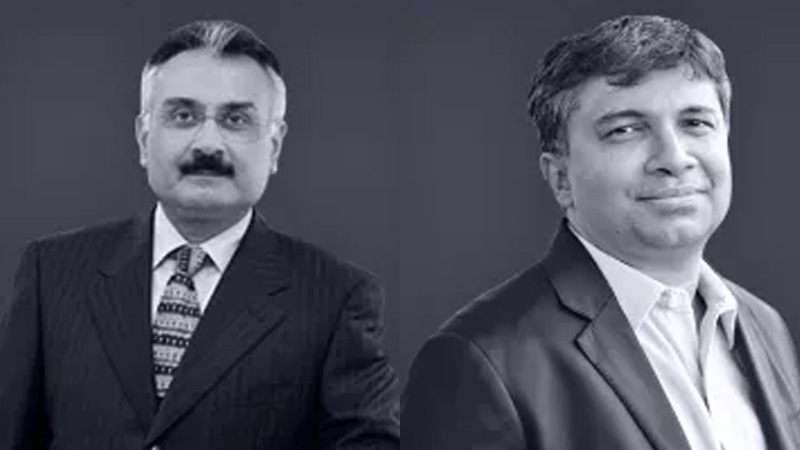
Gurugram: Delhivery’s boardroom is being reset. Deepak Kapoor, chairman and independent director, has resigned with effect from April 1 as part of a planned board reconstitution, the logistics company said in an exchange filing. Saugata Gupta, managing director and chief executive of FMCG major Marico and an independent director on Delhivery’s board, has also stepped down.
Kapoor exits after an eight-year stint that included steering the company through its 2022 stock-market debut, a period that saw Delhivery transform from a venture-backed upstart into one of India’s most visible logistics platforms. Gupta, who joined the board in 2021, departs alongside him, marking a simultaneous clearing of two senior independent seats.
“Deepak and Saugata have been instrumental in our process of recognising the need for and enabling the reconstitution of the board of directors in line with our ambitious next phase of growth,” said Sahil Barua, managing director and chief executive, Delhivery. The statement frames the exits less as departures and more as deliberate succession, a boardroom shuffle timed to the company’s evolving scale and strategy.
The resignations arrive amid broader governance recalibration. In 2025, Delhivery appointed Emcure Pharmaceuticals whole-time director Namita Thapar, PB Fintech founder and chairman Yashish Dahiya, and IIM Bangalore faculty member Padmini Srinivasan as independent directors, signalling a tilt towards consumer, fintech and academic expertise at the board level.
Kapoor’s tenure spanned Delhivery’s most defining years, rapid network expansion, public listing and the push towards profitability in a bruising logistics market. Gupta’s presence brought FMCG and brand-scale perspective during a period when ecommerce volumes and last-mile delivery economics were being rewritten.
The twin exits, effective from the new financial year, underscore a familiar corporate rhythm: founders consolidate, veterans rotate out, and fresh voices are ushered in to script the next chapter. In India’s hyper-competitive logistics race, even the boardroom does not stand still.
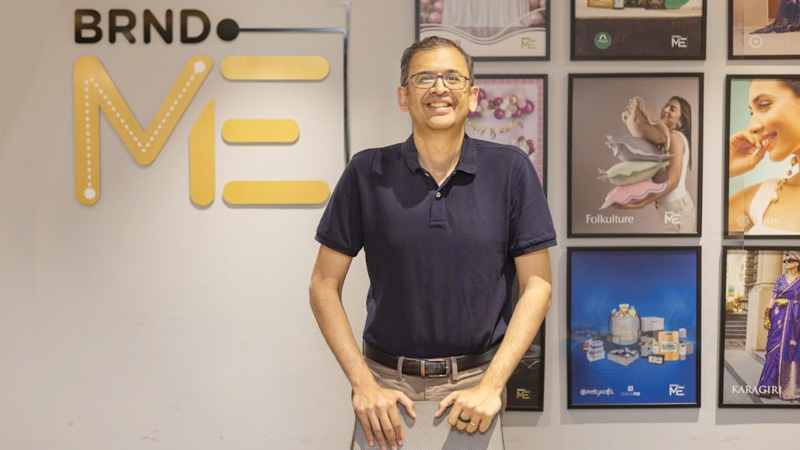
Bengaluru: Brnd.me, the global consumer brands company formerly known as Mensa Brands, has entered the European market following strong momentum across the Middle East, the United States and Canada.
The company has launched across the UK, Germany, France and Spain, with plans to expand into Italy, the Netherlands and Poland over the next year. The push is being led by its haircare and aromatherapy brands, Botanic Hearth and Majestic Pure, marking Brnd.me’s first structured expansion into Europe.
The European beauty market represents a total addressable opportunity of over $4 billion across haircare and aromatherapy, supported by high digital adoption and demand for accessible, performance-led products.
Brnd.me’s hair care and aromatherapy business currently operates at an annual run rate of around $6 million, with Botanic Hearth and Majestic Pure delivering roughly 10 per cent month-on-month growth, driven by expansion and rising repeat demand.
To support regional growth, the company has appointed a general manager based in Germany and is evaluating investments in warehousing and local team expansion.
Early traction has been strong. Within weeks of launch, Botanic Hearth’s rosemary hair oil ranked among the top five hair oils in Germany, signalling strong consumer pull in a competitive market.
Brnd.me founder and chief executive officer Ananth Narayanan, said Europe represents the next phase of the company’s international strategy. He added that the European business is expected to scale to a $10 million annual run rate by the end of 2026, with long-term ambitions to reach $60 million over the next six years.
The company’s Europe strategy centres on digital-first distribution, repeat demand and TikTok-led discovery, alongside direct-to-consumer expansion to strengthen brand equity and margins.
The move also aligns with growing EU–India trade engagement, supporting long-term sourcing and cross-border supply chains.

NATIONAL: TechnoSport has launched on Slikk, the ultra-fast fashion app offering 60-minute delivery, as the activewear brand accelerates its push into quick commerce to capture Gen Z and young millennial shoppers.
The debut brings more than 150 high-performance styles to Slikk’s platform, with an average selling price of Rs 450, expanding TechnoSport’s reach across over 80 pin codes.
The partnership follows strong momentum for TechnoSport across Q-commerce channels, where the brand has recorded around 60 per cent volume growth over the past six months. The company expects quick commerce to contribute nearly 20 per cent of its revenue in the coming years as hyperlocal delivery gains scale.
Slikk, which recently raised $3.2 million in seed funding led by Lightspeed, has rapidly gained popularity among youth consumers seeking speed, trend relevance and impulse-led shopping experiences.
Activewear remains one of Slikk’s fastest-growing categories, driven by shoppers increasingly treating fitness-led fashion as an everyday essential. The platform has reported a 30-fold year-on-year increase in items sold, reflecting rising demand for performance wear that blends comfort with style.
TechnoSport chief executive officer Puspen Maity, said the collaboration would help the brand engage more closely with young consumers whose fashion choices are shaped by instant needs and lifestyle aspirations. He added that rapid delivery bridges the gap between intent and purchase, allowing shoppers to access activewear exactly when they want it.

Netflix celebrates a decade in India with Shah Rukh Khan-narrated tribute film

Delhivery chairman Deepak Kapoor, independent director Saugata Gupta quit board

Meta appoints Anuvrat Rao as APAC head of commerce partnerships

Brnd.me enters Europe as haircare brands power global expansion

TechnoSport taps quick commerce with launch on Slikk’s 60-minute platform

Jitendra Singh joins Reliance Industries as senior vice president, special projects

Tinder brings real-world dating experiences to North East India

These ’90s fashion trends are making a comeback in 2017
The final 6 ‘Game of Thrones’ episodes might feel like a full season
According to Dior Couture, this taboo fashion accessory is back
The old and New Edition cast comes together to perform
Phillies’ Aaron Altherr makes mind-boggling barehanded play
Uber and Lyft are finally available in all of New York State
Disney’s live-action Aladdin finally finds its stars
Netflix celebrates a decade in India with Shah Rukh Khan-narrated tribute film
Delhivery chairman Deepak Kapoor, independent director Saugata Gupta quit board
Meta appoints Anuvrat Rao as APAC head of commerce partnerships
Brnd.me enters Europe as haircare brands power global expansion
TechnoSport taps quick commerce with launch on Slikk’s 60-minute platform
Jitendra Singh joins Reliance Industries as senior vice president, special projects
Tinder brings real-world dating experiences to North East India
-
 iWorld3 months ago
Tips Music turns up the heat with Tamil party anthem Mayangiren
-
 iWorld12 months ago
BSNL rings in a revival with Rs 4,969 crore revenue
-
 I&B Ministry3 months ago
India steps up fight against digital piracy
-
 MAM3 months ago
HoABL soars high with dazzling Nagpur sebut
-

 MAM2 months ago
Best Lightweight Sunscreens for Daily Use in India
-

 AD Agencies1 month ago
Divya Parkhi steps into client lead role at WPP Media
-

 MAM3 months ago
Kapil Sethi joins Network18 as head of technology
-

 Digital2 months ago
Webinar unpacks how influencers turn attention into action