
MAM
Modi ki development guarantee – Union Budget 2024

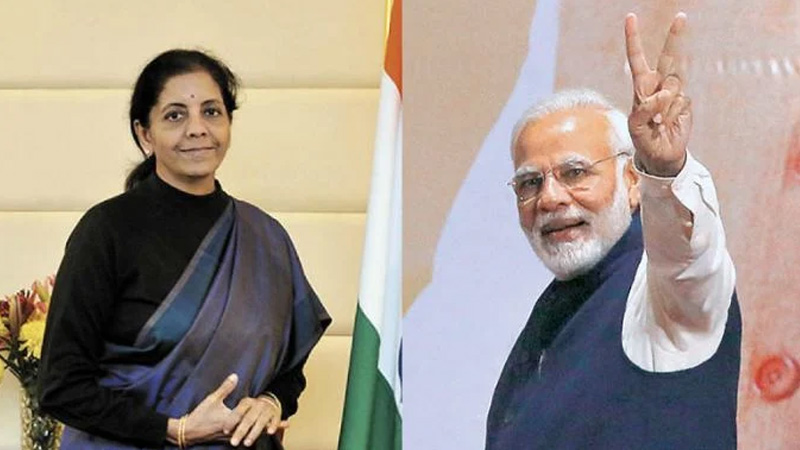
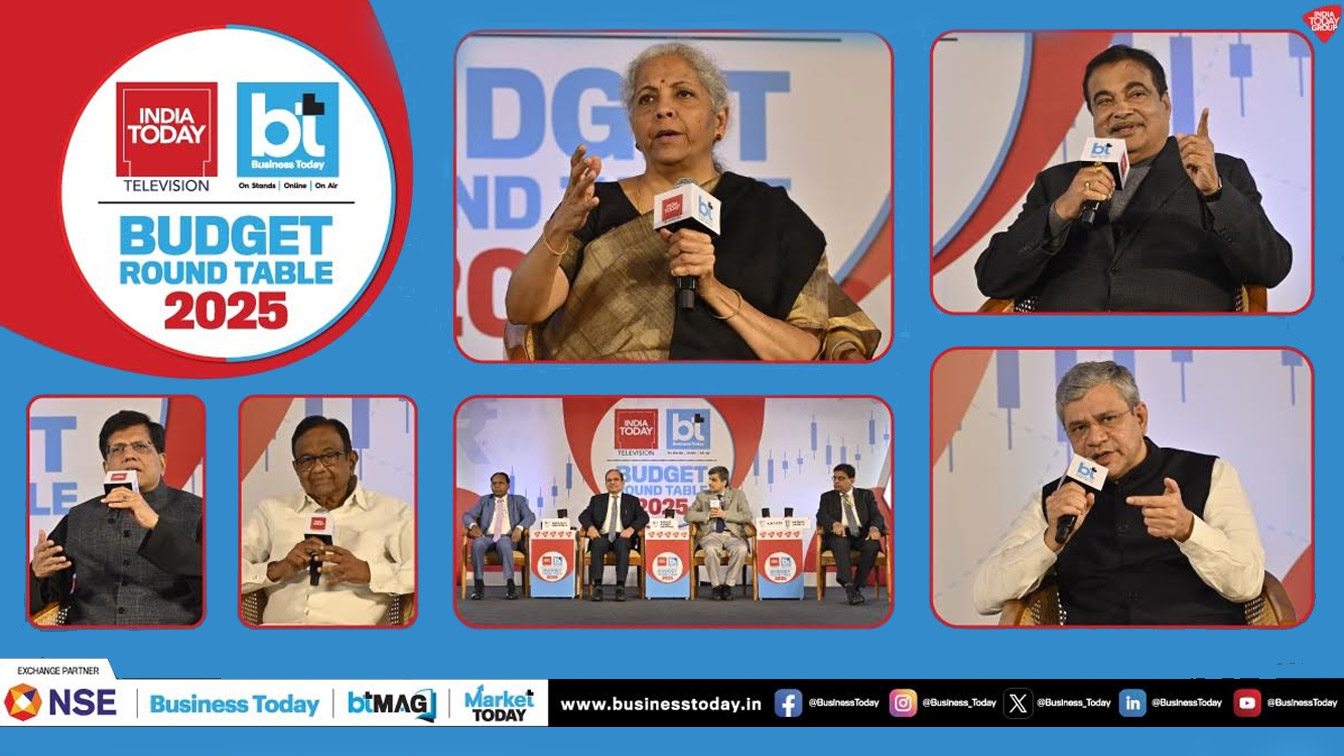
Mumbai: Highly speculated theories are now haywire to label it as a ‘Populist budget. In Modinomics, the last union budget session of the Modi government presented by finance minister Nirmala Sitharaman concluded her brief speech on the future aspirations of India in parliament and highlighted growth during the current government tenure.
In a masterstroke, ‘Modi Ki Guarantee’ reflected a surprising budget for analysts. Most of the masses and even analysts expected a ‘ Populist Revadi Budget ‘ but in an unprecedented move, the Modi government decided to move further with a realistic budget. While considering the long-term plan ahead, the government is extremely focused on increasing the capex (capital expenditure) by the government to develop better infrastructure to encourage investors for sustainable development. Interestingly after the Ayodhya Ram Mandir ceremony, people anticipate a new cluster of ‘ Election Budget.’ Interestingly the government decided to not revise the tax structure which is also a game-changing factor for the government and the country. Due to a better collection of revenue, the government decided to put the same tax structure and improve the flow of the tax cycle.
Speaking on tax announcements in the interim budget 24-25, Advantage Club CEO & founder Sourabh Deorah, said, “We welcome the government’s decision to extend tax benefits for startups until March 2025 and allocate 1 lakh crore loans for tech-savvy youth. The support provided by a fund of funds, startup India, and startup credit guarantee schemes exemplifies a comprehensive approach to fuelling growth. Overall, the budget presents a positive outlook for the future of India Inc.”
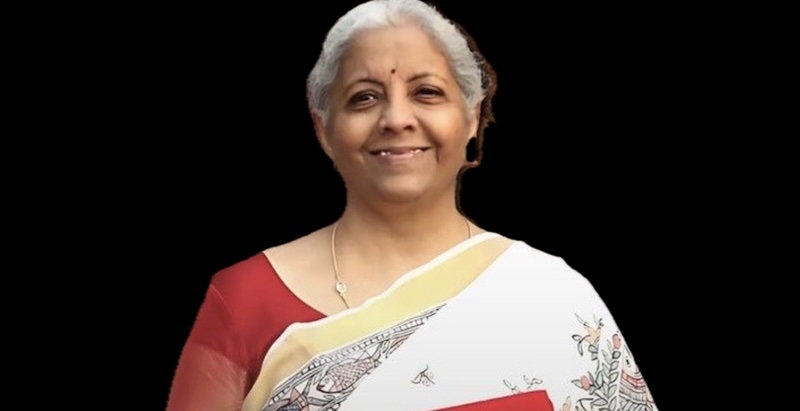
However, the central government masterstroke paved the way for the ‘ New Indian Revolutionary Budget ‘ and went beyond vote politics. While considering all sections of society, Nirmala Sitharaman has spoken about the structural development of each and every sector of the country. Right from transgender, divyang to middle class, unprivileged community of the society.FM Nirmala Sitharaman mentioned the government’s plan to increase capex in the country. She also mentioned the government plan of’ Jai Jawan Jai Kisaan Jai Vigyan Jai Anusandhan’ in her crystal-clear speech. Her body language was merely speaking about being a populist budget without fear of any kind of general Lok Sabha election ahead. She emphasised the government’s plan to be fairly and truly ‘secular’ in terms of equal opportunity to all sections of society. Especially whether it is employment opportunities, self-employment or startup, or skill development programs for citizens. FM also explains the major government plan for infrastructure which is the first time in India. For the first time, the government announced major corridors i.e. port connectivity corridor, energy, mineral cement corridor, high high-density corridor. This categorised corridor classification is used for the concentration of improving infra development in India. 2.4 Lakh crore allocated by Modi government highest ever in India.
In view of the union budget 2024, Careernet CEO and co-founder Anshuman Das commented, “As we witness the unprecedented pace of infrastructure development in all facets, be it digital, social, or physical, it is evident that the government’s commitment to progress is unwavering. The financial provisions outlined by the finance minister signal a paradigm shift, especially in the empowerment of women.With 300 million Mudra Yojana loans, the nation is fostering an entrepreneurial spirit, while the remarkable 28 per cent surge in female enrolment in higher education speaks volumes about the strides in education equality. Notably, our optimism is further fuelled by the impressive 43 per cent representation of girls and women in STEM courses, showcasing a commitment to diversity and inclusivity.
At Careernet, we embrace this forward momentum, recognising the correlation between education, empowerment, and the rising participation of women in the workforce. This budget sets the stage for a more inclusive and vibrant employment landscape”. he added.
While giving post- budget reaction on consumer durables segment, Veira Group managing director Sharan Maini, said, “As India charts its course towards ‘Viksit Bharat’ by 2047, the budget’s unwavering emphasis on ‘Atma Nirbharta’ in resource allocation holds the promise of a substantial boost for the electronics industry. The Skill, India Mission’s commitment to nurturing a skilled workforce lays a robust foundation for global competitiveness. While we acknowledge the government’s focus on technology and innovation, our concern persists regarding our dependence on semiconductor and display fab imports, which we had hoped would be specifically addressed in this budget.
Nevertheless, the comprehensive attention given to technology and innovation is encouraging, presenting an opportunity to strengthen our manufacturing capabilities. To align the industry with national aspirations, a holistic approach that tackles import dependencies and reinforces domestic technological capabilities becomes imperative for sustained growth and competitiveness in the dynamic global electronics landscape.” he added.
Expressing gratitude for women empowerment policies, ZebraLearn co-founder Radhika Sundarka, expressed, ‘ As we applaud the government’s pivotal strides in women empowerment, the bold measures such as reserving one-third legislative seats for women underscore a commitment to inclusivity. We strongly believe in translating policy into action, and this budget announcement aligns seamlessly with our ethos. By addressing social and legal issues, the government is paving the way for a more equitable society. Moreover, as a company, we actively promote a culture of inclusion and empowerment with a focus on providing a conducive environment for aspiring women entrepreneurs, offering mentorship, resources, and opportunities. This budget reinforces our shared vision for a progressive, gender equal future, and we are excited to contribute to the journey of women empowerment in the entrepreneurial landscape.’ she added.
FM Nirmala Sitharaman also redefined GDP as governance, development, and performance to focus more comprehensively on developing a new Indian ecosystem. The manufacturing industry grows by 6.5 per cent in FY24 up from 1.3 per cent in FY23. As per the last data of the national statistical office, the economy is to grow 8.9 per cent compared to 16.1 per cent last financial year. agricultural, livestock, forestry, and relative business are contributing 15 per cent of GDP, unfortunately, it has come down in growth rate from 4 per cent in FY 23 to 1.8 per cent in FY 24. The technological advancements can be due to reforms in the Agricultural sector over the last few years. In this interim budget, FM announced the government would focus on new tech facilitation soon.
Sharing happiness over budget, Rite Knowledge Labs co-founder & CEO Zahara Kanchwalla, said, ‘ This budget continues the government’s focus on development and infrastructure as crucial growth pillars, aiming to balance inflationary trends in parallel. Congratulations to the government for emphasizing women’s empowerment, particularly the lakhpati didi scheme. Additionally, the boost to entrepreneurship through Funds of funds and Mudra loans for small businesses is encouraging. The government’s vision of making India a developed nation requires participation from all tax-paying citizens and corporations for success.’
Commented on the agriculture industry dynamics, Aroma Agrotech CEO and director Anshul Garg, welcomed the strides made in the agriculture sector by the latest budget, as he resonated with the sentiments made by the FM, saying, “Aroma Agrotech finds enormous inspiration in the ingenious and insightful evaluation in the interim budget 2024-25. The sentiment regarding the government’s commitment to the farmers, our ‘Annadata’. The PM-Kisan Samman Yojana and PM Fasal Bima Yojana sound like the highlight of the Agricultural budget and Aroma will extend its unwavering support to implement the scheme effectively. We feel that this budget extends farmer-centric policies, support of income, risk coverage, and the encouragement of developing technologies and innovative ideas through Agritech, which aligns perfectly with our core values and we are enthusiastic about building on the sector’s fast-paced growth by assisting these policies.”
The Reserve Bank of India also plays an important role in cutting rates due to government-revised high growth indicators. Substantially, the government achieved a target of a Fiscal deficit of 5.1 per cent from last year’s 5.8 per cent in FY 23-24. Further, the government aims to lower it to 4.0 or 4.5 per cent in the next fiscal year. FM also spoke about giving equal attention to the service industry and a continuous growth approach for the service industry including hospitality, trade, communication services, telecom, media, and other related services. Despite that fact, the growth indicator slowed down from 14 per cent to 6.3 per cent in FY 24-25. Especially after the Ram Mandir ceremony PM Modi announced a solar energy scheme which was also emphasized by FM during a budget session. Under the rooftop solar scheme, 1 crore families get 300 units of free electricity.
Giving hand-to-hand support to MSMEs and different flagship schemes for businesses like PM Vishwakarma Yojana, and PLI scheme, Nirmala Sitharaman also announced to cut down the burden by reducing corporate tax for industries. Sitharaman also spoke about ‘ Housing for all’, focusing on the middle-class housing problem in different cities.
While expressing a reaction to the interim budget, Malodia Business Coaching founder & CEO Rahul Malodia said, “The budget’s focus on global competitiveness for MSMEs through training is a positive step towards viksit Bharat and the commitment to sustainable economic policies and next-gen reforms, in collaboration with states and stakeholders, signals a positive trajectory.
He further added, ‘The vision for India’s development by 2047 aligns with the positive transformation witnessed in the last decade. The dedicated emphasis on all-round, all-inclusive development resonates with our mission. The priority to train MSMEs for global competition is a crucial step. This budget sets a promising tone for the entrepreneurial ecosystem, and we eagerly contribute to India’s journey towards becoming a developed nation by 2047.”
After basic infrastructure development, the government also decided to give importance to the service industry and manufacturing sector. The government is aiming to build infrastructure for quality upgradation and research and development for providing futuristic services. The government aims to provide less interest or nil loans, as tech-savvy people get 50 years interest free loan or nominal interest loan facilities to improve tech infra development. This move of the government aims to boost the tech ecosystem in India. Rising manufacturing demands for semiconductors can get a boost in the country. FM’s speech also mentioned marketing and branding to get support for end-to-end solutions in the country. By procuring loan term loans tech giants get increasing R & D support. AI, the generative AI sector can leverage fruit out of it.
Speaking exclusively on possible reflection of the interim budget on brands nationally and internationally, Aroma Agrotech CEO and director Anshul Garg expressed, ‘ Aroma Agrotech finds enormous inspiration in the ingenious and insightful evaluation in the interim budget 2024-25. The sentiment regarding the government’s commitment to the farmers, our ‘Annadata’. The PM-Kisan Samman Yojana and PM Fasal Bima Yojana sound like the highlight of the Agricultural budget and Aroma will extend its unwavering support to implement the scheme effectively. We feel that this budget extends farmer-centric policies, support of income, risk coverage, and the encouragement of developing technologies and innovative ideas through Agritech, which aligns perfectly with our core values and we are enthusiastic about building on the sector’s fast-paced growth by assisting these policies.”
While speaking of the post-interim budget, larger numbers of analysts praised the professional approach of the government for fiscal 24-25. Continuing capex and simultaneously increasing revenue cycles is a win-win formula established in this budget.
On the balanced approach of the union interim budget 2024, Edelweiss MF president & chief investment officer- equities Trideep Bhattacharya said, “In an election year, the budget adeptly strikes a balance, prioritising sensibility over populism. It showcases India’s unwavering commitment to infrastructure development, coupled with a steadfast adherence to fiscal prudence. This paves the way for sustained growth, steering the nation along the trajectory towards achieving a developed economy by 2047.”
In this interim budget, FM declares a corpus fund of 50 50-year loans for entrepreneurs to fulfill research development finances. Expressing joy about tech industry reforms, Almond’s AI co-founder & CEO, Abhinav Jain said, “The government’s forward-looking budget aligns remarkably well with the impetus required for the AI and technology sectors. The focus on digital infrastructure lays a robust foundation for innovation, and the commitment to skill development among youth mirrors the mission to empower the next generation with AI capabilities.
The support for electric vehicles and clean energy initiatives resonates with the Green Loyalty Program, reinforcing belief in sustainable technological advancement. This budget not only catalyses a tech-driven economy but also heralds a golden era for companies like ours at the intersection of AI and market technology. We are eager to contribute to this transformative journey and commend the government’s vision for a tech-empowered, inclusive growth trajectory.” he added.
The government also focused on the welfare of the marginalised community, children, women, and small farmers’ businesses, and developing education for completing the skill development mission of India and making India developed by 2047 which was also mentioned specifically by FM Nirmala Sitharaman during her interim budget speech.
Bal Raksha Bharat CEO Sudarshan Suchi commented on embarking on welfare policies, and the ‘Bachpan Surakshit, Desh Viksit ‘ approach, stating, ‘The government is working on an all-round, all-inclusive and all-pervasive development. Catalyst of change in child welfare recognises the interconnected facets of a child’s development. Bal Raksha Bharat supports this holistic approach by the Government of India which will undoubtedly accelerate efforts sustainably towards a Viksit Bharat by 2047.
The allocation of a higher share of resources for children in the union budget will play a vital role in shaping the country’s developmental priorities and our goal of becoming the third-largest economy. We are hopeful that the union budget’s focus on development will significantly improve the nation’s progress and the well-being of its citizens. he added.
Here are the union budget 2024 FM speech highlights –
- No changes in direct, or indirect tax rates
- To formulate a program to support dairy farmers
- Efforts to control foot-on-mouth diseases
- To empower existing dairy plants to up productivity
- Largest milk producer in the world but low Milch productivity
- The bond yield fell 8 bps after gross borrowing announcement
- The GST tax base has doubled
- Tax receipts estimated at Rs 26.02 lakh crore in FY25
- FY25 fiscal deficit target set at 5.1 per cent of GDP
- FY24 fiscal deficit revised down to 5.8 per cent of GDP
- Projects for tourism to be taken up in islands including Lakshadweep
- Metro Rail, Namo Bharat to be expanded to more cities
- Govt to support EV manufacturing, and charging infrastructure
- Ayushman Bharat cover extended to all Anganwadi and Asha workers
- The golden era for tech-savvy youth, 50-year interest-free loans to be rolled out
- The number of airports doubled to 149 in the last 10 years
- Govt to help in providing housing for the middle class
- Policy priority to provide training for MSMEs to compete globally.
- Govt to adopt economic policies that sustain growth, Sitharaman says
- The next 5 years will be of unprecedented development.
- ‘New world order emerging after Covid’
- ‘Proactive inflation management has helped keep inflation within the band’
- ‘All forms of infrastructure – digital, social, physical – are being built in record time’
- Our prosperity depends on equipping and empowering the youth.
- Crop insurance has been given to 4 crore farmers under the PM
- Fasal Bima Yojana, says FM Sitharaman
- Garib Kalyan is desh ka kalyan.
- Expect that our government with its stupendous work will again.
- Our young country has high aspirations.
- The Indian economy has witnessed a positive transformation in the last 10 years.
Lastly, apart from all Modi ki Guarantee, this time the government enforced strict government measures for ‘Amritkaal‘ and decided to cut down rewadi culture to improve the efficiency of the overall economy.



MAM
Nielsen launches co-viewing pilot to sharpen TV measurement
Super Bowl pilot to refine how shared TV audiences are counted
MUMBAI: Nielsen is taking a fresh stab at one of television’s oldest blind spots: how many people are actually watching the same screen. The audience-measurement giant on February 4 unveiled a co-viewing pilot that uses wearable devices to better capture shared viewing, starting with America’s biggest broadcast stage.
The trial begins with Super Bowl LX on NBC on February 8, 2026, before extending to other high-profile live sports and entertainment events in the first half of the year. The goal is simple but commercially potent: count viewers more accurately, especially during live spectacles that pull families and friends to one screen.
The new approach leans on Nielsen’s proprietary wearable meters, wrist-worn devices that resemble smartwatches. These passively capture audio signatures from TV content, logging exposure to shows, films and live events without requiring viewers to sign in or self-report. In theory, fewer clicks, fewer lapses, better data.
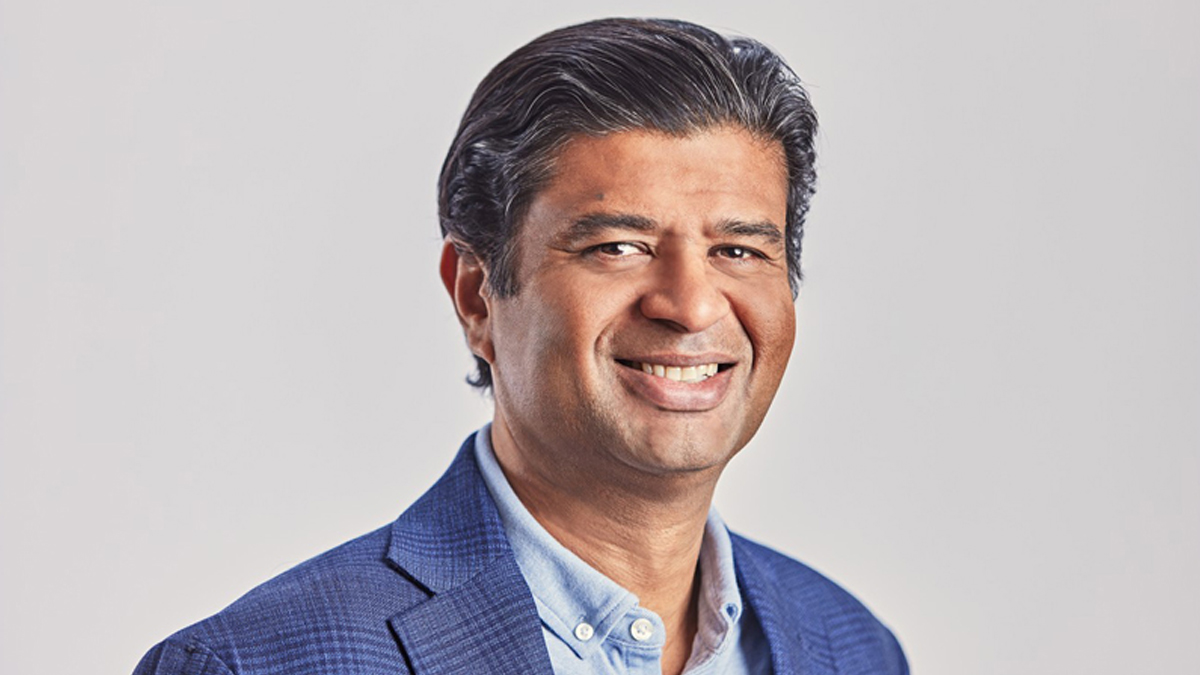
Karthik Rao, Nielsen’s ceo, cast the move as part of a broader measurement push. He said the company’s task is to keep pushing accuracy as clients invest heavily in live programming that draws mass audiences. The co-viewing pilot, he added, builds on upgrades such as Big Data + Panel measurement, out-of-home expansion, live-streaming metrics and wearable-based tracking.
Co-viewing is not new territory for Nielsen, which has long tried to estimate how many people sit before a single set. What is new is the heavier integration of wearables and passive detection to reduce reliance on active inputs from panel homes.
For now, the pilot comes with caveats. Co-viewing estimates from the trial will not be folded into Nielsen’s Big Data + Panel ratings, which remain the industry’s trading currency. Instead, pilot findings will be shared with clients a few weeks after final Big Data + Panel ratings are delivered. Clients may disclose those findings publicly.
More impact data will follow later this year. Full integration into Nielsen’s marketing-intelligence suite is slated as a longer-term play, with a target of bringing co-viewing into currency measurement for the 2026–2027 season. This is only phase one, with further co-viewing enhancements planned beyond 2026 and additional timelines to be announced.
The push fits a wider pattern. Nielsen has in recent years expanded big-data integration, adopted first-party data for live-streaming measurement and broadened out-of-home tracking. It also positions itself as the reference point for streaming metrics through products such as The Gauge and the Nielsen Streaming Top 10.
In a market where billions of ad dollars hinge on decimal points, counting who is in the room matters. If Nielsen can pin down shared viewing, the humble sofa could become prime measurement real estate. The race to count every eyeball just found a new wrist to watch.

Gurugram: Delhivery’s boardroom is being reset. Deepak Kapoor, chairman and independent director, has resigned with effect from April 1 as part of a planned board reconstitution, the logistics company said in an exchange filing. Saugata Gupta, managing director and chief executive of FMCG major Marico and an independent director on Delhivery’s board, has also stepped down.
Kapoor exits after an eight-year stint that included steering the company through its 2022 stock-market debut, a period that saw Delhivery transform from a venture-backed upstart into one of India’s most visible logistics platforms. Gupta, who joined the board in 2021, departs alongside him, marking a simultaneous clearing of two senior independent seats.
“Deepak and Saugata have been instrumental in our process of recognising the need for and enabling the reconstitution of the board of directors in line with our ambitious next phase of growth,” said Sahil Barua, managing director and chief executive, Delhivery. The statement frames the exits less as departures and more as deliberate succession, a boardroom shuffle timed to the company’s evolving scale and strategy.
The resignations arrive amid broader governance recalibration. In 2025, Delhivery appointed Emcure Pharmaceuticals whole-time director Namita Thapar, PB Fintech founder and chairman Yashish Dahiya, and IIM Bangalore faculty member Padmini Srinivasan as independent directors, signalling a tilt towards consumer, fintech and academic expertise at the board level.
Kapoor’s tenure spanned Delhivery’s most defining years, rapid network expansion, public listing and the push towards profitability in a bruising logistics market. Gupta’s presence brought FMCG and brand-scale perspective during a period when ecommerce volumes and last-mile delivery economics were being rewritten.
The twin exits, effective from the new financial year, underscore a familiar corporate rhythm: founders consolidate, veterans rotate out, and fresh voices are ushered in to script the next chapter. In India’s hyper-competitive logistics race, even the boardroom does not stand still.
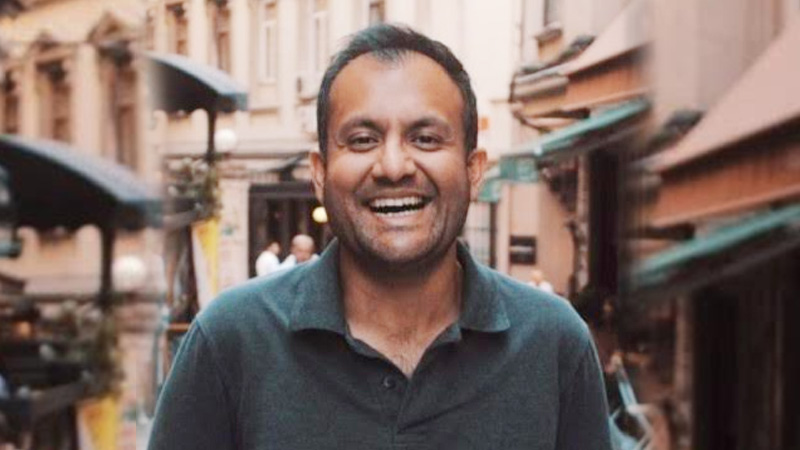
At Locofy.ai, Rao helped convert a three-year free beta into a paid engine, clocking 1,000 subscribers and 15 enterprise clients within ten days of launch in September 2024. The low-code startup, backed by Accel and top tech founders, is famed for turning designs into production-ready code using proprietary large design models.
Before that, Rao founded generative AI venture 1Bstories, which was acquired by creative AI platform Laetro in mid-2024, where he briefly served as managing director for APAC. Alongside operating roles, he has been an active investor and advisor since 2020, backing startups such as BotMD, Muxy, Creator plus, Intellect, Sealed and CricFlex through a creator-economy-led thesis.
Rao spent over eight years at Google, holding senior partnership roles across search, assistant, chrome, web and YouTube in APAC, and earlier cut his teeth in strategy consulting at OC&C in London and investment finance at W. P. Carey in Europe and the US.

Mukesh Ambani, Larry Fink come together for CNBC-TV18 exclusive

Nielsen launches co-viewing pilot to sharpen TV measurement

Netflix celebrates a decade in India with Shah Rukh Khan-narrated tribute film

Delhivery chairman Deepak Kapoor, independent director Saugata Gupta quit board

Meta appoints Anuvrat Rao as APAC head of commerce partnerships

Brnd.me enters Europe as haircare brands power global expansion

TechnoSport taps quick commerce with launch on Slikk’s 60-minute platform

These ’90s fashion trends are making a comeback in 2017
The final 6 ‘Game of Thrones’ episodes might feel like a full season
According to Dior Couture, this taboo fashion accessory is back
The old and New Edition cast comes together to perform
Phillies’ Aaron Altherr makes mind-boggling barehanded play
Uber and Lyft are finally available in all of New York State
Disney’s live-action Aladdin finally finds its stars
Mukesh Ambani, Larry Fink come together for CNBC-TV18 exclusive
Nielsen launches co-viewing pilot to sharpen TV measurement
Netflix celebrates a decade in India with Shah Rukh Khan-narrated tribute film
Delhivery chairman Deepak Kapoor, independent director Saugata Gupta quit board
Meta appoints Anuvrat Rao as APAC head of commerce partnerships
Brnd.me enters Europe as haircare brands power global expansion
TechnoSport taps quick commerce with launch on Slikk’s 60-minute platform
-
 News Broadcasting2 days ago
Mukesh Ambani, Larry Fink come together for CNBC-TV18 exclusive
-
 iWorld6 days ago
Netflix celebrates a decade in India with Shah Rukh Khan-narrated tribute film
-
 iWorld12 months ago
BSNL rings in a revival with Rs 4,969 crore revenue
-
 I&B Ministry3 months ago
India steps up fight against digital piracy
-
 iWorld3 months ago
Tips Music turns up the heat with Tamil party anthem Mayangiren
-
 MAM2 days ago
Nielsen launches co-viewing pilot to sharpen TV measurement
-
 MAM3 months ago
HoABL soars high with dazzling Nagpur sebut
-

 News Broadcasting2 months ago
CNN-News18 dominates Bihar election coverage with record viewership

