
MAM
Meet the Big C

A consultant: – An outside entity who is paid to bring objectivity, expertise and insight into a client’s working. However, the only skill that he seems to employ is the art of collating comments made from diverse sources, processing and polishing then a touch and then presenting them as his own, with aplomb. This insidious transference of the source of an idea, many a times results in its full throated approval.
(For all those of you who make a career doing this, kudos to you, I wish I was in your place, and in case anyone is hiring I have my id at the bottom)
“Old Chinese Proverb, words spoken by someone who is being paid through your nose always sound better, though a little nasal,” the hushed Chinese accent, the express delivery of the tea cup in Ram’s hand and Chai-La (the mystical Chinese canteen tea boy) had vanished into the absurdness of his comment before anyone could pause to notice.
The agency team had gathered in the client’s office to discuss the impending launch of a multinational competitor. Since this was typically the kind of news that sends thorn rimmed shivers down the spines of the marketing department, the client had decided to call in the cavalry. Word was sent out to the Big C, the clients marketing consultant.
The Big C was almost a reverential name in the industry. People swore by his name-at errant laser printers, red card happy referees and overindulgent accountants. His appearance was immaculate. He always seemed to have gadgets that were a few years ahead of everything else present in the room (a minor alteration on the system clock did help).
He was a master of business models and never passed up a single opportunity to know them better. This had resulted in three divorces at last count. He featured regularly in media. His opinions were sought after by all and sundry, whenever the economy twisted in its slumber. He was a man who had a reputation, which wasn’t something that anyone from the agency team could honestly claim.

When the Big C entered, a feeling of awe swept across the room. Immediately the concept of the ‘awe continuum’ came to the fore. The clients marketing team, featuring Mr.Bose (the marketing head) and Mr. Lele (his external organ), stared tongue tied as the Big C strode to the head of the table. The agency’s brand management team (Vikas, Dharti and Ram) were also awed, but to a lesser degree and PP (the creative director with the trademark moustache) was very low on awe. In fact he was staring with some amount of hostility at the consultant.
“Welcome friends, we have gathered here to discuss our future strategy, especially given the competitive scenario. Let us try and have a constructive discussion to arrive at a long-
term solution. I must thank the Big C also for kindly consenting to grace us with his presence and hopefully we will all get inspired to think better in his August company, even though this is September.”
Mr. Bose paused to see if his wisecrack had gone down well; the Big C smiled back boosting his confidence multifold.
“And now let’s just begin the discussion, let it be a free flowing exchange of ideas without fear of who is getting hurt by what is being said, let’s be brave, let’s think different. Let’s question the conventions. Lets just pull out all the stops to finding a winning solution,” he concluded red faced from the exertion of talking passionately, short of throwing down a blood stained handkerchief on the table he had pretty much set the mood. As it was wisely said it was too ‘let’ to turn around.
“I would like to hear what the agency has to say on the issue. They are after all your brand custodians. They will be in touch with the pulse of the consumer,” began the Big C in a voice that demanded instant respect, attention and clearance of outstanding bills. He then unraveled a space age looking gadget that made the usual laptops look like elementary level slates. As everyone else looked on in envy he began punching keys with the ferocity of a circus clown going through his comic routine.
“Well, we believe that we really have nothing to fear,” began Vikas, in his confidently cherubic tone, and then realizing he had hit a brick wall kicked Dharti under the table.
“The reason for that is that we have created new niches in the market and have sustained our value proposition across non homogenous audiences across the years, so we are prepared for any eventuality,” Dharti, the agency’s curvaceously crafted account planning head, chipped in while maintaining unwavering eye contact with the Big C.
The Big C met her gaze and a wicked smile began to form on the outlines of his lips that made Ram feel distinctly jealous.
“The only thing we need to do is keep advertising, so what is they are multinationals, this is our country, different rules apply here. We must increase our presence in India, possibly even create new more relevant communication that has international overtones” boomed PP, reaching decibel levels that rearranged data on Big C’s wonder gadget.
The Big C was studiously at it on his machine when the others were speaking. From time to time he was checking the temperature in the room and was drawing imaginary triangles of influence across the various speakers in the room. He had an all knowing grin permanently plastered on. Ram found all this very strange.
“Why should we advertise? We should just stop and see what they will do.” That was Madhur Lele, first name courtesy parents, the last endowed by the general public.
“Absolute nonsense,” exploded PP.
“That’s completely short sighted,” exclaimed Vikas.
“Such mediocre thinking,” commented the receptionist (though outside the room and in a completely different context)
“Lele you better clear your marketing fundamentals,” ended Mr. Bose, relishing the opportunity to make his subordinate squirm.
The Big C remained silent and did not raise his eyes above the wonder gadget.
“We need a promotional scheme to keep the consumer loyal initially,” murmured Mr. Bose, “the propensity to switch might be high initially.”
“Yes that’s true Mr. Bose, research shows that if morality is falling, brand loyalty is never something that should be taken for granted,” cooed Dharti in a manner that immediately made her appear intelligent, or was it the lighting in the room?
“Well, what do you have to say?” The Big C suddenly asked Ram, emphasizing on the underline. To say that the question had caught Ram in the cold would be detrimental to the idea of an understatement.
In his bewildered state he glanced down at Vikas’s cell phone and drew inspiration from the logo.
“Maybe we need a motto,” he said with uncertainity.
The rest of the room erupted in laughter, the loudest guffaws emanating from Madhur Lele who was thrilled to get the opportunity to mock someone for a change.
As the mirth subsided, Mr. Bose asked the Big C the inevitable question.
“What do you have to say, sir?”
The Big C motioned him to be silent and upped the tempo of his interaction with the wonder gadget, lights were flashing and techno sounds were squealing in digital agony. Finally he triumphantly raised his eyes and looked at the room. He paused for a full minute and then stood to his full height. He casually sauntered around the room in a manner that made everyone uncomfortable. Then he stopped dead center.
“This is an interesting and challenging problem, luckily my years of experience and cutting edge technology have enabled me to come up with the right tool that we must follow for success,” he paused briefly to caress the wonder gadget almost sensually.
“The tool is my trademarked model ACPM, a brand defense module against aggression in the marketplace. This is inspired by the ICBM, which famously formed the bulwark of the security programs of many nations around the world.” He paused again drinking in the awe, for those who keep status; even PP was jumping up in intensity level on the ‘awe continuum’.
“A stands for await. Wait and watch first what the competition will do, C stands for Counter or make our approach more Contemporary and relevant. P stands for Persevere with this strategy and if in doubt fall back on Promotions and M stands for motto, we need something that will drive morale within and outside the organization, a kind of rallying call that will inspire people to greater things. Something that the agency will surely develop given their expertise.”
He concluded as he triumphantly scribbled the acronym on the board, adding the trademark symbol almost mechanically.
There was a hushed silence in the room as everyone sat transfixed taking in those alphabets. They seemed to have hypnotized the room.
Mr. Bose was the first to recover, “Thank you sir that makes so much sense. We will all get down to it. That was truly inspiring, ACPM, such a brilliant model. We are very keen to apply it from today. You have given us so much hope.”
The agency personnel grudgingly admitted that they were floored by the new strategic initiative.
“We will start work on the slogan,” offered Vikas helpfully, knowing full well that his remark would cause PP’s blood pressure to rise like a salmon out of water.
Ram excused himself to leave the room, he deliberately walked behind Big C’s chair to sneak a peek at the wonder gadget and what he saw made his jaw drop beyond the confines of his face. There was nothing on the other side of the impressive shell. It was just a sophisticated game of ‘0’s and X’s’ that the Big C had been playing all along. The Big C caught him looking at his little secret and shot back a refined but decidedly dangerous glance that made Ram scurry to the men’s room even faster.
Back in the office, Ram sat stooped in his chair. Trying to write the minutes of the previous meeting, still feeling slightly robbed on the whole.
“Your ideas make for meaningful meal, but if you aren’t careful someone will steal,” the high pitched cackle, the express delivery of the tea cup and Chai-La disappeared in the words typed out in bold on Ram’s screen. ACPM
Brands
Netflix India names Rekha Rane director of films and series marketing
Streaming giant bets on a seasoned marketer who helped build Amazon and Netflix into household names
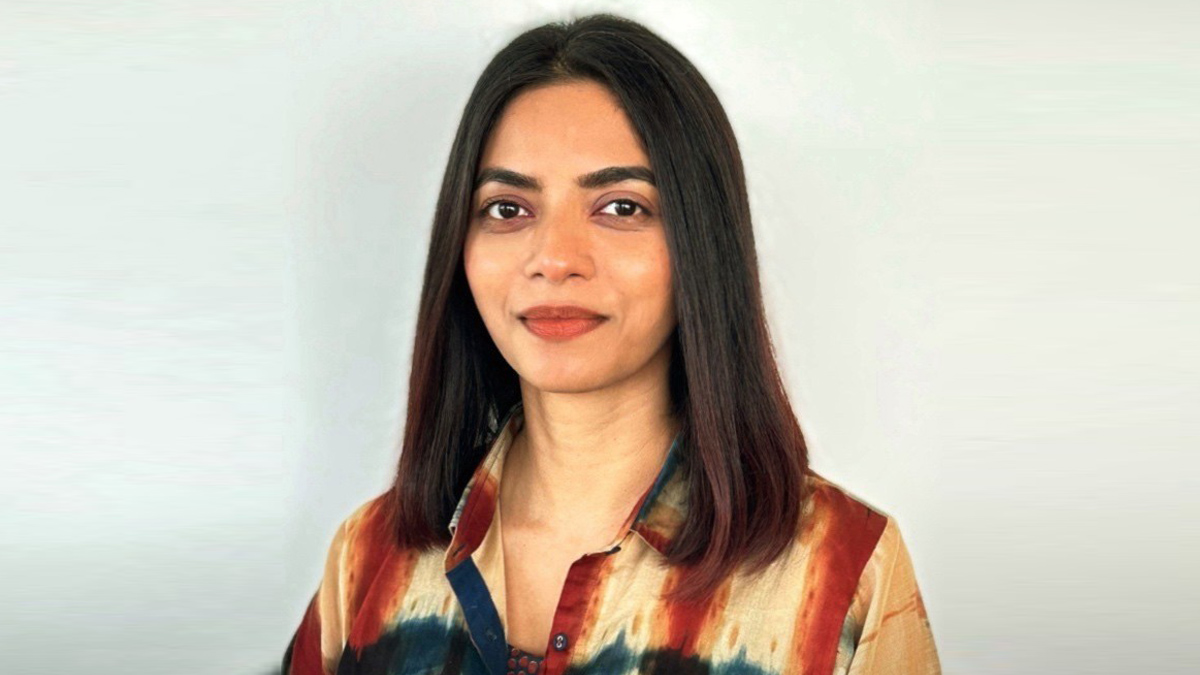
MUMBAI: Netflix has put a proven brand builder at the helm of its films and series marketing in India, naming Rekha Rane as director in a move that signals sharper focus on audience growth and cultural cut-through in one of its most hotly contested markets.
Rane steps into the role after seven years at Netflix, where she has quietly shaped how the platform sells stories to India. Her latest promotion, effective February 2026, crowns a run that spans brand, slate and product marketing across originals, licensed content and new verticals such as games.
A strategic marketing and communications professional with roughly 15 years’ experience, Rane has spent much of her career building technology-led consumer businesses and new categories, notably e-commerce and subscription video on demand. She was part of the early push that introduced Amazon.in, Prime Video and Netflix to Indian homes, then helped turn them into everyday brands.
At Netflix, she most recently served as head of brand and slate marketing for India from March 2024 to February 2026, leading teams across media and marketing for global and local content portfolios. Before that, as manager for original films and series marketing, she led IP creation and go-to-market strategy for titles including Guns and Gulaabs, Kaala Paani, The Railway Men* and The Great Indian Kapil Show, spanning both binge and weekly-release formats.
Her earlier Netflix roles covered product discovery and promotion in India and integrated campaign strategy to drive conversations around the content slate, product awareness and brand-equity metrics.
Before Netflix, Rane logged more than three years at Amazon in brand marketing roles in Bengaluru. There she handled national and regional campaigns for Amazon.in, worked on customer assistance programmes in growth geographies and contributed to the go-to-market strategy for the launch of Prime Video India.
Her career began well away from streaming. At Reliance Brands in Mumbai, she worked on retail marketing for Diesel and Superdry. A stint at Leo Burnett saw her work on primary research for P&G Tide, mapping Indian shoppers’ paths to purchase. Earlier still, at Orange in the United Kingdom, she rose from sales assistant to store manager, running a team and owning monthly P&L for a retail outlet.
The arc is telling. As global streamers fight for attention in a crowded Indian market, executives who understand both mass retail behaviour and digital habit-building are prized. Rane’s career sits at that intersection.
For Netflix, the bet is simple: in a market spoilt for choice, sharp marketing can still tilt the screen. And with Rane now leading the charge, the streamer is signalling it wants not just viewers, but fandom.
Brands
Orient Beverages pops the fizz with steady Q3 gains and rising profits
Kolkata-based beverage maker reports stronger revenues and profits for December quarter.
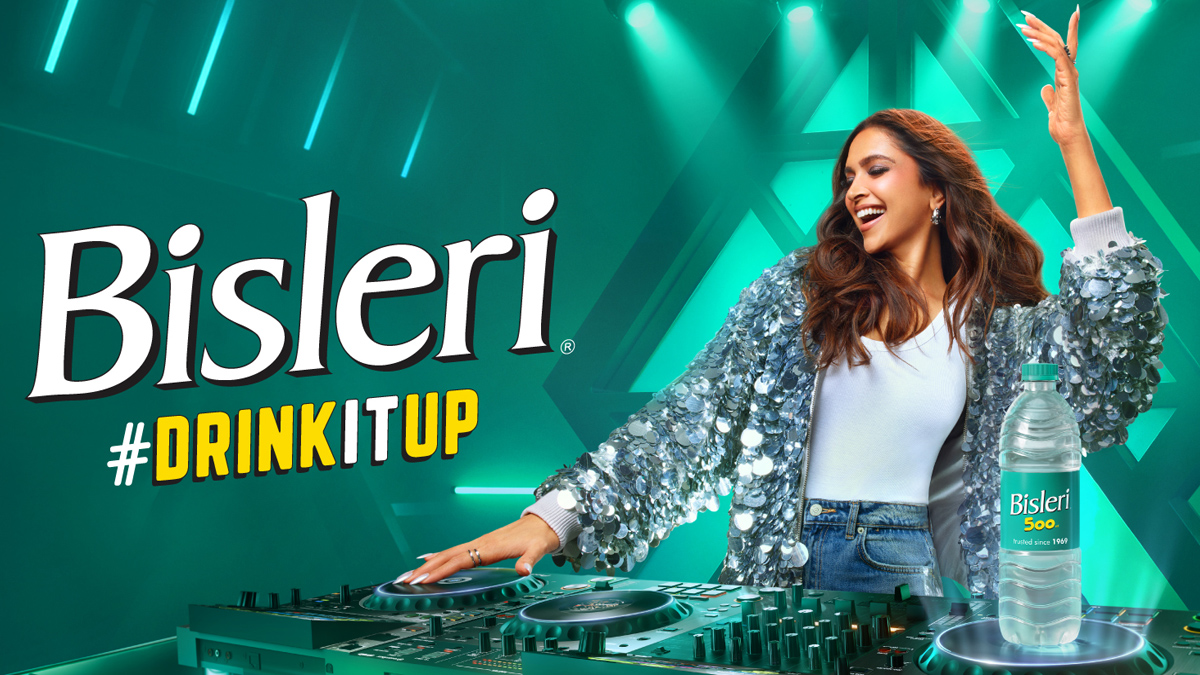
MUMBAI: A fizzy quarter with a steady aftertaste that’s how Orient Beverages Limited, the company that manufactures and distributes packaged drinking water under the brand name Bisleri closed the December 2025 period, as the Kolkata-based drinks maker reported improved revenues and a healthy rise in profits, signalling operational stability in a competitive beverage market.
For the quarter ended December 31, 2025, Orient Beverages posted standalone revenue from operations of Rs 39.98 crore, up from Rs 36.42 crore in the previous quarter and Rs 33.53 crore in the same quarter last year. Total income for the quarter stood at Rs 42.24 crore, reflecting consistent demand and stable pricing across its beverage portfolio.
Profit before tax for the quarter came in at Rs 3.47 crore, a sharp improvement from Rs 1.31 crore in the September quarter and Rs 0.39 crore a year ago. After accounting for tax expenses of Rs 0.79 crore, the company reported a net profit of Rs 2.68 crore, nearly three times the Rs 0.99 crore recorded in the preceding quarter.
On a nine-month basis, the momentum remained intact. Revenue from operations for the period ended December 31, 2025 rose to Rs 117.66 crore, compared with Rs 106.95 crore in the corresponding period last year. Net profit for the nine months climbed to Rs 5.51 crore, more than double the Rs 2.18 crore reported in the same period of the previous financial year.
The consolidated numbers told a similar story. For the December quarter, consolidated revenue from operations stood at Rs 45.06 crore, while profit after tax came in at Rs 2.06 crore. For the nine-month period, consolidated revenue touched Rs 133.57 crore, with net profit of Rs 4.49 crore, underscoring the group’s improving profitability trajectory.
Operating expenses remained largely controlled, with cost of materials, employee benefits and other expenses broadly aligned with revenue growth. The company continued to operate within a single reportable segment beverages simplifying its cost structure and reporting framework.
The unaudited financial results were reviewed by the Audit Committee and approved by the Board of Directors at its meeting held on 7 February 2026. Statutory auditors carried out a limited review and reported no material misstatements in the results.
In a market where margins are often squeezed by input costs and competition, Orient Beverages’ latest numbers suggest the company has found a reliable rhythm not explosive, but steady enough to keep the fizz alive.
MAM
Washington Post CEO exits abruptly after newsroom cuts spark backlash
Leadership change follows layoffs, protests and a bruising battle over trust.
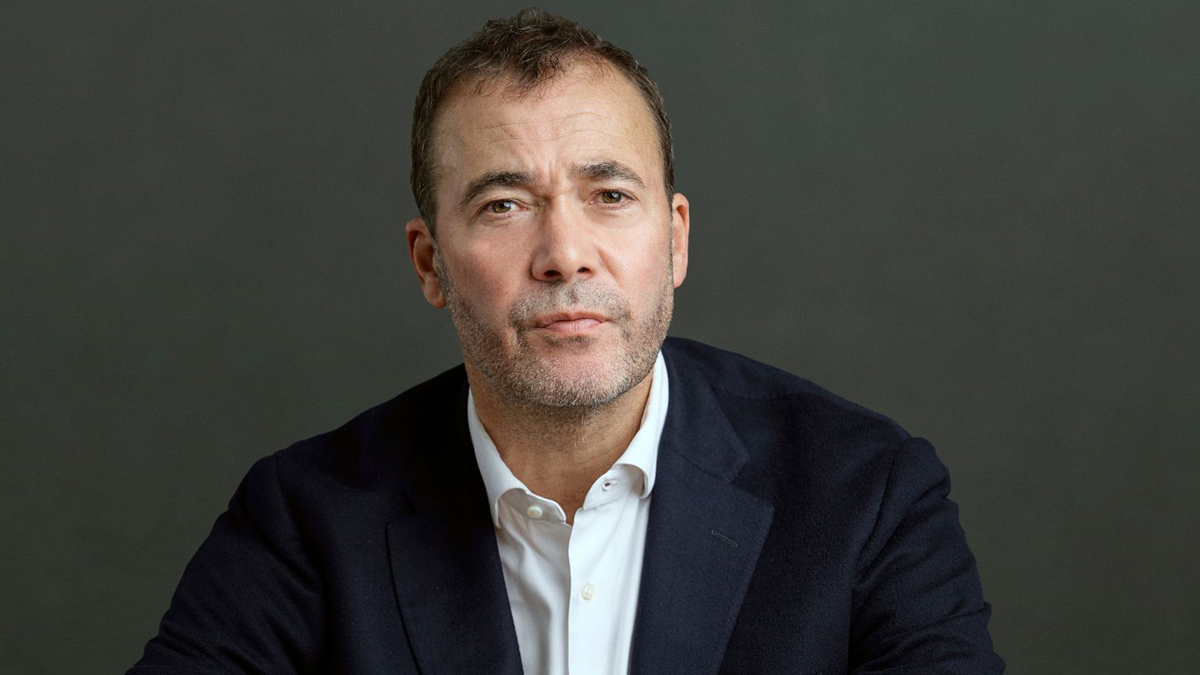
MUMBAI: When the presses are rolling but patience runs out, even the editor’s chair isn’t safe. The Washington Post announced on Saturday that its chief executive and publisher Will Lewis is stepping down with immediate effect, bringing a sudden end to a turbulent two-year tenure marked by financial strain, newsroom unrest and public backlash.
Lewis’s exit comes just days after the Bezos-owned newspaper announced sweeping job cuts that triggered protests outside its Washington headquarters and a wave of anger from readers and staff. While newspapers across the US are grappling with shrinking revenues and digital disruption, Lewis’s leadership had increasingly come under fire for how those pressures were handled.
The Post confirmed that Jeff D’Onofrio, a former Tumblr CEO who joined the organisation last year as chief financial officer, has taken over as CEO and publisher, effective immediately. In an email to staff, later shared by reporters on social media, Lewis said it was “the right time for me to step aside.”
The leadership change follows the announcement of large-scale redundancies earlier this week. While the Post did not officially confirm numbers, The New York Times reported that around 300 of the paper’s roughly 800 journalists were laid off. Entire teams were dismantled, including the Post’s Middle East bureau and its Kyiv-based correspondent covering the war in Ukraine.
Sports, graphics and local reporting were sharply reduced, and the paper’s daily podcast, Post Reports, was suspended. On Thursday, hundreds of journalists and supporters gathered outside the Post’s downtown office in protest, calling the cuts a blow to public-interest journalism.
Former executive editor Marty Baron described the moment as “among the darkest days in the history of one of the world’s greatest news organisations.”
Lewis defended his record in his farewell note, saying “difficult decisions” were taken to secure the paper’s long-term future and protect its ability to publish “high-quality nonpartisan news”. But his tenure coincided with growing scrutiny of editorial independence at the Post.
Owner Jeff Bezos faced criticism for reining in the paper’s traditionally liberal editorial page and blocking an endorsement of Democratic presidential candidate Kamala Harris ahead of the 2024 US election. The move was widely seen as breaking the long-standing firewall between ownership and editorial decision-making.
According to a Wall Street Journal report, around 250,000 digital subscribers cancelled their subscriptions after the paper declined to endorse Harris. The Post reportedly lost about $100 million in 2024 as advertising and subscription revenues slid.
While the wider newspaper industry continues to battle declining print advertising and the pull of social media, some national titles have stabilised. Rivals such as The Wall Street Journal and The New York Times have managed to build sustainable digital businesses, a turnaround that has so far eluded the Post despite its billionaire backing.
As Jeff D’Onofrio steps into the role, the challenge is stark, restore confidence inside the newsroom, win back readers who walked away, and prove that one of America’s most storied newspapers can still find its footing in a brutally competitive media landscape.

MIB sets OTT accessibility rules, mandates captions and audio description

Boney Kapoor acquires remake rights of Tamil political satire Thalaivar Thambi Thalaimaiyil

Netflix India names Rekha Rane director of films and series marketing

Zabeen signs off from TV9 after shaping the network’s public voice

Dhawan steps up to bat for Delhi’s grassroots sports push

Orient Beverages pops the fizz with steady Q3 gains and rising profits

Cheekatilo shines in the dark with record debut on Prime Video

These ’90s fashion trends are making a comeback in 2017
The final 6 ‘Game of Thrones’ episodes might feel like a full season
According to Dior Couture, this taboo fashion accessory is back
The old and New Edition cast comes together to perform
Phillies’ Aaron Altherr makes mind-boggling barehanded play
Uber and Lyft are finally available in all of New York State
Disney’s live-action Aladdin finally finds its stars
MIB sets OTT accessibility rules, mandates captions and audio description
Boney Kapoor acquires remake rights of Tamil political satire Thalaivar Thambi Thalaimaiyil
Netflix India names Rekha Rane director of films and series marketing
Zabeen signs off from TV9 after shaping the network’s public voice
Dhawan steps up to bat for Delhi’s grassroots sports push
Orient Beverages pops the fizz with steady Q3 gains and rising profits
Cheekatilo shines in the dark with record debut on Prime Video
-

 News Broadcasting6 days ago
Mukesh Ambani, Larry Fink come together for CNBC-TV18 exclusive
-
 I&B Ministry3 months ago
India steps up fight against digital piracy
-

 iWorld1 week ago
Netflix celebrates a decade in India with Shah Rukh Khan-narrated tribute film
-
 iWorld3 months ago
Tips Music turns up the heat with Tamil party anthem Mayangiren
-
 MAM3 months ago
HoABL soars high with dazzling Nagpur sebut
-
 iWorld12 months ago
BSNL rings in a revival with Rs 4,969 crore revenue
-
 MAM6 days ago
Nielsen launches co-viewing pilot to sharpen TV measurement
-

 Film Production2 weeks ago
UFO Moviez rides high on strong Q3 earnings
