
Above The Line
Learning the importance of video marketing today


MUMBAI: “Is it viral yet?” More often than not, this is what you will hear from marketers and agencies soon after they make a brand campaign or a video live on social media. The virality of a video is the new scale of measurement for most advertisers now, and rightly so! When a video goes viral, it can increase your search engine ranking, click-through rates, open rates and conversions.
Brands have for the longest time needed a video marketing strategy but what has changed is how important video has become on every platform and channel. It is no longer restricted to doing television commercials or doing product placement on some television show or a movie. It has become the centre to their outreach and social strategy.
While videos are great and should be every marketer’s best friend, there are several questions around it that need to be answered.
How do you know if your videos are working? How can you measure the efficacy of your videos? How do you build brand confidence? What is the role of videos in overall brand strategy? What platforms should you choose to deliver the videos? How do you treat videos in regional languages? And most importantly, what are the top 5 things to keep in mind for branded videos and video marketing?
To find out the answers to these compelling and perplexing industry questions, Indiantelevision.com will host a summit on branded videos and video marketing – BrandVid 2018( brandvid.in) on 30 October 2018 at Sahara Star, Mumbai. The summit will see industry stalwarts discuss these topics and map out a way for the industry where all major stakeholders can make the most of videos.

Video has absolutely dominated social media and according to a recent HubSpot Research report, four of the top six channels on which global consumers watch video are social channels. And a common topic for every A&M conversation – video is the way forward – finally seems to look right.
Video marketing isn’t just limited to slapping a video on television, YouTube and other social media platforms. Today, 70 per cent of millennials prefer watching a brand’s video when shopping online. According to Video Marketing Statistics 2018 report, 84 per cent of consumers are convinced to purchase a company’s product after they’ve watched their video. It is also interesting to note that 81 per cent of businesses with an explainer video on their homepage said that those videos have increased their sales.
As per a report by Syndacast, click-through rates increase by between 200-300 per cent when a marketing email contained a video.
Remember the Dancing Uncles video that went viral? No? Well, have a look at it here:
[]
Bajaj Allianz signed Sanjeev Srivastava aka the internet’s dancing uncle to promote one of its offering. Lately, he was also seen promoting Amazon India’s Great Indian Festival Sale. The power of internet and video today!
In a general media ecosystem, you would have a brand, an agency and a production house where a brand gives a brief to an agency about the kind of video they want and they in turn hire a production house to shoot the video and later get it edited from a third party. But that’s changing now. Brands are now becoming media companies and they have their own in-house content studio that creates content for them on-the-go. It’s challenging for a traditional agency to sustain and survive in a competing environment like this. But is there a way where brands, agencies and publishers can co-exist and collaborate? Maybe yes but how only time will tell.
Most videos today seem to be mindless and done just because every other brand on the block is doing it. Marketers often forget that they don’t need to follow the herd mentality.
It is incorrect to judge your video campaign solely on it becoming viral and famous. It may not always lead to your products being sold from the shelves. As simple as video marketing seems, it is actually more complex than that. While brands and agencies have exploited video marketing to the core, whether or not it works entirely depends on what do you want your audience to hear, see and feel. And most importantly, what message are you trying to convey and what is the call to action?
All in all, video marketing is not only fun, it’s also one of the best ways to get up close to your audience and give them a real glimpse of what you and your business or your clients are doing The more they know about your positive practices, the more likely they are to stick around.











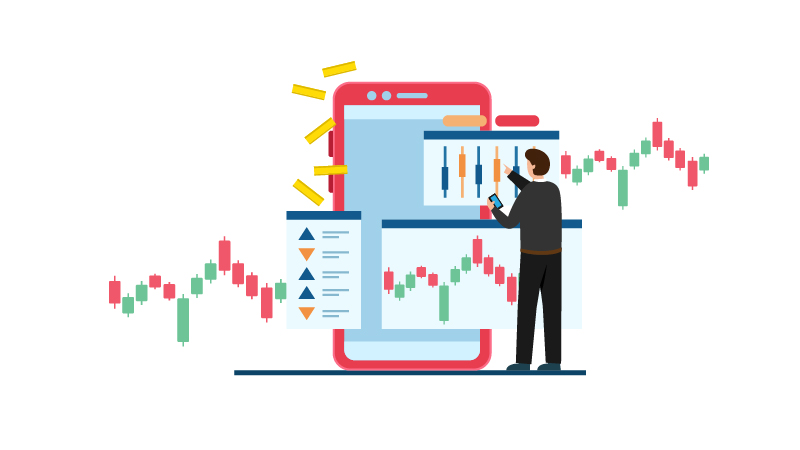
Open Interest plays a simple but important role in the futures and options market. It shows how many outstanding contracts are active at any moment. Traders often rely on it to understand market strength and possible trend direction. When you compare Nifty OI Data with Bank Nifty OI Data, you get a clearer view of how the broader market and the banking sector behave. Both indices move differently, and their OI patterns reveal useful clues that help traders stay ahead.
Why Open Interest Matters
Open Interest shows whether money is entering or leaving the market. It also helps traders judge whether a trend has real strength. Prices may rise sharply, but if OI does not support the move, the rally often fades. Many beginners focus only on price, but OI adds a second layer of understanding. It gives a more complete picture of market sentiment and participation.
OI rises when new contracts are created. It falls when contracts are closed. This simple behaviour makes it a reliable indicator. It does not predict the market, but it provides context that can support better decision-making.
How Nifty OI Data Works
Nifty represents the broader market. It has a mix of sectors. Its OI behaviour usually reflects the mood of the entire economy. When Nifty OI Data rises with price, it suggests strong momentum. When both fall together, the market is losing interest. If Nifty rises but OI falls, traders may be covering shorts rather than building new positions. This situation often creates confusion, but it also warns traders to be careful.
The Nifty tends to move steadily. Its OI patterns are slower, and they often react to global trends. Many traders watch these levels every day because they help track market direction without relying only on price action.
How Bank Nifty OI Data Works
Bank Nifty focuses only on the banking sector. It moves faster and reacts naturally to interest rates, economic signals and liquidity conditions. Bank Nifty OI Data changes quickly, and this volatility gives traders early signals. A sudden spike in OI with a sharp price movement usually shows aggressive positions. Bank Nifty often leads the market because banking activity strongly influences economic growth.
When Bank Nifty price rises along with OI, traders usually expect more upside. When both fall together, the trend weakens. If the price drops and OI rises, short positions may be increasing. This behaviour is common in Bank Nifty, and it shows why its OI data is more sensitive than Nifty’s.
Difference Between Nifty OI Data and Bank Nifty OI Data
The two indices respond to different forces. Nifty reacts to broad economic conditions. Bank Nifty responds to sector-specific triggers. This makes their OI patterns unique. Traders get a deeper understanding of the market when they watch both.
Here is a simple comparison:

This table shows how each index behaves. Nifty gives a calm picture. Bank Nifty provides sharper signals. Many traders use both to balance their market view.
How Traders Use OI in Real Trading
Traders combine OI with price action. They also track key strike levels with heavy open interest. When those levels shift, the market often makes a move. For example, sudden changes at important support or resistance levels can guide intraday and positional strategies. Traders often stay alert when OI builds near round numbers because large participants prefer these zones.
OI also helps identify whether a breakout is real. When price breaks an important level and OI rises, the move usually lasts longer. Breakouts with falling OI are less reliable. Both Nifty and Bank Nifty show these behaviours, but Bank Nifty displays them more sharply.
When to Trust OI Signals
OI is useful, but it works best with price strength. Traders should confirm patterns before acting. A strong trend with weak OI may reverse without warning. A weak trend with strong OI may surprise traders with a sudden expansion. Market news can also create temporary spikes.
Using Nifty and Bank Nifty OI together keeps traders prepared. When both align, market direction becomes clearer. When they differ, the market may move sideways or shift soon.
Conclusion
Nifty OI Data and Bank Nifty OI Data offer valuable insights into market sentiment. They help traders judge the strength of trends and understand where money is flowing. Nifty brings stability. Bank Nifty brings speed. Together, they form a balanced view of the market. Traders who read OI carefully gain confidence and make more informed choices.
If you track these OI patterns regularly, you will understand the market better and respond more effectively to changes.
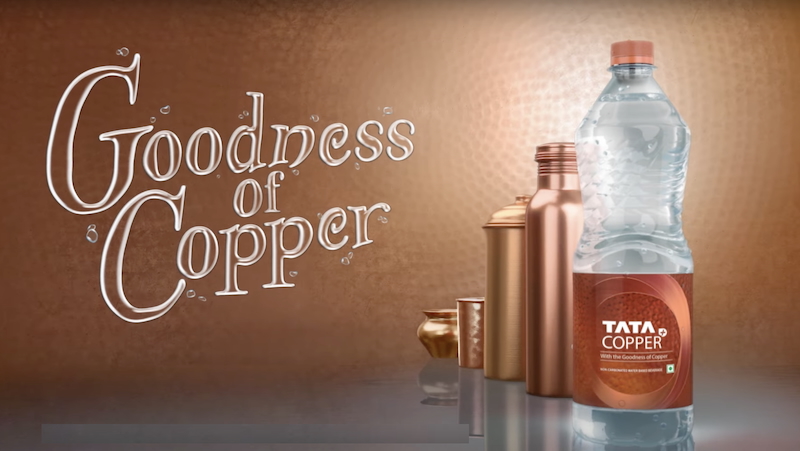
MUMBAI: Tata Consumer Products has launched a TV advertising campaign for Tata Copper+, a non-carbonated water beverage that taps into India’s age-old practice of storing water in copper vessels. The company is banking on nostalgia—and potential health benefits—to make a splash in the crowded bottled water market.
The product’s television debut features a charming train journey where generational worlds collide. An elderly passenger pulls out his traditional copper water bottle whilst a younger traveller produces his Tata Copper+. Cue the “same pinch” moment and an affectionate cheek-pinching finale that would make any Indian grandmother proud.
YouTube link of the film : https://www.youtube.com/watch?v=Pipm1OPF2lY&feature=youtu.be
Tata Consumer Products president and head – RTD business Partha Biswas said, “We have always believed in creating products that are rooted in trust and, more importantly, reflect the evolving needs of Indian consumers. With Tata Copper+, we bring alive the timeless wellness benefits of copper in a format that fits today’s lifestyle. This campaign is a celebration of shared values across generations and a reminder that the wisdom of our past still holds relevance in the present.”
Tata Consumer Products, which boasts a reach of over 275 million Indian households, clearly believes that the copper touch in them bottles will fetch it gold – valued in crore. The company has been seeding the retail trade with Tata Copper+ water or more than a year and a half now. And the response has been extremely heartening. The Rs 17,618 crore company is the world’s second-largest branded tea firm, with a portfolio spanning everything from Tata Tea to ready-to-eat meals.
The copper water gambit reflects a broader trend of modernising traditional wellness practices for contemporary consumers. Whether this ancient wisdom will translate into modern profits is the Rs 17,618 crore question.
Mumbai: “Success today requires the agility and drive to constantly rethink, reinvigorate, react, and reinvent.” – Bill Gates
New year marks the onset of new beginnings – making it an opportune time to strategically plan and set the tone for the year ahead by refreshing perspectives and reimagining strategies that deliver on breakthrough growth this year. With this in mind, let’s embark on a spirited exploration of the top trends reshaping the marketing landscape in 2024 – and the primary takeaways for marketing professionals.
1. Personalised marketing: The superfood of successful campaigns of 2024
Personalised marketing stands out as the superfood of successful campaigns this year – commanding attention from a consumer base where 71 per cent expect personalised interactions and 76 per cent express frustration when expectations fall short. This trend is not merely a buzzword but a revenue powerhouse, with companies that excel at personalization generating a remarkable 40 per cent more revenue than those who don’t. Rapid advancements in AI, notably Generative AI, are major enablers – empowering marketers to comprehend historical and real-time consumer sentiment and facilitate targeted outreach that resonates profoundly with modern consumers. Moreover, with more than three-quarters of consumers attributing personalised communications to their purchasing decisions, repurchases, and recommendations, brands that embrace personalization will find themselves strategically poised to reap the benefits of positive consumer advocacy, fostering synergistic growth. As Philip Kotler famously noted, “The best advertising is done by satisfied customers,” – personalised marketing is set to play an indispensable role in unleashing rapid and sustainable business growth.
The message for marketers is clear: In an era where personalisation serves as the blueprint for resounding engagement, marketers who serve scalable personalization strategies to consumers will lead the charge – unlocking double-digit revenue growth and establishing enduring consumer relationships. The key will lie in leveraging data and analytics to uncover opportunities, investing in rapid activation capabilities fueled by advanced analytics, and adopting an agile operating model that prioritises the ‘Segment of One’ consumer.
2. Riding the ‘Vocal for Local’ wave with a distinctly Indian positioning
With a renewed emphasis on self-reliance post the Covid-19 pandemic, a ‘vocal for local’ spirit is sweeping the country. As discerning consumers actively seek Indian alternatives for their purchases, many homegrown brands are seizing this opportunity by catering to the specific needs of the Indian consumers, while also ensuring premium make and exclusivity. This trend is palpable across industries, as exemplified by the alcobev sector where the consumption of locally made whisky has surged to an all-time high. Evidently, consumers are expressing an affinity for products with a distinctly Indian identity – be it in flavour, creation, or overall storyline.
This trend poses a golden opportunity for forward-thinking marketers to position their offerings in line with the homegrown sentiment brewing across the country – which is bound to resonate well with Indian consumers this year. By leaning into this narrative, business can catalyse a movement that contributes to the growth and development of the Indian economy while also securing a competitive edge with localised offerings that are proudly tailor-made for the Indian consumer.
3. Harnessing the power of influence: Mastering the ‘Influencer’ blend in the digital age
The digital age has ushered in a multitude of avenues for engaging with consumers online. Notably, influencer marketing has emerged as a pivotal channel in contemporary campaigns, compelling modern marketers to skilfully navigate the landscape of partnerships and collaborations. While a celebrity can undoubtedly secure awareness and noticeability, it’s the relatability of an influencer that entices consumers to give the brand a try.
For marketers, a valuable lesson lies in shedding any instinctive biases and selecting a mix of strategies tailored to the campaign’s objectives. When collaborating with established figures, it becomes crucial to align with influencers who mirror the core ethos of your platform, sharing a like-minded appeal and identity – ensuring that your campaigns act as genuine extensions of your brand. For instance, LEGACY COLLECTIVE’s recent collaboration with Ranbir Kapoor exemplifies this strategy—a talented and passionate actor, Kapoor has carved a niche for himself as someone dedicated to ‘building one’s own legacy.’ This strategic partnership seamlessly integrates the brand ethos with the influencer’s authentic identity, demonstrating the power of a carefully crafted alliance in the digital age.
4. Brewing authentic conversations: Marrying your content with your genuine brand voice
In a rapidly digitising era of marketing, modern marketers might find themselves grappling with a peculiar question; one concerned with safeguarding originality in the expanding sea of rapidly generated AI-based content. Come 2024, the answer will lie in understanding the pivotal role of authenticity – which will prove more critical than ever in engaging deeply with audiences. With a striking 86% citing it as a key factor in liking and supporting brands, authenticity will be the cornerstone of consumer sentiments as well as decisions. However, despite 80% of brands believing they deliver authentic content, only 37% of consumers agree, highlighting a significant gulf of disconnect.
To effectively bridge this divide, marketers must immerse themselves in deep engagement with audiences, fostering transparent conversations that make customers feel involved and understood. In crafting the ideal 2024 communication blend, the first stride involves discovering your brand’s voice— identify core values that resonate with your target audience, infuse a hint of compelling storytelling and garnish with subtle brand messaging to craft an authentic narrative that truly stands out.
5. Cheers to a year of exceptional experiences!
Consumers today crave more than just products; they are seeking experiences that resonate deeply with them – giving rise to the popularity of experiential and immersive marketing strategies in the industry. On the flipside too, 65 per cent brands that are adopting experiential marketing are reporting substantial boost in sales. But with more consumers actively chasing experiences this year, impact of these strategies is set to reverberate beyond profits – influencing brand building, fostering increased purchase likelihood, stronger loyalty, and deeper connections.
Beyond crafting immersive experiences as genuine brand extensions, marketers can synergise the impact of their campaigns by capitalising on the byproducts of rapid digital penetration. This includes exploring uncharted avenues for broader reach and engagement, such as live streaming offline events on social media. Additionally, advancements in AR and VR can be harnessed to create intriguing experiences that transcend physical boundaries, further amplifying the impact of their campaigns.
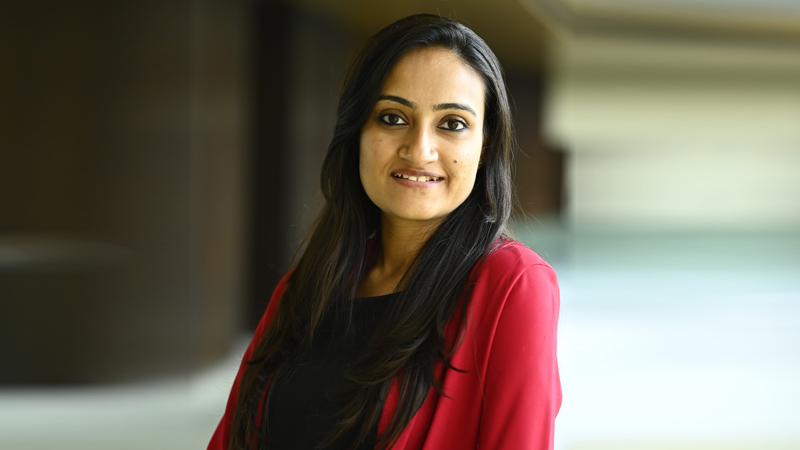
The author of this article is Bacardi India head of domestic spirits Ayaesha Gooptu.



MIB sets OTT accessibility rules, mandates captions and audio description

Boney Kapoor acquires remake rights of Tamil political satire Thalaivar Thambi Thalaimaiyil

Netflix India names Rekha Rane director of films and series marketing

Zabeen signs off from TV9 after shaping the network’s public voice

Dhawan steps up to bat for Delhi’s grassroots sports push

Orient Beverages pops the fizz with steady Q3 gains and rising profits

Cheekatilo shines in the dark with record debut on Prime Video

These ’90s fashion trends are making a comeback in 2017

Swiggy Instamart’s GOV surges 103 per cent year on year to Rs 7,938 crore
The final 6 ‘Game of Thrones’ episodes might feel like a full season
According to Dior Couture, this taboo fashion accessory is back
The old and New Edition cast comes together to perform
Phillies’ Aaron Altherr makes mind-boggling barehanded play
Uber and Lyft are finally available in all of New York State
MIB sets OTT accessibility rules, mandates captions and audio description
Boney Kapoor acquires remake rights of Tamil political satire Thalaivar Thambi Thalaimaiyil
Netflix India names Rekha Rane director of films and series marketing
Zabeen signs off from TV9 after shaping the network’s public voice
Dhawan steps up to bat for Delhi’s grassroots sports push
Orient Beverages pops the fizz with steady Q3 gains and rising profits
Cheekatilo shines in the dark with record debut on Prime Video
-
 e-commerce1 month ago
Swiggy Instamart’s GOV surges 103 per cent year on year to Rs 7,938 crore
-
 iWorld1 year ago
Kuku TV transforms India’s OTT space with vertical microdrama boom
-

 News Headline2 months ago
From selfies to big bucks, India’s influencer economy explodes in 2025
-
 News Headline1 year ago
Abhishek Bachchan joins as co-owner of European T20 Premier League
-
 News Headline1 year ago
TRAI puts a ‘stop’ to unsolicited calls and messages
-
 Comedy2 years ago
Taarak Mehta Ka Ooltah Chashmah celebrates 4,000 episodes
-
 News Headline2 years ago
Odisha to host Ultimate Kho Kho Season 2 from December 24
-
 MAM2 years ago
OpenAI joins C2PA steering committee


