
Brands
KelpHR & Uber lead the charge: Championing workplace safety and inclusivity

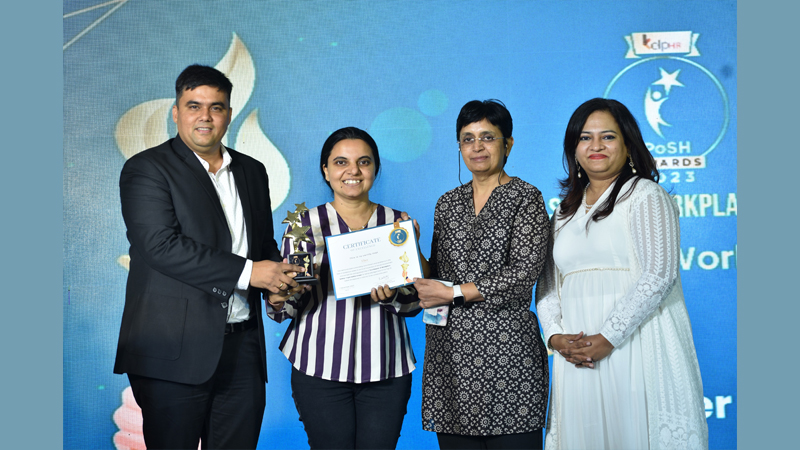
Mumbai: In the evolving corporate landscape, ensuring safer workplaces isn’t just a compliance measure—it’s a testament to an organisation’s core values and commitment to its employees. Central to this endeavor in India is the PoSH Act, a legislative milestone that emphasises the eradication of workplace harassment.
KelpHR, established in 2013, stands at the forefront of this mission, offering a decade of expertise as a prominent provider of HR solutions. Having served more than 800 clients in India and overseas, KelpHR specialises in PoSH, diversity, equity & inclusion, and employee assistance programs—all with the common goal of fostering safer, happier, inclusive, and productive workplaces. Initiatives like the KelpHR PoSH Awards spotlight organisations championing these ideals, illuminating the path for others to follow suit. KelpHR recently organised the fourth edition of the KelpHR PoSH Awards 2023. This event will shine a spotlight on the Top 25 Safest Workplaces in India.
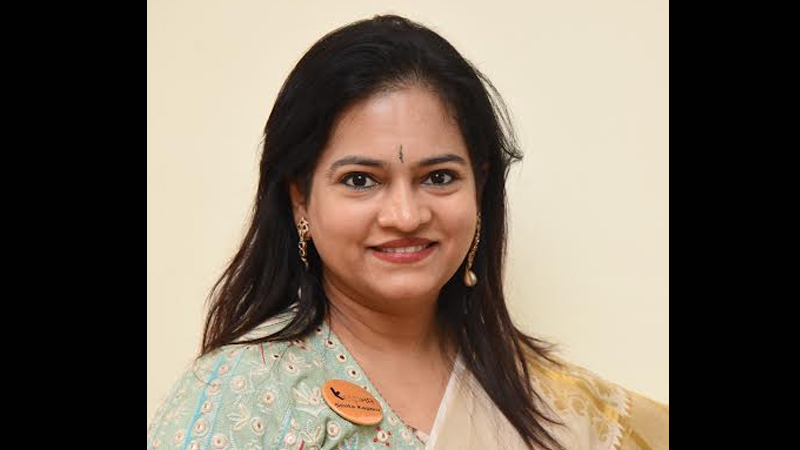
In a joint interview, Indiantelevision.com caught up with KelpHR CEO & co-founder Smita Shetty Kapoor & Uber India Sr director Megha Yethadka.
On the pivotal moments that stand out in the journey of fostering safer workplaces and these experiences shaping your approach to workplace safety
Megha: Being green on audit compliances from the beginning is important to keep challenging the methods and the efforts to train our employees and managers on PoSH related compliances. A moment that stood out for us was when Uber India won the ‘KelpHR PoSH Awards in 2021’ which was a special recognition of workplace safety metrics by an external body that accelerated the path towards building better workplaces for our employees. These continued efforts in the space of PoSH compliances have recently garnered us the title of Torchberarers of Workplace Safety – ‘Triple Safety Crown’. Such recognitions underscore our efforts towards creating a robust and engaging PoSH education and awareness program at Uber. We’re proud of the extraordinary progress we’ve made together over the last four years in developing a robust and engaging PoSH education and awareness program that reinforces our company values of ‘Stand for Safety’ and ‘Do the Right Thing’. More than the external recognition, our employees internally sharing feedback, strong culture survey scores and anecdotes of feeling safe, being able to bring their authentic selves to work and feeling included are moments that make us most proud.

On the evolution of the KelpHR PoSH Awards over the past four editions, and the impact has it left on various industries
Smita: The KelpHR PoSH Awards began with the vision of honoring organisations for outstanding efforts in creating safe workplaces, evolving from recognising individuals to acknowledging 25 workplaces. An essential shift involves incorporating employee surveys, reflecting a commitment to gaining comprehensive insights into workplace dynamics. The awards now see increased participation, with a streamlined approach for efficiency and accuracy in the evaluation process.
The criteria have evolved to be more profound and intersectional, challenging organisations to go beyond compliance and embrace the true spirit of creating safe and inclusive environments. This strategic shift encourages a holistic approach to preventing workplace harassment.
In essence, the KelpHR PoSH Awards have become a dynamic platform fostering continuous improvement within organisations. The increased participation, refined criteria, and innovative data collection contribute to the awards’ positive impact on shaping safer and more inclusive workplaces across diverse industries.
On Uber’s approach to incorporating cutting-edge solutions to address evolving challenges related to workplace safety
Megha: At Uber, we #StandForSafety which is one of our Uber values and we live this value every moment. We have optimised our turn around time to 45 days for Internal Committees to close the case, instead of the 90 days governed under PoSH Law by calling out every step in the IC Investigation process so that the IC has better clarity on each step to fast track the process and provide faster resolutions to the involved parties. We have also launched a Global awareness program about ‘Respect@Uber’ last year (2022) to build awareness around how to recognise and respond to policy violations, resolve conflict at the workplace and provide restoration as necessary. We have been proactive about our initiatives and invested in prevention vs reaction alone (Ex: street play-styled awareness sessions, online case study-based training and evaluation etc).
On the KelpHR PoSH Awards highlighting the commitment to eliminating workplace harassment; how can organisations effectively translate this commitment into day-to-day practices, creating lasting cultural change
Smita: Over the years, it has become evident that the foundation for a secure workplace begins with a strong commitment from leadership. This commitment shapes the organisational culture, fostering an environment dedicated to promoting safe workplaces. Individuals within the organisation, influenced by this commitment, exhibit behaviors that contribute to a culture prioritising safety.
Additionally, organisations should focus on effective leadership communication, anti-harassment policies, regular training, awareness sessions, platforms for reporting inappropriate behaviors, and the promotion of inclusive leadership and diversity. By integrating these practices, organisations move beyond a mere commitment to eradicating workplace harassment, actively fostering a culture where values like respect, inclusivity, and safety are ingrained in day-to-day operations.
On envisioning the impact of the Triple Safety Award on organisations and their commitment to preventing sexual harassment
Smita: The Torchbearers of Workplace Safety – ‘Triple Safety Crown’ was envisioned as more than just a recognition and singular achievements; it’s a tribute to the consistent, ongoing efforts and initiatives of organisations dedicated to cultivating safe and respectful workplaces. It is a symbol of appreciation for those organisations on this continuous path.
Moreover, it’s not just about ticking compliance boxes. The award encourages organisations to delve into broader areas such as gender inclusivity and overall human well-being. We emphasise the creation of not only a harassment-free zone but also a psychologically safe space where every employee feels valued, supported, and excited to contribute as part of a cohesive team.
By recognising and celebrating organisations excelling in these dimensions, we hope to create a ripple effect, inspiring others to prioritise safety, inclusivity, and employee well-being in their workplace cultures.
On the reflections that you have on the progress made in workplace safety as we commemorate the 10th anniversary of the POSH Act and what more can be done collectively by organisations, regulators, and the community
Smita: As we mark the 10-year anniversary of the POSH Act, there’s been a positive shift in how organisations approach workplace safety. The emergence of a “Speak up” culture has transformed the employee-employer dynamic, reducing toxicity. Employee awareness, spanning all genders, has played a pivotal role in recogniaing toxic behaviors, prompting organisations to provide crucial support.
While a “zero tolerance” message is prevalent, some organiaations engage in superficial compliance without embracing the act’s spirit. It’s crucial for genuine commitment to safe and inclusive workplaces.
Regulators, on this milestone, could enhance their role by conducting audits and collaborating with organisations like KelpHR for compliance and best practices.
Beyond organisations and regulators, communities are vital in shaping attitudes. Learnings shouldn’t stay confined to workplaces; discussions on safe spaces should permeate homes, streets, and every interaction space.
On the PoSH Act’s contribution to fostering safer workplaces and the key challenges persisting in its effective implementation
Smita: The PoSH Act, born from the poignant stories of individuals like Bhanwari Devi and Rupan Deol Bajaj, is a significant stride toward safer workplaces. Their sacrifices underscore the commitment to ensuring no woman faces such horrors in streets, workplaces, or homes.
Despite progress, challenges linger in the PoSH Act’s effective implementation. Some view compliance as a burden, fearing it hampers competitiveness or serves as a tool for revenge. There’s a persistent myth that cases tarnish organisational culture, hindering true progress.
Another hurdle is leaders denying harassment in their workplace, impeding preventive measures. To overcome these challenges, leaders must shift their mindset, embracing the PoSH Act as a crucial framework for prioritising safety and dignity. Open dialogue, awareness campaigns, and ongoing education are vital to dispel myths and foster meaningful change in organisational attitudes toward preventing sexual harassment.
On workplaces better addressing and supporting male employees who experience sexual harassment, considering the significant number of complaints reported to the EEOC
Smita: Workplaces can enhance their approach to addressing and supporting male/ third gender employees who experience sexual harassment by adopting inclusive and gender-neutral policies. While the PoSH law is gender-specific, many organisations have recognised the importance of inclusivity and extended their policies to cover all genders. Some initiatives include having gender-neutral policies, having clear redressal mechanisms laid out, creating gender-neutral awareness sessions.
Megha: Uber is an equal-opportunity employer and does not tolerate sexual harassment in the workplace irrespective of gender. We believe in a ‘speak up’ culture and encourage employees to speak up when they see behavior that doesn’t seem right. To ensure everybody feels safe to report sexual harassment, Uber enforces strict protection from retaliation policy. We do this through our proactive communication about our PoSH policies and drive awareness about Global programs like ‘Respect@Uber’ that specifically talk about how to prevent, prohibit and redress sexual harassment against any gender and how we address them with complete confidentiality, without any fear of retaliation and to create a safe workplace for all employees of any gender. In the same spirit, we also drive ‘mental well-being’ sessions for all employees (across Uber India) to reiterate the importance of how and why psychological safety is as important as workplace safety. We have an Integrity helpline, where every employee regardless of gender can report harassment or workplace issues and those are investigated with similar rigour, regardless of gender.
On the advice that you have for emerging companies looking to prioritise employee well-being and create a positive work culture from the start
Smita: For emerging companies committed to fostering a positive work culture and prioritising employee well-being, here’s some straightforward advice:
a. Align your actions with your values. Prioritise employee well-being, safety, and inclusivity by actively integrating these values into every aspect of your company’s operations.
b. Understand that a safe, healthy, and inclusive employee is a more productive and engaged one. Cultivate a culture that promotes well-being, offers necessary support, and encourages work-life balance.
c. Leaders should embody both vulnerability and strength. Be transparent about goals, challenges, and successes. Share personal stories of resilience to build trust and relatability.
d. During adversity, leaders should act as a protective shield for their teams. Show empathy, provide support, and ensure employees feel secure in their roles and within the company.
e. Acknowledge the importance of mental health. Implement programs that promote mental well-being, reduce stigma, and provide resources for employees facing mental health challenges.
f. Encourage a healthy work-life balance. Avoid overwork and burnout, ensuring employees have time and flexibility to recharge for long-term well-being and sustained productivity.
g. Prioritise diversity and inclusion from the outset. Create an environment where individuals from different backgrounds feel valued and included, contributing to both an enriched work environment and innovative thinking.
By prioritising these aspects from the start, organisations can establish a strong foundation for long-term success and employee satisfaction.
Megha: At Uber, we care deeply about our employees and the communities we serve. We embed safety into everything that we do. We recognise that everyone has a role to play and can contribute towards maintaining a safe and inclusive workplace. Creating a safe workplace for everyone is not ER/HR job alone and making everyone be part of the journey is an investment to make Also, it’s important to know that creating a safe workplace is not a milestone, but an ongoing journey for the organizations where they continue to innovate in the field of PoSH awareness programs. The leadership team, the Internal Committee members, the People Team and the frontline managers, all have a responsibility of practicing the rules of workplace safety. Hence, we shall work hard to comply with all laws prohibiting harassment, and take immense pride in our diverse workforce. Our advice would be to embrace the journey, learn and iterate along the way with full commitment of being the safest workplace for everyone.




Brands
Netflix India names Rekha Rane director of films and series marketing
Streaming giant bets on a seasoned marketer who helped build Amazon and Netflix into household names
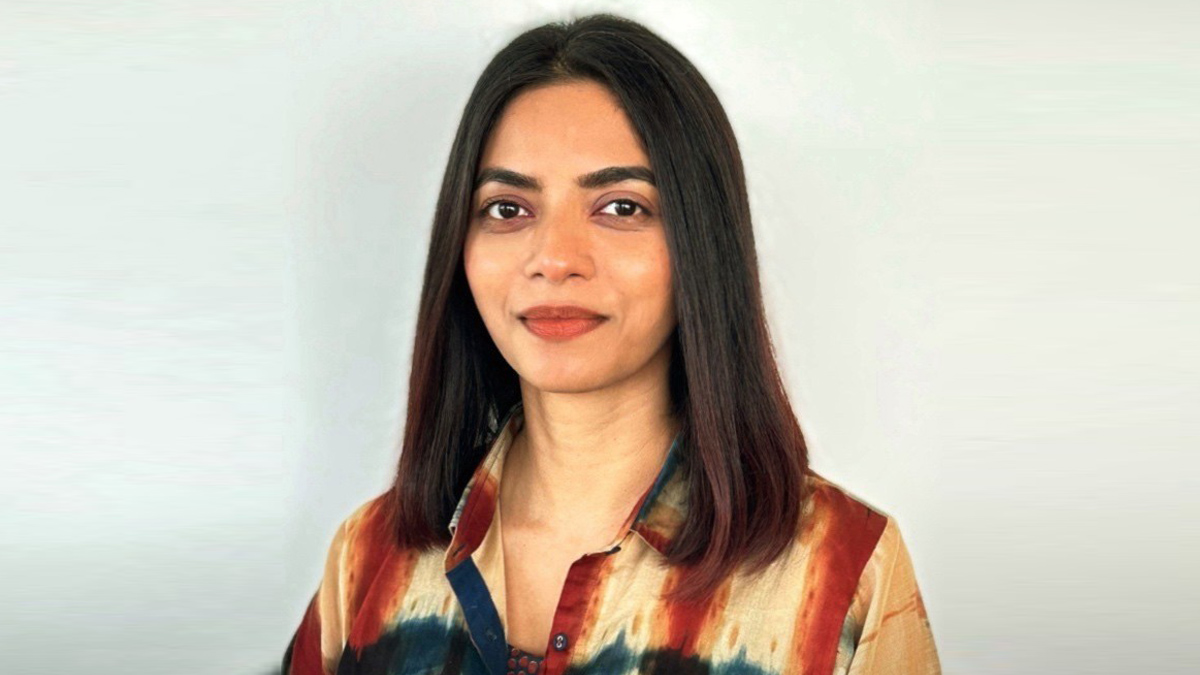
MUMBAI: Netflix has put a proven brand builder at the helm of its films and series marketing in India, naming Rekha Rane as director in a move that signals sharper focus on audience growth and cultural cut-through in one of its most hotly contested markets.
Rane steps into the role after seven years at Netflix, where she has quietly shaped how the platform sells stories to India. Her latest promotion, effective February 2026, crowns a run that spans brand, slate and product marketing across originals, licensed content and new verticals such as games.
A strategic marketing and communications professional with roughly 15 years’ experience, Rane has spent much of her career building technology-led consumer businesses and new categories, notably e-commerce and subscription video on demand. She was part of the early push that introduced Amazon.in, Prime Video and Netflix to Indian homes, then helped turn them into everyday brands.
At Netflix, she most recently served as head of brand and slate marketing for India from March 2024 to February 2026, leading teams across media and marketing for global and local content portfolios. Before that, as manager for original films and series marketing, she led IP creation and go-to-market strategy for titles including Guns and Gulaabs, Kaala Paani, The Railway Men* and The Great Indian Kapil Show, spanning both binge and weekly-release formats.
Her earlier Netflix roles covered product discovery and promotion in India and integrated campaign strategy to drive conversations around the content slate, product awareness and brand-equity metrics.
Before Netflix, Rane logged more than three years at Amazon in brand marketing roles in Bengaluru. There she handled national and regional campaigns for Amazon.in, worked on customer assistance programmes in growth geographies and contributed to the go-to-market strategy for the launch of Prime Video India.
Her career began well away from streaming. At Reliance Brands in Mumbai, she worked on retail marketing for Diesel and Superdry. A stint at Leo Burnett saw her work on primary research for P&G Tide, mapping Indian shoppers’ paths to purchase. Earlier still, at Orange in the United Kingdom, she rose from sales assistant to store manager, running a team and owning monthly P&L for a retail outlet.
The arc is telling. As global streamers fight for attention in a crowded Indian market, executives who understand both mass retail behaviour and digital habit-building are prized. Rane’s career sits at that intersection.
For Netflix, the bet is simple: in a market spoilt for choice, sharp marketing can still tilt the screen. And with Rane now leading the charge, the streamer is signalling it wants not just viewers, but fandom.
Brands
Orient Beverages pops the fizz with steady Q3 gains and rising profits
Kolkata-based beverage maker reports stronger revenues and profits for December quarter.
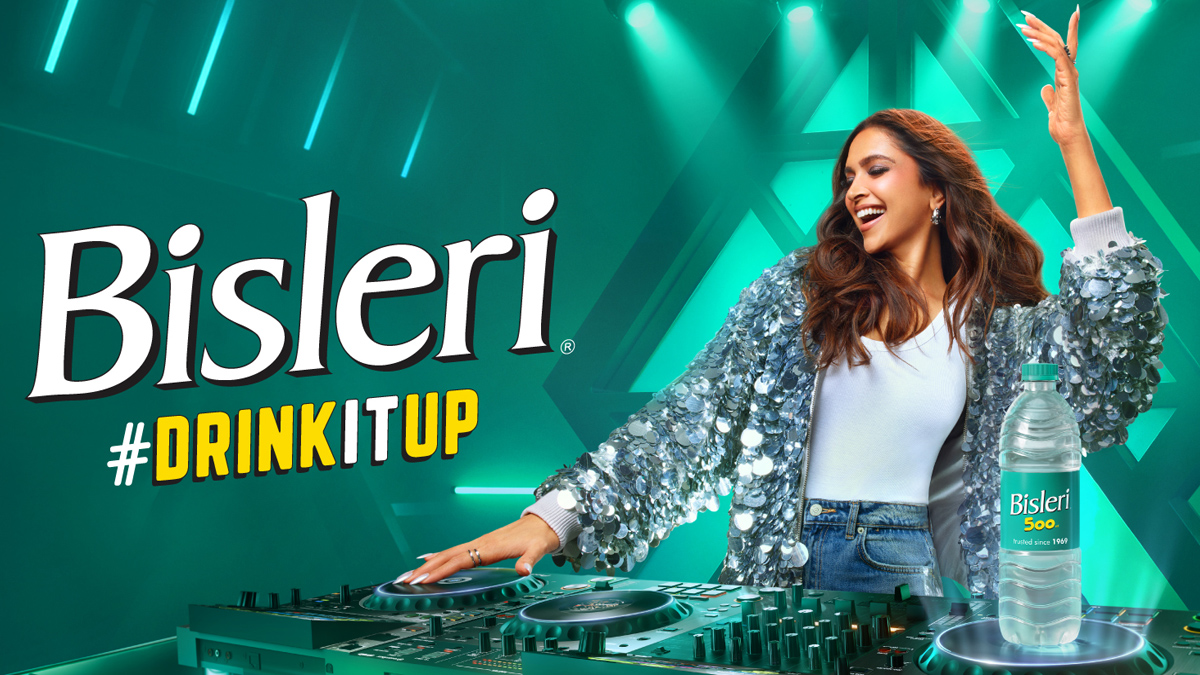
MUMBAI: A fizzy quarter with a steady aftertaste that’s how Orient Beverages Limited, the company that manufactures and distributes packaged drinking water under the brand name Bisleri closed the December 2025 period, as the Kolkata-based drinks maker reported improved revenues and a healthy rise in profits, signalling operational stability in a competitive beverage market.
For the quarter ended December 31, 2025, Orient Beverages posted standalone revenue from operations of Rs 39.98 crore, up from Rs 36.42 crore in the previous quarter and Rs 33.53 crore in the same quarter last year. Total income for the quarter stood at Rs 42.24 crore, reflecting consistent demand and stable pricing across its beverage portfolio.
Profit before tax for the quarter came in at Rs 3.47 crore, a sharp improvement from Rs 1.31 crore in the September quarter and Rs 0.39 crore a year ago. After accounting for tax expenses of Rs 0.79 crore, the company reported a net profit of Rs 2.68 crore, nearly three times the Rs 0.99 crore recorded in the preceding quarter.
On a nine-month basis, the momentum remained intact. Revenue from operations for the period ended December 31, 2025 rose to Rs 117.66 crore, compared with Rs 106.95 crore in the corresponding period last year. Net profit for the nine months climbed to Rs 5.51 crore, more than double the Rs 2.18 crore reported in the same period of the previous financial year.
The consolidated numbers told a similar story. For the December quarter, consolidated revenue from operations stood at Rs 45.06 crore, while profit after tax came in at Rs 2.06 crore. For the nine-month period, consolidated revenue touched Rs 133.57 crore, with net profit of Rs 4.49 crore, underscoring the group’s improving profitability trajectory.
Operating expenses remained largely controlled, with cost of materials, employee benefits and other expenses broadly aligned with revenue growth. The company continued to operate within a single reportable segment beverages simplifying its cost structure and reporting framework.
The unaudited financial results were reviewed by the Audit Committee and approved by the Board of Directors at its meeting held on 7 February 2026. Statutory auditors carried out a limited review and reported no material misstatements in the results.
In a market where margins are often squeezed by input costs and competition, Orient Beverages’ latest numbers suggest the company has found a reliable rhythm not explosive, but steady enough to keep the fizz alive.
Brands
BCCL profit jumps 53 per cent in FY25 as tax bill shrinks
Revenue rises 4.3 per cent to Rs 10,209.33 crore while deferred tax gain lifts bottom line sharply
NEW DELHI: Bennett, Coleman and Company (BCCL) has posted a sparkling set of financial results for the year ended 31 March 2025, proving that there is still plenty of ink and gold left in the ledger.
Revenue from operations climbed a steady 4.3 per cent, reaching Rs 10,209.33 crore compared to Rs 9,786.44 crore the previous year. When you sprinkle in other income, which rose 8.9 per cent to Rs 949.36 crore, the total income for the media behemoth hit a healthy Rs 11,158.69 crore.
While the income grew at a modest pace, the bottom line tells a far more dramatic story. The real headline is the 53 per cent surge in annual profit. How did they pull off such a feat? While Profit Before Tax (PBT) saw a gentle nudge upward of 2.7 per cent to Rs 1,610.00 crore, it was a vanishing act by the taxman that really did the trick.
Total tax expenses plummeted by 32.4 per cent, dropping from Rs 468.76 crore down to Rs 316.97 crore. This was largely thanks to a swing in deferred tax, moving from an expense of Rs 156.02 crore in FY24 to a benefit of Rs 39.44 crore this year.
Total income rose from Rs 10,658.55 crore in FY24 to Rs 11,158.69 crore in FY25, marking a 4.7 per cent increase. Total expenses grew at a slower pace, up 3.0 per cent from Rs 9,306.06 crore to Rs 9,581.45 crore. Profit before tax inched up 2.7 per cent, moving from Rs 1,567.02 crore to Rs 1,610.00 crore. However, the standout figure was net profit, which jumped sharply by 53.0 per cent, climbing from Rs 1,042.03 crore in FY24 to Rs 1,594.73 crore in FY25.
Despite the rising costs of doing business across the globe, BCCL kept a tight grip on the purse strings. Total expenses rose by just 3.0 per cent to Rs 9,581.45 crore. By keeping costs lower than the rate of income growth, the company ensured that the final figure, a net profit of Rs 1,594.73 crore, was nothing short of a front-page sensation.
In a world of shifting digital tides, it seems the BCCL ship is not just steady, but sailing into significantly wealthier waters.


MIB sets OTT accessibility rules, mandates captions and audio description

Boney Kapoor acquires remake rights of Tamil political satire Thalaivar Thambi Thalaimaiyil

Netflix India names Rekha Rane director of films and series marketing

Zabeen signs off from TV9 after shaping the network’s public voice

Dhawan steps up to bat for Delhi’s grassroots sports push

Orient Beverages pops the fizz with steady Q3 gains and rising profits

Cheekatilo shines in the dark with record debut on Prime Video

These ’90s fashion trends are making a comeback in 2017
The final 6 ‘Game of Thrones’ episodes might feel like a full season
According to Dior Couture, this taboo fashion accessory is back
The old and New Edition cast comes together to perform
Phillies’ Aaron Altherr makes mind-boggling barehanded play
Uber and Lyft are finally available in all of New York State
Disney’s live-action Aladdin finally finds its stars
MIB sets OTT accessibility rules, mandates captions and audio description
Boney Kapoor acquires remake rights of Tamil political satire Thalaivar Thambi Thalaimaiyil
Netflix India names Rekha Rane director of films and series marketing
Zabeen signs off from TV9 after shaping the network’s public voice
Dhawan steps up to bat for Delhi’s grassroots sports push
Orient Beverages pops the fizz with steady Q3 gains and rising profits
Cheekatilo shines in the dark with record debut on Prime Video
-

 News Broadcasting2 weeks ago
Mukesh Ambani, Larry Fink come together for CNBC-TV18 exclusive
-

 News Headline1 month ago
From selfies to big bucks, India’s influencer economy explodes in 2025
-
 iWorld5 months ago
Billions still offline despite mobile internet surge: GSMA
-
 e-commerce2 weeks ago
Swiggy Instamart’s GOV surges 103 per cent year on year to Rs 7,938 crore
-

 Applications2 months ago
28 per cent of divorced daters in India are open to remarriage: Rebounce
-

 News Headline1 month ago
2025: The year Indian sports saw chaos, comebacks, and breakthroughs
-

 News Headline1 week ago
JioStar announces biggest ever talent line-up for an ICC event
-

 iWorld2 weeks ago
Netflix celebrates a decade in India with Shah Rukh Khan-narrated tribute film
