
Ad Campaigns
Indian Sellers Collective launches Holi Ke Rang Bharatiya Vyanjanon Ke Sang campaign

Mumbai: Aligned with the vibrant Holi festive spirit, Indian Sellers Collective, an umbrella body of trade associations and sellers across the country, today launched the Holi Ke Rang Bharatiya Vyanjanon Ke Sang campaign. The campaign aims to celebrate the goodness of Indian cuisine, highlighting the rich traditions and flavours passed down through generations.
Indian Sellers Collective through the campaign urges all Indians to consume and patronise dishes that have been a part of the country’s culture for thousands of years with pride and vigour. These Indian traditional foods include Gujiya or sweet dumplings-available in baked, chocolate and coconut options, Malpuas- available in ragi or paneer variety, Thandai- which is a fennel-fragrant concoction and offers a cooling effect on the body, Dal Kachori-made of arhar daal and spices, Paapri Chaat and Dahi Bhalla- made of curd, spices and crisp papri, Masala Chana with baked kachori which is full of flavour and nutrition, Almond Malai Kulfi- made with milk, cream, dry fruits and saffron. The list also includes Mathri, Bhaker Badi, Kaju Barfi, Samosa, Halwa, Shakarpara, Puran Poli, Besan Ladoo and many other domestic and regional offerings.
The Indian sellers Collective expressed surprise as to how we as Indians could even look at western sweets and savoury options- when we are spoilt for choices from our regional and traditional stable.
The Indian Sellers Collective also exhorted Indians to forego foreign foods like Pizza, Burger, French Fries and various other foreign foods and drinks. There is an urgent need to expose the false narrative and widely held belief that foreign food is healthier in comparison to our indigenous cuisine. Studies have shown, that the calorie content in foreign foods like pizza, pastry, burger, doughnut and others is much more than a parantha, gulab jamun, vada pav and various other traditional offerings. Similarly, a shake with ice cream, soda and artificial flavourings is much higher in calorie content vis-à-vis jal jeera, chach or lassi! These foreign foods are also higher in trans fats, salts, sugars and artificial ingredients when compared to most native food items and offer much lower nutritional value.
As per the umbrella body, unfortunately, all these traditional foods are not reflected in the choices of millions of Indians, especially children, and the increasing footprint of foreign cuisine in India is already having a huge impact on health, leading to conditions like obesity which is the precursor to many ailments like hypertension, diabetes, cardiac events, strokes and much more. It is interesting to note that the obesity index in India is much lower when compared to many western countries, whose food items are making serious inroads into India. This is nothing but an attempt to create a market for western foods in India which is providing a huge opportunity to various businesses through concealment of facts and adoption of wily marketing strategies.

Against this backdrop, according to the Indian Sellers Collective, the front-of-pack nutrition labelling (FOPNL) initiative aims to portray foreign foods as healthier alternatives to traditional Indian cuisine. This, they argue, is part of a strategy by multinational corporations to penetrate populous markets like India as they have already saturated Western markets. The guidelines of FOPNL, they claim, appear to support this agenda by raising unnecessary concerns about traditional Indian foods, potentially influencing consumer preferences. The proposed regulation is also seen as contradicting the vision of an Atmanirbhar Bharat and Make in India promoted by the Honourable Prime Minister, posing a significant setback to these initiatives.
The Indian Sellers Collective also has warned that the implementation of FOPNL would result in significant losses for Indian packaged food MSMEs (Micro, Small, and Medium Enterprises) and the millions of workers reliant on this traditional industry. The body highlighted examples such as Bhujia production, a cottage industry in Bikaner, which employs millions, particularly impacting women’s livelihoods in the region. Similar cottage industries exist across India, including the production of Gavalu in Andhra Pradesh, Pitha and Coconut Ladoo in Assam, Jhal Muri in Bengal, Khakhra and Ganthia in Gujarat, Mysore Pak in Karnataka, Banana Chips in Kerala, Anarsa and Chakli in Maharashtra and Murukku in Tamil Nadu.
Indians have to be mindful, and this requires proper dissemination of information, that cuisines of different states have historically taken into consideration various climatic and cultural factors- simply put, there is a scientific reason why a particular food is eaten in a particular state, and this could vary from high salt intake in coastal states to high-calorie foods in the agriculture intensive areas, to the natural availability of cereals, vegetables, fruits in certain regions resulting in their specific consumption. In addition, Indian cuisine has also, always, imbibed the foods and ingredients of all those who came and settled in India and gave it a unique twist that was in harmony with the overall eating habits.
The Holi Ke Rang Bharatiya Vyanjanon Ke Sang campaign will be launched across digital platforms, focusing on the intrinsic role traditional dishes have played in festivals like Holi and throughout the country for generations. These digital campaigns will also engage with youngsters, who are typically digital natives. The primary objective of this initiative is to highlight the history, richness and goodness of Indian food compared to foreign cuisine, thereby nurturing a renewed sense of pride in the indigenous culinary heritage.
As per Indian Sellers Collective, it is critical that we engage with the children and youth as they are the largest consumers of these foreign food items and are quite unaware of the misinformation and hidden realities. As the youngest nation in the world with a large number of students and working young professionals in the cities and their hinterlands – with convenience at the centre of their mindset, the body believes that this is the ideal time to bring Indian convenience food to the centre stage. There is no doubt that when hygiene is ensured- why Indians will not once again move back towards their local foods and shun popular but unhealthy western food products. This movement has to gain momentum at the earliest and with a sense of urgency, and this requires the participation of all stakeholders which includes the individuals, government, corporates going the whole nine yards.
Indian Sellers Collective member & national Coordinator Abhay Raj Mishra, emphasized the significance of the campaign during its launch and said, “Our Honourable Prime Minister Narendra Modi is a staunch advocate of India’s rich food diversity and cultural heritage. Let us contribute to his Vocal for Local initiative by embracing Indian dishes this Holi and avoiding foreign foods. Let us celebrate the diversity of Indian cuisine this Holi.”
“The campaign revolves around the assurance and reliability of Indian cuisine, deeply ingrained in our dietary traditions for centuries and honed over generations. Additionally, it is crucial to recognize the influence of global food MNCs, backed by organizations like WHO, in promoting their products within our country at the cost of our traditional foods. As responsible citizens, we must remain vigilant against proposed regulations like FOPNL, which could potentially undermine our culinary heritage and dietary preferences,” Mishra added.



NATIONAL: Amazon Ads has laid out a sharply tech-led vision for the advertising industry in 2026, arguing that artificial intelligence, streaming TV and creator partnerships will combine to turn brand building into a more precise, performance-driven business.
At the heart of the shift, the company says, is the fusion of AI with Amazon’s vast trove of shopping, browsing and streaming signals, allowing advertisers to move beyond blunt reach metrics to campaigns designed around real customer behaviour.
“The future of advertising is not about reaching more people, but the right people with messages that resonate,” said Amazon Ads India head and vice president Girish Prabhu. “By combining AI with deep customer insights, we help brands move from broadcasting campaigns to having meaningful conversations wherever audiences spend their time.”
One of the biggest changes, according to Amazon Ads, will be the collapse of the wall between media planning and creative development. Retail media, powered by first-party data, is increasingly shaping everything from brand discovery to final purchase, pushing marketers to design campaigns around audience insight rather than internal instinct.
AI is also moving from a support tool to a creative engine. Agentic AI, which automates and accelerates production, is expected to make high-quality creative accessible even to small businesses, compressing weeks of work into hours and giving challengers the ability to compete with larger brands on speed and scale.
Behind the scenes, AI-driven analytics will take on a bigger role in campaign optimisation, identifying patterns, spotting opportunities and recommending actions that would previously have required teams of analysts.
Streaming TV is another big battleground. With India’s video streaming audience now above 600 million and connected TV users at 129.2 million in 2025, advertisers are set to treat streaming not just as a branding channel but as a performance engine, measured increasingly by sales, sign-ups and bookings rather than just reach.
Finally, Amazon Ads sees creators and contextual advertising reshaping how brands tell stories. Creators will act less like influencers and more like long-term partners, while scene-aware ads on streaming platforms will allow brands to insert hyper-relevant offers into the flow of what viewers are watching.
Taken together, Amazon Ads argues, these shifts mark a move towards advertising that is both more human and more measurable, where AI handles the complexity, and creativity does the persuading.
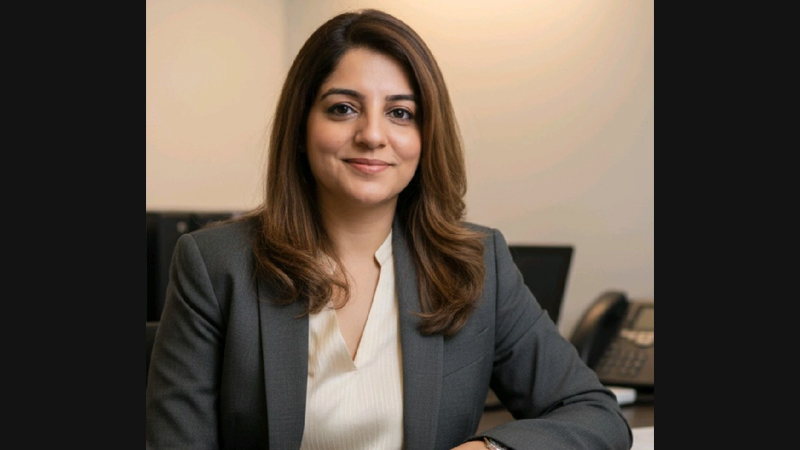
MUMBAI: Publicis Groupe India has appointed Sonal Verma as managing director of Arc Worldwide India, handing the reins of its experiential and shopper marketing business to a leader steeped in live brands and real world storytelling.
Arc Worldwide, the Groupe’s specialist arm focused on experiences that nudge consumers from curiosity to checkout, sits at the intersection of creativity, commerce and culture. Verma’s mandate is to sharpen that edge as brands grapple with shorter attention spans and more complicated buying journeys.
Verma joins from Cheil India, where she spent nearly five years building and leading the brand experience practice, most recently as senior vice president and head of brand experience. Her career reads like a tour of India’s experiential landscape, with leadership roles at Momentum Worldwide, Percept D Mark, Blockkbuster Events and Showtime Events.
She has also held senior activation roles at Radio City and The Times of India, giving her a rare mix of agency, media and on-ground execution experience. The common thread has been simple: turning big ideas into moments people remember and talk about.
At Arc Worldwide India, Verma will focus on expanding the agency’s experiential and shopper capabilities, strengthening client partnerships and keeping the work firmly rooted in consumer behaviour rather than buzzwords.
With Verma at the helm, Arc Worldwide is expected to double down on ideas that live beyond screens and closer to everyday life. For an industry obsessed with clicks and scrolls, this is a reminder that sometimes the strongest connections still happen face to face.
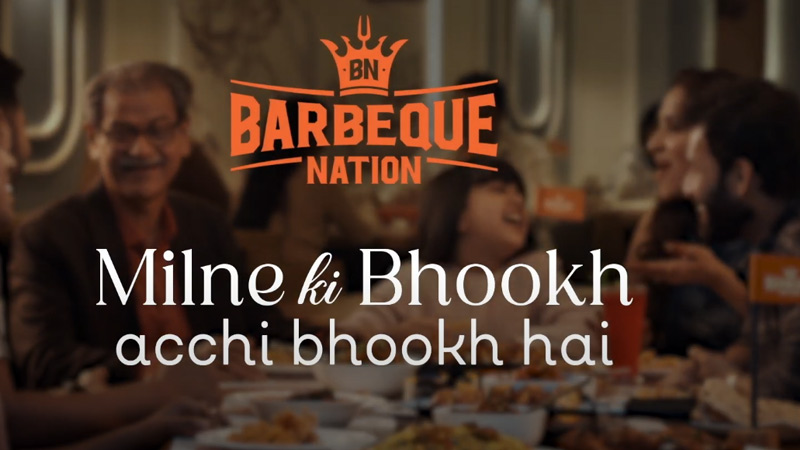
BENGALURU: Barbeque Nation is ringing in the new year with a reminder that some cravings cannot be ordered online. The casual dining chain has rolled out a new film campaign, milne ki bhookh, pitching its restaurants as places to meet, reconnect and linger over food.
Set against a world of constant messages and missed meet-ups, the campaign leans into a simple truth: dining out remains one of the few rituals that still brings people together. Barbeque Nation positions itself as the excuse and the setting for real conversations, shared plates and unhurried moments.
Nakul Gupta, cmo at Barbeque Nation, says the brand has long been about shared celebrations. As the year turns, milne ki bhookh captures what he calls a growing hunger to meet, connect and spend time together, with food at the centre of that experience.
Created by Makani Creatives, the campaign comprises three films built around Barbeque Nation’s signature grills and desserts. The storytelling is deliberately sensorial, designed to spark cravings while nudging diners to step out and meet in person.
Pavan Punjabi, chief integration officer at Makani Creatives, says the idea stems from a familiar contradiction. People are constantly connected, yet meetings with loved ones are endlessly postponed. Milne ki bhookh, he says, is a gentle push to make time for real-life catch-ups, using food as the reason to come together, share a meal and create memories.
The campaign breaks on December 25 with the grilled prawns film and will run for two months, amplified across digital platforms. As the new year begins, Barbeque Nation is betting that the strongest appetite of all is not for food alone, but for each other.


MIB sets OTT accessibility rules, mandates captions and audio description

Boney Kapoor acquires remake rights of Tamil political satire Thalaivar Thambi Thalaimaiyil

Netflix India names Rekha Rane director of films and series marketing

Zabeen signs off from TV9 after shaping the network’s public voice

Dhawan steps up to bat for Delhi’s grassroots sports push

Orient Beverages pops the fizz with steady Q3 gains and rising profits

Cheekatilo shines in the dark with record debut on Prime Video

These ’90s fashion trends are making a comeback in 2017
The final 6 ‘Game of Thrones’ episodes might feel like a full season
According to Dior Couture, this taboo fashion accessory is back
The old and New Edition cast comes together to perform
Phillies’ Aaron Altherr makes mind-boggling barehanded play
Uber and Lyft are finally available in all of New York State
Disney’s live-action Aladdin finally finds its stars
MIB sets OTT accessibility rules, mandates captions and audio description
Boney Kapoor acquires remake rights of Tamil political satire Thalaivar Thambi Thalaimaiyil
Netflix India names Rekha Rane director of films and series marketing
Zabeen signs off from TV9 after shaping the network’s public voice
Dhawan steps up to bat for Delhi’s grassroots sports push
Orient Beverages pops the fizz with steady Q3 gains and rising profits
Cheekatilo shines in the dark with record debut on Prime Video
-

 News Broadcasting2 weeks ago
Mukesh Ambani, Larry Fink come together for CNBC-TV18 exclusive
-

 News Headline1 month ago
From selfies to big bucks, India’s influencer economy explodes in 2025
-
 iWorld5 months ago
Billions still offline despite mobile internet surge: GSMA
-

 Applications2 months ago
28 per cent of divorced daters in India are open to remarriage: Rebounce
-

 News Headline1 month ago
2025: The year Indian sports saw chaos, comebacks, and breakthroughs
-

 News Headline1 week ago
JioStar announces biggest ever talent line-up for an ICC event
-

 iWorld2 weeks ago
Netflix celebrates a decade in India with Shah Rukh Khan-narrated tribute film
-

 News Headline2 months ago
Game on again as 2025 powers up a record year and sets the stage for 2030
