
Brands
Guest Article: How socio-economic branding influences consumer perception and loyalty

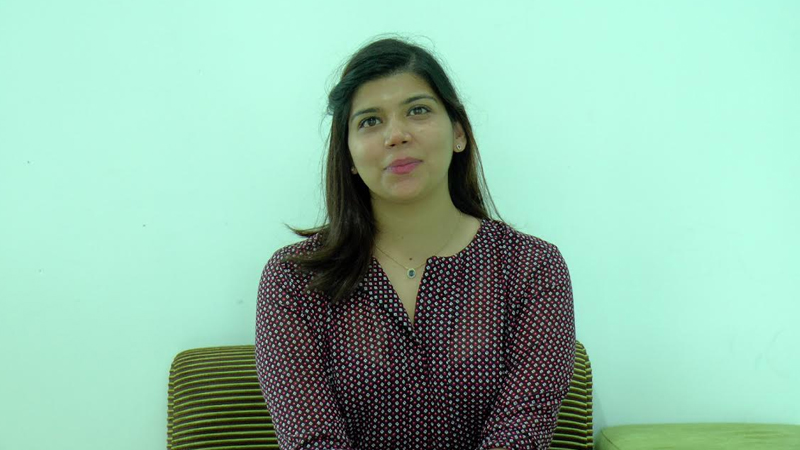
Mumbai: In a world where brands constantly vie for our attention, it’s remarkable how socio-economic branding has quietly reshaped the way we perceive and engage with the products and services that surround us. Picture this: You’re browsing through your social media feed, and you stumble upon an ad that speaks to your aspirations, your lifestyle, and your socioeconomic status. You can’t help but feel an immediate connection, an unspoken understanding that this brand gets you. Welcome to the world of socio-economic branding, where consumer perceptions and loyalty are profoundly influenced.
Socio-economic branding is more than just a buzzword; it’s the strategic alignment of a brand with the socio-economic factors such as income, education, and occupation, that shape our identities and aspirations. This article explores the profound impact of socio-economic branding on consumer perception and loyalty, highlighting its significance and challenges in the modern consumer market.
Understanding Socio-Economic Branding
Socio-economic branding is about much more than product quality and price. It’s the art of crafting a brand image that resonates with the values, desires, and dreams of a specific socio-economic group. Unlike traditional branding, which often caters to a broad audience, socio-economic branding takes a more targeted approach, tailoring the brand’s messaging and identity to align with the expectations of a particular demographic.
This tailored approach is increasingly relevant in today’s diverse consumer landscape. By acknowledging the importance of socio-economic factors, brands can effectively tap into the collective consciousness of their target audience. For instance, a luxury car brand might emphasise exclusivity, while a budget-conscious brand highlights affordability.

Several brands have mastered the art of socio-economic branding. Think of luxury fashion brands that appeal to high-income individuals, or budget retailers targeting those looking for affordable options. By aligning their branding with specific socio-economic segments, these companies create a strong connection with their audience.
The Influence on Consumer Perception
Socio-economic branding doesn’t just influence consumer preferences; it shapes how consumers perceive brands. The impact is not limited to rational considerations like quality and price; it’s deeply psychological and emotional. When a brand successfully resonates with a consumer’s socio-economic identity, it triggers a sense of belonging and validation. This alignment fosters trust and a positive perception of the brand.
Moreover, brands actively use socio-economic cues to appeal to consumers. They deploy images, language, and messaging that mirror the values and aspirations of their target demographic. This not only helps in grabbing attention but also makes consumers feel understood and valued. The psychological impact is clear: a brand that “gets” you becomes a brand you trust.
Companies such as Summentor Pro are instrumental in bridging the gap between B2B and B2G sales, while also aiding brands in achieving socio-economic advancement alongside business growth.
Building Consumer Loyalty through Socio-Economic Branding
Consumer loyalty is the Holy Grail for brands, and socio-economic branding plays a pivotal role in its attainment. When a brand effectively connects with its target socio-economic group, it fosters brand affinity—a deep emotional attachment and loyalty. This loyalty translates into repeat purchases, recommendations, and a brand advocate community.
Studies show that consumers are more likely to remain loyal to brands that resonate with their socio-economic identity. For instance, a high-end fashion brand targeting affluent consumers can build a loyal following that keeps coming back for the prestige and status associated with the brand.
Brands employ several strategies to maintain this loyalty. They offer exclusive perks, create communities, and even tailor their products and services to cater to the unique needs of their socio-economic demographic. This keeps consumers engaged and loyal over the long term.
Challenges and Considerations
While socio-economic branding offers significant benefits, it’s not without its challenges. Brands must tread carefully to avoid perpetuating stereotypes or alienating potential customers. The need for ethical considerations is paramount. Overstepping boundaries can lead to negative perceptions and controversies that can harm a brand’s image irreparably.
Moreover, overemphasising the socio-economic aspect of branding can be limiting. It may alienate potential customers who don’t fit the defined profile but still have an interest in the product or service. Striking the right balance between targeted messaging and inclusivity is crucial.
Conclusion
In the ever-evolving consumer landscape, socio-economic branding has emerged as a powerful force, significantly influencing how consumers perceive and engage with brands. By aligning their messaging and identity with the socio-economic factors that shape their target audience, brands foster a sense of connection, trust, and loyalty that can’t be underestimated.
Socio-economic branding is not just about selling products or services; it’s about building relationships and creating brand advocates. However, it comes with its own set of challenges, and ethical considerations should be at the forefront of this strategic approach. In the end, the key takeaway is that socio-economic branding is here to stay, transforming the way brands and consumers interact and shaping the future of consumer loyalty. As consumers, it’s essential to be aware of the influence of socio-economic branding and make informed choices that align with our own values and aspirations.
This article has been authored by Summentor Pro founder and director Nitika Shahi.
Brands
Netflix India names Rekha Rane director of films and series marketing
Streaming giant bets on a seasoned marketer who helped build Amazon and Netflix into household names
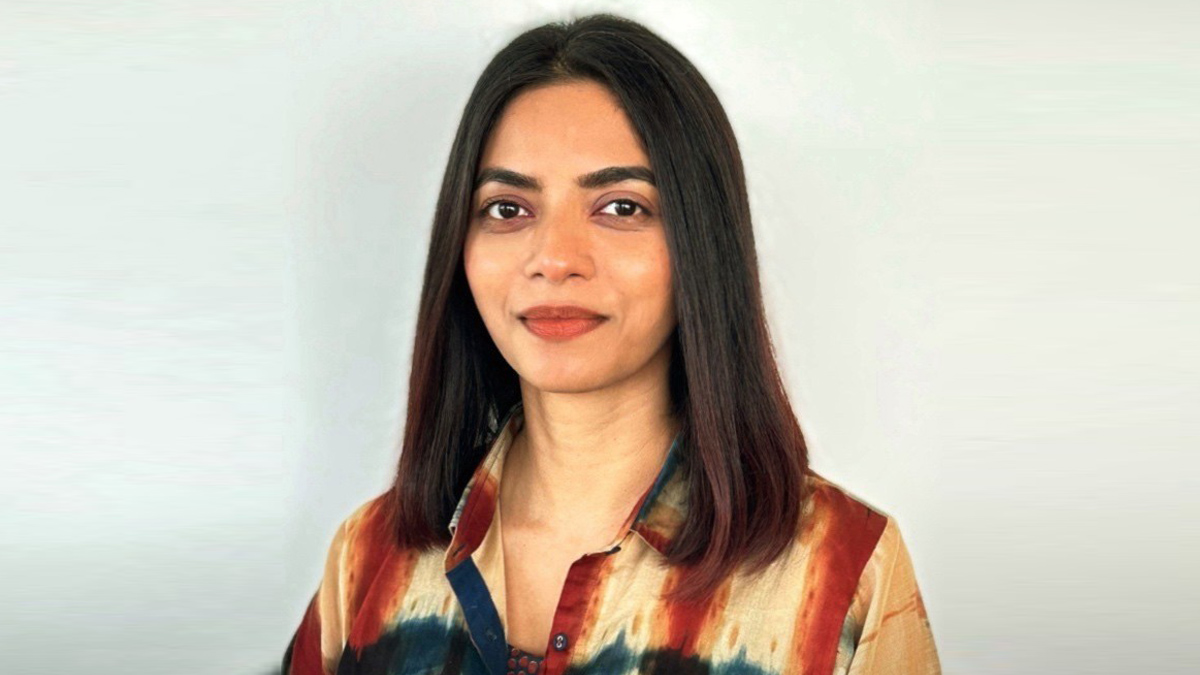
MUMBAI: Netflix has put a proven brand builder at the helm of its films and series marketing in India, naming Rekha Rane as director in a move that signals sharper focus on audience growth and cultural cut-through in one of its most hotly contested markets.
Rane steps into the role after seven years at Netflix, where she has quietly shaped how the platform sells stories to India. Her latest promotion, effective February 2026, crowns a run that spans brand, slate and product marketing across originals, licensed content and new verticals such as games.
A strategic marketing and communications professional with roughly 15 years’ experience, Rane has spent much of her career building technology-led consumer businesses and new categories, notably e-commerce and subscription video on demand. She was part of the early push that introduced Amazon.in, Prime Video and Netflix to Indian homes, then helped turn them into everyday brands.
At Netflix, she most recently served as head of brand and slate marketing for India from March 2024 to February 2026, leading teams across media and marketing for global and local content portfolios. Before that, as manager for original films and series marketing, she led IP creation and go-to-market strategy for titles including Guns and Gulaabs, Kaala Paani, The Railway Men* and The Great Indian Kapil Show, spanning both binge and weekly-release formats.
Her earlier Netflix roles covered product discovery and promotion in India and integrated campaign strategy to drive conversations around the content slate, product awareness and brand-equity metrics.
Before Netflix, Rane logged more than three years at Amazon in brand marketing roles in Bengaluru. There she handled national and regional campaigns for Amazon.in, worked on customer assistance programmes in growth geographies and contributed to the go-to-market strategy for the launch of Prime Video India.
Her career began well away from streaming. At Reliance Brands in Mumbai, she worked on retail marketing for Diesel and Superdry. A stint at Leo Burnett saw her work on primary research for P&G Tide, mapping Indian shoppers’ paths to purchase. Earlier still, at Orange in the United Kingdom, she rose from sales assistant to store manager, running a team and owning monthly P&L for a retail outlet.
The arc is telling. As global streamers fight for attention in a crowded Indian market, executives who understand both mass retail behaviour and digital habit-building are prized. Rane’s career sits at that intersection.
For Netflix, the bet is simple: in a market spoilt for choice, sharp marketing can still tilt the screen. And with Rane now leading the charge, the streamer is signalling it wants not just viewers, but fandom.
Brands
Orient Beverages pops the fizz with steady Q3 gains and rising profits
Kolkata-based beverage maker reports stronger revenues and profits for December quarter.
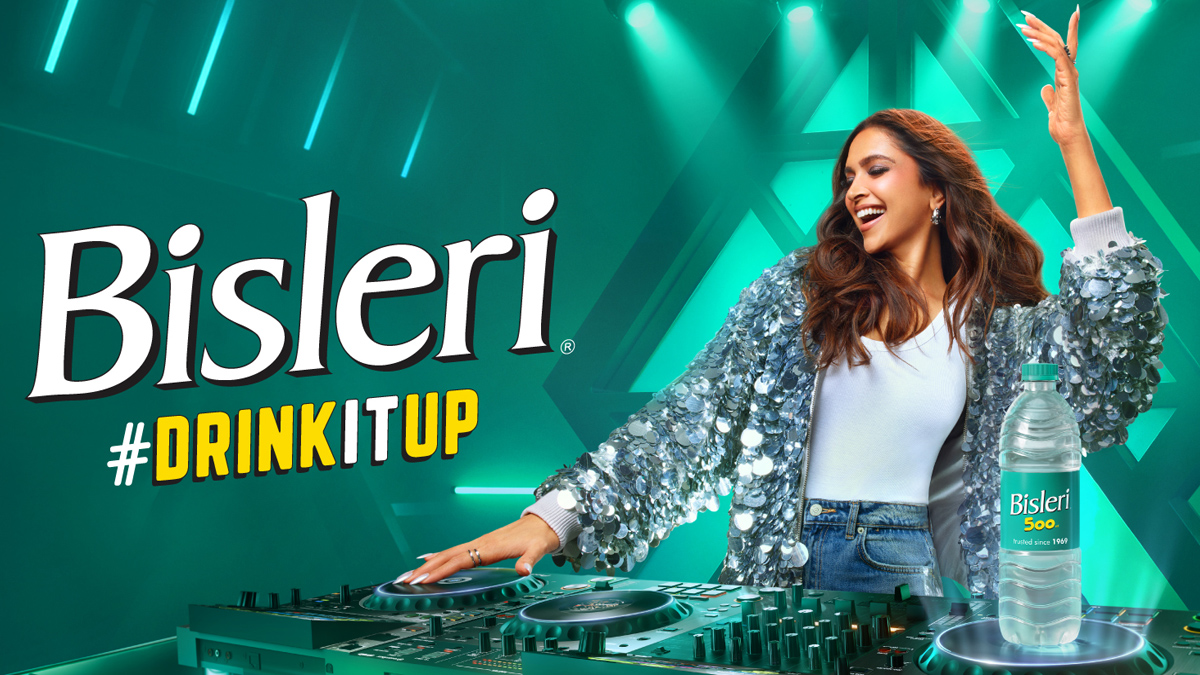
MUMBAI: A fizzy quarter with a steady aftertaste that’s how Orient Beverages Limited, the company that manufactures and distributes packaged drinking water under the brand name Bisleri closed the December 2025 period, as the Kolkata-based drinks maker reported improved revenues and a healthy rise in profits, signalling operational stability in a competitive beverage market.
For the quarter ended December 31, 2025, Orient Beverages posted standalone revenue from operations of Rs 39.98 crore, up from Rs 36.42 crore in the previous quarter and Rs 33.53 crore in the same quarter last year. Total income for the quarter stood at Rs 42.24 crore, reflecting consistent demand and stable pricing across its beverage portfolio.
Profit before tax for the quarter came in at Rs 3.47 crore, a sharp improvement from Rs 1.31 crore in the September quarter and Rs 0.39 crore a year ago. After accounting for tax expenses of Rs 0.79 crore, the company reported a net profit of Rs 2.68 crore, nearly three times the Rs 0.99 crore recorded in the preceding quarter.
On a nine-month basis, the momentum remained intact. Revenue from operations for the period ended December 31, 2025 rose to Rs 117.66 crore, compared with Rs 106.95 crore in the corresponding period last year. Net profit for the nine months climbed to Rs 5.51 crore, more than double the Rs 2.18 crore reported in the same period of the previous financial year.
The consolidated numbers told a similar story. For the December quarter, consolidated revenue from operations stood at Rs 45.06 crore, while profit after tax came in at Rs 2.06 crore. For the nine-month period, consolidated revenue touched Rs 133.57 crore, with net profit of Rs 4.49 crore, underscoring the group’s improving profitability trajectory.
Operating expenses remained largely controlled, with cost of materials, employee benefits and other expenses broadly aligned with revenue growth. The company continued to operate within a single reportable segment beverages simplifying its cost structure and reporting framework.
The unaudited financial results were reviewed by the Audit Committee and approved by the Board of Directors at its meeting held on 7 February 2026. Statutory auditors carried out a limited review and reported no material misstatements in the results.
In a market where margins are often squeezed by input costs and competition, Orient Beverages’ latest numbers suggest the company has found a reliable rhythm not explosive, but steady enough to keep the fizz alive.
Brands
BCCL profit jumps 53 per cent in FY25 as tax bill shrinks
Revenue rises 4.3 per cent to Rs 10,209.33 crore while deferred tax gain lifts bottom line sharply
NEW DELHI: Bennett, Coleman and Company (BCCL) has posted a sparkling set of financial results for the year ended 31 March 2025, proving that there is still plenty of ink and gold left in the ledger.
Revenue from operations climbed a steady 4.3 per cent, reaching Rs 10,209.33 crore compared to Rs 9,786.44 crore the previous year. When you sprinkle in other income, which rose 8.9 per cent to Rs 949.36 crore, the total income for the media behemoth hit a healthy Rs 11,158.69 crore.
While the income grew at a modest pace, the bottom line tells a far more dramatic story. The real headline is the 53 per cent surge in annual profit. How did they pull off such a feat? While Profit Before Tax (PBT) saw a gentle nudge upward of 2.7 per cent to Rs 1,610.00 crore, it was a vanishing act by the taxman that really did the trick.
Total tax expenses plummeted by 32.4 per cent, dropping from Rs 468.76 crore down to Rs 316.97 crore. This was largely thanks to a swing in deferred tax, moving from an expense of Rs 156.02 crore in FY24 to a benefit of Rs 39.44 crore this year.
Total income rose from Rs 10,658.55 crore in FY24 to Rs 11,158.69 crore in FY25, marking a 4.7 per cent increase. Total expenses grew at a slower pace, up 3.0 per cent from Rs 9,306.06 crore to Rs 9,581.45 crore. Profit before tax inched up 2.7 per cent, moving from Rs 1,567.02 crore to Rs 1,610.00 crore. However, the standout figure was net profit, which jumped sharply by 53.0 per cent, climbing from Rs 1,042.03 crore in FY24 to Rs 1,594.73 crore in FY25.
Despite the rising costs of doing business across the globe, BCCL kept a tight grip on the purse strings. Total expenses rose by just 3.0 per cent to Rs 9,581.45 crore. By keeping costs lower than the rate of income growth, the company ensured that the final figure, a net profit of Rs 1,594.73 crore, was nothing short of a front-page sensation.
In a world of shifting digital tides, it seems the BCCL ship is not just steady, but sailing into significantly wealthier waters.



MIB sets OTT accessibility rules, mandates captions and audio description

Boney Kapoor acquires remake rights of Tamil political satire Thalaivar Thambi Thalaimaiyil

Netflix India names Rekha Rane director of films and series marketing

Zabeen signs off from TV9 after shaping the network’s public voice

Dhawan steps up to bat for Delhi’s grassroots sports push

Orient Beverages pops the fizz with steady Q3 gains and rising profits

Cheekatilo shines in the dark with record debut on Prime Video

These ’90s fashion trends are making a comeback in 2017

Swiggy Instamart’s GOV surges 103 per cent year on year to Rs 7,938 crore
The final 6 ‘Game of Thrones’ episodes might feel like a full season
According to Dior Couture, this taboo fashion accessory is back
The old and New Edition cast comes together to perform
Phillies’ Aaron Altherr makes mind-boggling barehanded play
Uber and Lyft are finally available in all of New York State
MIB sets OTT accessibility rules, mandates captions and audio description
Boney Kapoor acquires remake rights of Tamil political satire Thalaivar Thambi Thalaimaiyil
Netflix India names Rekha Rane director of films and series marketing
Zabeen signs off from TV9 after shaping the network’s public voice
Dhawan steps up to bat for Delhi’s grassroots sports push
Orient Beverages pops the fizz with steady Q3 gains and rising profits
Cheekatilo shines in the dark with record debut on Prime Video
-
 e-commerce4 weeks ago
Swiggy Instamart’s GOV surges 103 per cent year on year to Rs 7,938 crore
-
 iWorld1 year ago
Kuku TV transforms India’s OTT space with vertical microdrama boom
-

 News Headline2 months ago
From selfies to big bucks, India’s influencer economy explodes in 2025
-
 News Headline2 years ago
Odisha to host Ultimate Kho Kho Season 2 from December 24
-

 News Headline2 months ago
2025: The year Indian sports saw chaos, comebacks, and breakthroughs
-

 News Headline2 months ago
Game on again as 2025 powers up a record year and sets the stage for 2030
-
 MAM2 years ago
OpenAI joins C2PA steering committee
-
 MAM2 years ago
Ultimate Kho Kho raises valuation, secures a series-A PE funding from UK-based BNP group


