
MAM
Critical Illness Insurance For Women: Breast Cancer, Ovarian Cancer, And Gender-Specific Conditions


Critical illness insurance is not the same as regular health cover. For many women in India, a serious diagnosis can bring costs that go beyond hospital bills, time away from work, repeated consultations, travel for treatment, and recovery support at home.
This article examines how critical illness cover can help with breast cancer, ovarian cancer, and certain women-specific conditions, and what to look for in the policy wording to ensure you know what you are buying.
Why Critical Illness Cover Feels Different From Regular Health Insurance
A standard health policy typically covers hospital bills that fall within the admissible expenses. Critical illness insurance works differently: it is designed around a diagnosis of a listed serious condition, and the benefit is usually intended to cover a broader range of costs associated with treatment.
In day-to-day claims conversations, the biggest surprise for families is not the hospital bill itself. It is everything around it: time away from work, frequent travel for consultations, the need for a caregiver, nutrition support, and follow-up tests that do not always feel “hospital-like,” even when they are essential.
Critical illness cover can be considered as a financial cushion for disruption, not just a reimbursement tool.
Breast Cancer: The Costs Often Extend Beyond The Operating Theatre
Breast cancer care can involve investigations, imaging, biopsies, surgery, chemotherapy, radiotherapy, hormonal therapy, or targeted therapy, depending on clinical advice. The emotional load is heavy, but the financial pattern matters too: care is often spread over time and may involve repeated visits.
Here are expenses people commonly underestimate when planning for breast cancer treatment:
● Multiple opinions before finalising a care plan
● Travel and stay in a metro city if the treating centre is far from home
● Loss of income for the patient or the primary caregiver
● Post-surgery support needs, including physiotherapy or wound care guidance
● Long-term follow-ups and monitoring that can continue for years
A critical illness payout (where the policy pays on diagnosis as per terms) can help families choose care based on medical suitability rather than short-term cash flow.
Ovarian Cancer: Late Detection Can Make Planning Harder
Ovarian cancer is often spoken about as difficult to catch early because symptoms can be vague and easy to ignore. When a diagnosis is made later, families may need to move quickly to arrange a specialist, schedule surgery, and prepare for extended treatment.
This is where critical illness cover can be evaluated as “time-buying” support, helping people act faster, with fewer compromises.
Other Gender-Specific Conditions That May be Included
Policies differ, so it’s important to read the list of covered illnesses and definitions. Many plans may include certain women-centric conditions or procedures, but wording matters. For example, conditions related to the uterus, cervix, or breasts may be addressed differently depending on severity, stage, or whether it is malignant or benign.
When reviewing coverage for gender-specific conditions, pay close attention to:
● The exact medical definition used for each condition
● Whether early-stage conditions are treated differently from advanced cases
● Any waiting period before coverage begins
● Exclusions linked to pre-existing symptoms or previous investigations
● Whether “major procedures” are covered and how they are defined
The goal is not to find the longest list of illnesses. The goal is to achieve clarity so that, in moments of need, there is less ambiguity.
Choosing Cover For Women at Different Life Stages
Needs can change with age and responsibilities. A single working woman may prioritise income protection and independent financial stability. A mother may worry about household continuity during treatment. A caregiver for ageing parents may need flexibility to manage multiple responsibilities at once.
If you are trying to choose the best health insurance policy in India, it helps to map what would break first in your household if you faced a serious diagnosis: savings, monthly income, children’s expenses, or ongoing EMIs. The best solution is usually the one that protects your weakest link.
Questions to Ask Before You Buy
Instead of chasing the label of the best health insurance policy in India, ask pointed questions that reveal how the cover behaves in real situations:
● What is the precise definition of breast cancer and ovarian cancer used in the policy wording?
● Are early-stage cancers included or excluded?
● What are the waiting periods and pre-existing disease rules?
● How does the policy describe “major surgery” for women-specific conditions?
● What documents are typically required for a claim, and how is support provided?
These questions keep the decision grounded and reduce unpleasant surprises later.
Conclusion
Critical illness insurance for women is not about fear; it is about planning for uncertainty with clear, policy-based support. Breast cancer and ovarian cancer can bring long treatment journeys and hidden costs that go beyond hospital bills. The strongest choice is the one that is easy to understand, fits your life stage, and has definitions you can trust.
If you are comparing options in India, focus less on superlatives and more on clarity, continuity, and how the cover would support your family’s cash flow during a serious diagnosis, because that is where financial stress often hits first.


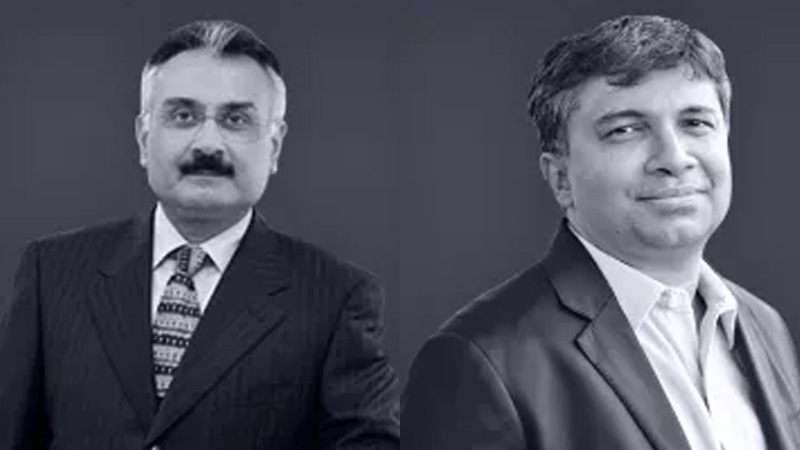
Gurugram: Delhivery’s boardroom is being reset. Deepak Kapoor, chairman and independent director, has resigned with effect from April 1 as part of a planned board reconstitution, the logistics company said in an exchange filing. Saugata Gupta, managing director and chief executive of FMCG major Marico and an independent director on Delhivery’s board, has also stepped down.
Kapoor exits after an eight-year stint that included steering the company through its 2022 stock-market debut, a period that saw Delhivery transform from a venture-backed upstart into one of India’s most visible logistics platforms. Gupta, who joined the board in 2021, departs alongside him, marking a simultaneous clearing of two senior independent seats.
“Deepak and Saugata have been instrumental in our process of recognising the need for and enabling the reconstitution of the board of directors in line with our ambitious next phase of growth,” said Sahil Barua, managing director and chief executive, Delhivery. The statement frames the exits less as departures and more as deliberate succession, a boardroom shuffle timed to the company’s evolving scale and strategy.
The resignations arrive amid broader governance recalibration. In 2025, Delhivery appointed Emcure Pharmaceuticals whole-time director Namita Thapar, PB Fintech founder and chairman Yashish Dahiya, and IIM Bangalore faculty member Padmini Srinivasan as independent directors, signalling a tilt towards consumer, fintech and academic expertise at the board level.
Kapoor’s tenure spanned Delhivery’s most defining years, rapid network expansion, public listing and the push towards profitability in a bruising logistics market. Gupta’s presence brought FMCG and brand-scale perspective during a period when ecommerce volumes and last-mile delivery economics were being rewritten.
The twin exits, effective from the new financial year, underscore a familiar corporate rhythm: founders consolidate, veterans rotate out, and fresh voices are ushered in to script the next chapter. In India’s hyper-competitive logistics race, even the boardroom does not stand still.
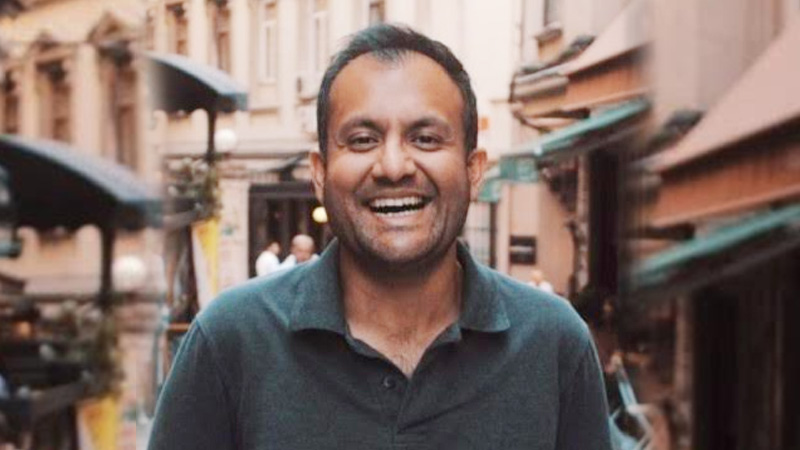
At Locofy.ai, Rao helped convert a three-year free beta into a paid engine, clocking 1,000 subscribers and 15 enterprise clients within ten days of launch in September 2024. The low-code startup, backed by Accel and top tech founders, is famed for turning designs into production-ready code using proprietary large design models.
Before that, Rao founded generative AI venture 1Bstories, which was acquired by creative AI platform Laetro in mid-2024, where he briefly served as managing director for APAC. Alongside operating roles, he has been an active investor and advisor since 2020, backing startups such as BotMD, Muxy, Creator plus, Intellect, Sealed and CricFlex through a creator-economy-led thesis.
Rao spent over eight years at Google, holding senior partnership roles across search, assistant, chrome, web and YouTube in APAC, and earlier cut his teeth in strategy consulting at OC&C in London and investment finance at W. P. Carey in Europe and the US.
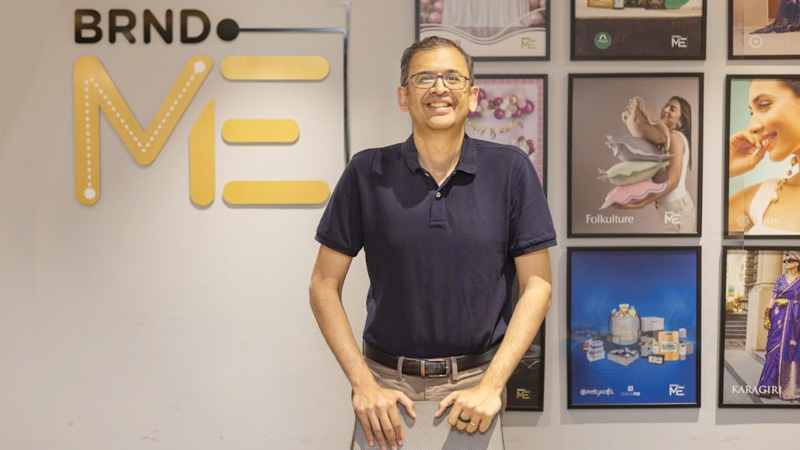
Bengaluru: Brnd.me, the global consumer brands company formerly known as Mensa Brands, has entered the European market following strong momentum across the Middle East, the United States and Canada.
The company has launched across the UK, Germany, France and Spain, with plans to expand into Italy, the Netherlands and Poland over the next year. The push is being led by its haircare and aromatherapy brands, Botanic Hearth and Majestic Pure, marking Brnd.me’s first structured expansion into Europe.
The European beauty market represents a total addressable opportunity of over $4 billion across haircare and aromatherapy, supported by high digital adoption and demand for accessible, performance-led products.
Brnd.me’s hair care and aromatherapy business currently operates at an annual run rate of around $6 million, with Botanic Hearth and Majestic Pure delivering roughly 10 per cent month-on-month growth, driven by expansion and rising repeat demand.
To support regional growth, the company has appointed a general manager based in Germany and is evaluating investments in warehousing and local team expansion.
Early traction has been strong. Within weeks of launch, Botanic Hearth’s rosemary hair oil ranked among the top five hair oils in Germany, signalling strong consumer pull in a competitive market.
Brnd.me founder and chief executive officer Ananth Narayanan, said Europe represents the next phase of the company’s international strategy. He added that the European business is expected to scale to a $10 million annual run rate by the end of 2026, with long-term ambitions to reach $60 million over the next six years.
The company’s Europe strategy centres on digital-first distribution, repeat demand and TikTok-led discovery, alongside direct-to-consumer expansion to strengthen brand equity and margins.
The move also aligns with growing EU–India trade engagement, supporting long-term sourcing and cross-border supply chains.

Netflix celebrates a decade in India with Shah Rukh Khan-narrated tribute film

Delhivery chairman Deepak Kapoor, independent director Saugata Gupta quit board

Meta appoints Anuvrat Rao as APAC head of commerce partnerships

Brnd.me enters Europe as haircare brands power global expansion

TechnoSport taps quick commerce with launch on Slikk’s 60-minute platform

Jitendra Singh joins Reliance Industries as senior vice president, special projects

Tinder brings real-world dating experiences to North East India

These ’90s fashion trends are making a comeback in 2017
The final 6 ‘Game of Thrones’ episodes might feel like a full season
According to Dior Couture, this taboo fashion accessory is back
The old and New Edition cast comes together to perform
Phillies’ Aaron Altherr makes mind-boggling barehanded play
Uber and Lyft are finally available in all of New York State
Disney’s live-action Aladdin finally finds its stars
Netflix celebrates a decade in India with Shah Rukh Khan-narrated tribute film
Delhivery chairman Deepak Kapoor, independent director Saugata Gupta quit board
Meta appoints Anuvrat Rao as APAC head of commerce partnerships
Brnd.me enters Europe as haircare brands power global expansion
TechnoSport taps quick commerce with launch on Slikk’s 60-minute platform
Jitendra Singh joins Reliance Industries as senior vice president, special projects
Tinder brings real-world dating experiences to North East India
-
 iWorld3 months ago
Tips Music turns up the heat with Tamil party anthem Mayangiren
-
 iWorld12 months ago
BSNL rings in a revival with Rs 4,969 crore revenue
-
 I&B Ministry3 months ago
India steps up fight against digital piracy
-
 MAM3 months ago
HoABL soars high with dazzling Nagpur sebut
-
 iWorld2 days ago
Netflix celebrates a decade in India with Shah Rukh Khan-narrated tribute film
-
 News Broadcasting6 months ago
Wion marks Independence Day with global showcase of India’s spirit
-
 iWorld3 months ago
The Night Manager returns with new secrets, new spies and old scars
-

 I&B Ministry2 months ago
Centre drafts OTT rules to boost access for hearing disabled