
Brands
Cred IPL 2022 campaign: Has the brand lost the plot with its ‘nostalgia’ overkill?

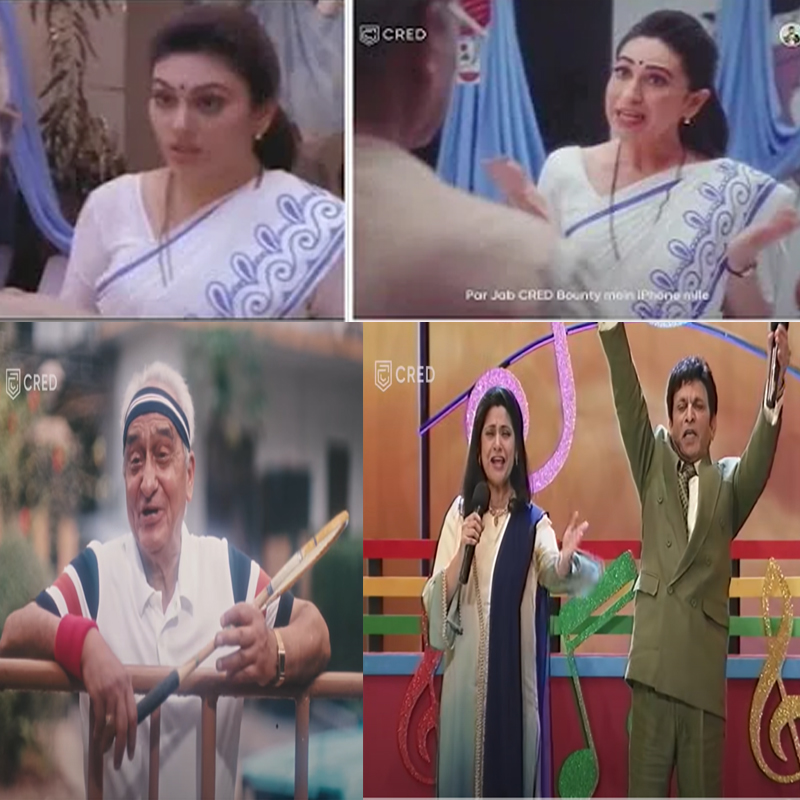
Mumbai: Love them or hate them, you can’t ignore them! Yes, we are referring to the ubiquitous Cred bounty ads. Whether you tune into Disney+ Hotstar to catch the day’s play of IPL or switch on your TV, the Cred bounty advertisements are out in full force. This time around, the brand turned the clock back to the 1990s, going on to serve the viewers a ‘bounty’ful of small screen nostalgia in a scene-by-scene recreation of the period’s all-too-familiar advertisements and television shows. There might even be a risk of overkill, with the jarringly repetitive call of “Cred Bounty” playing on a loop, ad nauseam.
Nostalgia done right? Let’s hear what the industry executives and discerning netizens have to say on the latest bounty of Cred ads unleashed on the unsuspecting viewer.
Cred ads have consistently played up the 90s nostalgia factor. Be it their 2020’s ‘Not everyone gets it’ IPL campaign with the decade’s popular film stars, playback singers, musicians who have you jamming to Cred jingles. Or its 2021’s ‘Great for the good’ IPL campaign, that had a staid Jim Sarbh doling out the credit card payment app’s virtues followed by a video of diverse celebs and sports stars from the decade in wholly uncharacteristic avatars. So we had a fuming, ballistic Rahul Dravid, a team of 90’s cricketers featuring in a boy-band and an eclectic Kapil Dev channelling his inner Ranveer Singh to the hilt. There was even a normally reticent, fresh off his Olympic-win Neeraj Chopra showing off his acting chops, though he technically belongs to this era.
These ads were high on entertainment quotient and managed to grab one’s attention without trying too hard. Of course, whether they helped sell the product or not, is another matter entirely.
For this year’s IPL season, the Bengaluru-based fintech brand has notably decided to play it a tad differently for its ‘Play it different’ 2022 IPL campaign, promoting its Cred Bounty feature.
So we have the vintage Nirma Super Detergent ad recreated with Karisma Kapoor starring as the modern-day ‘Deepikaji’ in a near-perfect reproduction of the original ad. Then there was the recreation of the 90’s popular reality TV show Antakshari with its original anchors, Annu Kapoor and Renuka Shahane pumping up the energy levels of their teams ‘Afsane,’ ‘Begane,’ and ‘Tarane’ as well as that of the viewers with their infectious enthusiasm. The latest in the series shows Sharma ji chatting up his neighbour Gupta ji about the prizes in store with Cred bounty, in yet another throwback to the 90s ads. All three of the brand’s latest attempt at rewinding the years are rendered in the definitive technicolour aesthetic of the retro-era that effectively transport one back in time.

While there were several individuals who felt the fintech brand is “revolutionising” the advertising industry with its novel and innovative marketing experiments to grab attention there were the naysayers too, with one user on social media going so far as to declare, “The only reason I am not seeing IPL this season is due to the flurry of irritating ads from Cred.”
“I don’t hate the new Cred ads. How can I hate something I don’t understand?,” posted Schbang creative strategist Devargh Mukherjee on LinkedIn, with several voices from the corporate world chiming in agreement.
Bombay Shaving Company founder and CEO Shantanu Deshpande noted tongue-in-cheek that the quality of the Cred ad is directly proportional to the value of the Cred coin.
Some were scathing in their critique. “Cred I guess you have bought the wrong book of 1000 best marketing ideas or got the wrong agency. Go buy another one or change your agency,” ABC Talkies founder and chief executive officer Shalibhadra Shah held.
The ads are conceptualised and written by the brand’s established team of writers, comprising Tanmay Bhat, Devaiah Bopanna, Puneet Chadha and Deep Joshi, and produced and directed by Early Man Film and Ayappa respectively.
“IPL with Cred is a platform for us to work with iconic celebrities in the most creative and twisted ways possible,” Ayappa had said of the latest 90’s blitzkrieg from the Cred factory.
There were many who lauded the campaign’s production values and attention to detail to reinvent the bygone era’s ads. “Bhai maan gaye, aapki soch and production dono ko,” extolled one netizen.
“What makes both the antakshari and the Karisma Kapoor ads stand out is the authentic recreation of the square-sized video and the then picture and sound quality, in order to hit the nostalgia among the credit card users,” stated SoCheers Film director Jitendra Hirawat to IndianTelevision.com. “For this year’s IPL campaign too, they picked up yet another strong insight that most credit card users in 2022 would have grown up in the 90s. Hence, the use of typical 90s ad templates for the execution,” he said, adding that, despite the execution for the campaign being “a little different from all their other properties,” it held up “Cred’s innovative USP.”
Independent brand strategist Ambi Parameshwaran had a differing point of view. “Cred advertising is attempting to do just one thing: Brand recall. Their ads featuring old film stars and cricketers were much talked about. Their recent series spoofing old ads is patchy. Some of the ads spoofed were hardly memorable to start with. And their spoofs are missing the zing of the Bappi Lahiri or Rahul Dravid spots,” he lamented.
According to White Rivers Media influencer marketing and video production director Tanish Shah the ad is well shot and packaged too, but slightly more could have been done instead of simply playing repeat. “Perhaps, a lot could have been done to explain the product than just speaking about a particular feature of the product – which is vital. Besides, if I think from that lens, it kind of missed the bus. I’d have to say that the earlier ads were much better, he added.
There were some who praised the creative agency but dissed the product, saying that Cred ads have done really well in using that to hide a “subpar” product.
Some industry executives also lauded the brand for the creative freedom the writers of their ads got, positioning “creative freedom” as the most important thing in marketing.
“Kudos to Cred for giving its agency free rein. However this is also reflective of the dangers of giving agencies free rein,” noted Singapore-based Ambrish Chaudhry on LinkedIn. “Half interesting idea but probably felt more powerful in the boardroom with its advertising and marketing echo chamber than in the real world. Also no consistency with the previous hugely successful campaign and no link to existing brand assets. This could have been an ad for any brand. In my opinion, the recall and link with Cred will be minimal,” he added.
Similar sentiments were echoed by several creatives. “While everyone’s talking about Cred, Jar, and Zepto for aptly portraying the 80s and 90s, some of us are still dealing with clients who’ve rejected similar ideas in the past and will probably show us these brand films tomorrow as a reference,” rued creative strategist Palak Kaur Anand.
Meanwhile, J Walter Thompson creative director Anurag Acharya wrote: I think there should be a ‘Cred’ category in ad awards for ads that cater to consumers, not to awards, made for products/services, not for a document called brief.
One argument that is consistently made out in favour of these ads are that they are meant to strike a nostalgic chord with their target audience- that’s the growing-up-in-the-90 generation and present day credit card users and payers. Millennials aren’t their TG. It’s the people in their late 30s, 40s and 50s, who are the majority spenders of their credit cards. It’s the perfect way to hook the 90s kid, felt many.
But is the “90s kid” such a prospective demographic as a customer for the brand? Apparently, yes!
“Well played, Cred, once again! 🙂 Attention-grabbing for those who have grown up with/ seen the older DD ad!,” communications strategy consultant Karthik Srinivasan posted about the campaign.
So, what is it about nostalgia and why do brands latch onto it for marketing?
Cred’s not the first, and far likely to be the last to peddle nostalgia- There’s beverage brand Paperboat, which right from its brand name to its packaging has been invoking nostalgia.
“Nostalgia marketing” is a strategy rooted in psychology, and these processes are incredibly effective. Because nostalgia makes us crave the past, and when used in advertising, it appeals on a sentimental, emotional, and powerful level to the audience.
Well, if the surge in traffic to its app is any indicator, the strategy seems to have paid off for the fintech brand, at least so far. The Cred app saw a spike in traffic to the tune of 10-20 times during the IPL powerplays this season, according to Ganesh Subramanian, who heads architecture at the fintech company.
So, whether it’s brickbats or bouquets its ads have been garnering, Cred may well be laughing its way to the bank! How much longer will the “nostalgia economy” work for the brand, however, remains to be seen.






Brands
Netflix India names Rekha Rane director of films and series marketing
Streaming giant bets on a seasoned marketer who helped build Amazon and Netflix into household names
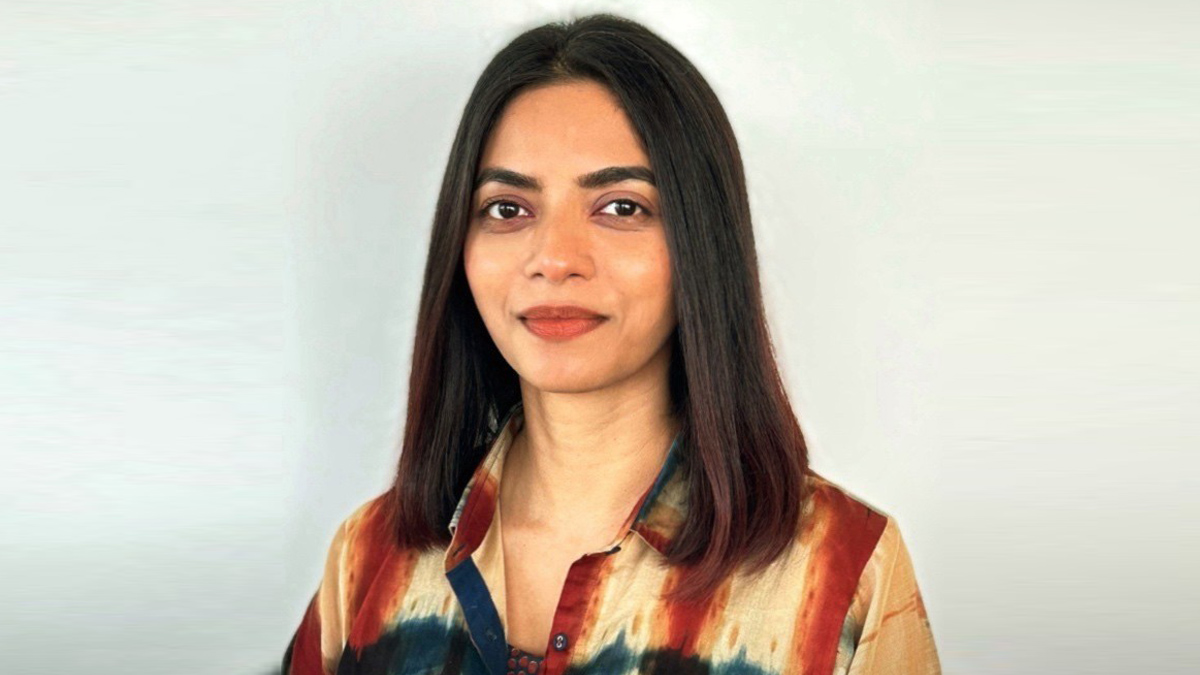
MUMBAI: Netflix has put a proven brand builder at the helm of its films and series marketing in India, naming Rekha Rane as director in a move that signals sharper focus on audience growth and cultural cut-through in one of its most hotly contested markets.
Rane steps into the role after seven years at Netflix, where she has quietly shaped how the platform sells stories to India. Her latest promotion, effective February 2026, crowns a run that spans brand, slate and product marketing across originals, licensed content and new verticals such as games.
A strategic marketing and communications professional with roughly 15 years’ experience, Rane has spent much of her career building technology-led consumer businesses and new categories, notably e-commerce and subscription video on demand. She was part of the early push that introduced Amazon.in, Prime Video and Netflix to Indian homes, then helped turn them into everyday brands.
At Netflix, she most recently served as head of brand and slate marketing for India from March 2024 to February 2026, leading teams across media and marketing for global and local content portfolios. Before that, as manager for original films and series marketing, she led IP creation and go-to-market strategy for titles including Guns and Gulaabs, Kaala Paani, The Railway Men* and The Great Indian Kapil Show, spanning both binge and weekly-release formats.
Her earlier Netflix roles covered product discovery and promotion in India and integrated campaign strategy to drive conversations around the content slate, product awareness and brand-equity metrics.
Before Netflix, Rane logged more than three years at Amazon in brand marketing roles in Bengaluru. There she handled national and regional campaigns for Amazon.in, worked on customer assistance programmes in growth geographies and contributed to the go-to-market strategy for the launch of Prime Video India.
Her career began well away from streaming. At Reliance Brands in Mumbai, she worked on retail marketing for Diesel and Superdry. A stint at Leo Burnett saw her work on primary research for P&G Tide, mapping Indian shoppers’ paths to purchase. Earlier still, at Orange in the United Kingdom, she rose from sales assistant to store manager, running a team and owning monthly P&L for a retail outlet.
The arc is telling. As global streamers fight for attention in a crowded Indian market, executives who understand both mass retail behaviour and digital habit-building are prized. Rane’s career sits at that intersection.
For Netflix, the bet is simple: in a market spoilt for choice, sharp marketing can still tilt the screen. And with Rane now leading the charge, the streamer is signalling it wants not just viewers, but fandom.
Brands
Orient Beverages pops the fizz with steady Q3 gains and rising profits
Kolkata-based beverage maker reports stronger revenues and profits for December quarter.
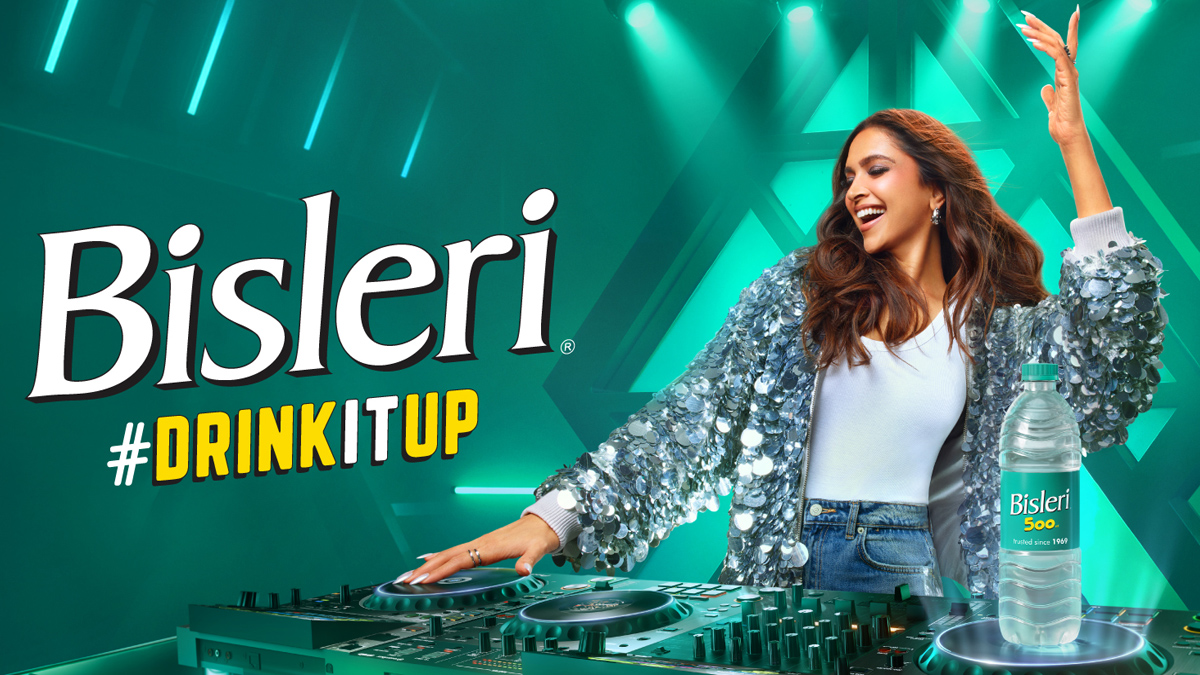
MUMBAI: A fizzy quarter with a steady aftertaste that’s how Orient Beverages Limited, the company that manufactures and distributes packaged drinking water under the brand name Bisleri closed the December 2025 period, as the Kolkata-based drinks maker reported improved revenues and a healthy rise in profits, signalling operational stability in a competitive beverage market.
For the quarter ended December 31, 2025, Orient Beverages posted standalone revenue from operations of Rs 39.98 crore, up from Rs 36.42 crore in the previous quarter and Rs 33.53 crore in the same quarter last year. Total income for the quarter stood at Rs 42.24 crore, reflecting consistent demand and stable pricing across its beverage portfolio.
Profit before tax for the quarter came in at Rs 3.47 crore, a sharp improvement from Rs 1.31 crore in the September quarter and Rs 0.39 crore a year ago. After accounting for tax expenses of Rs 0.79 crore, the company reported a net profit of Rs 2.68 crore, nearly three times the Rs 0.99 crore recorded in the preceding quarter.
On a nine-month basis, the momentum remained intact. Revenue from operations for the period ended December 31, 2025 rose to Rs 117.66 crore, compared with Rs 106.95 crore in the corresponding period last year. Net profit for the nine months climbed to Rs 5.51 crore, more than double the Rs 2.18 crore reported in the same period of the previous financial year.
The consolidated numbers told a similar story. For the December quarter, consolidated revenue from operations stood at Rs 45.06 crore, while profit after tax came in at Rs 2.06 crore. For the nine-month period, consolidated revenue touched Rs 133.57 crore, with net profit of Rs 4.49 crore, underscoring the group’s improving profitability trajectory.
Operating expenses remained largely controlled, with cost of materials, employee benefits and other expenses broadly aligned with revenue growth. The company continued to operate within a single reportable segment beverages simplifying its cost structure and reporting framework.
The unaudited financial results were reviewed by the Audit Committee and approved by the Board of Directors at its meeting held on 7 February 2026. Statutory auditors carried out a limited review and reported no material misstatements in the results.
In a market where margins are often squeezed by input costs and competition, Orient Beverages’ latest numbers suggest the company has found a reliable rhythm not explosive, but steady enough to keep the fizz alive.
Brands
BCCL profit jumps 53 per cent in FY25 as tax bill shrinks
Revenue rises 4.3 per cent to Rs 10,209.33 crore while deferred tax gain lifts bottom line sharply
NEW DELHI: Bennett, Coleman and Company (BCCL) has posted a sparkling set of financial results for the year ended 31 March 2025, proving that there is still plenty of ink and gold left in the ledger.
Revenue from operations climbed a steady 4.3 per cent, reaching Rs 10,209.33 crore compared to Rs 9,786.44 crore the previous year. When you sprinkle in other income, which rose 8.9 per cent to Rs 949.36 crore, the total income for the media behemoth hit a healthy Rs 11,158.69 crore.
While the income grew at a modest pace, the bottom line tells a far more dramatic story. The real headline is the 53 per cent surge in annual profit. How did they pull off such a feat? While Profit Before Tax (PBT) saw a gentle nudge upward of 2.7 per cent to Rs 1,610.00 crore, it was a vanishing act by the taxman that really did the trick.
Total tax expenses plummeted by 32.4 per cent, dropping from Rs 468.76 crore down to Rs 316.97 crore. This was largely thanks to a swing in deferred tax, moving from an expense of Rs 156.02 crore in FY24 to a benefit of Rs 39.44 crore this year.
Total income rose from Rs 10,658.55 crore in FY24 to Rs 11,158.69 crore in FY25, marking a 4.7 per cent increase. Total expenses grew at a slower pace, up 3.0 per cent from Rs 9,306.06 crore to Rs 9,581.45 crore. Profit before tax inched up 2.7 per cent, moving from Rs 1,567.02 crore to Rs 1,610.00 crore. However, the standout figure was net profit, which jumped sharply by 53.0 per cent, climbing from Rs 1,042.03 crore in FY24 to Rs 1,594.73 crore in FY25.
Despite the rising costs of doing business across the globe, BCCL kept a tight grip on the purse strings. Total expenses rose by just 3.0 per cent to Rs 9,581.45 crore. By keeping costs lower than the rate of income growth, the company ensured that the final figure, a net profit of Rs 1,594.73 crore, was nothing short of a front-page sensation.
In a world of shifting digital tides, it seems the BCCL ship is not just steady, but sailing into significantly wealthier waters.


MIB sets OTT accessibility rules, mandates captions and audio description

Boney Kapoor acquires remake rights of Tamil political satire Thalaivar Thambi Thalaimaiyil

Netflix India names Rekha Rane director of films and series marketing

Zabeen signs off from TV9 after shaping the network’s public voice

Dhawan steps up to bat for Delhi’s grassroots sports push

Orient Beverages pops the fizz with steady Q3 gains and rising profits

Cheekatilo shines in the dark with record debut on Prime Video

These ’90s fashion trends are making a comeback in 2017
The final 6 ‘Game of Thrones’ episodes might feel like a full season
According to Dior Couture, this taboo fashion accessory is back
The old and New Edition cast comes together to perform
Phillies’ Aaron Altherr makes mind-boggling barehanded play
Uber and Lyft are finally available in all of New York State
Disney’s live-action Aladdin finally finds its stars
MIB sets OTT accessibility rules, mandates captions and audio description
Boney Kapoor acquires remake rights of Tamil political satire Thalaivar Thambi Thalaimaiyil
Netflix India names Rekha Rane director of films and series marketing
Zabeen signs off from TV9 after shaping the network’s public voice
Dhawan steps up to bat for Delhi’s grassroots sports push
Orient Beverages pops the fizz with steady Q3 gains and rising profits
Cheekatilo shines in the dark with record debut on Prime Video
-

 News Broadcasting2 weeks ago
Mukesh Ambani, Larry Fink come together for CNBC-TV18 exclusive
-

 News Headline1 month ago
From selfies to big bucks, India’s influencer economy explodes in 2025
-
 e-commerce3 weeks ago
Swiggy Instamart’s GOV surges 103 per cent year on year to Rs 7,938 crore
-
 iWorld5 months ago
Billions still offline despite mobile internet surge: GSMA
-

 Applications2 months ago
28 per cent of divorced daters in India are open to remarriage: Rebounce
-

 News Headline1 month ago
2025: The year Indian sports saw chaos, comebacks, and breakthroughs
-

 News Headline1 week ago
JioStar announces biggest ever talent line-up for an ICC event
-

 iWorld2 weeks ago
Netflix celebrates a decade in India with Shah Rukh Khan-narrated tribute film
