
Brands
10 key mobile consumer trends for 2016


MUMBAI: ZenithOptimedia has unveiled 10 trends that show how technology will enable consumers to become increasingly mobile in their behaviour, presenting new engagement opportunities for brands.
Building on ZenithOptimedia’s recent research report with GlobalWebIndex – The Mobile Imperative – which found that young people around the world will spend more time accessing the internet via mobile than via all devices combined by 2018, the agency’s 2016 Trends reveal some of the ways in which people will shift to a truly mobile lifestyle.
Entitled ‘Empowering The Mobile Consumer,’ the 10 trends highlight the need for brands to adopt a truly ‘mobile first’ approach to marketing, as mobile moves from becoming just another medium in the mix, to the underlying platform for brand communication.
Trend 1 – From text to speech: Voice search revolutionises the mobile experience
Voice search has been available for nearly eight years now, but few consumer regularly use the facility. However, progress with speech recognition technology – making the facility easier and more reliable – and the move from mobile browsers to apps, is set to drive voice search in 2016. Brands will need to reassess their search strategies to take advantage of the different way in which people vocalise their searches.


Trend 2 – Go native: Custom-fit content for mobile consumers
With the rise of adblocking and banners becoming increasingly ineffective on mobile, ZenithOptimedia predicts native advertising will become an increasingly important way to engage consumers. Native ads match the form and function of the editorial environment in which they appear and circumvent the increasing adoption of privacy products that strip away banner and pop- up ads. Brands will need to assess the changes they need to make to the creative process in order to make native a key part of their marketing strategy.

Trend 3 – Emojional Intelligence: Brands speak the new mobile language
Emoji – digital images or icons that express an idea or emotion – are increasingly becoming part of the language of the mobile consumer. For millennials, emoji represent the language of now and opportunity. While some people are not interpreting the characters correctly, emoji can transcend cultural and language boundaries and present brands with a new and authentic way to engage millennials.

Trend 4 – The message is the medium: Brands use instant messaging to engage consumers
As the likes of Facebook and Twitter lose their appeal with millennials and Generation Z, instant messaging apps are set to become the platform of choice as young consumers become more interested in personal relationships with selected groups of friends and family. For brands, instant messaging is about delivering experiences that are more personalised and interactive, and have a higher chance of converting a transaction.

Trend 5 – Humanising m-commerce: Personal shopping goes mainstream
While mobile presents a wealth of new digital opportunity, consumers are becoming dissatisfied with automated recommendation services and are seeking personalisation with a human touch. ZenithOptimedia expects concierge-like services to spread beyond fashion and high-end retail to new categories in 2016, democratising the personal shopping experience. Several high-street brands in Europe are introducing personal styling appointments that are free of charge and can be easily booked via the mobile web. The agency expects this combination of mobile and in-store personalisation to grow in 2016.

Trend 6 – The Mobile Wallet: The rise of a new marketing platform
The Mobile Wallet – technology enabling consumers to pay in-store for products and services with their mobile phones – will emerge as a new marketing platform in 2016. Over the past year or so a host of ‘mobile wallets’ have launched – such as Apple Pay and Android Pay – and these are set to evolve into an effective marketing platform offering both services and brand content. China is leading the way here with mobile wallets offering services related to payments, such as loyalty programmes, bill sharing and coupons.

Trend 7 – 3 is a Magic Number: 3D printing goes mainstream
ZenithOptimedia believes that 3D printing will revolutionise consumer journeys over the next two years by becoming a faster, cost-effective method of providing consumers with new options to customise products based on their own data. As the technology improves and becomes cheaper, the 3D printing market is expected to quadruple by 2020 (source: Forbes), with China leading the consumer market with annual growth of 173 per cent. For brands, the opportunity is to deliver faster and cheaper products and to provide consumers with a truly customisable brand experience.

Trend 8 – New brand spaces: Retail experiences for the mobile consumer
More brands are making use of temporary physical spaces where consumers don’t just shop, but have shopping experiences. These spaces will increasingly allow consumers to have physical interactions with brands they have discovered or interacted with via the mobile web. Using mobile, shoppers can now shop seamlessly anytime, anywhere, but this rarely gives them serendipity – pop- up spaces enable brands to provide surprise and meaningful engagement.

Trend 9 – Servicing the m-shopper: Deliveries go round the clock
Online shoppers are now demanding faster and more convenient delivery. ZenithOptimedia believes that new technology and the rise of the sharing economy will allow brands to dispatch deliveries swiftly while fitting in with consumers’ busy schedules. For example, Norwegian start-up Nimber matches travellers with parcels through a location based algorithm, and Shutl offers local deliveries within 90 minutes, using an Uber-like approach.

Trend 10 – Mobile reality: Augmented experiences on the move
ZenithOptimedia believes virtual and augmented reality will become a mainstream consumer experience thanks to the launch of new cheaper headsets and the rise of mobile virtual reality apps. More smartphones are being designed with virtual reality in mind, and mobile devices will become the main driver of VR experiences. VR is already become an entirely new way for consumers to experience video on their smartphones. ZenithOptimedia ran the very first 360 degree video ad on Facebook in the UK for Nestle.



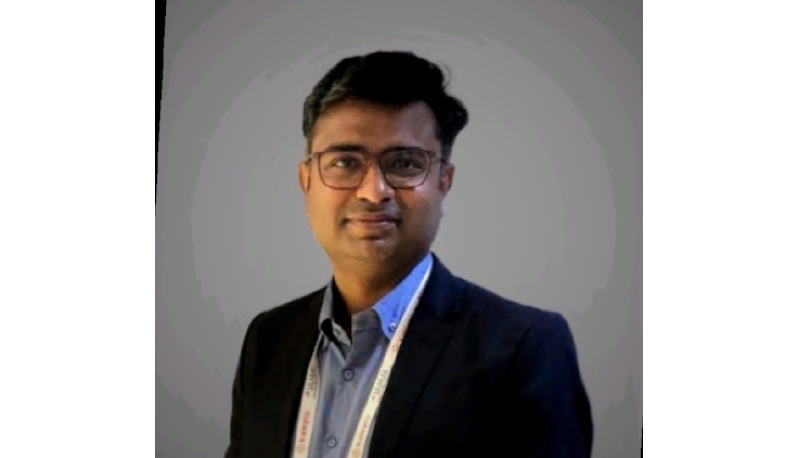

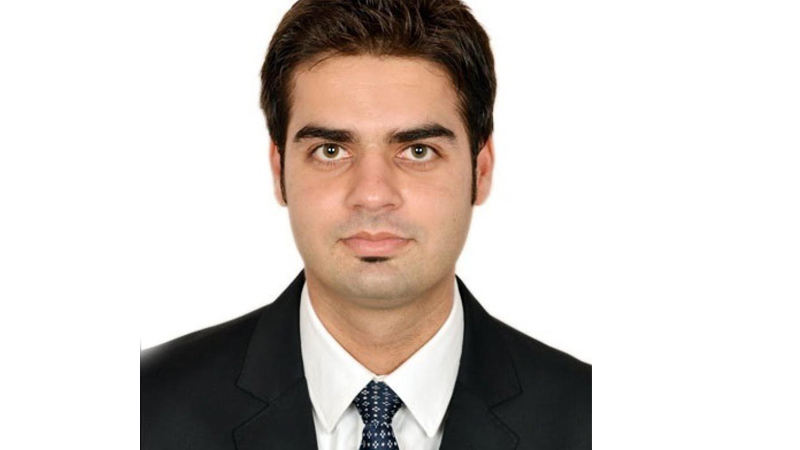
MUMBAI: Zepto has elevated Ahmad Muneeb to vice president – HR centre of excellence, placing him at the helm of the company’s total rewards, executive compensation and organisational effectiveness as the quick-commerce firm powers through a high-growth phase.
The move follows his stint as senior director of the HR COE, where he played a central role in preparing the company for IPO readiness while scaling its people analytics capabilities. During this period, Muneeb helped align complex performance management structures with more streamlined and scalable employee experience frameworks.
In his new role, he will steer the design of total rewards strategies, executive compensation planning and organisational design, while also overseeing performance management, employee experience initiatives and people analytics programmes.
Before joining Zepto, Muneeb spent nearly three years at Meesho, where he held multiple rewards and HR business partner roles. Earlier in his career, he worked as a senior rewards consultant at Mercer, advising high-tech clients on compensation benchmarking, pay structures and talent-focused reward frameworks.
He began his hr journey at Cognizant, where he supported compensation programmes for nearly two lakh employees across India and worked on m&a compensation alignment and skill-based pay initiatives. Prior to moving into HR, Muneeb started his career as a software engineer at Netcracker, bringing a technical grounding to his people strategy work.
With a mix of consulting rigour, start-up agility and enterprise-scale experience, Muneeb’s elevation signals Zepto’s continued focus on building robust people systems as it races towards its next phase of growth.
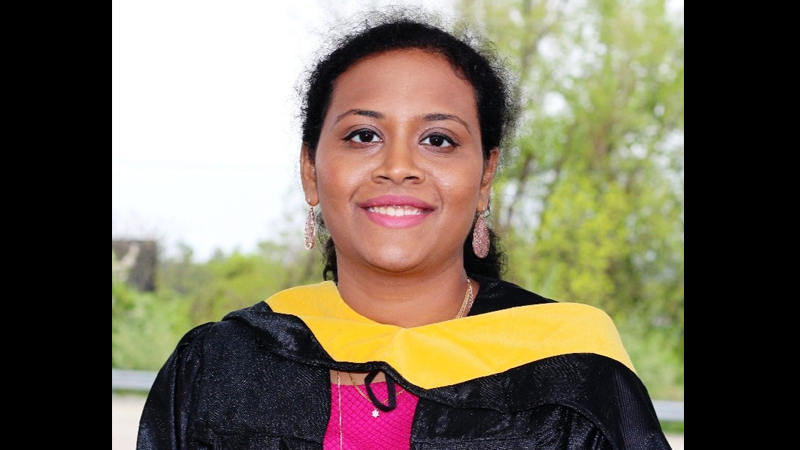
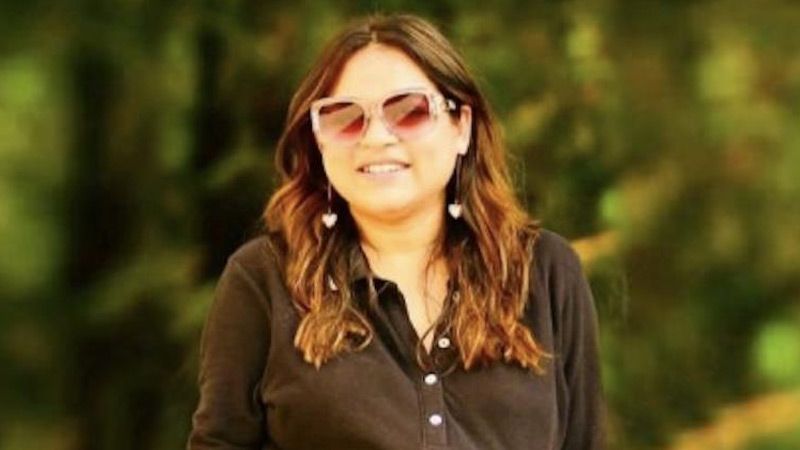
INDIA: Dell Technologies is doubling down on artificial intelligence in marketing. The company has elevated Aishwarya Sudhakar to director of marketing measures and intelligence engineering, tasking her with building an enterprise-wide framework for AI-led measurement and customer intelligence.
In the role, Sudhakar will oversee unified data strategy, advanced modelling and context engineering: areas increasingly central to how large technology firms link marketing performance to business outcomes. Her remit includes shaping scalable systems that support Dell’s next phase of AI deployment across marketing functions.
Sudhakar steps into the position after holding a series of senior roles at Dell, including AI lead for marketing orchestration, senior manager, and senior data scientist in customer insights. Across these roles, she led global teams working on large-scale machine learning models, data pipelines and customer analytics.
Before joining Dell, she began her career at Tata Consultancy Services as a systems engineer and later founded Oclor, a shopping discovery start-up, where she built end-to-end technology platforms. The combination of enterprise-scale data work and entrepreneurial experience has shaped her focus on product-led, engineering-first innovation.
As technology companies seek sharper attribution and intelligence in an AI-saturated market, Dell’s move underscores the growing importance of marketing measurement as an engineering discipline rather than a reporting function.
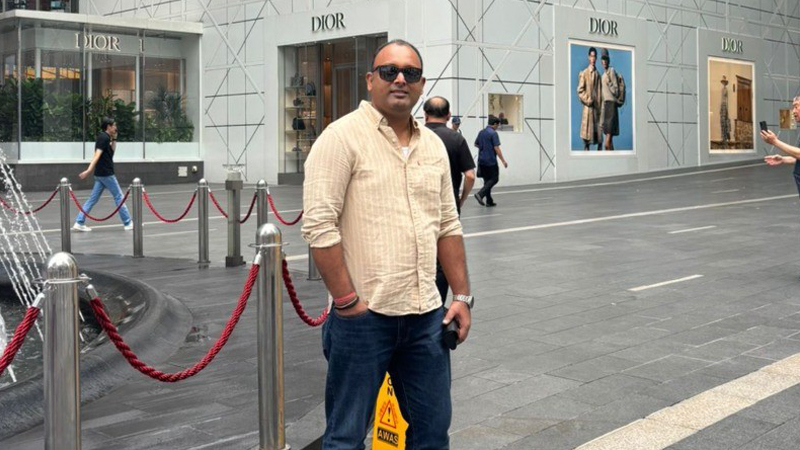
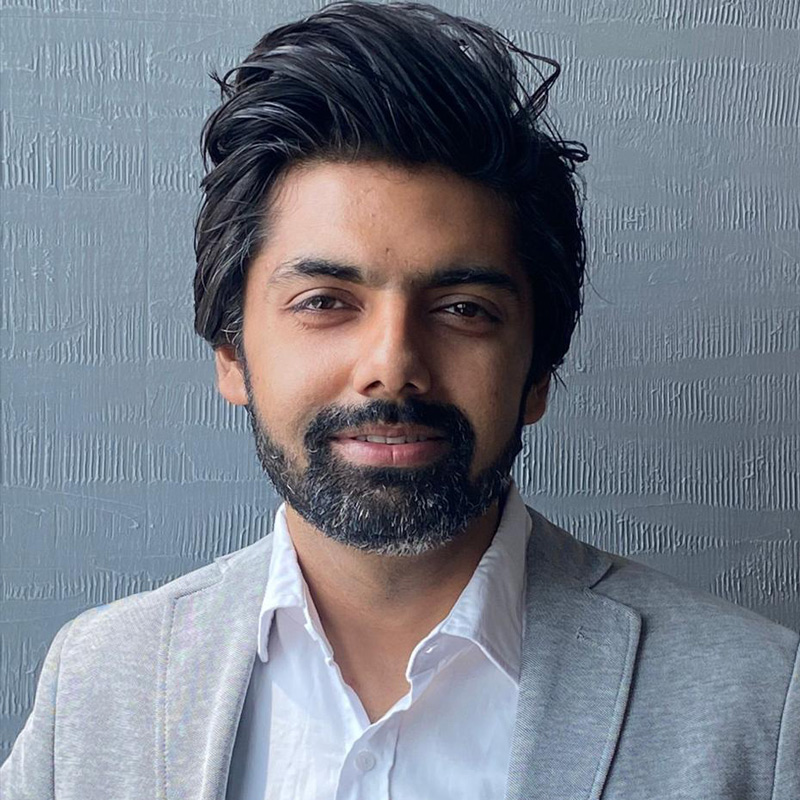
GURUGRAM: Adidas has appointed Gaurav Pathak as director of key and field accounts, bringing back an executive who began his leadership career at the company.
In the role, Pathak will be responsible for deepening strategic partnerships and expanding key, field and export accounts, with a mandate to accelerate growth across the Indian market. The appointment marks a return to Adidas after nearly a decade across premium retail and footwear brands.
Pathak most recently served as head of retail and business development at Ecco, where he focused on partner-led growth, market risk mitigation and operational scale. Before that, he spent eight years at House of Anita Dongre Limited, rising to general manager and leading regional operations across western and southern India.
His earlier career includes a stint as regional sales manager for Karnataka at United Colors of Benetton India and a six-year run at Adidas, where he held sales leadership roles.
With competition intensifying in India’s lifestyle and footwear market, Pathak’s brief will centre on strengthening field execution while aligning large accounts with Adidas’s broader commercial priorities.


Hamdard honours changemakers at Abdul Hameed awards

Why the Best Campaigns Today Start With Insights, Not Ideas

Ahmad Muneeb elevated to VP – HR centre of excellence at Zepto

Fans Take Centre Stage as Zee Cine Awards Turns the Spotlight Around

GUEST COLUMN: How content leaders decide what gets greenlit

The man who dubbed Lord of the Rings in 50 languages is stunned by Mumbai traffic

Dell names Aishwarya Sudhakar director of marketing intelligence

These ’90s fashion trends are making a comeback in 2017
The final 6 ‘Game of Thrones’ episodes might feel like a full season
According to Dior Couture, this taboo fashion accessory is back
The old and New Edition cast comes together to perform
Phillies’ Aaron Altherr makes mind-boggling barehanded play
Uber and Lyft are finally available in all of New York State
Disney’s live-action Aladdin finally finds its stars
Hamdard honours changemakers at Abdul Hameed awards
Why the Best Campaigns Today Start With Insights, Not Ideas
Ahmad Muneeb elevated to VP – HR centre of excellence at Zepto
Fans Take Centre Stage as Zee Cine Awards Turns the Spotlight Around
GUEST COLUMN: How content leaders decide what gets greenlit
The man who dubbed Lord of the Rings in 50 languages is stunned by Mumbai traffic
Dell names Aishwarya Sudhakar director of marketing intelligence
-

 News Broadcasting4 days ago
Mukesh Ambani, Larry Fink come together for CNBC-TV18 exclusive
-

 iWorld1 week ago
Netflix celebrates a decade in India with Shah Rukh Khan-narrated tribute film
-
 MAM3 months ago
HoABL soars high with dazzling Nagpur sebut
-
 MAM4 days ago
Nielsen launches co-viewing pilot to sharpen TV measurement
-
 iWorld12 months ago
BSNL rings in a revival with Rs 4,969 crore revenue
-
 I&B Ministry3 months ago
India steps up fight against digital piracy
-
 iWorld3 months ago
Tips Music turns up the heat with Tamil party anthem Mayangiren
-

 Film Production1 week ago
UFO Moviez rides high on strong Q3 earnings
