
iWorld
ZEE5 unveils their december – binge holidays calendar


MUMBAI: ZEE5 has witnessed exponential growth in the last year with more than 75+ Originals premiering on the platform across languages and genres. The platform has also successfully acquired blockbuster films, launched India’s first and only fiction gamification ZEE5 Super Family (ZSF), announced big tie-ups with production houses, telcos, Smart TV brands and over and above this enhanced the UI to ensure better user experience.
The platform premiered some reverberating original stories which earned audience appreciation and multiple awards this season. Adding to this mix, they are now raising the bar higher with shows like The Chargesheet: Innocent or Guilty, Rangbaaz Phirse, Ragini MMS Returns Season 2, Karoline Kamakshi (Telugu Series) and the direct to digital premiere of the film Line of Descent to name a few
The December Calendar launch was a glitzy event with the starcast of various shows being present.
The evening started with ZEE5 Programming Head Aparna Acharekar, , India addressing the guests and announcing that the platform has initiated a welfare fund for the army as a gesture to salute our heroes. She then personally called upon stage a special guest, Lt. Colonel Sundeep Sen who was part of the NSG Commandos who were called upon to take charge of the situation during the 26/11 attack.
Also, present was producer Abhimanyu Singh, Contiloe Pictures and actors Arjan Bajwa & Arjun Bijlani who are part of the upcoming ZEE5 series The Siege: 26/11 slated to release, early next year.

The evening then moved to the unveiling of the calendar AV in the presence of the eclectic cast Jimmy Sheirgill, Sharad Kelkar, Sushant Singh, Neeraj Kabi, Arunoday Singh, Shiv Panditt, Tridha Choudhury, Varun Sood, Divya Agarwal, Giorgia Adriani amongst others.
Also, present was CEO Sunburn, Karan Singh and Indian music producer and DJ, Anish Sood and from the Sunburn Festival which is taking place in Goa on 27 December’19 and will be live streamed exclusively on ZEE5.
With all the shows and this stellar line-up, ZEE5 has an action packed December planned for viewers to end the year with full of entertainment. Attached below are show details for a quick glance.
Show Details as follows:
· Line of Descent: Starring Abhay Deol, Ronit Roy, Prem Chopra, Neeraj Kabi, Ali Haji and Brendan Fraser the film, is set against the backdrop of Delhi, the story revolves around an Indian mafia family at war with itself following the death of the patriarch. The film will premiere in India, on 4th December exclusively on ZEE5.
Trailer link: https://www.zee5.com/videos/details/line-of-descent-trailer/0-0-99308
Karoline Kamakshi : Starring Meena, Georgia, Angelina and Anto, the series revolves around Karoline, a badass French detective, and Kamakshi, a traditional Tamil brahmin girl and how they are required to work together with a common motive of catching the infamous drug lord, Furkin. The series heavily laced with humour is all set to release on 5th December exclusively on ZEE5
Trailer Link: https://www.zee5.com/zee5originals/details/karoline-kamakshi/0-6-2167
Ragini MMS Returns Season 2: Starring Divya Agarwal, Varun Sood, Navneet Kaur, Thea Dsuuza, Aarti Khetarpal and Mohit Duseja is a new spine-chilling erotic tale. The story revolves around Ragini who goes for an all girls’ trip and how things go horribly wrong when they check into a haunted hotel.
The Chargesheet – Innocent or Guilty : Starring Arunoday Singh, Tridha Choudhury, Shiv Panditt, Hrishita Bhatt, Ashwini Kalsekar, Kishori Shahane, Shakti Anand and Sikandar Kher, the show is unravels the story of a badminton player who was shot dead in broad daylight.
Trailer Link: https://www.zee5.com/zee5originals/details/the-chargesheet-innocent-or-guilty/0-6-2208
Rangbaaz Phirse : Starring Jimmy Sheirgill, Gul Panag, Sushant Singh and Spruha Joshi in lead roles the series highlights the story of a young guy who falls through the cracks because of politics and is robbed of his youth which subsequently ruins his life. It is about misguided manipulative youth. The nine-episode series highlights how an individual is not born as a criminal but becomes one because of the circumstances around him. #NotBornACriminal
Trailer Link: https://www.zee5.com/zee5originals/details/rangbaaz/0-6-1138/rangbaaz-phirse-trailer/0-1-293898










iWorld
Cheekatilo shines in the dark with record debut on Prime Video
A crime thriller steps out of the shadows as Telugu storytelling claims centre stage.
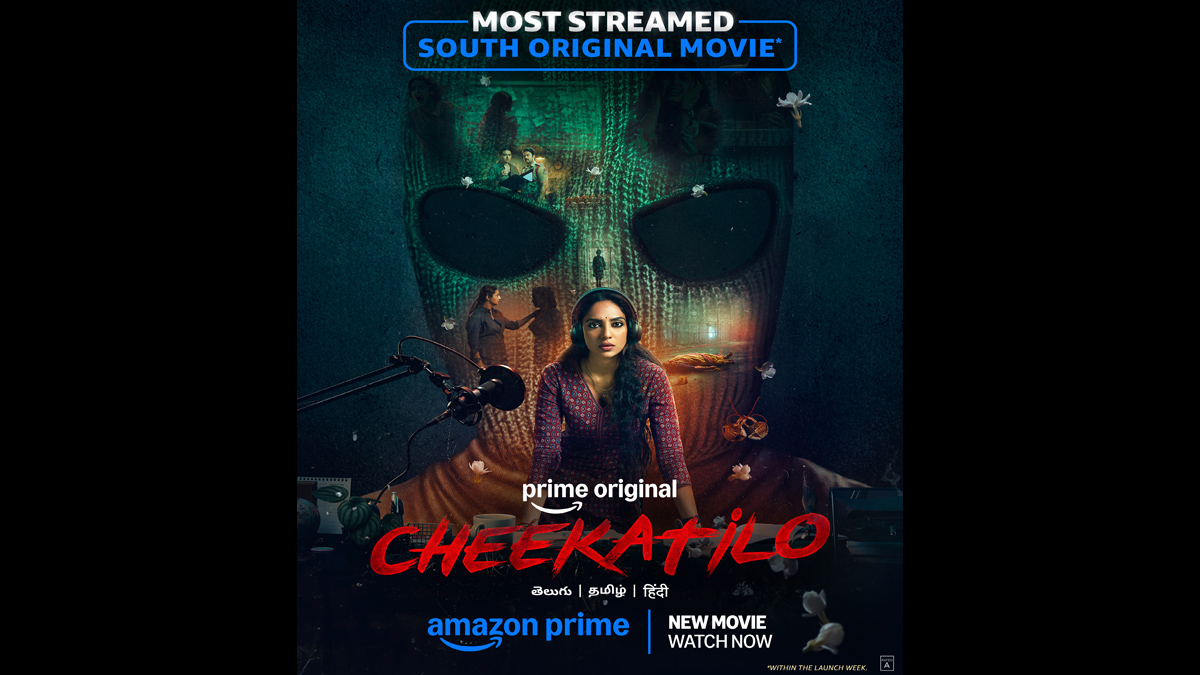
MUMBAI: Sometimes, the darkest stories travel the farthest. Prime Video’s latest Telugu original Cheekatilo has done exactly that, clocking a record-breaking launch week and emerging as the most-streamed south original movie on the platform during its debut period.
Premiering worldwide on January 23, the edge-of-the-seat crime suspense trended at the top through its opening weekend and reached viewers across 89 per cent of India’s pin codes, underlining its rare ability to cut across regions, languages and viewing habits. The performance marks a significant milestone for Prime Video’s south originals slate, reflecting the rising national appetite for tightly written, character-driven narratives.
Beyond the numbers, Cheekatilo’s success highlights a broader shift in audience preferences. The strong engagement around the film points to the growing demand for female-led storytelling, with viewers gravitating towards grounded, intense narratives rooted in real-world settings. The film’s national traction reinforces the idea that language is no longer a barrier when the story holds its nerve.
Prime Video India director and head of originals Nikhil Madhok said the response to Cheekatilo reflects the momentum of South Originals and the increasing resonance of bold, genre-driven stories. He noted that the film’s gripping narrative and performances kept audiences hooked from start to finish, strengthening Prime Video’s positioning as a destination for distinctive storytelling with cultural authenticity.
Directed by Sharan Kopishetty and produced by D. Suresh Babu under the Suresh Productions banner, Cheekatilo is written by Chandra Pemmaraju and Kopishetty. The film stars Sobhita Dhulipala as Sandhya, alongside Viswadev Rachakonda, with Chaitanya Visalakshmi, Esha Chawla, Jhansi, Aamani and Vadlamani Srinivas in pivotal roles.
Set against the urban pulse of Hyderabad, the film adds another strong chapter to Prime Video’s expanding catalogue of south originals. With its launch-week dominance and widespread reach, Cheekatilo proves that when storytelling hits the right note, even the darkest tales can command the brightest spotlight.
Gaming
Checkmate Goes Digital as Chess Joins Esports Nations Cup 2026
From boards to bytes, chess readies for a nation-first showdown in Riyadh.
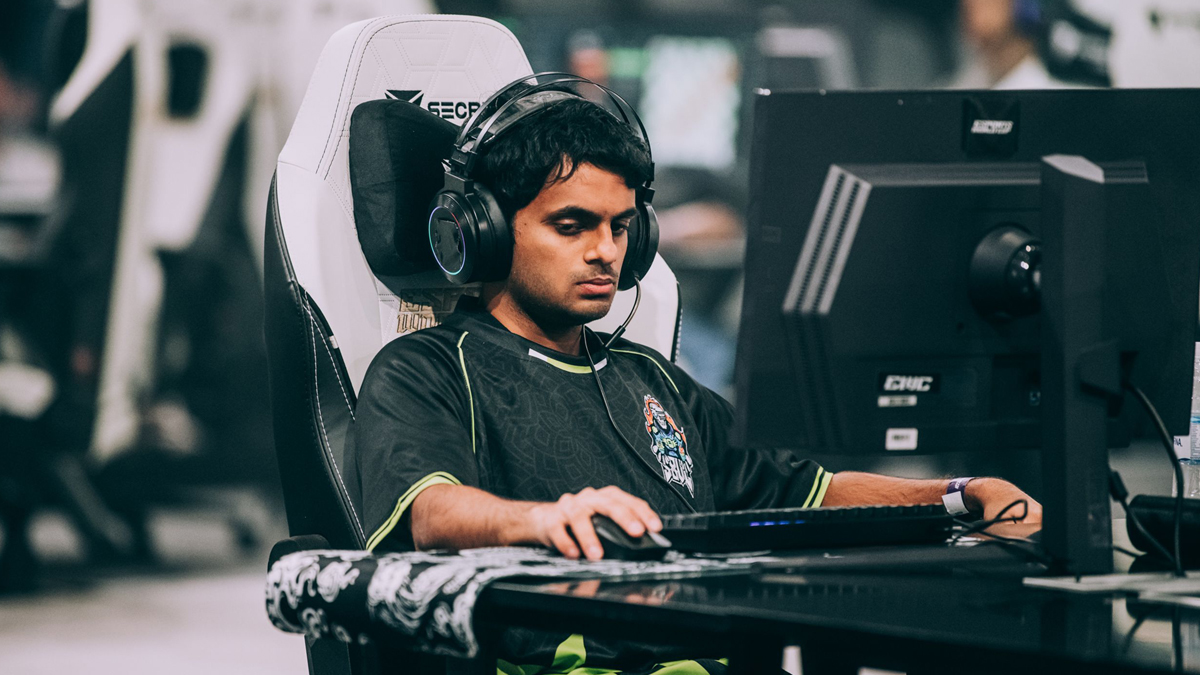
MUMBAI: When pawns meet power plays, the game changes. Chess, the world’s oldest mind sport, is officially stepping deeper into the digital arena after the Esports World Cup Foundation confirmed it as one of 16 titles at the inaugural Esports Nations Cup 2026, set to unfold in Riyadh from 2 to 29 November.
For a game synonymous with quiet halls and ticking clocks, this is a bold move. Chess at ENC 2026 promises scale, spectacle and serious competition, fielding an unprecedented 128 players and opening the board to fresh talent and underrepresented nations as the sport’s esports evolution gathers pace.
The chess competition will run from November 2 to November 8, culminating in a playoff final. The opening phase features 128 players split into 16 round-robin groups of eight, with the top four from each group advancing.
That leaves 64 players battling it out in a single-elimination playoff bracket. Early rounds will be best-of-two, while the quarterfinals onward step up to best-of-four encounters. Deadlocks will be settled via Armageddon tie-breakers, and all matches will be played in a Rapid 10+0 format, designed for speed, tension and drama.
National pride is front and centre. Of the 128 slots, 64 players will receive direct invitations based on Champions Chess Tour rankings, limited to one per nation. Another 56 players will qualify through regional online qualifiers, while eight wildcard spots round out the field.
Qualifiers will be hosted by Chess.com across seven regions, including Middle East + India + Central Asia, with two qualifier windows in June 2026. Each country can field a maximum of two players, ensuring both depth and diversity across the draw.
Chess already tasted esports stardom at the 2025 Esports World Cup, where 20 nations were represented and the intensity surprised even purists. The event ended with Magnus Carlsen lifting the title for Team Liquid, sealing chess’s credentials as a natural fit for high-stakes digital competition.
India’s top-ranked player Arjun Erigaisi called the experience “unlike any chess tournament I’ve played before”, adding that the energy of the esports stage is drawing new audiences into the game.
For commentators and fans alike, the shift to a nation-based format raises the stakes. Chessbase India co-founder Sagar Shah likened the moment to the excitement of the Chess Olympiad, while grandmaster and broadcaster Tania Sachdev said the national format adds “pride, pressure and passion” that pulls viewers in deeper.
From silent calculation to roaring crowds, chess at the Esports Nations Cup 2026 is less about moving pieces and more about moving perceptions. Checkmate, it seems, has gone fully digital.
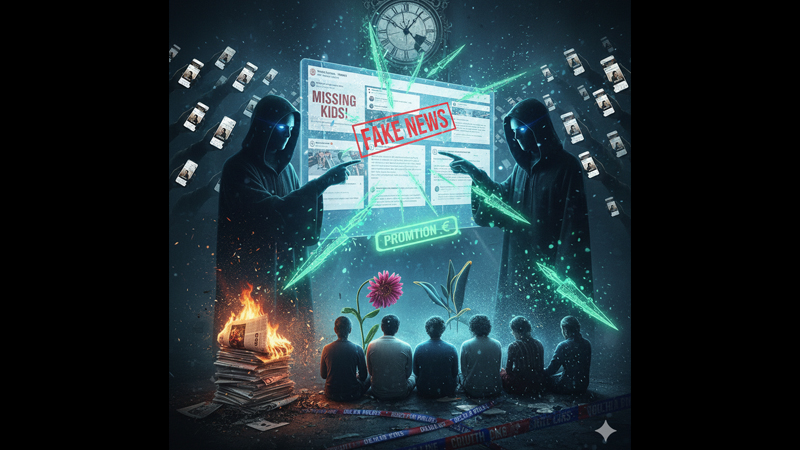
A wave of panic swept through Delhi and Mumbai over the past week as viral social media posts claimed a sudden spike in missing and kidnapped children. The alarm bells proved false. Both cities’ police forces issued categorical denials, pointing fingers at paid promotion and rumour-mongering designed to create public hysteria. The twist: fingers are now pointing at Yash Raj Films, accused of orchestrating the scare as guerrilla marketing for Mardaani 3, its upcoming vigilante thriller about child trafficking.
The episode lays bare a darker truth about India’s social media ecosystem. With smartphone penetration soaring and screen time at record highs, paid promotion tools have become weapons of mass hysteria. A few thousand rupees can boost a post to millions of eyeballs within hours. When that post plays on primal fears like child safety, verification becomes an afterthought. Users share first, question later. The result: manufactured crises that feel real until authorities scramble to debunk them.
Delhi Police took to Instagram 23 hours ago with a blunt message: “After following a few leads, we discovered that the hype around the surge in missing girls in Delhi is being pushed through paid promotion. Creating panic for monetary gains won’t be tolerated, and we’ll take strict action against such individuals.” The post, captioned “Facts matter, Fear doesn’t”, made clear the force’s irritation at being dragged into what it views as a manufactured crisis.
Mumbai Police followed suit, issuing a statement denying claims of kidnappings. “Certain social media handles are misrepresenting data and indulging in rumour-mongering regarding cases of missing and kidnapped children. We categorically deny these claims,” the force wrote. It added that FIRs were being registered against those “deliberately spreading false information and creating public panic.”
The misinformation spread with startling effectiveness. Popular Instagram and Twitter accounts, some with hundreds of thousands of followers, shared alarming statistics and anecdotal reports of vanished children, tagging police handles and demanding action. The posts gained traction quickly, amplified by concerned parents and activists. Only when both police forces traced the origin of the claims did the facade crumble: many of the viral posts were boosted through paid promotion, a telltale sign of coordinated astroturfing rather than organic concern.
Enter Yash Raj Films, the 50-year-old production house behind the Mardaani franchise. The series, starring Rani Mukerji as a no-nonsense cop battling human trafficking rings, has built its brand on gritty, socially conscious thrillers. Mardaani 3 is in production, and online chatter swiftly connected the dots between the missing persons panic and the film’s subject matter. Accusations flew: had YRF seeded fake stories to drum up buzz for its vigilante cop sequel?
YRF issued a furious rebuttal. “Yash Raj Films is a 50-year-old company founded on the core principles of being highly ethical and transparent,” a spokesperson said. “We strongly deny the accusations floating on social media that Mardaani 3’s promotional campaign has deliberately sensationalised a sensitive issue like this and we have immense trust in our authorities that they will share all facts and truths in due course of time.”
The denial is categorical, but scepticism lingers. Guerrilla marketing, viral hoaxes masquerading as public service announcements, manipulated data: these are not unheard of in Bollywood’s playbook, though rarely deployed on such a sensitive issue. Child safety is a third rail; exploiting it for box office returns crosses a line even by the industry’s elastic ethical standards.
Yet the evidence tying YRF directly to the posts remains circumstantial. No smoking gun links the production house to the paid promotions flagged by police. What is clear is that someone paid to amplify posts about missing children at precisely the moment a film about missing children was in the public eye. Whether that someone was a rogue marketing agency, an overzealous publicist, or a bad actor with no YRF connection remains murky.
The fallout is reputational. YRF, which has cultivated a family-friendly, socially responsible image across five decades, now finds itself defending against accusations of weaponising child safety fears. The Mardaani franchise, built on the premise of protecting the vulnerable, risks being tarred as exploitative. Rani Mukerji, the face of the series, has yet to comment.
For Delhi and Mumbai police, the episode is a reminder of social media’s double-edged sword. The platforms amplify genuine crises but also manufacture fake ones with alarming ease. Paid promotion tools, designed to help legitimate businesses reach audiences, can just as easily turbocharge hoaxes. Distinguishing signal from noise requires resources and speed that overstretched forces often lack.
India’s social media consumption has exploded. The average urban user now spends over four hours daily on platforms, doom-scrolling through an endless feed of news, gossip and outrage. Algorithms prioritise engagement over accuracy, pushing emotionally charged content to the top. A post about missing children triggers immediate shares; a dry police denial struggles for traction. By the time fact-checkers mobilise, the lie has circled the country thrice.
Paid promotion supercharges this dynamic. For as little as Rs2,000, anyone can boost a post to lakhs of users, targeting specific demographics and geographies. The tools are legitimate, used daily by small businesses and political campaigns. But in the wrong hands, they become misinformation missiles. A fabricated crisis about child kidnappings, amplified by paid reach, looks indistinguishable from organic concern. Users see friends sharing it, assume it must be true, and hit repost. The cascade is self-reinforcing.
The broader pattern is troubling. Misinformation thrives on emotional triggers: fear for children, distrust of institutions, calls to action. A viral post claiming kidnappings demands immediate sharing; verifying it feels like wasted time when lives might be at stake. By the time authorities debunk the claims, the damage is done. Panic has spread, trust in institutions has eroded, and the original purveyors of the hoax have vanished into the digital ether.
This is the new normal. Every week brings a fresh panic: contaminated food, imminent disasters, communal violence rumours. Most prove baseless. Yet each one finds traction because social media rewards speed over truth. The infrastructure designed to connect people now excels at frightening them. Platforms profit from the chaos; advertisers pay for eyeballs regardless of whether the content is fact or fiction. The incentives are perverse, and there is no fix in sight.
Whether YRF is guilty or merely collateral damage in a misinformation campaign will depend on what authorities uncover in their investigations. The production house insists it has “immense trust” that police will reveal the truth. If that truth exonerates YRF, the studio will still carry the stain of association. If it implicates them, Mardaani 3 will enter cinemas under a cloud that no amount of box office success can dispel.
For now, the message from both police forces is unambiguous: there is no surge in missing children, the panic was engineered, and those responsible will face consequences. Parents can exhale. Social media users might want to pause before hitting share. And Bollywood’s marketers, ethical or otherwise, have been put on notice: weaponising fear for profit will not go unpunished.
A wave of panic swept through Delhi and Mumbai over the past week as viral social media posts claimed a sudden spike in missing and kidnapped children. The alarm bells proved false. Both cities’ police forces issued categorical denials, pointing fingers at paid promotion and rumour-mongering designed to create public hysteria. The twist: fingers are now pointing at Yash Raj Films, accused of orchestrating the scare as guerrilla marketing for Mardaani 3, its upcoming vigilante thriller about child trafficking.
The episode lays bare a darker truth about India’s social media ecosystem. With smartphone penetration soaring and screen time at record highs, paid promotion tools have become weapons of mass hysteria. A few thousand rupees can boost a post to millions of eyeballs within hours. When that post plays on primal fears like child safety, verification becomes an afterthought. Users share first, question later. The result: manufactured crises that feel real until authorities scramble to debunk them.
Delhi Police took to Instagram 23 hours ago with a blunt message: “After following a few leads, we discovered that the hype around the surge in missing girls in Delhi is being pushed through paid promotion. Creating panic for monetary gains won’t be tolerated, and we’ll take strict action against such individuals.” The post, captioned “Facts matter, Fear doesn’t”, made clear the force’s irritation at being dragged into what it views as a manufactured crisis.
Mumbai Police followed suit, issuing a statement denying claims of kidnappings. “Certain social media handles are misrepresenting data and indulging in rumour-mongering regarding cases of missing and kidnapped children. We categorically deny these claims,” the force wrote. It added that FIRs were being registered against those “deliberately spreading false information and creating public panic.”
The misinformation spread with startling effectiveness. Popular Instagram and Twitter accounts, some with hundreds of thousands of followers, shared alarming statistics and anecdotal reports of vanished children, tagging police handles and demanding action. The posts gained traction quickly, amplified by concerned parents and activists. Only when both police forces traced the origin of the claims did the facade crumble: many of the viral posts were boosted through paid promotion, a telltale sign of coordinated astroturfing rather than organic concern.
Enter Yash Raj Films, the 50-year-old production house behind the Mardaani franchise. The series, starring Rani Mukerji as a no-nonsense cop battling human trafficking rings, has built its brand on gritty, socially conscious thrillers. Mardaani 3 is in production, and online chatter swiftly connected the dots between the missing persons panic and the film’s subject matter. Accusations flew: had YRF seeded fake stories to drum up buzz for its vigilante cop sequel?
YRF issued a furious rebuttal. “Yash Raj Films is a 50-year-old company founded on the core principles of being highly ethical and transparent,” a spokesperson said. “We strongly deny the accusations floating on social media that Mardaani 3’s promotional campaign has deliberately sensationalised a sensitive issue like this and we have immense trust in our authorities that they will share all facts and truths in due course of time.”
The denial is categorical, but scepticism lingers. Guerrilla marketing, viral hoaxes masquerading as public service announcements, manipulated data: these are not unheard of in Bollywood’s playbook, though rarely deployed on such a sensitive issue. Child safety is a third rail; exploiting it for box office returns crosses a line even by the industry’s elastic ethical standards.
Yet the evidence tying YRF directly to the posts remains circumstantial. No smoking gun links the production house to the paid promotions flagged by police. What is clear is that someone paid to amplify posts about missing children at precisely the moment a film about missing children was in the public eye. Whether that someone was a rogue marketing agency, an overzealous publicist, or a bad actor with no YRF connection remains murky.
The fallout is reputational. YRF, which has cultivated a family-friendly, socially responsible image across five decades, now finds itself defending against accusations of weaponising child safety fears. The Mardaani franchise, built on the premise of protecting the vulnerable, risks being tarred as exploitative. Rani Mukerji, the face of the series, has yet to comment.
For Delhi and Mumbai police, the episode is a reminder of social media’s double-edged sword. The platforms amplify genuine crises but also manufacture fake ones with alarming ease. Paid promotion tools, designed to help legitimate businesses reach audiences, can just as easily turbocharge hoaxes. Distinguishing signal from noise requires resources and speed that overstretched forces often lack.
India’s social media consumption has exploded. The average urban user now spends over four hours daily on platforms, doom-scrolling through an endless feed of news, gossip and outrage. Algorithms prioritise engagement over accuracy, pushing emotionally charged content to the top. A post about missing children triggers immediate shares; a dry police denial struggles for traction. By the time fact-checkers mobilise, the lie has circled the country thrice.
Paid promotion supercharges this dynamic. For as little as Rs 2,000, anyone can boost a post to lakhs of users, targeting specific demographics and geographies. The tools are legitimate, used daily by small businesses and political campaigns. But in the wrong hands, they become misinformation missiles. A fabricated crisis about child kidnappings, amplified by paid reach, looks indistinguishable from organic concern. Users see friends sharing it, assume it must be true, and hit repost. The cascade is self-reinforcing.
The broader pattern is troubling. Misinformation thrives on emotional triggers: fear for children, distrust of institutions, calls to action. A viral post claiming kidnappings demands immediate sharing; verifying it feels like wasted time when lives might be at stake. By the time authorities debunk the claims, the damage is done. Panic has spread, trust in institutions has eroded, and the original purveyors of the hoax have vanished into the digital ether.
This is the new normal. Every week brings a fresh panic: contaminated food, imminent disasters, communal violence rumours. Most prove baseless. Yet each one finds traction because social media rewards speed over truth. The infrastructure designed to connect people now excels at frightening them. Platforms profit from the chaos; advertisers pay for eyeballs regardless of whether the content is fact or fiction. The incentives are perverse, and there is no fix in sight.
Whether YRF is guilty or merely collateral damage in a misinformation campaign will depend on what authorities uncover in their investigations. The production house insists it has “immense trust” that police will reveal the truth. If that truth exonerates YRF, the studio will still carry the stain of association. If it implicates them, Mardaani 3 will enter cinemas under a cloud that no amount of box office success can dispel.
For now, the message from both police forces is unambiguous: there is no surge in missing children, the panic was engineered, and those responsible will face consequences. Parents can exhale. Social media users might want to pause before hitting share. And Bollywood’s marketers, ethical or otherwise, have been put on notice: weaponising fear for profit will not go unpunished.


MIB sets OTT accessibility rules, mandates captions and audio description

Boney Kapoor acquires remake rights of Tamil political satire Thalaivar Thambi Thalaimaiyil

Netflix India names Rekha Rane director of films and series marketing

Zabeen signs off from TV9 after shaping the network’s public voice

Dhawan steps up to bat for Delhi’s grassroots sports push

Orient Beverages pops the fizz with steady Q3 gains and rising profits

Cheekatilo shines in the dark with record debut on Prime Video

These ’90s fashion trends are making a comeback in 2017
The final 6 ‘Game of Thrones’ episodes might feel like a full season
According to Dior Couture, this taboo fashion accessory is back
The old and New Edition cast comes together to perform
Phillies’ Aaron Altherr makes mind-boggling barehanded play
Uber and Lyft are finally available in all of New York State
Disney’s live-action Aladdin finally finds its stars
MIB sets OTT accessibility rules, mandates captions and audio description
Boney Kapoor acquires remake rights of Tamil political satire Thalaivar Thambi Thalaimaiyil
Netflix India names Rekha Rane director of films and series marketing
Zabeen signs off from TV9 after shaping the network’s public voice
Dhawan steps up to bat for Delhi’s grassroots sports push
Orient Beverages pops the fizz with steady Q3 gains and rising profits
Cheekatilo shines in the dark with record debut on Prime Video
-

 e-commerce3 weeks ago
Swiggy Instamart’s GOV surges 103 per cent year on year to Rs 7,938 crore
-

 News Headline1 month ago
From selfies to big bucks, India’s influencer economy explodes in 2025
-

 News Broadcasting2 weeks ago
Mukesh Ambani, Larry Fink come together for CNBC-TV18 exclusive
-
 iWorld5 months ago
Billions still offline despite mobile internet surge: GSMA
-

 News Headline2 months ago
2025: The year Indian sports saw chaos, comebacks, and breakthroughs
-

 Applications2 months ago
28 per cent of divorced daters in India are open to remarriage: Rebounce
-

 News Headline2 months ago
Game on again as 2025 powers up a record year and sets the stage for 2030
-
 MAM2 years ago
Costa Coffee becomes official coffee partner of Olympic Games Paris 2024
