Category: Terrestrial

  • Share all World Cup, T-20 feeds with Prasar Bharati, rights holder told

    Share all World Cup, T-20 feeds with Prasar Bharati, rights holder told

    NEW DELHI: The telecast of all official one-day and Twenty-20 matches played by the Indian Men’s Cricket Team will henceforth have to be shared by the rights holder with the public broadcaster Prasar Bharati under the Sports Broadcasting Signals (Mandatory Sharing with Prasar Bharati) Act 2007.

    A Gazette notification issued on 22 October 2016 and placed on the Information and Broadcasting Ministry website today also states that this includes “such Test matches as are considered to be of high public interest by the Central Government.”

    In addition, the notification says this also includes semi-finals and finals of Men’s World Cup and International Cricket Council Championship Trophy will also figure among the the sporting events of national importance with respect to cricket.

    The notification has been issued by the Government under Section 2 (1) of the Act read with Rule 6(1) of the Sports Broadcast Signals (Mandatory Sharing with Prasar Bharati) Rules 2007. The notification issued by the joint secretary Anju Nigam, says this is in supersession of the notification of the Government of 23 August 2012.

    A Ministry source told indiantelevision.com that the notification had been issued in view of some cases filed earlier in the different courts and to avoid further litigation with regard to sharing the feed with All India Radio and Doordarshan with regard to cricket.Motion Pictures Association, MPA, Netflix, RedBull Media House, torrent, forensic watermarking, online piracy

  • Broadcasters not opposed to DTT, but want safeguards

    Broadcasters not opposed to DTT, but want safeguards

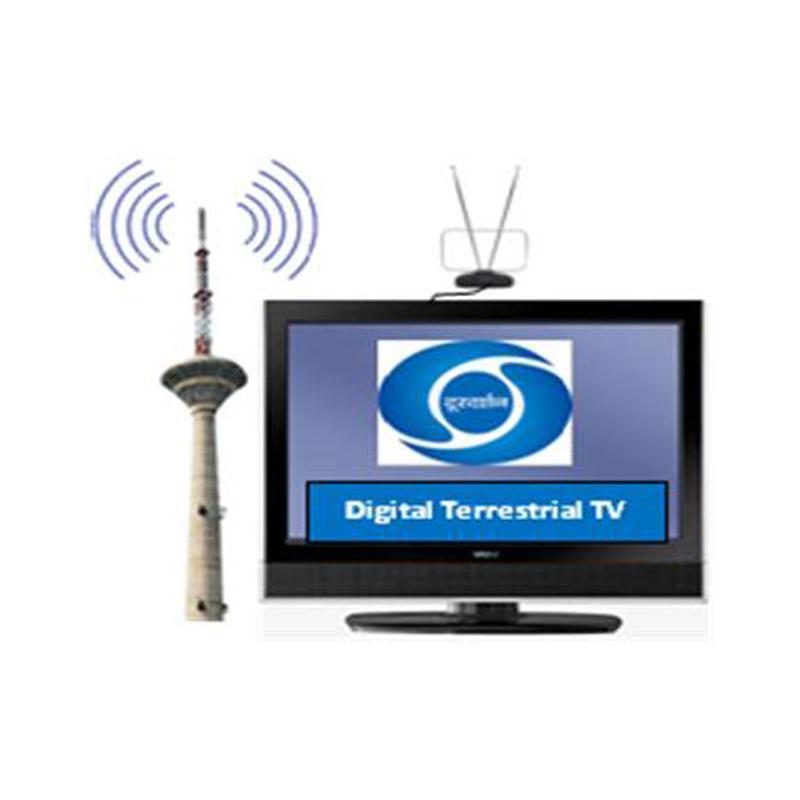
    NEW DELHI: Views were sharply divided particularly on the issue of sharing infrastructure during an open house discussion today on a Consultation Paper on “Opening Up Digital Terrestrial Transmission” organised by the Telecom Regulatory Authority of India.

    However, broadcasting sector sources said that the stakeholders were in principle not opposed to opening up of digital terrestrial television (DTT). Around 40 stakeholders, a majority of them representing broadcasters, were present at the meet. Unlike previous OHDs held by TRAI, Prasar Bharati was also represented at this meet, since it is the only digital terrestrial transmission stakeholder in the country.

    TRAI sources said the objective of the meet was to hear all points of view, though the sources added that the views were by the large the same as expressed in their comments to the paper, which are available on the TRAI website.

    The paper by the TRAI was issued on 24 June 2016, about a year after Prasar Bharati – which is the only terrestrial broadcaster in the country – unanimously recommended that DTT should be opened up to the private channels. Apart from Prasar Bharati, several private channels have already responded to the paper, which was followed by a linked paper on sharing infrastructure issued on 21 September 2016.

    In its response to the DTT paper, the pubcaster said even as it supports the move, it feels that the potential of available distribution options need to be critically analysed to fulfill their requirements (for example coverage, capacity, reception mode, and type of service etc).

    The public broadcaster has also said that the terrestrial broadcast platform will be relevant in the long term if its usage offers veritable benefits to the broadcasters, the audiences and the society as a whole. Even in countries where cable, satellite or broadband hold a significant market share, terrestrial broadcasting is usually regarded as an essential, flexible and reliable way of delivering broadcast content to a mass audience.

    In its response to 11 questions asked by TRAI in its Consultation Paper on ‘Issues related to Digital Terrestrial Broadcasting in India,’ the pubcaster says that the terrestrial platform must be digital to remain viable in the long term.

    Prasar Bharati CEO Jawhar Sircar, who had told indiantelevision.com in an interview earlier that it had cleared DTT for the private sector more than a year ago, said at the recent Indian Digital Operators Summit (IDOS) in Goa that it was willing to give its infrastructure to the private TV and radio channels.

    Also read:  Opening DTT to private sector; discussion planned

    Also read:  IDOS 2016: Prasar Bharati could share infra with private players: Sircar

  • Broadcasters not opposed to DTT, but want safeguards

    Broadcasters not opposed to DTT, but want safeguards

    NEW DELHI: Views were sharply divided particularly on the issue of sharing infrastructure during an open house discussion today on a Consultation Paper on “Opening Up Digital Terrestrial Transmission” organised by the Telecom Regulatory Authority of India.

    However, broadcasting sector sources said that the stakeholders were in principle not opposed to opening up of digital terrestrial television (DTT). Around 40 stakeholders, a majority of them representing broadcasters, were present at the meet. Unlike previous OHDs held by TRAI, Prasar Bharati was also represented at this meet, since it is the only digital terrestrial transmission stakeholder in the country.

    TRAI sources said the objective of the meet was to hear all points of view, though the sources added that the views were by the large the same as expressed in their comments to the paper, which are available on the TRAI website.

    The paper by the TRAI was issued on 24 June 2016, about a year after Prasar Bharati – which is the only terrestrial broadcaster in the country – unanimously recommended that DTT should be opened up to the private channels. Apart from Prasar Bharati, several private channels have already responded to the paper, which was followed by a linked paper on sharing infrastructure issued on 21 September 2016.

    In its response to the DTT paper, the pubcaster said even as it supports the move, it feels that the potential of available distribution options need to be critically analysed to fulfill their requirements (for example coverage, capacity, reception mode, and type of service etc).

    The public broadcaster has also said that the terrestrial broadcast platform will be relevant in the long term if its usage offers veritable benefits to the broadcasters, the audiences and the society as a whole. Even in countries where cable, satellite or broadband hold a significant market share, terrestrial broadcasting is usually regarded as an essential, flexible and reliable way of delivering broadcast content to a mass audience.

    In its response to 11 questions asked by TRAI in its Consultation Paper on ‘Issues related to Digital Terrestrial Broadcasting in India,’ the pubcaster says that the terrestrial platform must be digital to remain viable in the long term.

    Prasar Bharati CEO Jawhar Sircar, who had told indiantelevision.com in an interview earlier that it had cleared DTT for the private sector more than a year ago, said at the recent Indian Digital Operators Summit (IDOS) in Goa that it was willing to give its infrastructure to the private TV and radio channels.

    Also read:  Opening DTT to private sector; discussion planned

    Also read:  IDOS 2016: Prasar Bharati could share infra with private players: Sircar

  • Unicef-BBC’s societal issues show launched on DD

    Unicef-BBC’s societal issues show launched on DD

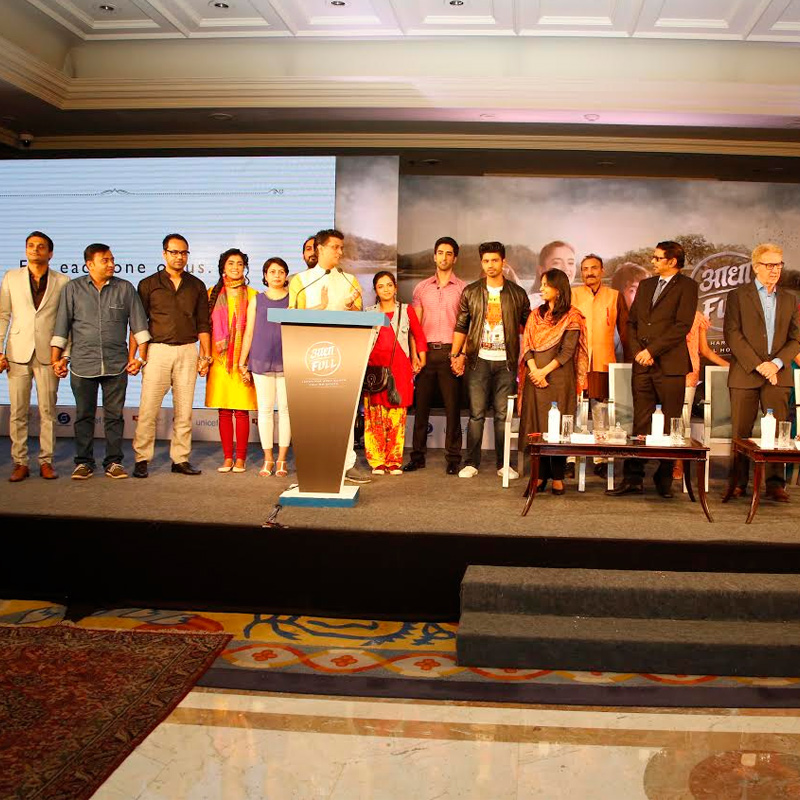
    NEW DELHI: A ‘coming of age’ action drama series for social change AdhaFULL intertwined with the journey of growing up in a small town has been issued as a series by UNICEF India and BBC Media Action India.

    The launch was attended Prasar Bharati Chairman A Surya Prakash, UNICEF India Representative Louis-Georges Arsenault, Doordarshan Director General Supriya Sahu, BBC Media Action country director Priyanka Dutt, officials from the Government, senior members from the media,civil society partners and adolescents themselves.

    AdhaFULL is a 78-episode TV series conceptualised by UNICEF and created and developed by BBC Media Action. AdhaFULL follows three adolescents—Kitty (16), Tara (11) and Adrak (15), who form the AdhaFULL gang, as they solve a new case each week. The mysteries are such as under-age marriage, nutrition, stereotyping of girls and boys, continuing education, peer pressure, school drop-outs and exam blues and gender-based violence are creatively depicted in the narrative.

    The half-hour-long episodes of AdhaFULL, will be telecast on Doordarshan National on Friday, Saturday and Sunday every week from 7.30 pm starting 21 October.

    The television series will be supported by a 78-episode-long radio show called Full on Nikki, as well as a mobile game, an inter-personal toolkit, graphic novels and DVD omnibuses.

    Sahu stressed that as a public service broadcaster, DD has always strived to reach out to its viewers through meaningful and impactful programming. The telecast of the series AdhaFULL on DD is the fulfilment of its commitment.

    Unicef India representative Louis-Georges Arsenault said, “India is home to 243 million adolescents. This series portrays adolescents who stand up for their rights. Through a mix of social drama, action, energy, fun, humour and emotions, this edutainment package discusses existing social norms and showcases transformation from a culture of silence to a culture of change and freedom”

    Prakash said: “Doordarshan has the largest reach in India. We are happy to be the first channel to broadcast a dedicated programme for adolescents, engaging them so that they can reach their full potential”.

    AdhaFULL, the Hinglish name of the series, reflects the hybrid nature of both a society in transition and adolescence. The AdhaFULL gang episodes swing between its ruralavtaar of the past and its present small town persona with urban trappings.

    BBC Action Media national creative director & executive producer Radharani Mitra said: “Young lives and aspirations are about the 3Cs – curiosity, challenge and creativity. They are willing to re-evaluate, to take chances but often feel limited. Through AdhaFULL’s story and its characters, we want to engage our young viewers and their parents in a journey of change, so that they feel they can negotiate and work with the 3Cs. For us, it’s been an exciting, enthralling journey – I hope it would be the same for our audiences”.

    AdhaFULL is a ‘creative magnifier’ – it brings to life, in a thoroughly entertaining way, everything that deserves a place in a series about adolescence.

    The action- packed series is being produced by Sunshine Productions, complete with pyrotechnics, chases, stunts, stylised lighting and filming, original sound tracks to accentuate drama and suspense.
  • Unicef-BBC’s societal issues show launched on DD

    Unicef-BBC’s societal issues show launched on DD

    NEW DELHI: A ‘coming of age’ action drama series for social change AdhaFULL intertwined with the journey of growing up in a small town has been issued as a series by UNICEF India and BBC Media Action India.

    The launch was attended Prasar Bharati Chairman A Surya Prakash, UNICEF India Representative Louis-Georges Arsenault, Doordarshan Director General Supriya Sahu, BBC Media Action country director Priyanka Dutt, officials from the Government, senior members from the media,civil society partners and adolescents themselves.

    AdhaFULL is a 78-episode TV series conceptualised by UNICEF and created and developed by BBC Media Action. AdhaFULL follows three adolescents—Kitty (16), Tara (11) and Adrak (15), who form the AdhaFULL gang, as they solve a new case each week. The mysteries are such as under-age marriage, nutrition, stereotyping of girls and boys, continuing education, peer pressure, school drop-outs and exam blues and gender-based violence are creatively depicted in the narrative.

    The half-hour-long episodes of AdhaFULL, will be telecast on Doordarshan National on Friday, Saturday and Sunday every week from 7.30 pm starting 21 October.

    The television series will be supported by a 78-episode-long radio show called Full on Nikki, as well as a mobile game, an inter-personal toolkit, graphic novels and DVD omnibuses.

    Sahu stressed that as a public service broadcaster, DD has always strived to reach out to its viewers through meaningful and impactful programming. The telecast of the series AdhaFULL on DD is the fulfilment of its commitment.

    Unicef India representative Louis-Georges Arsenault said, “India is home to 243 million adolescents. This series portrays adolescents who stand up for their rights. Through a mix of social drama, action, energy, fun, humour and emotions, this edutainment package discusses existing social norms and showcases transformation from a culture of silence to a culture of change and freedom”

    Prakash said: “Doordarshan has the largest reach in India. We are happy to be the first channel to broadcast a dedicated programme for adolescents, engaging them so that they can reach their full potential”.

    AdhaFULL, the Hinglish name of the series, reflects the hybrid nature of both a society in transition and adolescence. The AdhaFULL gang episodes swing between its ruralavtaar of the past and its present small town persona with urban trappings.

    BBC Action Media national creative director & executive producer Radharani Mitra said: “Young lives and aspirations are about the 3Cs – curiosity, challenge and creativity. They are willing to re-evaluate, to take chances but often feel limited. Through AdhaFULL’s story and its characters, we want to engage our young viewers and their parents in a journey of change, so that they feel they can negotiate and work with the 3Cs. For us, it’s been an exciting, enthralling journey – I hope it would be the same for our audiences”.

    AdhaFULL is a ‘creative magnifier’ – it brings to life, in a thoroughly entertaining way, everything that deserves a place in a series about adolescence.

    The action- packed series is being produced by Sunshine Productions, complete with pyrotechnics, chases, stunts, stylised lighting and filming, original sound tracks to accentuate drama and suspense.
  • DD to telecast ‘Swachh’ tourism programmes

    DD to telecast ‘Swachh’ tourism programmes

    NEW DELHI: Nine kendras of Doordarshan have been allocated a sum of Rs 8,80,000 for making an eight-episode programme on ‘Swachhmeva Jayate’ to promote the concept of sanitation and water conservation.

    While Delhi Kendra received a sum of Rs 4,80,000, the other channels – Mumbai, Jalandhar, Jaipur, Varanasi, Madurai, Guwahati, Bhubaneswar and Jammu/Srinagar – get Rs 50,000 each.

    This is part of the total of Rs 38.5 million allocated by the Drinking Water and Sanitation for the programmes which have commenced telecast from 1 October on DD National.

    Each of the kendras other than Delhi have been given specific areas for shooting for an episode on Swachh Darshan (Tourism segment).

    These are Chhatrapati Shivaji Terminal for Mumbai, Golden temple for DDK Jalandhar, Ajmer Sharif for Jaipur, Manikarnika Ghat for Varanasi, Meenakshi Temple for Madurai, Kamkhaya Temple for Guwahati, Jagannath Puri for Bhubaneswar, and Vaishno Devi for Jammu/Srinagar.

  • DD to telecast ‘Swachh’ tourism programmes

    DD to telecast ‘Swachh’ tourism programmes

    NEW DELHI: Nine kendras of Doordarshan have been allocated a sum of Rs 8,80,000 for making an eight-episode programme on ‘Swachhmeva Jayate’ to promote the concept of sanitation and water conservation.

    While Delhi Kendra received a sum of Rs 4,80,000, the other channels – Mumbai, Jalandhar, Jaipur, Varanasi, Madurai, Guwahati, Bhubaneswar and Jammu/Srinagar – get Rs 50,000 each.

    This is part of the total of Rs 38.5 million allocated by the Drinking Water and Sanitation for the programmes which have commenced telecast from 1 October on DD National.

    Each of the kendras other than Delhi have been given specific areas for shooting for an episode on Swachh Darshan (Tourism segment).

    These are Chhatrapati Shivaji Terminal for Mumbai, Golden temple for DDK Jalandhar, Ajmer Sharif for Jaipur, Manikarnika Ghat for Varanasi, Meenakshi Temple for Madurai, Kamkhaya Temple for Guwahati, Jagannath Puri for Bhubaneswar, and Vaishno Devi for Jammu/Srinagar.

  • Doordarshan agrees to apply for permission for four IGNOU channels

    Doordarshan agrees to apply for permission for four IGNOU channels

    NEW DELHI: Doordarshan has agreed to apply for licence to telecast four channels of the Indira Gandhi National Open University, even as the 32 channels of the Human Resource Development Minstry are still to find a place in the pubcaster’s Freedish.

    Interestingly, one Gyan Darshan channel and one one Gyani channel had been taken off DD and All India Radio respectively in 2014 for non-clearance of dues.

    Under a Memorandum of Understanding now signed between Doordarshan and IGNOU regarding the transmission of four Gyan Darshan Educational channels, DD has agreed to apply for permission to telecast four Gyan Darshan channels from IGNOU Earth Station Delhi to operate in C-band from GSAT-10. IGNOU is not eligible to apply under the Uplinking and Downlinking Guidelines as it is not a broadcaster.

    The Gyan Darshan Bouquet of Educational TV Channels is an educational media initiative of MHRD in collaboration with the Information and Broadcasting Ministry, Prasar Bharati and the Indian Space Research Organization with IGNOU as the nodal agency.

    It consists of four TV Channels: GD-I & II (by IGNOU), GD-III – Eklava (by Indian Institute of Technology, Delhi), and GD-IV – Vyas Channel (by University Grants Commission, CEC).

    Gyan Darshan had been initially launched on 26 January 2000 as a solitary 24×7 hour satellite channel under the banner of Doordarshan which provided a Transponder on INSAT 2B satellite, free of cost.

    Gyan Darshan ran successfully till 2 June 2014 as a must carry channel for educational programmes but was shut down by ISRO to facilitate its migration from INSAT 3C to GSAT-10.
    IGNOU now needs to apply for a fresh License to start the uplinking of its Channels for GSAT-10 Satellite.

    Speaking on the occasion, DD DG Supriya Sahu said, “I am happy that we have signed this MOU with IGNOU and joined hands with a premier institution like IGNOU. This partnership would ensure that the educational channels of IGNOU reach and benefit millions of students across the country. I think this is one of the most outstanding initiatives in the field of Public Broadcasting”.

    IGNOU Vice Chancellor Ravindra Kumar said, “Gyandarshan has always been a flagship programme for IGNOU and educational community. Today we (IGNOU & DD) are both happy and enormously excited that Gyandarshan has once again become a reality.”

    Earlier in October 2014, indiantelevision.con and radioandmusic.com had reported that the channels Gyan Darshan and Gyanvani had been shut down because of non-payment. While the figures were DD were not available, AIR DG Fayyaz Sheheryar had said the dues amounted to more than Rs 21.6 crore.

    He had then said that it had to be understood that Gyanvani and Gyandarshan were radio and television channels respectively run and owned by IGNOU and Prasar Bharati only provided the platform for the broadcasts.

    Later, IGNOU had launched these channels on the Internet. indiantelevision.com had learnt at the time that IGNOU had applied to WPC for a licence to run television channels, but had been refused by the Department of Telecom which had told them that only Doordarshan can apply for such a channel.

    But DD had refused to apply for the channel on behalf of IGNOU in view of the report by the Telecom Regulatory Authority of India which bars allotment of licences to government bodies to start their own channels.

    These web-based channels can be accessed by the students directly from their homes at http://www.ignouonline.ac.in/Broadcast/ without having to go to the Regional Centres or Local Study Centres.

  • Doordarshan agrees to apply for permission for four IGNOU channels

    Doordarshan agrees to apply for permission for four IGNOU channels

    NEW DELHI: Doordarshan has agreed to apply for licence to telecast four channels of the Indira Gandhi National Open University, even as the 32 channels of the Human Resource Development Minstry are still to find a place in the pubcaster’s Freedish.

    Interestingly, one Gyan Darshan channel and one one Gyani channel had been taken off DD and All India Radio respectively in 2014 for non-clearance of dues.

    Under a Memorandum of Understanding now signed between Doordarshan and IGNOU regarding the transmission of four Gyan Darshan Educational channels, DD has agreed to apply for permission to telecast four Gyan Darshan channels from IGNOU Earth Station Delhi to operate in C-band from GSAT-10. IGNOU is not eligible to apply under the Uplinking and Downlinking Guidelines as it is not a broadcaster.

    The Gyan Darshan Bouquet of Educational TV Channels is an educational media initiative of MHRD in collaboration with the Information and Broadcasting Ministry, Prasar Bharati and the Indian Space Research Organization with IGNOU as the nodal agency.

    It consists of four TV Channels: GD-I & II (by IGNOU), GD-III – Eklava (by Indian Institute of Technology, Delhi), and GD-IV – Vyas Channel (by University Grants Commission, CEC).

    Gyan Darshan had been initially launched on 26 January 2000 as a solitary 24×7 hour satellite channel under the banner of Doordarshan which provided a Transponder on INSAT 2B satellite, free of cost.

    Gyan Darshan ran successfully till 2 June 2014 as a must carry channel for educational programmes but was shut down by ISRO to facilitate its migration from INSAT 3C to GSAT-10.
    IGNOU now needs to apply for a fresh License to start the uplinking of its Channels for GSAT-10 Satellite.

    Speaking on the occasion, DD DG Supriya Sahu said, “I am happy that we have signed this MOU with IGNOU and joined hands with a premier institution like IGNOU. This partnership would ensure that the educational channels of IGNOU reach and benefit millions of students across the country. I think this is one of the most outstanding initiatives in the field of Public Broadcasting”.

    IGNOU Vice Chancellor Ravindra Kumar said, “Gyandarshan has always been a flagship programme for IGNOU and educational community. Today we (IGNOU & DD) are both happy and enormously excited that Gyandarshan has once again become a reality.”

    Earlier in October 2014, indiantelevision.con and radioandmusic.com had reported that the channels Gyan Darshan and Gyanvani had been shut down because of non-payment. While the figures were DD were not available, AIR DG Fayyaz Sheheryar had said the dues amounted to more than Rs 21.6 crore.

    He had then said that it had to be understood that Gyanvani and Gyandarshan were radio and television channels respectively run and owned by IGNOU and Prasar Bharati only provided the platform for the broadcasts.

    Later, IGNOU had launched these channels on the Internet. indiantelevision.com had learnt at the time that IGNOU had applied to WPC for a licence to run television channels, but had been refused by the Department of Telecom which had told them that only Doordarshan can apply for such a channel.

    But DD had refused to apply for the channel on behalf of IGNOU in view of the report by the Telecom Regulatory Authority of India which bars allotment of licences to government bodies to start their own channels.

    These web-based channels can be accessed by the students directly from their homes at http://www.ignouonline.ac.in/Broadcast/ without having to go to the Regional Centres or Local Study Centres.

  • DD to set new terms to attract TV producers to buy time slots

    DD to set new terms to attract TV producers to buy time slots

    NEW DELHI: After two failed attempts to attract good software producers to bid for slots in its prime time, Doordarshan has thrown the ball back in the court of Prasar Bharati.

    A senior DD official told indiantelevision.com that a meeting of the Prasar Bharati Board had been convened on 17 October to discuss the issue, and he agreed that this may mean a further relaxation in the eligibility norms.

    The pubcaster had attracted seven producers in the first attempt in June, and just three in the second attempt on 5 September despite relaxed norms. However, none of the bidders was able to meet all the criteria set by Doordarshan.

    In the criteria at present, producers/production houses who have produced at least 200 hours of general entertainment programming including feature film in any Indian language in the last three years were eligible to apply.

    Following a revision of terms, the Prasar Bharati Board had said in early August that production houses with a turnover of minimum Rs 3 crore per annum in the field of TV and film production in the last three financial years were eligible. The earnest money deposit was Rs 500,000 for each weekday slot. Bidders could apply for one or more slots. For those applying for three slots, the earnest money was Rs 15 lakh (Rs 1.5 million).

    Applicants for weekend slots in the genres of reality, game, quiz, should have produced 100 hours of such content in the last three years, it had been stated.

    When the scheme was announced in June, only those with production in television and a minimum of 300 hours had been allowed. But, this was changed to include film production houses and 200 hours of entertainment programming.

    After the meeting of the board and finalization of its new norms, the official said DD will float a new Request For Proposal (RFP) document with several flexible eligibility conditions to invite fresh and good quality content on its DD National as a pilot.

    Successful bidder(s) will produce fresh programmes in various genres of general entertainment programme for Doordarshan adhering to the programming/broadcasting codes of Prasar Bharati.

    Also Read:   E-auction for DD National Prime Time slots set for next month