Category: Sports

  • McLaren races into the past as Iron Mountain fuels digital revival

    McLaren races into the past as Iron Mountain fuels digital revival

    MUMBAI: When it comes to history, McLaren’s not just leaving skid marks, it’s digitising them. The racing powerhouse has teamed up with global information management leader Iron Mountain to put its legendary past in pole position for a digital-age revival.

    Through this partnership, Iron Mountain will help McLaren Racing reimagine its vast archives transforming decades of blueprints, films, and photographs into dynamic, intelligent content. Think of it as a pit stop for history, where dusty reels and fading sketches are tuned up with AI precision and set to race into the cloud.

    The collaboration marks a major lap in McLaren’s digital heritage transformation journey. Iron Mountain’s AI-enabled platform will help unlock hidden value in the team’s storied legacy, turning nostalgia into an interactive experience for fans and partners across the globe. From the roar of Ayrton Senna’s engines to the craftsmanship behind every chassis, McLaren’s most iconic moments are set to be revived, reimagined, and relived.

    McLaren Racing, co-chief commercial officer Nick Martin said, “Our fans are at the centre of what we do, and we are passionate about sharing our storied past with them. With the integration of Iron Mountain, we will be able to bring to life more of the team’s rich history for our fans and partners as we look to shine a light on the McLaren Racing brand.”

    Beyond storytelling, the partnership also brings efficiency to the garage. Iron Mountain will support McLaren in securely managing and recycling end-of-life IT assets, a move that reinforces the team’s commitment to innovation and sustainability both on and off the track.

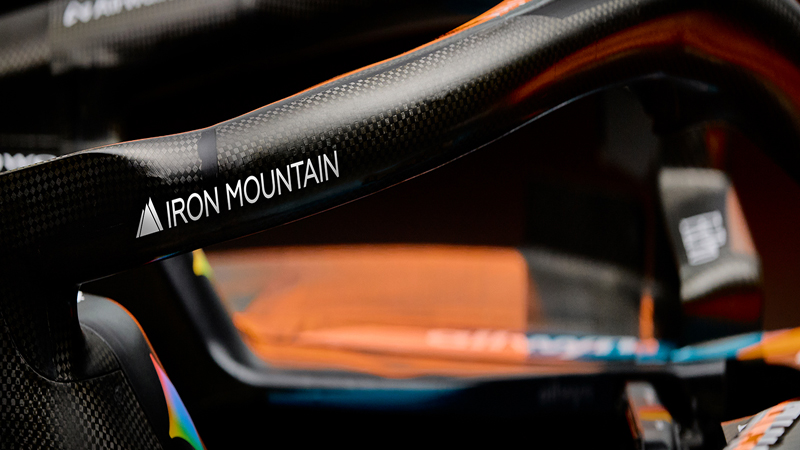
    Starting from the 2025 United States Grand Prix, Iron Mountain’s branding will appear on both McLaren Formula 1 race cars, along with several other touchpoints throughout the 2025 season and beyond.

    Iron Mountain executive vice president & chief commercial officer Greg McIntosh added, “We are proud to partner with the McLaren Formula 1 Team, which embodies the spirit of innovation and high performance at Iron Mountain. Our AI-enabled digital platform will help to fuel new opportunities for success and transform McLaren Racing’s iconic heritage media protecting these timeless assets for future generations.”

    By preserving its past while powering towards the future, McLaren proves that even in Formula 1, heritage doesn’t slow you down, it gives you more traction.


  • Streaming Dreams and Story Schemes Mark Netflix’s Decade in India

    Streaming Dreams and Story Schemes Mark Netflix’s Decade in India

    MUMBAI: When Netflix arrived in India ten years ago, the streaming giant wasn’t just entering a new market, it was stepping into a nation obsessed with stories. From cricket to cinema, India has always lived in 16:9 emotion. A decade later, as Netflix celebrates its 10th anniversary here, it has become more than just a platform, it’s a pop-culture mood board, a social mirror, and occasionally, the nation’s favourite debate topic over dinner.

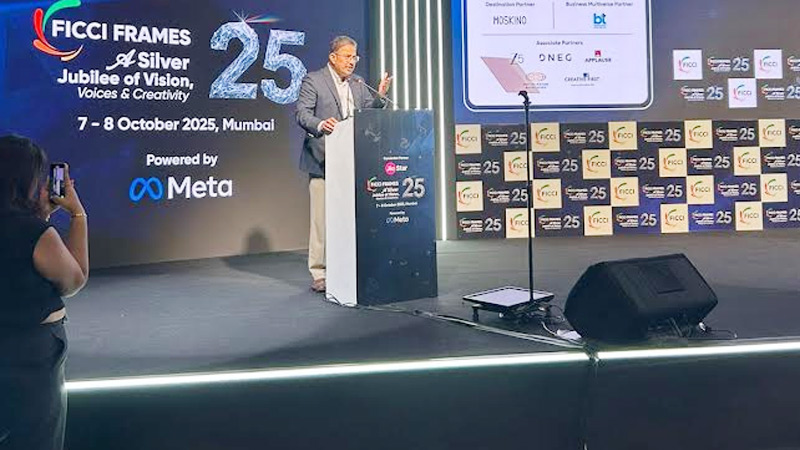
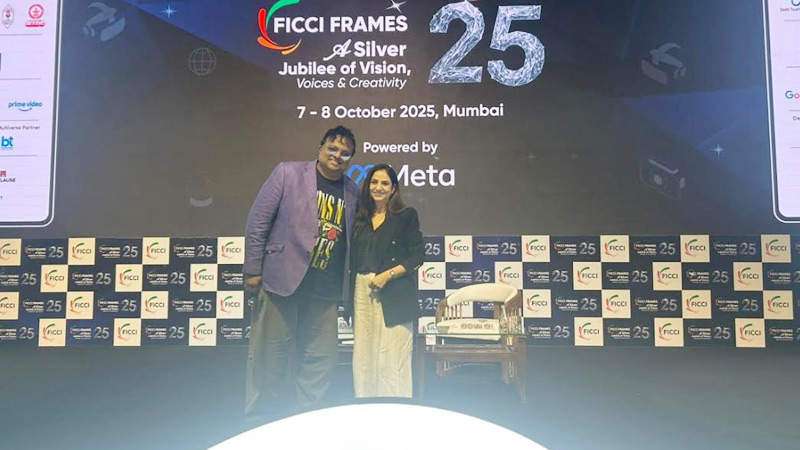
    At FICCI Frames 2025, Netflix India, vice president of content Monika Shergill revisited the platform’s decade-long journey not as a corporate milestone, but as a cultural chronicle. “It’s been ten years of discovering stories that surprise even us,” she said with a smile. “India has taught us that there’s no such thing as one audience.”

    Shergill’s words carried weight. In 2016, when Netflix launched in India, data plans were expensive, the idea of binge-watching was alien, and cable television ruled the roost. Yet, as she pointed out, “audiences were already hungry for something different, they just didn’t know where to find it.” That ‘something different’ soon arrived in the form of gritty, genre-bending originals like Sacred Games and Delhi Crime, titles that not only redefined Indian streaming but also caught the attention of global viewers.

    “Shows like Delhi Crime proved that our stories don’t have to be diluted for global audiences,” Shergill noted. “They resonate precisely because they are authentic, rooted, and unapologetically Indian.”

    Over the years, Netflix’s slate has stretched from the heartlands to the Himalayas, serving up thrillers, romcoms, docuseries, and biopics that mirror the country’s diversity. From Kota Factory’s monochrome melancholy to Khufiya’s cloak-and-dagger intrigue, every title seems to tap into a different emotion, language, and landscape proof that India doesn’t just contain multitudes, it streams them too.

    But as Shergill highlighted, the real game-changer has been regional storytelling. “Tamil, Telugu, Malayalam, and Bengali stories are not just finding local audiences, they’re travelling globally,” she said. “When you keep the essence local, you end up going global.” Indeed, viewership of Indian regional content on Netflix has shot up by more than 60 per cent in the past three years, while global viewing of Indian titles has doubled.

    Beyond the data, there’s a shift in creative dynamics. Netflix’s approach to nurturing over 200 Indian writers, directors, and creators has created what Shergill calls “a sandbox for fearless storytelling.” Unlike theatrical cinema, where success is often measured by box-office numbers, the streaming space has allowed creators to focus on experimentation, representation, and emotional truth.

    “Streaming has democratised creativity,” she said. “You could be a first-time director from Shillong or a veteran from Mumbai, your story gets the same chance to be discovered.”

    That discovery is also increasingly shaped by technology. Shergill spoke of how algorithms, AI tools, and personalisation engines have made every viewer’s journey unique. “We often joke that no two people have the same Netflix,” she said. “But the magic lies in how tech quietly helps stories find the right audience, not the other way around.”

    Of course, Netflix’s decade in India hasn’t been without its plot twists from the rise of fierce competition (DisneyPlus Hotstar, Prime Video, JioCinema, Zee5, SonyLiv, and more) to debates on pricing, censorship, and content localisation. Yet, as Shergill pointed out, these challenges have only sharpened the industry’s creative instincts. “Healthy competition means better stories,” she said. “It’s proof that the audience is winning.”

    As India becomes one of Netflix’s fastest-growing markets, the company is doubling down on localisation not just through language, but through themes that reflect real India. Small-town aspirations, gender fluidity, generational conflict, and cultural nostalgia are no longer niche; they’re mainstream. “The stories that come from the heartland are the ones making it to hearts worldwide,” Shergill quipped.

    The conversation also drifted to how streaming has blurred the lines between entertainment and experience. “Today, entertainment is no longer consumed,” she observed. “It’s lived, shared, and replayed. When people cry over a character or cheer for a show, they’re not just viewers, they’re participants.”

    As FICCI Frames explored the theme of India’s creative economy, Shergill’s reflections summed up a decade where the screen became both a stage and a storyteller. “Streaming is not just about algorithms and recommendations,” she said. “It’s about emotion, connection, and the thrill of seeing your story on a global map.”

    For Netflix, that map is only expanding. With new content partnerships, investments in regional studios, and a growing slate of originals, the next chapter seems poised for even more ambitious storytelling.

    Ten years on, the red N has gone from being an app icon to an emotional bookmark in India’s entertainment story. And as Shergill reminded the audience, “Our best stories are still buffering and that’s the most exciting part.”
  • Globecast unveils content-sharing platform for sports rights holders

    Globecast unveils content-sharing platform for sports rights holders

    MONACO: Sports broadcasters are getting a new weapon in the battle for eyeballs. Globecast will showcase Content Exchange, its latest media platform solution, at Sportel 2025 in Monaco from 20 to 22 October.

    The platform, designed for rights holders and sports federations, offers a unified, all-IP infrastructure combining satellite, fibre and hybrid cloud technologies. It enables seamless acquisition, processing and delivery of both live and on-demand content, creating a secure hub that connects content owners with broadcasters and unlocks new monetisation opportunities.

    “With the launch of Globecast Content Exchange, we’re transforming the way sports content is delivered and shared,” said Globecast head of digital media development Steve MacMurray. “It gives rights holders unmatched flexibility and control to distribute highlights, live feeds and on-demand content to partners and fans worldwide, all through a simplified, scalable and secure platform.”

    Visitors to stand G.05 can experience the technology first-hand. The solution promises scalable transmission and processing for demanding media applications, offering rightsholders greater control over distribution in today’s hybrid media landscape.

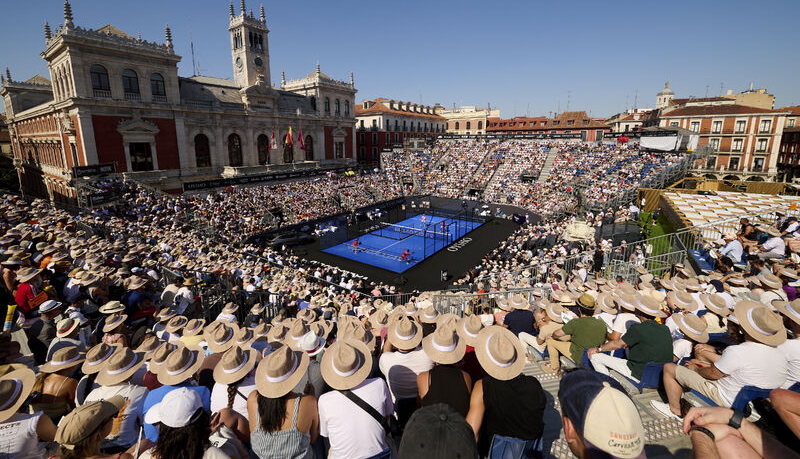
    Globecast will also spotlight its recent sports collaborations. Racer  Network, which will broadcast over 300 live motorsport events in 2025, has partnered with the company to enhance quality and streamline delivery using advanced graphics and cloud playout. Meanwhile, Globecast’s extended partnership with Premier Padel as global delivery partner for the 2025 and 2026 seasons supports the sport’s international expansion through a fully IP- and cloud-based distribution model.

  • Runs Reels and Revenue Knight Riders Boss Mysore Hits a Six at FICCI Frames

    Runs Reels and Revenue Knight Riders Boss Mysore Hits a Six at FICCI Frames

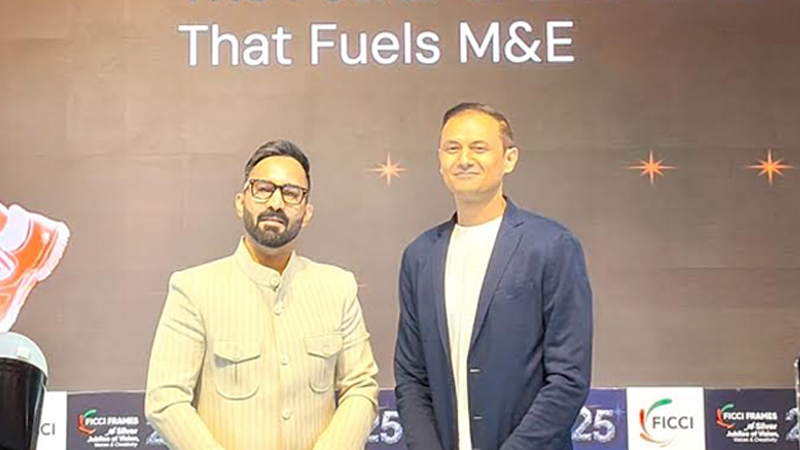
    MUMBAI: If cricket and cinema are the twin gods of India, then Venky Mysore is their high priest. At the FICCI FRAMES 2025, the CEO of Knight Riders Group and Red Chillies Entertainment took the stage to lay out the playbook for India’s sports-entertainment juggernaut, mixing statistics, storytelling, and a dash of showbiz flair.

    Mysore, reflecting on his journey across two industries, described himself as straddling India’s “two religions,” cricket and movies. “Live sports is unscripted spectacle,” he said, contrasting it with scripted films where even action scenes follow a pre-determined cut. That unpredictability, Mysore explained, is what keeps audiences riveted, game after game.

    The numbers speak volumes. Celebrating 15 years with the Kolkata Knight Riders, Mysore revealed he has witnessed 228 matches with the franchise. The IPL alone commands an astonishing 165-169 million viewers on television, surpassing even the Super Bowl’s 155 million. “The real-time tension, the tribalism, the emotional stakes, it’s a thrill that no scripted entertainment can replicate,” he emphasised.

    The magic of live sports extends beyond the pitch. From merchandising and ticket sales to broadcasting and sponsorship, Mysore highlighted the massive economic engine behind cricket. “We do economic impact studies for every city we play in from Kolkata to Trinbago to Abu Dhabi and now Los Angeles,” he said, pointing out the ripple effect on tourism, hospitality, and local businesses.

    Mysore also gave a glimpse into the global ambitions of Knight Riders, noting the establishment of the L.A. Knight Riders and their stadium plans ahead of the 2028 Olympic Games. “Stadium naming rights discussions are already underway, which shows the value that live sports can create economically,” he added.

    Entertainment, of course, is never far from cricket. Mysore explained how live events are being personalised for different audiences, citing innovations like multi-cam viewing, vertical video feeds, social gaming integrations, and interactive features mirroring the kind of bespoke content that digital platforms thrive on. “Every live moment can be a story, a connection, and a commercial opportunity,” he said, highlighting how AI, gaming, and the creator economy are poised to transform live sports in the next three to five years.

    While cricket remains the anchor, Mysore is betting on expansion. “Other sports like kabaddi, tennis, golf, and football can adopt our model,” he said, citing Pro Kabaddi as a successful adaptation. Women’s cricket, too, is high on the agenda. “It’s about making the sport representative and inclusive. Young girls are now aspiring to play because of the WPL, and that’s a flywheel that will keep spinning,” Mysore noted, emphasising the cultural and social impact of sports beyond the commercial.

    Mysore’s keynote also shed light on the convergence of sports, entertainment, and commerce. He noted how live spectacles like the IPL, Super Bowl, and Olympics attract diverse audiences through music, fashion, and celebrity appearances, creating a hybrid ecosystem where culture meets business. “Entertainment today isn’t just consumed, it’s experienced, shared, and lived,” he said, neatly summarising his vision for the future.

    On valuations, Mysore remained measured yet optimistic. Comparing cricket franchises to US sports teams, he suggested India has only scratched the surface in terms of economic potential. “In LA, the lowest valuation for a sports team is over a billion dollars. Cricket has similar global appeal, and there’s huge investment yet to come,” he said.

    From his high-octane reflections to the meticulous statistics, Mysore’s address offered a masterclass in the business and cultural power of sports. The underlying message was clear: cricket and entertainment are no longer just games or films, they are engines of connection, commerce, and culture, shaping the future of live experiences in India and beyond.

  • Wickets Widgets and Wow Moments Make India’s Sports Playbook a Big Hit

    Wickets Widgets and Wow Moments Make India’s Sports Playbook a Big Hit

    MUMBAI: It’s no longer just about cricket bats, it’s about data stats, fandom maps, and digital laps. At FICCI Frames 2025, Ishan Chatterjee, CEO for Sports, JioStar, set the ball rolling on how India’s sports and media ecosystem is stepping into its biggest growth spurt yet fuelled by inclusivity, innovation, and a nation hooked on both wickets and Wi-Fi.

    Chatterjee painted a picture of an industry at “an inflection point”, quoting a Deloitte study that pegs India’s sports economy to leap from 30 billion dollars in 2023 to 70 billion dollars by 2030. “To put that in perspective, Brazil stands at 6–8 billion dollars, and the UK, one of the most advanced markets, is at about 40 billion dollars,” he said, underscoring India’s ascent as a sporting superpower in the making.

    But even as men’s cricket continues to mint viewership gold, Chatterjee said the real growth story lies beyond the boundary. “The big trend we’re betting on is the rise of other sports in India whether established ones like tennis, football and kabaddi, or newer ones like e-sports. As soon as Indian athletes start delivering world-class results, fandom accelerates. Just look at what Neeraj Chopra did for the javelin,” he said, drawing cheers from the audience.

    If cricket remains the heartbeat, the pulse is diversifying fast. Chatterjee believes the next decade belongs to multi-sport India, where technology and storytelling will be as crucial as talent. “India’s young audience is discovering, following, and even betting emotionally on new sports. What used to be once-a-year cricket fever has become a 12-month sports calendar,” he noted.

    At the heart of this transition, he said, lies fandom, a force as unpredictable as it is powerful. “We’ve moved from viewership to ownership. Fans no longer just watch; they participate, react, and create. That’s why sports is no longer just an event, it’s an experience.”

    Chatterjee also touched upon what he called one of JioStar’s biggest responsibilities, inclusivity especially in women’s cricket. “Our role as broadcasters is to give women’s cricket visibility, prime-time slots, and the right storytelling so it inspires the next generation. The WPL is one of our biggest priorities,” he said.

    He emphasised that women’s cricket is not just a symbolic cause but a commercial and cultural imperative. “From a consumption standpoint, there’s a lot of headroom. From a business perspective, it makes sense to invest in it. But more importantly, for our sporting culture to become truly representative, women’s cricket has to grow,” he added.

    Naturally, the talk couldn’t skip India’s favourite sporting spectacle the IPL. “The great thing about the IPL is the scale it operates on. During the last season, we lit up over 1.1 billion screens across TV and digital,” Chatterjee said.

    But the magic, he added, lies in customising the experience. “To grow consumption whether it’s more viewers, more matches, or longer watch time, we have to appeal to different interests. For the core fan, it’s about depth and stats. For the casual viewer, it could be entertainment, creators, or even Motu Patlu engaging kids. That mix keeps the IPL ecosystem buzzing.”

    If fandom is the fuel, technology is the engine driving this new sports era. “India has always been at the cutting edge of tech adoption,” Chatterjee said. “At JioStar, we are led by consumer behaviour, and our vision for sports viewing is a completely personalised one-to-one feed. Two people can watch the same match, but the experience camera angles, commentary, interactive features will be entirely different for each.”

    From AI-driven smart highlights to multi-cam viewing and vertical formats, Chatterjee said technology is already reshaping how fans engage with sport. “This is just the beginning,” he smiled. “Imagine a future where your favourite player’s perspective, the commentator you like, or even the memes you enjoy all are woven into your viewing experience.”

    Chatterjee pointed out that India’s unique combination of youth demographics, mobile-first audiences, and insatiable appetite for entertainment positions it perfectly for sports innovation. “Our sports consumption is growing not because we’re copying Western models, but because we’re creating an Indian one built around community, interactivity, and scale,” he said.

    From e-sports tournaments drawing millions online to local leagues popping up in tier-two cities, the momentum is unmistakable. “The beauty of India’s sports journey,” he said, “is that every new fan adds to the market, not just shifts within it. Every new sport that takes off expands the universe.”

    As the fireside chat wrapped up, one thing was clear, India isn’t just playing more sports; it’s reimagining how sports are played, viewed, and loved.

    Chatterjee’s closing line summed up the sentiment perfectly: “For us, sports is not just entertainment, it’s identity. As long as our athletes keep pushing boundaries and our fans keep breaking the internet, India’s sporting story will only get bigger.”

    And with a wink to the future, he added, “We’re just in the warm-up. The real game begins now.”

  • Sport and showbiz join forces to power India’s live entertainment boom

    Sport and showbiz join forces to power India’s live entertainment boom

    MUMBAI: There was once a time when cricket was just a sport, concerts were a luxury, and event organisers were the unsung heroes behind the scenes. Fast-forward to 2025 and the boundary lines between sports, entertainment and live events have blurred into one big, buzzing spectacle.

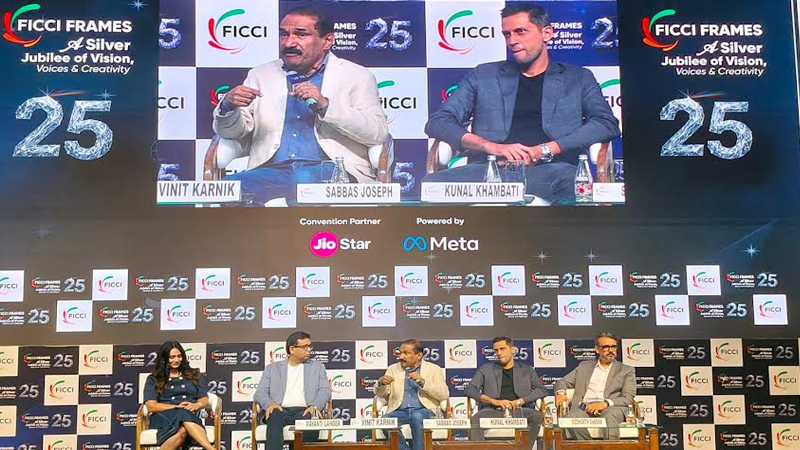
    At a recent industry discussion that brought together some of the biggest names in sports, media and live entertainment, the conversation spanned everything from job creation and infrastructure to AI, accessibility, and the rise of the “fake wedding” phenomenon. If there was ever a moment that captured how deeply India now lives, breathes and monetises experience, this was it.

    “Cricket is a great vehicle,” said one of the panellists, noting how the sport in India transcends language, geography and generations. “It’s not just entertainment, it’s an ecosystem.”

    And it truly is. From regional commentary to AI-assisted streaming and immersive experiences, cricket has evolved into a multimedia juggernaut. Broadcasters no longer deliver just a match, they curate a universe of emotions, languages, and second-screen stats. “We’ve gone from peering through neighbours’ windows in 1983 to watching replays from six angles in six languages,” quipped one speaker. “Each fan now has their own version of the match.”

    But the conversation wasn’t just about cricket’s cultural dominance, it was about its economic ripple effect. As panellist Sabas Joseph pointed out, the government has finally recognised the events and entertainment sector as a vital part of India’s economic engine.

    “The government of India has created a joint working group with ten ministries to develop greenfield venues and reform licensing norms,” he revealed. “Event management is now part of state policy and economic policy.”

    The statistics speak for themselves. The events industry now supports over 10 million jobs, with more than 150,000 companies across India 30 per cent of them women-owned. “We’ve gone from pleading for recognition to being written into policy,” Joseph said, to applause.

    And the vision ahead? Transforming India’s cricket stadiums into multi-purpose venues for concerts, festivals and even international shows. “Stadiums already have the best infrastructure, why not use them for entertainment too?”

    Kunal, another panellist from the ticketing side of the business, spoke of India’s “culture of going out” something unthinkable two decades ago. “People are attending midnight runs, 5 a.m. DJ parties, even fake weddings complete with baraat, food and music, but no bride or groom,” he laughed.

    What’s powering this shift is trust and tech. “Our job now is to make live experiences predictable from clean bathrooms to clear directions,” Kunal said. Platforms like his are introducing digital-only, QR-based tickets that can’t be duplicated or resold, curbing black marketing and ensuring safety.

    He also highlighted growing accessibility efforts, including partnerships with disability rights advocates to make events more inclusive from wheelchair access to seat mapping. “We want every person to experience live entertainment comfortably and safely,” he added.

    If cricket built the blueprint, kabaddi proved the model works. “We Indians were sceptical at first,” said one broadcaster. “Could kabaddi, a sport we remembered from schoolyards, really become primetime entertainment?”

    The answer was a resounding yes. Smart packaging, slick graphics, and a 30-second raid format turned kabaddi into India’s second most-watched sport. “We created heroes, we gave it drama, and we respected its roots,” he said. “Now it airs on global networks like ESPN, Sky and Fox.”

    The takeaway: India’s homegrown sports can be global hits if nurtured right.

    As another panellist pointed out, India’s live entertainment story isn’t just about star power, it’s about audience power. “In 2008, we had barely 2,500 sports clubs. Today we have over 16,500,” he said. “And ticket sales, once a myth, now drive the bulk of the business. Indians pay premium prices for premium experiences.”

    From Coldplay to Lollapalooza, international acts are selling hundreds of thousands of tickets in India at global rates. “The audience is ready to spend,” said Kunal. “We just have to deliver the experience they expect.”

    Technology remains the ultimate gamechanger. AI, VR and personalised feeds are transforming how people watch and attend events. Fans can switch between camera angles, get player stats on their phone, or even experience concerts in virtual reality.

    And yet, the heart of it all remains human. “No government policy, no brand campaign, no festival happens without event managers,” Joseph reminded the audience. “Ours is an industry built by people from those who’ve never been to school to MBAs from the best universities.”

    From the sound of it, India’s entertainment future will be part stadium, part screen, and all heart.

    As one panellist summed up: “Events have become part of India’s economic and cultural DNA. We’re no longer just watching, we’re participating.”

  • Cricket’s ruling body wants women to hack the future of sports technology

    Cricket’s ruling body wants women to hack the future of sports technology

    DUBAI: Cricket’s mandarins have never been mistaken for tech visionaries. But the International Cricket Council is taking a punt on innovation with Beyond Boundaries, a worldwide hackathon that demands every competing team include at least one woman—and promises cold, hard cash to the best all-female squad.

    The challenge, powered by Ignyte, a Dubai-based start-up accelerator, runs through 2025–2026 and invites students, start-ups and scale-ups to reimagine sport in the age of artificial intelligence. Though anchored in cricket, the hackathon welcomes ideas spanning any sport. The grand finale arrives in January 2026, when the most promising teams will pitch their wares on an international stage.

    Winners will pocket prize money, gain access to mentors and industry heavyweights, and—crucially—get pilot opportunities with the ICC and its partners to test their solutions in real sporting arenas. That is no small carrot for ambitious founders looking to crack a multi-billion-dollar industry.

    The competition zeroes in on three areas. First, boosting visibility and engagement for women’s sports through digital platforms and AI-driven fan models. Second, crafting next-generation experiences for younger audiences with interactive, personalised tech. Third, improving athlete health, performance and inclusivity using wearables, machine learning and smart analytics.

    Applications close on 19 December 2025. The ICC’s bet is simple: get more women into sports tech, and everyone wins. In a sector long dominated by blokes, that would count as boundary-breaking indeed.

  • Heineken 0.0 fuels India’s Formula 1 fan rush

    Heineken 0.0 fuels India’s Formula 1 fan rush

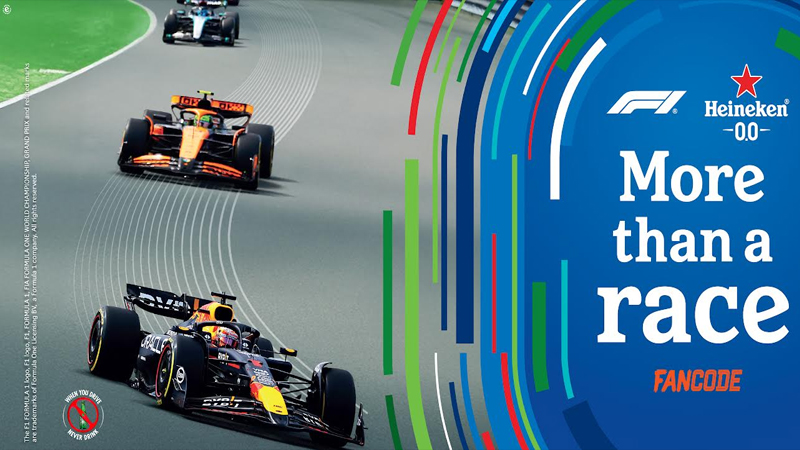
    MUMBAI: Talk about putting the pedal to the metal. Heineken 0.0 and Fancode are shifting Indian Formula 1 fandom into top gear with a new partnership designed to bring race-day thrills closer to home.

    The showstopper is The Ultimate F1 Fan Park at UB City Amphitheatre in Bengaluru, where the Singapore Grand Prix will be screened live on 5 October. Expect cheering crowds, roaring engines on the big screen and a festival-style buzz right in the city centre.

    India is no pit stop when it comes to Formula 1 passion. According to Nielsen NFI, the country now boasts nearly 79 million fans, a 41 per cent surge since 2019, making it one of the sport’s fastest-growing markets. Heineken, with its global F1 legacy, is seizing the moment to fuel that growth.

    Beyond Bengaluru, more than 200 curated screenings will light up pubs and sports bars across Mumbai, Pune, Goa, Kolkata, Hyderabad and Bengaluru. Adding extra horsepower, actors Siddhant Chaturvedi, comedian Rohan Joshi and creator Rizwan Bachav will rev up the digital experience with exclusive content around the Singapore Grand Prix.

    Fancode, the official F1 broadcaster in India, will also put fans in the driver’s seat with live race coverage, behind-the-scenes stories and digital exclusives.

    “Heineken 0.0 has always stood for innovation and responsible enjoyment. With F1’s popularity soaring in India, we’re excited to create inclusive fan experiences that make the sport part of everyday culture,” said Heineken Company chief corporate affairs officer Joanna Price.

    For United Breweries, Heineken’s India partner, the move is about more than just screenings. “Formula 1 gives us the perfect stage to bring fans together and shape a culture of community, passion and responsibility,” said chief marketing officer Vikram Bahl.

    Fancode co-founder Yannick Colaco summed it up, “F1 has grown from a niche to one of the fastest-rising fan cultures in India. Fan parks like this strengthen that community spirit.”

    With engines revving and fans rallying, it seems India’s love affair with Formula 1 is only just leaving the starting grid.

  • Nielsen adds Big Data muscle to new weekly TV rankings with sports flair

    Nielsen adds Big Data muscle to new weekly TV rankings with sports flair

    MUMBAI: Nielsen is giving TV viewership a fresh scoreboard with the launch of its revamped weekly ranking reports, now supercharged by Big Data plus Panel measurement.

    Unveiled for the first official week of the new broadcast season (starting 22 September), the reports don’t just track traditional programming anymore. Two new lists are in play:Top 25 Live Sports Events and the Top 250 Total Scheduled Programmes across broadcast, cable, streaming and syndication.

    Sports wasted no time making a splash in the inaugural rankings, with college football, Major League Baseball, the NFL, Ryder Cup and the WNBA all scoring spots in the Top 25.

    The refreshed Nielsen rankers now span broadcast, cable, syndication and streaming, giving a more holistic view of evolving TV habits. The reports shift to total day viewing and cover demographics from households to coveted age brackets like 18–49 and 25–54.

    At the heart of this is Nielsen’s Big Data plus Panel system, which blends the company’s long-standing representative panel with viewing data from 45 million households and 75 million devices, including set-top boxes, smart TVs and first-party streaming data. The result? A richer, more precise picture of who’s watching what, when and where.

    Beyond advertising, these insights can influence content programming, licensing, and TV distribution deals. Nielsen is also folding the new rankings into its website’s Top 10 lists, while continuing to flex its lead in streaming measurement through tools like streaming content ratings and The Gauge.

    With Big Data now in play, Nielsen isn’t just reporting on TV, it’s rewriting the playbook for how viewing is measured. 

  • Ram Charan takes aim at India’s Archery Premier League

    Ram Charan takes aim at India’s Archery Premier League

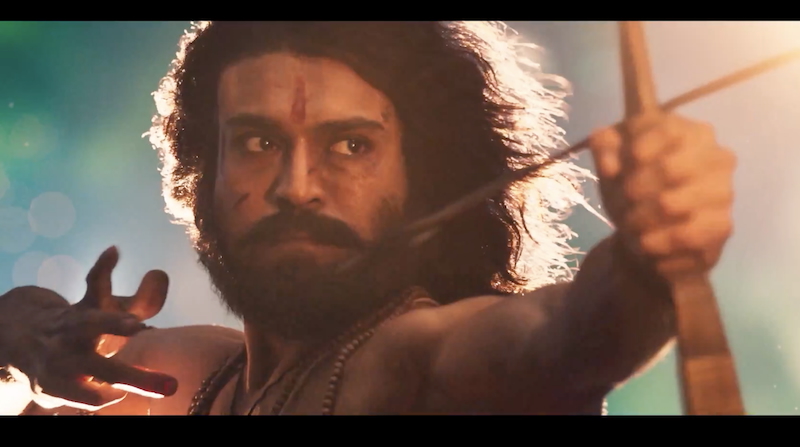
    NEW DELHI: Ram Charan, the pan-Indian film star whose performance in RRR helped secure an Oscar for the blockbuster, will be present at  the opening ceremony of the Archery Premier League (APL) on 3 October  at Yamuna Sports Complex in New Delhi. The appearance marks a bold bet by organisers that  glamour can fire up interest in a sport that has long languished in India’s crowded sporting landscape.

    The actor, celebrated for powerhouse performances in Rangasthaman, Magadheera and RRR, is lending his considerable star power to the nation’s first franchise-based archery tournament. It is a marriage of precision sport and mass entertainment that the league’s backers hope will transform archery from niche pursuit to mainstream spectacle.

    “I am proud to be part of the Archery Premier League, an extraordinary initiative that combines passion, precision and sportsmanship,” Charan said. “Archery is a sport that teaches focus and resilience, qualities we all aspire to. I believe my involvement with APL will encourage the youth to embrace this beautiful sport and support our athletes on this exciting journey.”

    An APL spokesperson struck a more ambitious tone: “We couldn’t be happier to have Ram Charan join us in shaping this important sporting calendar that will be foundational and remembered for years to come. Ram Charan brings more than fame—he brings narrative, influence and belief. With his support, APL is not just launching a league; we are launching a legacy.”

    The league, hosted by the Archery Association of India, aims to blend high-performance competition with fan engagement, bringing together India’s finest archers alongside international talent. Charan’s recent global recognition—RRR won the Oscar for best original song with Naatu Naatu—adds prestige to an initiative that organisers hope will elevate archery’s profile nationwide.