Category: Sports

  • IPL media rights bidding postponed sine die

    IPL media rights bidding postponed sine die

    MUMBAI: The BCCI has made it clear that the media rights auction cannot take place till the time it gets a concrete go-ahead and a formal approval from the Justice RM Lodha committee. Till the evening of 24 October (Monday), BCCI did not receive the okay from the committee which said, “it is in receipt of the communications from the BCCI and that it would issue directions after meeting amongst themselves.”

    Uncertainty loomed over auction as representatives from the 18 international bidders who have bought the ITT documents would have their business schedule in a mess. If the BCCI goes ahead with the bidding process, it could cause contempt of court.

    The BCCI had appointed Deloitte to supervise the opening and studying of the bid. Before the SC order came on Friday, the tenders were slated to be submitted on October 25.

    The BCCI had been awaiting a response from the Justice Lodha panel on the appointment of an independent auditor. Today being the scheduled day for opening of bidding for broadcast, mobile and internet rights, the auditor may not come through as the three-member panel is not meeting (on Tuesday). The Lodha panel was earlier expected to meet on October 21 but the meeting was later cancelled.

    BCCI gave a third reminder to the Lodha panel on Sunday, asking it whether they could stage Tuesday’s media rights bidding or not. The board also explained how the uncertainty surrounding the bidding process has given rise to several queries from the prospective bidders. In a letter, BCCI also reminded the panel how the board has submitted all the relevant papers in time and how clarity would be needed to complete the bidding process.

    It was also disclosed that the board would continue to discuss the matter with all the stake-holders of the game on Tuesday with a hope that the Lodha panel would take necessary steps.

    BCCI, in a statement, stated late last night:

    Indian Premier League Media Rights (Television & Digital)

    The global tender for award Indian Premier League Media Rights (Television & Digital) for the cricket season 2018 and onwards was issued on the 19th of September 2016 after a detailed exercise by the Board of Control for Cricket in India (“BCCI”). The BCCI team invested a lot of time and money in framing of a tender with norms to ensure the highest levels of transparency.

    It was expected that the new IPL season rights that were to be awarded would bring in huge revenue for the game of cricket and expectations amongst the BCCI, players and the cricket loving public ran high in the build up to the award of the IPL tender. This was more so in view of the fact that the IPL has been successfully piloted by the BCCI with support of all stakeholders to become one of the important events in the world cricketing calendar and has apart from providing a platform for showcasing domestic cricket talent resulted in the country being projected as an important sporting destination. In fact the IPL has resulted in the active building of Brand India and has brought laurels to the country.  The IPL has also contributed substantially to the Indian Economy.

    At the time the tender was floated and even till date there has been no complaint by any person that the tender was being issued in a non-transparent manner or that there appeared to be problems with any of its terms and conditions. The Potential Bidders who bought the Tender document had requested for certain Clarification, to which BCCI issued responses in 2 sets. Set 1 of the response to Clarification was issued on 14th October 2016 and Set 2 was issued on 20th October 2016. Based on the clarification issued, BCCI was subsequently to issue the Revised Media Rights Agreements (MRAs) along with the order relevant documents, which were not issued on account of the Hon’ble Supreme Court Order.

    The BCCI has also appointed independent agencies to vet the legal, financial and technical details of the bids as well as the bidders.

    In the meanwhile the BCCI received a copy of the judgment of the Hon’ble Supreme Court in CA No.4235/2014 – BCCI v. Cricket Association of Bihar & Ors. dated 21.10.2016 (“Judgment”) at 650pm issuing the following directions in relation to tender processes being undertaken by the BCCI:

    “(ii)(a) The Committee appointed by this Court is requested to appoint an independent auditor to scrutinise and audit the income received and expenditure incurred by BCCI; (b) The auditor shall also oversee the tendering process that will hereinafter be undertaken by BCCI, as well as the award of contracts above a threshold value to be fixed by the Committee; (c) The award of contracts by BCCIabove the threshold fixed by the Committee shall be subject to the prior approval of the Committee; (d) The Committee shall be at liberty to obtain the advice of the auditors on the fairness of the tendering process which has been adopted by BCCIand in regard to all relevant facts and circumstances; (e) The Committee will determine whether a proposed contract above the threshold value should or should not be approved; and (f) The Committee will be at liberty to formulate the terms of engagement and reference to the auditors having regard to the above directions.  BCCI shall defray the costs, charges and expenses of the auditors.”  

    In view of the aforesaid directions, as the Committee has been entrusted by the Hon’ble Supreme Court with the mandate of overseeing the tender process and in effect is now the custodian of the IPL tender process and has to take all actions to safeguard the IPL tender and the interest of BCCI and cricket in India, the BCCI wrote to the Committee on 21st October 2016 itself immediately on receipt of the Judgment, inter alia seeking guidance on (a) whether to defer the IPL tender or (b) to cancel the same and (c) requesting that the name of the auditor appointed be intimated to the BCCI to ensure that he could be associated with the IPL tender. Further, BCCI has sent all the IPL Media Rights Tender documents to the Committee along with the Revised MRAs and relevant documents, which are yet to be issued to the Potential Bidders.

    Keeping in view the urgency in the matter, the BCCI has informed the Committee that the tender process being underway there were certain timelines that potential bidders were following. The BCCI also informed the Committee that a large number of potential bidders had travelled to the country from outside as bids had to be submitted in person.

    The BCCI has accordingly sent requests on 23rd October 2016 and 24th October 2016 to the Committee on the aforesaid lines and requested for confirmation of receipt of emails and an urgent response to avoid any uncertainty in the IPL tender process to avoid any inconvenience to potential bidders. The BCCI also informed the Committee that any delay in responding and resultant uncertainty was hurting the commercial interest of the BCCI as it would lead to devaluation of the commercial rights that were to be awarded.

    The BCCI has also received numerous queries from potential bidders explaining the hardship being faced by them due to the inability of the BCCI to address their queries and to furnish a clear roadmap on the way forward.  

    Today (on Monday, 24 october) at 3:07 pm the BCCI has received a response from the Committee asking for certain further undertakings from the BCCI and sought further clarifications. These have accordingly been furnished to the Committee. The BCCI has received a response from the Committee a short while ago stating that it is in receipt of the communications from the BCCI and that it would issue directions after meeting amongst themselves.

    The BCCI, apart from the above communication, has so far at the time of going to Press, not received any further directions from the Committee, which is now the custodian of the entire process and has been tasked with the duty to ensure that the tender process is undertaken in a professional and transparent manner with least inconvenience to all stakeholders. Once the BCCI receives a response from the Committee it shall bring the same to the notice of all stakeholders as the BCCI is currently not in a position to take any decision in the matter other than what the Committee recommends. In the absence of permission from the Committee to go ahead with the process scheduled for tomorrow, the BCCI is unable to do so.

    The BCCI requests all bidders to appreciate that the events as have occurred were unforeseen and something over which the BCCI has no control. The potential bidders would appreciate that in the past the BCCI has responded to all queries to potential bidders in a prompt fashion and has conducted the entire process in a fair, transparent and professional manner.

    BCCI offers its sincere apology to all potential bidders and stakeholders who have put in efforts to put together bids by expending considerable time and resources, and have travelled from all across the country and the world to take part in this event.
  • IPL media rights bidding postponed sine die

    IPL media rights bidding postponed sine die

    MUMBAI: The BCCI has made it clear that the media rights auction cannot take place till the time it gets a concrete go-ahead and a formal approval from the Justice RM Lodha committee. Till the evening of 24 October (Monday), BCCI did not receive the okay from the committee which said, “it is in receipt of the communications from the BCCI and that it would issue directions after meeting amongst themselves.”

    Uncertainty loomed over auction as representatives from the 18 international bidders who have bought the ITT documents would have their business schedule in a mess. If the BCCI goes ahead with the bidding process, it could cause contempt of court.

    The BCCI had appointed Deloitte to supervise the opening and studying of the bid. Before the SC order came on Friday, the tenders were slated to be submitted on October 25.

    The BCCI had been awaiting a response from the Justice Lodha panel on the appointment of an independent auditor. Today being the scheduled day for opening of bidding for broadcast, mobile and internet rights, the auditor may not come through as the three-member panel is not meeting (on Tuesday). The Lodha panel was earlier expected to meet on October 21 but the meeting was later cancelled.

    BCCI gave a third reminder to the Lodha panel on Sunday, asking it whether they could stage Tuesday’s media rights bidding or not. The board also explained how the uncertainty surrounding the bidding process has given rise to several queries from the prospective bidders. In a letter, BCCI also reminded the panel how the board has submitted all the relevant papers in time and how clarity would be needed to complete the bidding process.

    It was also disclosed that the board would continue to discuss the matter with all the stake-holders of the game on Tuesday with a hope that the Lodha panel would take necessary steps.

    BCCI, in a statement, stated late last night:

    Indian Premier League Media Rights (Television & Digital)

    The global tender for award Indian Premier League Media Rights (Television & Digital) for the cricket season 2018 and onwards was issued on the 19th of September 2016 after a detailed exercise by the Board of Control for Cricket in India (“BCCI”). The BCCI team invested a lot of time and money in framing of a tender with norms to ensure the highest levels of transparency.

    It was expected that the new IPL season rights that were to be awarded would bring in huge revenue for the game of cricket and expectations amongst the BCCI, players and the cricket loving public ran high in the build up to the award of the IPL tender. This was more so in view of the fact that the IPL has been successfully piloted by the BCCI with support of all stakeholders to become one of the important events in the world cricketing calendar and has apart from providing a platform for showcasing domestic cricket talent resulted in the country being projected as an important sporting destination. In fact the IPL has resulted in the active building of Brand India and has brought laurels to the country.  The IPL has also contributed substantially to the Indian Economy.

    At the time the tender was floated and even till date there has been no complaint by any person that the tender was being issued in a non-transparent manner or that there appeared to be problems with any of its terms and conditions. The Potential Bidders who bought the Tender document had requested for certain Clarification, to which BCCI issued responses in 2 sets. Set 1 of the response to Clarification was issued on 14th October 2016 and Set 2 was issued on 20th October 2016. Based on the clarification issued, BCCI was subsequently to issue the Revised Media Rights Agreements (MRAs) along with the order relevant documents, which were not issued on account of the Hon’ble Supreme Court Order.

    The BCCI has also appointed independent agencies to vet the legal, financial and technical details of the bids as well as the bidders.

    In the meanwhile the BCCI received a copy of the judgment of the Hon’ble Supreme Court in CA No.4235/2014 – BCCI v. Cricket Association of Bihar & Ors. dated 21.10.2016 (“Judgment”) at 650pm issuing the following directions in relation to tender processes being undertaken by the BCCI:

    “(ii)(a) The Committee appointed by this Court is requested to appoint an independent auditor to scrutinise and audit the income received and expenditure incurred by BCCI; (b) The auditor shall also oversee the tendering process that will hereinafter be undertaken by BCCI, as well as the award of contracts above a threshold value to be fixed by the Committee; (c) The award of contracts by BCCIabove the threshold fixed by the Committee shall be subject to the prior approval of the Committee; (d) The Committee shall be at liberty to obtain the advice of the auditors on the fairness of the tendering process which has been adopted by BCCIand in regard to all relevant facts and circumstances; (e) The Committee will determine whether a proposed contract above the threshold value should or should not be approved; and (f) The Committee will be at liberty to formulate the terms of engagement and reference to the auditors having regard to the above directions.  BCCI shall defray the costs, charges and expenses of the auditors.”  

    In view of the aforesaid directions, as the Committee has been entrusted by the Hon’ble Supreme Court with the mandate of overseeing the tender process and in effect is now the custodian of the IPL tender process and has to take all actions to safeguard the IPL tender and the interest of BCCI and cricket in India, the BCCI wrote to the Committee on 21st October 2016 itself immediately on receipt of the Judgment, inter alia seeking guidance on (a) whether to defer the IPL tender or (b) to cancel the same and (c) requesting that the name of the auditor appointed be intimated to the BCCI to ensure that he could be associated with the IPL tender. Further, BCCI has sent all the IPL Media Rights Tender documents to the Committee along with the Revised MRAs and relevant documents, which are yet to be issued to the Potential Bidders.

    Keeping in view the urgency in the matter, the BCCI has informed the Committee that the tender process being underway there were certain timelines that potential bidders were following. The BCCI also informed the Committee that a large number of potential bidders had travelled to the country from outside as bids had to be submitted in person.

    The BCCI has accordingly sent requests on 23rd October 2016 and 24th October 2016 to the Committee on the aforesaid lines and requested for confirmation of receipt of emails and an urgent response to avoid any uncertainty in the IPL tender process to avoid any inconvenience to potential bidders. The BCCI also informed the Committee that any delay in responding and resultant uncertainty was hurting the commercial interest of the BCCI as it would lead to devaluation of the commercial rights that were to be awarded.

    The BCCI has also received numerous queries from potential bidders explaining the hardship being faced by them due to the inability of the BCCI to address their queries and to furnish a clear roadmap on the way forward.  

    Today (on Monday, 24 october) at 3:07 pm the BCCI has received a response from the Committee asking for certain further undertakings from the BCCI and sought further clarifications. These have accordingly been furnished to the Committee. The BCCI has received a response from the Committee a short while ago stating that it is in receipt of the communications from the BCCI and that it would issue directions after meeting amongst themselves.

    The BCCI, apart from the above communication, has so far at the time of going to Press, not received any further directions from the Committee, which is now the custodian of the entire process and has been tasked with the duty to ensure that the tender process is undertaken in a professional and transparent manner with least inconvenience to all stakeholders. Once the BCCI receives a response from the Committee it shall bring the same to the notice of all stakeholders as the BCCI is currently not in a position to take any decision in the matter other than what the Committee recommends. In the absence of permission from the Committee to go ahead with the process scheduled for tomorrow, the BCCI is unable to do so.

    The BCCI requests all bidders to appreciate that the events as have occurred were unforeseen and something over which the BCCI has no control. The potential bidders would appreciate that in the past the BCCI has responded to all queries to potential bidders in a prompt fashion and has conducted the entire process in a fair, transparent and professional manner.

    BCCI offers its sincere apology to all potential bidders and stakeholders who have put in efforts to put together bids by expending considerable time and resources, and have travelled from all across the country and the world to take part in this event.
  • PBL: Setting stage for next big thing on Indian sporting landscape

    PBL: Setting stage for next big thing on Indian sporting landscape

    MUMBAI: India has witnessed the emergence of a multi-sports culture over the past few years. This significant development has come on the back of a promising display by Indian sportspersons across various disciplines, the meteoric rise of home grown leagues and the consequent widening of the fan base of sports such as badminton, kabaddi, soccer, hockey, and wrestling.

    Badminton has always been one of the precursors in attracting the attention of the Indian sports fan to the sporting universe that extends beyond Cricket. The Sindhu vs Marin final at the Olympic Games attracted a whopping 17 million viewers, making it the most watched Olympics tie ever in the country. However, the popularity of badminton is not driven just by this record breaking match. Over the past five years, we have seen more and more Indians breaking into the top 20 world rankings. Badminton outsells every other sport in terms of sales on e-commerce portals. Courts are mushrooming all over the country in new age residential complexes and sports clubs. The sport is truly on its way to becoming mainstream for a new generation of Indians.

    The Premier Badminton League, launched in 2016, aims to target this generation of youngsters. Being the richest badminton league in the world, the second edition is expected to feature the world’s best players including Spain’s Carolina Marin, China’s Lin Dan, Denmark’s Viktor Axelsen and Jan O Jorgensen, Thailand’s RatchanokIntanon, and Korea’s Lee Yong Dae and YooYeon Song, amongst others facing off in front of Indian fans.

    2016 has been a great year for Indian Badminton with Saina Nehwal’s Australian Super Series victory and Kidambi Srikanth’s south Asian games singles’ gold giving company to Sindhu’s silver medal finish at the Olympics. India is fast emerging as a force in the world of Badminton and giving traditional powerhouses like China, Indonesia and Malaysia a run for their money with performances from the likes of Parupalli Kashyap, B Sai Praneeth, PC Thulasi complementing those of Saina, Srikanth and Sindhu. The Premier Badminton League has been one of the catalysts to lead this change in terms of bringing the home grown stars to compete with the global talent in a league that matches the standards of any world class tournament.

    While the inaugural edition proved to be the ideal training ground for PV Sindhu to build herself for the Olympics, winning all five matches that she played for Chennai Smashers, the Premier Badminton League has also brought the talent of youngsters like Siril Verma, Vrushalli Gummaddi and Manu Attri to the fore. The league, under the aegis of the Badminton Association of India has played an important role in bringing in more and more international stars to the Indian shores and allowing the Indian talent to lock horns with the best in the world and hone their own skills in the process.

    With badminton steadily amplifying its reach to the Indian sports fan resulting from promising performances of the Indian players in international tournaments, the Premier Badminton League provided a healthy boost in terms of viewership numbers allowing for badminton to reach to a more diverse audience base.The League introduced the fresh idea for a format in which each of the competing teams will nominate one match in each tie as their trump card to further stimulate the element of audience interest in the tournament. A victory by the team that picks the particular game as its trump will provide it with one extra point but a defeat will set it back by one point, the intent being generating intrigue that would keep the ties alive till the very end, providing edge of the seat action to the viewer.

    Further, the league provided recognition to those who are the most integral part of the sport – the players. Top stars Saina Nehwal and Lee Chong Wei fetched contracts amounting to US$100,000, while Indian shuttlers P.V. Sindhu and Kidambi Srikanth were bought for a whopping US$95,000 and US$80,000, respectively.

    The tournament was not only instrumental in raising the stature and ‘relatability’ of the sport amongst the Indian audience but also played a key role in enhancing the reach of the sport to a more global audience. With the next edition of the tournament slated for December 2016, we are already salivating at the prospect of watching the rematch between Sindhu and Marin. There could not be a better way to kick off the new year for sports fans in India.

  • PBL: Setting stage for next big thing on Indian sporting landscape

    PBL: Setting stage for next big thing on Indian sporting landscape

    MUMBAI: India has witnessed the emergence of a multi-sports culture over the past few years. This significant development has come on the back of a promising display by Indian sportspersons across various disciplines, the meteoric rise of home grown leagues and the consequent widening of the fan base of sports such as badminton, kabaddi, soccer, hockey, and wrestling.

    Badminton has always been one of the precursors in attracting the attention of the Indian sports fan to the sporting universe that extends beyond Cricket. The Sindhu vs Marin final at the Olympic Games attracted a whopping 17 million viewers, making it the most watched Olympics tie ever in the country. However, the popularity of badminton is not driven just by this record breaking match. Over the past five years, we have seen more and more Indians breaking into the top 20 world rankings. Badminton outsells every other sport in terms of sales on e-commerce portals. Courts are mushrooming all over the country in new age residential complexes and sports clubs. The sport is truly on its way to becoming mainstream for a new generation of Indians.

    The Premier Badminton League, launched in 2016, aims to target this generation of youngsters. Being the richest badminton league in the world, the second edition is expected to feature the world’s best players including Spain’s Carolina Marin, China’s Lin Dan, Denmark’s Viktor Axelsen and Jan O Jorgensen, Thailand’s RatchanokIntanon, and Korea’s Lee Yong Dae and YooYeon Song, amongst others facing off in front of Indian fans.

    2016 has been a great year for Indian Badminton with Saina Nehwal’s Australian Super Series victory and Kidambi Srikanth’s south Asian games singles’ gold giving company to Sindhu’s silver medal finish at the Olympics. India is fast emerging as a force in the world of Badminton and giving traditional powerhouses like China, Indonesia and Malaysia a run for their money with performances from the likes of Parupalli Kashyap, B Sai Praneeth, PC Thulasi complementing those of Saina, Srikanth and Sindhu. The Premier Badminton League has been one of the catalysts to lead this change in terms of bringing the home grown stars to compete with the global talent in a league that matches the standards of any world class tournament.

    While the inaugural edition proved to be the ideal training ground for PV Sindhu to build herself for the Olympics, winning all five matches that she played for Chennai Smashers, the Premier Badminton League has also brought the talent of youngsters like Siril Verma, Vrushalli Gummaddi and Manu Attri to the fore. The league, under the aegis of the Badminton Association of India has played an important role in bringing in more and more international stars to the Indian shores and allowing the Indian talent to lock horns with the best in the world and hone their own skills in the process.

    With badminton steadily amplifying its reach to the Indian sports fan resulting from promising performances of the Indian players in international tournaments, the Premier Badminton League provided a healthy boost in terms of viewership numbers allowing for badminton to reach to a more diverse audience base.The League introduced the fresh idea for a format in which each of the competing teams will nominate one match in each tie as their trump card to further stimulate the element of audience interest in the tournament. A victory by the team that picks the particular game as its trump will provide it with one extra point but a defeat will set it back by one point, the intent being generating intrigue that would keep the ties alive till the very end, providing edge of the seat action to the viewer.

    Further, the league provided recognition to those who are the most integral part of the sport – the players. Top stars Saina Nehwal and Lee Chong Wei fetched contracts amounting to US$100,000, while Indian shuttlers P.V. Sindhu and Kidambi Srikanth were bought for a whopping US$95,000 and US$80,000, respectively.

    The tournament was not only instrumental in raising the stature and ‘relatability’ of the sport amongst the Indian audience but also played a key role in enhancing the reach of the sport to a more global audience. With the next edition of the tournament slated for December 2016, we are already salivating at the prospect of watching the rematch between Sindhu and Marin. There could not be a better way to kick off the new year for sports fans in India.

  • US$ 4.5 bn expected from IPL rights; SC recommends accounts scrutiny

    US$ 4.5 bn expected from IPL rights; SC recommends accounts scrutiny

    MUMBAI: The Supreme Court on Friday froze all financial transactions between the BCCI and state cricket associations by directing the apex body not to disburse any funds till it resolves to abide by the Justice RM Lodha panel recommendations on reforms by 3 December . The top court ordered that none of the BCCI’s member-state associations will get a rupee till it complies in “letter and spirit” with the Lodha Committee reforms.  

    In a judgment, which was not announced beforehand or notified in the court’s cause list, a Bench, led by Chief Justice of India T.S. Thakur stood firm by its October 7 decision to choke the financial stream of the BCCI’s 25 state cricket associations till they fall in line. The judgment, pronounced by Justice D Y Chandrachud, asked the panel secretary to send a copy of the apex court order to the ICC chairman Shashank Manohar.

    The judgment asked the committee to appoint an independent auditor to scrutinise the BCCI accounts and set financial limits for contracts. According to reports, BCCI is expecting close to USD 4.5 billion from sale of three IPL rights – TV, internet and mobile.

    BCCI president Anurag Thakur and secretary Ajay Shirke have been ordered to file compliance reports before the Committee and the Supreme Court in two weeks.

    Chief Justice Thakur, on October 7, made the court’s stand clear by ordering that the BCCI will not disburse Rs. 16.73 crore each to 12 state cricket associations. These associations were yet to get the balance payment of their share from nearly Rs. 2,500 crore the BCCI had received towards compensation on account of termination of Champion League T 20.

    The appointment of auditors is significant as the multi-million dollar Indian Premier League (IPL) media rights are to be awarded for the next 10 years, starting 2018. Sony Pictures Networks holds the current IPL media rights till 2017, which it won with a whopping USD 1.6 billion bid. 

    Star India, Twitter, Facebook, Sony Pictures and Reliance Jio are now the major names in fray for the media rights.

    Here are the top developments of the BCCI-Lodha panel case: On July 14, 2016, a two-judge Supreme Court bench, that included current Chief Justice of India TS Thakur, empowered the Justice RM Lodha-led panel to implement a series of reforms to bring in more transparency in BCCI’s style of governance. The committee suggested major reforms that included age caps, tenure restrictions, one-man-one-post, one state-one-vote, among others. The reforms were binding and would apply to the Board as well as its state units.

    Lodha panel set BCCI two deadlines – September 30 to make constitutional changes (adopt the Memorandum of Association and Rules) and December 15 for the Board to form a nine-member Apex committee that will replace the powerful working committee

    BCCI appointed former Supreme Court judge Justice Markandey Katju to review the Lodha panel recommendations. Katju called the Lodha panel “unconstitutional and illegal.” The BCCI promptly filed a review petition in the Supreme Court in July.

    In August, BCCI secretary met the Lodha committee saying the AGM will conduct “routine” business. On the contrary, the Board advertised inviting applications for the post of selectors. Its agenda also included formation of a new working committee and even an ombudsman – all in defiance of Lodha panel orders.

    Saying the BCCI conducted more than just “routine” matters, the Lodha panel filed a status report to the Supreme Court on September 28, complaining of non-compliance of its orders. The panel wanted BCCI’s top brass to be “superseded”. 

    BCCI, on October 1, cherry-picked a few Lodha panel recommendations but made no decision on the important proposals like one-state-one-unit and age and tenure caps for officials. BCCI also decided to disburse large sums of money (approximately Rs 400 crore) earned from TV rights to state units as infrastructure grants.

    Lodha panel told BCCI’s bankers – Bank of Maharashtra and Yes Bank – to stop disbursing grants to state units without its approval. BCCI president Anurag Thakur told media that freezing of accounts will force BCCI to cancel the India vs New Zealand Test series. Justice Lodha clarified on October 4 that BCCI was misinterpreting its order to the banks. The panel never stopped any money for staging matches.

    The Supreme Court, on 6 October, gave an ultimatum to the BCCI to ‘unconditionally’ accept the Lodha reforms or it will pass an order. BCCI refuses to give any such undertaking asking for time till 17 October. The top court gave the BCCI time till December 3 to implement reforms recommended by the Lodha panel. 

    The court had made it clear that continued defiance by state associations would witness their shares invested in fixed deposit accounts until they change their minds. The court had barred further disbursal of amounts, courtesy a resolution passed by in the Annual General Meeting held on November 9, 2015 or “any subsequent resolution” by the BCCI or its Working Committee, until the state associations submit their written undertakings to unconditionally comply with the Lodha reforms.

  • US$ 4.5 bn expected from IPL rights; SC recommends accounts scrutiny

    US$ 4.5 bn expected from IPL rights; SC recommends accounts scrutiny

    MUMBAI: The Supreme Court on Friday froze all financial transactions between the BCCI and state cricket associations by directing the apex body not to disburse any funds till it resolves to abide by the Justice RM Lodha panel recommendations on reforms by 3 December . The top court ordered that none of the BCCI’s member-state associations will get a rupee till it complies in “letter and spirit” with the Lodha Committee reforms.  

    In a judgment, which was not announced beforehand or notified in the court’s cause list, a Bench, led by Chief Justice of India T.S. Thakur stood firm by its October 7 decision to choke the financial stream of the BCCI’s 25 state cricket associations till they fall in line. The judgment, pronounced by Justice D Y Chandrachud, asked the panel secretary to send a copy of the apex court order to the ICC chairman Shashank Manohar.

    The judgment asked the committee to appoint an independent auditor to scrutinise the BCCI accounts and set financial limits for contracts. According to reports, BCCI is expecting close to USD 4.5 billion from sale of three IPL rights – TV, internet and mobile.

    BCCI president Anurag Thakur and secretary Ajay Shirke have been ordered to file compliance reports before the Committee and the Supreme Court in two weeks.

    Chief Justice Thakur, on October 7, made the court’s stand clear by ordering that the BCCI will not disburse Rs. 16.73 crore each to 12 state cricket associations. These associations were yet to get the balance payment of their share from nearly Rs. 2,500 crore the BCCI had received towards compensation on account of termination of Champion League T 20.

    The appointment of auditors is significant as the multi-million dollar Indian Premier League (IPL) media rights are to be awarded for the next 10 years, starting 2018. Sony Pictures Networks holds the current IPL media rights till 2017, which it won with a whopping USD 1.6 billion bid. 

    Star India, Twitter, Facebook, Sony Pictures and Reliance Jio are now the major names in fray for the media rights.

    Here are the top developments of the BCCI-Lodha panel case: On July 14, 2016, a two-judge Supreme Court bench, that included current Chief Justice of India TS Thakur, empowered the Justice RM Lodha-led panel to implement a series of reforms to bring in more transparency in BCCI’s style of governance. The committee suggested major reforms that included age caps, tenure restrictions, one-man-one-post, one state-one-vote, among others. The reforms were binding and would apply to the Board as well as its state units.

    Lodha panel set BCCI two deadlines – September 30 to make constitutional changes (adopt the Memorandum of Association and Rules) and December 15 for the Board to form a nine-member Apex committee that will replace the powerful working committee

    BCCI appointed former Supreme Court judge Justice Markandey Katju to review the Lodha panel recommendations. Katju called the Lodha panel “unconstitutional and illegal.” The BCCI promptly filed a review petition in the Supreme Court in July.

    In August, BCCI secretary met the Lodha committee saying the AGM will conduct “routine” business. On the contrary, the Board advertised inviting applications for the post of selectors. Its agenda also included formation of a new working committee and even an ombudsman – all in defiance of Lodha panel orders.

    Saying the BCCI conducted more than just “routine” matters, the Lodha panel filed a status report to the Supreme Court on September 28, complaining of non-compliance of its orders. The panel wanted BCCI’s top brass to be “superseded”. 

    BCCI, on October 1, cherry-picked a few Lodha panel recommendations but made no decision on the important proposals like one-state-one-unit and age and tenure caps for officials. BCCI also decided to disburse large sums of money (approximately Rs 400 crore) earned from TV rights to state units as infrastructure grants.

    Lodha panel told BCCI’s bankers – Bank of Maharashtra and Yes Bank – to stop disbursing grants to state units without its approval. BCCI president Anurag Thakur told media that freezing of accounts will force BCCI to cancel the India vs New Zealand Test series. Justice Lodha clarified on October 4 that BCCI was misinterpreting its order to the banks. The panel never stopped any money for staging matches.

    The Supreme Court, on 6 October, gave an ultimatum to the BCCI to ‘unconditionally’ accept the Lodha reforms or it will pass an order. BCCI refuses to give any such undertaking asking for time till 17 October. The top court gave the BCCI time till December 3 to implement reforms recommended by the Lodha panel. 

    The court had made it clear that continued defiance by state associations would witness their shares invested in fixed deposit accounts until they change their minds. The court had barred further disbursal of amounts, courtesy a resolution passed by in the Annual General Meeting held on November 9, 2015 or “any subsequent resolution” by the BCCI or its Working Committee, until the state associations submit their written undertakings to unconditionally comply with the Lodha reforms.

  • TVS Tyres  is co-presenter for Asian Champions Trophy 2016

    TVS Tyres is co-presenter for Asian Champions Trophy 2016

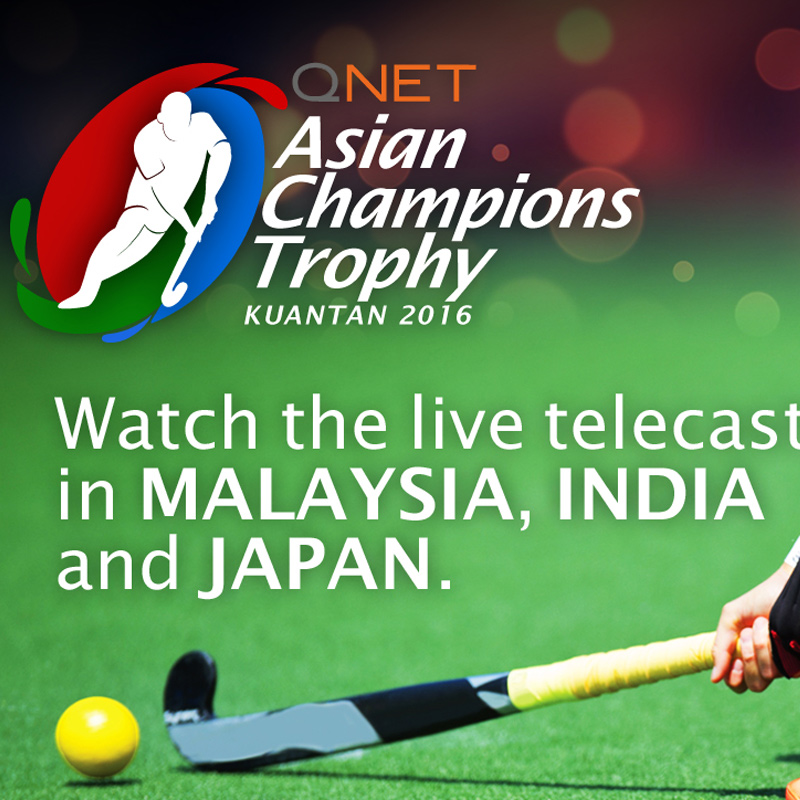
    MUMBAI: Continuing its strong connect with sports, TVS Tyres has associated with Asian Champions Trophy 2016 by becoming the co-presenter. The Asian Champions Trophy is one of the premier hockey tournaments, a much sought after annual international competition promising some great hockey action. This association adds on to the brand’s prestigious list of previous associations with other sporting events like; Indian Premier League, Indian Super League, Pro Kabaddi League, Hockey India League & Cricket All Star Series among others.

    TVS Srichakra director P. Vijayaraghavan said, “Through this partnership, we aim to elevate our brand recall to a much larger audience and feel that it will add value to both our brand as well as business. The association with Asian Champions Trophy aligns the brand with a premier sporting event and a dedicated fan base. Sporting platforms like these augment our strategy to reach out to our customers.”

    Top six Asian teams will be participating in this tournament and it will be a great season of hockey across the continent. Post the launch of new identity, TVS Tyres has associated with many such sporting events and this latest association with Asian Champions Trophy is in line with the brand’s strategy and ongoing engagement with sporting events to enhance brand visibility.

  • TVS Tyres  is co-presenter for Asian Champions Trophy 2016

    TVS Tyres is co-presenter for Asian Champions Trophy 2016

    MUMBAI: Continuing its strong connect with sports, TVS Tyres has associated with Asian Champions Trophy 2016 by becoming the co-presenter. The Asian Champions Trophy is one of the premier hockey tournaments, a much sought after annual international competition promising some great hockey action. This association adds on to the brand’s prestigious list of previous associations with other sporting events like; Indian Premier League, Indian Super League, Pro Kabaddi League, Hockey India League & Cricket All Star Series among others.

    TVS Srichakra director P. Vijayaraghavan said, “Through this partnership, we aim to elevate our brand recall to a much larger audience and feel that it will add value to both our brand as well as business. The association with Asian Champions Trophy aligns the brand with a premier sporting event and a dedicated fan base. Sporting platforms like these augment our strategy to reach out to our customers.”

    Top six Asian teams will be participating in this tournament and it will be a great season of hockey across the continent. Post the launch of new identity, TVS Tyres has associated with many such sporting events and this latest association with Asian Champions Trophy is in line with the brand’s strategy and ongoing engagement with sporting events to enhance brand visibility.

  • Treat viewers as customers; package & sell your ‘sport’ brand well: PWL

    Treat viewers as customers; package & sell your ‘sport’ brand well: PWL

    MUMBAI: Last year in Delhi thousands of people could be seen queued up outside a stadium waiting anxiously to get in after buying tickets. For a cricket match? Nope. The buzzing crowd was there to watch the wrestlers in action in the first season of Pro Wrestling League (PWL).

    In sharp contrast, a tennis premier league also being held around the same time as PWL found it hard to get in the audience despite having big international and Indian stars on show. Though tennis league’s high cost of tickets could have been a deterrent for the average people, but Pro- Sportify and ITV Media Network managing director Karthikeya Sharma, the man behind the PWL has a point when he said, “It’s not always about bringing a big star or highlighting quirky aspects of the product, but it’s about getting the fundamentals right. We started by understanding the sport of wrestling, its importance and sentimental values for viewers and in-stadia audience and then built around it a league by properly identifying the customer.”

    Wrestling joined the league of sporting leagues in India on 10 December 2015 and PWL is a property that’s jointly owned and managed by Wrestling Federation of India and Pro Sportify Pvt. Ltd. The league is supported by the International Wrestling Federation (IWF). The league, which garnered millions of eyeballs last year, is back in its second season from 15 December 2016 with the tagline “Double Dhamaka”. The new additions include having eight teams instead of six, increasing the players’ pool to 80 from the initial draft of 54 and spreading the duration of the multi-city league over a month from the initial 18-day edition.

    However, it hasn’t been smooth sailing for the wrestling league or its organisers as in a cricket-crazy nation like India not many other sports succeed to get big bucks from advertisers or the swooning crowd in stadia. “We had to face lot of adversities as we had to pick up an Olympic sport that’s perceived boring and a long-hour format sport both from the point of broadcast and on-ground audience,” Sharma elaborated on the early difficulties at an event yesterday in Mumbai organised by Event and Entertainment Management Association (EEMA), Pro- Sportify and ITV Media Network.

    But as rightly pointed out by Sharma wrestling does connect with the Indians at some level, especially those from semi-urban areas of India. Though cricket, tennis and in recent times badminton is seen as medal-winning sports in India, but the first Olympic medal for the country was won in 1952 by KD Jadhav in wrestling. “I think it’s a different story to pick a sport that’s, perhaps, not as popular (as cricket or tennis) and turn it into a commercial success by building on the facts that it is respected and connected to our land,” he explained.

    Talking about the success of PWL, Sharma informed, “In the first season PWL was about 100 per cent more in terms of reach in viewership then ISL in second season. As the commercial sports league we are second highest watched property in its first season itself.”

    The first season of PWL had 50 Olympians and 20 Olympic medallists from 35 counties. The numbers double in second season. The growing numbers are also an indication that the league is attracting financial supporters who see opportunities. “You cannot distinguish between the 10,000-20,000 people that come to watch in the stadium and the approximately 400,000 people who watch the same product on TV sitting their houses. I think it’s extremely important to hand out an experience that is not only valued by people sitting in the stadium, but also by people sitting at home,” Sharma held forth on the business of a league.

    Pointing out that 48 per cent of viewership came from female audience for PWL’s first season, Sharma aptly summed up:“We are trying to build a product that’s dominated by the males. The female viewership largely came in because of innovations though we have not changed any Olympic rule.”

  • Treat viewers as customers; package & sell your ‘sport’ brand well: PWL

    Treat viewers as customers; package & sell your ‘sport’ brand well: PWL

    MUMBAI: Last year in Delhi thousands of people could be seen queued up outside a stadium waiting anxiously to get in after buying tickets. For a cricket match? Nope. The buzzing crowd was there to watch the wrestlers in action in the first season of Pro Wrestling League (PWL).

    In sharp contrast, a tennis premier league also being held around the same time as PWL found it hard to get in the audience despite having big international and Indian stars on show. Though tennis league’s high cost of tickets could have been a deterrent for the average people, but Pro- Sportify and ITV Media Network managing director Karthikeya Sharma, the man behind the PWL has a point when he said, “It’s not always about bringing a big star or highlighting quirky aspects of the product, but it’s about getting the fundamentals right. We started by understanding the sport of wrestling, its importance and sentimental values for viewers and in-stadia audience and then built around it a league by properly identifying the customer.”

    Wrestling joined the league of sporting leagues in India on 10 December 2015 and PWL is a property that’s jointly owned and managed by Wrestling Federation of India and Pro Sportify Pvt. Ltd. The league is supported by the International Wrestling Federation (IWF). The league, which garnered millions of eyeballs last year, is back in its second season from 15 December 2016 with the tagline “Double Dhamaka”. The new additions include having eight teams instead of six, increasing the players’ pool to 80 from the initial draft of 54 and spreading the duration of the multi-city league over a month from the initial 18-day edition.

    However, it hasn’t been smooth sailing for the wrestling league or its organisers as in a cricket-crazy nation like India not many other sports succeed to get big bucks from advertisers or the swooning crowd in stadia. “We had to face lot of adversities as we had to pick up an Olympic sport that’s perceived boring and a long-hour format sport both from the point of broadcast and on-ground audience,” Sharma elaborated on the early difficulties at an event yesterday in Mumbai organised by Event and Entertainment Management Association (EEMA), Pro- Sportify and ITV Media Network.

    But as rightly pointed out by Sharma wrestling does connect with the Indians at some level, especially those from semi-urban areas of India. Though cricket, tennis and in recent times badminton is seen as medal-winning sports in India, but the first Olympic medal for the country was won in 1952 by KD Jadhav in wrestling. “I think it’s a different story to pick a sport that’s, perhaps, not as popular (as cricket or tennis) and turn it into a commercial success by building on the facts that it is respected and connected to our land,” he explained.

    Talking about the success of PWL, Sharma informed, “In the first season PWL was about 100 per cent more in terms of reach in viewership then ISL in second season. As the commercial sports league we are second highest watched property in its first season itself.”

    The first season of PWL had 50 Olympians and 20 Olympic medallists from 35 counties. The numbers double in second season. The growing numbers are also an indication that the league is attracting financial supporters who see opportunities. “You cannot distinguish between the 10,000-20,000 people that come to watch in the stadium and the approximately 400,000 people who watch the same product on TV sitting their houses. I think it’s extremely important to hand out an experience that is not only valued by people sitting in the stadium, but also by people sitting at home,” Sharma held forth on the business of a league.

    Pointing out that 48 per cent of viewership came from female audience for PWL’s first season, Sharma aptly summed up:“We are trying to build a product that’s dominated by the males. The female viewership largely came in because of innovations though we have not changed any Olympic rule.”