Category: Sports

  • Indian sports viewership rides on expensive cricketing properties

    Indian sports viewership rides on expensive cricketing properties

    MUMBAI: In the media industry, the saying goes that if there is viewership, there are advertisements. However, this doesn't seem to be the case for the sports genre, if one were to go by BARC India's 2019 annual report. It mentions that sports as a segment has grown nearly 90 per cent in viewership in the last four years, but advertisement volumes are stagnant at one per cent during the same period. 

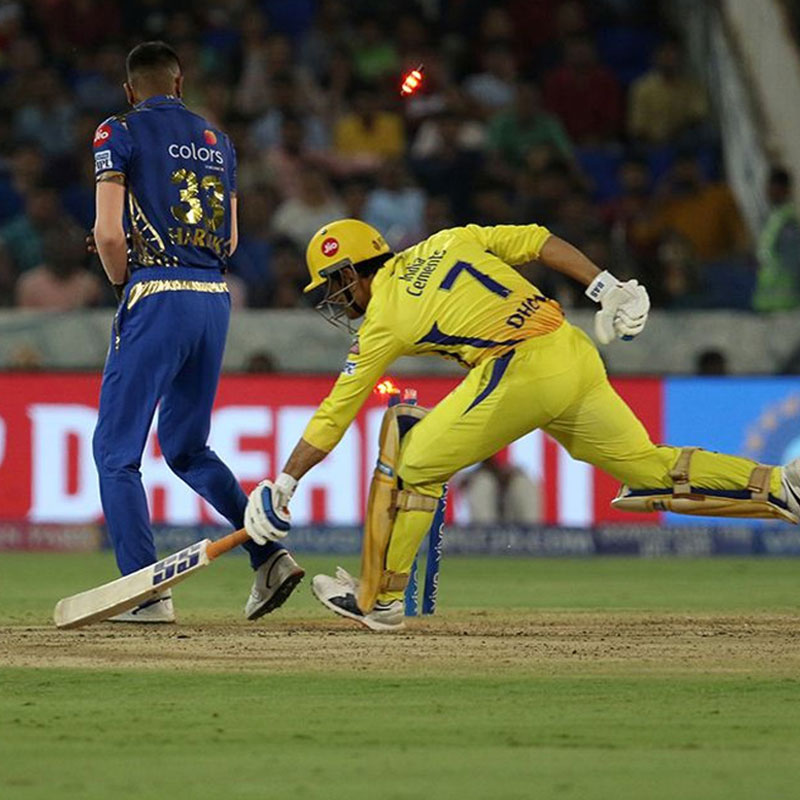
    Experts say cricket being the only most-watched sport in India along with expensive cricketing properties such as the Indian Premier League is the reason for the fewer ad volumes.

    Digitalkites senior vice-president Amit Lall says, “Unlike cricket and non-cricket sports category, India’s biggest domestic sporting event – Indian Premier League – has changed the whole ball game of the target audience. Sports which was seen as a male-target-audience-genre has now included a person of different age, gender, and class as their viewers due to the increasing popularity of IPL. Majority of brands are investing in cricket, especially in IPL. However, due to the massive viewership, the costing in IPL has gone up and brands with deep pockets are looking to leverage the other non-cricketing sports properties."

    A recent BARC report also mentioned that the female viewership in the sports genre has seen an 8 per cent rise, eating out of the forte of  Hindi GEC. As per an earlier BARC India data, sports genre's women viewership had 17.6 billion impressions in 2018 while the viewership grew by eight per cent to 19.1 in 2019.

    Despite all the data, cricket still leads. Lall says, “The co-sponsorship title of IPL which earlier could be bought for Rs 5 crore, is now sold for Rs 40-50 crore. However, the same co-sponsorship title in non-cricket property could be bought at just one-fourth the rate of IPL. The eyeballs on this property could be less but it will have maximum visibility if the target audience is bang-on.”

    Dentsu Aegis Network India chief executive officer Anand Bhadkamkar agrees that Indian sports is run mainly because of the popularity of cricket. "Advertisers are comfortable with cricket as there is sure-shot reach and returns. Naturally, spends done on cricket is high as compared to non-cricket properties due to its massive viewership.”  

    All said and done, the IPL has a lot working in its favour. Havas Media’s chief executive officer Anita Nayyar says: “Acquisition cost is higher in cricket, especially in IPL, as the tournament garners maximum eyeballs. IPL eats up 60-70 per cent sports ad spends of a brand. The cost that was Rs 5-6 lakh per 10 seconds in IPL has gone up to the Rs 8-10 lakh per 10 seconds, just because of the viewership rise of the tournament.”

    Judging by what the channel said, IPL 2019 saw a total reach of over 462 million across the Star network.

    However, despite an increase in viewership, sports other than cricket have hurdles. Nayyar adds, “Unlike cricket, which is watched pan-India, the other sports properties that are getting traction eventually are more regional in nature. Such as kabaddi is more of the north, football has keen enthusiasts in Kerala, West Bengal, and the Northeast region. These properties see the participation of regional advertisers and are reasonable as compared to pan-India-watched sports.”

    “A sports property like IPL is most-watched but has high costing, whereas a non-cricket sports property with meagre viewership has reasonable price and could be one of the reasons for the stagnant ad volumes in sports that BARC has mentioned in its 2019 report,” explains Nayyar.

    Bhadkamkar adds that apart from viewership on television, non-cricketing brands are indulging in non-traditional methods for promotion such as on-ground initiative, activations, etc. Moreover, apart from traditional sports, e-sports has become the talk of the town and brands do want to leverage it, too. Pro Kabaddi League is one of the non-cricketing sports that has been leveraging on-ground activations over traditional modes. 

    Unlike event-specific genres such as sports, the top three genres such as news, GECs and movies continue to account for over three-fourth of the total ad volumes in 2019, says the BARC 2019 viewership report.
  • Sports viewership grows by over 90% in the last 4 years: BARC report

    Sports viewership grows by over 90% in the last 4 years: BARC report

    MUMBAI: The sports viewership on television, with around 90 per cent of growth, has gained most in the last four years among other genres, says Broadcast Audience Research Council (BARC) India in the yearly report of 2019. It was mostly dominated by cricketing events such as IPL and the world cup.

    According to the report, the 2109 International Cricket Council's Cricket World Cup match between India and Pakistan was the most-watched game between 2016-2019 garnering over 29 billion viewing minutes. The Indo-Pak match was one of the five events in 2019 that had garnered maximum eyeballs on the television screens.

    “Within sports, cricket retains its numero uno position; live cricket pockets 58 percent of viewing minutes of sports broadcasts. Beyond cricket, the most-watched sports on TV are kabaddi, wrestling and football, and combined they corner 85 per cent on viewing minutes,” the BARC 2019 report reads.

    Similarly, 2019 was an important year with respect to sports, especially cricket. The first-ever Pink Ball Test Match played in India was also a big draw; day one of the test match was viewed by 43 million people and clocked 2 billion viewing minutes.

    The report also mentions that more than 70 per cent of rural India watches the kabaddi tournament, whereas at least 52 per cent of urban India gets entertained by the wrestling matches. Similarly, football gets more than half of its viewership from Kerala, Assam, Sikkim, and West Bengal.

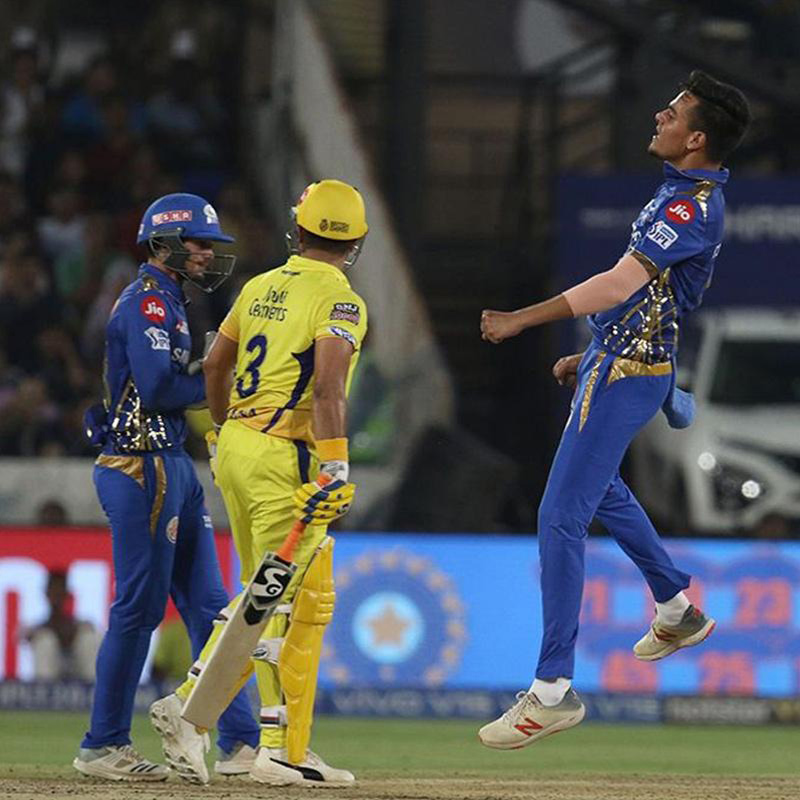
    India’s biggest domestic cricketing event, Indian Premier League, has only got bigger in 2019 since its inception in 2008. “In 2019, 424 million viewers, which is 51 per cent of total TV viewing population, watched live matches of IPL 12. It also showed that an additional 9 per cent watched tournament in restaurants, pubs and other such OOH locations.”

    The top ten advertisers for IPL 12 were Vivo V15/V15 Pro, Mobile Premier League, Swiggy, Bjyus, Fogg, Vimal Elaichi Pan Masala, and Sprite, among others. However, this year, the IPL’s thirteenth edition seems to be in doldrums amid the rising concern of the novel coronavirus.

    The 2019 marquee event ICC cricket world cup had pulled at least 509 million viewers at home and out-of-home, as 10 nations battled for supremacy. And, at least 2 million seconds of advertising featuring 192 brands played out over the tournament’s broadcast.

    The tournament was in England and Wales, and was supported by top advertisers such as BJYUS, Disney, Puro Heathy Salt, Fogg, Phonepee, Kamla Pasand Pan Masala, Nissan Kicks, and Vimal Elaichi Pan Masala, among others. This sports event was only viewed the most till the time India was in the tournament. As India was out of the race in the semis, the viewership declined.

    Despite viewership growth in the last four years, the sports genre has been ranked in the last position with a mere 1 per cent of total advertising volumes. genres such as news, GEC, and movies continue to account for over three-fourth of total ad volumes in 2019.

    Similarly, ESP Properties, entertainment and sports division of GroupM India, in its report, had said that the overall sports sponsorship industry grew by 17 per cent to Rs 9000 crore, and for the first time ever, the on-ground sponsorship grew by 25 per cent to Rs 2000 crore.

  • BCCI chief uncertain about future of IPL amid Covid19 crisis

    BCCI chief uncertain about future of IPL amid Covid19 crisis

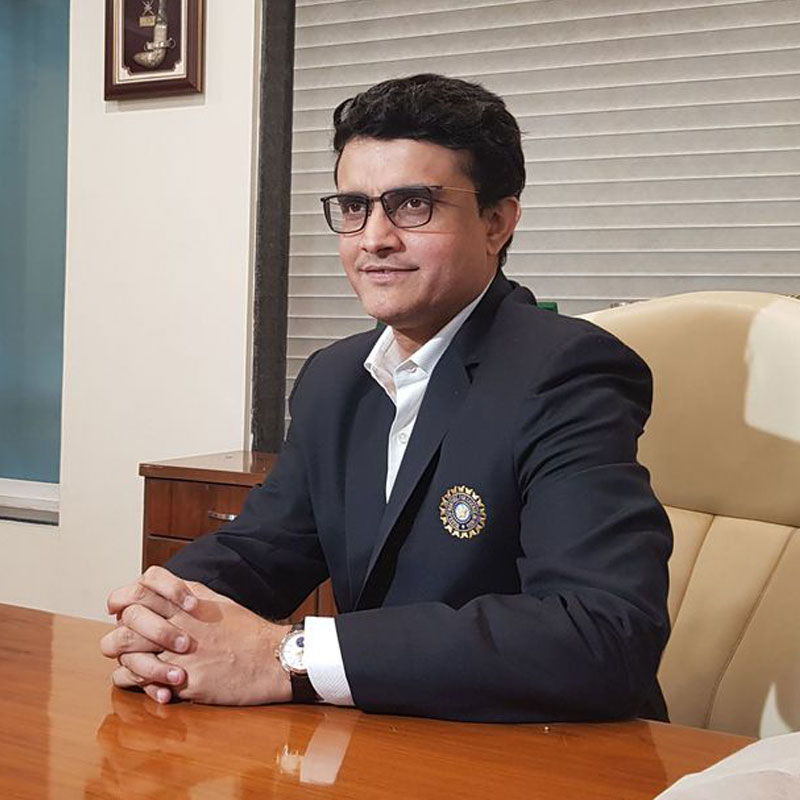
    MUMBAI: Board of Control for Cricket in India president Sourav Ganguly is uncertain about the future of the IPL tournament amid rising cases of the novel coronavirus in the nation.

    He told the Press Trust of India, “I can’t say anything at the moment. We are at the same place where we were on the day we postponed. Nothing has changed in the last 10 days. So, I don’t have an answer to it. Status quo remains.”

    Prime minister Narendra Modi during his address to the nation on Tuesday put the whole country under lockdown for the next 21 days, to curb the spread of the novel virus. He urged citizens to stay home and follow the shutdown religiously. The 21-day lockdown period completes on 15 April, the date to which the IPL has been suspended till.

    Ruling out any possibility of something being planned three or four months down the line, the BCCI chief says, “You can’t plan anything. The FTP is scheduled. It’s there and you can’t change the FTP. All around the world, cricket, and more so sports have stopped.”

    Estimates are that close to $1.5 billion is riding behind the IPL in terms of advertising, sponsorships and ticket sales. Moreover, Duff & Phelps, a global advisor that helps clients protect, restore and maximise value, has expected a loss for the tournament due to the coronavirus pandemic.

    In its IPL Brand Valuation Report 2019, it has considered two scenarios: 1) Truncated IPL with the number of matches reduced to half; 2) The entire IPL 13 season getting cancelled.

    The report says, “Under scenario one, the IPL ecosystem value estimated by the Duff and Phelps last year is expected to reduce by $200-350 million range (3-5 per cent). Whereas, in the second scenario IPL ecosystem value to reduce by $700-1,000 million range (around 10-15 per cent).”

    It will have to be seen how the suspension will impact the revenue potential of the league. And, how the BCCI will compensate telecast rights holder Star India for the loss of telecast days, if such a need does arise. It was expected that Star would raise close to Rs 3,000 crore this year through the IPL in terms of partnerships, sponsorships and air time deals.

  • Women’s T20 WC 2020 viewership grows three times to 5.4 bn mins

    Women’s T20 WC 2020 viewership grows three times to 5.4 bn mins

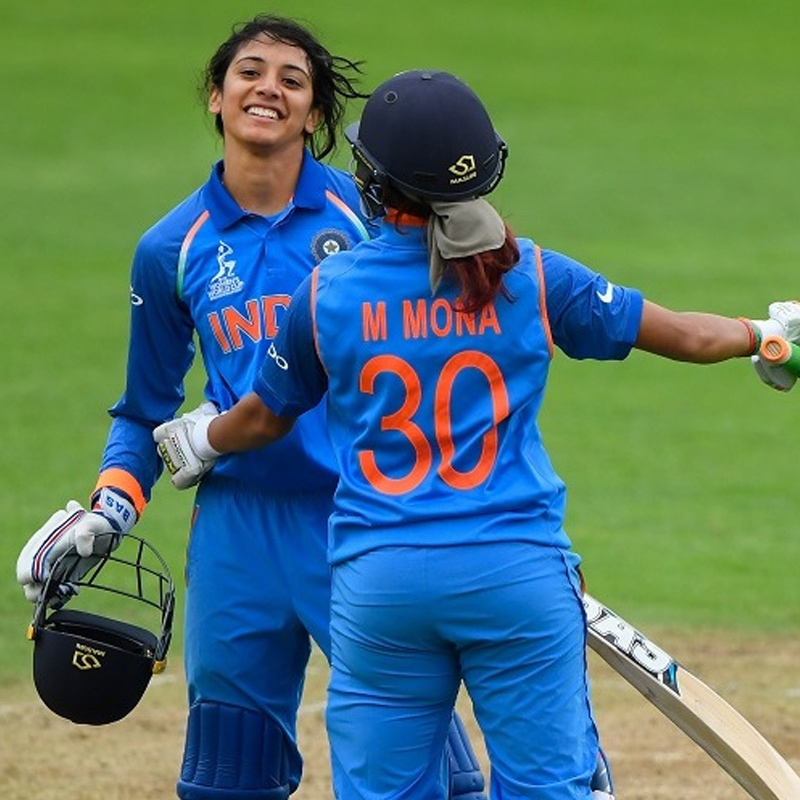
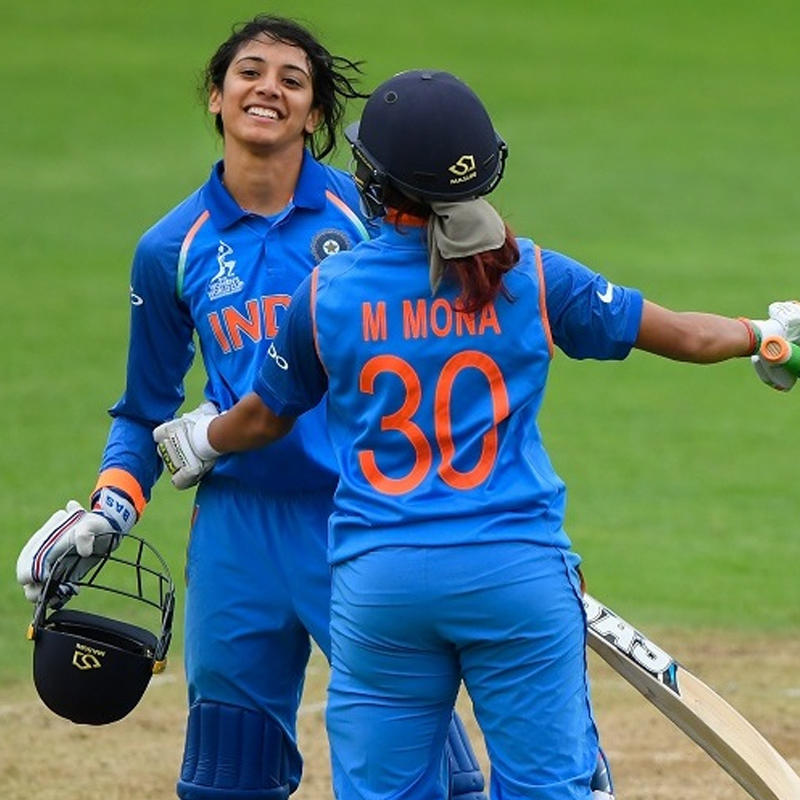
    MUMBAI: The recently concluded ICC Women’s T20 World Cup saw unprecedented growth in the consumption of T20 women’s cricket, resulting in the official broadcaster Star Sports setting new records. Consumption rose three times to 5.4 billion minutes during the tournament.

    The tournament has reached at a historical high of 74.9 million up 200 per cent. On the digital platform, Hotstar viewership grew 180 per cent while consumption per user rises 80 per cent and social conversations grew by 2.5 times compared to ICC Women's World Twenty20 2018.

    The finals, which witnessed hosts Australia square off against India, recorded 9.9 million average impressions, the highest ever for any women's T20 match. However, Australia beat India by 85 runs to win their fifth Women’s T20 World Cup crown in front of a packed Melbourne Cricket Ground with 86,174 fans in attendance during a final.

    Star Sports, through its campaign #TakeOnTheWorld, which featured the 16-year-old Indian opening batswomen, Shafali Verma, brought alive her single-minded focus and passion for the game. The same passion was seen in Shafali’s game throughout the tournament – her talent and pure power took the cricketing world by storm.

    Even though the teenage sensation ended up on the losing side, her performance during the tournament left many fans of the game in awe and eulogizing her prodigious talent despite her young age. The campaign generated 1.3 million interactions across social platforms, 5.2 times increase over the last ICC Women's World Twenty20 2018.

    The overwhelming response from fans not only inspires a generation of young girls to take up the sport but also attract brand and advertising interest to further fuel the growth of women's cricket in India.

    With this, Star Sports proudly supports 100 per cent cricket, the ICC’s yearlong campaign to grow the visibility of the women’s game, celebrate the players and their passion, and reinforce cricket’s position at the forefront of the women’s sports movement.

  • Tokyo Olympics 2020 postponed to summer of 2021

    Tokyo Olympics 2020 postponed to summer of 2021

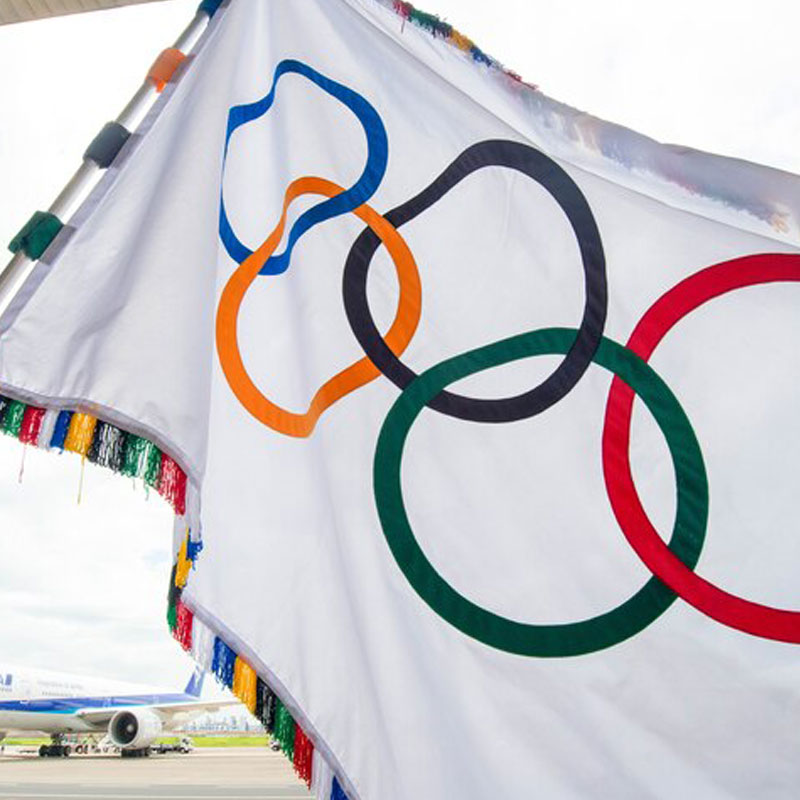
    MUMBAI: The sports industry has already taken a massive hit by the novel coronavirus that has created havoc across the globe. Now, as speculated, the Tokyo Olympics 2020 has also been postponed by a year to summer 2021, as confirmed by the International Committee of Olympics (IOC).

    According to the official statement, “The IOC president and the prime minister of Japan have concluded that the Games of the XXXII Olympiad in Tokyo must be rescheduled to a date beyond 2020 but not later than summer 2021, in order to safeguard the health of the athletes, everybody involved in the Olympic Games and the international community.”

    Though the final dates of the Olympics 2020 are yet to be announced by the organisers, “it was agreed that the Olympic flame will stay in Japan, and was also agreed that the Games will keep the name Olympic and Paralympic Games Tokyo 2020,” reads the official statement.

    The president of the International Olympic Committee (IOC), Thomas Bach, and the prime minister of Japan, Abe Shinzo, held a conference call this morning to discuss the constantly changing environment with regard to Covid-19 and the Olympic Games Tokyo 2020.

    The once-in-four-year sporting event, Olympics is the most-watched game across the globe and was scheduled to take place between 24 July and 9 August. Earlier last week, UEFA had also postponed the marquee event Euro Cup 2020 exactly by a year amid Covid19 pandemic.

    The postponement of the world’s biggest event may hit Japan’s economy, sponsors, advertisers, and organisers massively. It is expected that the game will cost around $12 billion. Olympics budget is split between the organisers, local and national governments. IOC is likely to contribute over $800 million.

    At present, this edition of Olympics has so far generated record domestic sponsorship revenues of over $3 billion. The top sponsors, who already have come onboard are Toyota, Bridgestone, Panasonic and South Korea’s Samsung in separate deals with IOC.

    According to Variety, Comcast has agreed to pay over $4.3 billion for US media rights to broadcast Olympics from 2014 to 2020. Moreover, Discovery Communications, the parent of television channel Eurosport has agreed to pay $1.4 billion to screen Olympics from 2018 to 2024 across Europe.

  • Olympics may be postponed but not cancelled

    Olympics may be postponed but not cancelled

    MUMBAI: The ambiguity revolving around Olympics 2020 has been put to rest by the organisers, making it clear that the once-in-four-year a sporting event won’t be cancelled but may get postponed to a later date amid the novel coronavirus pandemic.   

    According to media reports, Tokyo Olympics 2020 chief Yoshiro Mori on Monday said that organisers would consider postponement as one of many scenarios that they aim to have ready in four weeks, but that the games would not be cancelled.

    Mori also told during a news conference that a team of people from among the International Olympic Committee (IOC) and Tokyo organisers would discuss how to proceed with the games.

    Tokyo Olympics 2020 is scheduled to begin from 24 July to 9 August 2020.

    Mori’s comment on Olympics 2020 has come on the back of Canada’s decision to not to send its athletes to Tokyo unless the event is postponed by one year due to coronavirus pandemic. Similarly, the Australian contingent is preparing for the postponement of the event.

    Moreover, Japanese prime minister Shinzo Abe during these testing times is also of an opinion to postpone the Tokyo Olympics 2020. Abe had said, “Olympics could be postponed if it could not be held in its ‘complete form’ because of the coronavirus pandemic.”

    The postponement of the world’s biggest event may hit Japan’s economy, sponsors, advertisers and organisers massively. It is expected that the game will cost around $12 billion. Olympics budget is split between the organisers, local and national governments. IOC is likely to contribute over $800 million.

    At present, this edition of Olympics has so far generated record domestic sponsorship revenues of over $3 billion. The top sponsors, who already have come onboard are Toyota, Bridgestone, Panasonic and South Korea’s Samsung in separate deals with IOC.

    According to Variety, Comcast has agreed to pay over $4.3 billion for US media rights to broadcast Olympics from 2014 to 2020. Moreover, Discovery Communications, the parent of television channel Eurosport has agreed to pay $1.4 billion to screen Olympics from 2018 to 2024 across Europe.

  • IPL could see rev loss of upto $1000 mn due to COVID19

    IPL could see rev loss of upto $1000 mn due to COVID19

    MUMBAI: The postponement of Indian Premier League due to coronavirus pandemic will lead to a confirm loss in terms of revenue under two scenarios, according to a prediction by Duff and Phelps. In order to stop the spread of the virus in India, the BCCI has suspended IPL till 15 April.

    Duff & Phelps, a global advisor that helps clients protect, restore and maximise value, has undertaken a study to analyse the impact of COVID19 on the value of the IPL ecosystem. In its report IPL Brand Valuation Report 2019, it has considered two scenarios: 1) Truncated IPL with the number of matches reduced to half, a high possibility as per BCCI; 2) The entire IPL 13 season getting cancelled.

    The report says, “Under scenario one, the IPL ecosystem value estimated by the Duff and Phelps last year is expected to reduce by $200-350 million range (3-5 per cent). Whereas, in the second scenario IPL ecosystem value to reduce by $700-1,000 million range (around 10-15 per cent).”

    The global advisor on brand value says, “Our impact analysis has been carried out on the IPL ecosystem value calculated by Duff & Phelps last year, which was $6.8 billion in 2019. The analysis doesn’t reflect the current value of the IPL ecosystem, which would have been estimated after considering the factors available post completion of IPL 2020.”

    The report citing the first scenario says, “According to BCCI officials, in case the IPL season commences on 15 April, it will be truncated as more than 15 days would have been lost by that time. It predicted that in a truncated season, each team will play against the other only once, instead of the home & away format, thus reducing the number of league matches by half.”

    The report further adds, “Scenario one also gives two possibilities: one where the spectators are allowed inside the stadium and another where the matches are played behind closed doors, effectively impacting the in-stadia revenues including gate receipts and food and beverages.”

    “The second possibility in the first scenario is that it will have a negligible impact on IPL in terms of revenue, giving an upper hand to the official broadcaster. However, none of the stakeholders including the broadcasters prefer this option,” mentions the report. It further factors that the loss of revenue under this scenario will be low, as broadcast partners and sponsors will renegotiate the contracts based on the number of matches being played.

    Under the second scenario, Duff and Phelps have assumed the possibility of the entire IPL 13 getting cancelled, a high possibility if the current situation persists. This scenario will have a massive impact on the IPL ecosystem value, considering larger economic and financial consequences.

    The second scenario will also an economic impact due to the one year set back, where the global advisor anticipated that the sponsorship revenues might not grow at desired levels next year due to the current disruption.

  • Disney+ launch in India stalled due to IPL delay

    Disney+ launch in India stalled due to IPL delay

    MUMBAI: COVID-19 pandemic has stalled the entry of Disney+ in India. The scheduled launch of the streaming service has been paused and the new date is yet to be revealed.  

    “We recently announced that Disney+ would launch in India through the Hotstar service in conjunction with beginning of the Indian Premier League cricket season. Given the delay of the season, we have made the decision to briefly pause the roll-out of Disney+ and will announce a new revised premiere date for the service soon,” the Walt Disney Company APAC President, Star and Disney India Chairman Uday Shankar said.

    Former Disney CEO Bob Iger said in an earnings call after Q1 result that it would be launching the service in India through Hotstar on 29 March at the beginning of the Indian Premier League. After a successful first few months of its domestic launch, Disney+ is now gearing up for its international expansion. Iger wanted Disney+ to leverage the success of Hotstar in India by bundling the two services. During IPL 2019 , Hotstar registered more than 300 million users.

  • UEFA postpones Euro Cup 2020 by 12 months amid coronavirus scare

    UEFA postpones Euro Cup 2020 by 12 months amid coronavirus scare

    MUMBAI: As speculated, the once-in-four-year soccer event, Euro Cup 2020, has been postponed by a year amid the novel coronavirus scare, confirms Union of European Football Associations (UEFA) in a press statement. The flagship national team competition was scheduled to start on 12 June.

    The UEFA’s official statement reads: “The health of all those involved in the game is the priority and to avoid placing any unnecessary pressure on national public services involved in staging matches. This move will help all domestic competitions (Champions League and Europa League), currently on hold due to the COVID-19 emergency, to be completed.”

    “All UEFA competitions and matches (including friendlies) for clubs and national teams for both men and women have been put on hold until further notice. The UEFA EURO 2020 play-off matches and international friendlies, scheduled for the end of March, will now be played in the international window at the start of June, subject to a review of the situation,” the statement further reads.

    UEFA president Aleksander Čeferin says: “Moving EURO 2020 comes at a huge cost for UEFA but we will do our best to ensure that the vital funding for grassroots, women's football and the development of the game in our 55 countries, is not affected. Purpose over profit has been our guiding principle in taking this decision for the good of European football as a whole.”

    Meanwhile, the associations have also set up a working group with the participation of leagues and club representatives to examine calendar solutions that would allow for the completion of the current season and any other consequence of the decisions made today, says the statement.

    The decision was taken by UEFA's Executive Committee followed video-conference meetings held with the presidents and general secretaries of the 55 national associations, and representatives of the European Club Association, European Leagues and FIFPro Europe, convened by UEFA President.

    “The health of fans, staff and players has to be our number one priority and, in that spirit, UEFA tabled a range of options so that competitions can finish this season safely and I am proud of the response of my colleagues across European football," said UEFA president during the announcement.

    UEFA Euro Cup 2020 was scheduled to take place in 12 cities across Europe from 12 June to 12 July 2020. The proposed new dates are from 11 June to 11 July 2021.

    UEFA also assured its existing ticket buyers and hospitality clients that if they cannot attend the tournament in 2021, the face value of their tickets and packages will be refunded in full. And, within a month refund process, will be communicated via email and on euro2020.com/tickets.

    Over a dozen of football players and a coach are infected by the novel coronavirus alone in Europe. The virus that first appeared in Wuhan, China has been spread over 100 countries. At least 7000 people infected have succumbed to the virus and over 1.8 lakh people have been affected so far.

    The postponement is a big toll on the pockets of sponsors, advertisers and football enthusiasts who were all set to experience the mesmerizing soccer event that was supposed to be held across Europe. Italy is the third most-affected country in the world with over 10,000 confirmed cases. 

  • Indian women’s T20 world cup matches dominate TV screens with 72% viewing minutes

    Indian women’s T20 world cup matches dominate TV screens with 72% viewing minutes

    MUMBAI: The Indian women's cricket team may have failed to lift the T20 world cup at Melbourne, but definitely have turned the eyeballs of the audience, by putting up a tough fight during all the league matches.

    In the first 12 knock-out matches, Broadcast Audience Research Council (BARC) India reports: “Out of the 2548 million viewing minutes, Indian women’s matches dominated the television screen with a staggering 72 per cent to 1842 million viewing minutes.”

    According to BARC India, “The ongoing ICC Women’s T20 world cup garnered a total of 2548 million viewing minutes for the first 12 league matches played between 21-28 February. Of which 61 per cent of the male audience watched these matches.”

    “The 12 matches played during the tournament, achieved a cumulative reach of 46 million viewers, of which 27 million viewers were in the male category and 19 million were in the female,” reports BARC.

    For the first time in history, the International Cricket Council had organised the women’s T20 world cup as a standalone event unlike last season in 2016. The last edition of women’s T20 world cup was bundled with the men’s T20 world cup, which is scheduled later this year in October.

    According to the ICC, the first 12 matches of T20 world cup saw a growth of 213 per cent and attracted 2.46 billion viewing minutes in India versus 787 million viewing minutes for the same matches in the previous event in the same format.

    ICC also said that the opening match between India and Australia saw a reach of 20 million and an average audience of 3.55 million, which is 39 per cent higher than the most-watched match in the previous edition. Star Sports is the official global broadcast partner of ICC. In India, all the matches were shown in five languages: English, Hindi, Tamil, Kannada, and Telugu.

    Similarly, across ICC’s digital and social media platforms, fans have engaged in greater numbers than ever before with an unprecedented 701 million video views to date compared to previous best in 2017 for the women’s ODI cricket world cup, which netted a total of 100 million views from the whole event.